ไทย
ไทย  English
  简体中文
简体中文  Deutsch
  Español
  Français
  Italiano
  日本語
日本語  한국어
한국어  Polski
  Português
  Русский
  Türkçe
  Nederlands
  Tiếng Việt
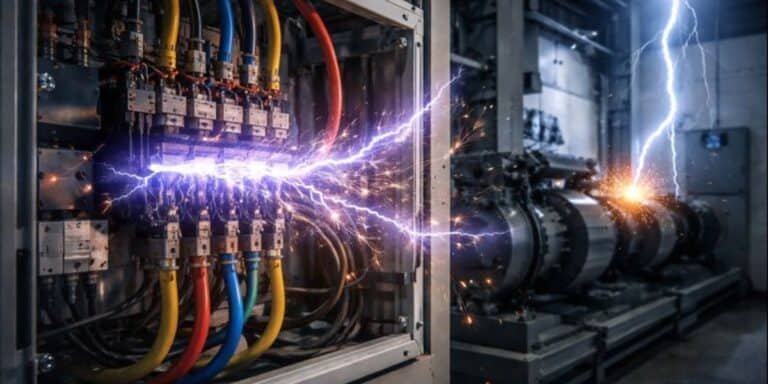
อุปกรณ์ป้องกันไฟกระชาก (SPD) จัดอยู่ในประเภทที่ 1 ประเภท 2 และประเภทที่ 3 เพื่อสะท้อนให้เห็นถึงตำแหน่งที่ใช้งานภายในระบบไฟฟ้าและวิธีจัดการพลังงานไฟกระชาก ณ ตำแหน่งนั้น ประเภทนี้ใช้แทนกันไม่ได้ แต่ละรายการได้รับการออกแบบมาสำหรับสภาพแวดล้อมและการป้องกันไฟกระชากเฉพาะ และทำงานได้อย่างถูกต้องเมื่อใช้เป็นส่วนหนึ่งของระบบที่ประสานกันเท่านั้น
บทความนี้เป็นคู่มือทางเทคนิคเชิงเปรียบเทียบ ไม่ได้แนะนำพื้นฐานการป้องกันไฟกระชากอีกครั้ง แต่จะเน้นที่ SPD ประเภท 1, ประเภท 2 และประเภท 3 แตกต่างกันอย่างไรในด้านบทบาท ความสามารถ และปฏิสัมพันธ์ของระบบ และวิธีที่วิศวกรกำหนดตำแหน่งที่ถูกต้องในการติดตั้งระบบไฟฟ้าจริง
กรอบการเปรียบเทียบ: ประเภท SPD มีความแตกต่างกันอย่างไร
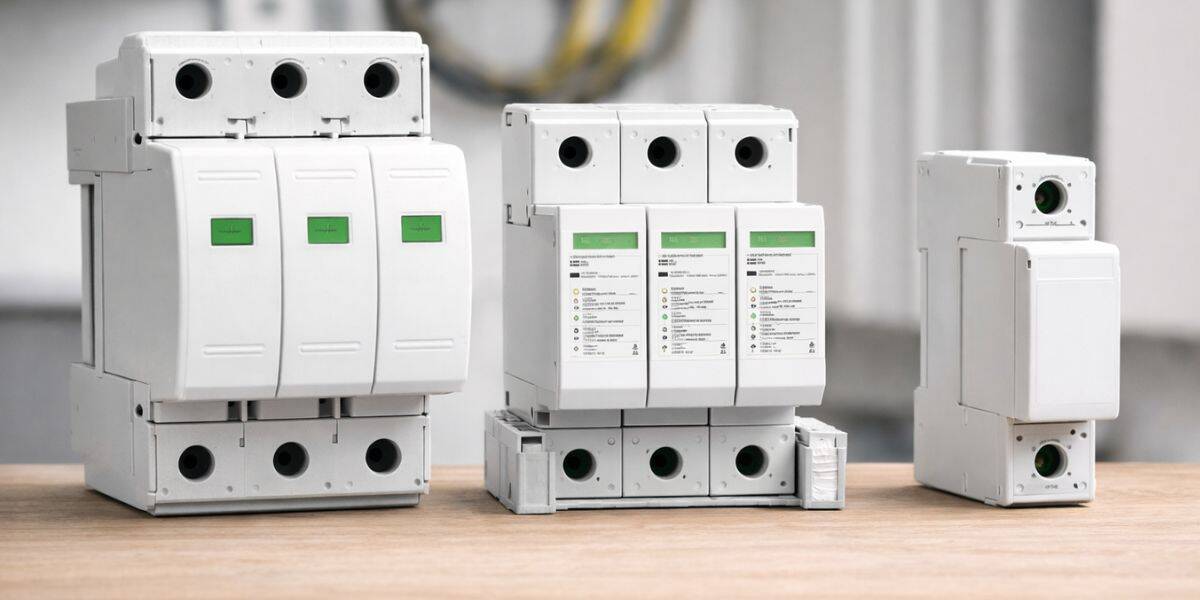
การจำแนกประเภท SPD ไม่ได้ขึ้นอยู่กับขนาดผลิตภัณฑ์ ราคา หรือการรับรู้ถึงความทนทาน ขึ้นอยู่กับตำแหน่งการติดตั้งและการเปิดรับสัญญาณไฟกระชากที่คาดไว้
เมื่อพลังงานไฟกระชากเดินทางผ่านระบบไฟฟ้า ลักษณะของมันเปลี่ยนไป:
- กระแสไฟกระชากลดลง
- รูปร่างคลื่นวิวัฒนาการ
- แรงดันตกค้างยังคงเป็นอันตรายต่ออุปกรณ์ที่มีความละเอียดอ่อน
เนื่องจากพฤติกรรมนี้ การป้องกันไฟกระชากจึงแบ่งออกเป็นโซน SPD แต่ละประเภทได้รับการออกแบบให้ทำงานภายในโซนเฉพาะ ซึ่งสามารถจัดการกับความเครียดจากไฟกระชากได้โดยไม่ต้องเครียดหรือทำงานต่ำกว่ามาตรฐาน
การเปรียบเทียบระหว่าง Type 1, Type 2 และ Type 3 SPD ควรพิจารณา:
- ตำแหน่งการติดตั้ง
- ระดับพลังงานไฟกระชากที่คาดไว้
- ฟังก์ชั่นการป้องกันเบื้องต้น
- การพึ่งพา SPD ประเภทอื่น
ประเภท 1 กับ ประเภท 2 กับ ประเภท 3: การเปรียบเทียบแบบเคียงข้างกัน
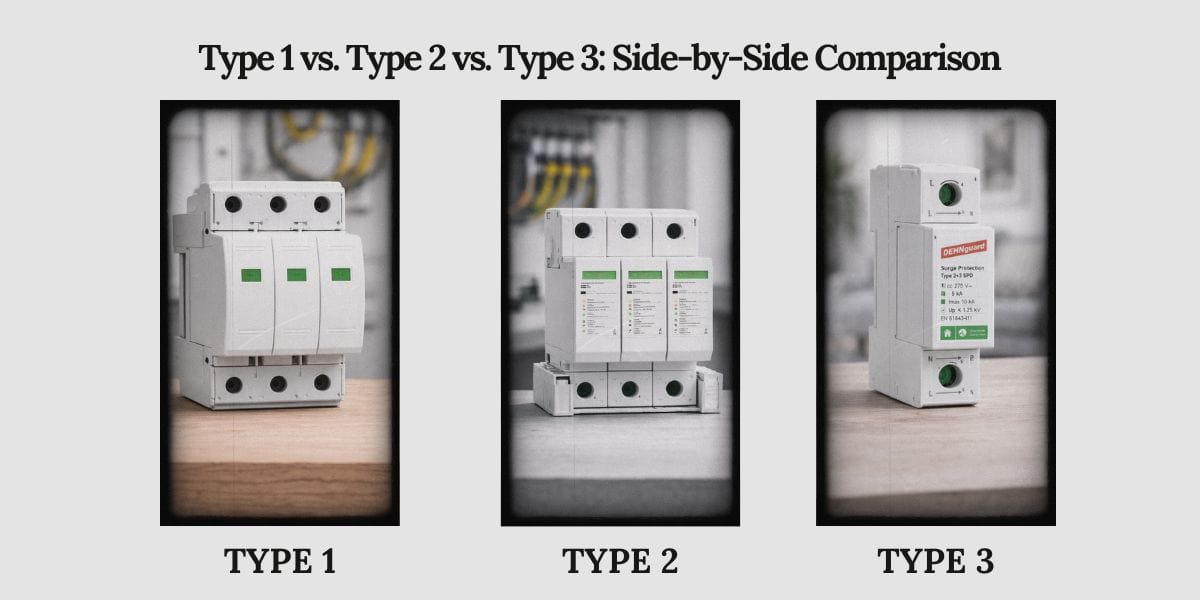
| วง | ประเภท 1 SPD | ประเภท 2 SPD | ประเภท 3 SPD |
| ตำแหน่งการติดตั้งทั่วไป | ทางเข้าบริการ สายข้างทางสายหลัก | แผงกระจาย, ด้านโหลดของการตัดการเชื่อมต่อ | ใกล้อุปกรณ์ไว |
| ระดับการเปิดรับสัญญาณไฟกระชาก | ฟุ้ง | กลางถึงสูง | เลว |
| หน้าที่หลัก | โอนกระแสไฟกระชากขาเข้า | แคลมป์ตกค้างและสวิตชิ่งไฟกระชาก | ข้อ จำกัด แรงดันไฟฟ้าละเอียด |
| กระแสไฟกระชาก | ฟุ้ง | ปานกลางถึงสูง | เลว |
| ความแม่นยำในการจับแรงดันไฟฟ้า | เลว | สายกลาง | อุจ |
| ความเหมาะสมแบบสแตนด์อโลน | ไม่ | คับแคบ | ไม่ |
| การพึ่งพา SPD อื่น ๆ | ต้องใช้ดาวน์สตรีมประเภทที่ 2 | มักจับคู่กับแบบที่ 1 และแบบที่ 3 | ต้องใช้ต้นน้ำประเภท 1 หรือประเภทที่ 2 |
| ความเสี่ยงทั่วไปหากนำไปใช้ผิด | การป้องกันอุปกรณ์ไม่เพียงพอ | ความกดดันและอายุขัยลดลง | มหันตภัย |
การเปรียบเทียบนี้เน้นหลักการสำคัญ: ประเภท SPD ถูกกำหนดโดยฟังก์ชันและตำแหน่ง ไม่ใช่โดยการจัดอันดับประสิทธิภาพ
ประเภท 1 กับ ประเภท 2: ความแตกต่างในการป้องกันต้นน้ำ
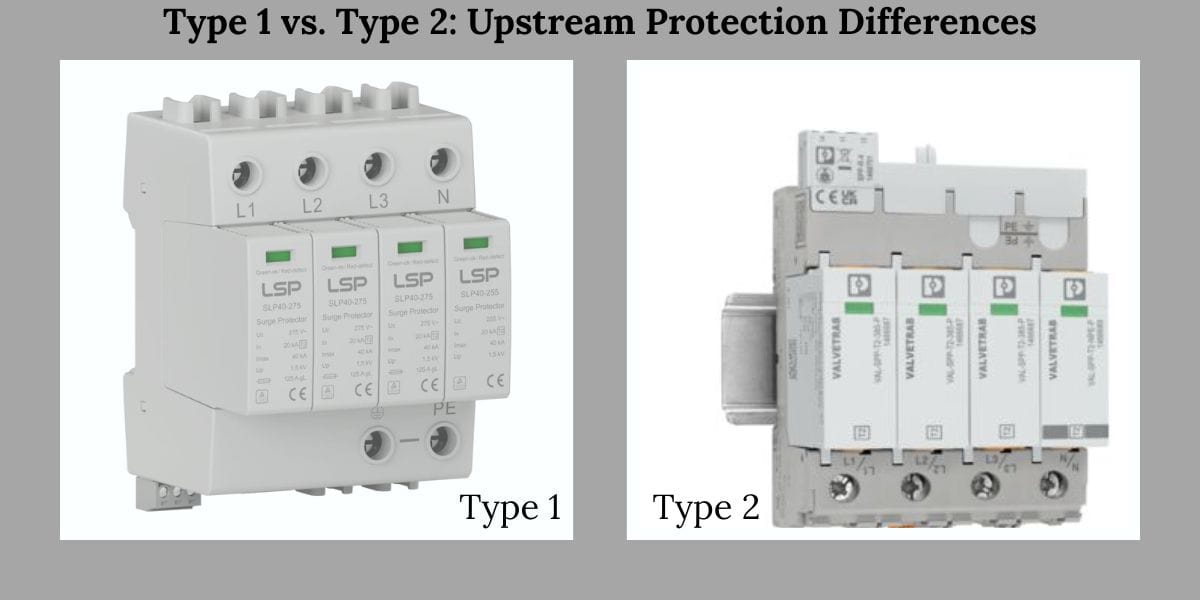
บริบทการติดตั้ง
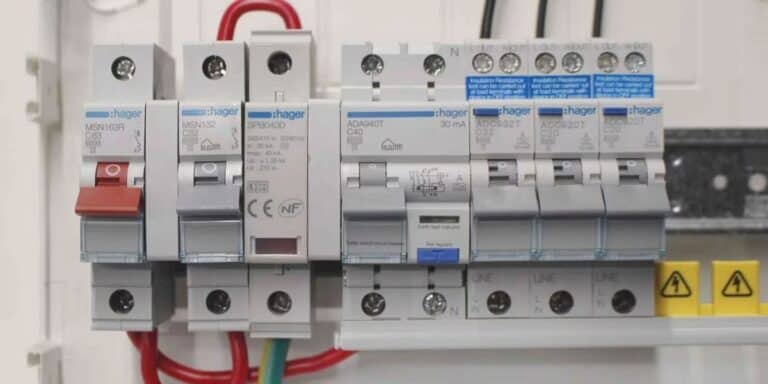
มีการติดตั้ง SPD แบบที่ 1 ที่ทางเข้าบริการ โดยที่การเปิดรับไฟกระชากภายนอกจะสูงที่สุด SPD ประเภท 2 ถูกติดตั้งดาวน์สตรีม ภายในระบบจำหน่ายภายใน
ความแตกต่างของตำแหน่งนี้จะเปลี่ยนสิ่งที่อุปกรณ์แต่ละเครื่องคาดว่าจะจัดการโดยพื้นฐาน
โปรไฟล์พลังงานกระชาก
- ประเภท 1 SPDs พบกับแรงกระตุ้นที่มีพลังงานสูงที่เกี่ยวข้องกับเหตุการณ์ที่เกี่ยวข้องกับฟ้าผ่าที่เข้ามาจากเครือข่ายยูทิลิตี้
- ประเภท 2 SPDs พบกับพลังงานฟ้าผ่าที่ตกค้างและสวิตชิ่งชั่วคราวที่สร้างขึ้นบ่อยครั้ง
เนื่องจากอุปกรณ์ประเภท 2 ไม่ได้ออกแบบมาสำหรับแรงกระตุ้นพลังงานสูงสุด จึงไม่สามารถเปลี่ยนการป้องกันแบบที่ 1 ที่ทางเข้าบริการได้
ความแตกต่างในหน้าที่การงาน
- ประเภทที่ 1 มุ่งเน้นไปที่การผันกระแสไฟกระชาก
- ประเภทที่ 2 มุ่งเน้นไปที่การจำกัดแรงดันไฟฟ้าและการควบคุมไฟกระชากซ้ำ
การติดตั้งเฉพาะการป้องกันแบบที่ 2 ในสภาพแวดล้อมที่เปิดรับแสงสูงจะเปลี่ยนความเครียดที่มากเกินไปไปยังอุปกรณ์ที่ไม่ได้ออกแบบมาสำหรับอุปกรณ์ดังกล่าว ซึ่งนำไปสู่การเสื่อมสภาพก่อนเวลาอันควร
ประเภท 2 เทียบกับประเภท 3: การกระจายเทียบกับการป้องกันระดับอุปกรณ์
ความใกล้ชิดในการติดตั้ง
SPD ประเภท 2 ปกป้องเครือข่ายการกระจาย ในขณะที่ SPD ประเภท 3 ปกป้องอุปกรณ์หรือวงจรแต่ละรายการ ระยะห่างระหว่าง SPD และโหลดที่ได้รับการป้องกันเป็นตัวสร้างความแตกต่างที่สำคัญ
การควบคุมแรงดันไฟฟ้าตกค้าง
หลังจากการป้องกันต้นน้ำ แรงดันไฟฟ้าชั่วคราวที่เหลือยังคงสามารถทนต่อแรงกระตุ้นของอุปกรณ์อิเล็กทรอนิกส์ที่มีความละเอียดอ่อนได้ SPD ประเภท 3 ให้การปรับแต่งแรงดันไฟฟ้าที่จุดใช้งาน
ข้อจำกัดในการจัดการพลังงาน
SPD ประเภท 3 ไม่ได้ออกแบบมาเพื่อดูดซับพลังงานไฟกระชาก หากสัมผัสกับเหตุการณ์พลังงานสูงโดยตรง สิ่งเหล่านี้อาจล้มเหลวอย่างรวดเร็ว นี่คือเหตุผลที่ต้องไม่ใช้โดยไม่มีการป้องกันต้นน้ำ
การเปรียบเทียบระหว่างประเภทที่ 2 และประเภท 3 ไม่ได้เกี่ยวกับ "ดีกว่า" แต่เกี่ยวกับตำแหน่งที่ความแม่นยำมาแทนที่การจัดการพลังงาน
ทำไมไม่มี SPD เดียวก็พอ
การป้องกันไฟกระชากไม่ใช่สารเติมแต่ง การติดตั้งอุปกรณ์หลายเครื่องประเภทเดียวกันไม่ได้ให้การป้องกันแบบเลเยอร์
SPD แต่ละประเภททำงานได้อย่างเหมาะสมเฉพาะในช่วงความเค้นที่ตั้งใจไว้เท่านั้น:
- แบบที่ 1 ลดพลังงานไฟกระชากที่เข้ามา
- ประเภทที่ 2 จัดการแรงดันไฟเกินที่เหลืออยู่
- ประเภท 3 จำกัด แรงดันไฟฟ้าตกค้างสุดท้าย
ความพยายามที่จะทำหน้าที่เหล่านี้ทั้งหมดด้วยอุปกรณ์เครื่องเดียวส่งผลให้มีการป้องกันที่ถูกบุกรุก อายุการใช้งานสั้นลง หรือทั้งสองอย่าง
การใช้แบบประสานกันของ Type 1, Type 2 และ Type 3 SPDs
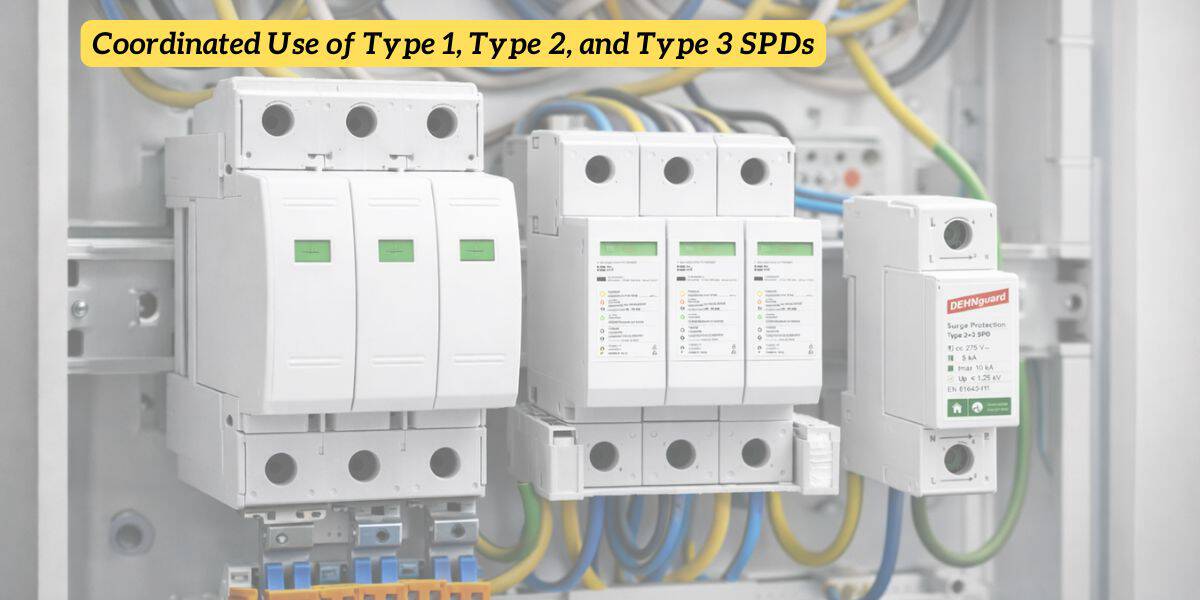
การประสานงานทำงานอย่างไร
ระบบป้องกันไฟกระชากแบบประสานกันสะท้อนวิธีการแพร่กระจายพลังงานของไฟกระชาก:
- ประเภท 1 เปลี่ยนแรงกระตุ้นพลังงานสูงที่ระบบ
- ประเภท 2 แคลมป์ที่เหลือกระชากภายในระบบจำหน่าย
- ประเภท 3 ปกป้องโหลดที่ละเอียดอ่อนจากแรงดันตกค้าง
แต่ละขั้นตอนจะช่วยลดความเครียดในขั้นต่อไป
ทำไมการประสานงานจึงสำคัญกว่าปริมาณ
การประสานงานที่ไม่เหมาะสมอาจทำให้เกิด:
- แบ่งปันพลังงานที่ไม่สม่ำเสมอ
- ความร้อนสูงเกินไป
- พฤติกรรมความล้มเหลวที่คาดเดาไม่ได้
ตำแหน่งที่ถูกต้องและการแยกอิมพีแดนซ์มีความสำคัญมากกว่าการติดตั้งอุปกรณ์เพิ่มเติม
สถานการณ์การเปรียบเทียบตามแอปพลิเคชัน
ทางเข้าบริการพร้อมรับแสงภายนอก
สิ่งอำนวยความสะดวกที่มีสายสาธารณูปโภคเหนือศีรษะหรือโครงสร้างพื้นฐานทางไฟฟ้าภายนอกอาคารต้องการการป้องกันแบบที่ 1 ที่ทางเข้าบริการ ตามด้วยการป้องกันแบบที่ 2 ปลายน้ำ
ระบบจำหน่ายเชิงพาณิชย์และอุตสาหกรรม
การดำเนินการสลับครอบงำกิจกรรมไฟกระชาก SPD ประเภทที่ 2 ให้บทบาทการป้องกันหลัก ซึ่งมักจะประสานงานกับอุปกรณ์ประเภท 1 ต้นน้ำ
ระบบอิเล็กทรอนิกส์ที่ละเอียดอ่อน
ตัวควบคุมการทำงานอัตโนมัติ เครื่องมือวัด และอินเทอร์เฟซการสื่อสารต้องการการป้องกันแบบที่ 3 แต่เมื่อลดพลังงานไฟกระชากต้นน้ำแล้วเท่านั้น
ระบบเฟสเดียวกับระบบสามเฟส
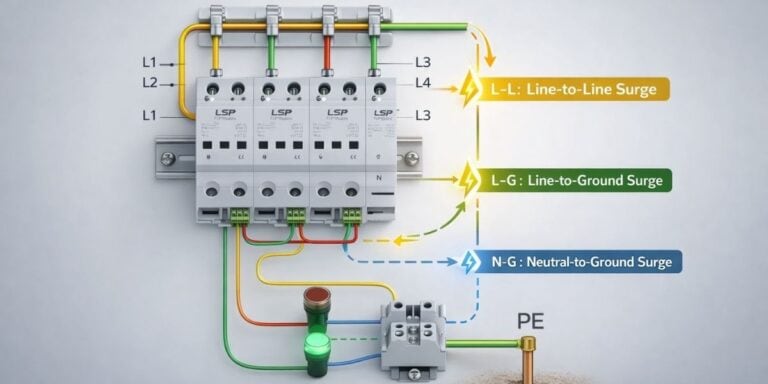
3 เฟส อุปกรณ์ป้องกันไฟกระชาก ต้องจัดการชั่วคราวแบบเฟสต่อเฟสและเฟสต่อกราวด์อย่างสม่ำเสมอ การเลือกประเภท SPD ต้องสอดคล้องกับการกำหนดค่าระบบ ไม่ใช่แค่ระดับแรงดันไฟฟ้าเท่านั้น
ข้อผิดพลาดทั่วไปที่วิศวกรทำ
- สมมติว่าอุปกรณ์ประเภท 3 สามารถทำงานแบบสแตนด์อโลนได้
- การปรับขนาด OVERSIZING OVERSIZE หนึ่งแทนที่จะประสานงานหลายประเภท
- การติดตั้งอุปกรณ์ Type 2 หลายเครื่องโดยไม่คำนึงถึงความต้านทาน
- การปฏิบัติต่อประเภท SPD เป็นระดับประสิทธิภาพมากกว่าบทบาทหน้าที่
ข้อผิดพลาดเหล่านี้ลดประสิทธิภาพการป้องกันและเพิ่มความเสี่ยงในการบำรุงรักษา
บริบทมาตรฐาน
มาตรฐานเช่น UL 1449 และ IEC 61643 กำหนดเงื่อนไขการทดสอบและเกณฑ์การจำแนกประเภทสำหรับประเภท SPD พวกเขาสนับสนุนการเปรียบเทียบที่สม่ำเสมอ แต่ไม่ได้แทนที่การตัดสินใจทางวิศวกรรมระดับระบบเกี่ยวกับการจัดวางและการประสานงาน
บทสรุป
อุปกรณ์ป้องกันไฟกระชากแบบที่ 1 ประเภท 2 และประเภทที่ 3 ทำหน้าที่เสริมบทบาทที่ชัดเจนและเสริมภายในระบบไฟฟ้า ความแตกต่างถูกกำหนดโดยตำแหน่งการติดตั้ง การเปิดรับสัญญาณไฟกระชาก และฟังก์ชันการป้องกัน ไม่ใช่ตามระดับผลิตภัณฑ์หรือตำแหน่งทางการตลาด
การป้องกันไฟกระชากที่มีประสิทธิภาพขึ้นอยู่กับการประสานงาน ไม่ใช่ขนาดใหญ่เกินไปหรือซ้ำซ้อน เมื่อใช้ SPD แต่ละประเภทในที่ทำงานได้ดีที่สุด พลังงานไฟกระชากจะถูกควบคุมอย่างค่อยเป็นค่อยไป ความเค้นของอุปกรณ์จะลดลง และความน่าเชื่อถือของระบบในระยะยาวจะดีขึ้น
คำถามที่พบบ่อย
กระทู้ที่เกี่ยวข้อง