Tiếng Việt
  English
  简体中文
简体中文  Deutsch
  Español
  Français
  Italiano
  日本語
日本語  한국어
한국어  Polski
  Português
  Русский
  Türkçe
  Nederlands
  ไทย
ไทย 
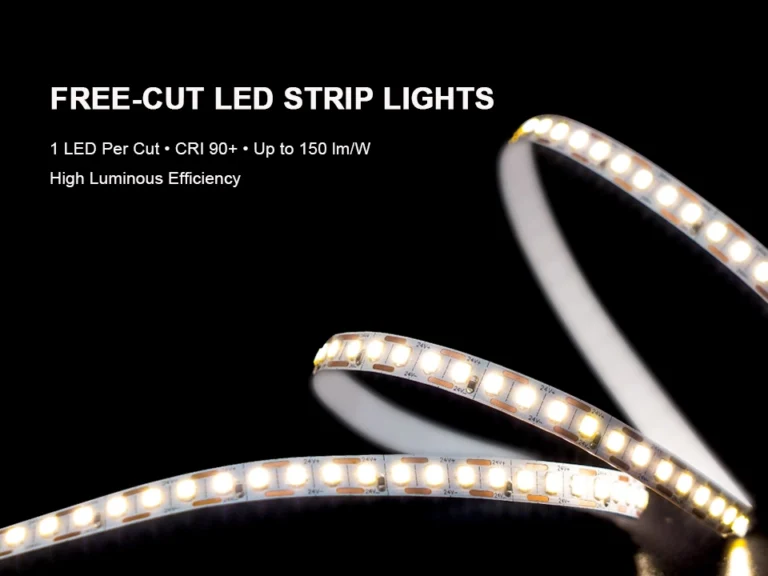
Câu trả lời trực tiếp: Khi lựa chọn ánh sáng tuyến tính cho các dự án thương mại, kiến trúc hoặc nhà ở, các nhóm mua sắm phải đánh giá cẩn thận khả năng làm mờ giao nhau như thế nào với các lựa chọn đóng gói LED cụ thể. Thông qua danh mục mở rộng của nó Dải đèn LED SMD, Signiteled cung cấp một khung linh hoạt để kiểm soát độ sáng và màu sắc, được hỗ trợ bởi một loạt các bộ điều chỉnh độ sáng tương thích, bộ điều khiển tiên tiến và trình điều khiển có thể điều chỉnh độ sáng. Các sản phẩm của nhà máy bao gồm nhiều loại bao bì, bao gồm SMD3528, SMD5050, SMD2835, SMD5630, SMD3014 và SMD2216. Điều hướng từ điều chế độ rộng xung đơn sắc cơ bản hoặc tần số vô tuyến làm mờ đến các hệ thống kiến trúc 0-10V, DALI và DMX tinh vi đòi hỏi nhiều hơn là chỉ cần kiểm tra hộp “có thể điều chỉnh độ sáng” trên một bảng thông số kỹ thuật. Yếu tố quyết định thực sự của khả năng tương thích hệ thống nằm ở việc căn chỉnh điện áp hoạt động, tổng công suất, kiến trúc kênh màu và giao thức điều khiển để đảm bảo thực thi hoàn hảo trên các ứng dụng chiếu sáng đa dạng.
Sự lựa chọn gói SMD xác định số kim hiệuanh ấy điện nốt thứ sáu trongĐiểm xuất phát quang học thứ ND
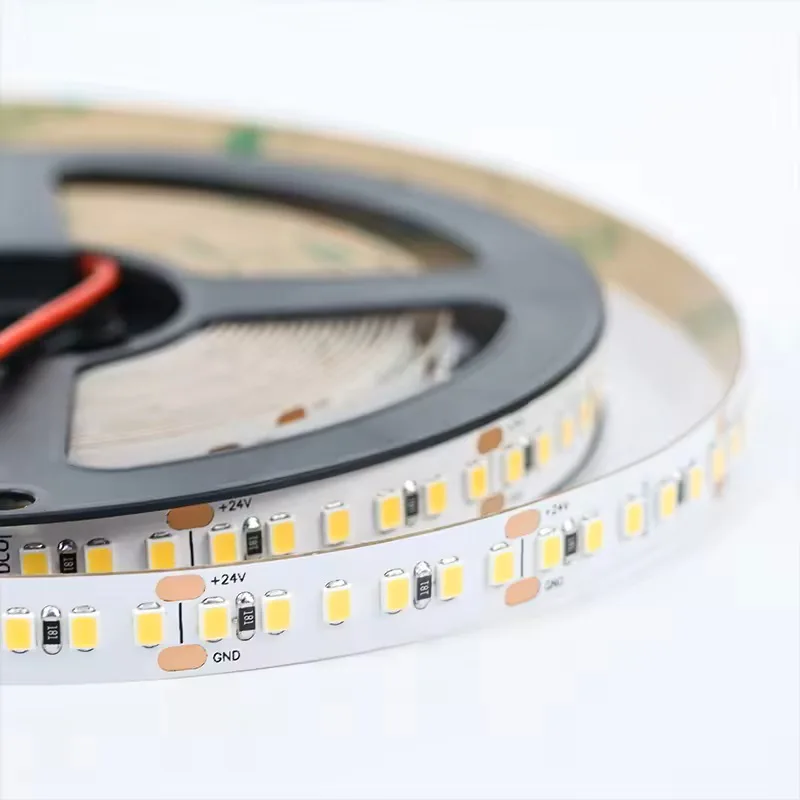
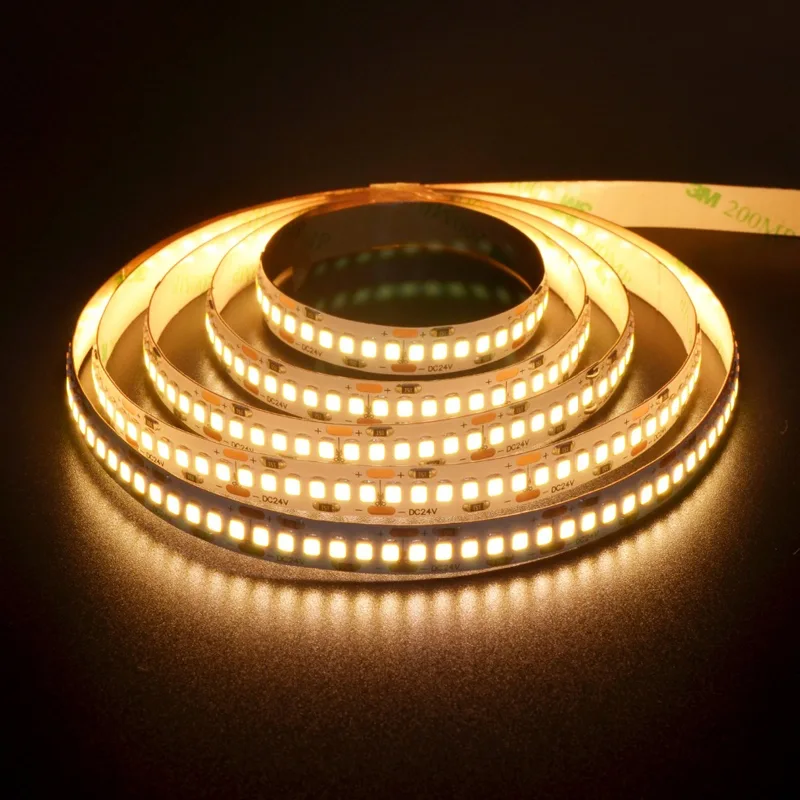
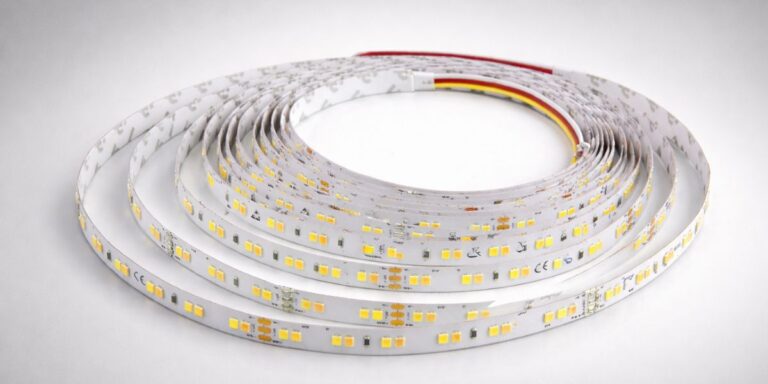
Chọn một dải đèn LED SMD bắt đầu với loại gói, thiết kế PCB và đầu ra ánh sáng mục tiêu, không phải với xếp hạng chung về kích thước chip. Phạm vi của Signlited bao gồm SMD3528, SMD5050, SMD2835, SMD5630, SMD3014 và SMD2216. SMD2835 thường được sử dụng trong các gia đình ánh sáng trắng, trong khi SMD5050 hỗ trợ nhiều kiến trúc đa màu. Gói xác định nền tảng LED vật lý; đặc điểm kỹ thuật dải hoàn thiện vẫn cần mật độ LED, chiều rộng PCB, công suất, kiến trúc màu sắc và môi trường.
Hơn nữa, vì các thiết bị gắn trên bề mặt được tích hợp trên bảng mạch in linh hoạt, loại gói chỉ đại diện cho một thành phần của thiết kế dải hoàn chỉnh. Các kỹ sư phải đánh giá đồng thời mật độ đèn LED trên mỗi mét, chiều rộng PCB, mức tiêu thụ điện năng tổng thể, nhiệt độ màu tương quan, cấp bảo vệ xâm nhập và phương pháp cung cấp điện đã chọn. Các biến này tương tác trực tiếp với các ràng buộc vật lý của thiết bị chiếu sáng và môi trường dự định. Bằng cách chia nhỏ quy trình đặc tả thành các biến kỹ thuật riêng biệt này, các nhà thiết kế chiếu sáng có thể tránh được cạm bẫy khi khái quát hóa một loại gói SMD duy nhất là lựa chọn tối ưu tuyệt đối cho mọi dự án, đảm bảo rằng công nghệ được chọn phù hợp chính xác với các yêu cầu sáng cụ thể.
Ví dụ mô hình cho thấy tại sao phải đọc loại đèn LED với kiến trúc kênh
Lựa chọn mô hình cho thấy lý do tại sao phải đọc cùng nhau về kiến trúc gói và kênh. Một dải SMD2835 có thể được cấu hình cho màu trắng hoặc trắng có thể điều chỉnh được, trong khi thiết kế SMD5050 có thể hỗ trợ RGBW. Những cấu hình đó yêu cầu số lượng kênh điều khiển khác nhau ngay cả khi tên gói vẫn quen thuộc. Do đó, người mua nên xác định kiến trúc màu sắc và các thông số mô hình trước khi chọn bộ điều khiển hoặc bộ điều khiển.
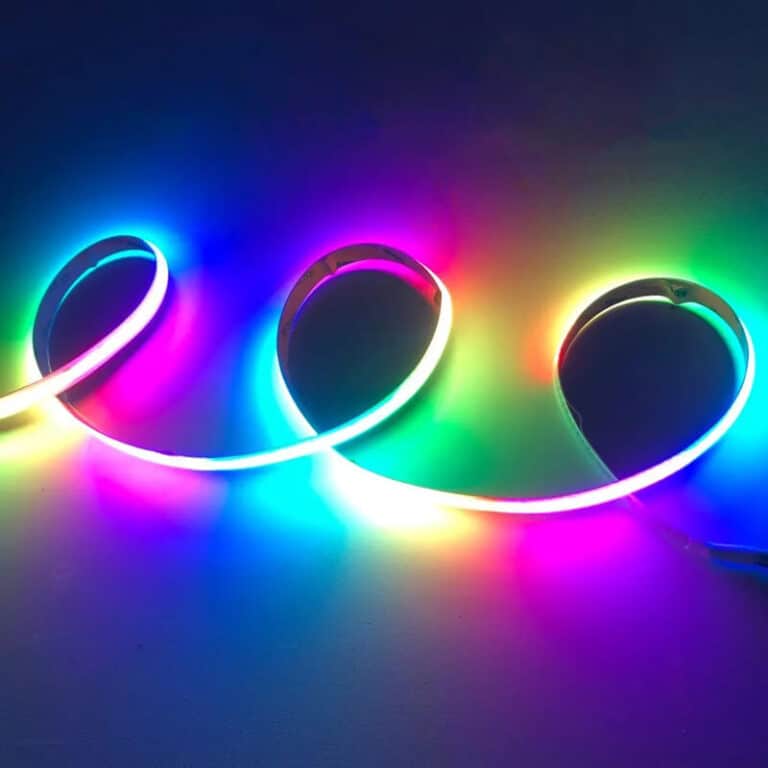
Mở rộng khả năng màu sắc, cấu hình SMD5050 được thiết kế cho các ứng dụng RGBW thay đổi độ phức tạp kiến trúc đáng kể. Hoạt động trên DC12V hoặc DC24V với 60 đèn LED trên mỗi mét, cấu trúc này mở rộng yêu cầu điều khiển từ một kênh trắng duy nhất sang hệ thống bốn kênh quản lý đầu ra màu đỏ, xanh lá cây, xanh lam và chuyên dụng độc lập. Do đó, bộ điều khiển dự án phải hoàn toàn khớp với số kênh thực tế hiện có trên dải. Việc chỉ định một sản phẩm chỉ dựa trên chỉ định “5050” bỏ qua sự khác biệt quan trọng giữa dải RGB tiêu chuẩn và hệ thống RGBW. Gói LED và kiến trúc màu phải được đọc cùng nhau; chỉ bằng cách đặt loại SMD trở lại bối cảnh của các thông số mô hình hoàn chỉnh, người mua có thể xác định chính xác các chiến lược điều khiển và làm mờ cần thiết.
Làm mờ cơ bản có thể sử dụng inline, núm, RF Ấyr bộ điều khiển cảm ứng
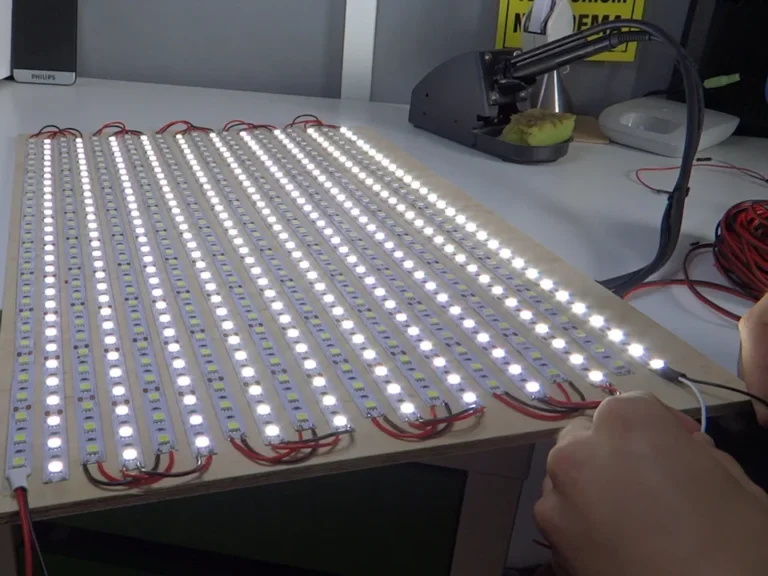
Đối với các dải SMD đơn màu, có thể điều chỉnh được màu trắng và RGBW thông thường, có một đường dẫn điều khiển toàn diện, nhiều tầng, từ các núm nội tuyến đơn giản và điều khiển tần số vô tuyến đến các bảng cảm ứng treo tường thanh lịch. Điều này đảm bảo rằng các điều chỉnh độ sáng cần thiết có thể được thực hiện một cách hiệu quả mà không phải tốn kém và phức tạp khi giới thiệu các giao thức kiến trúc toàn tòa nhà. Các dải SMD có thể đạt được độ sáng chính xác hoặc điều chỉnh màu sắc khi được ghép nối với bộ điều khiển hoặc bộ điều khiển thích hợp. Danh mục bộ điều khiển LED mở rộng bao gồm các tùy chọn như bộ điều chỉnh núm xoay đơn màu đơn giản, bộ điều khiển nội tuyến DC12-24V và hệ thống đồng bộ RF 2.4G đáp ứng, hoàn toàn phù hợp để điều chỉnh cài đặt chiếu sáng điện áp liên tục tiêu chuẩn.
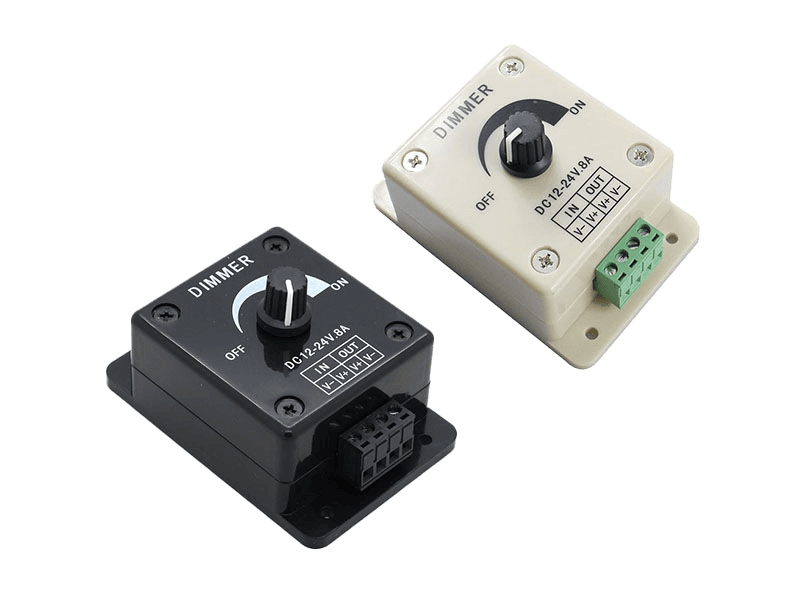
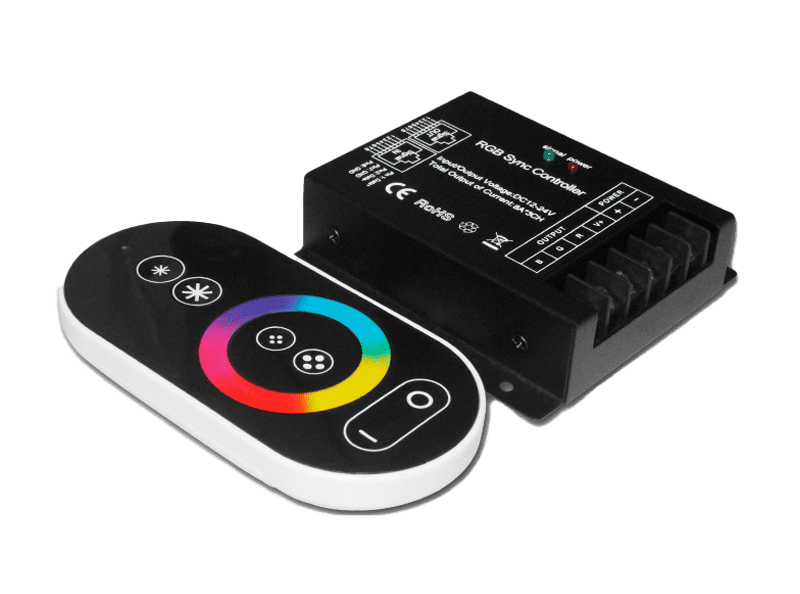
Dòng bộ điều khiển gắn trên tường giúp tinh chỉnh thêm trải nghiệm người dùng bằng cách cung cấp các giao diện riêng biệt được điều chỉnh cho phù hợp với các cấu hình kênh cụ thể. Chúng bao gồm bảng điều khiển làm mờ một màu chuyên dụng, bảng cảm ứng CCT chuyên dụng và làm mờ, và bảng điều khiển làm mờ RGBW toàn diện. Cách tiếp cận được nhắm mục tiêu này cho phép giao diện điều khiển vật lý tương ứng trực tiếp với kiến trúc kênh màu của dải đã cài đặt. Bằng cách tách các bộ điều khiển màu trắng, màu trắng có thể điều chỉnh và RGBW theo các kênh chức năng của chúng, hệ thống đảm bảo tích hợp liền mạch. Do đó, làm mờ SMD thông thường có thể được quản lý thông qua các bộ điều khiển cục bộ được chọn dựa trên sở thích giao diện người dùng và đầu ra màu cụ thể, giải phóng các dự án từ mặc định sang mạng điều khiển quá phức tạp cho các nhu cầu chiếu sáng cơ bản.
0-10V, Đại Lý nốt thứ sáu trongND DMX phục vụ hệ thống chiếu sáng lớn hơn hoặc tích hợp hơn
Đối với các dự án thương mại và đa khu vực, 0-10V, DALI và DMX có thể cung cấp điều khiển cấp hệ thống khi dải được ghép nối với bộ điều khiển, bộ giải mã hoặc trình điều khiển có thể điều chỉnh độ sáng tương thích. Các giao thức này không phải là khả năng gốc của mọi dải SMD. Đường dẫn chính xác phụ thuộc vào đầu ra điện áp không đổi, số lượng kênh, tải và hệ thống điều khiển ánh sáng phải giao tiếp với dải.
Bộ điều khiển và phạm vi trình điều khiển của Signeled cung cấp cầu nối giữa mạng điều khiển và tải LED, bao gồm các trình điều khiển điện áp không đổi DALI và các tùy chọn giải mã DMX-to-PWM hoặc DMX-to-SPI. Các nhóm dự án nên xác nhận chính xác cấu hình bộ điều khiển hoặc trình điều khiển cho dải đã chọn thay vì giả sử khả năng tương thích giao thức chỉ từ tên dải.
Kiểm tra khả năng tương thích ngăn chặn nhấp nháy, phạm vi giới hạn và lỗi kiểm soát
Hệ thống làm mờ nên được kiểm tra như một chuỗi điện trước khi mua sắm:
- Điện áp hoạt động phải phù hợp với dải, bộ điều khiển và nguồn điện.
- Bộ điều khiển định mức và công suất của trình điều khiển phải vượt quá tải được kết nối.
- Bộ điều khiển phải phù hợp với kiến trúc kênh màu của dải.
- Giao thức làm mờ và đường dẫn tín hiệu phải khớp với trình điều khiển hoặc bộ giải mã đã chọn.
Ngược lại, các dải RGB và RGBW thường được quản lý tốt nhất thông qua PWM được ghép nối với bộ điều khiển RGB phù hợp chính xác để xử lý đầu ra đa kênh, trong khi các dải kỹ thuật công suất cao có thể yêu cầu tích hợp vào đường dẫn 0-10V hoặc DALI. Hơn nữa, điện áp định mức và tổng công suất của bộ điều chỉnh độ sáng phải vượt quá tải thực tế của các dải LED được kết nối. Việc chọn các thành phần chỉ dựa trên tên của giao thức điều khiển mà không xác minh các ngưỡng điện chắc chắn dẫn đến các vấn đề vận hành. Độ mờ đáng tin cậy không phải là tính năng của một phụ kiện duy nhất, mà là kết quả của kiến trúc điều khiển và điện hoàn toàn phù hợp, quy định rằng các thông số kỹ thuật mua sắm phải khóa trong dải và hệ thống điều khiển đồng thời trước khi mua.
Tích hợp nhà máy chuyển đổi các yêu cầu làm mờ thành thông số kỹ thuật SMD tùy chỉnh
giá trị sản xuất đáng kể được cung cấp bởi SignliteLED Khả năng dịch các loại LED cụ thể, kiến trúc kênh màu, thiết kế PCB, điện áp hoạt động và phương pháp điều khiển chính xác thành các thông số kỹ thuật SMD sẵn sàng sản xuất. Khả năng này được củng cố bởi một cơ sở sản xuất tự động mở rộng và các dịch vụ OEM / ODM chuyên dụng, tạo nền tảng đáng tin cậy để chuyển từ các mô hình tiêu chuẩn sang các tùy chỉnh PCB hoàn toàn mới. Công ty tích cực hỗ trợ các nhà phân phối chiếu sáng, công ty kỹ thuật dự án và người mua cơ sở thông qua sản xuất nội bộ toàn diện, tùy chỉnh theo định hướng kỹ thuật và các giao thức kiểm soát chất lượng nghiêm ngặt. Dòng sản phẩm SMD khuyến khích các nhà quản lý dự án xác nhận chính xác mô hình, nhiệt độ màu, xếp hạng IP và khả năng tương thích kiểm soát được quy định bởi các yêu cầu ứng dụng cụ thể của họ.
Để phù hợp với các chiến lược mua sắm đa dạng, nhà máy duy trì các thông số đặt hàng linh hoạt. Các mô hình SMD tiêu chuẩn thường có sẵn với số lượng đặt hàng tối thiểu (MOQ), tạo điều kiện mua sắm đơn giản cho các cài đặt thông thường. Tuy nhiên, khi một dự án cần một thiết kế PCB hoàn toàn mới để giải quyết các ràng buộc không gian hoặc điện duy nhất, một ranh giới MOQ cụ thể được thiết lập để hỗ trợ quá trình sản xuất tùy chỉnh. Sự tách biệt này cho phép cả mua hàng tiêu chuẩn và phát triển tùy chỉnh theo các con đường được tối ưu hóa. Bằng cách kết nối trực tiếp các yêu cầu đóng gói, kênh và làm mờ của đèn LED SMD với khả năng sản xuất bê tông và thông số kỹ thuật của hệ thống kiểm soát, nhà cung cấp đảm bảo một con đường toàn diện từ lựa chọn thành phần ban đầu đến sản xuất tùy chỉnh được tích hợp đầy đủ.
Câu hỏi thường gặp
Để khám phá các thông số kỹ thuật chi tiết của sản phẩm, khả năng tùy biến và hỗ trợ dự án kỹ thuật cho lần cài đặt tiếp theo của bạn, hãy truy cập trang web chính thức tại https://www.signliteled.com/.
Bài viết liên quan