Italiano
  English
  简体中文
简体中文  Deutsch
  Español
  Français
  日本語
日本語  한국어
한국어  Polski
  Português
  Русский
  Türkçe
  Nederlands
  Tiếng Việt
  ไทย
ไทย 
Le luci a LED sono diventate una delle soluzioni di illuminazione più utilizzate per officine, magazzini, garage e spazi industriali. Poiché le aziende cercano una maggiore efficienza, costi di manutenzione inferiori e un'illuminazione più affidabile, la tecnologia a LED ha in gran parte sostituito l'illuminazione tradizionale del negozio fluorescente.
Tuttavia, il termine "luci da negozio a LED" può significare cose diverse per acquirenti diversi. Per alcuni, si riferisce alle luci lineari di base utilizzate in garage o aree di stoccaggio. Per altri, soprattutto in ambienti industriali o commerciali, significa illuminazione durevole e ad alto rendimento in grado di funzionare in condizioni difficili. È qui che spesso sorge la confusione, in particolare quando le luci dei negozi a LED si sovrappongono a soluzioni più robuste come le luci a prova di trip.
Questo articolo spiega cosa sono veramente le luci del negozio a LED, i diversi tipi disponibili e come le opzioni di livello industriale come le luci a prova di tripla si adattano alla categoria più ampia dell'illuminazione del negozio.
Cosa sono le luci del negozio a LED?
In termini generali, le luci del negozio a LED sono apparecchi a LED lineari o compatti progettati per fornire un'illuminazione luminosa e uniforme in spazi orientati al lavoro. Questi includono officine, aree di produzione, magazzini, garage e ripostigli in cui l'illuminazione funzionale è più importante del design decorativo.
Rispetto ai tradizionali apparecchi fluorescenti, le luci a LED offrono un'efficacia luminosa maggiore, avvio istantaneo, durata della vita più lunga e un consumo energetico notevolmente ridotto. La maggior parte delle luci a LED sono disponibili in lunghezze standard come 4 piedi o 8 piedi e possono essere montate in superficie, sospese o collegate tra loro in file continue.
Dal punto di vista del mercato, "Shop Lights" è una descrizione funzionale piuttosto che una rigida categoria tecnica. Si concentra su dove viene utilizzata la luce, non necessariamente su come è costruita. Per questo il termine può includere sia apparecchi di illuminazione per interni di base che soluzioni di illuminazione industriale più robuste.
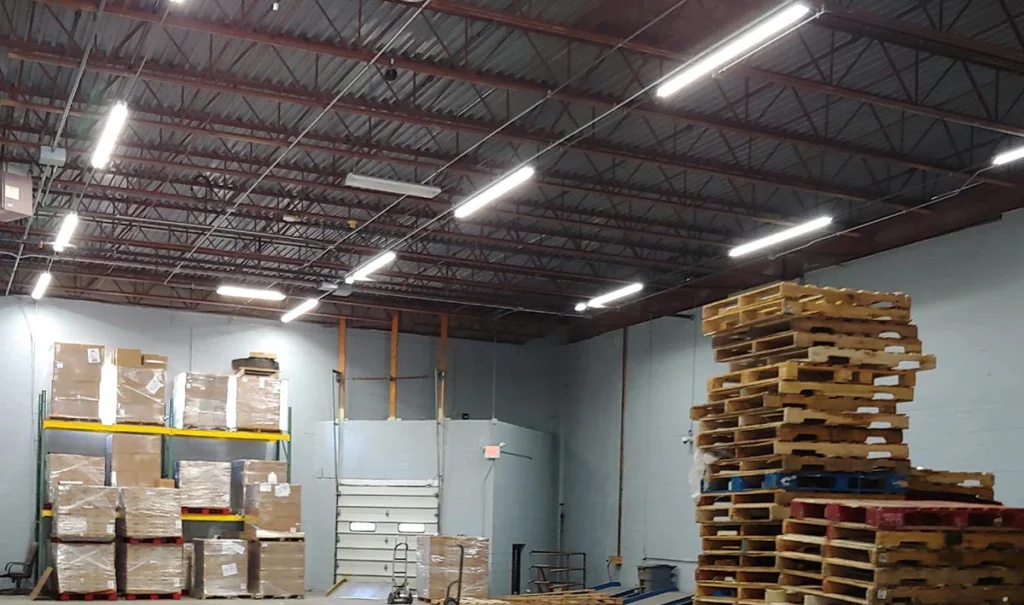
Tipi comuni di luci da negozio a LED
Le luci del negozio a LED possono essere suddivise in diverse categorie in base alla struttura, al livello di protezione e all'ambiente applicativo.
luci del negozio a led standard
Si tratta in genere di infissi non impermeabili con alloggiamenti di base, spesso in acciaio o plastica. Sono adatti per ambienti interni asciutti e puliti come garage, retrobotteghe al dettaglio o laboratori leggeri. I livelli di protezione di solito vanno da IP20 a IP40.
Luci del negozio a led industriali
Progettate per soffitti più alti e ore di funzionamento più lunghe, le luci dei negozi industriali presentano una maggiore produzione di lumen, una migliore gestione termica e alloggiamenti più durevoli. Sebbene non siano sempre impermeabili, sono costruiti per l'affidabilità in ambienti di lavoro impegnativi.
Luci da negozio a LED impermeabili e pesanti
Questa categoria include luci da negozio progettate per condizioni bagnate, polverose o corrosive. Queste luci soddisfano spesso standard IP65 o superiori e sono comunemente utilizzate negli impianti di trasformazione alimentare, nei parcheggi, nei celle frigorifere e nelle officine industriali.
È in questa categoria che appaiono naturalmente luci a tre proventi.
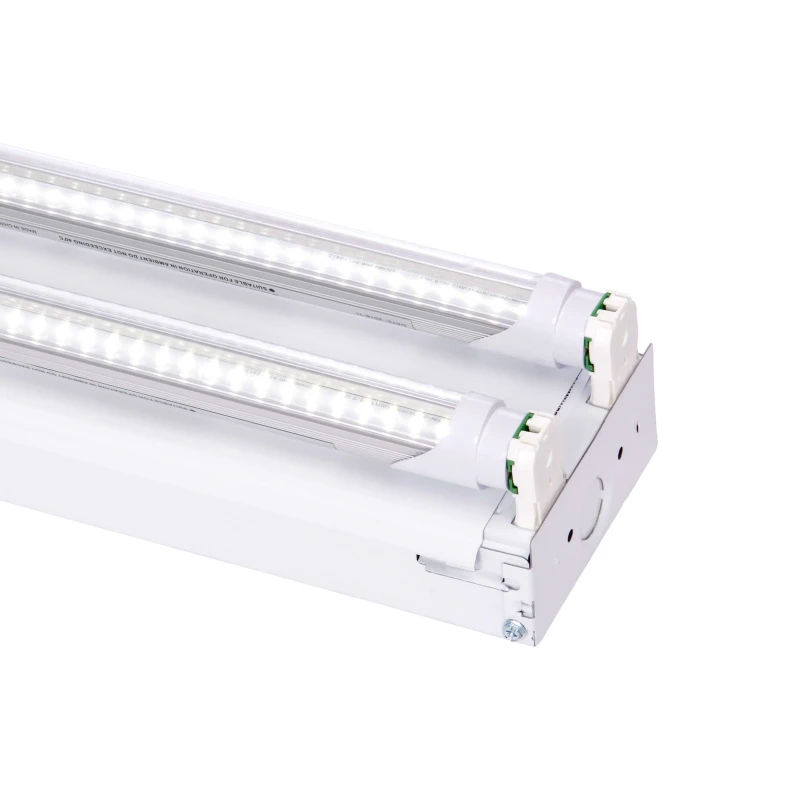
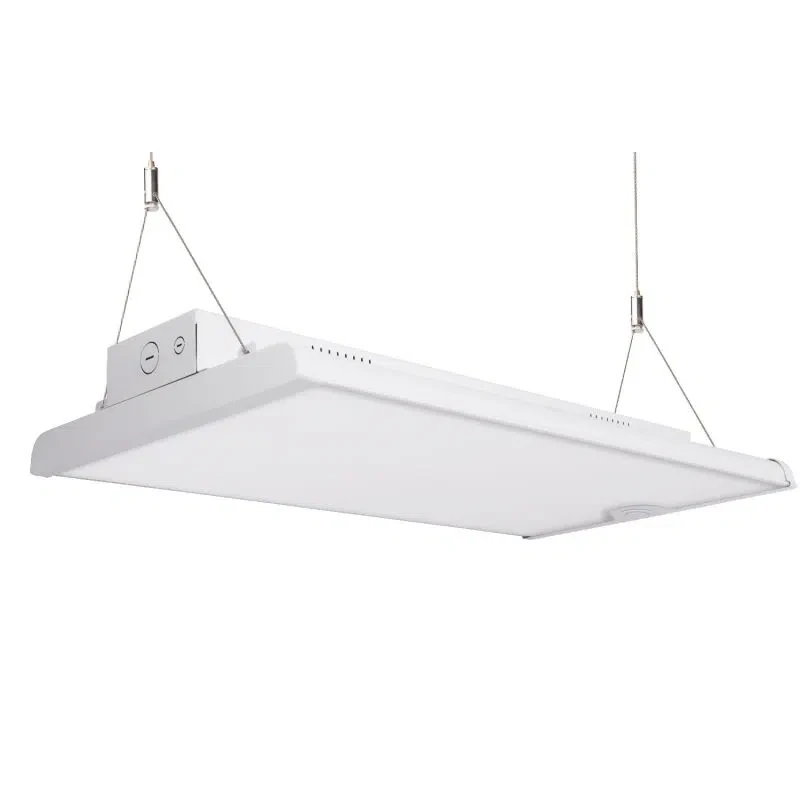
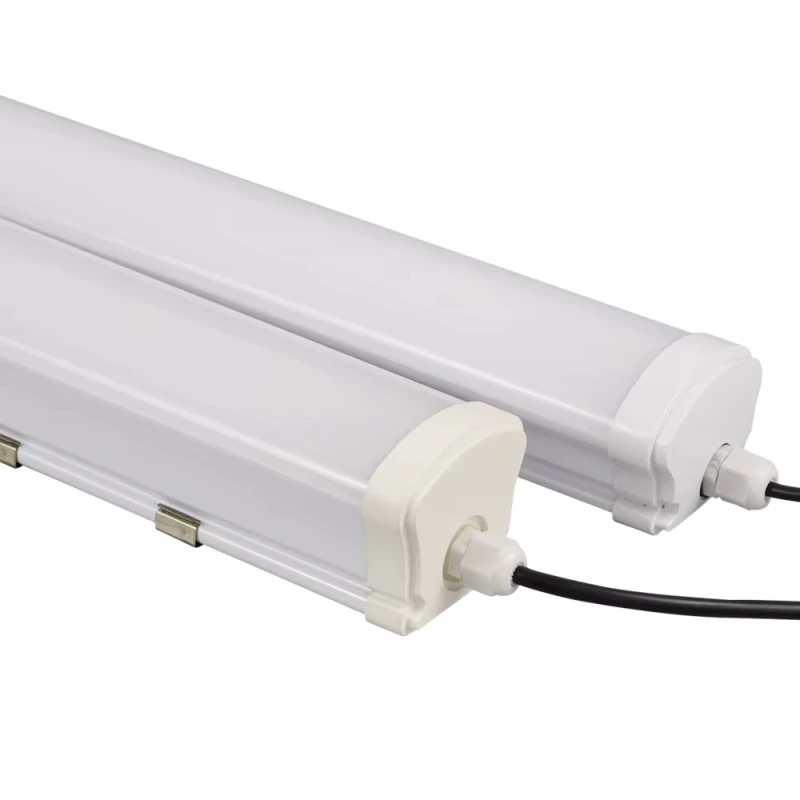
Luci a prova di tre Come tipo di luce del negozio a LED
In molti progetti industriali, gli acquirenti si riferiscono a luci a prova di tre come una forma di illuminazione a LED e, da un punto di vista funzionale, questo è del tutto ragionevole.
Le luci a prova di trio sono anche conosciute con molti altri nomi, tra cui:
Luci del negozio a LED impermea
Luci lineari a LED IP65 o IP66
Luci a tenuta di vapore
Luci a LED antipolvere e antiumidità
Luci a LED
Il termine "triprova" si riferisce tradizionalmente alla resistenza all'acqua, alla polvere e alla corrosione. Strutturalmente, questi dispositivi sono sigillati, utilizzano alloggiamenti resistenti agli urti (spesso policarbonato o plastica rinforzata) e incorporano guarnizioni in silicone per proteggere i componenti interni.
Quando i clienti cercano "luci da negozio a LED" per ambienti industriali, spesso cercano questi apparecchi robusti e sigillati, anche se inizialmente non usano il termine "tri-proof".
Quando le luci a prova di tremore hanno senso come illuminazione del negozio?
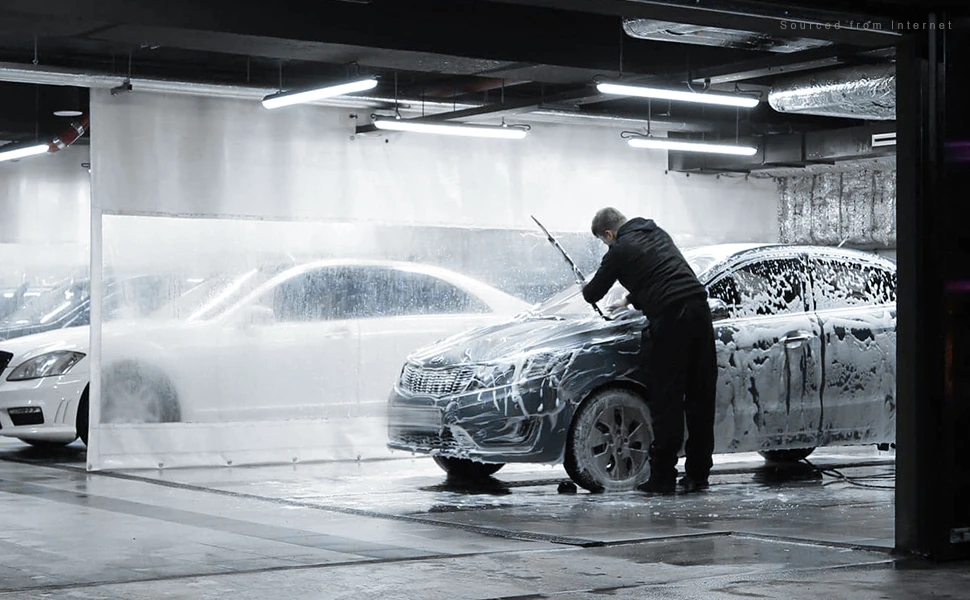
Sebbene le luci del negozio standard funzionino bene in spazi puliti e asciutti, potrebbero fallire prematuramente in ambienti difficili. Le luci a prova di tre sono la scelta migliore quando l'illuminazione del negozio è esposta a:
Alta umidità o spruzzi d'acqua
polvere, detriti o particelle disperse nell'aria
Pulizia frequente con acqua o prodotti chimici
Conservazione a freddo o fluttuazioni di temperatura
atmosfere corrosive come la lavorazione degli alimenti o gli impianti chimici
In queste situazioni, le luci a prova di tri-proof garantiscono una maggiore durata, una migliore affidabilità e costi di manutenzione inferiori rispetto alle luci a LED standard. Per molti utenti industriali, rappresentano una soluzione più conveniente a lungo termine, anche se l'investimento iniziale è leggermente superiore.
Differenze chiave: luci del negozio a LED standard vs. luci del negozio a prova di tre
Sebbene entrambi siano utilizzati come illuminazione del negozio, ci sono chiare differenze tecniche:
Livello di protezione:
Le luci del negozio standard in genere offrono una protezione minima per l'ingresso, mentre le luci a prova di tre sono sigillate su IP65 o superiore.
Abitazione e materiali:
Le luci a prova di tripli utilizzano alloggiamenti rinforzati e materiali resistenti alla corrosione progettati per condizioni industriali.
Durata e durata della vita:
Grazie a una migliore tenuta e progettazione termica, le luci a prova di luminanza di solito mantengono prestazioni stabili per un periodo più lungo.
Ambito di applicazione:
Le luci da negozio standard sono ideali per le aree leggere, mentre le luci a prova di tre sono adatte per ambienti commerciali e industriali impegnativi.
Comprendere queste differenze aiuta gli acquirenti a scegliere il prodotto giusto in base alle condizioni operative effettive piuttosto che al solo prezzo.
Come scegliere le luci a LED giuste per il tuo progetto
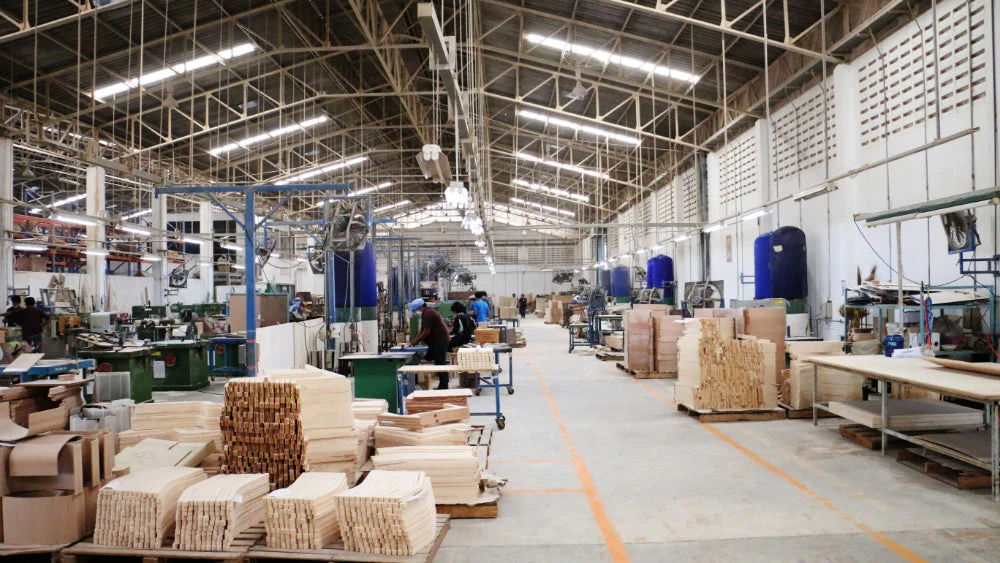
La selezione della luce del negozio a LED destro inizia con la valutazione dell'ambiente. I fattori chiave includono l'altezza del soffitto, la temperatura ambiente, l'esposizione all'umidità e l'accessibilità alla manutenzione.
Per le officine interne a secco, possono essere sufficienti luci da negozio standard o industriali. Per le aree esposte ad acqua, polvere o processi di pulizia, le luci a LED impermeabili o triprova di LED sono l'opzione più sicura e affidabile.
Gli acquirenti dovrebbero anche prestare attenzione alla produzione di lumen, alla temperatura del colore (tipicamente 4000K–5000K per gli spazi di lavoro), alla compatibilità di tensione e alle certificazioni richieste per il loro mercato o progetto.
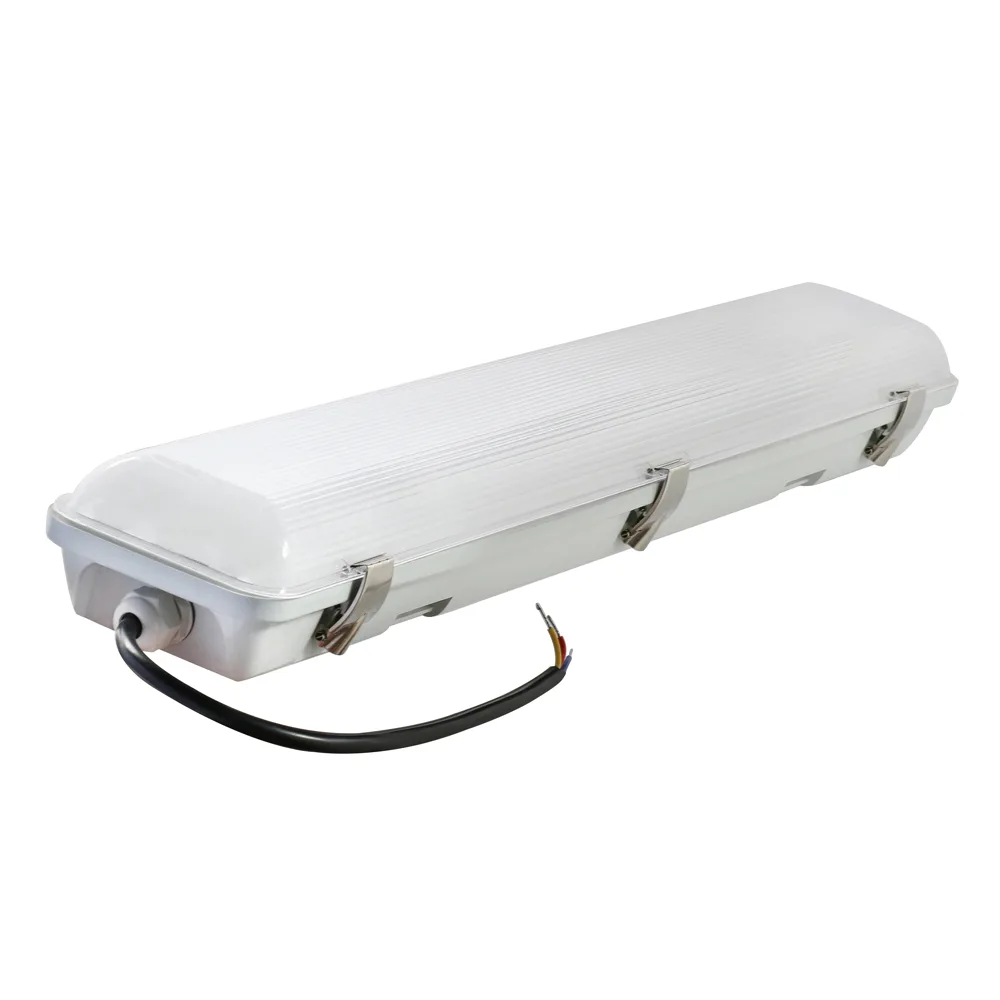
Luci del negozio impermeabile ad alta efficienza 150lm/W
Modello n.: TRB12X40F
Tensione di ingresso: DC100-277V 50/60Hz
Watt: 40W
Efficienza luminosa: 150lm/W
CCT: 2700K, 3000K, 4000K, 5000K, 6500K
CRI: >80
Angolo del fascio di luce: 120°
Grado IP: IP65
Dimming: 0-10V, DALI, TRIAC opzionale
Dimensione: 12728680 mm
Garanzia: 5 anni
Conclusione
Le luci a LED per negozi sono una categoria di illuminazione ampia e flessibile, che copre di tutto, dai semplici infissi da garage agli apparecchi di livello industriale. All'interno di questa categoria, le luci a prova di tri-provengono un ruolo importante affrontando le esigenze di ambienti difficili ed esigenti.
Comprendendo come le luci del negozio standard e le luci a prova di tre relazionano tra loro, gli acquirenti possono prendere decisioni più informate e selezionare soluzioni di illuminazione che offrono prestazioni, sicurezza e valore a lungo termine. Per molte applicazioni industriali e commerciali, le luci a prova di tri-proof non sono solo un'alternativa, ma un'evoluzione più intelligente dell'illuminazione tradizionale del negozio a LED.
Cerchi luci a LED affidabili per ambienti esigenti? Le luci a LED a treproof di livello industriale di SignLiteled sono progettate per prestazioni impermeabili, antipolvere e a lungo termine in officine e spazi commerciali. Contattaci oggi per discutere i requisiti del tuo progetto, le opzioni OEM e le soluzioni di approvvigionamento sfuso.
Post correlati