English
  简体中文
简体中文  Deutsch
  Español
  Français
  Italiano
  日本語
日本語  한국어
한국어  Polski
  Português
  Русский
  Türkçe
  Nederlands
  Tiếng Việt
  ไทย
ไทย 
LED shop lights have become one of the most widely used lighting solutions for workshops, warehouses, garages, and industrial spaces. As businesses look for higher efficiency, lower maintenance costs, and more reliable illumination, LED technology has largely replaced traditional fluorescent shop lighting.
However, the term “LED shop lights” can mean different things to different buyers. For some, it refers to basic linear lights used in garages or storage areas. For others—especially in industrial or commercial environments—it means durable, high-output lighting capable of operating in harsh conditions. This is where confusion often arises, particularly when LED shop lights overlap with more rugged solutions such as tri-proof lights.
This article explains what LED shop lights really are, the different types available, and how industrial-grade options like tri-proof lights fit into the broader category of shop lighting.
What Are LED Shop Lights?
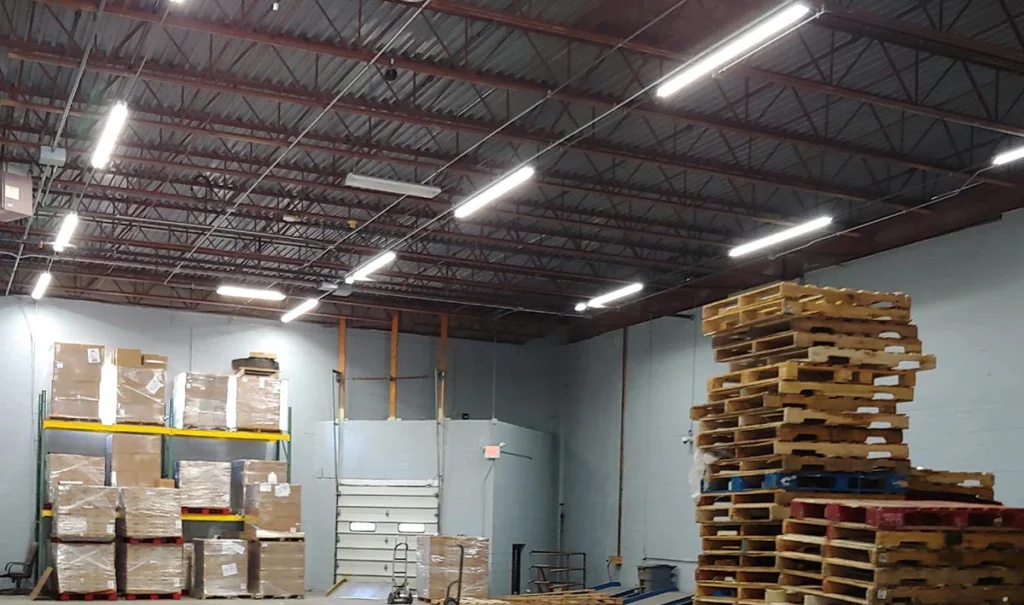
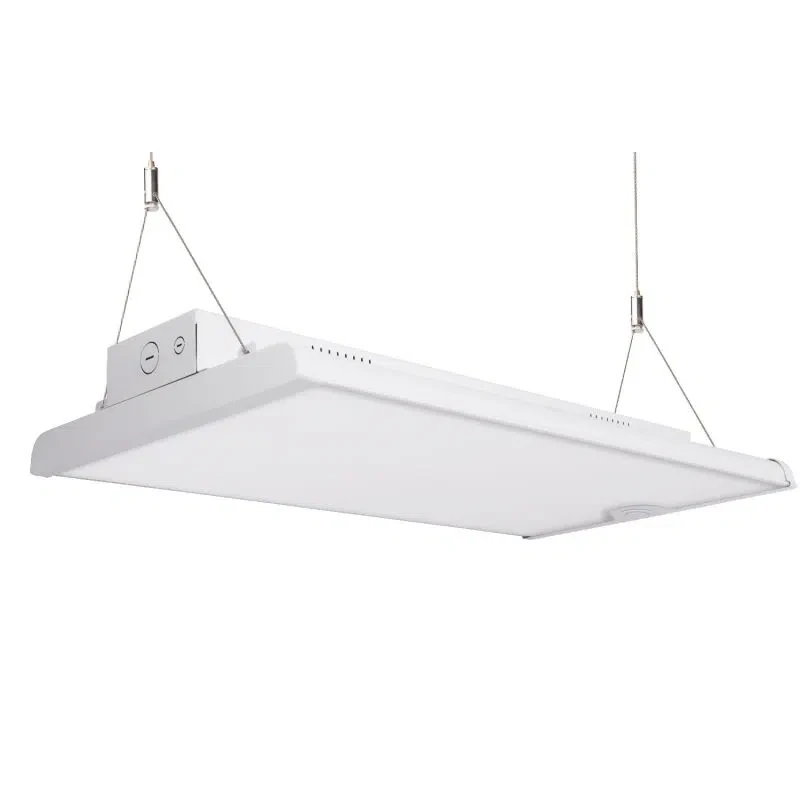
In general terms, LED shop lights are linear or compact LED luminaires designed to provide bright, uniform illumination in work-oriented spaces. These include workshops, manufacturing areas, warehouses, garages, and utility rooms where functional lighting is more important than decorative design.
Compared with traditional fluorescent fixtures, LED shop lights offer higher luminous efficacy, instant start, longer lifespan, and significantly reduced energy consumption. Most LED shop lights are available in standard lengths such as 4ft or 8ft and can be surface-mounted, suspended, or linked together in continuous rows.
From a market perspective, “shop lights” is a functional description rather than a strict technical category. It focuses on where the light is used, not necessarily how it is built. This is why the term can include both basic indoor luminaires and more robust industrial lighting solutions.
Common Types of LED Shop Lights
LED shop lights can be divided into several categories based on structure, protection level, and application environment.
Standard LED Shop Lights
These are typically non-waterproof fixtures with basic housings, often made of steel or plastic. They are suitable for dry, clean indoor environments such as garages, retail backrooms, or light-duty workshops. Protection levels usually range from IP20 to IP40.
Industrial LED Shop Lights
Designed for higher ceilings and longer operating hours, industrial shop lights feature higher lumen output, better thermal management, and more durable housings. While not always waterproof, they are built for reliability in demanding work environments.
Waterproof and Heavy-Duty LED Shop Lights
This category includes shop lights designed for wet, dusty, or corrosive conditions. These lights often meet IP65 or higher standards and are commonly used in food processing plants, parking garages, cold storage, and industrial workshops.
It is in this category that tri-proof lights naturally appear.
Tri-Proof Lights as a Type of LED Shop Light
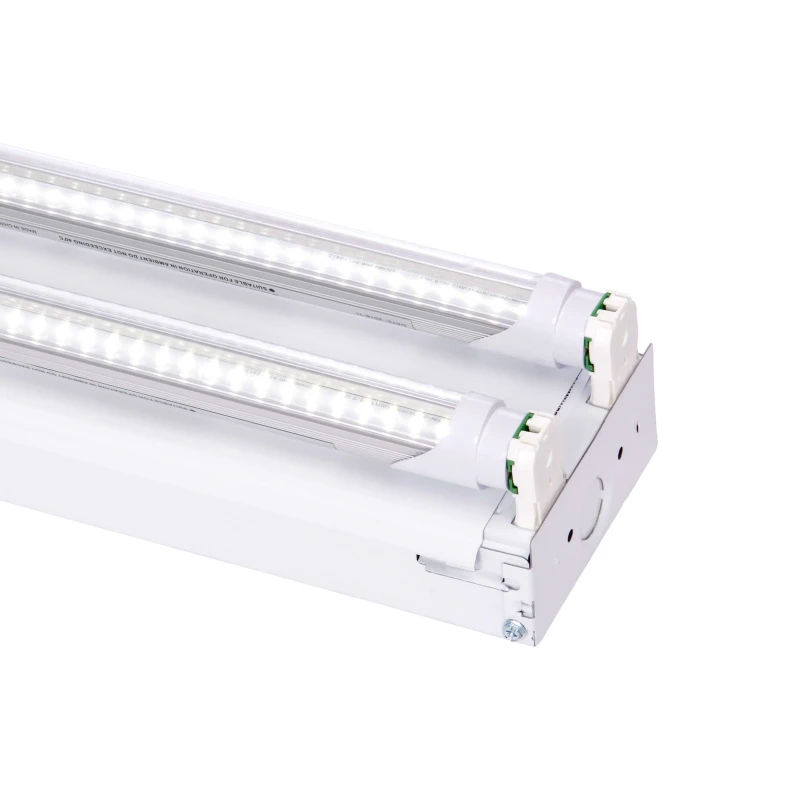
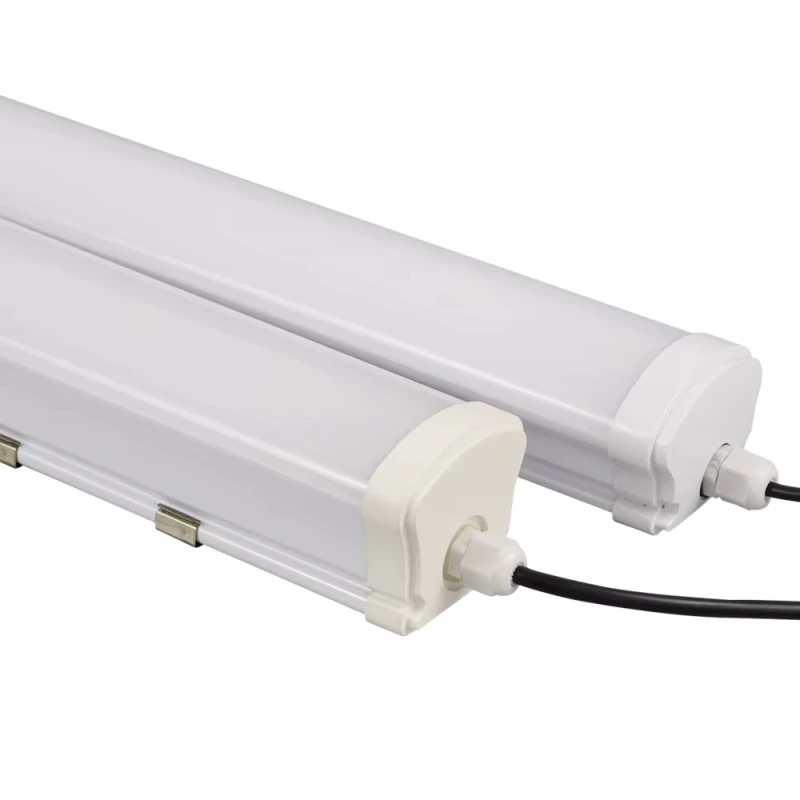
In many industrial projects, buyers refer to tri-proof lights as a form of LED shop lighting—and from a functional standpoint, this is completely reasonable.
Tri-proof lights are also known by several other names, including:
Waterproof LED shop lights
IP65 or IP66 LED linear lights
Vapor-tight lights
Dustproof and moisture-proof LED lights
LED Batten lights
The term “tri-proof” traditionally refers to resistance against water, dust, and corrosion. Structurally, these fixtures are sealed, use impact-resistant housings (often polycarbonate or reinforced plastic), and incorporate silicone gaskets to protect internal components.
When customers search for “LED shop lights” for industrial environments, they are often actually looking for these rugged, sealed luminaires—even if they do not initially use the term “tri-proof.”
When Do Tri-Proof Lights Make Sense as Shop Lighting?
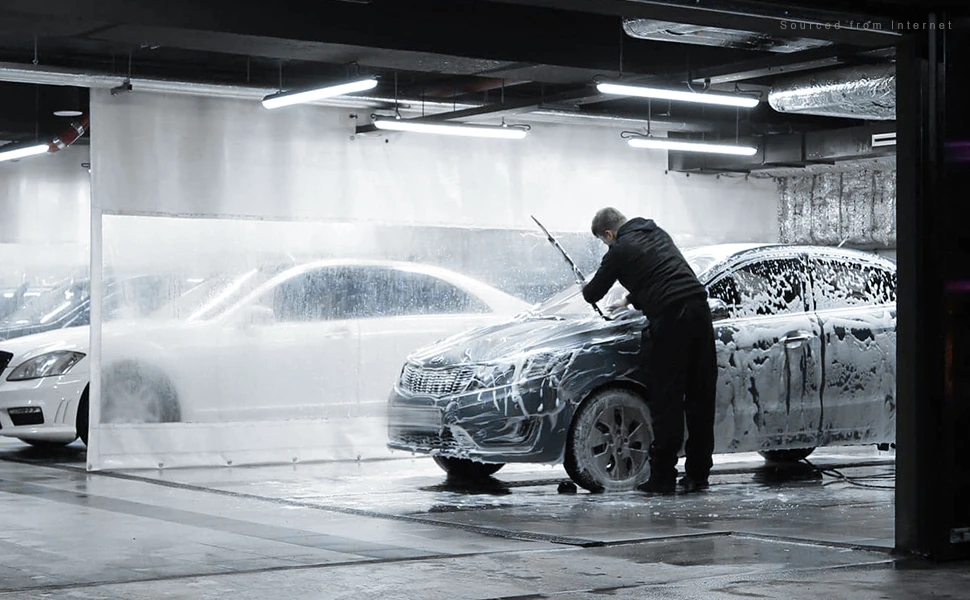
While standard shop lights work well in clean, dry spaces, they may fail prematurely in harsh environments. Tri-proof lights are the better choice when shop lighting is exposed to:
High humidity or water splashes
Dust, debris, or airborne particles
Frequent cleaning with water or chemicals
Cold storage or temperature fluctuations
Corrosive atmospheres such as food processing or chemical facilities
In these situations, tri-proof lights provide longer service life, better reliability, and lower maintenance costs compared to standard LED shop lights. For many industrial users, they represent a more cost-effective solution over the long term, even if the initial investment is slightly higher.
Key Differences: Standard LED Shop Lights vs. Tri-Proof Shop Lights
Although both are used as shop lighting, there are clear technical differences:
Protection Level:
Standard shop lights typically offer minimal ingress protection, while tri-proof lights are sealed to IP65 or above.
Housing & Materials:
Tri-proof lights use reinforced housings and corrosion-resistant materials designed for industrial conditions.
Durability & Lifespan:
Because of better sealing and thermal design, tri-proof lights usually maintain stable performance over a longer period.
Application Scope:
Standard shop lights are ideal for light-duty areas, while tri-proof lights are suitable for demanding commercial and industrial environments.
Understanding these differences helps buyers choose the right product based on actual operating conditions rather than price alone.
How to Choose the Right LED Shop Lights for Your Project
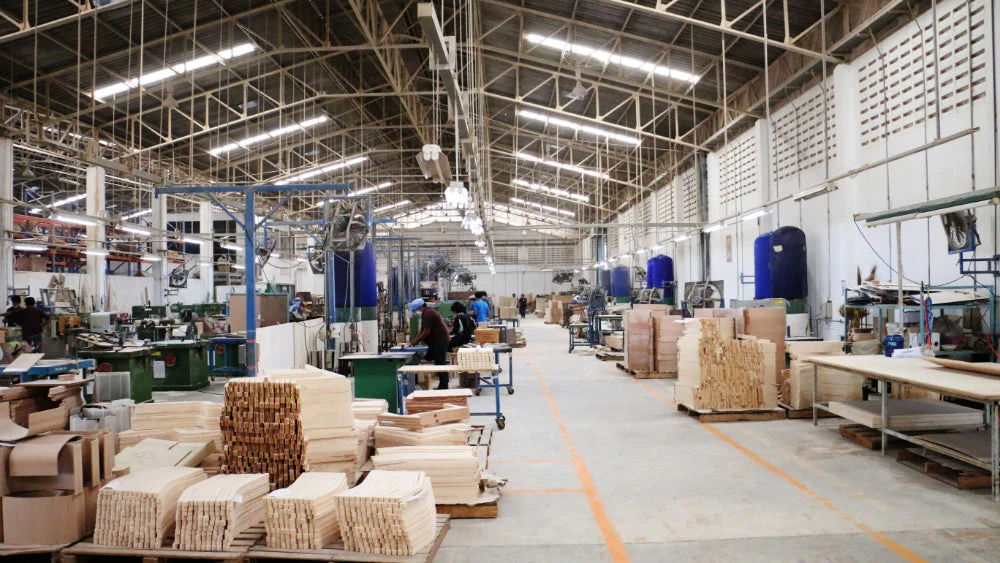
Selecting the right LED shop light starts with evaluating the environment. Key factors include ceiling height, ambient temperature, moisture exposure, and maintenance accessibility.
For dry indoor workshops, standard or industrial shop lights may be sufficient. For areas exposed to water, dust, or cleaning processes, waterproof or tri-proof LED shop lights are the safer and more reliable option.
Buyers should also pay attention to lumen output, color temperature (typically 4000K–5000K for workspaces), voltage compatibility, and certifications required for their market or project.
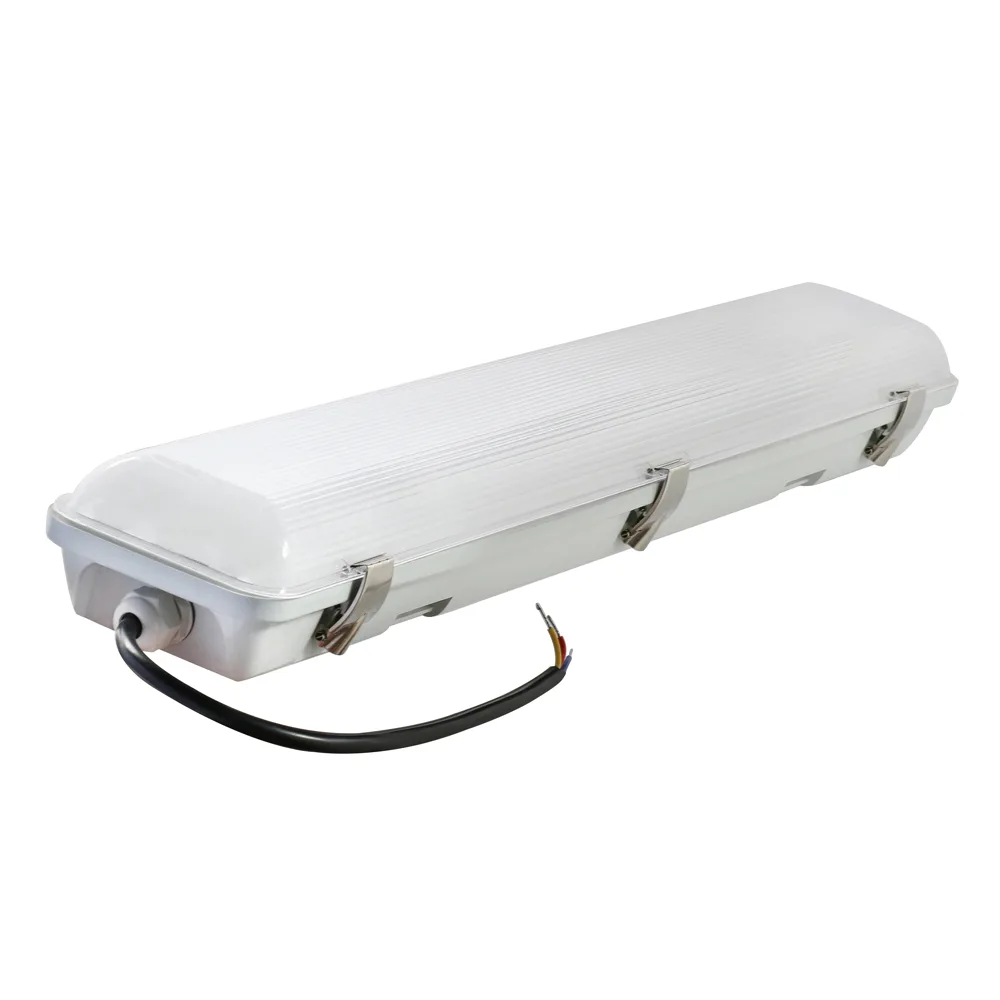
150lm/W High Efficiency Waterproof LED Shop Lights
Model No.: TRB12X40F
Input Voltage: DC100-277V 50/60Hz
Watt: 40W
Lumen Efficiency: 150lm/W
CCT: 2700K, 3000K, 4000K, 5000K, 6500K
CRI: >80
Beam Angle: 120°
IP Grade: IP65
Dimming: 0-10V, DALI, TRIAC optional
Dimension: 12728680mm
Warranty: 5years
Conclusion
LED shop lights are a broad and flexible lighting category, covering everything from simple garage fixtures to industrial-grade luminaires. Within this category, tri-proof lights play an important role by addressing the needs of harsh and demanding environments.
By understanding how standard shop lights and tri-proof lights relate to each other, buyers can make more informed decisions and select lighting solutions that deliver long-term performance, safety, and value. For many industrial and commercial applications, tri-proof lights are not just an alternative—but a smarter evolution of traditional LED shop lighting.
Looking for reliable LED shop lights for demanding environments? SignliteLED’s industrial-grade tri-proof LED lights are designed for waterproof, dustproof, and long-term performance in workshops and commercial spaces. Contact us today to discuss your project requirements, OEM options, and bulk supply solutions.
Related Posts