Italiano
  English
  简体中文
简体中文  Deutsch
  Español
  Français
  日本語
日本語  한국어
한국어  Polski
  Português
  Русский
  Türkçe
  Nederlands
  Tiếng Việt
  ไทย
ไทย 
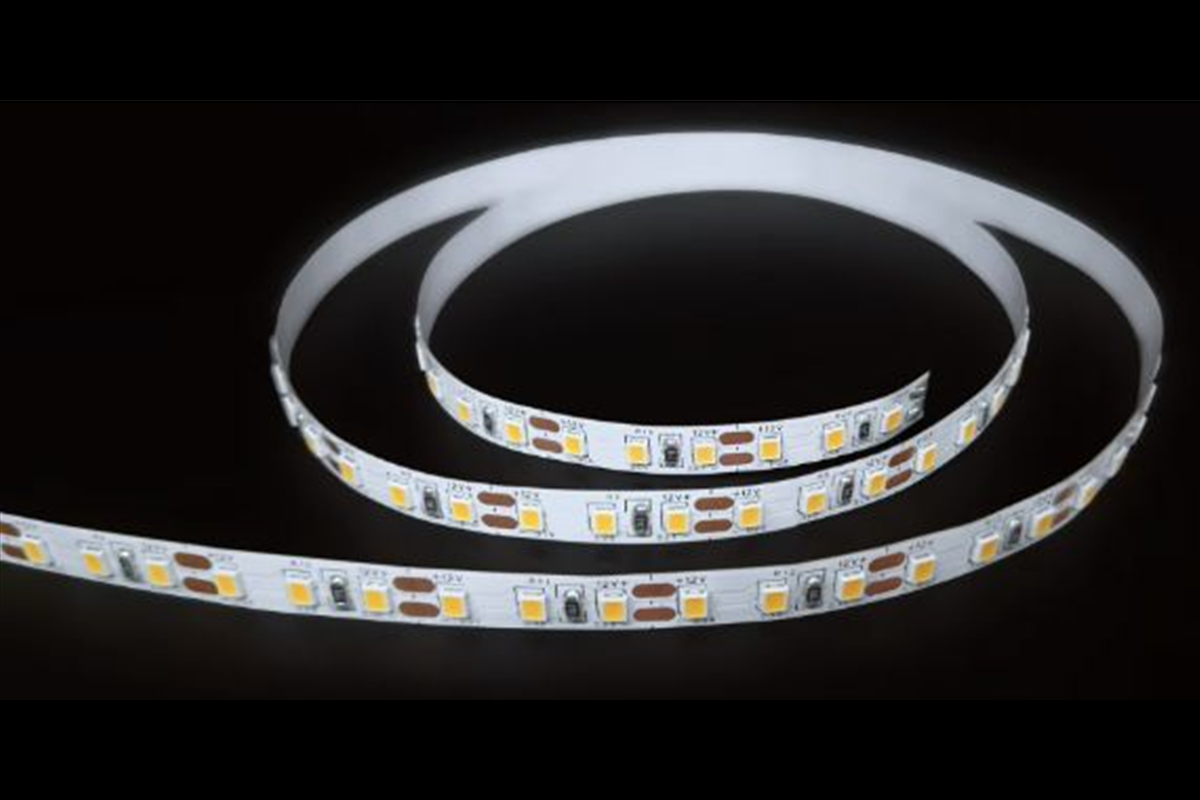
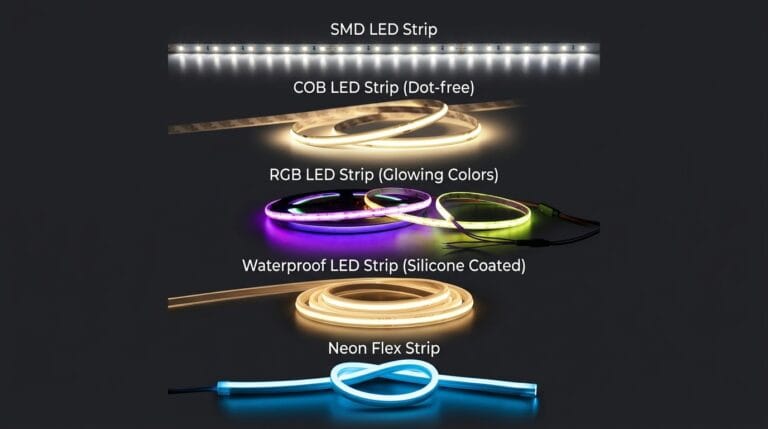
Figura 1. Un fornitore dovrebbe essere valutato rispetto all'esatta configurazione della striscia LED in acquisto, non un nome di prodotto generico.
Scorciatoia dell'acquirente: Prima di confrontare i prezzi, chiedi a ciascun fornitore di citare la stessa specifica e di fornire prove per la sua fabbrica, la portata della certificazione, i risultati del campione e i controlli di produzione. Se i documenti e i campioni reggono, effettuare un ordine pilota prima di passare al volume.
La Cina offre un'enorme selezione di fabbriche di strisce LED, assemblatori, società commerciali e produttori specializzati. Quella varietà è utile, ma rende anche difficile la selezione dei fornitori. Due citazioni possono entrambe dire "Striscia di tulipano 24V, CRI 90", mentre i prodotti differiscono per PCB Copper, Colourne Coerenza, Design termico, Costruzione impermeabile, Adesivo, Metodo di test e Controllo di produzione.
Questa guida si concentra sui controlli che un distributore, un appaltatore o un acquirente OEM possono eseguire: scrivere l'RFQ, controllare il controllo di fabbrica, confrontare i campioni e trasferire un campione approvato in una produzione ripetuta.
1. Perché scegliere un fornitore di strisce LED dalla Cina?
2 . Come trovare un fornitore professionale di strisce LED in Cina
3. Errori comuni quando si sceglie un fornitore di strisce LED
4. FAQ
1. Perché scegliere un fornitore di strisce LED dalla Cina?
Il principale vantaggio di approvvigionamento della Cina è la concentrazione della catena di approvvigionamento LED, non il solo costo del lavoro. PCB flessibili, pacchetti LED, resistori e circuiti integrati, estrusione di silicone, connettori, driver, controller, profili in alluminio, imballaggio e logistica di esportazione possono spesso essere coordinati all'interno di un'area di produzione. Ciò può abbreviare il percorso da un disegno o un target di prestazione a un sistema pronto per la produzione.
un ampio ecosistema di prodotti e componenti
Un fornitore cinese specializzato può supportare strisce SMD standard, strisce di pannocchia prive di punti, sintonizzabili bianchi, RGB/RGBW, prodotti indirizzabili digitali, flex al neon e design specifici dell'applicazione. Le risorse di componenti e di elaborazione nelle vicinanze semplificano anche la regolazione della larghezza del PCB, della lunghezza di taglio, della tensione, dell'alimentazione, del CCT, della CRI, della costruzione impermeabile, dell'uscita del filo e dell'imballaggio.
Questa ampiezza è importante quando un distributore desidera diverse famiglie di prodotti con un sistema di specifiche o quando un'azienda di illuminazione ha bisogno della striscia, del driver, del controller, del connettore e del profilo per lavorare insieme. Non significa che ogni fabbrica sia ugualmente capace. L'acquirente deve ancora stabilire quali processi sono controllati internamente e quali esternalizzati.
Personalizzazione e iterazione ingegneristica più veloce
La personalizzazione utile inizia con requisiti misurabili. "Rendilo più luminoso" non è abbastanza. Il fornitore dovrebbe chiedere informazioni su potenza, efficacia, temperatura PCB, punti di alimentazione, profondità di diffusione, binning e tolleranza al colore, quindi spiegare eventuali limiti creati dalla larghezza o dalla lunghezza di taglio richiesta.
Per gli acquirenti OEM, gli articoli di personalizzazione comuni includono lunghezza del mulinello, stampa PCB, private label, cartoni, manuali, gruppi di connettori e sistemi di controllo abbinati. Il fornitore dovrebbe anche spiegare gli utensili, l'approvazione del campione, l'impatto della certificazione e la quantità minima di produzione prima del rilascio del progetto.
Produzione scalabile con costo totale competitivo
La Cina può essere conveniente per la produzione in volume, ma il confronto corretto è il costo totale di sbarco e del ciclo di vita, non il prezzo al solo metro. Una striscia più economica che richiede più punti di alimentazione, produce colori instabili, fallisce nelle installazioni umide o cambia i materiali senza preavviso può essere più costoso dopo l'installazione.
| Vantaggio di approvvigionamento cinese | Vantaggio dell'acquirente | Ciò che deve ancora essere verificato |
|---|---|---|
| Catena di fornitura LED concentrata | Più scelte di componenti e campionamento più veloce | Marchi di componenti approvati, regole di tracciabilità e sostituzione |
| Ampia gamma di sistemi SMD, COB e sistemi di controllo | Un fornitore può supportare diversi tipi di progetto | Profondità di conoscenza ingegneristica per ogni famiglia di prodotti dichiarati |
| Flessibilità OEM/ODM | PCB, valutazioni, cavi, etichette e imballaggi personalizzati | Tolleranze chiare, proprietà degli utensili e controllo della revisione |
| Produzione scalabile | Prezzi di volume potenzialmente competitivi e tempi di consegna | Capacità di linea effettiva, colli di bottiglia, risorse di controllo qualità e pianificazione dell'alta stagione |
| Esporta esperienza | migliore familiarità con i documenti e la logistica internazionale | Esperienza con il mercato esatto dell'acquirente, il prodotto e l'Incoterm |
2 . Come trovare un fornitore professionale di strisce LED in Cina
Passaggio 1: definire il prodotto prima di cercare
Una vaga indagine attira citazioni vaghe. Prima di cercare i fornitori, annota cosa verrà effettivamente acquistato, imballato e installato. Se il prodotto è ancora in fase di sviluppo, individuare quali campi sono fissi e quali sono le raccomandazioni di ingegneria.
| Campo Rfq | informazioni da fornire | Perché cambia la citazione |
|---|---|---|
| Applicazione | Baia, mobile, display al dettaglio, segnaletica, facciata esterna, macchina o apparecchio OEM | Determina le priorità di uscita, protezione, termica e di installazione |
| Costruzione a strisce | SMD o COB; monocolore, sintonizzabile bianco, RGB, RGBW o indirizzabile | Cambia PCB, controller, lunghezza di taglio e aspetto ottico |
| elettrico | 12V/24V/48V, W/m, Massima corsa, Punti di alimentazione e Driver | Influisce sulla selezione di corrente, caduta di tensione, calore e cavo |
| ottico | CCT/colore, CRI, target lumen, SDCM o requisito di bin | Definisce la selezione del LED e la variazione di colore accettabile |
| meccanico | Larghezza PCB, lunghezza della bobina, lunghezza di taglio, filo e connettore | Controlla l'installazione e la struttura di produzione |
| ambiente | Esposizione asciutta, umida, spruzzata, esterna, UV, chimica o ad alta temperatura | Determina l'incapsulamento, la sigillatura e il test dei materiali |
| mercato | Paese di destinazione, canale di vendita e certificazioni richieste | Modifica etichette, documenti, scelte dei componenti e percorso di approvazione |
| commerciale | Previsioni annuali, primo ordine, imballaggio, Incoterm e data di consegna | Consente un piano MOQ, prezzo e capacità realistici |
Hai bisogno di aiuto per costruire la tua striscia LED RFQ?
Se alcune specifiche sono ancora aperte, Invia l'applicazione, il mercato di destinazione e la quantità stimata al team di ingegneri di SignLiteled. Il team può identificare i dettagli RFQ mancanti prima del preventivo.
Passaggio 2: crea una rosa di candidati da diversi canali
Google, i mercati B2B, le fiere, i referral del settore e i siti Web ufficiali dei produttori sono utili punti di partenza. Cerca con termini specifici del prodotto come "produttore di strisce LED COB personalizzate", "produttore di luci a strisce a LED Cina" o "produttore di strisce LED personalizzate dalla Cina" per restringere la rosa dei candidati. Quindi verifica ogni candidato tramite documenti tecnici, campioni comparabili e prove di fabbrica.
Un badge Marketplace può aiutare con lo screening iniziale, ma non sostituisce la verifica tecnica. Allo stesso modo, un sito Web moderno è un segnale di comunicazione positivo, non una prova di controllo di fabbrica. Conserva una rosa di candidati da tre a cinque candidati e registra il nome legale della società, l'indirizzo di fabbrica, il sito Web, l'obiettivo principale del prodotto e la persona di contatto.
Passaggio 3: verifica chi controlla la produzione
Una società di trading non è automaticamente inadatta. Alcuni forniscono un forte approvvigionamento e servizio. La domanda critica è chi controlla la progettazione, i componenti approvati, il rilascio della produzione, l'ispezione e l'azione correttiva. Se la società di vendita non può identificare la fabbrica effettiva o spiegare come vengono controllate le modifiche, l'acquirente comporta maggiori rischi.
Richiedi una videochiamata dal vivo o un audit in loco. Chiedi al fornitore di mostrare l'insegna aziendale, la data di produzione, l'area SMT o l'area di assemblaggio, il processo di impermeabilità, l'area di invecchiamento, il laboratorio, il magazzino e il modello esatto da citare. Un video aziendale preregistrato è utile, ma una procedura dettagliata dal vivo e specifica per il modello è una prova migliore.
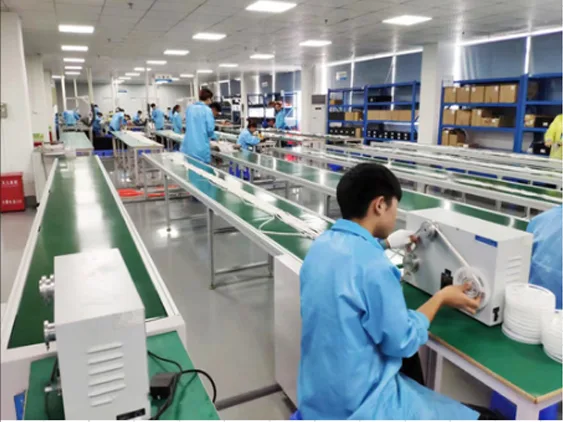
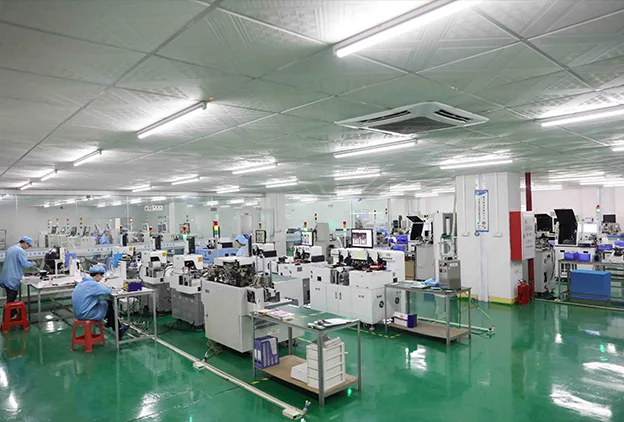
Figura 2. Attrezzature di produzione SIGNLITLETED. Durante un audit del fornitore, collega la capacità visibile al processo e al prodotto effettivamente quotato.
Passaggio 4: testare la risposta ingegneristica del fornitore
Invia la stessa RFQ tecnica a ogni fornitore selezionato. Non valutare solo la velocità con cui rispondono. Valuta se la risposta identifica le informazioni mancanti, spiega i compromessi e fornisce i dati con le condizioni di test.
Ad esempio, se si richiede una striscia più luminosa da 5 mm, un fornitore guidato dall'ingegneria può discutere l'area del rame, la densità di corrente, la temperatura PCB, il massimo funzionamento e i requisiti del profilo in alluminio. Una risposta debole può semplicemente promettere qualsiasi valore lume senza spiegare come sarà raggiunto.
- - Il fornitore può consigliare una striscia basata sull'applicazione anziché inviare l'intero catalogo?
- - Può calcolare la caduta di tensione e la lunghezza massima di corsa?
- - Può spiegare la differenza tra potenza nominale e misurata?
- - Può indicare le tolleranze per CCT, CRI, Power, Dimensions e Lumen Output?
- - Può fornire un disegno, una revisione delle specifiche e una raccomandazione di cablaggio?
- - Può spiegare cosa deve cambiare se la striscia viene posizionata in una manica impermeabile o in un profilo poco profondo?
Passaggio 5: controlla la gamma di prodotti e la profondità di personalizzazione
La gamma di prodotti è utile quando riflette la conoscenza di processo genuina. Rivedi le pagine del modello reale, le specifiche e i file scaricabili. Ad esempio, SignLiteled Gamma di luci a strisce a LED Include soluzioni relative a SMD, COB, Digital Responsible, Neon e Profile. Gli acquirenti che confrontano i prodotti senza punti possono rivedere il Striscia LED COB, mentre i progetti basati su componenti convenzionali sono disponibili attraverso il Gamma di strisce LED SMD.
Per sistemi di illuminazione lineare completi, gli acquirenti dovrebbero anche verificare la compatibilità tra la striscia, Profilo in alluminio a LED, Alimentazione a LED E Controllore LED piuttosto che approvare ogni componente in modo indipendente.
Non contare le pagine del catalogo. Chiedere quali parametri possono essere modificati senza nuovi strumenti, quali modifiche richiedono un nuovo PCB o estrusione, come vengono codificati i campioni e come la revisione finale viene trasferita in produzione.
Passaggio 6: verificare le certificazioni e le prove di prova
Non chiedere solo: "Hai UL?" o "È CE?" Per prima cosa definite la destinazione e la configurazione della spedizione: Strip nudo, driver Strip Plus, kit wireless, apparecchio finito o componente per un prodotto OEM. Quindi chiedi il numero del certificato o del rapporto, l'ambito del modello esatto, lo standard applicabile, il titolare del certificato, la fabbrica di fabbrica e il record del database pubblico, ove disponibile.
Un certificato per un alimentatore non certifica il kit completo. ISO 9001 è un certificato di gestione del sistema, non un'approvazione del prodotto. LM-80 è un metodo di prova per pacchetti LED, array o moduli, non una certificazione universale per una striscia finita. Un grado di protezione IP dovrebbe essere supportato dalla costruzione testata, comprese le guarnizioni terminali e i connettori utilizzati nell'installazione.
Per una verifica indipendente, gli acquirenti possono cercare nell'ufficiale UL prodotto IQ, Directory Intertek dei prodotti elencati E Elenco dei prodotti del Gruppo CSA database. Pagina ISO 9001 ufficiale ISO Descrive uno standard di sistema di gestione della qualità, non un'approvazione del prodotto.
Recensione di SignLiteled Biblioteca di certificati pubblica, ma verifica quale certificato si applica al prodotto citato. Per la selezione impermeabile, il Guida alla valutazione IP della striscia LED Spiega le costruzioni e i limiti comuni.
Passaggio 7: confrontare i campioni nelle stesse condizioni
Ordina campioni comparabili da due o tre fornitori selezionati. Utilizzare lo stesso driver, profilo, temperatura ambiente, tempo di stabilizzazione e metodo di misurazione. Registrare il modello e il codice di esempio in modo che l'unità approvata possa diventare un campione d'oro firmato.
| Controllo del campione | Metodo dell'acquirente consigliato | Prove di accettazione |
|---|---|---|
| Dimensioni e costruzione | Misurare la larghezza del PCB, la lunghezza del taglio, la lunghezza del mulinello, il filo e il connettore; ispezionare la saldatura e l'incapsulamento | disegno e corrispondenza del campione entro la tolleranza concordata |
| Prestazioni elettriche | Misurare la tensione di ingresso, la corrente, W/m e la tensione all'estremità dopo la stabilizzazione | Impostazione del test registrata e limiti di passaggio/fallimento |
| Prestazioni ottiche | Misurare l'output del lume, CCT, CRI e la consistenza del colore utilizzando l'attrezzatura idonea | Rapporto dati collegato al codice di esempio |
| comportamento termico | Operare nel profilo e nell'ambiente specificati; registrare la temperatura PCB/profilo dopo la stabilizzazione | Temperatura massima e condizioni operative documentate |
| uniformità visiva | Confronta hotspot, sezioni scure, spostamento del colore e comportamento di dimmerazione nella profondità del diffusore previsto | Foto di riferimento approvate e campione d'oro |
| Reclamo impermeabile | Esaminare il rapporto di test esatto di costruzione e accreditamento; utilizzare test qualificati per la convalida IP formale | Report campione, disegno del sigillo e articolo di produzione Accetto |
Evitare lo stress test improvvisati.
Passaggio 8: controllo della qualità dell'audit e trasferimento di produzione di massa
Un campione dimostra che è possibile creare un'unità. Il sistema di qualità del fornitore deve dimostrare che la stessa costruzione può essere ripetuta. Esaminare l'ispezione in arrivo, l'approvazione del primo articolo, i controlli in corso, l'invecchiamento, l'ispezione finale, la codifica del lotto, i campioni trattenuti e la gestione dei reclami.
Prima dell'ordine di acquisto, bloccare gli articoli critici come la sorgente o il cestino del LED, la costruzione di PCB, i resistori o gli ICS, l'adesivo, il silicone o la manica, il cavo, il connettore e il driver. Il fornitore non deve sostituire questi articoli senza revisione scritta. Per i prodotti certificati, una modifica può anche richiedere la valutazione dell'ente di certificazione.
Secondo il suo Pagina su di noi, SignLiteled utilizza apparecchiature integrative, di distribuzione-fotometro, spray saline, ad alta temperatura e ad alta umidità. Un acquirente dovrebbe richiedere il rapporto di prova effettivo, l'identità del campione, l'attrezzatura, la data e i criteri di accettazione rilevanti per l'ordine.
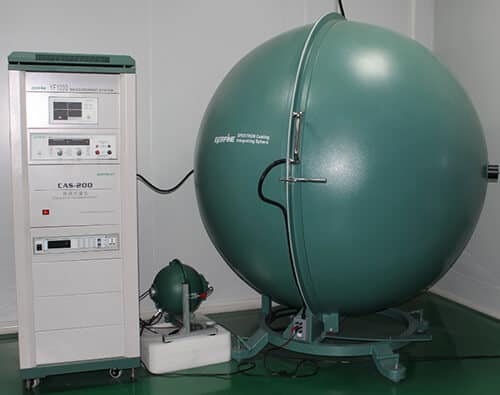
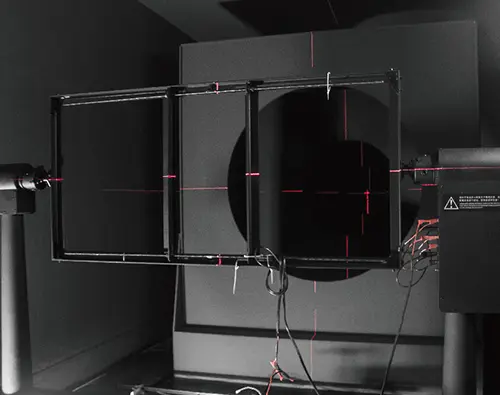
Figura 3. Apparecchiatura di test fotometrica SIGNLITLEILED. Gli acquirenti devono richiedere un rapporto legato al campione testato, alla data e ai criteri di accettazione.

Video: Sign Liteled 220V COB Strip LED — Costruzione e installazione del prodotto
Seleziona l'immagine per guardare la dimostrazione del prodotto Striscia LED COB da 220 V.

Video: un prodotto di illuminazione lineare personalizzato per un progetto di esportazione
Il video mostra perché l'applicazione, i componenti di corrispondenza e l'assemblaggio personalizzato dovrebbero essere discussi prima del preventivo.
Per ulteriori riprese di produzione e applicazione, Guarda i tour di fabbrica di SignLiteled e i video di test dei prodotti.
Passaggio 9: confronta i termini commerciali e inizia con un ordine pilota
Una volta che i candidati tecnici superano la revisione del campione, confronta i termini commerciali con la stessa specifica. Richiedi MOQ, campioni e commissioni di attrezzaggio, tempi di consegna, prenotazione della capacità, imballaggio, programma di pagamento, Incoterm, ambito di garanzia, gestione dei difetti e termini di notifica del cambiamento.
MOQ, campioni e tempi di consegna: cosa dovrebbero confermare gli acquirenti
| articolo commerciale | Cosa dovrebbero confermare gli acquirenti |
|---|---|
| moq | Richiedi quantità minime separate per prodotti standard, design PCB personalizzati, costruzioni impermeabili e imballaggi OEM. |
| esemplare | Verificare se il campione è standard o personalizzato, la tariffa del campione, il tempo di consegna del campione, la revisione delle specifiche e se rappresenta il modello di produzione pianificato. |
| tempo di consegna | Conferma di ingegneria separata, preparazione del materiale, produzione di campioni, produzione in serie, invecchiamento e controllo qualità e tempo di spedizione. |
| Ordine del pilota | Concordare la quantità dell'ordine pilota, i criteri di ispezione e se il campione approvato diventerà il riferimento di produzione. |
| Ripeti gli ordini | Confermare la disponibilità del materiale, la coerenza del bidone dei LED, la capacità di produzione e i requisiti scritti di notifica di modifica. |
Per i modelli standard SIGNLITLEED, gli acquirenti possono richiedere la disponibilità attuale del campione e il lead time di produzione. PCB personalizzato, costruzione impermeabile, cavo, connettore o confezione OEM dovrebbe essere citato dopo che le specifiche e la distinta base sono state esaminate. Il programma di acquisto dovrebbe essere confermato solo dopo che l'applicazione, la quantità target e la costruzione richiesta sono stati concordati.
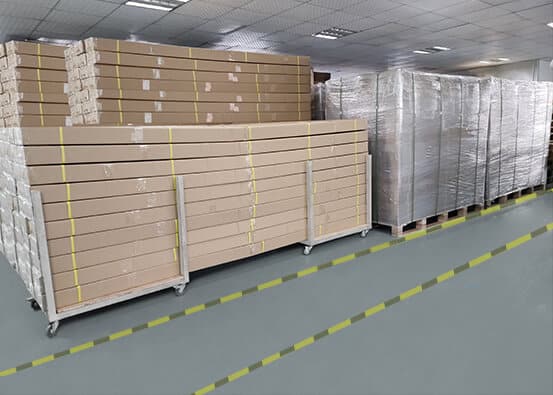
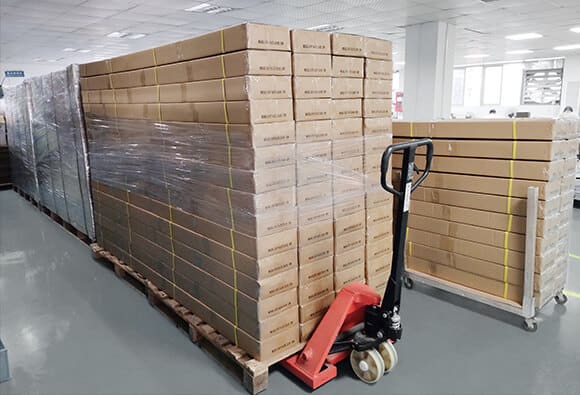
Figura 4. Inventario confezionato e messa in scena del magazzino su SignLiteled. Lo stato delle scorte e le date di spedizione devono essere confermate per ogni ordine.
Utilizzare un ordine pilota per testare la comunicazione, l'accuratezza del documento, l'imballaggio e la coerenza del lotto prima di impegnare la previsione annuale. L'ordine di acquisto deve fare riferimento alla revisione delle specifiche approvate e al campione d'oro, non solo il numero di modello del fornitore.
| Scheda di valutazione del fornitore | Peso suggerito | Che aspetto ha un risultato forte |
|---|---|---|
| Applicazione e ingegneria | 20% | Domande chiare, calcoli, compromessi e raccomandazioni documentate |
| Esempio di prestazione | 20% | Soddisfa i limiti misurabili con un metodo di test condiviso |
| Sistema di qualità e tracciabilità | 20% | Distinta base controllata, record di lotti, approvazione delle modifiche e azioni correttive |
| Certificazione e documenti | 15% | È possibile verificare il modello esatto, il mercato, la fabbrica e il record attivo |
| Produzione e consegna | 10% | La capacità e il tempo di consegna sono spiegati con vincoli realistici |
| Comunicazione | 10% | Le risposte sono complete, coerenti e tecnicamente responsabili |
| Termini commerciali | 5% | Costo totale, garanzia, pagamento e Incoterm trasparente |
3. Errori comuni quando si sceglie un fornitore di strisce LED
Scegliere il prezzo più basso prima di allineare la specifica
I confronti di prezzo non hanno significato quando differiscono la struttura PCB in rame, LED, tolleranza di potenza, adesivo, filo e impermeabile. Normalizza prima la specifica, quindi confronta il costo.
Invio solo di una foto del prodotto
Una foto non definisce tensione, potenza, CCT, CRI, lunghezza di taglio, massima corsa, ambiente o sistema di controllo. Inviare un RFQ basato sull'applicazione e identificare quali parametri possono essere raccomandati dal fornitore.
Accettazione loghi di certificazione senza controllare l'ambito
Un logo in un catalogo può appartenere ad un'altra famiglia di prodotti. Richiedi il record e abbina il modello, lo standard, il supporto, la fabbrica e il mercato. Verificare se copre un componente o un sistema finito.
Trattare un buon campione come prova della qualità della produzione di massa
Un campione selezionato a mano può funzionare bene anche quando la produzione di routine è incoerente. Congela il campione d'oro e la distinta base critica, quindi richiedono prove di ispezione a livello di lotto.
Ignorando la consistenza del colore e le tolleranze
Le etichette CRI e CCT da sole non definiscono la consistenza del colore. Concordare il binning o l'SDCM, le condizioni di misurazione e la variazione del lotto per lotto accettabile, in particolare per i progetti di vendita al dettaglio, ospitalità e architettura.
specificando un numero IP senza definire l'installazione
Il corpo della striscia, l'uscita del cavo, l'estremità tagliata, l'installazione del connettore e del campo devono funzionare come un sistema sigillato. "Striscia IP67" non significa che ogni taglio e connettore rimangano IP67 dopo l'installazione.
Consentire la sostituzione del componente silenzioso
La sostituzione di un LED, di una resistenza, di un PCB, di un adesivo, di silicone, di un cavo o di un driver può influire sulla sicurezza, sul colore, sulla temperatura, sulla vita e sulla certificazione. Inserisci l'approvazione della modifica scritta nell'ordine di acquisto.
Saltare gli ordini dei piloti e i documenti di spedizione
Un ordine pilota verifica molto più del prodotto. Rivela se etichette, cartoni, rapporti di ispezione, descrizioni delle fatture, informazioni sull'origine e comunicazioni di consegna sono affidabili.
Come SignLiteled supporta la verifica dell'acquirente
SignLiteled può essere verificato in base agli stessi criteri utilizzati in questa guida. Le sue informazioni pubblicate riguardano una struttura di Shenzhen di 3.000 m², supporto OEM/ODM, flussi di lavoro ERP e QC e produzione SMD, COB, Digital LED e Neon Flex. Gli acquirenti dovrebbero comunque abbinare ogni certificato, rapporto di prova e record di produzione al modello esatto citato.
Rivedi le capacità di fabbrica e di produzione di SignLiteled, o Sfoglia le sue gamme di prodotti per pannocchia e smd Quando si prepara una rosa dei fornitori.
Conclusione
Una sequenza pratica di approvvigionamento consiste nel definire l'applicazione, nella lista dei fornitori rilevanti, verificare il controllo di fabbricazione, confrontare le risposte ingegneristiche, i campioni di prova con lo stesso metodo, rivedere i record del controllo qualità ed effettuare un ordine pilota. Inserisci la revisione delle specifiche approvate e i riferimenti a campione d'oro nell'ordine di acquisto.
I buoni fornitori segnalano anche informazioni mancanti e limiti pratici prima del preventivo. Ciò conta più che accettare ogni richiesta, perché la costruzione finale deve rimanere stabile dopo che il campione è entrato in produzione.
Domande frequenti
Come posso verificare che un fornitore di strisce LED in Cina sia un vero produttore?
Controllare l'indirizzo della società legale e della fabbrica, richiedere una procedura dettagliata di Live Factory, rivedere i processi di produzione e QC e chiedere di vedere il modello citato sulla linea. La parola “fabbrica” si rivela poco da sola. Ciò che conta è chi controlla la progettazione, la distinta base, il rilascio della produzione, l'ispezione e l'azione correttiva.
Quali informazioni devo includere in una RFQ a strisce LED?
Includere applicazione, tipo di striscia, tensione, W/m, corsa massima, larghezza PCB, lunghezza di taglio, CCT o colore, CRI, tolleranza al colore, costruzione IP, driver, controller, connettore, profilo, mercato di destinazione, esigenze di certificazione, imballaggio, quantità e target di consegna. Segna i campi sconosciuti come "fornitore da consigliare".
Quanti fornitori dovrei provare?
Per un nuovo importante programma, di solito sono sufficienti due o tre fornitori tecnicamente qualificati per un confronto controllato. L'ordinazione di campioni da troppe aziende crea dati senza un metodo di valutazione coerente. Prima lista, quindi testare configurazioni comparabili.
Quali certificati dovrebbe fornire un fornitore cinese di strisce LED?
La risposta dipende dal prodotto e dalla destinazione. Richiedi le prove di sicurezza, EMC, radio, ambientali o prestazionali specifiche del prodotto che si applicano alla configurazione esatta spedita. Non dare per scontato che i rapporti CE, UL, ETL, ROHS, ISO 9001, LM-80 e IP dimostrino la stessa cosa.
Come posso prevenire la sostituzione del materiale dopo aver approvato il campione?
Approva una revisione delle specifiche, un campione d'oro e un elenco di componenti critici. affermare che le sostituzioni richiedono l'approvazione scritta e, ove pertinente, la revisione della certificazione. Richiedi il rapporto batch e il codice del lotto per collegare la produzione alla costruzione approvata.
Dovrei acquistare da una fabbrica o da una società commerciale?
Il controllo diretto di fabbrica può semplificare l'ingegneria e la tracciabilità, ma una società di trading tecnicamente forte può aggiungere valore. Valutare la trasparenza e il controllo piuttosto che l'etichetta aziendale. Dovresti sapere dove viene realizzato il prodotto e chi è responsabile della qualità e dei cambiamenti.
È sicuro importare le luci di striscia a LED dalla Cina?
Può essere, a condizione che il prodotto sia correttamente specificato, testato e documentato per il suo mercato e utilizzo. Il solo paese di origine non determina la sicurezza. L'importatore deve comunque verificare l'intero sistema, la certificazione, le etichette e i controlli del fornitore.
Un produttore cinese può produrre strisce LED personalizzate?
si. Le opzioni comuni includono larghezza PCB, tensione, potenza, densità LED, CCT, CRI, lunghezza di taglio, struttura impermeabile, filo, connettore, lunghezza del mulinello e imballaggio OEM. Chiedi quali modifiche richiedono l'utensileria, un nuovo PCB, test aggiuntivi o revisione della certificazione.
Pronto a procurarti strisce LED affidabili dalla Cina?
Sia che tu abbia bisogno di strisce LED COB personalizzate, imballaggi OEM o consistenza del colore controllata, SignLiteled può rivedere l'applicazione, le specifiche e il mercato di riferimento prima del preventivo.
Scritto da: Elaine Zhu, Direttore Generale di SignliteLED
Revisione tecnica: Jason Chen, Leader di Ricerca e Sviluppo presso SignLiteled
E-mail: info@signliteled.com
Post correlati