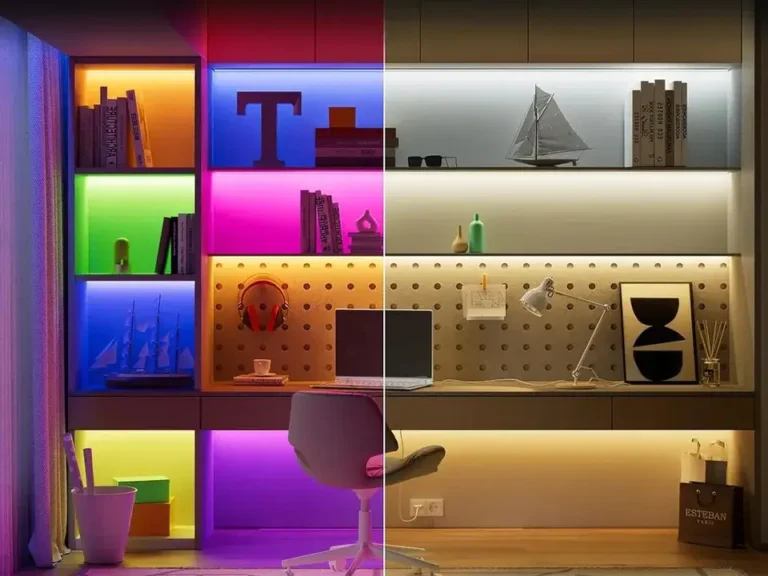
标牌和 LED 灯带工厂,始于 2011 年

标牌和 LED 灯带工厂,始于 2011 年

如何在中国寻找专业的LED灯带供应商

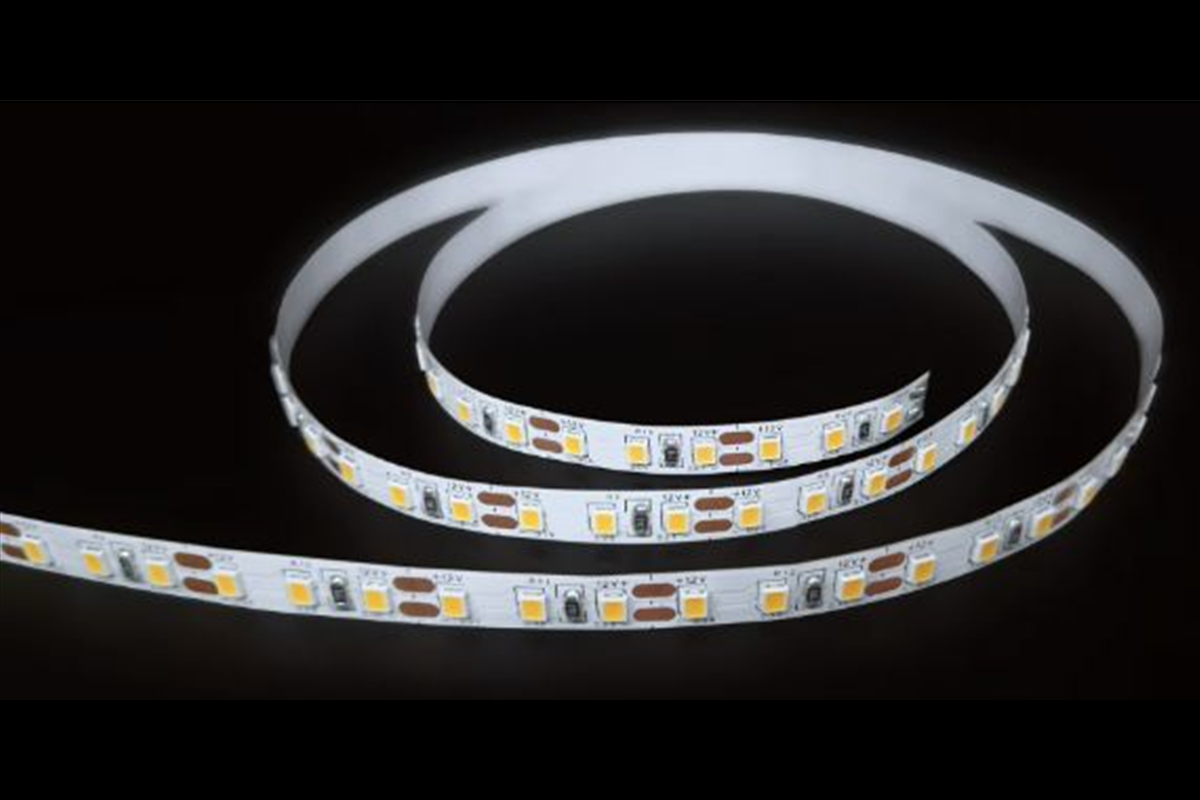
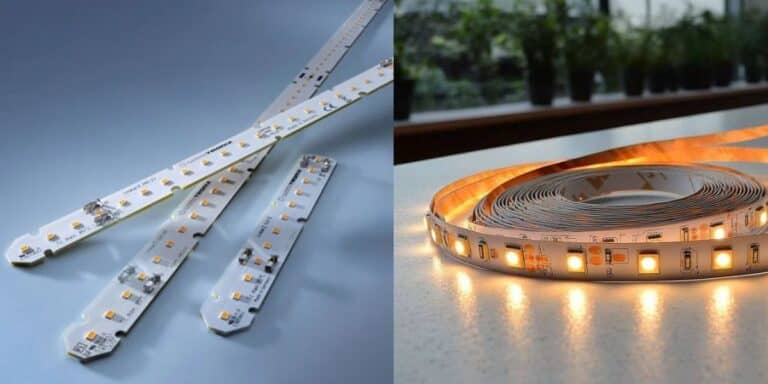
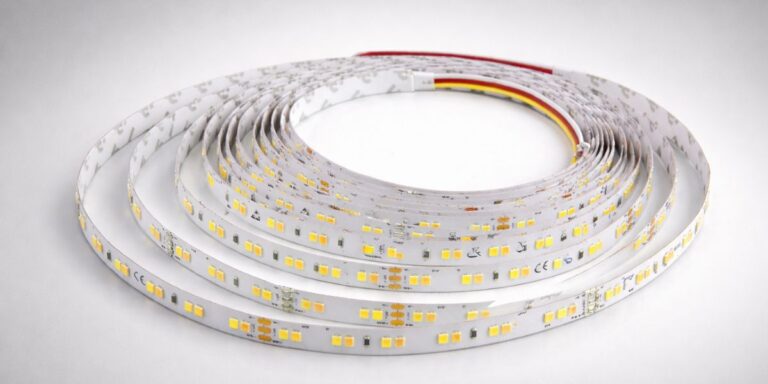
SMD2835 单色LED灯带样品,用于评估中国专业的LED灯带供应商

Figure 1. A supplier should be evaluated against the exact LED strip configuration being purchased—not a generic product name.

Buyer’s shortcut: Before comparing prices, ask each supplier to quote the same specification and provide evidence for its factory, certification scope, sample results and production controls. If the documents and samples hold up, place a pilot order before moving to volume.

China offers an enormous selection of LED strip factories, assemblers, trading companies and specialist manufacturers. That variety is useful, but it also makes supplier selection difficult. Two quotations may both say “24V COB strip, CRI 90,” while the products differ in PCB copper, color consistency, thermal design, waterproof construction, adhesive, testing method and production control.

This guide focuses on checks that a distributor, contractor or OEM buyer can carry out: writing the RFQ, checking factory control, comparing samples and transferring an approved sample into repeat production.

1. Why Choose an LED Strip Supplier From China?

2. How to Find a Professional LED Strip Supplier in China

3. Common Mistakes When Choosing an LED Strip Supplier

4. Frequently Asked Questions

1. Why Choose an LED Strip Supplier From China?

China’s main sourcing advantage is the concentration of the LED supply chain, not labor cost alone. Flexible PCBs, LED packages, resistors and ICs, silicone extrusion, connectors, drivers, controllers, aluminum profiles, packaging and export logistics can often be coordinated within one manufacturing region. This can shorten the path from a drawing or performance target to a production-ready system.

A Broad Product and Component Ecosystem

A specialist Chinese supplier may support standard SMD strips, dot-free COB strips, tunable white, RGB/RGBW, digital addressable products, neon flex and application-specific designs. Nearby component and processing resources also make it easier to adjust PCB width, cut length, voltage, power, CCT, CRI, waterproof construction, wire exit and packaging.

This breadth matters when a distributor wants several product families under one specification system, or when a lighting company needs the strip, driver, controller, connector and profile to work together. It does not mean every factory is equally capable. The buyer still needs to establish which processes are controlled in-house and which are outsourced.

Customization and Faster Engineering Iteration

Useful customization starts with measurable requirements. “Make it brighter” is not enough. The supplier should ask about power, efficacy, PCB temperature, feed points, diffusion depth, binning and color tolerance, then explain any limits created by the requested width or cut length.

For OEM buyers, common customization items include reel length, PCB printing, private labels, cartons, manuals, connector assemblies and matched control systems. The supplier should also explain tooling, sample approval, certification impact and minimum production quantity before the project is released.

Scalable Production With Competitive Total Cost

China can be cost-effective for volume production, but the correct comparison is total landed and life-cycle cost—not price per meter alone. A cheaper strip that requires more feed points, produces unstable color, fails in humid installations or changes materials without notice can be more expensive after installation.

China sourcing advantageBuyer benefitWhat still needs verification
Concentrated LED supply chainMore component choices and faster samplingApproved component brands, traceability and substitution rules
Wide SMD, COB and control-system rangeOne supplier can support several project typesDepth of engineering knowledge for each claimed product family
OEM/ODM 灵活性Custom PCB, ratings, cable, label and packagingClear tolerances, tooling ownership and revision control
Scalable manufacturingPotentially competitive volume pricing and lead timeActual line capacity, bottlenecks, QC resources and peak-season planning
Export experienceBetter familiarity with documents and international logisticsExperience with the buyer’s exact market, product and Incoterm

2. How to Find a Professional LED Strip Supplier in China

Step 1: Define the Product Before Searching

A vague inquiry attracts vague quotations. Before searching for suppliers, write down what will actually be purchased, packed and installed. If the product is still under development, identify which fields are fixed and which require engineering recommendations.

RFQ fieldInformation to provideWhy it changes the quotation
应用Cove, cabinet, retail display, signage, outdoor façade, machine or OEM luminaireDetermines output, protection, thermal and installation priorities
Strip constructionSMD or COB; single color, tunable white, RGB, RGBW or addressableChanges PCB, controller, cut length and optical appearance
电动12V/24V/48V, W/m, maximum run, feed points and driverAffects current, voltage drop, heat and cable selection
光学CCT/color, CRI, lumen target, SDCM or bin requirementDefines LED selection and acceptable color variation
MechanicalPCB width, reel length, cut length, wire and connectorControls installation fit and manufacturing structure
生活环境Dry, damp, splash, outdoor, UV, chemical or high-temperature exposureDetermines encapsulation, sealing and material testing
Destination country, sales channel and required certificationsChanges labels, documents, component choices and approval route
有盈利Annual forecast, first order, packaging, Incoterm and delivery dateAllows a realistic MOQ, price and capacity plan

Need a Ready-to-Use LED Strip RFQ Template?

Do not start from a blank page. Request our B2B LED strip RFQ specification sheetsend your project requirements to the SignliteLED engineering team for a prompt technical review.

Step 2: Build a Shortlist From Several Channels

Google, B2B marketplaces, trade exhibitions, industry referrals and official manufacturer websites are useful starting points. Search with product-specific terms such as “custom COB LED strip manufacturer,” “LED strip light manufacturer China,” or “custom LED strip manufacturer from China” to narrow the shortlist. Then verify every candidate through technical documents, comparable samples and factory evidence.

A marketplace badge can help with initial screening, but it does not replace technical verification. Likewise, a modern website is a positive communication signal, not proof of factory control. Keep a shortlist of three to five candidates and record the legal company name, factory address, website, main product focus and contact person.

Step 3: Verify Who Controls Manufacturing

A trading company is not automatically unsuitable. Some provide strong sourcing and service. The critical question is who controls design, approved components, production release, inspection and corrective action. If the sales company cannot identify the actual factory or explain how changes are controlled, the buyer carries more risk.

Request a live factory video call or an on-site audit. Ask the supplier to show the company sign, production date, SMT or assembly area, waterproof process, aging area, laboratory, warehouse and the exact model being quoted. A prerecorded corporate video is useful background, but a live, model-specific walkthrough is better evidence.

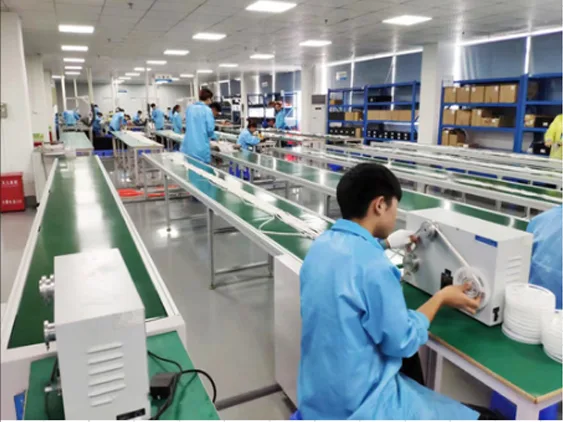
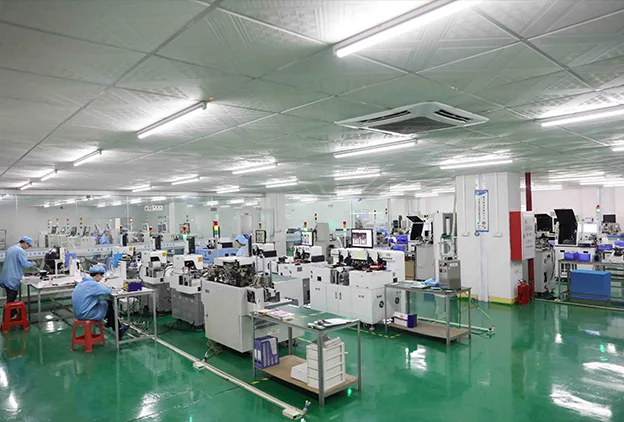
SignliteLED LED strip production line and manufacturing equipment
SignliteLED LED strip factory production process in Shenzhen

Figure 2. SignliteLED production equipment. During a supplier audit, connect visible capacity to the process and product actually being quoted.

Step 4: Test the Supplier’s Engineering Response

Send the same technical RFQ to every shortlisted supplier. Do not evaluate only how fast they reply. Evaluate whether the response identifies missing information, explains trade-offs and provides data with test conditions.

For example, if you ask for a brighter 5 mm strip, an engineering-led supplier may discuss copper area, current density, PCB temperature, maximum run and aluminum-profile requirements. A weak response may simply promise any lumen value without explaining how it will be achieved.

  • - Can the supplier recommend a strip based on the application rather than sending the entire catalog?
  • - Can it calculate voltage drop and maximum run length?
  • - Can it explain the difference between nominal and measured power?
  • - Can it state tolerances for CCT, CRI, power, dimensions and lumen output?
  • - Can it provide a drawing, specification revision and wiring recommendation?
  • - Can it explain what must change if the strip is placed in a waterproof sleeve or shallow profile?

Step 5: Check Product Range and Customization Depth

Product range is useful when it reflects genuine process knowledge. Review real model pages, specifications and downloadable files. For example, SignliteLED’s LED strip light range includes SMD, COB, digital addressable, neon and profile-related solutions. Buyers comparing dot-free products can review the COB LED strip series, while conventional component-based designs are available through the SMD LED strip range.

For complete linear-lighting systems, buyers should also verify compatibility between the strip, LED 铝型材, LED 电源LED 控制器 rather than approving each component independently.

Do not count catalog pages. Ask which parameters can be changed without new tooling, which changes require a new PCB or extrusion, how samples are coded and how the final revision is transferred into production.

How SignliteLED Aligns With These Supplier-Evaluation Standards

SignliteLED can be checked against the same criteria. Its published information covers a 3,000 m² Shenzhen facility, OEM/ODM support, ERP and QC workflows, and SMD, COB, digital LED strip and neon flex production. Buyers should still match each certificate, test report and production record to the exact model quoted.

Learn more about our LED strip factory and manufacturing capabilities
Browse SignliteLED's COB and SMD LED strip series

Step 6: Verify Certifications and Test Evidence

Do not ask only, “Do you have UL?” or “Is it CE?” First define the destination and shipped configuration: bare strip, strip plus driver, wireless kit, finished luminaire or component for an OEM product. Then ask for the certificate or report number, exact model scope, applicable standard, certificate holder, manufacturing factory and public database record where available.

A certificate for a power supply does not certify the complete kit. ISO 9001 is a management-system certificate, not a product approval. LM-80 is a test method for LED packages, arrays or modules, not a universal certification for a finished strip. An IP rating should be supported by the tested construction, including the end seals and connectors used in the installation.

For independent verification, buyers can search the official UL Product iQ, Intertek Directory of Listed ProductsCSA Group Product Listing databases. ISO official ISO 9001 page describes a quality-management-system standard, not a product approval.

Review SignliteLED’s published certificate library, but verify which certificate applies to the quoted product. For waterproof selection, the LED strip IP rating guide explains common constructions and limitations.

Step 7: Compare Samples Under the Same Conditions

Order comparable samples from two or three shortlisted suppliers. Use the same driver, profile, ambient temperature, stabilization time and measurement method. Record the model and sample code so that the approved unit can become a signed golden sample.

Sample checkRecommended buyer methodAcceptance evidence
Dimensions and constructionMeasure PCB width, cut length, reel length, wire and connector; inspect soldering and encapsulationDrawing and sample match within agreed tolerance
Electrical performanceMeasure input voltage, current, W/m and voltage at the far end after stabilizationRecorded test setup and pass/fail limits
Optical performanceMeasure lumen output, CCT, CRI and color consistency using suitable equipmentData report linked to the sample code
Thermal behaviorOperate in the specified profile and environment; record PCB/profile temperature after stabilizationMaximum temperature and operating conditions documented
视觉均匀性Compare hotspots, dark sections, color shift and dimming behavior in the intended diffuser depthApproved reference photos and golden sample
Waterproof claimReview the exact construction and accredited test report; use qualified testing for formal IP validationReport sample, seal design and production item agree

Avoid improvised stress tests.

Step 8: Audit Quality Control and Mass-Production Transfer

A sample proves that one unit can be made. The supplier’s quality system must prove that the same construction can be repeated. Review incoming inspection, first-article approval, in-process checks, aging, final inspection, lot coding, retained samples and complaint handling.

Before the purchase order, lock critical items such as LED source or bin, PCB construction, resistors or ICs, adhesive, silicone or sleeve, cable, connector and driver. The supplier should not substitute these items without written review. For certified products, a change may also require certification-body evaluation.

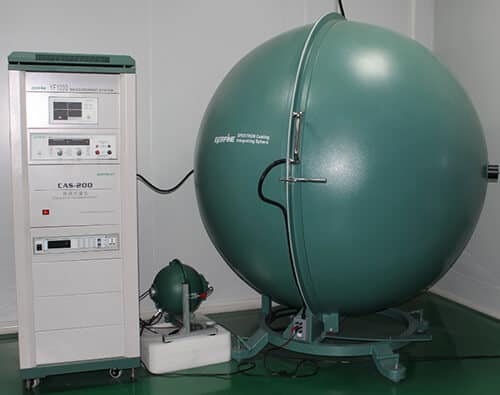
According to its About Us page, SignliteLED uses integrating-sphere, distribution-photometer, salt-spray, high-temperature and high-humidity equipment. A buyer should request the actual test report, sample identity, equipment, date and acceptance criteria relevant to the order.

SignliteLED integrating sphere for LED strip photometric testing
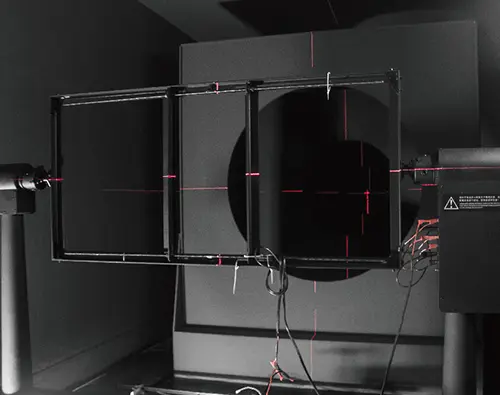
SignliteLED darkroom and IES photometric testing equipment for LED lighting

Figure 3. SignliteLED photometric testing equipment. Buyers should request a report tied to the tested sample, date and acceptance criteria.

YouTube 视频

Video: SignliteLED 220V COB LED Strip — Product Construction and Installation

Select the image to watch the 220V COB LED strip product demonstration.

YouTube 视频

Video: A Customized Linear Lighting Product for an Export Project

The video shows why application, matching components and custom assembly should be discussed before quotation.

For additional production and application footage, watch SignliteLED factory tours and product testing videos.

Step 9: Compare Commercial Terms and Start With a Pilot Order

Once technical candidates pass sample review, compare commercial terms on the same specification. Ask for MOQ, sample and tooling fees, lead time, capacity reservation, packaging, payment schedule, Incoterm, warranty scope, defect handling and change-notification terms.

MOQ, Samples and Lead Time: What Buyers Should Confirm

Commercial ItemWhat Buyers Should Confirm
起始点Request separate minimum quantities for standard products, custom PCB designs, waterproof constructions and OEM packaging.
SamplesConfirm whether the sample is standard or customized, the sample fee, sample lead time, specification revision and whether it represents the planned production model.
交期Separate engineering confirmation, material preparation, sample production, mass production, aging and QC, and shipping time.
Pilot orderAgree on pilot-order quantity, inspection criteria and whether the approved sample will become the production reference.
Repeat ordersConfirm material availability, LED-bin consistency, production capacity and written change-notification requirements.

For SignliteLED standard models, buyers can ask for current sample availability and production lead time. Customized PCB, waterproof construction, cable, connector or OEM packaging should be quoted after the specification and bill of materials have been reviewed. Submit the application and target quantity to the engineering team before confirming the purchase schedule.

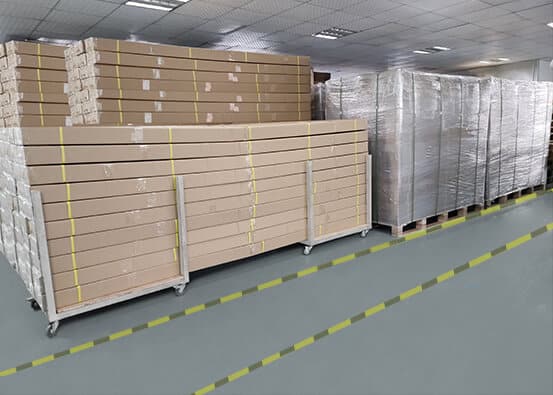
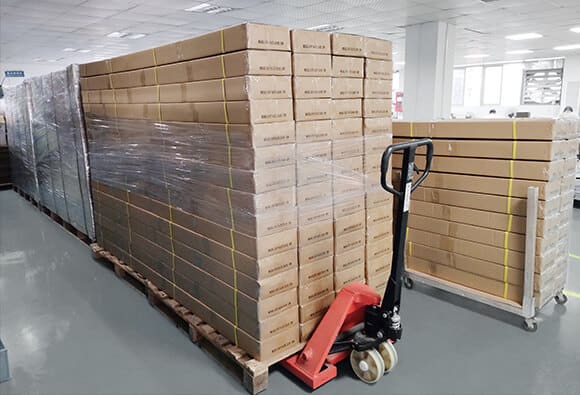
SignliteLED LED strip warehouse inventory and order preparation
SignliteLED warehouse and packaged LED lighting inventory

Figure 4. Packaged inventory and warehouse staging at SignliteLED. Stock status and shipment dates should be confirmed for each order.

Use a pilot order to test communication, document accuracy, packaging and batch consistency before committing the annual forecast. The purchase order should reference the approved specification revision and golden sample, not only the supplier’s model number.

Supplier scorecardSuggested weightWhat a strong result looks like
Application and engineering fit20%Clear questions, calculations, trade-offs and documented recommendation
Sample performance20%Meets measurable limits under a shared test method
Quality system and traceability20%Controlled BOM, lot records, change approval and corrective action
Certification and documents15%Exact model, market, factory and active record can be verified
Production and delivery10%Capacity and lead time are explained with realistic constraints
交流10%Answers are complete, consistent and technically accountable
Commercial terms5%Transparent total cost, warranty, payment and Incoterm

3. Common Mistakes When Choosing an LED Strip Supplier

Choosing the Lowest Price Before Aligning the Specification

Price comparisons are meaningless when PCB copper, LED bin, power tolerance, adhesive, wire and waterproof structure differ. Normalize the specification first, then compare cost.

Sending Only a Product Photo

A photo does not define voltage, power, CCT, CRI, cut length, maximum run, environment or control system. Send an application-based RFQ and identify which parameters may be recommended by the supplier.

Accepting Certification Logos Without Checking Scope

A logo in a catalog may belong to another product family. Ask for the record and match model, standard, holder, factory and market. Confirm whether it covers a component or finished system.

Treating a Good Sample as Proof of Mass-Production Quality

A hand-selected sample can perform well even when routine production is inconsistent. Freeze the golden sample and critical BOM, then require lot-level inspection evidence.

Ignoring Color Consistency and Tolerances

CRI and CCT labels alone do not define color consistency. Agree on binning or SDCM, measurement condition and acceptable lot-to-lot variation—especially for retail, hospitality and architectural projects.

Specifying an IP Number Without Defining the Installation

The strip body, cable exit, cut end, connector and field installation must work as one sealed system. “IP67 strip” does not mean every cut and connector remains IP67 after installation.

Allowing Silent Component Substitution

Changing an LED, resistor, PCB, adhesive, silicone, cable or driver can affect safety, color, temperature, life and certification. Put written change approval into the purchase order.

Skipping Pilot Orders and Shipment Documents

A pilot order tests much more than the product. It reveals whether labels, cartons, inspection reports, invoice descriptions, origin information and delivery communication are reliable.

4. Frequently Asked Questions

How do I verify that an LED strip supplier in China is a real manufacturer?

Check the legal company and factory address, request a live factory walkthrough, review the production and QC processes, and ask to see the quoted model on the line. The word “factory” proves little by itself. What matters is who controls the design, BOM, production release, inspection and corrective action.

What information should I include in an LED strip RFQ?

Include application, strip type, voltage, W/m, maximum run, PCB width, cut length, CCT or color, CRI, color tolerance, IP construction, driver, controller, connector, profile, destination market, certification needs, packaging, quantity and delivery target. Mark unknown fields as “supplier to recommend.”

How many suppliers should I sample?

For an important new program, two or three technically qualified suppliers are usually enough for a controlled comparison. Ordering samples from too many companies creates data without a consistent evaluation method. Shortlist first, then test comparable configurations.

Which certificates should a Chinese LED strip supplier provide?

The answer depends on the product and destination. Ask for product-specific safety, EMC, radio, environmental or performance evidence that applies to the exact shipped configuration. Do not assume that CE, UL, ETL, RoHS, ISO 9001, LM-80 and IP reports prove the same thing.

How can I prevent material substitution after approving the sample?

Approve a specification revision, golden sample and critical-component list. State that substitutions require written approval and, where relevant, certification review. Require the batch report and lot code to connect production to the approved construction.

Should I buy from a factory or a trading company?

Direct factory control can simplify engineering and traceability, but a technically strong trading company may add value. Evaluate transparency and control rather than the company label. You should know where the product is made and who is accountable for quality and changes.

Is it safe to import LED strip lights from China?

It can be, provided the product is correctly specified, tested and documented for its market and use. Country of origin alone does not determine safety. The importer must still verify the complete system, certification scope, labels and supplier controls.

Can a Chinese manufacturer produce custom LED strips?

Yes. Common options include PCB width, voltage, power, LED density, CCT, CRI, cut length, waterproof structure, wire, connector, reel length and OEM packaging. Ask which changes require tooling, a new PCB, additional testing or certification review.

结论

A practical sourcing sequence is to define the application, shortlist relevant suppliers, verify manufacturing control, compare engineering replies, test samples under the same method, review QC records and place a pilot order. Put the approved specification revision and golden-sample references into the purchase order.

Good suppliers also flag missing information and practical limits before quoting. That matters more than agreeing to every request, because the final construction has to remain stable after the sample moves into production.

Ready to Source Reliable LED Strips From China?

Whether you need custom COB LED strips, OEM packaging or controlled color consistency, SignliteLED can review your application, specifications and target market before quotation.

撰写: 朱伊莱恩,总经理 信号灯
技术审查: Signliteled研发负责人Jason Chen
电子邮件: info@signliteled.com

全光谱LED-STREP全光谱LED-STREP
全光谱LED灯:技术、成本和购买指南
全光谱LED灯具设计成均衡的可见光,与自然光非常相似。 与仅强调特定波长的传统LED灯条不同,全光谱LED提供更完整的光谱分布和更高的色彩准确性,使其成为忠实色彩再现的应用的理想选择。
COB RGBW LED灯带灯24VCOB RGBW LED灯带灯24V
耐用和明亮的 24V LED 灯带照明的最佳品牌是什么?
耐用和明亮的 24V LED 灯带照明的最佳品牌是那些在持续商业运行下提供稳定的 24V 电性能、稳定的亮度、可靠的 COB LED 架构和经久耐用的耐用性的品牌。 仅亮度并不能定义质量。 强大的24V LED灯带品牌必须控制电压...
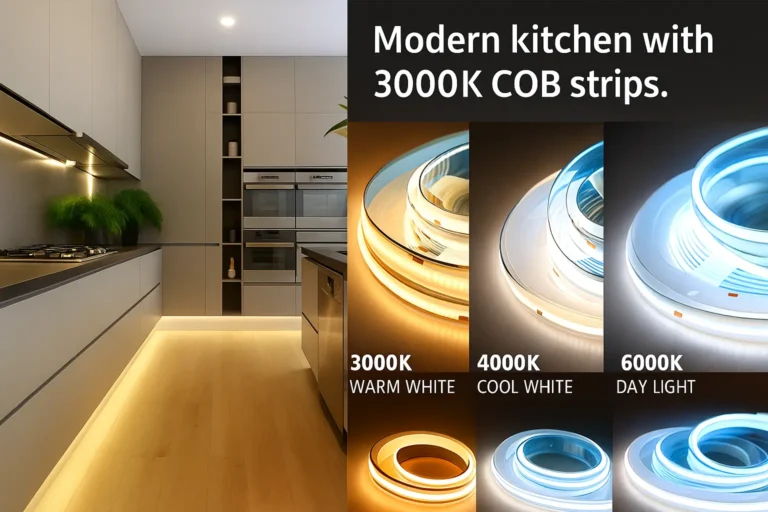
现代厨房与 3000k COB 条带。现代厨房与 3000k COB 条带。
COB LED灯与SMD有什么20种应用?
板上 LED 灯条代表了照明技术的突破,提供了超越传统 SMD 选项的无缝、无点照明。 这些条带具有超过 90 的高 CRI 值、100-145 lm/W 的能源效率和出色的灵活性,可在不同环境中提供均匀的光线。 本指南探讨了分类的前 20 种应用程序,分为...
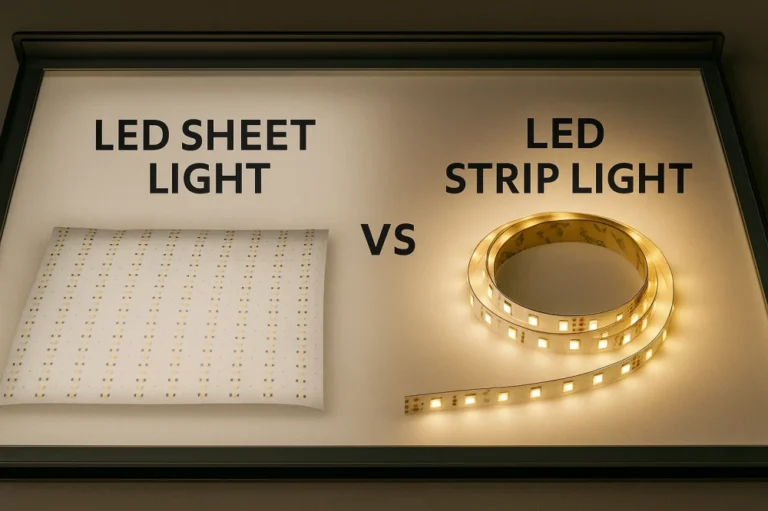
LED 带灯与 LED 灯条:有什么区别?
就线性照明而言,LED 带灯和 LED 灯带灯等术语通常可以互换使用。 两者都指的是灵活的照明解决方案,以紧凑的形式提供明亮、节能的照明。 但是,它们在结构、性能和安装方法方面存在细微差别。 了解这些...
LED灯具的综合应用
今天的照明不再只是关于亮度——它是关于氛围、设计和灵活性。 柔软的 LED 灯带,无论是 SMD 还是 COB,都很快成为一种首选解决方案,因为它们几乎可以适应任何空间和风格。 从现代家庭中的微妙口音到商业项目中的功能性亮点,脱衣舞...
最好的领导条对颜色的均匀性(1)最好的领导条对颜色的均匀性(1)
飞利浦领导条–2025买方的指南高功率LED灯条
飞利浦 Master 和 CorePro LED 灯条满足不同的照明需求。 MASTER 系列专为高性能、色彩关键应用而设计,CRI ≥95、使用寿命更长达 50,000 小时、更紧密的色彩一致性 (SDCM ≤2)。 相比之下,CorePro 系列为性能适中的标准照明项目提供了一种经济高效的解决方案,...

分享:

Facebook
叽叽喳喳
Pinterest
LinkedIn
订阅评论
提醒
来宾
0 评论
最老的
最新 最多投票
内联反馈
查看所有评论

搜索 SignliteLED 博客

类别

滚动至顶部

立即获取报价