日本語
日本語  English
  简体中文
简体中文  Deutsch
  Español
  Français
  Italiano
  한국어
한국어  Polski
  Português
  Русский
  Türkçe
  Nederlands
  Tiếng Việt
  ไทย
ไทย 
The U.S. tariff landscape on Chinese imports has entered a completely new phase following a landmark Supreme Court ruling on February 20, 2026.
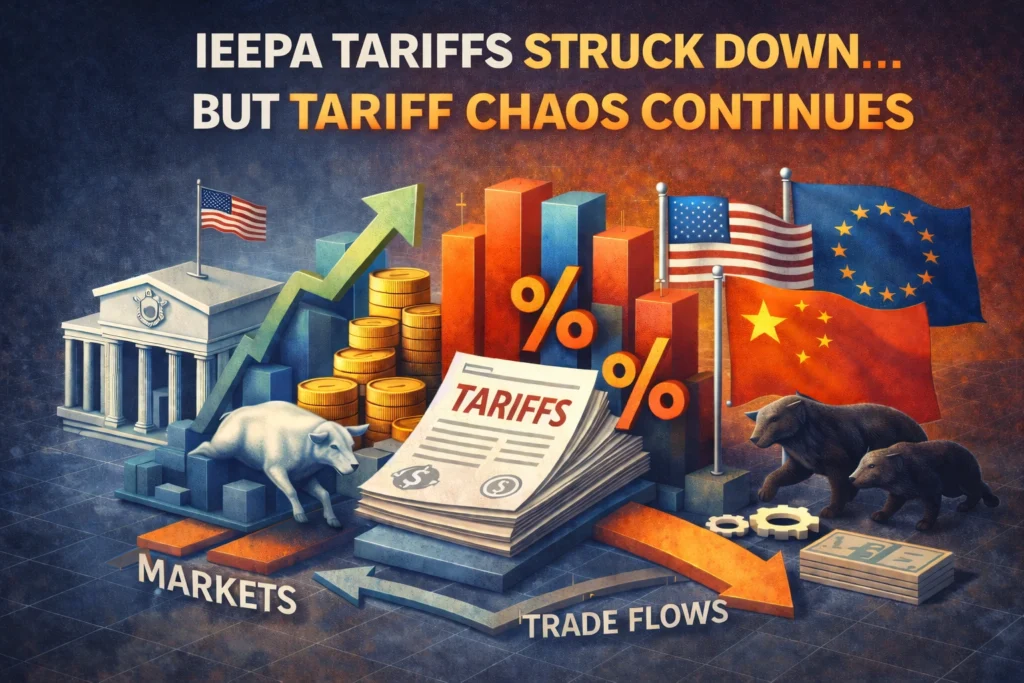
In Learning Resources, Inc. v. Trump, the Court ruled that tariffs imposed under the International Emergency Economic Powers Act (IEEPA) were unlawful. This decision triggered a major restructuring of U.S. trade duties.
As of February 24, 2026, the tariff system has officially shifted into what many analysts are calling:
The Post-IEEPA Tariff Era
In this new framework, previously imposed emergency tariffs have been removed – but replaced with new statutory duties introduced by the Trump administration.
For Chinese exporters – especially in industrial sectors such as LED lighting and electronics – understanding this shift is now critical.
The New Core Tariff Structure: Section 301 + Section 122
Since February 24, 2026, most Chinese industrial goods entering the United States are now subject to a dual-duty structure composed of:
Section 301 Tariffs – 25%
These tariffs remain the backbone of U.S. trade policy toward China.
- Origin: 2018 trade investigation
- Status: Fully intact
- Scope: Covers a wide range of industrial and electronic products
Some product lists still carry reduced rates (such as 7.5%), but most LED-related and electronic goods remain within the 25% category.
Importantly:
The Supreme Court ruling does not affect Section 301 tariffs.
They remain stable and enforceable.
Section 122 Global Temporary Tariff – 15%
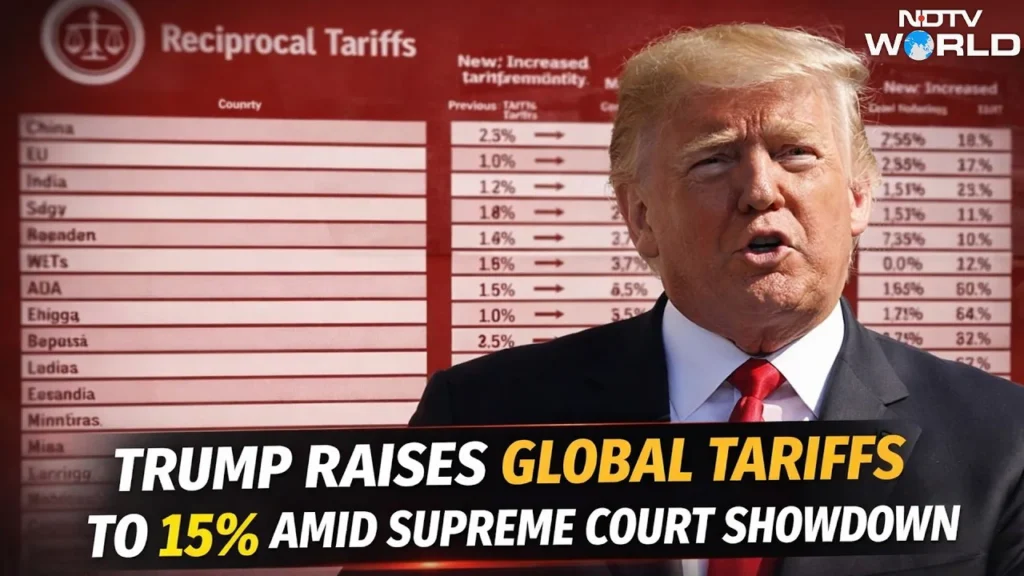
To replace the invalidated IEEPA-based duties, the Trump administration announced a new tariff under Section 122 of the Trade Act on February 21, 2026.
Key details:
- Effective Date: February 24, 2026
- Rate: 15%
- Scope: Global imports
- Legal Nature: Temporary
- Validity Period: 150 days
(Until July 24, 2026 unless extended by Congress)
Combined Effective Tariff
For most Chinese industrial exports, the real landed tariff burden is now:
25% (Section 301) + 15% (Section 122) = ~40% total
For LED lighting products, this has become the new benchmark import cost level.
What Has Been Removed: The End of IEEPA-Based Tariffs
Following the Supreme Court ruling, several previously imposed duties were struck down and officially stopped as of February 24, 2026.
These include:
- The 10% “Fentanyl Tariff”
- The 10% “Reciprocal Tariff”
- Other broad emergency tariffs imposed under IEEPA
This means:
The previous effective burden of 45%–50% on many Chinese goods has been reduced slightly.
However, the replacement Section 122 duty ensures that tariff pressure remains structurally high.
In other words:
Emergency tariffs are gone — but permanent policy tariffs have taken their place.
High-Tariff Sectors That Remain Untouched
It is important to note that the Supreme Court decision does not affect tariffs imposed under other legal authorities.
Certain industries continue to face significantly higher rates.
| Sector | Current Tariff Level | Legal Basis |
| Steel | 50% | Section 232 |
| アルミニウム | 50% | Section 232 |
| Semiconductors / Solar | 25% – 50%+ | Section 301 + AD/CVD |
| Automobiles (including EVs) | 25% – 100% | Section 301 |
These sector-specific duties remain firmly in place and signal continued U.S. commitment to protecting strategic industries.
Refund Opportunities & Small Parcel Changes
Potential Refund Claims
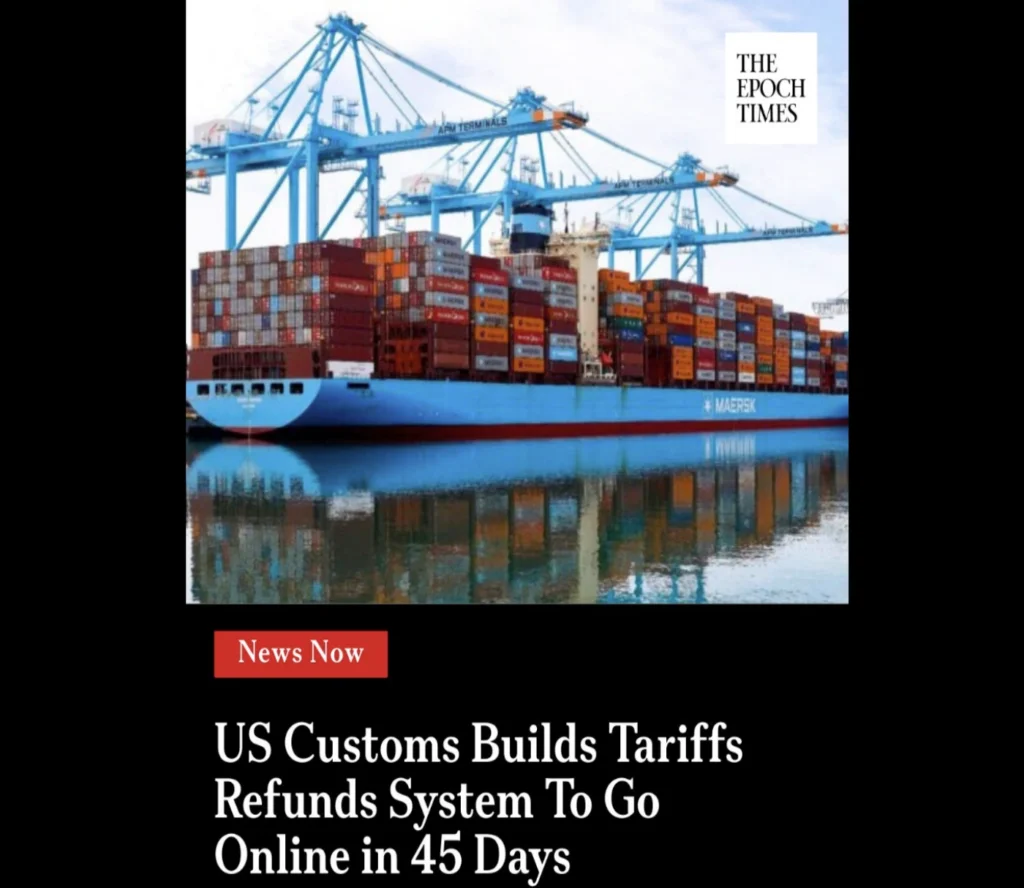
Because the Court ruled IEEPA tariffs unlawful, importers who paid those duties between 2025 and early 2026 may be eligible for refunds.
However:
The U.S. Customs and Border Protection (CBP) has not established an automatic refund mechanism.
Claims typically require legal action through the:
U.S. Court of International Trade (CIT)
Exporters working closely with U.S. import partners should monitor this closely.
The De Minimis Shift
The traditional $800 duty-free threshold for low-value shipments has been significantly restricted in practice.
Commercial shipments – including small parcels – are now expected to be assessed under the full composite tariff framework.
This means:
Direct-to-consumer export models relying on duty-free entry are becoming far less viable.
For cost planning purposes, many importers are now budgeting using:
~40% total duty exposure
Even for small-value shipments.
Latest Legal Challenge from U.S. States
Another major development emerged in early March 2026, when a coalition of 24 U.S. states filed a lawsuit against the Trump administration challenging the legality of the new global tariffs imposed under Section 122 of the Trade Act. The case was filed in the U.S. Court of International Trade, arguing that the administration is attempting to bypass Congress and misuse a law originally intended for balance-of-payments crises. The states claim the tariffs will raise costs for businesses and consumers and are seeking to block the policy and potentially recover previously collected duties.

Strategic Outlook for Chinese Exporters
The 2026 restructuring signals a deeper policy shift.
Tariffs are no longer being used merely as short-term leverage.
Instead, they are evolving into:
A long-term structural trade mechanism.
Key implications include:
- Pricing advantages will continue to narrow
- Compliance and classification will become more important
- Temporary measures like Section 122 may evolve into permanent tools
While the current 15% duty is scheduled to expire in July 2026, future legislative action could extend or replace it.
結論
The U.S. tariff system has now moved beyond emergency authority into a more institutionalized framework.
Although total duties on many Chinese goods have decreased slightly from their peak levels, the introduction of Section 122 ensures that overall tariff pressure remains substantial.
For exporters – especially in sectors such as LED照明 – the new baseline assumption should be:
A sustained tariff environment of approximately 40%.
More importantly, the next five months represent a critical policy window.
Future Congressional action could determine whether this temporary structure becomes a permanent feature of U.S.-China trade.
For Chinese manufacturers, adapting to this “Post-IEEPA” era will be less about avoiding tariffs — and more about operating effectively within them.
If you are looking for any LED lights, contact us now!
関連記事