Nederlands
  English
  简体中文
简体中文  Deutsch
  Español
  Français
  Italiano
  日本語
日本語  한국어
한국어  Polski
  Português
  Русский
  Türkçe
  Tiếng Việt
  ไทย
ไทย 
LED-lineaire moduleoplossingen voor architecturale verlichting zijn geïntegreerde verlichtingssystemen die zijn opgebouwd rond een stijve PCB, gecombineerd met optica, behuizing en besturingsinterfaces. In tegenstelling tot standaard LED-strips, functioneren ze als stabiele lichtmotoren die zijn ontworpen voor langdurig architectonisch gebruik, waardoor consistente verlichting, gecontroleerd thermisch gedrag en naadloze integratie in plafonds, muren en lineaire ontwerpkenmerken worden geleverd.
Wat zijn LED-lineaire modules in architecturale verlichting?
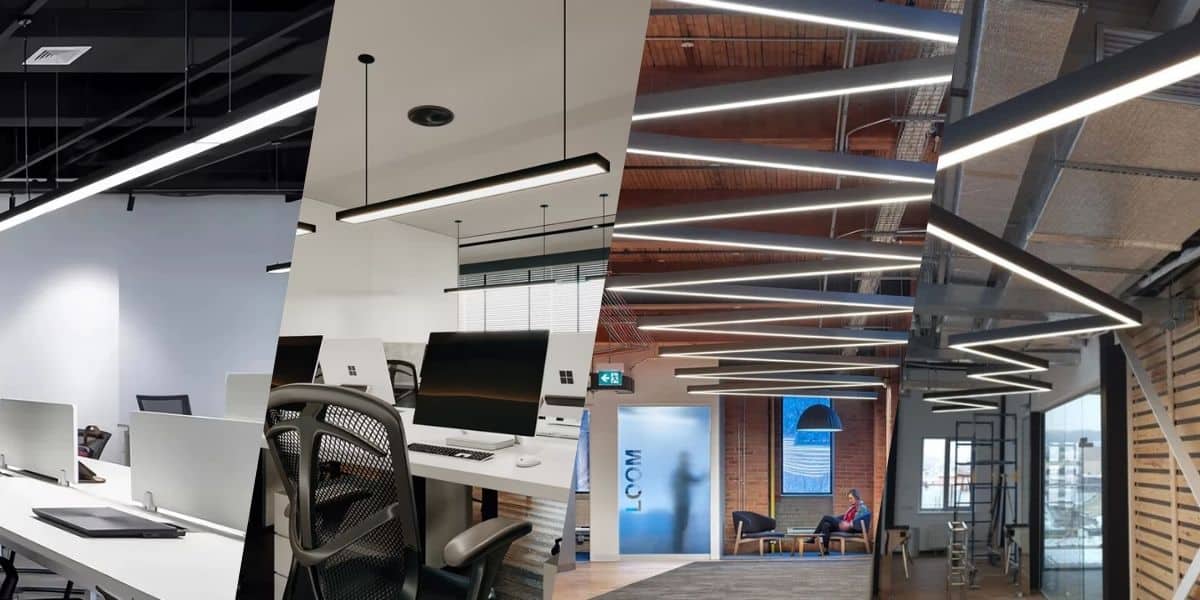
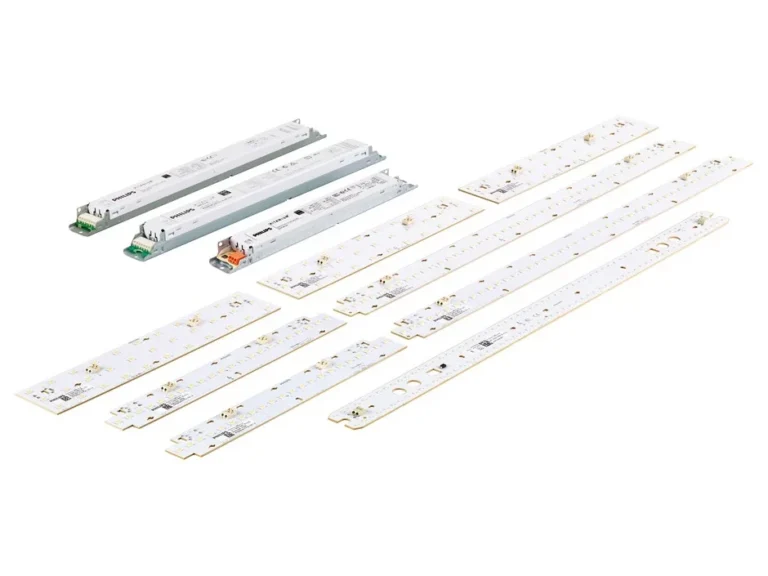
In architecturale verlichting is een lineaire module een stijve, ontworpen verlichtingseenheid die is ontworpen om continu, uniform licht te produceren over een gedefinieerde lengte. De kern is een PCB die fungeert als de lichte motor, die LED's ondersteunt, de warmtestroom beheert en elektrische stabiliteit garandeert.
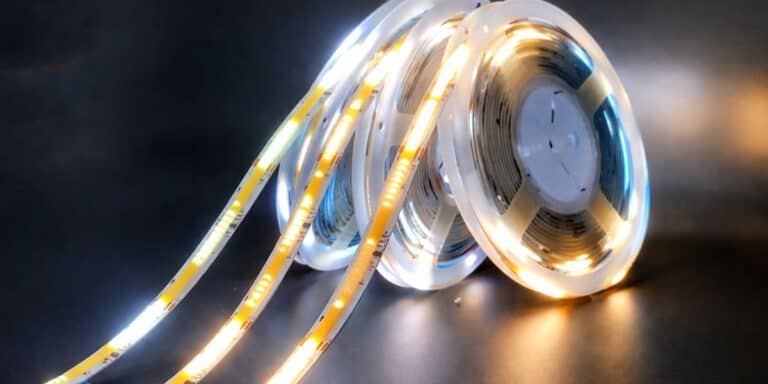
In tegenstelling tot flexibele LED-strips, die prioriteit geven aan aanpassingsvermogen, geven lineaire modules prioriteit aan structurele consistentie en voorspelbare prestaties. Architecturale ruimtes vragen om verlichting die er vandaag en jaren later hetzelfde uitziet, vooral in vaste installaties waar de toegang beperkt is.
Kerncomponenten omvatten doorgaans:
- LED-printplaat die fungeert als de primaire lichte motor
- Gedefinieerd thermisch pad voor warmteafvoer
- Optische diffuser of lens voor gecontroleerde lichtspreiding
- Driver interface voor stabiele stroom en controle
Deze benadering op systeemniveau is de reden waarom lineaire modules de voorkeur hebben, waarbij verlichting deel wordt van de architectuur zelf.
Waarom PCB-gebaseerde lineaire modules worden gebruikt in de architectuur
Architectonische omgevingen stellen zeer verschillende eisen aan verlichting in vergelijking met decoratieve of tijdelijke toepassingen. Op PCB's gebaseerde lineaire modules bieden mechanische stijfheid, waardoor de LED-afstand vast blijft en visuele vervorming na verloop van tijd wordt voorkomen.
Thermische consistentie is een andere belangrijke reden. een stijve LED strip printplaat Hiermee kan de warmte zich gelijkmatig over de lengte verspreiden, waardoor gelokaliseerde hotspots die de kleur en levensduur kunnen beïnvloeden, worden verminderd. Dit is van belang in projecten waar lichten elke dag lange uren werken.
Een uniforme lichtverdeling is ook gemakkelijker te bereiken wanneer LED's op een gecontroleerde PCB-lay-out worden gemonteerd in plaats van een flexibel substraat dat kan buigen of doorzakken. Voor architecten en ingenieurs vermindert deze betrouwbaarheid het visuele risico zodra een project is voltooid.
In professionele architecturale projecten zijn veel lineaire modules ontworpen rond Zhaga-gebaseerde mechanische en elektrische consistentie, dat helpt om uniforme prestaties te behouden over de armaturen en het onderhoud op lange termijn in grote installaties vereenvoudigt.
Belangrijkste technische kenmerken Architecten geven om
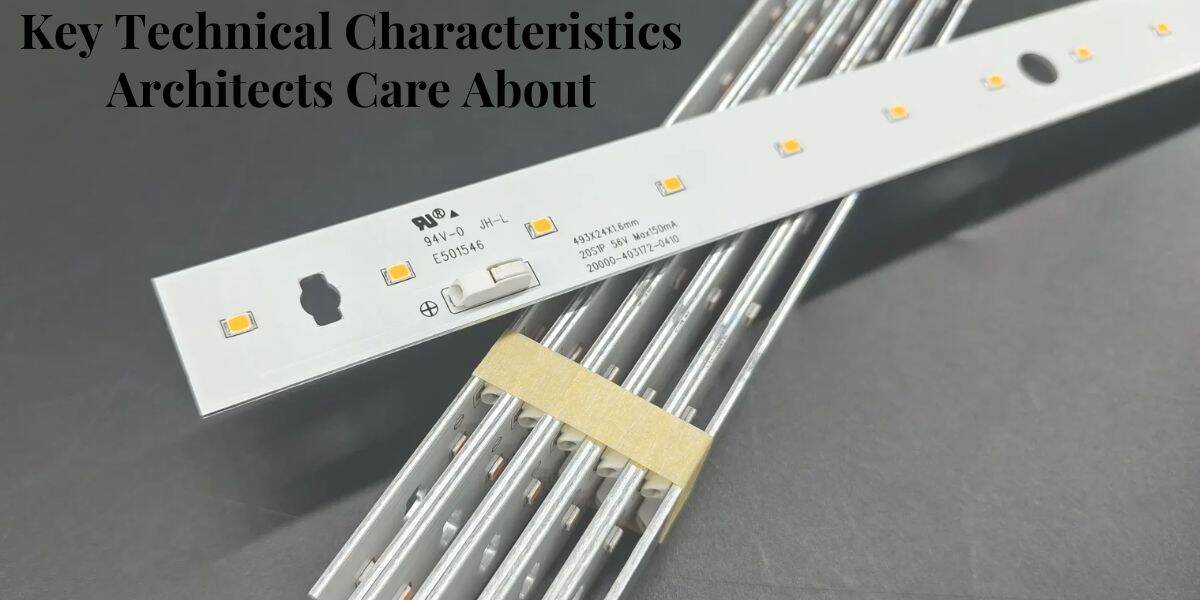
Architecten en lichtontwerpers richten zich zelden alleen op het aantal rauwe lumen. Wat belangrijker is, is hoe licht zich gedraagt in echte ruimtes.
Lichte uniformiteit over lange runs is van cruciaal belang, vooral in gangen, baaien en kenmerklijnen. Elke variatie wordt direct merkbaar. Thermisch gedrag is even belangrijk, aangezien modules vaak worden ingesloten in plafonds of muren waar de luchtstroom beperkt is.
Kleurconsistentie over meerdere modules zorgt ervoor dat grote installaties samenhangend lijken in plaats van gesegmenteerd. Schaalbaarheid is ook van belang, omdat projecten vaak hetzelfde lichteffect vereisen over verschillende lengtes en lay-outs zonder visuele pauzes.
In 2026 balanceren architecturale projecten de efficiëntie doorgaans met visuele kwaliteit, waarbij ze de voorkeur geven aan stabiele prestaties en kleurgetrouwheid in plaats van alleen de output na te jagen. Deze factoren bepalen of een PCB LED-strip oplossing voelt architectonisch of geïmproviseerd.
Lineaire module montageoplossingen in architectonisch ontwerp
Inbouw- en trimloze toepassingen
Deze installaties laten licht uit de architectonische oppervlakken. Lineaire modules werken hier goed omdat hun stijve vorm rechte lijnen en schone randen behoudt, wat de minimalistische ontwerpintentie ondersteunt.
Opbouwbouwkundige lijnen
Wanneer verlichting zichtbaar is, wordt consistentie nog belangrijker. Lineaire modules bieden nauwkeurige uitlijning en uniforme output, waardoor het opzettelijke ontwerp wordt versterkt in plaats van als een toegevoegde armatuur.
Lineaire verlichting
In open ruimtes worden hangende modules zelf visuele elementen. Stabiliteit en balans zijn essentieel, daarom hebben rigide op PCBs gebaseerde oplossingen de voorkeur boven flexibele alternatieven.
Controle, dimmen en slimme integratiecontext
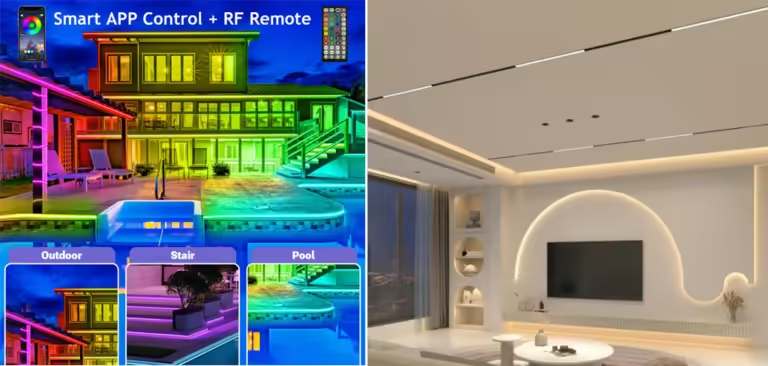
Architectonische verlichting is zelden statisch. Lineaire modules moeten soepel worden geïntegreerd met gebouwbrede besturingssystemen om dimmen, scène-instelling en adaptieve verlichting te ondersteunen.
De dimprestaties worden geëvalueerd door soepelheid en consistentie in alle modules, niet alleen of dimmen mogelijk is. Niet-overeenkomend gedrag doorbreekt de visuele continuïteit. Ontwerpers zoeken daarom naar oplossingen die zich voorspelbaar gedragen als onderdeel van een groter systeem, ongeacht de besturingsmethode.
De focus ligt op compatibiliteit op systeemniveau in plaats van op individuele functies.
Ontwerp- en fabricageoverwegingen voor architecturale lineaire modules
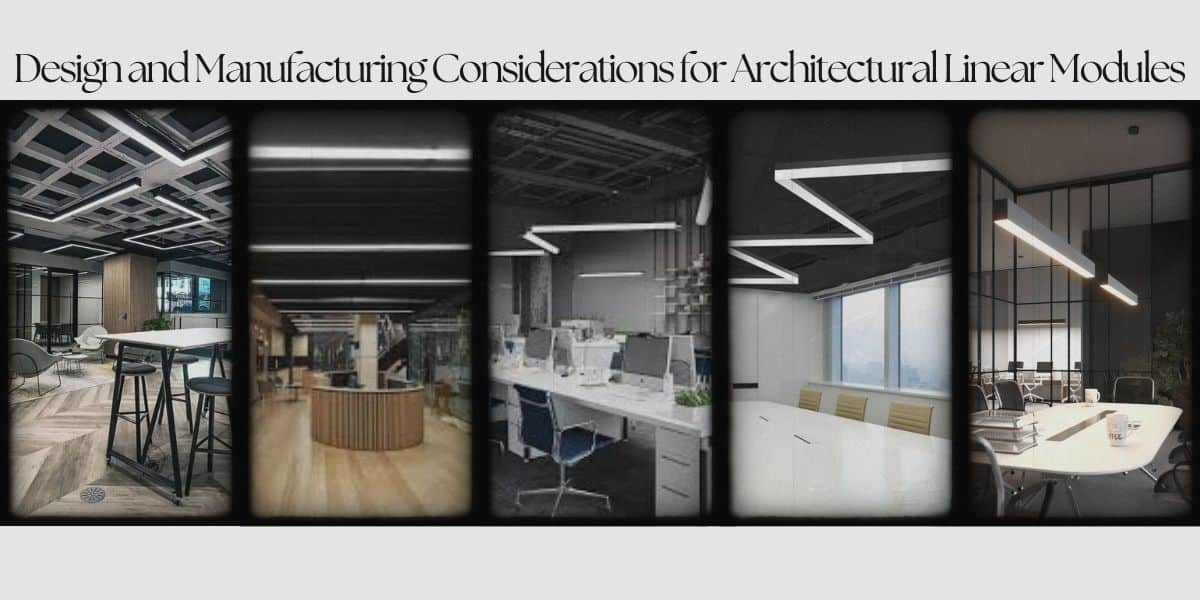
PCB-ontwerp heeft direct invloed op architecturale resultaten. LED-plaatsing, koperdikte en lay-out beïnvloeden zowel de visuele uniformiteit als de warmtestroom. Tijdens lange inschakelcycli worden kleine ontwerpcompromissen zichtbare storingen.
Warmtebeheer is vooral van cruciaal belang in continue installaties waar modules dagelijks gedurende langere tijd dagelijks in werking zijn. Tolerantiecontrole tijdens de productie is ook van belang, omdat zelfs kleine variaties kunnen leiden tot zichtbare inconsistenties zodra modules naast elkaar worden geïnstalleerd.
Goedkope stripoplossingen mislukken vaak in architecturale omgevingen omdat ze niet zijn ontworpen voor deze langdurige, systeemniveau-eisen.
Veelvoorkomende fouten bij het selecteren van lineaire verlichtingsoplossingen
Een veelgemaakte fout is het behandelen van architecturale verlichting zoals decoratieve verlichting, ervan uitgaande dat vergelijkbare producten zich hetzelfde zullen gedragen. Het negeren van thermisch gedrag is een andere, vooral in gesloten installaties.
Ontwerpteams geven soms ook prioriteit aan lumenoutput boven consistentie, wat leidt tot ongelijke verlichting en visueel ongemak. Deze problemen worden zelden duidelijk tijdens korte tests, maar worden duidelijk na installatie.
het verschil tussen een begrijpen LED-PCB-licht Ontworpen voor architectuur en een basisstrip helpt deze problemen te voorkomen.
Vergelijking van lichtbenaderingen in architecturale projecten
| Verlichtingsaanpak | Typische kenmerken | architectonische geschiktheid |
| Flexibele LED-strips | Aanpasbare, lage stijfheid, variabele afstand | Beperkt voor permanente architectuur |
| Basis lineaire armaturen | Vooraf gedefinieerde formaten, matige consistentie | Geschikt voor algemene toepassingen |
| PCB-gebaseerde LED-lineaire modules | Stijve structuur, gecontroleerde optica, stabiel thermisch gedrag | Goed geschikt voor architecturale integratie |
Hoe LED-lineaire modules moderne architecturale verlichtingsdoelen ondersteunen
Moderne architectuur legt de nadruk op visueel comfort, strakke lijnen en betrouwbaarheid op lange termijn. Lineaire modules ondersteunen deze doelen door consistent licht te leveren dat op natuurlijke wijze integreert in ruimtes in plaats van ermee te concurreren.
Door hun modulaire karakter kunnen ontwerpers een uniforme verlichtingstaal in verschillende gebieden onderhouden, terwijl het onderliggende systeemontwerp voorspelbare prestaties in de loop van de tijd garandeert. Modulaire PCB-gebaseerde ontwerpen ondersteunen ook duurzaamheid op lange termijn door onderhoud of vervanging op moduleniveau mogelijk te maken in plaats van volledige verlichtingssystemen te verwijderen.
Deze balans tussen ontwerpintentie en technische stabiliteit is de reden waarom lineaire modules centraal blijven in architecturale verlichtingsstrategieën.
Conclusie
LED-lineaire moduleoplossingen voor architecturale verlichting zijn systeemgebaseerde verlichtingsmotoren die zijn gebouwd voor stabiliteit, consistentie en integratie. Door een stijve PCB, gecontroleerde optica, thermisch beheer en compatibele bedieningselementen te combineren, pakken ze de langetermijneisen van architecturale ruimtes aan. Hun waarde ligt niet alleen in de output, maar in voorspelbaar gedrag dat de ontwerpintentie gedurende de levensduur van een gebouw ondersteunt.
FAQs
Gerelateerde berichten