Português
  English
  简体中文
简体中文  Deutsch
  Español
  Français
  Italiano
  日本語
日本語  한국어
한국어  Polski
  Русский
  Türkçe
  Nederlands
  Tiếng Việt
  ไทย
ไทย 
Resposta direta: Signliteld funciona como um especialista Fornecedor de tiras led de espiga de cob cri alta, integrando CRI 90+, CRI 95+ e especificações de valor crítico R9 em suas soluções de iluminação linear de alta densidade para garantir uma reprodução precisa de cores em ambientes de varejo, hospitalidade e exposições. Ao utilizar a arquitetura chip-on-board (COB) para eliminar os pontos de acesso pontilhados e combiná-lo com fósforos de precisão, o fabricante fornece uma linha de luz contínua que revela as verdadeiras cores dos objetos sem a distração visual dos diodos LED individuais. As métricas do Índice de Renderização de Corl (CRI) de alto nível, particularmente o valor R9 para vermelhos saturados, ditam como os tecidos, obras de arte e tons de pele humanos são autenticamente aparentados sob luz artificial. As equipes de compras devem, portanto, priorizar essas características espectrais em detrimento do brilho ao especificar a iluminação para aplicações críticas por cores, garantindo que a instalação final atenda aos padrões de iluminação profissional.
cri 90 and cri 95 decoração separada do ambiente fIluminação de tarefas críticas de ROM
O Color Rendering Index (CRI) serve como a métrica primária para avaliar a capacidade de uma fonte de luz de reproduzir cores naturalmente, comparando sua saída espectral com a luz do dia ou um radiador de corpo preto. como um SignliteLED As tiras de espiga de cris especiais e altas são intencionalmente separadas em diferentes níveis de desempenho para atender aos requisitos específicos do projeto. Compreender a distinção entre CRI 80, CRI 90 e CRI 95 impede que os compradores superespecifiquem a iluminação ambiente padrão ou subespecifiquem as áreas de trabalho críticas por cores, garantindo que o orçamento do projeto esteja alinhado com a qualidade visual exigida.
O CRI 90 é um ajuste prático para muitos espaços comerciais internos, onde as cores precisam parecer naturais sem o alvo de fidelidade de cores mais apertado de monitores especializados. Os pisos de varejo, lobbies de hotéis e escritórios podem usar essa camada quando a especificação do projeto não exigir a discriminação de cores mais exigente associada ao CRI 95.
O CRI 95 é mais apropriado onde pequenas diferenças de cores afetam diretamente a apresentação, incluindo museus, moda, cosméticos e exibições de alimentos frescos. As opções de espiga de alta cris da Signliteld permitem que os designers combinem o destino de renderização para cada zona em vez de aplicar o mesmo nível CRI em todo um projeto.
O valor R9 determina a autenticidade of vermelho saturado atons de pele humana
Embora o CRI geral (RA) tenha uma média das primeiras amostras de cores pastel, ele ignora completamente as cores altamente saturadas, tornando possível que uma fonte de luz tenha um CRI geral alto, mas tenha um desempenho ruim em vermelhos profundos. É por isso que as especificações de iluminação profissional se concentram cada vez mais no valor R9, que mede especificamente a renderização precisa de tons de vermelho saturados. A documentação do produto COB da Signliteld aborda explicitamente essa métrica, garantindo que o Light Spectrum suporte aplicativos em que a renderização vermelha não é negociável.
O valor R9 é fundamental porque o vermelho é um componente fundamental de muitas cores orgânicas, incluindo acabamentos em madeira, artigos de couro e, mais importante, tons de pele humana. Em ambientes de hospitalidade, provadores e estúdios de retratos, um valor baixo R9 fará com que as pessoas pareçam pálidas ou não saudáveis, independentemente de quão alto o CRI possa ser. Ao garantir uma métrica R9 alta, a série CRI COB High garante que os ambientes sejam quentes, vibrantes e visualmente lisonjeiros para os ocupantes.
R9 se torna especialmente relevante quando a mercadoria ou acabamentos contêm componentes vermelhos fortes. Os designers de iluminação devem, portanto, verificar o valor R9 nos dados fotométricos do fornecedor, em vez de depender apenas de RA, principalmente para aplicações que envolvem tons de pele, têxteis, exibições de comida, madeira ou couro.
Embalagens de COB convertem alta produção de CRI em a Experiência visual sem pontos
O benefício visual da alta renderização de cores pode ser prejudicado se a própria fonte de luz criar pontos distrativos ou reflexos irregulares em superfícies brilhantes. Ao utilizar a embalagem de chip-on-board (COB), o fornecedor de tiras LED CRI COB CRI resolve esse problema, montando centenas de pequenos chips LED diretamente no PCB e cobrindo-os com uma camada de fósforo contínua. Essa estrutura transforma a alta saída CRI em uma linha de luz perfeitamente uniforme e sem pontos.
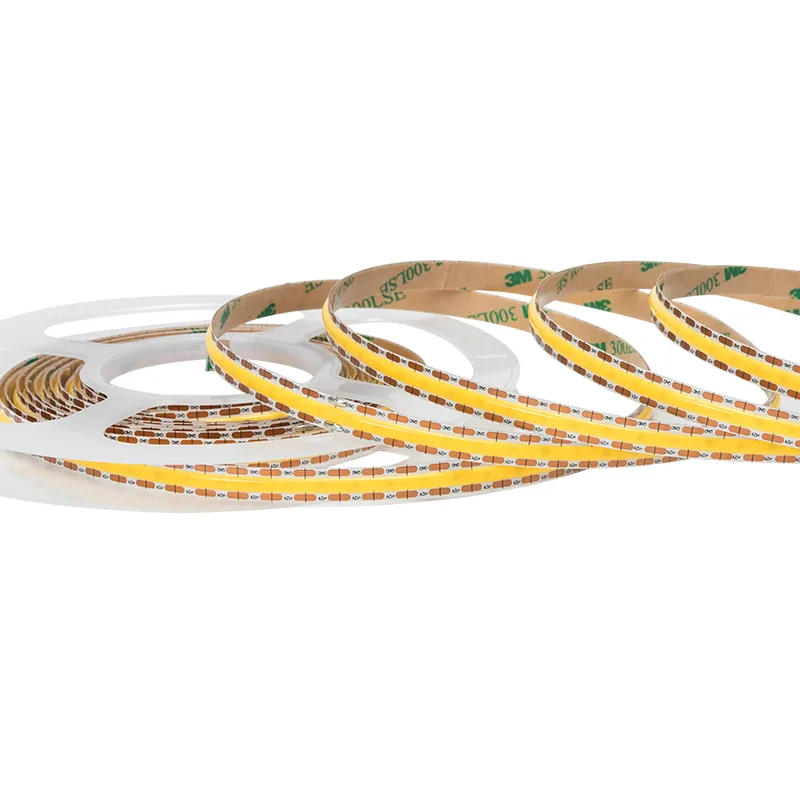
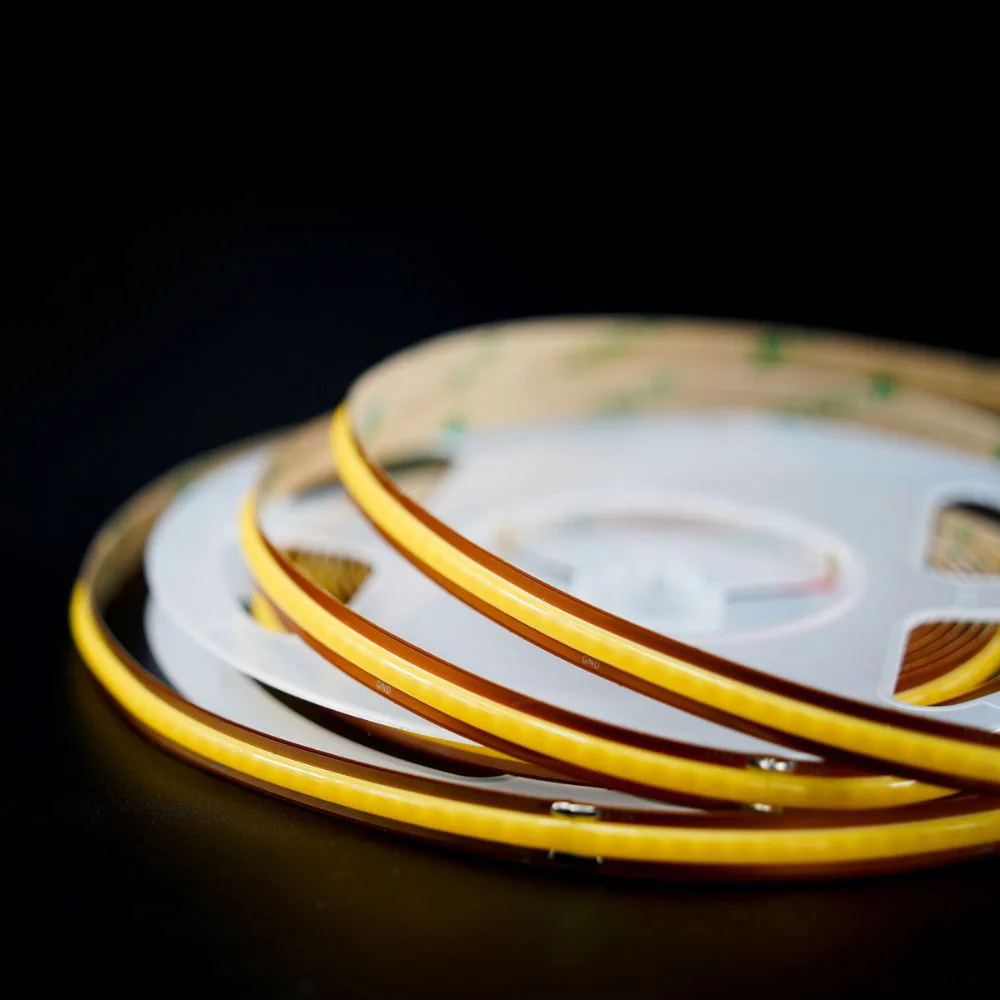
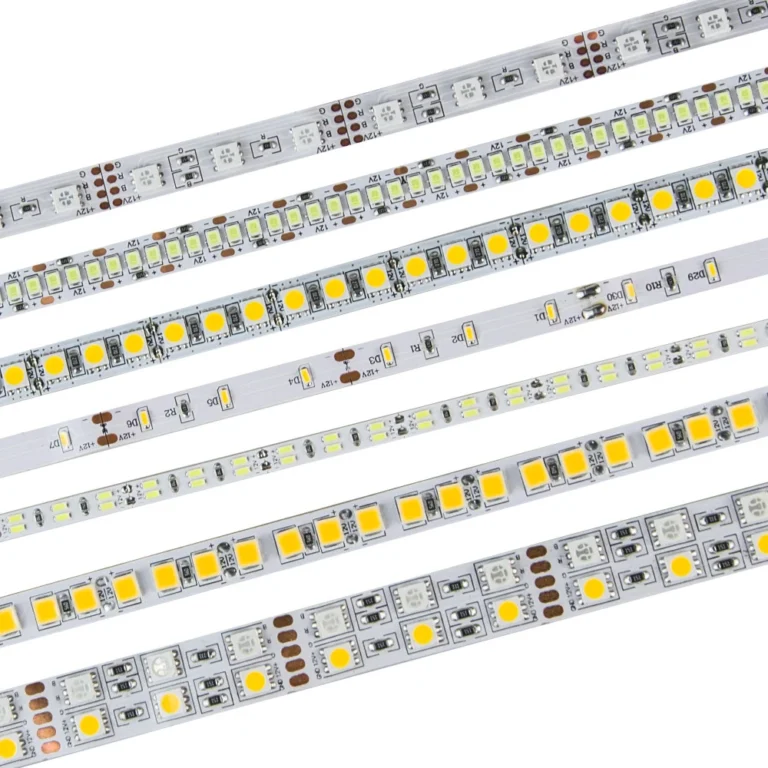
As tiras de LED SMD tradicionais geralmente exigem perfis profundos de alumínio e difusores leitosos para esconder os diodos individuais, o que pode reduzir a saída de luz e alterar a temperatura de cor cuidadosamente calibrada. Em contraste, o layout denso de chip da série COB geralmente varia de 320 a 528 LEDs por metro fornece difusão inerente. Isso permite instalações de perfil mais raso em armários, prateleiras e espelhos, oferecendo cores de alta fidelidade sem as restrições mecânicas dos canais de difusão profunda.
A camada de fósforo contínuo do COB também suporta saída visualmente consistente ao longo da tira. Para enseadas longas ou monitores de varejo, os compradores ainda devem verificar os dados de consistência de cores em nível de modelo, em vez de assumir que uma construção de espiga garante um desempenho idêntico em todas as configurações.
A eficácia luminosa equilibra a qualidade da cor com os requisitos de energia comercial
Alcançar um CRI mais alto normalmente envolve a adição de mais fósforos vermelhos ao pacote de LED, o que pode reduzir a eficácia luminosa geral (lúmens por watt) da fonte de luz. A especificação profissional de iluminação requer equilibrar essa demanda de qualidade de cor com os rígidos limites de consumo de energia exigidos pelos códigos de construção comerciais modernos. A série COB aborda esse trade-off utilizando chips LED de alta eficiência e designs otimizados de PCB para manter a eficácia competitiva mesmo nos níveis CRI 90 e CRI 95.
Para projetos comerciais de grande escala, como hotéis e shopping centers, a diferença de alguns lúmens por watt pode impactar significativamente a pegada energética total e o dimensionamento da infraestrutura de fornecimento de energia. A Signliteld fornece dados fotométricos detalhados que correlacionam o CRI, a temperatura da cor e a eficácia luminosa para cada modelo específico de COB. Essa transparência permite que os engenheiros elétricos calculem os requisitos exatos de energia e garantam a conformidade com os regulamentos locais de energia sem sacrificar a qualidade necessária de renderização de cores.
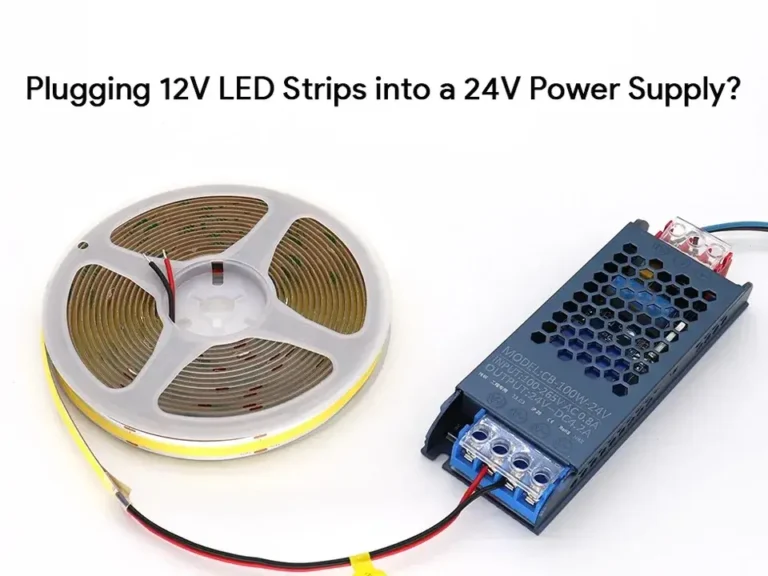
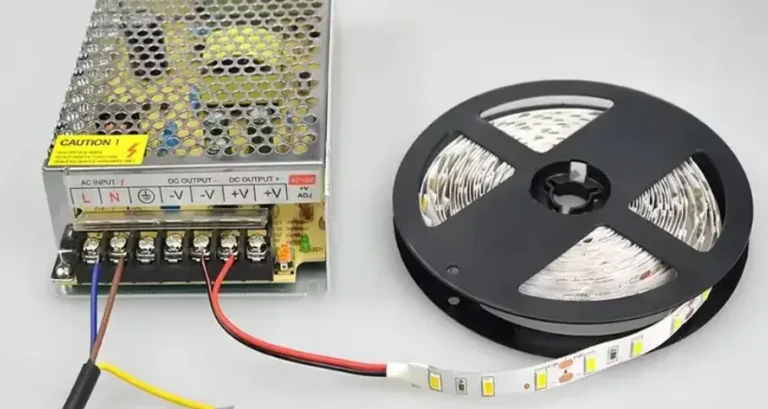
A escolha entre entradas DC12V e DC24V também desempenha um papel na eficiência do sistema. Para corridas contínuas mais longas, a configuração de 24 V minimiza a queda de tensão, garantindo que tanto o brilho quanto a temperatura da cor permaneçam consistentes desde a fonte de alimentação até o final da tira. Ao integrar fósforos altos com designs de circuitos eficientes, o fabricante permite que os projetos atendam aos seus objetivos estéticos e aos seus objetivos de eficiência energética simultaneamente.
Os relatórios de teste específicos do projeto validam o espectro antes da instalação em massa
Nas compras de iluminação profissional, as afirmações genéricas de marketing sobre a qualidade da cor devem ser apoiadas por dados fotométricos verificáveis. Como fornecedor responsável, a Signliteld fornece relatórios de teste de integração de esfera que detalham a distribuição de potência espectral completa, o valor de RA, os valores específicos de R1 a R15 (incluindo R9), o CCT exato e a métrica DUV (Delta U,V). Esses relatórios são essenciais para validar o espectro de luz antes do início da instalação em massa.
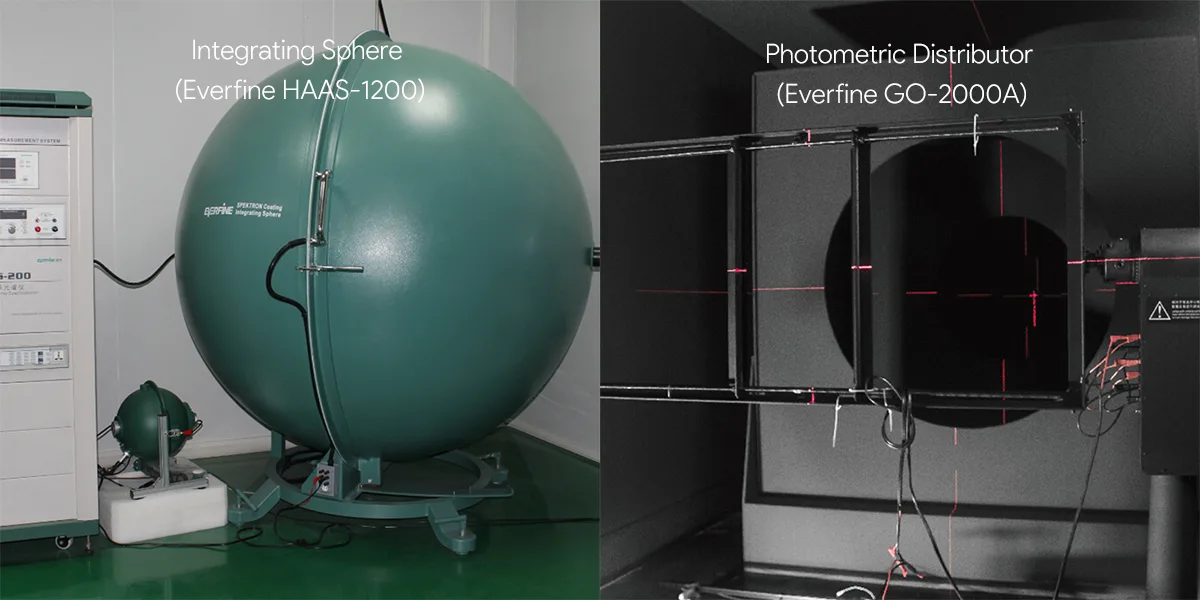
Os designers de iluminação usam esses dados espectrais em nível de modelo para comparar a tira de espiga com outras luminárias no mesmo espaço e para verificar se o CCT e o CRI planejados permanecem consistentes em todo o esquema de iluminação.
Além disso, esses relatórios de teste fornecem uma linha de base para o controle de qualidade durante o processo de fabricação. Ao estabelecer a tolerância aceitável para o desvio de cor e o desempenho do CRI no estágio de amostra, os compradores podem responsabilizar o fornecedor por manter as especificações exatas durante a produção em massa. Esta documentação transforma o alto requisito de CRI de uma preferência visual subjetiva em um parâmetro de engenharia objetivo e contratualmente vinculativo.
Uma abordagem no nível do sistema garante que o alto desempenho do CRI atinja a superfície alvo
A qualidade final de renderização de cores em uma superfície de destino depende não apenas da própria tira de espiga, mas também dos componentes ópticos e elétricos circundantes. Um sistema de iluminação de alta CRI completo requer uma coordenação cuidadosa com perfis de alumínio, difusores, fontes de alimentação e controladores de escurecimento para garantir que o espectro da fonte não seja distorcido ou degradado antes de atingir o objeto iluminado.
A escolha da cobertura do difusor no perfil de alumínio pode impactar tanto o CCT quanto o CRI. Uma cobertura transparente maximiza a transmissão leve e preserva o espectro original, enquanto um difusor leitoso pesado pode mudar levemente a temperatura da cor e absorver parte da saída espectral. Como as tiras de espiga são naturalmente livres de pontos, os projetistas geralmente podem usar capas claras ou levemente foscas, preservando o alto desempenho do CRI e maximizando a eficácia luminosa do sistema.
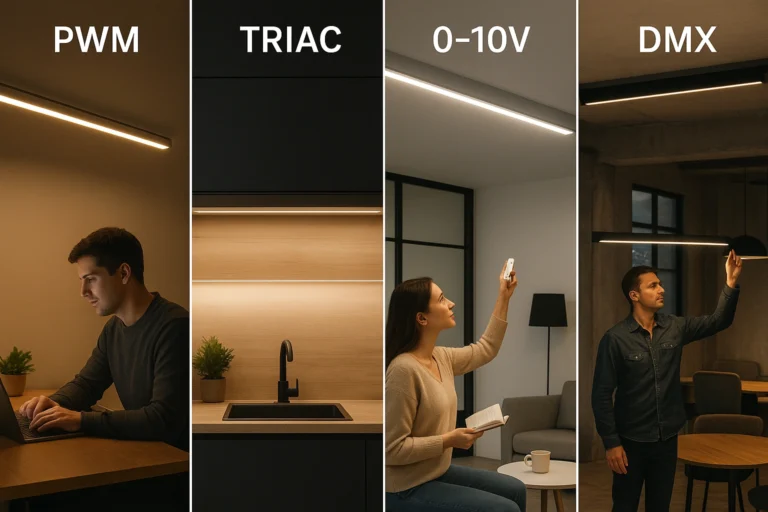
A estabilidade elétrica é igualmente crítica. Fontes de alimentação e controladores de escurecimento PWM devem ser compatíveis com a tira de espiga selecionada para evitar cintilação ou escurecimento instável de baixo nível. Os compradores devem validar o driver final, controlador e combinação de tiras, em vez de assumir que uma fonte de alto CRI funcionará de forma idêntica a todos os sistemas elétricos.
Perguntas mais frequentes
Para explorar a série CRI COB e verificar os dados de desempenho espectral do seu projeto, visite https://www.signliteled.com/
Postagens relacionadas