Polski
  English
  简体中文
简体中文  Deutsch
  Español
  Français
  Italiano
  日本語
日本語  한국어
한국어  Português
  Русский
  Türkçe
  Nederlands
  Tiếng Việt
  ไทย
ไทย 
Odpowiedź bezpośrednia: SignLiteled działa jako wyspecjalizowany Wysokiej jakości pasek LED CRI COB, integracja specyfikacji wartości CRI 90+, CRI 95+ i Critical R9 z ich liniowymi rozwiązaniami oświetleniowymi o wysokiej gęstości, aby zapewnić dokładne odwzorowanie kolorów w środowiskach handlowych, hotelarskich i wystawowych. Wykorzystując architekturę chip-on-board (COB) do wyeliminowania kropkowanych hotspotów i łącząc go z precyzyjnymi fosforami, producent zapewnia ciągłą linię świetlną, która ujawnia prawdziwe kolory obiektów bez wizualnego rozpraszania się poszczególnych diod LED. Wysoka wartość wskaźnika oddawania kolorów (CRI), w szczególności wartość R9 dla nasyconych czerwonych, dyktuje, w jaki sposób autentycznie tkaniny, grafika i odcienie ludzkiej skóry pojawiają się w sztucznym świetle. Zespoły zaopatrzeniowe muszą zatem przedkładać te cechy spektralne nad samą jasność podczas określania oświetlenia dla zastosowań o znaczeniu krytycznym, zapewniając, że ostateczna instalacja spełnia profesjonalne standardy oświetlenia.
Źródło 90 aND CRI 95 Oddzielna dekoracja otoczenia fOświetlenie zadań krytyczne dla ROM
Wskaźnik oddawania kolorów (CRI) służy jako podstawowa metryka do oceny zdolności źródła światła do naturalnego odtwarzania kolorów, porównując jego wyjście widmowe ze światłem dziennym lub radiatorem czarnego ciała. jako Sygnalizator LED Specjalistyczne paski o wysokim CRI cob są celowo dzielone na różne poziomy wydajności, aby spełnić określone wymagania projektowe. Zrozumienie rozróżnienia między CRI 80, CRI 90 i CRI 95 uniemożliwia kupującym przesadzanie z nadmiernym określeniem standardowego oświetlenia otoczenia lub niedostatecznie określenia obszarów zadań o znaczeniu krytycznym dla kolorów, zapewniając, że budżet projektu jest zgodny z wymaganą jakością wizualną.
CRI 90 to praktyczne dopasowanie do wielu przestrzeni komercyjnych, w których kolory muszą wyglądać naturalnie bez bardziej ciaśniejszego celu w wierności kolorów, co wyświetlacze specjalistyczne. Podłogi handlowe, lobby hotelowe i biura mogą korzystać z tego poziomu, gdy specyfikacja projektu nie wymaga bardziej wymagającej dyskryminacji kolorów związanej z CRI 95.
CRI 95 jest bardziej odpowiedni, gdy niewielkie różnice kolorystyczne bezpośrednio wpływają na prezentację, w tym muzea, modę, kosmetyki i ekspozycje świeżej żywności. Opcje COB o wysokim CRI SignLiteleD pozwalają projektantom dopasować cel renderowania do każdej strefy zamiast stosować ten sam poziom CRI w całym projekcie.
Wartość R9 określa autentyczność pieśniakf Nasycone czerwienie aND odcienie ludzkiej skóry
Podczas gdy ogólne CRI (RA) uśrednia pierwsze osiem próbek kolorów pastelowych, całkowicie ignoruje kolory wysoce nasycone, co umożliwia źródło światła ogólną CRI, ale słabe wyniki na głębokich czerwonych. Dlatego profesjonalne specyfikacje oświetlenia coraz bardziej skupiają się na wartości R9, która w szczególności mierzy dokładne odwzorowanie nasyconych czerwonych tonów. Dokumentacja produktu CoB SignLiteled wyraźnie odnosi się do tej metryki, zapewniając, że widmo światła obsługuje aplikacje, w których renderowanie czerwone nie podlega negocjacjom.
Wartość R9 ma kluczowe znaczenie, ponieważ czerwony jest podstawowym składnikiem wielu organicznych kolorów, w tym wykończenia drewna, wyrobów skórzanych i, co najważniejsze, odcieni skóry ludzkiej. W placówkach hotelarskich, przymierzalniach i studiach portretowych niska wartość R9 sprawi, że ludzie będą wyglądać na bladość lub niezdrowy, niezależnie od tego, jak wysoko może być ogólne CRI. Zapewniając wysoką metrykę R9, seria High Cri Cob gwarantuje, że środowiska są ciepłe, żywe i wizualnie pochlebne dla pasażerów.
R9 staje się szczególnie istotne, gdy towary lub wykończenia zawierają mocne czerwone komponenty. Projektanci oświetlenia powinni zatem sprawdzić wartość R9 w danych fotometrycznych dostawcy, zamiast polegać na samym RA, szczególnie w przypadku aplikacji obejmujących odcienie skóry, tekstylia, wyświetlacze żywności, drewno lub skórę.
Opakowanie COB przekształca wysoką wydajność CRI w a Wrażenia wizualne bez kropek
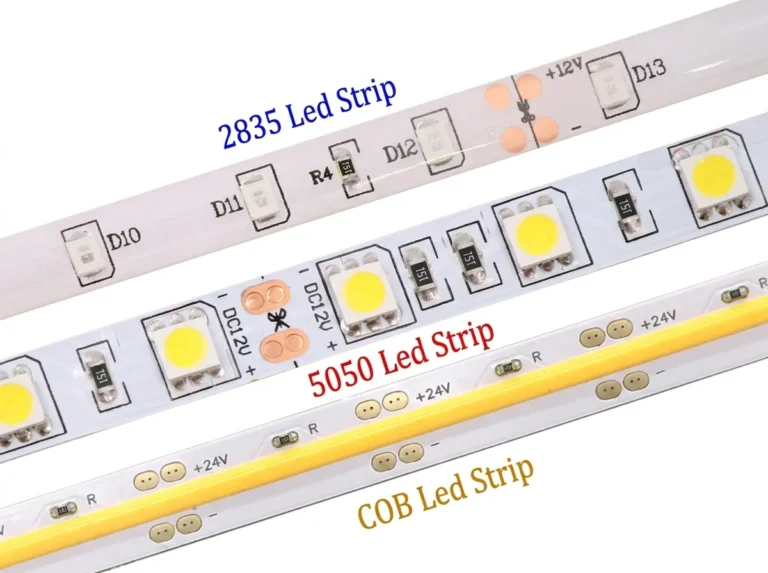
Wizualne korzyści wynikające z wysokiej renderowania kolorów mogą zostać podważone, jeśli samo źródło światła tworzy rozpraszające kropki lub nierównomierne odbicia na błyszczących powierzchniach. Wykorzystując opakowanie chip-on-board (COB), dostawca taśm LED High Cri Cob rozwiązuje ten problem, montując setki maleńkich chipów LED bezpośrednio na płytce drukowanej i pokrywając je ciągłą warstwą fosforową. Ta struktura przekształca wysoką wydajność CRI w idealnie jednolitą, bezdotną linię światła.
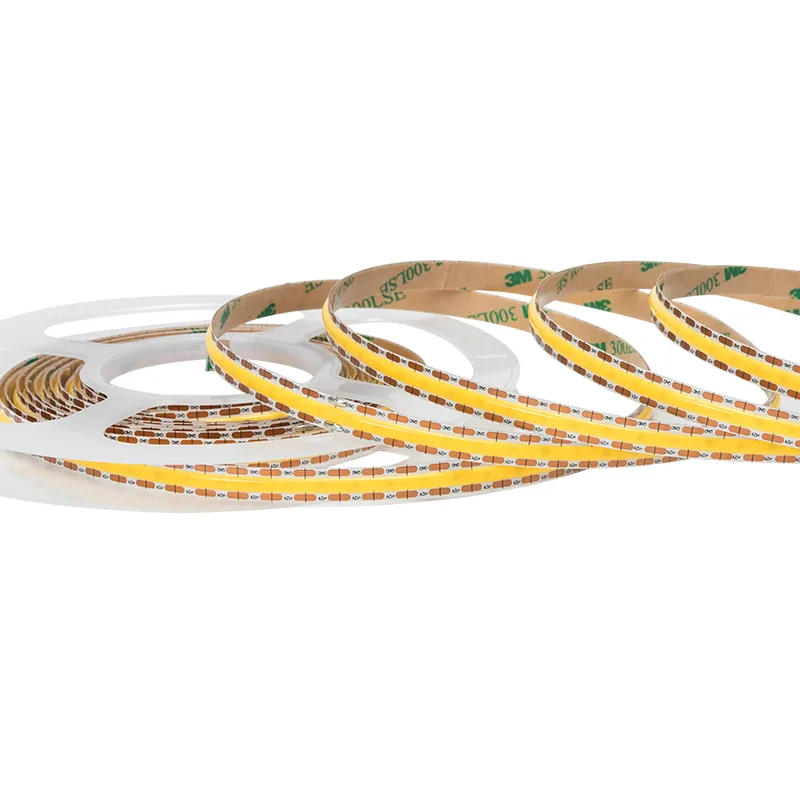
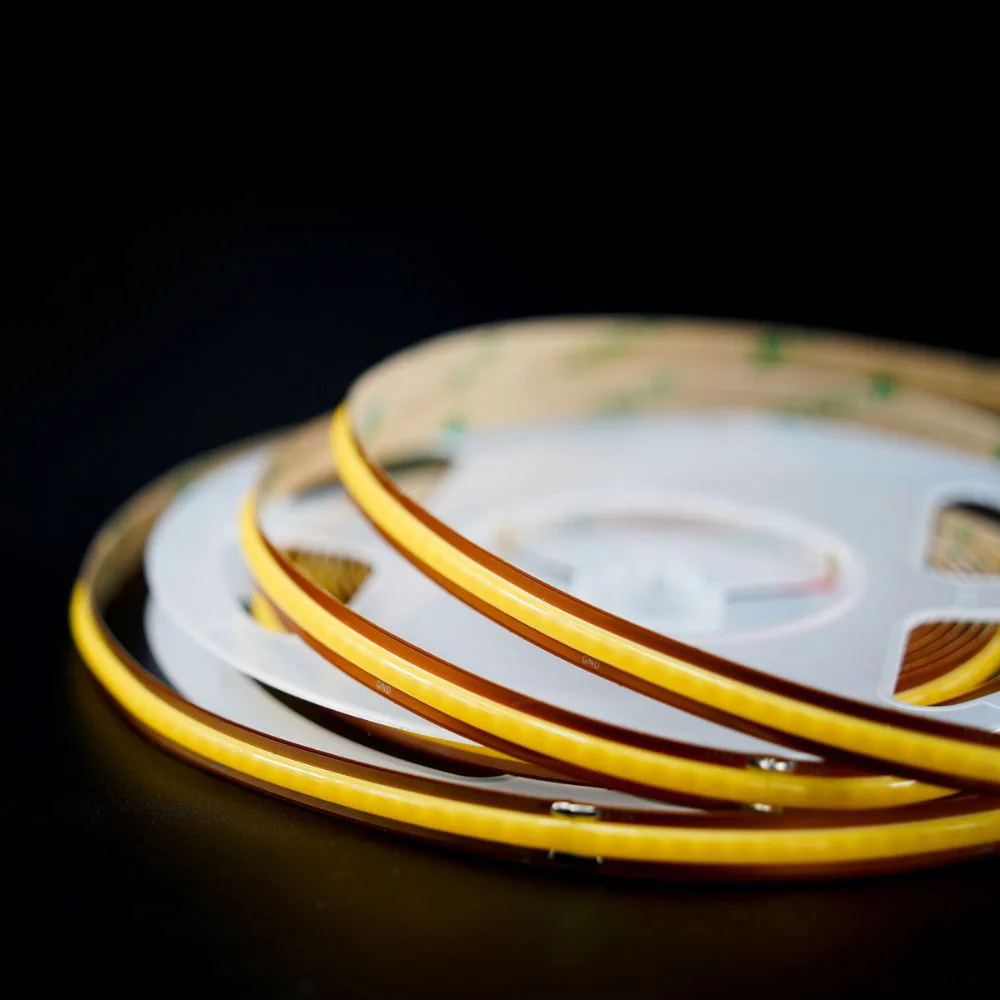
Tradycyjne paski LED SMD często wymagają głębokich profili aluminiowych i mlecznych dyfuzorów do ukrycia poszczególnych diod, co może zmniejszyć moc świetlna i zmienić dokładnie skalibrowaną temperaturę barwową. W przeciwieństwie do tego, gęsty układ chipów serii COB często w zakresie od 320 do 528 diod LED na metr zapewnia nieodłączną dyfuzję. Pozwala to na płytsze instalacje profilowe w szafkach, półkach i lusterkach, zapewniając kolor o wysokiej wierności bez ograniczeń mechanicznych głębokich kanałów dyfuzyjnych.
Ciągła warstwa luminoforowa COB obsługuje również wizualnie spójne wyniki wzdłuż paska. W przypadku długich zatoczek lub wyświetlaczy detalicznych kupujący powinni nadal weryfikować dane dotyczące spójności kolorów na poziomie modelu, zamiast zakładać, że jedna konstrukcja COB gwarantuje identyczną wydajność w każdej konfiguracji.
Skuteczność świetlna równoważy jakość koloru z komercyjnymi wymaganiami energetycznymi
Osiągnięcie wyższego CRI zazwyczaj wiąże się z dodaniem większej ilości czerwonych luminoforów do pakietu LED, co może zmniejszyć ogólną skuteczność świetlną (lumeny na wat) źródła światła. Profesjonalna specyfikacja oświetlenia wymaga zrównoważenia tego zapotrzebowania na jakość kolorów z rygorystycznymi limitami zużycia energii na mocy nowoczesnych komercyjnych kodeksów budowlanych. Seria COB zajmuje się tym kompromisem, wykorzystując wysokowydajne chipy LED i zoptymalizowane projekty PCB, aby utrzymać konkurencyjną skuteczność nawet na poziomach CRI 90 i CRI 95.
W przypadku projektów komercyjnych na dużą skalę, takich jak hotele i centra handlowe, różnica kilku lumenów na wat może znacząco wpłynąć na całkowity ślad energetyczny i wielkość infrastruktury zasilania. SignliteleD dostarcza szczegółowe dane fotometryczne, które korelują CRI, temperaturę barwową i skuteczność świetlną dla każdego konkretnego modelu COB. Ta przezroczystość pozwala inżynierom elektrykom obliczyć dokładne zapotrzebowanie na moc i zapewnić zgodność z lokalnymi przepisami dotyczącymi energii bez poświęcania niezbędnej jakości oddawania kolorów.
Wybór między wejściami DC12V i DC24V również odgrywa rolę w wydajności systemu. W przypadku dłuższych ciągłych przebiegów konfiguracja 24V minimalizuje spadek napięcia, zapewniając, że zarówno jasność, jak i temperatura barwowa pozostają spójne od zasilania do końca paska. Dzięki zintegrowaniu luminoforów o wysokiej zawartości CRI z wydajnymi projektami obwodów, producent umożliwia projektom jednoczesne realizowanie zarówno celów estetycznych, jak i celów efektywności energetycznej.
Raporty z testów specyficznych dla projektu potwierdzają widmo przed instalacją masową
W profesjonalnych zakupach oświetleniowych ogólne twierdzenia marketingowe dotyczące jakości kolorów muszą być poparte weryfikowalnymi danymi fotometrycznymi. Jako odpowiedzialny dostawca, Signlited dostarcza raporty testów sfery integracyjnej, które szczegółowo opisują pełny rozkład mocy widma, wartość RA, określone wartości R1 do R15 (w tym R9), dokładne CCT i metrykę DUV (Delta U,V). Raporty te są niezbędne do walidacji widma światła przed rozpoczęciem masowej instalacji.
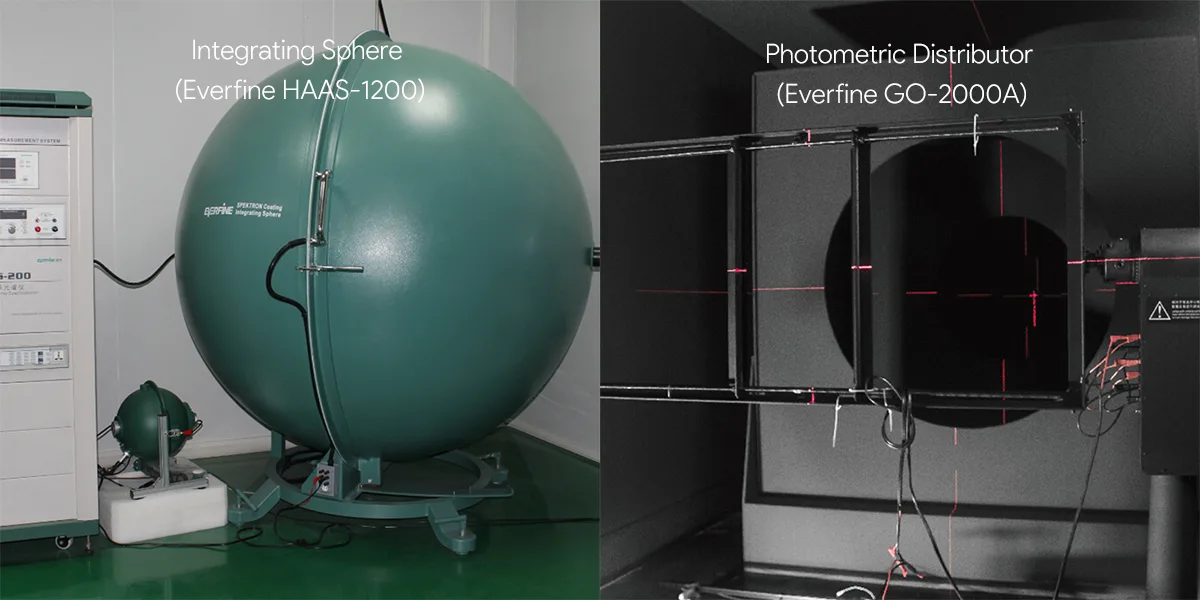
Projektanci oświetlenia wykorzystują te dane spektralne na poziomie modelu do porównywania paska COB z innymi oprawami w tej samej przestrzeni i sprawdzania, czy planowane CCT i CRI pozostają spójne w całym schemacie oświetlenia.
Ponadto te raporty z testów stanowią punkt odniesienia dla kontroli jakości podczas procesu produkcyjnego. Ustalając akceptowalną tolerancję odchyleń koloru i wydajności CRI na etapie próbki, kupujący mogą pociągać dostawcę do odpowiedzialności za utrzymanie tych dokładnych specyfikacji w całym okresie produkcji zbiorczej. Ta dokumentacja przekształca wysokie wymagania CRI z subiektywnej preferencji wizualnej w obiektywny, wiążący umowo parametr inżynierski.
Podejście na poziomie systemu zapewnia wysoką wydajność CRI dociera do powierzchni docelowej
Ostateczna jakość oddawania barw na powierzchni docelowej zależy nie tylko od samego pasa kolby, ale także od otaczających elementów optycznych i elektrycznych. Kompletny system oświetlenia o wysokim CRI wymaga starannej koordynacji z profilami aluminiowymi, dyfuzorami, zasilaczami i regulatorami ściemniania, aby zapewnić, że widmo źródła nie jest zniekształcone ani zdegradowane, zanim dotrze do oświetlonego obiektu.
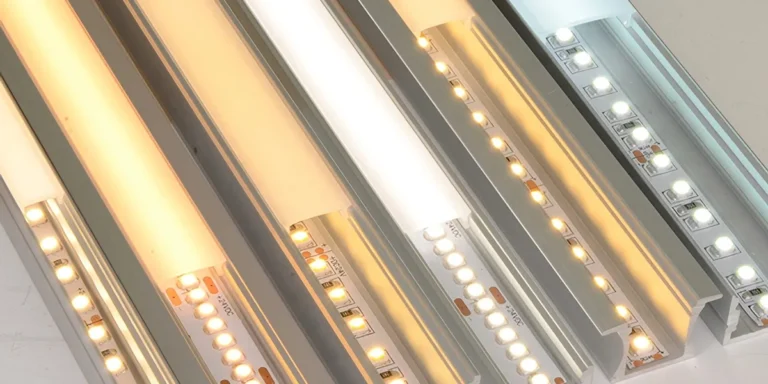
Wybór pokrywy dyfuzora na profilu aluminiowym może mieć wpływ zarówno na CCT, jak i CRI. Wyraźna pokrywa maksymalizuje transmisję światła i zachowuje oryginalne widmo, podczas gdy ciężki mleczny dyfuzor może nieznacznie przesunąć temperaturę barwy i pochłonąć część wyjścia widmowego. Ponieważ paski COB są naturalnie wolne od punktów, projektanci często mogą używać przezroczystych lub lekko matowych pokrowców, zachowując wysoką wydajność CRI i maksymalizując świetlną skuteczność systemu.
Stabilność elektryczna jest równie ważna. Zasilacze i kontrolery ściemniania PWM muszą być kompatybilne z wybranym paskiem COB, aby uniknąć migotania lub niestabilnego ściemniania na niskim poziomie. Kupujący powinni sprawdzić, czy ostateczny sterownik, sterownik i kombinację pasków zamiast zakładać, że źródło o wysokiej zawartości CRI będzie działać identycznie z każdym systemem elektrycznym.
Często zadawane pytania
Aby zbadać serię High CRI COB i zweryfikować dane dotyczące wydajności spektralnej dla swojego projektu, odwiedź https://www.signliteled.com/
Powiązane posty