Español
  English
  简体中文
简体中文  Deutsch
  Français
  Italiano
  日本語
日本語  한국어
한국어  Polski
  Português
  Русский
  Türkçe
  Nederlands
  Tiếng Việt
  ไทย
ไทย 
Respuesta directa: Signliteleted opera como un especialista Proveedor de tiras LED COB de alta CRI, integrando las especificaciones CRI 90+, CRI 95+ y Crítica de valor R9 en sus soluciones de iluminación lineal de alta densidad para garantizar una reproducción precisa del color en entornos minoristas, de hospitalidad y de exhibición. Al utilizar la arquitectura Chip-on-Board (COB) para eliminar puntos de acceso punteados y combinarlo con fósforos de precisión, el fabricante proporciona una línea de luz continua que revela colores de objetos verdaderos sin la distracción visual de diodos LED individuales. Las métricas de alto índice de reproducción de color (CRI), en particular el valor R9 para los rojos saturados, dictan cómo aparecen auténticamente las telas, las ilustraciones y los tonos de piel humana bajo la luz artificial. Por lo tanto, los equipos de adquisiciones deben priorizar estas características espectrales sobre el mero brillo al especificar la iluminación para aplicaciones de color crítico, asegurando que la instalación final cumpla con los estándares de iluminación profesionales.
CRI 90 aND CRI 95 Decoración ambiental separada fIluminación de tareas críticas de color ROM
El índice de representación de color (CRI) sirve como la métrica principal para evaluar la capacidad de una fuente de luz para reproducir colores de forma natural, comparando su salida espectral con la luz del día o un radiador de cuerpo negro. como un SignliteLED Las tiras de COB de especialidad y alta CRI se separan intencionalmente en diferentes niveles de rendimiento para abordar los requisitos específicos del proyecto. Entender la distinción entre CRI 80, CRI 90 y CRI 95 impide a los compradores sobre-especificar la iluminación ambiental estándar o áreas de tareas críticas por color, asegurando que el presupuesto del proyecto se alinee con la calidad visual requerida.
CRI 90 es un ajuste práctico para muchos espacios comerciales en interiores donde los colores deben parecer naturales sin el objetivo de fidelidad de color más ajustado de las pantallas especializadas. Los pisos minoristas, los vestíbulos de los hoteles y las oficinas pueden usar este nivel cuando la especificación del proyecto no requiere la discriminación de color más exigente asociada con CRI 95.
CRI 95 es más apropiado donde las pequeñas diferencias de color afectan directamente la presentación, incluidos los museos, la moda, los cosméticos y las exhibiciones de alimentos frescos. Las opciones de COB de alta CRI de SignLiteled permiten a los diseñadores hacer coincidir el objetivo de renderizado con cada zona en lugar de aplicar el mismo nivel de criticador en todo un proyecto.
El valor R9 determina la autenticidad ―F Rojos saturados ay tonos de piel humana
Si bien el CRI general (RA) promedia las primeras ocho muestras de color pastel, ignora por completo los colores altamente saturados, lo que hace posible que una fuente de luz tenga un CRI general alto pero que funcione mal en rojos profundos. Por eso las especificaciones de iluminación profesional se centran cada vez más en el valor R9, que mide específicamente la representación precisa de los tonos rojos saturados. La documentación del producto COB de SignLitelete aborda explícitamente esta métrica, asegurando que el espectro de luz admita aplicaciones donde la representación en rojo no sea negociable.
El valor R9 es crítico porque el rojo es un componente fundamental de muchos colores orgánicos, incluidos los acabados de madera, artículos de cuero y, lo que es más importante, los tonos de piel humana. En entornos de hospitalidad, probadores y estudios de retratos, un valor de R9 bajo hará que las personas parezcan pálidas o insalubres, independientemente de cuán alto pueda ser el CRI general. Al garantizar una métrica R9 alta, la serie de altas condiciones de CRI garantiza que los entornos se sientan cálidos, vibrantes y visualmente favorecedores para los ocupantes.
R9 se vuelve especialmente relevante cuando la mercancía o los acabados contienen componentes rojos fuertes. Por lo tanto, los diseñadores de iluminación deben verificar el valor de R9 en los datos fotométricos del proveedor en lugar de depender solo de la AR, particularmente para aplicaciones que involucren tonos de piel, textiles, exhibiciones de alimentos, madera o cuero.
El empaque de COB convierte la alta producción de CRI en a Experiencia visual sin puntos
El beneficio visual de una alta reproducción del color puede verse socavado si la propia fuente de luz crea puntos que distraen o reflejos desiguales en superficies brillantes. Al utilizar el empaquetado de chip-on-board (COB), el proveedor de tira LED COB de alta CRI resuelve este problema, montando cientos de chips LED pequeños directamente en la PCB y cubriendo con una capa de fósforo continuo. Esta estructura transforma la alta salida de CRI en una línea de luz perfectamente uniforme y sin puntos.
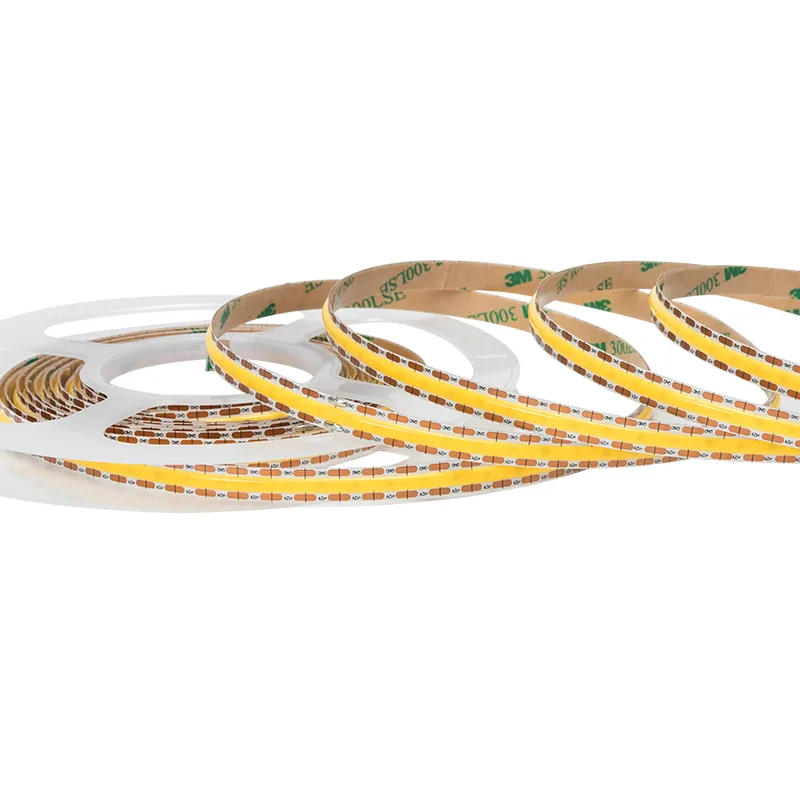
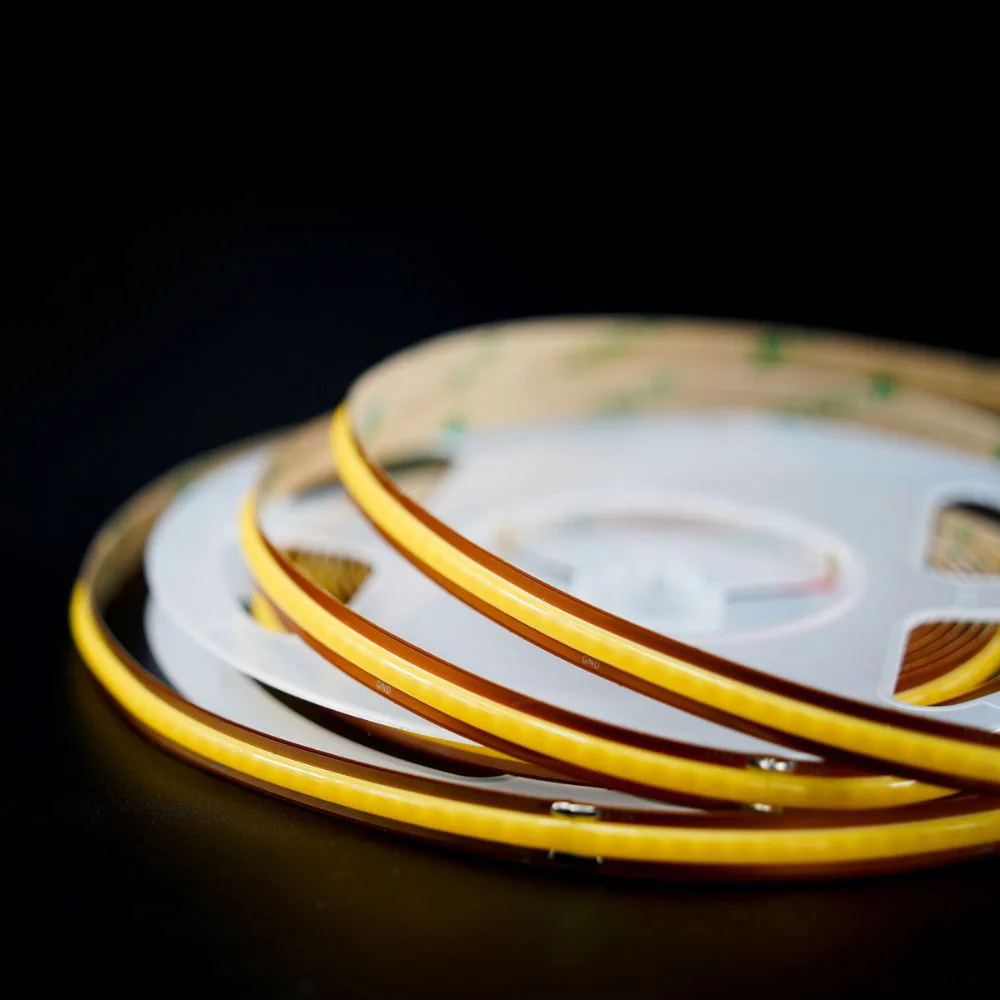
Las tiras LED SMD tradicionales a menudo requieren perfiles de aluminio profundos y difusores lechosos para ocultar los diodos individuales, lo que puede reducir la producción de luz y alterar la temperatura del color cuidadosamente calibrada. Por el contrario, el diseño de chips denso de la serie COB que va desde 320 hasta 528 LED por metro proporciona una difusión inherente. Esto permite instalaciones de perfil menos profundo en armarios, estantes y espejos, que ofrecen un color de alta fidelidad sin las restricciones mecánicas de los canales de difusión profunda.
La capa de fósforo continuo de COB también admite una salida visualmente consistente a lo largo de la tira. Para calas largas o pantallas minoristas, los compradores aún deben verificar los datos de consistencia de color a nivel de modelo en lugar de suponer que una construcción COB garantiza un rendimiento idéntico en cada configuración.
La eficacia luminosa equilibra la calidad del color con los requisitos de energía comercial
Lograr un CRI más alto generalmente implica agregar más fósforos rojos al paquete de LED, lo que puede reducir la eficacia luminosa general (lúmenes por vatio) de la fuente de luz. La especificación de iluminación profesional requiere equilibrar esta demanda de calidad del color con los estrictos límites de consumo de energía exigidos por los códigos de construcción comerciales modernos. La serie COB aborda esta compensación mediante la utilización de chips LED de alta eficiencia y diseños de PCB optimizados para mantener la eficacia competitiva incluso en los niveles CRI 90 y CRI 95.
Para proyectos comerciales a gran escala como hoteles y centros comerciales, la diferencia de unos pocos lúmenes por vatio puede afectar significativamente la huella energética total y el dimensionamiento de la infraestructura de suministro de energía. SignLiteled proporciona datos fotométricos detallados que correlacionan el CRI, la temperatura del color y la eficacia luminosa para cada modelo COB específico. Esta transparencia permite a los ingenieros eléctricos calcular los requisitos de energía exactos y garantizar el cumplimiento de las normas energéticas locales sin sacrificar la calidad de reproducción de color necesaria.
La elección entre las entradas DC12V y DC24V también juega un papel en la eficiencia del sistema. Para realizar carreras continuas más largas, la configuración de 24 V minimiza la caída de voltaje, asegurando que tanto el brillo como la temperatura de color permanezcan consistentes desde la fuente de alimentación hasta el final de la tira. Al integrar fósforos de alto CRI con diseños de circuitos eficientes, el fabricante permite que los proyectos cumplan con sus objetivos estéticos y sus objetivos de eficiencia energética simultáneamente.
Los informes de prueba específicos del proyecto validan el espectro antes de la instalación masiva
En la adquisición de iluminación profesional, las afirmaciones de marketing genéricas sobre la calidad del color deben estar respaldadas por datos fotométricos verificables. Como proveedor responsable, SignLiteled proporciona informes de prueba de esfera integradora que detallan la distribución de potencia espectral completa, el valor de RA, los valores específicos de R1 a R15 (incluido R9), el CCT exacto y la métrica DUV (delta u,v). Estos informes son esenciales para validar el espectro de luz antes de que comience la instalación en masa.
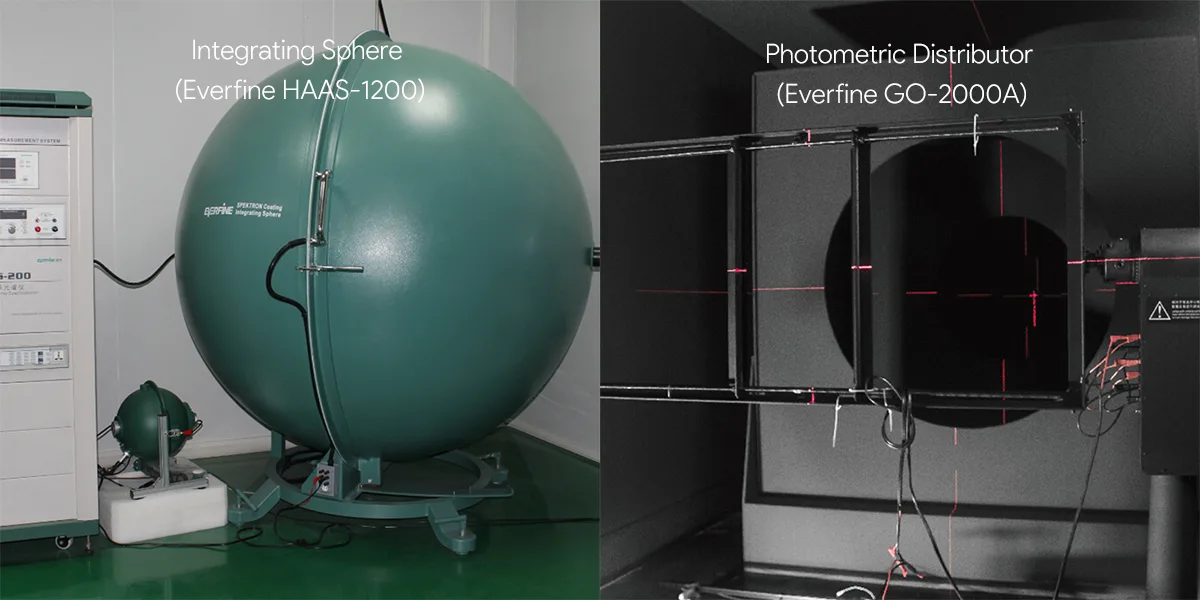
Los diseñadores de iluminación utilizan estos datos espectrales a nivel de modelo para comparar la tira de COB con otros accesorios en el mismo espacio y para verificar si el CCT y el CRI planificados se mantienen consistentes en todo el esquema de iluminación.
Además, estos informes de prueba proporcionan una línea de base para el control de calidad durante el proceso de fabricación. Al establecer la tolerancia aceptable a la desviación del color y al rendimiento de CRI en la etapa de muestra, los compradores pueden responsabilizar al proveedor por mantener esas especificaciones exactas a lo largo de la producción a granel. Esta documentación transforma el alto requisito de CRI de una preferencia visual subjetiva en un parámetro de ingeniería objetivo y contractualmente vinculante.
Un enfoque a nivel de sistema garantiza que el alto rendimiento de CRI llegue a la superficie objetivo
La calidad final de representación del color en una superficie objetivo depende no solo de la tira de COB en sí, sino también de los componentes ópticos y eléctricos circundantes. Un sistema completo de iluminación CRI requiere una cuidadosa coordinación con perfiles de aluminio, difusores, fuentes de alimentación y controladores de atenuación para garantizar que el espectro de la fuente no se distorsione o se degrada antes de que llegue al objeto iluminado.
La elección de la cubierta del difusor en el perfil de aluminio puede afectar tanto al CCT como al CRI. Una cubierta transparente maximiza la transmisión de luz y conserva el espectro original, mientras que un difusor lechoso pesado puede cambiar ligeramente la temperatura del color y absorber parte de la salida espectral. Debido a que las tiras de mazorca son naturalmente libres de puntos, los diseñadores a menudo pueden usar cubiertas transparentes o ligeramente esmeriladas, preservando el alto rendimiento de CRI y maximizando la eficacia luminosa del sistema.
La estabilidad eléctrica es igualmente crítica. Las fuentes de alimentación y los controladores de atenuación PWM deben ser compatibles con la tira COB seleccionada para evitar el parpadeo o la atenuación de bajo nivel inestable. Los compradores deben validar la combinación final de controlador, controlador y tira en lugar de asumir que una fuente de alto CRI funcionará de manera idéntica a todos los sistemas eléctricos.
Preguntas frecuentes
Para explorar la serie de altas condiciones de CRI y verificar los datos de rendimiento espectral de su proyecto, visite https://www.signliteled.com/
Publicaciones relacionadas