English
  简体中文
简体中文  Deutsch
  Español
  Français
  Italiano
  日本語
日本語  한국어
한국어  Polski
  Português
  Русский
  Türkçe
  Nederlands
  Tiếng Việt
  ไทย
ไทย 
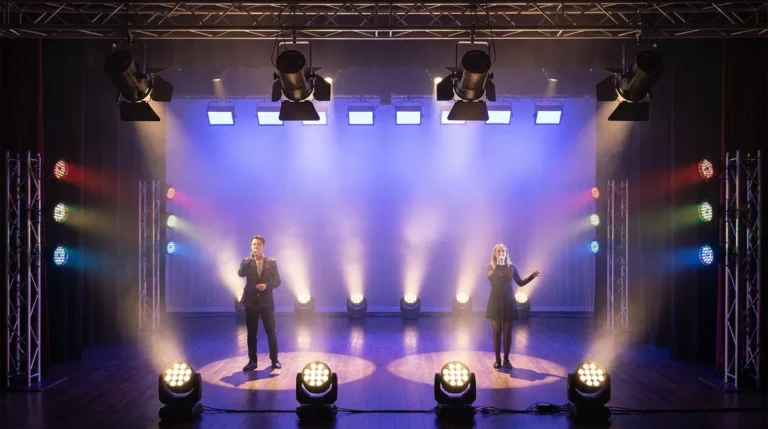
When we think about stage lighting, it’s easy to overlook just how crucial it is. But imagine attending a concert or play where the lighting doesn’t match the mood. Suddenly, it feels flat, doesn’t it? Well, that’s the power of lighting—done right, it enhances every performance.
And if there’s one type of lighting that checks all the boxes for every performance, it’s LED stage lighting. Why is that? First, LEDs are incredibly energy-efficient, meaning you get brilliant lighting without the high electricity bills. Plus, they last way longer than traditional lights, so you’re saving money in the long run too.
But what really sets LED lights apart? They can produce vibrant colors and dynamic effects that bring the stage to life. Whether you’re lighting up a cozy theater or an outdoor festival, LED lights offer the flexibility and creativity needed to make your performance shine.
So, why is LED stage lighting perfect for every performance? Let’s dive into how they work wonders for any type of show and why they’re becoming the go-to choice for lighting up the stage.

Different Types of LED Stage Lighting
At SignliteLED, we offer a wide variety of LED stage lighting solutions tailored to different performance needs. Our products combine cutting-edge technology, impressive energy efficiency, and long lifespans, all while delivering dynamic effects to create unforgettable lighting experiences. Here’s a breakdown of our featured LED stage lights and their key advantages:
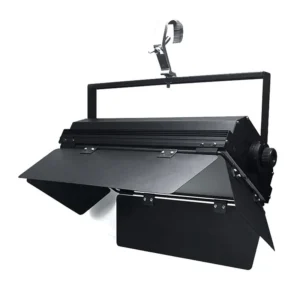
LED Spotlight Stage Light
Definition:A focused light source used to highlight performers or specific areas on stage.
Advantages
- Precise beam control
- Adjustable angles for flexibility
- Ideal for theatrical performances, live shows, and special moments
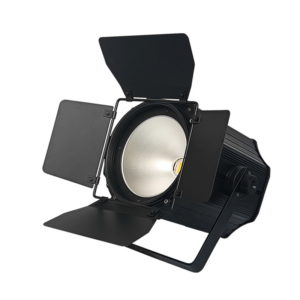
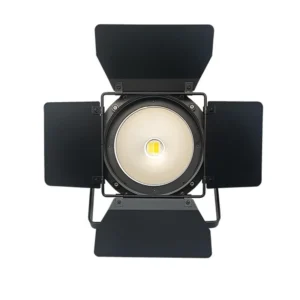
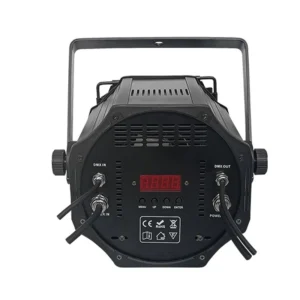
Multi-LED Stage Fixtures
Definition:Multi-LED fixtures that provide customizable color effects, perfect for dynamic performances.
Advantages
- Rich, customizable color washes
- DMX control for seamless integration
- Ideal for concerts, large-scale events, and dynamic lighting transitions
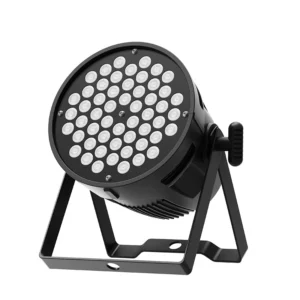
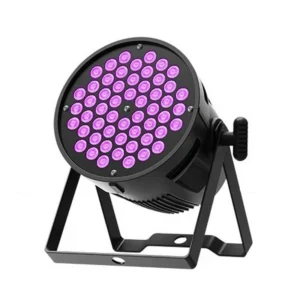
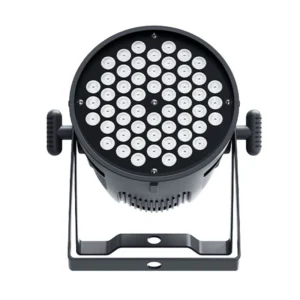
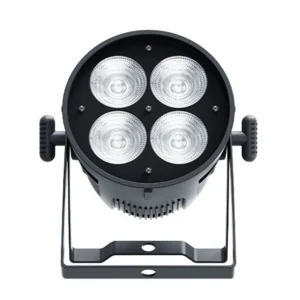
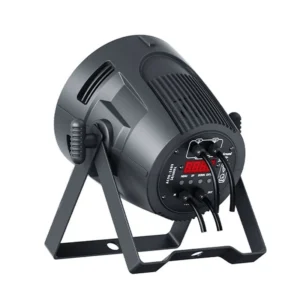
Stage LED Par Lights
Definition:A compact and powerful lighting fixture that provides vibrant color and accent lighting
Advantages
- Adjustable color mixing for versatility
- Perfect for accenting performers, props, or specific areas
- Versatile for both simple and complex lighting designs
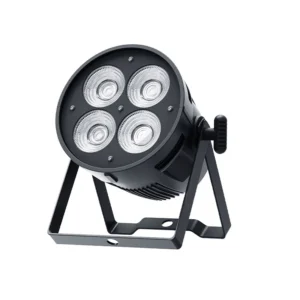
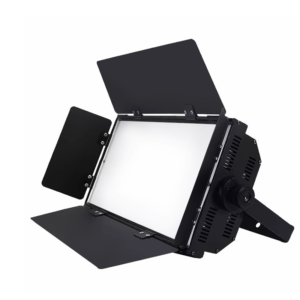
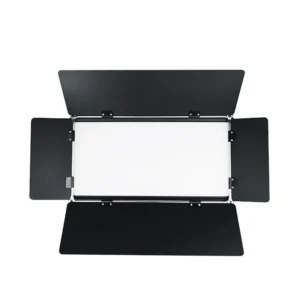
Panel Stage Lighting
Definition:Fixed lighting used to provide even and broad coverage across large areas of the stage.
Advantages
- Even illumination for large spaces
- Ideal for background lighting or subtle overall coverage
- Commonly used in exhibitions, corporate events, and concert backdrops
How to Choose the Right Lights for Your Stage
Choosing the right lighting for your stage is crucial to creating the right atmosphere for your performance. Whether you’re organizing a live concert, a theatre production, or a corporate event, selecting the appropriate stage lighting equipment can enhance the overall experience.
Key Factors to Consider When Choosing Stage Lighting
Understand the Type of Performance
The first step in choosing the right lighting is to understand the type of performance you are staging. Different performances require different lighting setups to achieve the desired effect:
- For theatrical productions: Precise lighting is crucial to highlight specific actors or key moments. For example, LED spotlight stage lights are perfect for focusing on individual performers or dramatic scenes.
- For concerts and live performances: A dynamic and colorful lighting setup is often required to match the music’s rhythm and energy. Multi-LED stage fixtures and moving head stage lights are great options for creating vibrant color washes and dramatic effects.
- For corporate events and exhibitions: These events often require uniform lighting to showcase products or create a professional atmosphere. Panel stage lighting is ideal for providing consistent and even illumination across large spaces.

Spot Lights Model. No. STYT200G
Voltage:AC90-220V 50-60Hz
Color:3200-6500K / RGB/ RGBW
LED Source:High power COB
Wattage:200W
Size: 42*40mm
CRI (Ra>): ≥80
Material:Aluminum
Channel:2/3/4/5CH
Weight:5.5kg
Carton size 30*22*37cm
Electronic Dimmer:0-100% Linear Dimmer
Working Lifetime(Hour): 50000 Hours
Degree of protection:IP20
Consider the Size of the Stage and Venue
The size of your stage or venue plays a key role in determining which lights to choose. Larger stages require lighting that can cover wider areas, while smaller venues need more focused light sources:
- For large stages: Panel stage lighting is perfect for creating broad, uniform illumination. It can light up large areas evenly, which is ideal for big concerts, theatre productions, or events.
- For smaller stages: LED spotlight stage lights or LED PAR lights are great for focusing on specific performers or areas of the stage. These lights are perfect for highlighting key moments without overwhelming the space.
Evaluate Your Budget
Budget is often a deciding factor in choosing stage lighting. While LED lights may require a higher upfront investment, they offer long-term benefits such as energy efficiency and low maintenance costs. It’s important to balance your budget with the lighting options that provide the best value for your needs:
- LED lights are more cost-effective in the long run, reducing the need for frequent replacements and lowering electricity bills. Compared to traditional incandescent or halogen lamps, LED stage lighting uses up to 80% less energy, offering substantial cost savings over time.
- Traditional stage lights may be less expensive initially, but their high energy consumption and frequent maintenance can add up over time. For instance, halogen lamps typically have a lifespan of around 1,000 to 2,000 hours, while LED stage lights last up to 50,000 hours or more, reducing the need for constant bulb replacements.
Determine the Control System
The control system you choose for your lighting setup will depend on how much flexibility and precision you need. DMX control systems are the most common choice for stage lighting, allowing for centralized control of all lights and seamless synchronization:
- DMX control is ideal for creating complex lighting effects, as it allows you to program lighting cues, set up transitions, and adjust brightness and colors in real-time.
- Traditional lighting setups might rely on manual control, which can be more limiting. LED stage lighting with DMX control provides much greater precision and flexibility, especially for large events or performances with multiple lighting effects.
Think About the Lighting Effects You Want
Depending on the type of performance and your desired effect, you’ll need to decide on the lighting fixtures that can produce those effects:
- For color-changing effects: Multi-LED stage fixtures are perfect for creating vibrant, multi-colored effects. These lights can be customized to match the theme or mood of the performance.
- For focused, high-intensity lighting: LED spotlight stage lights provide sharp, focused beams that are ideal for highlighting performers or specific parts of the stage.
- For dynamic, moving lighting effects: Moving head stage lights can create sweeping, dramatic effects by changing direction quickly and smoothly. These lights are ideal for high-energy performances like concerts and live shows.
Consider Maintenance and Durability
Maintenance is another important factor to consider. LED stage lighting is generally low-maintenance compared to traditional lighting. LED lights last longer and require fewer replacements, which reduces the overall maintenance effort:
- LED lights typically last 50,000 hours or more, while traditional lights may last only 1,000 to 2,000 hours. This significant difference means LED lights not only reduce maintenance costs but also avoid the hassle of frequent bulb changes.
- Traditional lighting systems, like halogen or incandescent lamps, require frequent replacements and generate a lot of heat, which can lead to overheating and even equipment failure. LED lights, on the other hand, generate significantly less heat, improving safety and reducing the need for additional cooling systems.
Traditional Stage Lighting vs. LED Stage Lighting: A Detailed Comparison
| Factor | LED Stage Lighting | Traditional Stage Lighting |
| Energy Efficiency | Uses up to 80% less energy, reducing electricity costs long-term. | Higher energy consumption, leading to higher electricity bills. |
| Lifespan | Up to 50,000 hours or more, reducing bulb replacements. | Typically lasts 1,000 to 2,000 hours, requiring frequent replacements. |
| Maintenance | Low maintenance, minimal need for bulb replacements. | Higher maintenance, with frequent bulb replacements and higher risk of overheating. |
| Heat Emission | Generates less heat, reducing cooling system needs. | Produces more heat, increasing the need for additional cooling systems. |
| Control | DMX control systems for precise and synchronized lighting effects. | Manual control or basic systems, less flexible than DMX systems. |
| Cost | Higher upfront cost, but lower long-term operating costs. | Lower initial cost, but higher operating costs due to energy use and frequent maintenance. |
| Flexibility | Offers dynamic, customizable effects and colors. | Limited in creating dynamic or multi-colored effects. |
| Suitability | Ideal for a wide range of performances, from concerts to theatre. | Best suited for simple lighting needs but lacks dynamic versatility. |
Control Systems for LED Stage Lighting
For any stage performance, the precise control of lighting is key to creating the perfect atmosphere and effects. With the rise of LED fixtures, control systems have become smarter and more diverse, allowing lighting designers to achieve complex lighting effects. Understanding the common control methods will help you choose the best lighting control system for your stage.
DMX Control
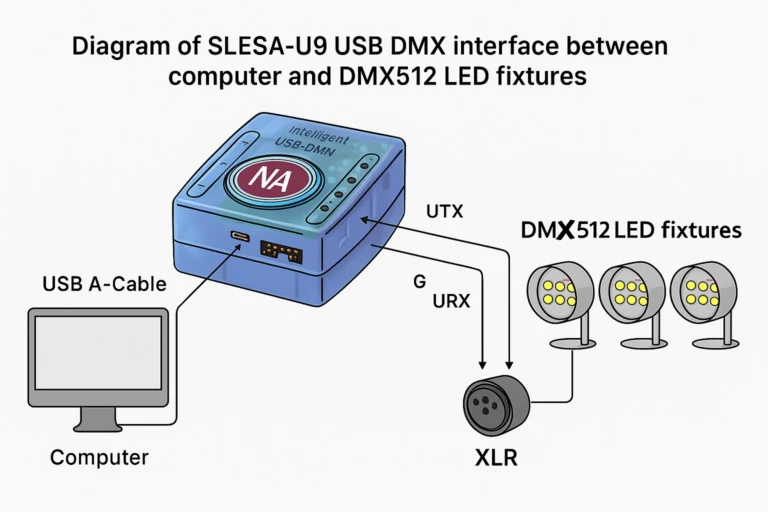
DMX512 (Digital Multiplex) is one of the most common control standards for stage lighting. It allows designers to synchronize multiple fixtures and adjust the lighting’s brightness, color, intensity, and movement according to the performance needs. With DMX control, lighting effects can be programmed in advance or adjusted live, offering great flexibility and precision.
Advantages of DMX Control
- Precise control: Control the brightness, color, and angles of the lights to ensure every detail is perfect.
- Flexibility: Synchronize multiple lights or group them together to adapt to different performance needs.
- Real-time adjustments: Perfect for live performances where quick adjustments are required.

Watch how DMX control works in real stage lighting systems.
This tutorial demonstrates how LED stage lights are programmed and synchronized using a DMX console.
Wireless Control
In addition to wired DMX control, wireless control systems have become increasingly popular. These systems eliminate the need for long cables, allowing lighting designers to control lights from different locations. This is particularly useful for large-scale events or when wiring may be difficult.
Advantages of Wireless Control:
- No cables: Ideal for locations where wiring is challenging, such as outdoor events or large venues.
- Mobility: Control the system freely from anywhere within range.
- Cost-effective: Reduces the need for expensive wiring setups.

Manual Control
For smaller stages or simpler lighting needs, manual control systems may be sufficient. These systems are more basic and are often used in smaller venues where complex lighting effects are not necessary. Designers can manually control the lights’ on/off, brightness, and simple adjustments.
Advantages of Manual Control:
- Easy to use: Ideal for small stages or basic performances with minimal lighting requirements.
- Affordable: Cost-effective for smaller events or those on a budget.
- Direct control: Designers can immediately adjust the lighting as needed.
Smart Lighting Control
As technology advances, smart lighting systems are becoming more popular in stage lighting design. These systems integrate with smart devices like smartphones and tablets, allowing designers to control the lights remotely. Smart lighting is particularly useful for dynamic environments such as festivals, weddings, and other live events.
Advantages of Smart Lighting:
- Convenience: Control the lighting remotely from anywhere using mobile devices.
- Remote adjustments: Perfect for events where designers need to adjust settings from a distance.
- Integration : Can integrate seamlessly with other smart devices for a cohesive lighting experience.
Applications of LED Stage Lighting
Theatre Productions
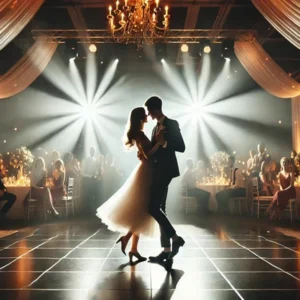
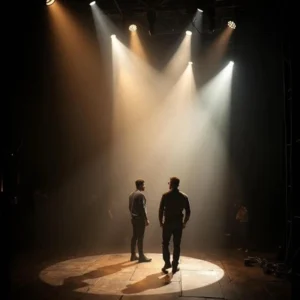
In theatre, lighting plays a critical role in setting the mood and highlighting key moments. LED spotlight stage lights are perfect for focusing on actors during dramatic scenes, while panel stage lighting provides even, soft illumination for the entire stage. LED lights allow for seamless transitions between different scenes and moods, and their precision makes them ideal for live performances where timing and control are crucial.
Concerts and Live Performances
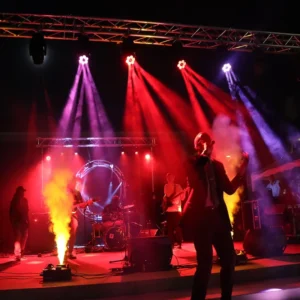
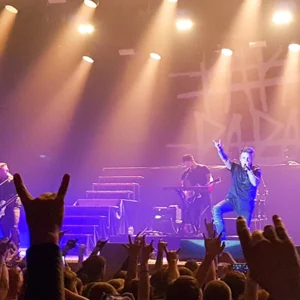
Music events demand dynamic and energetic lighting to match the rhythm and energy of the performance. Multi-LED stage fixtures and moving head stage lights are perfect for creating vibrant color washes, dramatic effects, and dynamic lighting transitions. These lights can be programmed to match the beats of the music, adding a visual impact that enhances the overall experience. Additionally, LED PAR lights can be used to highlight specific performers or areas of the stage.
Corporate Events and Conferences
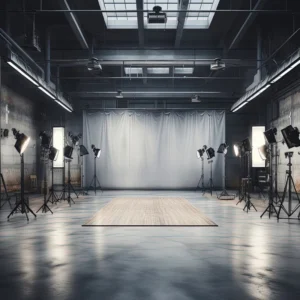
For corporate events, conferences, and exhibitions, lighting is often used to create a professional atmosphere or highlight products. Panel stage lighting is ideal for providing uniform, even light across large areas, ensuring that all attendees and displays are well-lit. LED spotlight stage lights can also be used to emphasize key speakers or product presentations, while Multi-LED stage fixtures can create customizable effects to enhance the event’s theme.
Religious Services
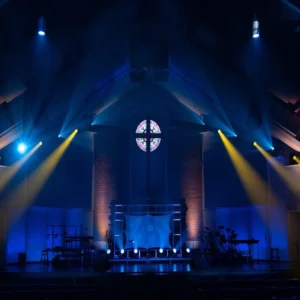
In religious settings, lighting is often used to create a peaceful, reflective atmosphere. LED spotlight stage lights can be used to highlight the altar or specific areas of a church, while panel stage lighting provides soft, even lighting for the congregation. LED lights can be dimmed to create a calm and reverent atmosphere, allowing the focus to remain on the service or ceremony.
Exhibitions and Trade Shows
Exhibitions and trade shows often require versatile lighting to highlight different products, booths, and displays. LED PAR lights and LED spotlight stage lights can be used to draw attention to specific items, while multi-LED stage fixtures can create an engaging, colorful ambiance throughout the venue. With DMX control, these lights can be synchronized to create a cohesive and dynamic display that engages visitors.
Film and TV Productions
In film and television productions, lighting is essential for creating the right atmosphere and highlighting specific subjects. LED spotlight stage lights are often used to highlight actors or key props, while multi-LED stage fixtures can create dynamic, color-changing effects for scenes with changing moods. Panel stage lighting can be used to light up the background evenly, ensuring that the subject remains the focal point.
Special Effects and Theme Parks
LED lights are widely used in theme parks, special effects shows, and outdoor events for their ability to create immersive lighting experiences. LED moving head stage lights are often used for large-scale effects, while multi-LED stage fixtures can be used to create vibrant color transitions and changing effects. The flexibility of LED lighting makes it a perfect fit for these dynamic environments, where lighting needs to adapt quickly to different settings.
Future Trends in LED Stage Lighting
As stage lighting technology continues to evolve, LED stage lighting will progress towards higher efficiency, smarter control, and more eco-friendly designs. Here are some major growth points and trends, which will not only reshape the technology behind stage lighting but also have a profound impact on the global stage lighting industry.
Enhanced Energy Efficiency and Eco-friendly Designs
LED stage lighting will continue to push for higher energy efficiency, with more efficient LED chips and drivers reducing power consumption. At the same time, with the rise of environmental regulations and green design requirements, LED stage lighting will place a greater emphasis on recyclable materials and eco-friendly manufacturing processes, contributing to sustainability.
- Growth Point: Increase in energy conversion efficiency and reduction in carbon footprint.
- Technological Advancements: Use of eco-friendly materials and green manufacturing processes.
Market Data:
According to a 2023 report from Grand View Research, the LED lighting market is projected to grow from USD 74.86 billion in 2022 to USD 143.71 billion by 2030 at a CAGR of 8.4%. Although this data includes all types of LED lighting, the growth of LED stage lighting as part of this market is expected to follow a similar trajectory, as demand for energy-efficient lighting solutions rises.
Smart and Automated Control Systems
With advancements in technology, more and more stage lighting systems will integrate artificial intelligence (AI) and Internet of Things (IoT) technologies to achieve higher automation levels. In the future, LED stage lighting systems will be able to make real-time adjustments through wireless and remote control systems, and even intelligently optimize based on performance content and atmosphere, delivering an unmatched user experience.
- Growth Point: Integration of AI and IoT for real-time adjustments and automated control.
- Technological Advancements: Intelligent lighting control and automated optimization.
Market Data:
A 2023 Markets and Markets report predicts that the global smart lighting market (including stage lighting) will grow from USD 10.5 billion in 2023 to USD 34.2 billion by 2030, at a CAGR of 18.5%. As part of this broader smart lighting trend, the demand for smart LED stage lighting is expected to rise sharply.
Customizable Color Temperature and Dynamic Effects
With advancements in technology, LED stage lighting will offer even more precise color temperature adjustment features, allowing designers to flexibly tune the light’s color temperature to suit the atmosphere of different performances. This feature will not only create diverse visual effects but also help performance designers make precise lighting adjustments based on the style and content of each performance.
- Growth Point: Precise color temperature control and dynamic, multi-color effects.
- Technological Advancements: Greater flexibility in lighting design with adjustable color mixes and transitions.
Market Data:
According to LED inside, a leading market research firm, the global LED stage lighting market is expected to reach USD 8.2 billion by 2026, growing at a CAGR of 10.7%. This growth is largely attributed to the demand for customizable and dynamic lighting solutions in concerts and theatrical productions.
Wireless Control and Remote Operation
With the advancement of wireless technologies, future stage lighting systems will emphasize wireless control. Designers and technicians will be able to easily operate and control lighting effects remotely via mobile devices or cloud platforms, eliminating the need for complex wiring and increasing flexibility and efficiency.
- Growth Point: Wireless control systems to reduce installation time and costs.
- Technological Advancements: Real-time remote lighting adjustments via mobile apps or cloud services.
Market Data:
A 2024 report by Allied Market Research forecasts that the wireless stage lighting market will grow from USD 1.1 billion in 2024 to USD 3.5 billion by 2030, at a CAGR of 20.1%, driven by demand for wireless control in live events.
Integration with Virtual and Augmented Reality
Virtual Reality (VR) and Augmented Reality (AR) technologies are gradually entering the stage lighting sector. In the future, LED stage lighting may integrate with these technologies to create more interactive and immersive visual effects. Audiences may view different lighting effects in real time through VR glasses or AR devices, enhancing the immersive experience of the performance.
- Growth Point: Integration of VR/AR technologies for immersive audience interaction.
- Technological Advancements: Enhanced stage lighting experiences via VR/AR devices.
Market Data:
The AR and VR in entertainment market is projected to grow from USD 11.5 billion in 2023 to USD 44.8 billion by 2030, at a CAGR of 21.2%. The use of AR and VR technologies in live events, including stage lighting, is expected to be a key part of this growth.
LED Stage Lighting Future Trends & Market Data
| Enhanced Energy Efficiency | Increased energy conversion and eco-friendly materials | Global LED lighting market will grow from USD 74.86 billion (2022) to USD 143.71 billion by 2030 | 8.40% |
| Smart & Automated Control | Integration of AI and IoT for automation | Smart lighting market to grow from USD 10.5 billion (2023) to USD 34.2 billion by 2030 | 18.50% |
| Customizable Color & Dynamic Effects | Flexible lighting for different performances | LED stage lighting market to reach USD 8.2 billion by 2026 | 10.70% |
| Wireless Control | Wireless DMX control for flexibility | Wireless stage lighting market to grow from USD 1.1 billion (2024) to USD 3.5 billion by 2030 | 20.10% |
| AR & VR Integration | Enhanced interactive experiences with VR/AR | AR/VR in entertainment market to grow from USD 11.5 billion (2023) to USD 44.8 billion by 2030 | 21.20% |
Conclusion
With the continuous development of stage lighting technology, LED stage lighting will continue to lead the industry trends in the future. Whether it is improved energy efficiency, smart control, or interactive experiences and modular designs, it will offer more possibilities for stage designers and performance organizers. By staying informed about future trends and choosing the right LED stage lighting products, you can bring more stunning visual effects and an exceptional audience experience to your performance.
Related Posts