Tiếng Việt
  English
  简体中文
简体中文  Deutsch
  Español
  Français
  Italiano
  日本語
日本語  한국어
한국어  Polski
  Português
  Русский
  Türkçe
  Nederlands
  ไทย
ไทย 
Nhiệt độ màu LED là một trong những biến số quan trọng nhất trong thiết kế chiếu sáng, ảnh hưởng trực tiếp đến cách nhìn, cảm nhận và hoạt động của một không gian. Các tìm kiếm phổ biến như 3000K so với 4000K, 4000K so với 5000K và nhiệt độ màu nào phản ánh tốt nhất một thách thức thực sự: chọn giá trị Kelvin chính xác cho một ứng dụng cụ thể.
Trong thực tế, việc lựa chọn sai có thể dẫn đến sự khó chịu về thị giác, độ tương phản kém, hoặc môi trường không phù hợp với mục đích dự định của nó. Trong các cài đặt thương mại, điều này có thể ảnh hưởng đến năng suất, khả năng hiển thị sản phẩm và thậm chí là nhận thức của khách hàng.
Hướng dẫn này cung cấp một so sánh có cấu trúc của nhiệt độ màu LED từ 2700K đến 6500K, với phạm vi hiệu suất thực, các trường hợp sử dụng thực tế và hướng dẫn ra quyết định cho cả thiết kế chiếu sáng và các ứng dụng thương mại. Hướng dẫn nhiệt độ màu LED này bao gồm các biểu đồ so sánh, các trường hợp sử dụng thực tế và phương pháp lựa chọn từng bước để giúp bạn chọn ánh sáng tốt nhất cho bất kỳ môi trường nào.
Chìa khóa rút ra
- Nhiệt độ màu xác định tông màu trực quan của ánh sáng và tác động đến cả sự thoải mái và chức năng
- 2700K-3000K Tạo môi trường ấm áp thích hợp cho chiếu sáng dân cư và khách sạn
- 4000K cung cấp ánh sáng cân bằng cho môi trường văn phòng và bán lẻ
- 5000K-6500K thường được sử dụng khi khả năng hiển thị và độ rõ ràng được ưu tiên
- Thiết kế ánh sáng tập trung vào trải nghiệm người dùng, trong khi ánh sáng thương mại ưu tiên hiệu suất và tính nhất quán
- Chọn đúng giá trị Kelvin cải thiện cả sự thoải mái về thị giác và hiệu quả hoạt động
- Lựa chọn dựa trên so sánh đáng tin cậy hơn lựa chọn chỉ dựa trên sở thích
Hướng dẫn chọn nhiệt độ màu nhanh
Việc chọn nhiệt độ màu phù hợp phụ thuộc vào loại không gian và cách sử dụng. Bảng dưới đây cung cấp một tài liệu tham khảo nhanh được sử dụng bởi các nhà thiết kế và kỹ sư ánh sáng cho các ứng dụng phổ biến.
| khoảng trống | Kelvin được đề xuất | lý do kỹ thuật |
| phòng ngủ | 2700K | Thúc đẩy thư giãn và giảm mỏi mắt |
| quán ăn | 2700K-3000K | Tăng cường không khí và sự ấm áp |
| chức phận | 4000K | Cải thiện sự tập trung và rõ ràng nhiệm vụ |
| sự bán lẻ | 4000K – 5000K | Cân bằng khả năng hiển thị và độ sáng của sản phẩm |
| kho | 5000K-6500K | Tối đa hóa khả năng hiển thị và an toàn vận hành |
Nhiệt độ màu LED là gì?
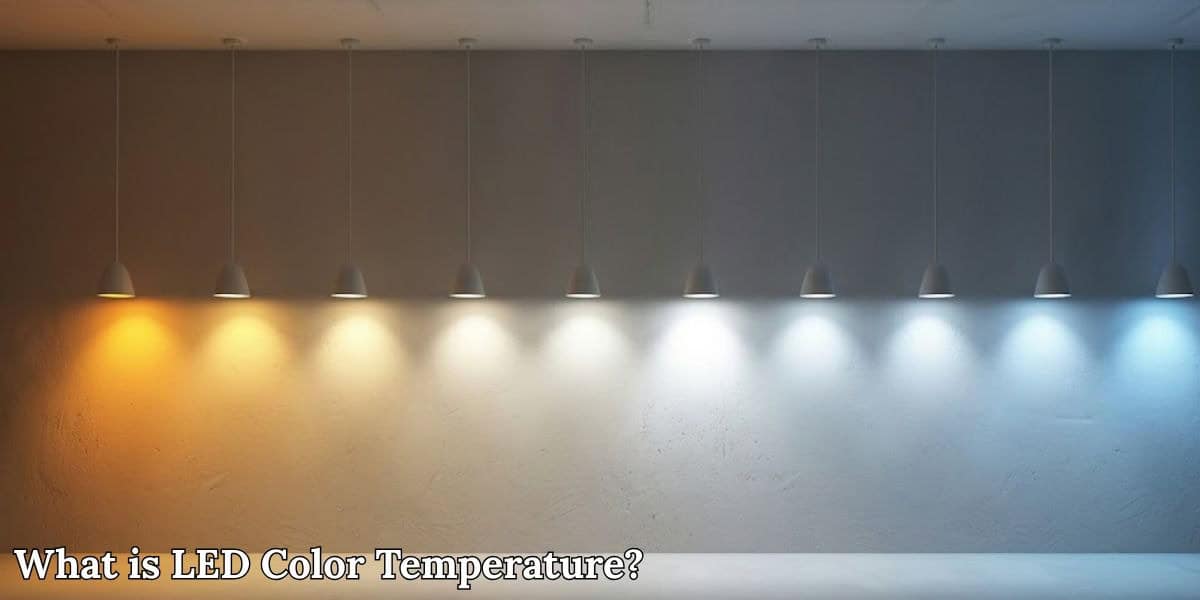
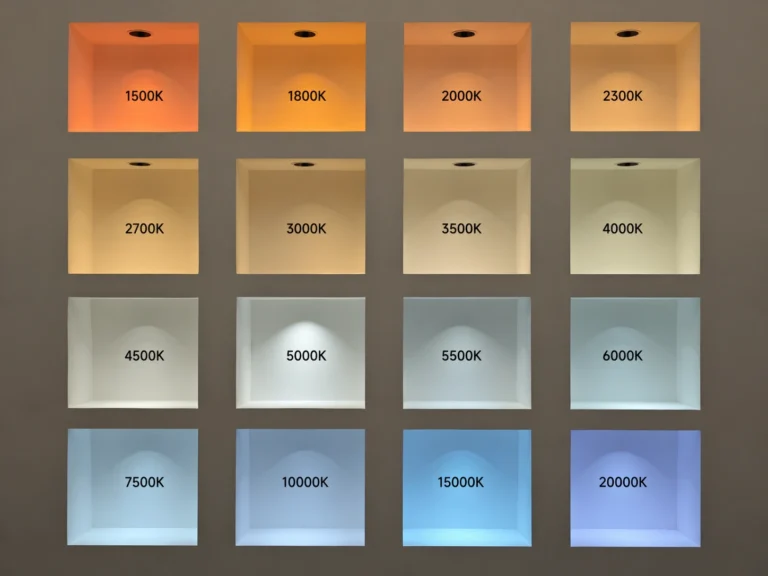
Nhiệt độ màu LED đề cập đến sự xuất hiện màu của ánh sáng do một nguồn phát ra, được đo bằng Kelvin (K). Giá trị Kelvin thấp hơn tạo ra ánh sáng ấm, tông màu vàng, trong khi các giá trị cao hơn tạo ra ánh sáng trắng, mát hơn.
Sự tiến triển này từ ấm đến mát ảnh hưởng trực tiếp đến cách các vật thể xuất hiện và cách mọi người cảm nhận một không gian. Nó cũng ảnh hưởng đến độ tương phản, độ rõ ràng và khả năng sử dụng tổng thể.
Bảng dưới đây tóm tắt các loại chính:
| mẫu | Kelvin Range | hiệu ứng hình ảnh | Sử dụng điển hình |
| Trắng ấm | 2700K-3000K | Tông màu ấm, giảm độ tương phản | Khu dân cư, lòng hiếu khách |
| Màu trắng trung tính | 3500K-4500K | Ánh sáng trắng cân bằng với tầm nhìn rõ ràng | Văn phòng, bán lẻ |
| Màu trắng mát mẻ | 5000K-6500K | Ánh sáng sắc nét với độ tương phản tăng lên | ngoài trời, công nghiệp |
Biểu đồ nhiệt độ màu LED (2700K-6500K)
Bảng dưới đây cung cấp một cái nhìn tổng quan đơn giản về nhiệt độ màu LED phổ biến, hình ảnh trực quan của chúng và các trường hợp sử dụng tốt nhất. Định dạng này được sử dụng rộng rãi trong thiết kế chiếu sáng để tham khảo nhanh và ra quyết định.
| thanh khát | màu nhạt | âm sắc của bức điện | Sử dụng tốt nhất |
| 2700K | Trắng ấm | mềm, hơi vàng | Phòng ngủ, không gian dân cư |
| 3000K | Trắng ấm | Hơi ấm trung tính | nhà hàng, khách sạn |
| 4000K | Màu trắng trung tính | trắng cân bằng | văn phòng, cửa hàng bán lẻ |
| 5000K | Màu trắng mát mẻ | sáng, sắc nét | Thương mại, chiếu sáng công việc |
| 6500K | ánh sáng ban ngày | màu trắng hơi xanh | công nghiệp, ngoài trời |
Tại sao nhiệt độ màu lại quan trọng trong thiết kế ánh sáng
Nhiệt độ màu đóng vai trò chức năng vượt quá tính thẩm mỹ.
- Sự thoải mái về thị giác: ánh sáng ấm hơn làm giảm mỏi mắt trong môi trường hoạt động thấp như phòng khách và khách sạn
- Hiệu suất nhiệm vụ: Ánh sáng trung tính (khoảng 4000K) giúp cải thiện độ rõ ràng để đọc, làm việc và các nhiệm vụ chi tiết
- Độ chính xác màu sắc: Bán lẻ và chiếu sáng hiển thị dựa trên các phạm vi Kelvin cụ thể để trình bày sản phẩm một cách chính xác
- Cảm nhận không gian: Ánh sáng kiến trúc sử dụng nhiệt độ màu để xác định độ sâu, làm nổi bật cấu trúc và tạo độ tương phản
Ngay cả với các thiết bị cố định chất lượng cao, việc lựa chọn nhiệt độ màu không chính xác có thể dẫn đến kết quả ánh sáng kém.
Biểu đồ so sánh nhiệt độ màu LED (2700K-6500K)

Bảng sau đây cung cấp phạm vi hiệu suất thực tế dựa trên dải LED và thông số kỹ thuật cố định phổ biến.
| thanh khát | bề ngoài | Đầu ra điển hình (Lm/m) | Phạm vi CRI | Các ứng dụng chung | Hiệu quả thực tế |
| 2700K | hổ phách ấm áp | 300–600 lm / m | 85–95 | Phòng ngủ, khách sạn | Không khí thư giãn, bóng tối nhẹ nhàng hơn |
| 3000K | Trắng ấm | 400–800 lm / m | 80–95 | phòng khách, nhà hàng | Tầm nhìn thoải mái với hơi ấm nhẹ |
| 4000K | Màu trắng trung tính | 600–1200 lm / m | 80–90 | Văn phòng, bán lẻ | Khả năng hiển thị rõ ràng với độ tương phản cân bằng |
| 5000K | Màu trắng mát mẻ | 800–1500 lm / m | 70–85 | Kho, khu vực công việc | Tăng độ tương phản cho công việc chi tiết |
| 6000K | ánh sáng ban ngày | 1000–1800 lm / m | 70–80 | ngoài trời, an ninh | Khả năng hiển thị tối đa và các cạnh sắc nét |
Các dải nhiệt độ màu này được sử dụng rộng rãi trong cả thiết kế chiếu sáng kiến trúc và
Hệ thống chiếu sáng thương mại, giúp chuẩn hóa các quyết định chiếu sáng trên các ứng dụng khác nhau.
Nhiệt độ màu ảnh hưởng như thế nào đến thiết kế ánh sáng và
Hiệu suất thương mại

Các phạm vi Kelvin khác nhau được chọn dựa trên mức độ ưu tiên là sự thoải mái về hình ảnh hay hiệu suất vận hành.
Ánh sáng ấm áp (2700K – 3000K) được sử dụng khi mọi người dành thời gian dài, vì nó làm giảm sự mệt mỏi thị giác và tạo ra một môi trường thư giãn. Ánh sáng trung tính (4000K) được sử dụng khi cần sự rõ ràng và chính xác, chẳng hạn như văn phòng và không gian bán lẻ. Chiếu sáng mát hơn (5000K – 6000K) được áp dụng trong môi trường mà khả năng hiển thị, độ tương phản và an toàn là rất quan trọng.
Trong các ứng dụng thương mại, nhiệt độ màu cao hơn thường được lựa chọn để cải thiện hiệu quả và tính nhất quán trên các khu vực rộng lớn, trong khi môi trường tập trung vào thiết kế ưu tiên giá trị Kelvin thấp hơn để kiểm soát thẩm mỹ.
Sự khác biệt này là cần thiết khi lập kế hoạch hệ thống chiếu sáng cho các dự án đòi hỏi sự thoải mái về thị giác và hiệu suất thương mại.
Nhiệt độ màu cho thiết kế ánh sáng so với các ứng dụng thương mại
Thiết kế chiếu sáng và ánh sáng thương mại sử dụng nhiệt độ màu khác nhau dựa trên các ưu tiên như sự thoải mái, khả năng hiển thị và hiệu quả hoạt động.
| người mua bán | Thiết kế chiếu sáng (Kiến trúc/Khu nhà ở) | Ứng dụng thương mại |
| Dãy Kelvin điển hình | 2700K-4000K | 4000K-6500K |
| mục tiêu chính | Sự thoải mái và không khí trực quan | Khả năng hiển thị và thực hiện nhiệm vụ |
| Yêu cầu CRI | 90+ Ưu tiên | 80+ tiêu chuẩn |
| Phạm vi độ sáng | 300–800 lm / m | 600–1800 lm / m |
| Trọng tâm ứng dụng | Nhà, khách sạn, mặt tiền | Văn phòng, bán lẻ, công nghiệp |
Hiểu được sự khác biệt này cho phép các nhà thiết kế và kỹ sư điều chỉnh các thông số kỹ thuật chiếu sáng với cả trải nghiệm người dùng và yêu cầu hoạt động.
So sánh nhiệt độ màu chi tiết

2700k vs 3000k
Sự khác biệt giữa 2700K và 3000K chủ yếu là ở giai điệu và độ sáng cảm nhận.
| thông số | 2700K | 3000K |
| màu sắc | hổ phách ấm áp | Trắng ấm |
| Phạm vi đầu ra | 300–600 lm / m | 400–800 lm / m |
| chuyện dữ dội | 90–95 | 80–95 |
| Ứng dụng | Phòng ngủ, sự tiếp đãi sang trọng | Không gian sinh hoạt, khu vực ăn uống |
| hiệu ứng hình ảnh | nhẹ nhàng hơn, thân mật hơn | rõ ràng hơn và linh hoạt hơn |
2700K thường được chọn cho không gian tập trung vào thư giãn, trong khi 3000K được sử dụng khi cần cân bằng giữa sự thoải mái và khả năng hiển thị.
Để so sánh kỹ thuật sâu hơn, hãy tham khảo chi tiết Hướng dẫn chiếu sáng LED 2700K so với 3000K bao gồm sự khác biệt cụ thể của ứng dụng.
3000k vs 4000k
So sánh này phản ánh sự chuyển đổi từ ánh sáng xung quanh sang ánh sáng chức năng.
| thông số | 3000K | 4000K |
| màu sắc | Trắng ấm | Màu trắng trung tính |
| Phạm vi đầu ra | 400–800 lm / m | 600–1200 lm / m |
| Ứng dụng | lòng hiếu khách, khu dân cư | Văn phòng, bán lẻ |
| Sự thoải mái trực quan | thoải mái hơn | tập trung hơn |
| Tính phù hợp nhiệm vụ | ức chế | địa vị cao |
3000K hỗ trợ môi trường dựa trên sự thoải mái, trong khi 4000K được sử dụng rộng rãi trong các ứng dụng chiếu sáng thương mại, nơi cần thiết.
Cũng đọc so sánh này: 3000k vs 4000k vs 5000k vs 6000k: Sự khác biệt là gì?
4000k vs 5000k
So sánh này cho thấy sự khác biệt giữa ánh sáng cân bằng và ánh sáng định hướng nhiệm vụ.
| thông số | 4000K | 5000K |
| màu sắc | trung hòa | thành nguội |
| Phạm vi đầu ra | 600–1200 lm / m | 800–1500 lm / m |
| Ứng dụng | Văn phòng, bán lẻ | Công nghiệp, Xưởng |
| sự rõ ràng | làm cho quân bình | Khả năng hiển thị chi tiết nâng cao |
| sự dùng | Không gian làm việc chung | Môi trường chuyên sâu |
4000K phù hợp với môi trường chung, trong khi 5000K được chọn khi cần độ tương phản cao hơn. So sánh này là một phần của phân tích nhiệt độ màu rộng hơn cũng bao gồm phạm vi Kelvin cao hơn như 5000K và 6000K.
5000k vs 6000k
Cả hai đều được sử dụng trong môi trường có khả năng hiển thị cao, nhưng 6000K tạo ra hiệu ứng sắc nét hơn, giống như ánh sáng ban ngày.
| thông số | 5000K | 6000K |
| màu sắc | Màu trắng mát mẻ | ánh sáng ban ngày |
| Phạm vi đầu ra | 800–1500 lm / m | 1000–1800 lm / m |
| Ứng dụng | thương mại, công nghiệp | ngoài trời, an ninh |
| sự trông thấy được | kiên cố | cực điểm |
| Tính phù hợp môi trường | Không gian rộng lớn trong nhà | Tiếp xúc ngoài trời |
6000K thường được sử dụng khi cần có khả năng hiển thị tối đa, đặc biệt là trong các ứng dụng ngoài trời.
chi tiết 5000K so với 6000K so sánh Giải thích thêm về cách các nhiệt độ màu này hoạt động trong môi trường có khả năng hiển thị cao.
Xem giải thích chi tiết về sự khác biệt ánh sáng 5000k vs 6000k:

nơi sử dụng từng nhiệt độ màu
Việc chọn đúng phạm vi Kelvin phụ thuộc vào chức năng của không gian và kỳ vọng của người dùng.
| Ứng dụng | Kelvin được đề xuất | lý do kỹ thuật |
| phòng khách | 2700K-3000K | Giảm mỏi mắt, hỗ trợ thư giãn |
| chức phận | 4000K | Cải thiện sự rõ ràng và hiệu quả nhiệm vụ |
| sự bán lẻ | 3000K-4000K | Cân bằng độ ấm với khả năng hiển thị sản phẩm |
| ngoài trời | 5000K-6000K | Tăng cường độ tương phản và an toàn |
Chọn đúng phạm vi Kelvin dựa trên ứng dụng đảm bảo hiệu suất chiếu sáng tối ưu trong cả môi trường dân cư và thương mại.
So sánh ánh sáng trong nhà và ngoài trời

Ánh sáng trong nhà và ngoài trời khác nhau về cả điều kiện môi trường và yêu cầu về hiệu suất.
| người mua bán | Chiếu sáng trong nhà | Ánh sáng ngoài trời |
| Kelvin Range | 2700K-4000K | 5000K-6500K |
| Phạm vi đầu ra | 300–1200 lm / m | 800–1800 lm / m |
| Yêu cầu thoải mái | địa vị cao | thứ hai |
| bảo vệ môi trường | IP20 – IP44 | IP65+ |
| Sử dụng tiêu điểm | Sự thoải mái trực quan | Tầm nhìn và an toàn |
Cách chọn nhiệt độ màu phù hợp
Việc chọn nhiệt độ màu chính xác đòi hỏi sự kết hợp giữa đánh giá chức năng, thị giác và môi trường hơn là một quyết định dựa trên sở thích duy nhất.
- Xác định chức năng chiếu sáng (môi trường xung quanh nhiệm vụ)
Ánh sáng xung quanh thường sử dụng 2700K – 3000K để tạo sự thoải mái, trong khi ánh sáng tác vụ yêu cầu 4000K – 5000K để có độ rõ và độ chính xác. - Phân tích hành vi và thời gian của người dùng
Không gian mà người dùng dành thời gian kéo dài nên sử dụng tông màu ấm hơn, trong khi môi trường tập trung vào nhiệm vụ được hưởng lợi từ ánh sáng trung tính hoặc mát mẻ. - Đánh giá các yêu cầu về hiệu suất trực quan
Bán lẻ và chiếu sáng hiển thị thường yêu cầu 3000K – 4000K với CRI cao hơn để thể hiện màu sắc chính xác. - Cân nhắc không gian và bố cục
Các khu vực thương mại lớn đòi hỏi ánh sáng nhất quán và cao hơn, trong khi không gian nhỏ hơn có thể sử dụng tông màu ấm hơn. - Đảm bảo tính nhất quán của hệ thống
Tránh trộn nhiều nhiệt độ màu mà không khoanh vùng để duy trì sự cân bằng trực quan. - Căn chỉnh với loại dự án
Chiếu sáng dân cư tập trung vào sự thoải mái, trong khi ánh sáng thương mại ưu tiên hiệu suất và hiệu quả.
Trong hầu hết các tình huống thực tế, 2700K – 3000K phù hợp với môi trường tập trung vào sự thoải mái, trong khi 4000K – 5000K được ưu tiên cho các ứng dụng chiếu sáng thương mại theo hướng hiệu suất.
Cần giúp đỡ để chọn nhiệt độ màu phù hợp?
Nếu bạn không chắc nhiệt độ màu nào là tốt nhất cho dự án của mình, hướng dẫn chuyên nghiệp có thể giúp tránh những sai lầm tốn kém.
Các kỹ sư chiếu sáng của chúng tôi có thể đề xuất phạm vi Kelvin tối ưu, mức độ sáng và cấu hình LED dựa trên ứng dụng cụ thể của bạn.
Cách các nhà thiết kế chiếu sáng chọn nhiệt độ màu
Các nhà thiết kế ánh sáng chuyên nghiệp không dựa vào phỏng đoán. Thay vào đó, họ tuân theo một quy trình quyết định có cấu trúc để đảm bảo cả hiệu suất và sự thoải mái trực quan.
Bước 1: Xác định ứng dụng
Xác định không gian là khu dân cư, thương mại hay công nghiệp.
Bước 2: Đánh giá yêu cầu về độ sáng
Đánh giá nhu cầu đầu ra lumen dựa trên độ phức tạp của nhiệm vụ và kích thước không gian.
Bước 3: Cân nhắc sự thoải mái về thị giác
Đảm bảo phạm vi Kelvin đã chọn phù hợp với sự thoải mái của người dùng và thời gian tiếp xúc.
Bước 4: Phù hợp với thông số kỹ thuật LED
Chọn chip LED và mức CRI thích hợp dựa trên yêu cầu về độ chính xác màu sắc.
Cách tiếp cận có cấu trúc này đảm bảo hiệu suất chiếu sáng nhất quán và tối ưu hóa trên các môi trường khác nhau.
Ứng dụng kiến trúc & thương mại
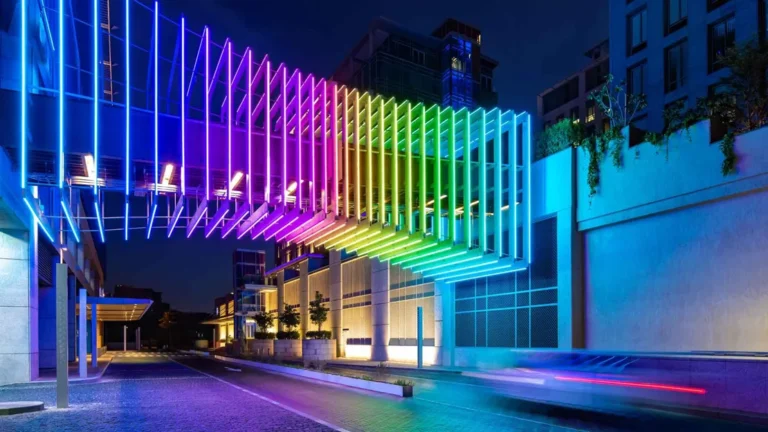
Nhiệt độ màu là một thông số quan trọng trong thiết kế chiếu sáng kiến trúc, ảnh hưởng đến cả tính thẩm mỹ và hiệu suất.
- Chiếu sáng mặt tiền: thường sử dụng 4000K – 6000K để tăng cường khả năng hiển thị cấu trúc
- Ánh sáng văn phòng: Tiêu chuẩn hóa khoảng 4000K cho năng suất và sự thoải mái
- Chiếu sáng bán lẻ: Sử dụng 3000K – 4000K để cải thiện ngoại hình sản phẩm
Hệ thống chiếu sáng thương mại ưu tiên tính nhất quán và hiệu quả, trong khi ánh sáng kiến trúc tập trung vào trải nghiệm thị giác và tích hợp thiết kế.
So sánh nhiệt độ màu liên quan
Để hiểu rõ hơn về cách thức hoạt động của các giá trị Kelvin khác nhau trong các ứng dụng chiếu sáng trong thế giới thực, hãy khám phá các hướng dẫn so sánh chi tiết sau:
- So sánh ánh sáng LED 2700K so với 3000K (Khu dân cư & Khách sạn)
- 3000k vs 4000k vs 5000k vs 6000k hướng dẫn so sánh đầy đủ
- So sánh ánh sáng LED 5000K so với 6000K (công nghiệp và ngoài trời)
Các hướng dẫn này tạo thành một trung tâm nhiệt độ màu LED có cấu trúc, cải thiện điều hướng, xếp hạng SEO và khả năng khám phá AI.
Tóm tắt nhanh
Để đơn giản hóa việc ra quyết định, các phạm vi nhiệt độ màu chính có thể được tóm tắt như sau:
- 2700K – 3000K → Tốt nhất cho chiếu sáng khu dân cư và khách sạn, nơi thoải mái là ưu tiên hàng đầu
- 4000K → Tốt nhất cho môi trường văn phòng và bán lẻ đòi hỏi sự rõ ràng cân bằng
- 5000K – 6500K → Tốt nhất cho các ứng dụng công nghiệp và ngoài trời, nơi mà khả năng hiển thị là rất quan trọng
Bản tóm tắt nhanh này thường được các nhà thiết kế và kỹ sư chiếu sáng sử dụng để ra quyết định nhanh chóng trên các ứng dụng khác nhau.
Cách chọn nhiệt độ màu LED (hướng dẫn từng bước)
Chọn nhiệt độ màu chính xác có thể được đơn giản hóa bằng cách sử dụng khung quyết định thực tế:
- Không gian dân cư → 2700K – 3000K
- Môi trường thương mại → 3500K – 4000K
- Ứng dụng công nghiệp → 5000K – 6500K
Cách tiếp cận này giúp nhanh chóng điều chỉnh các lựa chọn chiếu sáng với các yêu cầu chức năng và kỳ vọng của người dùng.
CTA
Nếu bạn đang tìm kiếm ánh sáng dải LED hiệu suất cao với điều khiển nhiệt độ màu chính xác:
- Nhận các đề xuất của chuyên gia dựa trên yêu cầu dự án của bạn
- Chọn từ nhiều tùy chọn Kelvin với đầu ra nhất quán
- Tùy chỉnh các giải pháp chiếu sáng OEM / ODM cho mục đích thương mại và kiến trúc
Liên hệ SignliteLED Hôm nay để thảo luận về dự án của bạn và nhận được một giải pháp chiếu sáng phù hợp.
Phần kết luận
Nhiệt độ màu LED là yếu tố then chốt quyết định cách chiếu sáng hoạt động trong cả môi trường thiết kế và thương mại. Mỗi phạm vi Kelvin phục vụ một mục đích cụ thể và việc chọn đúng mục đích đảm bảo sự thoải mái, khả năng hiển thị và hiệu quả tốt hơn.
Hiểu được sự khác biệt giữa 2700k, 3000k, 4000k, 5000k và 6000k cho phép các nhà thiết kế và ra quyết định tạo ra hệ thống chiếu sáng vừa có chức năng vừa có hiệu quả trực quan.
Các dải nhiệt độ màu này tạo thành nền tảng của thiết kế chiếu sáng kiến trúc hiện đại và hệ thống chiếu sáng thương mại.
Câu hỏi thường gặp
Bài viết liên quan