Polski
  English
  简体中文
简体中文  Deutsch
  Español
  Français
  Italiano
  日本語
日本語  한국어
한국어  Português
  Русский
  Türkçe
  Nederlands
  Tiếng Việt
  ไทย
ไทย 
Temperatura barwowa LED jest jedną z najbardziej krytycznych zmiennych w projektowaniu oświetlenia, bezpośrednio wpływając na wygląd, odczucie i działanie przestrzeni. Typowe wyszukiwania, takie jak 3000K vs 4000K, 4000K vs 5000K, i która temperatura barwowa jest najlepiej odzwierciedlająca prawdziwe wyzwanie: wybór prawidłowej wartości Kelvina dla konkretnej aplikacji.
W praktyce zły wybór może prowadzić do dyskomfortu wizualnego, słabego kontrastu lub środowiska, które nie odpowiada zamierzonemu przeznaczeniu. W warunkach komercyjnych może to wpłynąć na produktywność, widoczność produktu, a nawet postrzeganie klientów.
Ten przewodnik zawiera ustrukturyzowane porównanie temperatur kolorów LED od 2700K do 6500K, z rzeczywistymi zakresami wydajności, praktycznymi przypadkami użycia i wskazówkami dotyczącymi podejmowania decyzji dotyczących projektowania oświetlenia i zastosowań komercyjnych. Ten przewodnik po temperaturze barwowej LED zawiera wykresy porównawcze, praktyczne przypadki użycia i metody wyboru krok po kroku, które pomogą Ci wybrać najlepsze oświetlenie dla każdego środowiska.
Kluczowe na wynos
- Temperatura barwowa określa wizualny odcień światła i wpływa zarówno na komfort, jak i funkcjonalność
- 2700K–3000K tworzy ciepłe środowisko odpowiednie do oświetlenia mieszkalnego i hotelarskiego
- 4000K zapewnia zrównoważone oświetlenie dla środowisk biurowych i handlowych
- 5000K–6500K jest zwykle używane, gdy priorytetem jest widoczność i przejrzystość
- Projektowanie oświetlenia koncentruje się na doświadczeniu użytkownika, podczas gdy oświetlenie komercyjne stawia na wydajność i spójność
- Wybór odpowiedniej wartości Kelvina poprawia zarówno komfort wizualny, jak i wydajność operacyjną
- Wybór oparty na porównaniach jest bardziej niezawodny niż wybór na podstawie samych preferencji
Szybki przewodnik wyboru temperatury barwowej
Wybór odpowiedniej temperatury barwowej zależy od rodzaju przestrzeni i sposobu jej użytkowania. Poniższa tabela zawiera krótkie odniesienie używane przez projektantów oświetlenia i inżynierów do powszechnych zastosowań.
| Przestrzeń | Polecany Kelvin | Powód techniczny |
| Sypialnia | 2700K | Wspomaga relaksację i zmniejsza zmęczenie oczu |
| restauracja | 2700K–3000K | Wzmacnia klimat i ciepło |
| Biuro | 4000K | Poprawia ostrość i jasność zadań |
| Sprzedaż detaliczna | 4000K–5000K | Równowaga widoczność produktu i jasność produktu |
| skład | 5000K–6500K | Maksymalizuje widoczność i bezpieczeństwo eksploatacji |
Co to jest temperatura barwowa LED?
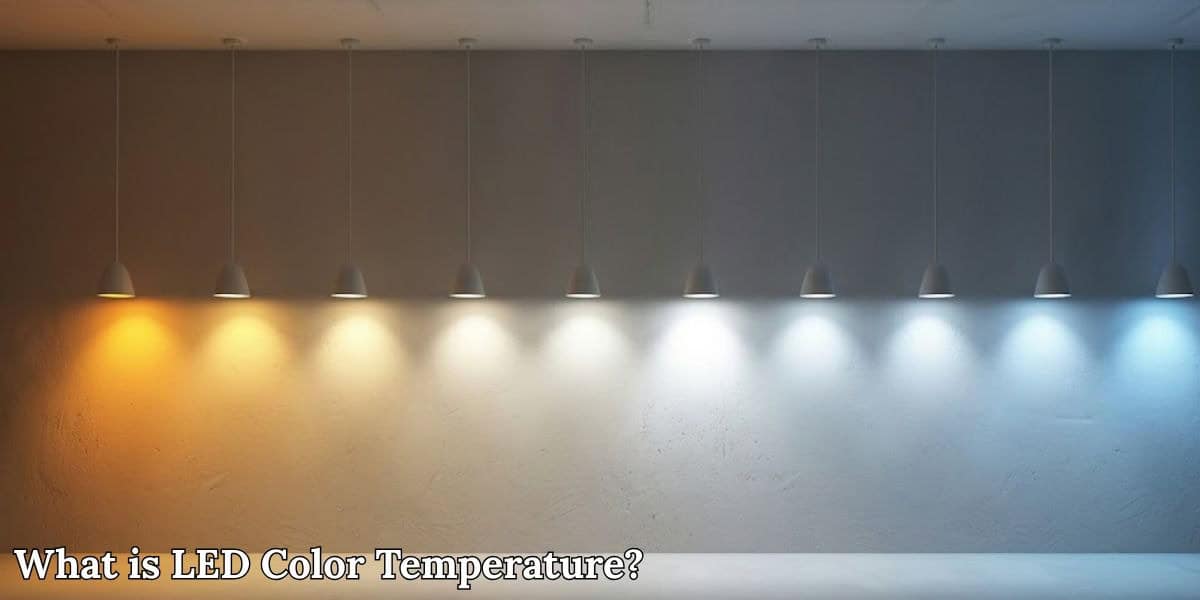
Temperatura barwowa LED odnosi się do koloru światła emitowanego przez źródło, mierzonego w Kelwin (K). Niższe wartości Kelvina wytwarzają ciepłe, żółte światło, podczas gdy wyższe wartości tworzą chłodniejsze, niebieskawo-białe światło.
Ta progresja od ciepłego do chłodnego bezpośrednio wpływa na to, jak wyglądają obiekty i jak ludzie postrzegają przestrzeń. Wpływa również na kontrast, przejrzystość i ogólną użyteczność.
W poniższej tabeli podsumowano główne kategorie:
| Typ | Zakres Kelvina | Efekt wizualny | Typowe zastosowanie |
| Ciepła biel | 2700K–3000K | Miękki, ciepły odcień ze zmniejszonym kontrastem | mieszkanie, gościnność |
| Neutralny biały | 3500K–4500K | Zrównoważone białe światło z wyraźną widocznością | biura, handel detaliczny |
| Chłodna biel | 5000K–6500K | Wyraźne światło ze zwiększonym kontrastem | Odkryty, przemysłowy |
Wykres temperatury barwowej LED (2700K–6500K)
Poniższa tabela zawiera uproszczony przegląd typowych temperatur kolorów LED, ich wyglądu i najlepszych przypadków użycia. Ten format jest szeroko stosowany w projektowaniu oświetlenia w celu szybkiego odniesienia i podejmowania decyzji.
| Kelvin | jasny kolor | ton wizualny | Najlepsze zastosowanie |
| 2700K | Ciepła biel | miękki, żółtawy | Sypialnie, pomieszczenia mieszkalne |
| 3000K | Ciepła biel | lekko neutralny ciepły | Restauracje, gościnność |
| 4000K | Neutralny biały | Zrównoważony biały | biura, sklepy detaliczne |
| 5000K | Chłodna biel | Jasne, rześkie | Komercyjne, oświetlenie zadań |
| 6500K | Światło dzienne | Niebieskawy biały | przemysłowy, na zewnątrz |
Dlaczego temperatura barwowa ma znaczenie w projektowaniu oświetlenia
Temperatura barwowa odgrywa rolę funkcjonalną wykraczającą poza estetykę.
- Komfort wizualny: cieplejsze światło zmniejsza zmęczenie oczu w środowiskach o niskiej aktywności, takich jak salony i hotele
- Wykonywanie zadań: neutralne światło (około 4000K) poprawia przejrzystość podczas czytania, pracy i szczegółowych zadań
- Dokładność kolorów: Oświetlenie detaliczne i wyświetlacze opiera się na określonych gamach Kelvina, aby prawidłowo prezentować produkty
- Percepcja przestrzenna: oświetlenie architektoniczne wykorzystuje temperaturę barwową do definiowania głębokości, podświetlania struktur i tworzenia kontrastu
Nawet w przypadku wysokiej jakości opraw, nieprawidłowy wybór temperatury barwowej może skutkować złymi wynikami oświetlenia.
Tabela porównawcza temperatury barwowej LED (2700K–6500K)

Poniższa tabela zawiera realistyczne zakresy wydajności w oparciu o wspólne paski LED i specyfikacje osprzętu.
| Kelvin | Wygląd | Typowe wyjście (LM/M) | Zakres CRI | Typowe zastosowania | Praktyczny efekt |
| 2700K | Ciepły bursztyn | 300–600 lm/m | 85–95 | Sypialnie, hotele | Spokojna atmosfera, bardziej miękkie cienie |
| 3000K | Ciepła biel | 400–800 lm/m | 80–95 | Sale, restauracje | Wygodna widoczność z lekkim ciepłem |
| 4000K | Neutralny biały | 600–1200 lm/m | 80-90 | biura, handel detaliczny | Wyraźna widoczność z zrównoważonym kontrastem |
| 5000K | Chłodna biel | 800–1500 lm/m | 70–85 | Magazyny, obszary zadaniowe | Zwiększony kontrast dla szczegółowej pracy |
| 6000K | Światło dzienne | 1000–1800 lm/m | 70–80 | na zewnątrz, bezpieczeństwo | Maksymalna widoczność i ostre krawędzie |
Te zakresy temperatur barwowych są szeroko stosowane zarówno w projektowaniu oświetlenia architektonicznego, jak i
Komercyjne systemy oświetleniowe, pomagające standaryzować decyzje dotyczące oświetlenia w różnych zastosowaniach.
Jak temperatura barwowa wpływa na projektowanie oświetlenia i
Wydajność komercyjna

Różne zakresy Kelvina są wybierane na podstawie tego, czy priorytetem jest komfort wizualny, czy wydajność operacyjna.
Ciepłe oświetlenie (2700K–3000K) jest używane, gdzie ludzie spędzają dłuższy czas, ponieważ zmniejsza zmęczenie wizualne i tworzy zrelaksowane środowisko. Oświetlenie neutralne (4000K) jest stosowane tam, gdzie wymagana jest przejrzystość i dokładność, takie jak biura i powierzchnie handlowe. Oświetlenie chłodniejsze (5000K–6000K) jest stosowane w środowiskach, w których widoczność, kontrast i bezpieczeństwo mają kluczowe znaczenie.
W zastosowaniach komercyjnych wyższe temperatury barwowe są często wybierane w celu poprawy wydajności i spójności na dużych obszarach, podczas gdy środowiska skoncentrowane na projekcie traktują priorytetowo niższe wartości Kelvina w celu kontroli estetycznej.
To rozróżnienie jest niezbędne przy planowaniu systemów oświetleniowych dla projektów, które wymagają zarówno komfortu wizualnego, jak i wydajności komercyjnej.
Temperatura barwowa do projektowania oświetlenia a zastosowań komercyjnych
Projektowanie oświetlenia i oświetlenie komercyjne wykorzystują temperaturę barwową w różny sposób w zależności od priorytetów, takich jak komfort, widoczność i wydajność operacyjna.
| Czynnik | Projektowanie oświetlenia (architektoniczne/mieszkaniowe) | Aplikacje komercyjne |
| Typowy zakres Kelvina | 2700K–4000K | 4000K–6500K |
| Główny cel | Komfort wizualny i atmosfera | Widoczność i wykonanie zadań |
| Wymaganie CRI | 90+ preferowane | 80+ standard |
| Zakres jasności | 300–800 lm/m | 600–1800 lm/m |
| Koncentracja aplikacji | Domy, hotele, fasady | Biura, Handel detaliczny, Przemysłowy |
Zrozumienie tej różnicy pozwala projektantom i inżynierom dostosować specyfikacje oświetlenia zarówno do doświadczenia użytkownika, jak i wymagań operacyjnych.
Szczegółowe porównania temperatury barwowej

2700k vs 3000k
Różnica między 2700K a 3000K jest przede wszystkim w tonie i postrzeganej jasności.
| Parametr | 2700K | 3000K |
| ton światła | Ciepły bursztyn | Ciepła biel |
| Zakres wyjści | 300–600 lm/m | 400–800 lm/m |
| CRI | 90–95 | 80–95 |
| Zastosowanie | Sypialnie, luksusowa gościnność | Pomieszczenia mieszkalne, jadalnie |
| Efekt wizualny | bardziej łagodny, bardziej intymny | Nieco wyraźniejszy i bardziej wszechstronny |
2700K jest zazwyczaj wybierane do przestrzeni skoncentrowanych na relaksacji, podczas gdy 3000K jest używane, gdy wymagana jest równowaga między komfortem a widocznością.
Aby uzyskać głębsze porównanie techniczne, zapoznaj się ze szczegółowym Przewodnik oświetlenia LED 2700K vs 3000K LED Obejmuje różnice specyficzne dla aplikacji.
3000k vs 4000k
To porównanie odzwierciedla przejście od oświetlenia otoczenia do oświetlenia funkcjonalnego.
| Parametr | 3000K | 4000K |
| ton światła | Ciepła biel | Neutralny biały |
| Zakres wyjści | 400–800 lm/m | 600–1200 lm/m |
| Zastosowanie | gościnność, mieszkanie | biura, handel detaliczny |
| Komfort wizualny | bardziej zrelaksowany | bardziej skoncentrowany |
| Przydatność do zadania | Umiarkowany | Wysoki |
3000K obsługuje środowiska oparte na komfortie, podczas gdy 4000K jest szeroko stosowane w komercyjnych zastosowaniach oświetleniowych, gdzie przejrzystość jest niezbędna.
Przeczytaj również to porównanie: 3000K vs 4000K vs 5000K vs 6000K: Jaka jest różnica?
4000k vs 5000k
To porównanie podkreśla różnicę między zrównoważonym oświetleniem a oświetleniem zorientowanym na zadanie.
| Parametr | 4000K | 5000K |
| ton światła | bierny | orzeźwi |
| Zakres wyjści | 600–1200 lm/m | 800–1500 lm/m |
| Zastosowanie | biura, handel detaliczny | przemysłowe, warsztaty |
| Przejrzystość | zrównoważony | Ulepszona widoczność |
| wykorzystywany do używania | Ogólne obszary robocze | Środowiska wymagające dużej ilości zadań |
4000K jest odpowiednie dla środowisk ogólnych, podczas gdy 5000K jest wybierane tam, gdzie wymagany jest wyższy kontrast. To porównanie jest częścią szerszej analizy temperatury barwowej, która obejmuje również wyższe zakresy Kelvina, takie jak 5000K i 6000K.
5000K vs 6000K
Oba są używane w środowiskach o wysokiej widoczności, ale 6000K daje ostrzejszy efekt przypominający światło dzienne.
| Parametr | 5000K | 6000K |
| ton światła | Chłodna biel | Światło dzienne |
| Zakres wyjści | 800–1500 lm/m | 1000–1800 lm/m |
| Zastosowanie | Handlowy, przemysłowy | na zewnątrz, bezpieczeństwo |
| Widoczność | esencjonalny | największy |
| Przydatność dla środowiska | Wewnątrz duże przestrzenie | Ekspozycja na zewnątrz |
6000K jest zwykle używane tam, gdzie wymagana jest maksymalna widoczność, szczególnie w zastosowaniach zewnętrznych.
Szczegółowy Porównanie 5000K vs 6000K Dalej wyjaśnia, jak te temperatury barwowe działają w środowiskach o wysokiej widoczności.
Obejrzyj szczegółowe wyjaśnienie różnic oświetlenia 5000K vs 6000K:

Gdzie używać każdej temperatury barwowej
Wybór odpowiedniego zakresu Kelvina zależy od funkcji przestrzeni i oczekiwań użytkownika.
| Zastosowanie | Polecany Kelvin | Powód techniczny |
| Pokój dzienny | 2700K–3000K | Zmniejsza zmęczenie oczu, wspomaga relaksację |
| Biuro | 4000K | Poprawia przejrzystość i wydajność zadań |
| Sprzedaż detaliczna | 3000K–4000K | Równoważy ciepło z widocznością produktu |
| Na zewnątrz | 5000K–6000K | Zwiększa kontrast i bezpieczeństwo |
Wybór odpowiedniej gamy Kelvin w oparciu o zastosowanie zapewnia optymalną wydajność oświetlenia zarówno w środowisku mieszkalnym, jak i komercyjnym.
Porównanie oświetlenia wewnętrznego vs oświetlenia zewnętrzne

Oświetlenie wewnętrzne i zewnętrzne różnią się zarówno warunkami środowiskowymi, jak i wymaganiami dotyczącymi wydajności.
| Czynnik | Oświetlenie wewnętrzne | Oświetlenie zewnętrzne |
| Zakres Kelvina | 2700K–4000K | 5000K–6500K |
| Zakres wyjści | 300–1200 lm/m | 800–1800 lm/m |
| Wymagania dotyczące komfortu | Wysoki | drugorzęd |
| Ochrona środowiska | IP20-IP44 | IP65+ |
| Użyj ostrości | Komfort wizualny | Widoczność i bezpieczeństwo |
Jak wybrać odpowiednią temperaturę barwową
Wybór odpowiedniej temperatury barwowej wymaga połączenia oceny funkcjonalnej, wizualnej i środowiskowej, a nie jednej decyzji opartej na preferencjach.
- Zdefiniuj funkcję oświetlenia (otoczenie otoczenia vs zadanie)
Oświetlenie otoczenia zazwyczaj wykorzystuje 2700K–3000K do zapewnienia komfortu, podczas gdy oświetlenie zadaniowe wymaga 4000K–5000K dla przejrzystości i precyzji. - Analizuj zachowanie użytkownika i czas trwania
Przestrzenie, w których użytkownicy spędzają dłuższy czas, powinni używać cieplejszych tonów, podczas gdy środowiska skoncentrowane na zadaniach korzystają z neutralnego lub chłodnego oświetlenia. - Oceń wymagania dotyczące wydajności wizualnej
Oświetlenie detaliczne i wyświetlacza często wymaga 3000K-4000K z wyższym CRI dla dokładnej reprezentacji kolorów. - Rozważ skalę przestrzeni i układ
Duże obszary handlowe wymagają stałego i wyższej wydajności, podczas gdy mniejsze przestrzenie mogą korzystać z cieplejszych tonów. - Zapewnij spójność systemu
Unikaj mieszania wielu temperatur barwowych bez podziału na strefy, aby zachować równowagę wizualną. - Dopasuj do typu projektu
Oświetlenie mieszkaniowe skupia się na komforcie, podczas gdy oświetlenie komercyjne stawia na wydajność i wydajność.
W większości praktycznych scenariuszy 2700K–3000K jest odpowiednie dla środowisk skoncentrowanych na komfortie, podczas gdy 4000K–5000K jest preferowane w komercyjnych zastosowaniach oświetleniowych oświetleniowych.
Potrzebujesz pomocy w wyborze odpowiedniej temperatury barwowej?
Jeśli nie masz pewności, która temperatura barwowa jest najlepsza dla Twojego projektu, profesjonalne wskazówki mogą pomóc uniknąć kosztownych błędów.
Nasi inżynierowie oświetleniowi mogą polecić optymalny zakres Kelvina, poziom jasności i konfigurację LED w oparciu o konkretne zastosowanie.
Jak projektanci oświetlenia wybierają temperaturę barwową
Profesjonalni projektanci oświetlenia nie polegają na domysłach. Zamiast tego kierują się ustrukturyzowanym procesem decyzyjnym, aby zapewnić zarówno wydajność, jak i komfort wizualny.
Krok 1: Określ aplikację
Określ, czy przestrzeń jest mieszkalna, komercyjna czy przemysłowa.
Krok 2: Oceń wymagania dotyczące jasności
Oceń potrzeby wyjściowe świetlów na podstawie złożoności zadania i rozmiaru przestrzeni.
Krok 3: Rozważ komfort wizualny
Upewnij się, że wybrany zakres Kelvina jest zgodny z komfortem użytkownika i czasem trwania ekspozycji.
Krok 4: Dopasuj specyfikacje LED
Wybierz odpowiednie chipy LED i poziomy CRI w oparciu o wymagania dotyczące dokładności kolorów.
Takie ustrukturyzowane podejście zapewnia spójną i zoptymalizowane oświetlenie w różnych środowiskach.
Aplikacje architektoniczne i komercyjne
Temperatura barwowa jest kluczowym parametrem w projektowaniu oświetlenia architektonicznego, wpływając zarówno na estetykę, jak i na wydajność.
- Oświetlenie elewacyjne: zazwyczaj wykorzystuje 4000K-6000K w celu zwiększenia widoczności konstrukcyjnej
- Oświetlenie biurowe: standaryzowane około 4000K dla produktywności i komfortu
- Oświetlenie detaliczne: wykorzystuje 3000K-4000K do poprawy wyglądu produktu
Komercyjne systemy oświetlenia traktują priorytetowo spójność i wydajność, podczas gdy oświetlenie architektoniczne koncentruje się na doświadczeniu wizualnym i integracji projektowej.
Powiązane porównania temperatury barwowej
Aby lepiej zrozumieć, jak różne wartości Kelvina działają w rzeczywistych aplikacjach oświetleniowych, zapoznaj się z następującymi szczegółowymi przewodnikami porównawczymi:
- Porównanie oświetlenia LED 2700K vs 3000K (mieszkaniowe i hotelarstwo)
- 3000K vs 4000K vs 5000K vs 6000k pełny przewodnik porównania
- Porównanie oświetlenia LED 5000K vs 6000K (przemysłowe i zewnętrzne)
Te przewodniki tworzą ustrukturyzowane centrum temperatury kolorów LED, poprawiające nawigację, rankingi SEO i wykrywalność sztucznej inteligencji.
Szybkie podsum
Aby uprościć podejmowanie decyzji, kluczowe zakresy temperatur barwowych można podsumować w następujący sposób:
- 2700K–3000K → Najlepsze do oświetlenia mieszkalnego i hotelarskiego, gdzie komfort jest priorytetem
- 4000K → najlepszy dla środowisk biurowych i detalicznych wymagających zrównoważonej przejrzystości
- 5000K–6500K → Najlepsze do zastosowań przemysłowych i zewnętrznych, gdzie widoczność ma kluczowe znaczenie
To krótkie podsumowanie jest powszechnie używane przez projektantów oświetlenia i inżynierów do szybkiego podejmowania decyzji w różnych aplikacjach.
Jak wybrać temperaturę barwową LED (przewodnik krok po kroku)
Wybór odpowiedniej temperatury barwowej można uprościć za pomocą praktycznego ramy decyzyjnej:
- Przestrzenie mieszkalne → 2700K–3000K
- Środowiska komercyjne → 3500K–4000K
- Zastosowania przemysłowe → 5000K–6500K
Takie podejście pomaga szybko dostosować wybory oświetlenia do wymagań funkcjonalnych i oczekiwań użytkowników.
petarda
Jeśli szukasz wysokiej jakości oświetlenia taśmy LED z precyzyjną kontrolą temperatury barwowej:
- Uzyskaj rekomendacje ekspertów w oparciu o wymagania projektowe
- Wybierz spośród wielu opcji Kelvina ze spójnym wyjściem
- Dostosuj rozwiązania oświetleniowe OEM / ODM do użytku komercyjnego i architektonicznego
Kontakt Sygnalizator LED Dzisiaj, aby omówić Twój projekt i otrzymać dostosowane rozwiązanie oświetleniowe.
Wniosek
Temperatura barwowa LED jest kluczowym czynnikiem, który określa, jak oświetlenie działa zarówno w środowiskach projektowych, jak i komercyjnych. Każda gama Kelvina służy określonemu celowi, a wybór właściwego zapewnia większy komfort, widoczność i wydajność.
Zrozumienie różnic między 2700K, 3000K, 4000K, 5000K i 6000K pozwala projektantom i decydentom na tworzenie systemów oświetleniowych, które są zarówno funkcjonalne, jak i wizualnie efektywne.
Te zakresy temperatur barwowych stanowią podstawę nowoczesnego projektowania oświetlenia architektonicznego i komercyjnego systemu oświetlenia.
Najczęstsze pytania
Powiązane posty