Türkçe
  English
  简体中文
简体中文  Deutsch
  Español
  Français
  Italiano
  日本語
日本語  한국어
한국어  Polski
  Português
  Русский
  Nederlands
  Tiếng Việt
  ไทย
ไทย 
LED renk sıcaklığı, bir alanın nasıl göründüğünü, hissettiğini ve performans gösterdiğini doğrudan etkileyen aydınlatma tasarımında en kritik değişkenlerden biridir. 3000K vs 4000K, 4000K vs 5000K ve hangi renk sıcaklığının en iyi olduğu gibi yaygın aramalar gerçek bir zorluğu yansıtır: belirli bir uygulama için doğru Kelvin değerini seçmek.
Uygulamada, yanlış seçim, görsel rahatsızlığa, zayıf kontrastlara veya amaçlanan amacına uymayan bir ortama yol açabilir. Ticari ortamlarda bu, üretkenliği, ürün görünürlüğünü ve hatta müşteri algısını etkileyebilir.
Bu kılavuz, gerçek performans aralıkları, pratik kullanım durumları ve hem aydınlatma tasarımı hem de ticari uygulamalar için karar verme kılavuzu ile 2700K'dan 6500K'ya kadar LED renk sıcaklıklarının yapılandırılmış bir karşılaştırmasını sağlar. Bu LED renk sıcaklığı kılavuzu, herhangi bir ortam için en iyi aydınlatmayı seçmenize yardımcı olacak karşılaştırma çizelgeleri, pratik kullanım durumları ve adım adım seçim yöntemlerini içerir.
Önemli Çıkarımlar
- Renk sıcaklığı, ışığın görsel tonunu tanımlar ve hem konforu hem de işlevselliği etkiler
- 2700K–3000K, konut ve ağırlama aydınlatması için uygun sıcak ortamlar yaratır
- 4000K, ofis ve perakende ortamları için dengeli aydınlatma sağlar
- 5000K–6500K tipik olarak görünürlük ve netliğe öncelik verildiğinde kullanılır
- Aydınlatma tasarımı kullanıcı deneyimine odaklanırken, ticari aydınlatma performans ve tutarlılığı ön plana çıkarır
- Doğru Kelvin değerini seçmek hem görsel konforu hem de operasyonel verimliliği artırır
- Karşılaştırmaya dayalı seçim, yalnızca tercihe dayalı seçimden daha güvenilirdir
Hızlı renk sıcaklığı seçim kılavuzu
Doğru renk sıcaklığını seçmek, alanın türüne ve nasıl kullanıldığına bağlıdır. Aşağıdaki tablo, aydınlatma tasarımcıları ve mühendisleri tarafından yaygın uygulamalar için kullanılan hızlı bir referans sağlar.
| Uzay | Tavsiye edilen Kelvin | teknik neden |
| Yatak Odası | 2700K | Gevşemeyi teşvik eder ve göz yorgunluğunu azaltır |
| lokanta | 2700K–3000K | Ortamı ve sıcaklığı artırır |
| Ofis | 4000K | Odaklanma ve görev netliğini artırır |
| Perakende | 4000K–5000K | Ürün görünürlüğünü ve parlaklığını dengeler |
| depo | 5000K–6500K | Görünürlüğü ve operasyonel güvenliği en üst düzeye çıkarır |
LED Renk Sıcaklığı Nedir?
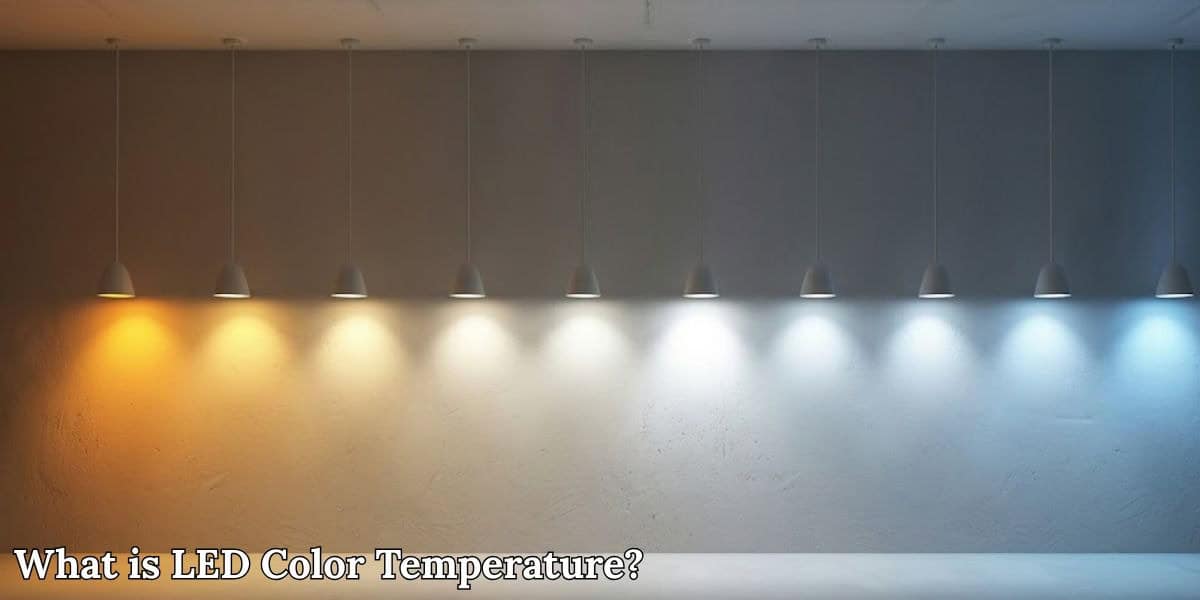
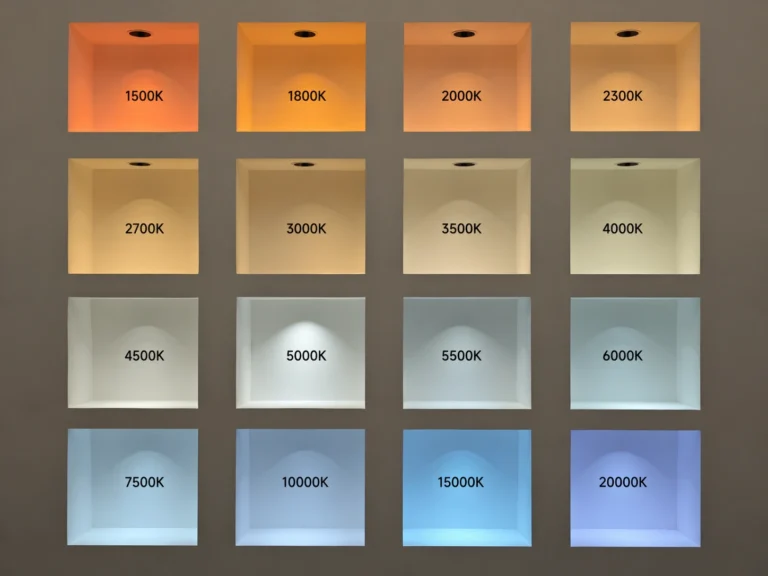
LED renk sıcaklığı, Kelvin (K) cinsinden ölçülen bir kaynak tarafından yayılan ışığın renk görünümünü ifade eder. Düşük Kelvin değerleri sıcak, sarı tonlu ışık üretirken, daha yüksek değerler daha soğuk, mavimsi beyaz ışık oluşturur.
Sıcaktan soğuka bu ilerleme, nesnelerin nasıl göründüğünü ve insanların bir alanı nasıl algıladığını doğrudan etkiler. Ayrıca kontrast, netlik ve genel kullanılabilirliği de etkiler.
Aşağıdaki tablo ana kategorileri özetlemektedir:
| Tip | Kelvin menzili | görsel efekt | Tipik kullanım |
| Sıcak Beyaz | 2700K–3000K | Azaltılmış kontrastlı yumuşak, sıcak ton | Konut, misafirperverlik |
| nötr beyaz | 3500K–4500K | Net görünürlük ile dengeli beyaz ışık | ofisler, perakende |
| Soğuk Beyaz | 5000K–6500K | Artan kontrastlı net ışık | Dış mekan, endüstriyel |
LED Renk Sıcaklığı Tablosu (2700K–6500K)
Aşağıdaki tablo, yaygın LED renk sıcaklıkları, görsel görünümleri ve en iyi kullanım durumları hakkında basitleştirilmiş bir genel bakış sunar. Bu format, hızlı referans ve karar verme için aydınlatma tasarımında yaygın olarak kullanılmaktadır.
| Kelvin | açık renk | görsel ton | En İyi Kullanım |
| 2700K | Sıcak Beyaz | Yumuşak, sarımsı | Yatak odaları, konut alanları |
| 3000K | Sıcak Beyaz | Hafif nötr sıcak | Restoranlar, misafirperverlik |
| 4000K | nötr beyaz | Dengeli Beyaz | Ofisler, perakende mağazaları |
| 5000K | Soğuk Beyaz | Parlak, Gevrek | Ticari, görev aydınlatması |
| 6500K | Gün ışığı | mavimsi beyaz | Endüstriyel, Dış Mekan |
Aydınlatma Tasarımında Renk Sıcaklığı Neden Önemlidir?
Renk sıcaklığı estetiğin ötesinde işlevsel bir rol oynar.
- Görsel konfor: Daha sıcak ışık, oturma odaları ve oteller gibi düşük aktiviteli ortamlarda göz yorgunluğunu azaltır
- Görev performansı: Nötr ışık (yaklaşık 4000K), okuma, çalışma ve ayrıntılı görevler için netliği artırır
- Renk doğruluğu: perakende ve ekran aydınlatması, ürünleri doğru bir şekilde sunmak için belirli Kelvin serilerine güvenir
- Mekansal Algı: Mimari aydınlatma, derinliği tanımlamak, yapıları vurgulamak ve kontrast oluşturmak için renk sıcaklığını kullanır.
Yüksek kaliteli armatürlerde bile, yanlış renk sıcaklığı seçimi, kötü aydınlatma sonuçlarına neden olabilir.
LED Renk Sıcaklığı Karşılaştırma Tablosu (2700K–6500K)

Aşağıdaki tablo, ortak LED şerit ve fikstür özelliklerine göre gerçekçi performans aralıkları sağlar.
| Kelvin | Görünüş | Tipik çıkış (LM/m) | CRI aralığı | Yaygın Uygulamalar | pratik etki |
| 2700K | kehribar rengi | 300–600 lm/m | 85-95 | yatak odaları, oteller | Rahat bir atmosfer, daha yumuşak gölgeler |
| 3000K | Sıcak beyaz | 400–800 lm/m | 80-95 | Oturma odaları, restoranlar | Hafif sıcaklık ile rahat görüş |
| 4000K | nötr beyaz | 600–1200 lm/m | 80-90 | ofisler, perakende | Dengeli kontrast ile net görünürlük |
| 5000K | Soğuk beyaz | 800–1500 lm/m | 70-85 | Depolar, görev alanları | Ayrıntılı çalışma için artan kontrast |
| 6000K | Gün ışığı | 1000–1800 lm/m | 70-80 | açık, güvenlik | Maksimum görünürlük ve keskin kenarlar |
Bu renk sıcaklığı aralıkları hem mimari aydınlatma tasarımında hem de
Ticari aydınlatma sistemleri, farklı uygulamalarda aydınlatma kararlarını standart hale getirmeye yardımcı olur.
Renk sıcaklığı aydınlatma tasarımını nasıl etkiler ve
ticari performans

Önceliğin görsel konfor mu yoksa operasyonel performans mı olduğuna göre farklı Kelvin aralıkları seçilir.
Sıcak aydınlatma (2700K–3000K), insanların görsel yorgunluğu azalttığı ve rahat bir ortam yarattığı için uzun süre harcadığı yerlerde kullanılır. Ofisler ve perakende satış alanları gibi netlik ve doğruluk gerektiren yerlerde nötr aydınlatma (4000K) kullanılır. Görüş, kontrast ve güvenliğin kritik olduğu ortamlarda daha soğuk aydınlatma (5000K–6000K) uygulanır.
Ticari uygulamalarda, genellikle geniş alanlarda verimliliği ve tutarlılığı artırmak için daha yüksek renk sıcaklıkları seçilirken, tasarım odaklı ortamlar estetik kontrol için daha düşük Kelvin değerlerine öncelik verir.
Bu ayrım, hem görsel konfor hem de ticari performans gerektiren projeler için aydınlatma sistemleri planlanırken çok önemlidir.
Aydınlatma tasarımı ve ticari uygulamalar için renk sıcaklığı
Aydınlatma tasarımı ve ticari aydınlatma, konfor, görünürlük ve operasyonel verimlilik gibi önceliklere göre renk sıcaklığını farklı şekilde kullanır.
| Faktör | Aydınlatma tasarımı (mimari/konut) | Ticari Başvurular |
| Tipik Kelvin menzili | 2700K–4000K | 4000K–6500K |
| temel hedef | Görsel konfor ve ortam | Görünürlük ve görev performansı |
| CRI gereksinimi | 90+ tercih edilen | 80+ standart |
| parlaklık aralığı | 300–800 lm/m | 600–1800 lm/m |
| Uygulama Odağı | Evler, oteller, cepheler | Ofisler, Perakende, Endüstriyel |
Bu farkı anlamak, tasarımcıların ve mühendislerin aydınlatma özelliklerini hem kullanıcı deneyimi hem de operasyonel gereksinimlerle uyumlu hale getirmelerini sağlar.
Ayrıntılı renk sıcaklığı karşılaştırmaları

2700K vs 3000K
2700K ve 3000K arasındaki fark, öncelikle ton ve algılanan parlaklıkta.
| Parametre | 2700K | 3000K |
| hafif ton | kehribar rengi | Sıcak beyaz |
| çıkış aralığı | 300–600 lm/m | 400–800 lm/m |
| CRI | 90-95 | 80-95 |
| Uygulama | Yatak odaları, lüks misafirperverlik | Yaşam alanları, yemek alanları |
| görsel efekt | Daha yumuşak, daha samimi | Biraz daha net ve çok yönlü |
2700K, genellikle rahatlama odaklı alanlar için seçilirken, konfor ve görünürlük arasında bir dengenin gerekli olduğu 3000K kullanılır.
Daha derin bir teknik karşılaştırma için ayrıntılı bir 2700K vs 3000K LED aydınlatma kılavuzu uygulamaya özel farklılıkları kapsar.
3000K vs 4000K
Bu karşılaştırma, ortam aydınlatmasından fonksiyonel aydınlatmaya geçişi yansıtır.
| Parametre | 3000K | 4000K |
| hafif ton | Sıcak beyaz | nötr beyaz |
| çıkış aralığı | 400–800 lm/m | 600–1200 lm/m |
| Uygulama | Konukseverlik, Konut | ofisler, perakende |
| Görsel Konfor | daha rahat | daha odaklı |
| özel göreve uygun olma | Orta düzeyde | Yüksek |
3000K konfor tabanlı ortamları desteklerken, 4000K netliğin gerekli olduğu ticari aydınlatma uygulamalarında yaygın olarak kullanılmaktadır.
Bu karşılaştırmayı da okuyun: 3000K vs 4000K vs 5000K vs 6000K: Aradaki Fark Nedir?
4000K vs 5000K
Bu karşılaştırma, dengeli aydınlatma ile görev odaklı aydınlatma arasındaki farkı vurgular.
| Parametre | 4000K | 5000K |
| hafif ton | namusu | soğukkanlı |
| çıkış aralığı | 600–1200 lm/m | 800–1500 lm/m |
| Uygulama | ofisler, perakende | Endüstriyel, atölyeler |
| görme netliği | dengeli | Gelişmiş ayrıntı görünürlüğü |
| kullanım kutusu | Genel çalışma alanları | Görev yoğun ortamlar |
4000K genel ortamlar için uygundur, daha yüksek kontrastlı 5000K seçilir. Bu karşılaştırma, 5000K ve 6000K gibi daha yüksek Kelvin aralıklarını da içeren daha geniş bir renk sıcaklığı analizinin parçasıdır.
5000K vs 6000K
Her ikisi de yüksek görünürlüklü ortamlarda kullanılır, ancak 6000K daha keskin, gün ışığı benzeri bir etki yaratır.
| Parametre | 5000K | 6000K |
| hafif ton | Soğuk beyaz | Gün ışığı |
| çıkış aralığı | 800–1500 lm/m | 1000–1800 lm/m |
| Uygulama | Ticari, endüstriyel | açık, güvenlik |
| Görünürlük | şiddetli | azami |
| Çevresel uygunluk | Kapalı geniş alanlar | açık havada pozlama |
6000K, özellikle dış mekan uygulamalarında, maksimum görünürlüğün gerekli olduğu yerlerde tipik olarak kullanılır.
ayrıntılı 5000K vs 6000K karşılaştırması Ayrıca, bu renk sıcaklıklarının yüksek görünürlüklü ortamlarda nasıl performans gösterdiğini açıklar.
5000K ve 6000K aydınlatma farklarının ayrıntılı açıklamasını izleyin:

Her renk sıcaklığı nerede kullanılır
Doğru Kelvin aralığını seçmek, alanın işlevine ve kullanıcı beklentilerine bağlıdır.
| Uygulama | Tavsiye edilen Kelvin | teknik neden |
| Oturma Odası | 2700K–3000K | Göz yorgunluğunu azaltır, gevşemeyi destekler |
| Ofis | 4000K | Netlik ve görev verimliliğini artırır |
| Perakende | 3000K–4000K | Ürün görünürlüğü ile sıcaklığı dengeler |
| Dış mekan | 5000K–6000K | Kontrast ve güvenliği artırır |
Uygulamaya göre doğru Kelvin aralığını seçmek, hem konut hem de ticari ortamlarda en iyi aydınlatma performansını sağlar.
Kapalı ve Dış Mekan Aydınlatma Karşılaştırması

İç ve dış aydınlatma hem çevre koşullarında hem de performans gereksinimlerinde farklılık gösterir.
| Faktör | İç aydınlatma | Dış Aydınlatma |
| Kelvin menzili | 2700K–4000K | 5000K–6500K |
| çıkış aralığı | 300–1200 lm/m | 800–1800 lm/m |
| konfor gereksinimi | Yüksek | ikinci derecede |
| çevreyi koruma | IP20–IP44 | IP65+ |
| Odaklanmayı Kullan | görsel konfor | Görünürlük ve güvenlik |
Doğru renk sıcaklığı nasıl seçilir
Doğru renk sıcaklığını seçmek, tek bir tercihe dayalı karar yerine işlevsel, görsel ve çevresel değerlendirmenin bir kombinasyonunu gerektirir.
- Aydınlatma işlevini tanımlayın (ortam ve görev)
Ortam aydınlatması genellikle konfor yaratmak için 2700K–3000K kullanırken, görev aydınlatması netlik ve hassasiyet için 4000K–5000K gerektirir. - Kullanıcı davranışını ve süresini analiz edin
Kullanıcıların uzun süre harcadıkları alanlar daha sıcak tonlar kullanmalıdır, görev odaklı ortamlar ise nötr veya serin aydınlatmadan yararlanır. - Görsel performans gereksinimlerini değerlendirin
Perakende ve ekran aydınlatması, doğru renk gösterimi için genellikle daha yüksek CRI ile 3000K–4000K gerektirir. - Uzay ölçeğini ve düzenini düşünün
Büyük ticari alanlar tutarlı ve daha yüksek çıkışlı aydınlatma gerektirirken, daha küçük alanlar daha sıcak tonlar kullanabilir. - Sistem tutarlılığı sağlamak
Görsel dengeyi korumak için birden fazla renk sıcaklığını imar olmadan karıştırmaktan kaçının. - Proje türüyle hizala
Konut aydınlatması konfora odaklanırken, ticari aydınlatma performans ve verimliliğe öncelik verir.
Çoğu pratik senaryoda, 2700K–3000K konfor odaklı ortamlar için uygundur, performans odaklı ticari aydınlatma uygulamaları için 4000K–5000K tercih edilir.
Doğru renk sıcaklığını seçmek için yardıma mı ihtiyacınız var?
Projeniz için hangi renk sıcaklığının en iyi olduğundan emin değilseniz, profesyonel rehberlik maliyetli hatalardan kaçınmanıza yardımcı olabilir.
Aydınlatma mühendislerimiz, özel uygulamanıza göre en uygun Kelvin aralığını, parlaklık seviyesini ve LED konfigürasyonunu önerebilir.
Aydınlatma tasarımcıları renk sıcaklığını nasıl seçer?
Profesyonel aydınlatma tasarımcıları tahminlere güvenmezler. Bunun yerine, hem performans hem de görsel rahatlık sağlamak için yapılandırılmış bir karar süreci izlerler.
Adım 1: Uygulamayı belirleyin
Alanın konut, ticari veya endüstriyel olup olmadığını belirleyin.
Adım 2: Parlaklık gereksinimlerini değerlendirin
lümen çıktı ihtiyaçlarını görev karmaşıklığına ve alan boyutuna göre değerlendirin.
3. Adım: Görsel konforu düşünün
Seçilen Kelvin aralığının kullanıcı konforu ve pozlama süresi ile uyumlu olduğundan emin olun.
Adım 4: LED Özelliklerini Eşleştir
Renk doğruluğu gereksinimlerine göre uygun LED çiplerini ve CRI seviyelerini seçin.
Bu yapılandırılmış yaklaşım, farklı ortamlarda tutarlı ve optimize edilmiş aydınlatma performansı sağlar.
Mimari ve Ticari Uygulamalar
Renk sıcaklığı, hem estetiği hem de performansı etkileyen mimari aydınlatma tasarımında kritik bir parametredir.
- Cephe aydınlatması: Yapısal görünürlüğü artırmak için tipik olarak 4000K–6000K kullanır
- Ofis aydınlatması: Verimlilik ve konfor için 4000K civarında standartlaştırılmıştır
- Perakende aydınlatma: ürün görünümünü iyileştirmek için 3000K–4000K kullanır
Ticari aydınlatma sistemleri tutarlılık ve verimliliğe öncelik verirken, mimari aydınlatma görsel deneyim ve tasarım entegrasyonuna odaklanır.
İlgili renk sıcaklığı karşılaştırmaları
Gerçek dünya aydınlatma uygulamalarında farklı Kelvin değerlerinin nasıl performans gösterdiğini daha iyi anlamak için aşağıdaki ayrıntılı karşılaştırma kılavuzlarını keşfedin:
- 2700K vs 3000K LED aydınlatma karşılaştırması (konut ve misafirperverlik)
- 3000K vs 4000K vs 5000K vs 6000K Tam Karşılaştırma Kılavuzu
- 5000K vs 6000K LED aydınlatma karşılaştırması (Endüstriyel ve Dış Mekan)
Bu kılavuzlar, navigasyonu, SEO sıralamasını ve AI keşfedilebilirliğini geliştiren yapılandırılmış bir LED renk sıcaklığı merkezi oluşturur.
hızlı özet
Karar vermeyi basitleştirmek için, temel renk sıcaklığı aralıkları aşağıdaki gibi özetlenebilir:
- 2700K–3000K → Konforun öncelik olduğu konut ve ağırlama aydınlatması için en iyisi
- 4000K → Dengeli netlik gerektiren ofis ve perakende ortamları için en iyisi
- 5000K–6500K → Görünürlüğün kritik olduğu endüstriyel ve dış mekan uygulamaları için en iyisi
Bu hızlı özet, farklı uygulamalarda hızlı karar verme için aydınlatma tasarımcıları ve mühendisleri tarafından yaygın olarak kullanılmaktadır.
LED renk sıcaklığı nasıl seçilir (adım adım kılavuz)
Doğru renk sıcaklığının seçilmesi, pratik bir karar çerçevesi kullanılarak basitleştirilebilir:
- Konut alanları → 2700K–3000K
- Ticari ortamlar → 3500K–4000K
- Endüstriyel Uygulamalar → 5000K–6500K
Bu yaklaşım, aydınlatma seçimlerini işlevsel gereksinimler ve kullanıcı beklentileriyle hızla uyumlu hale getirir.
CTA
Hassas renk sıcaklığı kontrolüne sahip yüksek performanslı LED şerit aydınlatma arıyorsanız:
- Proje gereksinimlerinize göre uzman önerileri alın
- Tutarlı çıktıya sahip birden fazla Kelvin seçeneğinden birini seçin
- Ticari ve mimari kullanım için OEM / ODM aydınlatma çözümlerini özelleştirin
Temas etmek SignliteLED Bugün projenizi tartışmak ve özel bir aydınlatma çözümü almak için.
Çözüm
LED renk sıcaklığı, aydınlatmanın hem tasarım hem de ticari ortamlarda nasıl performans gösterdiğini belirleyen önemli bir faktördür. Her Kelvin serisi belirli bir amaca hizmet eder ve doğru olanı seçmek daha iyi konfor, görünürlük ve verimlilik sağlar.
2700K, 3000K, 4000K, 5000K ve 6000K arasındaki farkları anlamak, tasarımcıların ve karar vericilerin hem işlevsel hem de görsel olarak etkili aydınlatma sistemleri oluşturmasına olanak tanır.
Bu renk sıcaklık aralıkları, modern mimari aydınlatma tasarımı ve ticari aydınlatma sistemlerinin temelini oluşturur.
SSS
İlgili Yazılar