Tiếng Việt
  English
  简体中文
简体中文  Deutsch
  Español
  Français
  Italiano
  日本語
日本語  한국어
한국어  Polski
  Português
  Русский
  Türkçe
  Nederlands
  ไทย
ไทย 
Ánh sáng mặt tiền kiến trúc đề cập đến thiết kế chiến lược và ứng dụng của hệ thống chiếu sáng được sử dụng để chiếu sáng bên ngoài tòa nhà cho cả khả năng hiển thị chức năng và biểu hiện kiến trúc. Nó đóng một vai trò quan trọng trong việc xác định bản sắc tòa nhà, nâng cao nhận thức vào ban đêm và định hình cách thức trải nghiệm kiến trúc trong môi trường đô thị.
Không giống như chiếu sáng bên ngoài đơn giản, chiếu sáng mặt tiền là một quá trình thiết kế đa ngành tích hợp các kỹ thuật chiếu sáng, điều khiển quang học, lựa chọn vật cố định và hệ thống điều khiển. Kết quả cuối cùng không chỉ được xác định bởi đèn chiếu sáng, mà còn bởi cách ánh sáng được định hình, phân bố và kiểm soát trên các bề mặt kiến trúc.
Hướng dẫn này cung cấp một khuôn khổ có cấu trúc để hiểu thiết kế chiếu sáng mặt tiền từ cả góc độ khái niệm và thực tế. Nó giải thích các kỹ thuật chiếu sáng chính, nguyên tắc quang học, phương pháp lựa chọn vật cố định và chiến lược điều khiển được sử dụng trong các dự án kiến trúc thực.
Thay vì tập trung vào các sản phẩm hoặc hiệu ứng biệt lập, nó giúp người đọc hiểu cách một hệ thống chiếu sáng mặt tiền hoàn chỉnh được lập kế hoạch và đánh giá như thế nào — từ ý định thiết kế đến thực hiện kỹ thuật.
Các lĩnh vực trọng tâm chính
Hướng dẫn này bao gồm các khía cạnh thiết yếu sau đây của thiết kế chiếu sáng mặt tiền, hình thành sự hiểu biết hoàn chỉnh ở cấp độ hệ thống từ các nguyên tắc quang học đến các chiến lược kiểm soát:
- Kỹ thuật chiếu sáng (xét tường, chăn thả gia súc, ánh sáng điểm nhấn)
- Các loại cố định và các kịch bản ứng dụng
- Tối ưu hóa góc chùm cho sự đồng nhất của mặt tiền
- bài chống Đối - Thiết kế ánh sáng và chiến lược ngăn chặn ánh sáng
- Quy hoạch nhiệt độ màu cho bối cảnh kiến trúc
- Hệ thống điều khiển ánh sáng động dựa trên DMX

ánh sáng mặt tiền là gì
chiếu sáng mặt tiền đề cập đến kỹ thuật chiếu sáng kiến trúc được sử dụng để chiếu sáng các bề mặt bên ngoài của các tòa nhà nhằm tăng cường tầm nhìn, làm nổi bật các đặc điểm cấu trúc và thiết kế kiến trúc thể hiện vào ban đêm.
Không giống như chiếu sáng chung, ánh sáng mặt tiền không chỉ có chức năng mà còn mang tính thẩm mỹ và trải nghiệm. Nó được sử dụng rộng rãi để biến các tòa nhà thành các điểm mốc trực quan trong môi trường đô thị.
Hệ thống chiếu sáng mặt tiền thường kết hợp nhiều chiến lược chiếu sáng để đạt được kết quả cân bằng. Chúng bao gồm rửa tường để chiếu sáng đồng đều, chăn thả gia súc để tăng cường kết cấu và chiếu sáng điểm nhấn để làm nổi bật các chi tiết kiến trúc.

Đặc điểm cốt lõi của chiếu sáng mặt tiền
- Tăng cường bản sắc kiến trúc và khả năng hiển thị vào ban đêm
- Kết hợp ánh sáng chức năng với thiết kế thẩm mỹ
- Làm việc với hình học, vật liệu và bề mặt của tòa nhà
- Yêu cầu kiểm soát cẩn thận các góc, cường độ và độ đồng nhất của chùm tia
- Thường được tích hợp với các hệ thống điều khiển động như DMX cho các ứng dụng hiện đại
Phương pháp chiếu sáng trong thiết kế mặt tiền
Ánh sáng mặt tiền thường đạt được thông qua một số phương pháp chiếu sáng cốt lõi, mỗi phương pháp phục vụ một chức năng trực quan riêng biệt trong chiếu sáng kiến trúc.
- Rửa tường - Cung cấp ánh sáng đồng đều trên các bề mặt mặt tiền lớn.
- GRAZING TƯỜNG - Tăng cường kết cấu bề mặt và độ sâu vật liệu thông qua ánh sáng định hướng.
- Chiếu sáng điểm nhấn - Làm nổi bật các yếu tố kiến trúc cụ thể như cột hoặc lối vào.
- Ánh sáng phác thảo - Xác định hình bóng tòa nhà bằng cách sử dụng hệ thống chiếu sáng tuyến tính.
Các phương pháp này thường được kết hợp trong các dự án thực tế để tạo hiệu ứng ánh sáng cân bằng hơn là được sử dụng độc lập.
Kỹ thuật chiếu sáng trong thiết kế mặt tiền
Kỹ thuật chiếu sáng mặt tiền đề cập đến các phương pháp thực tế được sử dụng để tạo hình, phân phối và kiểm soát ánh sáng trên bề mặt kiến trúc. Những kỹ thuật này xác định cách các tòa nhà được nhìn nhận trực quan vào ban đêm, ảnh hưởng đến độ sâu, kết cấu và biểu hiện kiến trúc tổng thể.
Mỗi kỹ thuật chiếu sáng phục vụ một mục đích trực quan và chức năng riêng biệt, và trong hầu hết các dự án kiến trúc, nhiều kỹ thuật được kết hợp để đạt được thành phần ánh sáng cân bằng.
1. giặt quần áo
Kỹ thuật này được áp dụng rộng rãi trong các tòa nhà thương mại, khách sạn và kiến trúc công cộng, nơi yêu cầu sự đồng nhất về mặt thị giác và kiến trúc.
giặt quần áo là một kỹ thuật chiếu sáng cung cấp ánh sáng đồng đều trên các bề mặt lớn thẳng đứng. Nó thường được sử dụng để tạo ra hiệu ứng ánh sáng liên tục, sạch sẽ nhấn mạnh hình thức tổng thể của một tòa nhà hơn là kết cấu bề mặt của nó.
2. Gắn kết tường
gặm cỏ là một kỹ thuật mà ánh sáng được đặt gần bề mặt của bức tường để nhấn mạnh kết cấu, vật liệu và các chi tiết cấu trúc thông qua bóng và độ tương phản.
Nó đặc biệt hiệu quả đối với mặt tiền bằng đá, gạch hoặc kết cấu, nơi chi tiết bề mặt là một phần quan trọng của biểu hiện kiến trúc.
3. Đèn chiếu sáng
Ánh sáng điểm nhấn được sử dụng để làm nổi bật các yếu tố kiến trúc cụ thể như cột, lối vào, khung, hoặc các tính năng trang trí. Nó giúp tạo ra sự phân cấp trực quan bằng cách hướng sự chú ý đến các yếu tố thiết kế chính.
Kỹ thuật này thường được sử dụng kết hợp với việc rửa tường để tránh hiệu ứng ánh sáng phẳng và giới thiệu độ tương phản trực quan.

4. Ánh sáng phác thảo
Ánh sáng phác thảo xác định hình bóng của một tòa nhà bằng cách sử dụng hệ thống chiếu sáng tuyến tính hoặc linh hoạt. Nó thường được sử dụng để nhấn mạnh hình học kiến trúc và tạo ra bản sắc ban đêm mạnh mẽ.
Nó đặc biệt hiệu quả đối với kiến trúc hiện đại và các tòa nhà mang tính bước ngoặt, nơi nhận dạng trực quan là quan trọng.

5. Chiến lược kết hợp
Trong các dự án chiếu sáng mặt tiền trong thế giới thực, những kỹ thuật này hiếm khi được sử dụng một cách riêng biệt. Thay vào đó, các nhà thiết kế kết hợp nhiều phương pháp để đạt được hiệu ứng ánh sáng phân lớp cân bằng giữa tính đồng nhất, độ tương phản và sự nhấn mạnh về kiến trúc.
Để thực hiện các kỹ thuật chiếu sáng này một cách hiệu quả, cần phải lựa chọn đúng các loại cố định và hệ thống quang học. Phần tiếp theo giải thích cách các thiết bị chiếu sáng mặt tiền khác nhau được cấu trúc và lựa chọn cho các ứng dụng kiến trúc khác nhau.
Các loại và ứng dụng chiếu sáng mặt tiền
Các thiết bị chiếu sáng mặt tiền có thể được phân loại dựa trên vai trò chức năng của chúng trong thiết kế chiếu sáng kiến trúc. Mỗi loại vật cố định tương ứng với một hiệu ứng ánh sáng cụ thể và được chọn theo cả yêu cầu trực quan và điều kiện lắp đặt.
Hệ thống máy giặt tường LED
Được sử dụng để chiếu sáng đồng đều diện tích lớn, nơi cần độ sáng mịn và kiến trúc rõ ràng.
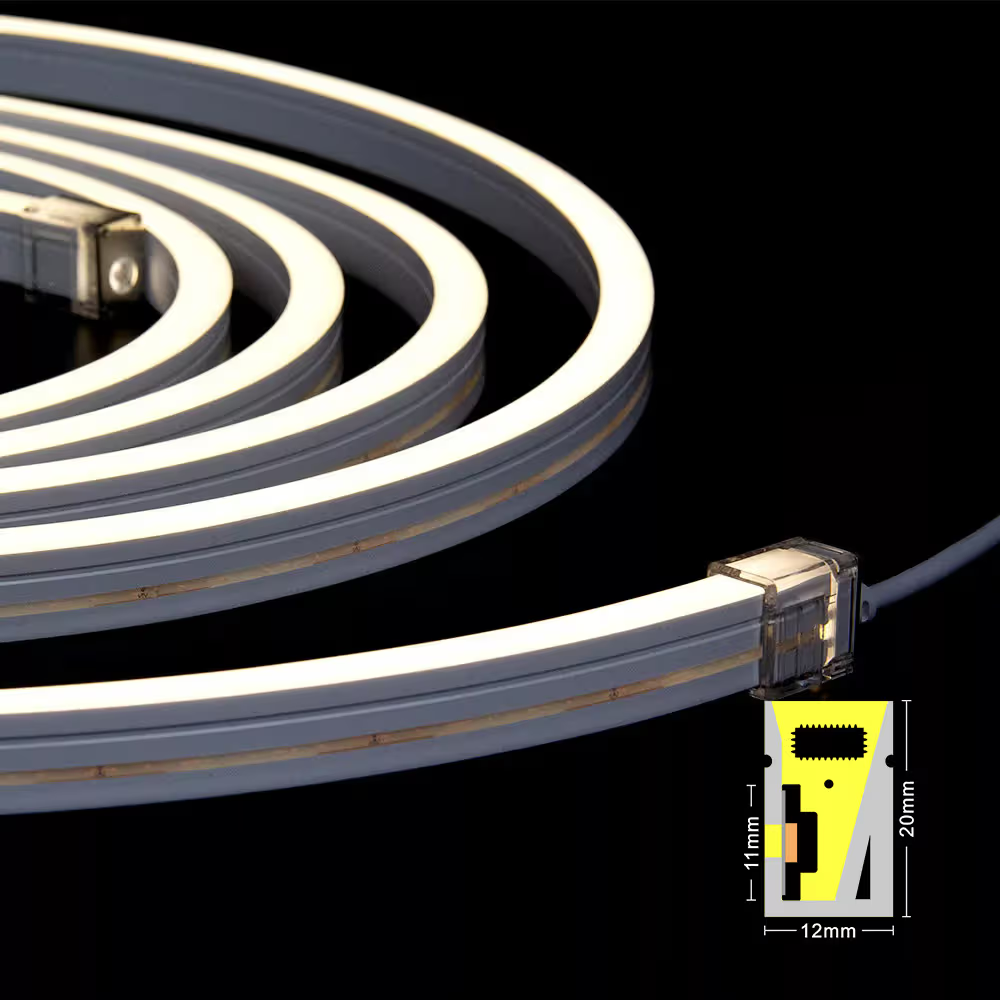
Side Bend S1220 Dải đèn LED có thể giải quyết bằng silicone cho kiến trúc, tường Glazer & chiếu sáng mặt tiền
- Số mô hình: NAA1220SC
- Điện áp đầu vào: DC24V
- Watt: 12W/m@rgb, 19W/m@rgbw
- Số lượng LED: SMD5050 50LED / M
- Nhiệt độ màu: SPI / DMX512
- CRI: > 80
- IP cấp: ip65 / ip67
- Đầu vào cáp: mặt trận
- Đường kính uốn tối thiểu: 100mm
- Chiều dài có thể cắt: 100mm
- Chiều dài: 5 mét/cuộn
Hệ thống máy giặt tường linh hoạt
Được thiết kế cho các bề mặt cong hoặc không đều, nơi các thiết bị cố định cứng không thể duy trì sự phân bố ánh sáng đồng đều.
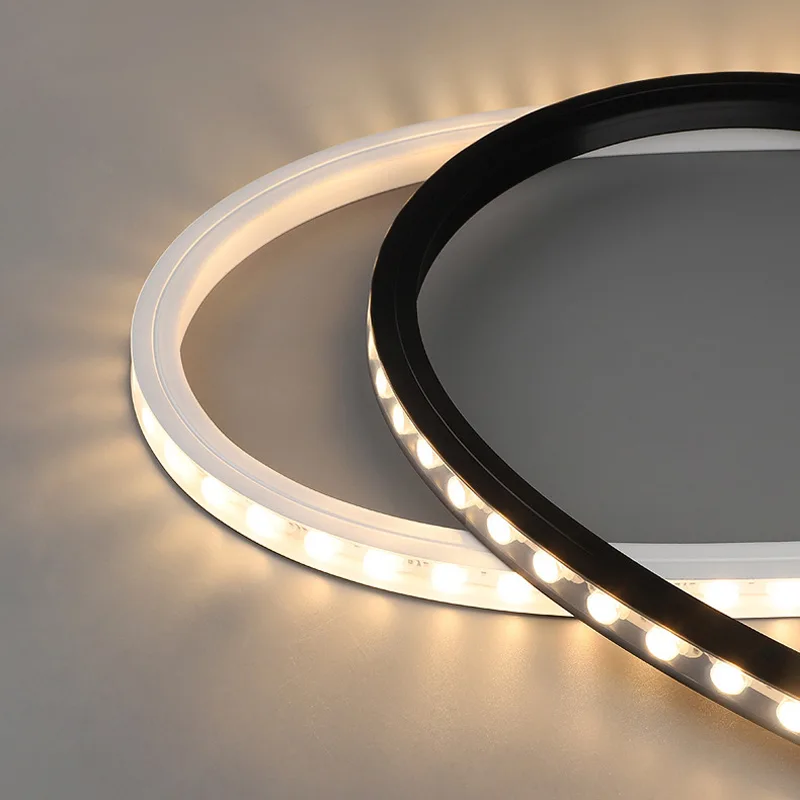
Đèn LED treo tường linh hoạt miễn phí (WOX2727E27C)
- Có thể uốn cong theo chiều dọc và chiều ngang
- Ống kính 10*60°/20*30°/45° cho nhiều góc độ
- Hiệu ứng ánh sáng cao 3535 LED có thể là ánh sáng trắng / DMX RGB RGBW
sự phiên dịch - Sử dụng thiết kế LC hiện tại không đổi, IP67 không thấm nước
- Phụ kiện clip hoàn chỉnh, giá đỡ, kênh nhôm,
Giá đỡ linh hoạt, thiết bị đặc biệt ngoài trời và có thể xoay - Uốn và xoắn nhẹ nhàng hơn, thể tích nhỏ hơn, lớn
Khối lượng, trọng lượng nhẹ - 50.000 giờ với bảo hành 5 năm
Hệ thống chiếu sáng mặt tiền tuyến tính
Được sử dụng để xác định các cạnh kiến trúc, đường viền và hình học cấu trúc.
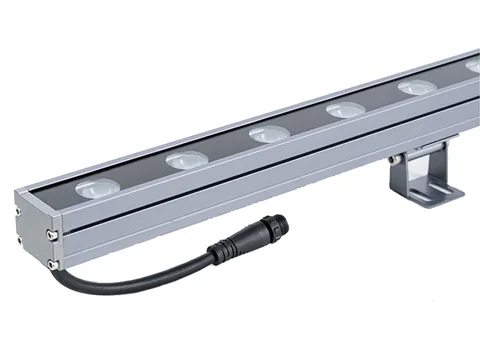
Máy rửa tường cứng dễ dàng tích hợp vào hệ thống máy giặt tường DMX512 để điều khiển ánh sáng đồng bộ.
- Điện áp đầu vào: DC24V
- Watt: 18W/24W
- Số lượng LED: 18pcs @ 18W, 24pcs @ 24W
- Màu sắc: 3000K / 4000K / 6500K / R / G / Y / B / RGB
- CRI: RA 70 @ 3000K / 4000K / 6500K
- Thông lượng phát sáng: 110-120lm / w @ 3000k / 4000k / 6500k
- Phương pháp điều khiển: Bộ điều khiển RGB/RGBW hoặc bộ giải mã DMX
- IP cấp: IP65/IP67
- Kích thước: 1000x28x38mm
- Góc chùm: 30 ° / 60 °
- Tuổi thọ: ≥50,000 giờ
Hệ thống động Pixel & DMX
Được sử dụng cho mặt tiền phương tiện, hình ảnh động và hiệu ứng ánh sáng kiến trúc thay đổi màu sắc.
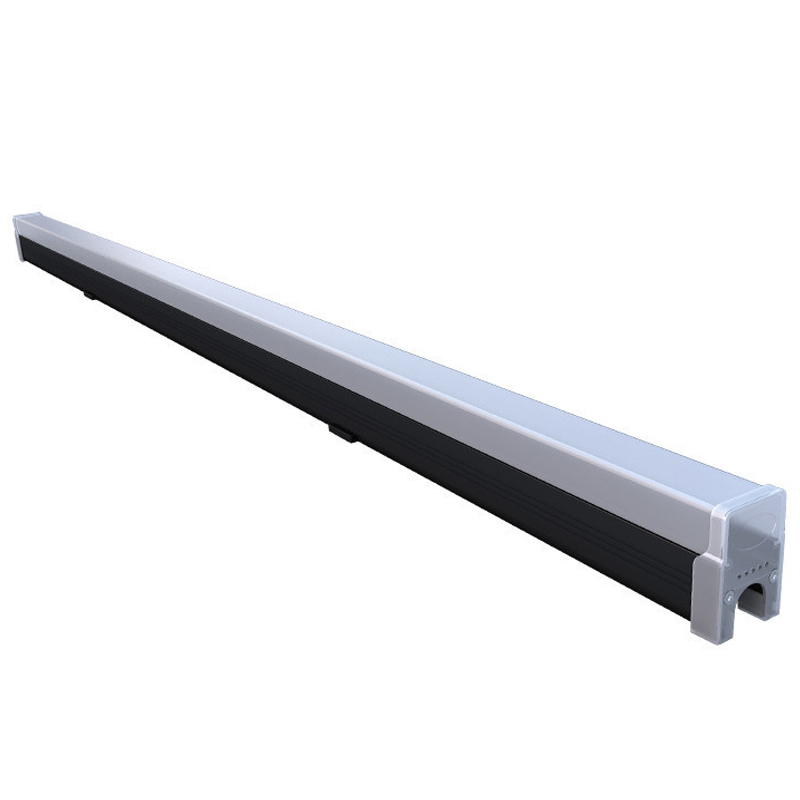
Máy giặt tường LED Pixel và RGB
- Điện áp đầu vào: DC24V
- Watt: 10W/12W
- Số lượng LED: 48pcs @ 10W, 60pcs @ 12W
- Màu sắc: 3000K / 4000K / 6500K / R / G / Y / B / RGB / RGBW
- CRI: RA 80 @ 3000K / 4000K / 6500K
- Thông lượng phát sáng: 100lm / w @ 3000k / 4000k / 6500k
- Phương pháp điều khiển: Bộ điều khiển RGB/RGBW hoặc bộ giải mã DMX
- IP cấp: IP65/IP67
- Kích thước: 1000x30x36mm
- Góc chùm: 120 °
- Tuổi thọ: ≥50,000 giờ
Lựa chọn vật cố định phải luôn phù hợp với hiệu ứng ánh sáng dự kiến và bối cảnh kiến trúc, thay vì chỉ dựa trên loại sản phẩm. Cách tiếp cận này đã được áp dụng thành công trong các dự án thực tế, chẳng hạn như dự án chiếu sáng mặt tiền khách sạn của chúng tôi sử dụng Hệ thống DMX512 RGBW.
Góc chùm & điều khiển quang học trong ánh sáng mặt tiền
Điều khiển quang học trong ánh sáng mặt tiền là gì?
Điều khiển quang học đề cập đến cách ánh sáng được định hướng, định hình và phân phối sau khi nó rời khỏi một thiết bị chiếu sáng.
Trong ánh sáng mặt tiền, điều khiển quang học xác định cách ánh sáng tương tác với các bề mặt kiến trúc, bao gồm nơi nó tiếp đất, cách nó lan truyền và liệu nó có tạo ra sự thoải mái về thị giác hay ánh sáng chói hay không.
Góc chùm minh họa cách ánh sáng được phân phối từ một vật cố định, cho thấy mối quan hệ giữa chùm tia hẹp và rộng trong các ứng dụng chiếu sáng mặt tiền.
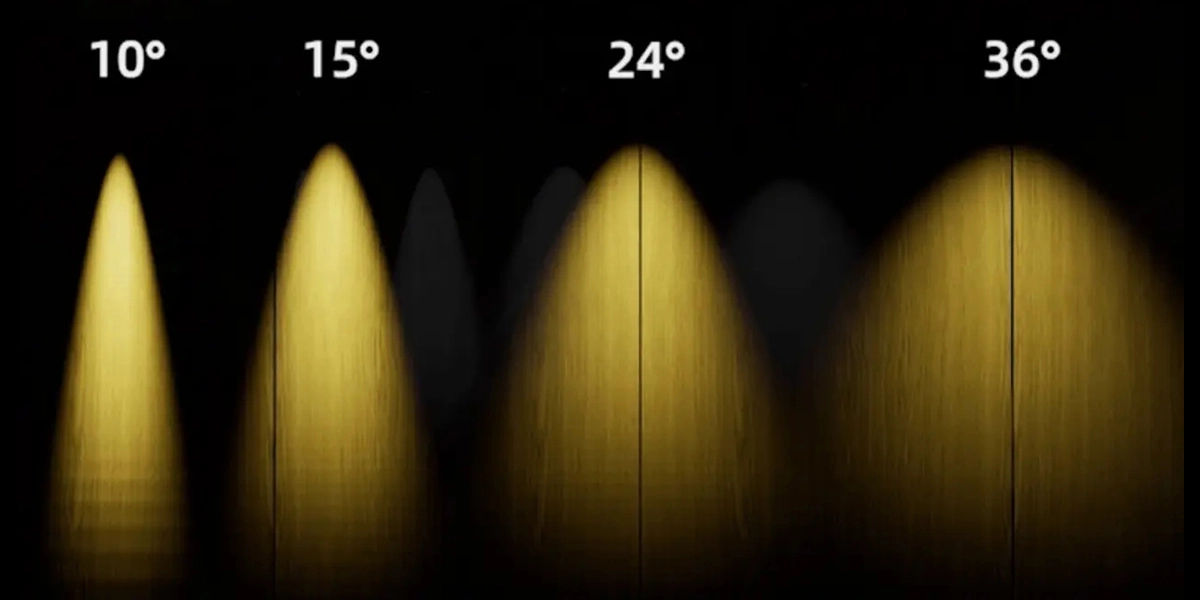
Góc chùm làm thông số quang học lõi
Góc chùm tia là một trong những yếu tố quan trọng nhất của điều khiển quang học. Nó xác định mức độ tập trung hoặc lan tỏa của chùm ánh sáng khi nó rời khỏi vật cố định.
| Phạm vi góc chùm | Hành vi nhẹ | Kết quả trực quan |
| 10 ° –15 ° | Chùm tập trung cao | Hiệu ứng ánh sáng mạnh, nhấn mạnh chi tiết |
| 20 ° –30 ° | Phân phối có kiểm soát | Chiếu sáng cân bằng |
| 30 ° –60 ° | Chênh lệch trung bình | Rửa tường và phủ đồng nhất |
| 60 ° + | sự phân tán rộng | Chiếu sáng mềm trên các bề mặt lớn |
Góc chùm thay đổi nhận thức kiến trúc như thế nào
Mặt tiền giống nhau có thể xuất hiện hoàn toàn khác nhau tùy thuộc vào lựa chọn góc chùm.
- Góc chùm hẹp nhấn mạnh cấu trúc, kết cấu và độ sâu.
- Góc chùm rộng tạo nên những bề mặt nhẵn, đều với độ tương phản giảm.
Góc chùm chỉ là một phần của điều khiển quang học
Hiệu suất quang học trong ánh sáng mặt tiền không được xác định bởi góc chùm. Các yếu tố quang học và vật lý khác cũng ảnh hưởng đến kết quả chiếu sáng cuối cùng.
| Yếu tố quang học | chức vụ |
| thấu kính | Hình dạng và tinh chỉnh phân phối chùm |
| gương phản chiếu | Chuyển hướng và mở rộng đầu ra ánh sáng |
| che chở | Giảm độ chói và kiểm soát khả năng hiển thị |
| vị trí cố định | Xác định góc nhìn và sự thoải mái |
Góc chùm xác định cách ánh sáng lan truyền, nhưng điều khiển quang học xác định cách ánh sáng được cảm nhận.
Trong thiết kế chiếu sáng mặt tiền chuyên nghiệp, cả hai phải được xem xét cùng nhau để đạt được sự thể hiện kiến trúc cân bằng và sự thoải mái về thị giác.
Tại sao cùng một mặt tiền trông khác nhau dưới ánh sáng khác nhau
Mặt tiền không thay đổi sau khi mặt trời lặn, nhưng đặc điểm hình ảnh của nó thường có.
Nguyên nhân không chỉ là lượng ánh sáng được áp dụng cho tòa nhà, mà còn là đặc điểm màu sắc của ánh sáng đó.
Ánh sáng ảnh hưởng đến cách thức vật liệu được cảm nhận
Các vật liệu xây dựng khác nhau phản ứng khác nhau với ánh sáng nhân tạo.
Đá tự nhiên thường có vẻ ấm hơn và phong phú hơn dưới ánh sáng trắng ấm, trong khi bề mặt thủy tinh và kim loại thường trông sạch sẽ hơn và hiện đại hơn dưới ánh sáng trắng trung tính hoặc mát mẻ.
| vật liệu mặt tiền | Hiệu ứng hình ảnh dưới ánh sáng ấm áp | Hiệu ứng hình ảnh dưới ánh sáng trung tính / mát mẻ |
| đá tự nhiên | ấm áp, lịch lãm, lịch sử | rõ ràng, có cấu trúc |
| gạch | Thoải mái, truyền thống | Kết cấu sắc nét hơn |
| cụ thể | Ngoại hình mềm mại | Đường kiến trúc mạnh mẽ hơn |
| kiếng viển | Giảm phản xạ | sắc nét và hiện đại |
| Tấm kim loại | Nhiều hơn | phản chiếu và kỹ thuật nhiều hơn |

Nhiệt độ màu là ngôn ngữ thiết kế
Nhiệt độ màu thường được thảo luận như một đặc điểm kỹ thuật, nhưng trong ánh sáng mặt tiền, nó hoạt động giống như một ngôn ngữ thiết kế.
Một sơ đồ chiếu sáng ấm áp có thể truyền đạt sự hiếu khách và di sản, trong khi sơ đồ mát hơn có thể nhấn mạnh độ chính xác, công nghệ hoặc kiến trúc đương đại.
Không có nhiệt độ màu "tốt nhất" phổ biến
Một trong những quan niệm sai lầm phổ biến nhất trong chiếu sáng mặt tiền là nhiệt độ màu cụ thể tốt hơn các loại khác.
Trên thực tế, các dự án thành công bắt đầu với câu chuyện kiến trúc mà tòa nhà dự định kể, và sau đó chọn một bảng màu chiếu sáng hỗ trợ câu chuyện đó.
Thay vì hỏi liệu 3000k hoặc 4000k Tốt hơn, một câu hỏi hữu ích hơn là: "Tòa nhà này nên được nhìn nhận như thế nào sau khi trời tối?"
Câu trả lời thường xác định chiến lược nhiệt độ màu phù hợp nhất.
Những sai lầm thường gặp trong thiết kế chiếu sáng mặt tiền
Ánh sáng mặt tiền có thể biến đổi một tòa nhà sau khi trời tối, nhưng hiếm khi đạt được kết quả thành công bằng cách thêm nhiều đồ đạc hoặc tăng độ sáng.
Nhiều dự án đáng thất vọng có cùng một vấn đề cơ bản: các quyết định chiếu sáng được đưa ra trước khi thiết lập một chiến lược trực quan rõ ràng.
Sai lầm #1: Tập trung vào đồ đạc thay vì mục tiêu thiết kế
Một sai lầm phổ biến là lựa chọn sản phẩm trước khi xác định những gì mặt tiền nên giao tiếp.
Tòa nhà nên thanh lịch, mang tính biểu tượng, hiện đại, chào đón hay năng động? Các mục tiêu khác nhau đòi hỏi các cách tiếp cận ánh sáng khác nhau.
Nếu không có mục tiêu thiết kế rõ ràng, ngay cả các sản phẩm chiếu sáng cao cấp cũng có thể tạo ra kết quả trung bình.
Sai lầm #2: Cố gắng chiếu sáng mọi thứ
Không phải mọi yếu tố kiến trúc đều cần sự quan tâm như nhau.
Một trong những sai lầm về chiếu sáng mặt tiền thường gặp nhất là cố gắng làm nổi bật mọi bề mặt, chi tiết và tính năng đồng thời.
Khi mọi thứ trở thành tâm điểm, không có gì thực sự nổi bật.
Các dự án thành công sử dụng độ tương phản, phân cấp và sự nhấn mạnh có chọn lọc để hướng dẫn người xem.
Sai lầm #3: Sử dụng ánh sáng động không có mục đích
Công nghệ RGBW, DMX và Media Feague đã mở rộng khả năng sáng tạo của ánh sáng kiến trúc.
Tuy nhiên, việc thêm chuyển động và màu sắc không tự động cải thiện mặt tiền.
Khi các hình động không liên quan đến kiến trúc hoặc danh tính dự án, chúng thường trở thành sự phân tâm thị giác hơn là cải tiến.
Công nghệ nên hỗ trợ câu chuyện kiến trúc chứ không phải thay thế nó.
Sai lầm #4: Bỏ qua vận hành và bảo trì lâu dài
Một hệ thống chiếu sáng mặt tiền dự kiến sẽ thực hiện trong nhiều năm, không chỉ trong quá trình bàn giao dự án.
Truy cập bảo trì, độ tin cậy chống thấm nước, độ phức tạp của hệ thống kiểm soát và thay thế linh kiện trong tương lai thường bị đánh giá thấp trong giai đoạn thiết kế.
Các dự án thành công nhất cân bằng tác động trực quan với tính thực tế hoạt động.
Sai lầm #5: Thiết kế cho đồ đạc thay vì người xem
Mọi người trải nghiệm ánh sáng mặt tiền từ đường phố, không gian công cộng, công viên và các tòa nhà xung quanh — không phải từ chính vật cố định.
Một thiết kế ánh sáng xuất hiện ấn tượng trong các kết xuất có thể hoạt động rất khác trong điều kiện xem thực.
Các yếu tố như khoảng cách xem, tầm nhìn, kiểm soát ánh sáng chói và bối cảnh đô thị phải luôn được xem xét từ góc độ của khán giả.
Hầu hết các sự cố ánh sáng mặt tiền không phải do sản phẩm kém, mà do quy hoạch kém.
Ánh sáng mặt tiền thành công bắt đầu với tầm nhìn kiến trúc rõ ràng, tiếp theo là các chiến lược chiếu sáng, lựa chọn khung cố định, thiết kế quang học và hệ thống điều khiển làm việc cùng nhau để hỗ trợ tầm nhìn đó.
Các yếu tố chính để đánh giá trước khi chọn ánh sáng mặt tiền
Lựa chọn ánh sáng mặt tiền không chỉ là chọn đồ đạc hoặc thiết lập mức độ sáng.
Một giải pháp thành công luôn bắt đầu từ việc hiểu ý định kiến trúc, điều kiện xem và các yêu cầu đầy đủ về vòng đời.
Ánh sáng cần nhấn mạnh điều gì?
Bước đầu tiên là xác định những gì mặt tiền nên giao tiếp trực quan.
Không phải tất cả các yếu tố kiến trúc nên được đối xử bình đẳng.
| Yếu tố kiến trúc | Chiến lược chiếu sáng được đề xuất |
| Mặt tiền chính | giặt quần áo |
| Cấu trúc kết cấu | sự ăn cỏ |
| Chi tiết kiến trúc | ánh sáng điểm nhấn |
| đường mái / đường viền | ánh sáng tuyến tính |
| Biểu hiện mốc | RGBW / DMX động |
Việc chiếu sáng quá mức mọi yếu tố thường làm giảm độ rõ nét của hình ảnh thay vì cải thiện nó.
Khoảng cách xem xác định logic thiết kế
Thiết kế chiếu sáng phải theo nhận thức của con người, không phải vị trí cố định.
| Xem khoảng cách | ưu tiên thiết kế |
| <20 m | Biểu hiện chi tiết tốt |
| 20–100 m | Cân bằng chi tiết và hình thức |
| > 100 m | Hình bóng & nhận dạng mốc |
Mặt tiền tương tự có thể yêu cầu các chiến lược chiếu sáng hoàn toàn khác nhau tùy thuộc vào mức độ nhìn của nó.
Ràng buộc về môi trường và kỹ thuật
Hệ thống chiếu sáng mặt tiền phải hoạt động đáng tin cậy trong nhiều năm trong điều kiện ngoài trời.
Các yếu tố chính bao gồm:
- Nguy cơ ăn mòn ven biển / biển
- Độ ẩm cao hoặc lượng mưa lớn
- Chu kỳ nhiệt độ cực cao
- Bụi đô thị và tiếp xúc với ô nhiễm
- Khả năng tiếp cận bảo trì
Những điều kiện này ảnh hưởng trực tiếp đến:
- Lựa chọn vật liệu nhà ở
- Yêu cầu xếp hạng IP
- bài chống Đối - Mức độ điều trị ăn mòn
- Phương pháp cài đặt trình điều khiển
Mô hình chi phí vòng đời (Capex + Opex)
Thay vì chỉ đánh giá giá sản phẩm, ánh sáng mặt tiền nên được đánh giá thông qua tổng chi phí vòng đời:
Cơ cấu chi phí điển hình (phạm vi chỉ định cho mỗi dự án 100m mặt tiền)
| chi phí thành phần | Phạm vi điển hình (USD) | lời ghi chép |
| Đồ đạc (Hệ thống LED) | $8,000 - $25,000 | Phụ thuộc vào loại (Washer / Pixel / Linear) |
| Hệ thống điều khiển (Bộ điều khiển DMX / RGBW) | $2,000 – $12,000 | Cao hơn cho Pixel + Mặt tiền phương tiện |
| lắp đặt | $5.000 - $18,000 | Phụ thuộc vào chiều cao và độ phức tạp |
| Hệ thống cáp điện & hạ tầng điện | $3,000 - $10,000 | thường bị đánh giá thấp |
| Vận hành & Lập trình | $1.500 - $8,000 | Đặc biệt đối với hệ thống DMX |
| Bảo trì hàng năm (OPEX) | $1,000 – $5,000/năm | Vệ sinh, thay thế, điều chỉnh |
cái nhìn sâu sắc
Hệ thống cố định chi phí thấp có thể trở nên đắt đỏ theo thời gian do:
- Tần số bảo trì cao
- khó tiếp cận thay thế
- Xử lý sự cố điều khiển phức tạp
- Độ tin cậy chống thấm kém
Trong nhiều dự án thực tế, OPEX trong 5 năm có thể vượt quá chi phí cố định ban đầu là 30–80%, đặc biệt là đối với các hệ thống động.
Kiểm tra yêu cầu động và động tĩnh
Không phải mọi mặt tiền đều cần ánh sáng năng động.
| Loại dự án | Hệ thống khuyến nghị |
| Khách sạn / Khu dân cư | Ánh sáng trắng tĩnh |
| tòa nhà văn phòng | màu trắng tĩnh hoặc có thể điều chỉnh được |
| Tổ hợp thương mại | Hệ thống RGBW |
| kiến trúc mốc | Điều khiển DMX / pixel |
| Mặt tiền truyền thông | Hệ thống điểm ảnh động đầy đủ |
Hệ thống động chỉ nên được sử dụng khi có yêu cầu tường thuật hoặc xây dựng thương hiệu rõ ràng.
Bảo trì & vận hành lâu dài
Hệ thống chiếu sáng không phải là cài đặt một lần — chúng là hệ điều hành dài hạn.
Điểm đánh giá chính:
- Khả năng tiếp cận thay thế trình điều khiển
- Độ bền niêm phong không thấm nước
- Sẵn có phụ tùng (3–5 năm)
- Hệ thống điều khiển nâng cấp tiềm năng
- Khả năng xử lý sự cố từ xa
Một thiết kế tốt sẽ giảm thiểu sự can thiệp trong tương lai hơn là tăng độ phức tạp về thị giác.
Tĩnh, RGBW, hay DMX? Lựa chọn điều khiển chiếu sáng mặt tiền phù hợp
Hệ thống điều khiển chiếu sáng mặt tiền không phải là công nghệ có thể thay thế cho nhau. Mỗi chiến lược kiểm soát phục vụ một mục đích kiến trúc khác nhau và sự lựa chọn phù hợp phụ thuộc vào mục tiêu trực quan của dự án, yêu cầu hoạt động và mục đích thiết kế dài hạn.
Một trong những sai lầm phổ biến nhất trong các dự án chiếu sáng mặt tiền là lựa chọn hệ thống điều khiển dựa trên sở thích công nghệ hơn là yêu cầu kiến trúc.
Một hệ thống màu trắng tĩnh vốn không thua kém hệ thống RGBW do DMX điều khiển. Tương tự như vậy, mặt tiền truyền thông không tự động thành công hơn một sơ đồ chiếu sáng kiến trúc được thiết kế cẩn thận.
Chiến lược kiểm soát hiệu quả nhất là chiến lược phù hợp với mục đích, mục tiêu trực quan và khả năng bảo trì của tòa nhà.
Chiến lược kiểm soát nào phù hợp với dự án của bạn?
Trước khi đánh giá các công nghệ cụ thể, việc xác định mục tiêu chính của hệ thống chiếu sáng là rất hữu ích.
| mục tiêu dự án | Chiến lược kiểm soát khuyến nghị |
| Làm nổi bật hình thức kiến trúc với bảo trì tối thiểu | ánh sáng tĩnh |
| điều chỉnh bầu không khí vào các thời điểm khác nhau | điều chỉnh được màu trắng |
| Hỗ trợ các chiến dịch xây dựng thương hiệu và các sự kiện theo mùa | ánh sáng rgbw |
| Tạo cảnh được lập trình và hiệu ứng đồng bộ | Điều khiển DMX |
| Cung cấp hình ảnh động, nội dung truyền thông hoặc kể chuyện kỹ thuật số | pixel kiểm soát |
Trong hầu hết các dự án, chiến lược điều khiển nên được xác định trước khi lựa chọn đồ đạc, vì nó ảnh hưởng trực tiếp đến kiến trúc hệ thống, yêu cầu về hệ thống dây điện, độ phức tạp vận hành và bảo trì trong tương lai.
Khi nào thì ánh sáng tĩnh là lựa chọn tốt hơn?
Hệ thống chiếu sáng tĩnh cung cấp độ sáng cố định và đầu ra màu cố định mà không có thay đổi động.
Mặc dù các công nghệ chiếu sáng động nhận được sự quan tâm đáng kể, nhưng nhiều dự án chiếu sáng mặt tiền thành công vẫn tiếp tục dựa vào ánh sáng tĩnh.
Hệ thống tĩnh thường là giải pháp được ưu tiên khi:
- Khách sạn và tòa nhà khách sạn
- Tòa nhà văn phòng và trụ sở công ty
- Phát triển khu dân cư
- kiến trúc lịch sử
- Dự án hạ tầng
Ưu điểm chính là độ tin cậy lâu dài, yêu cầu bảo trì thấp hơn, cài đặt đơn giản và hiệu suất trực quan có thể dự đoán được.
Đối với nhiều dự án kiến trúc, một hệ thống chiếu sáng tĩnh được thiết kế tốt đạt được kết quả tốt hơn so với một giải pháp động phức tạp không cần thiết.
Khi nào RGBW tạo ra giá trị thực?
Hệ thống RGBW giới thiệu khả năng đủ màu trong khi vẫn duy trì hiệu suất ánh sáng trắng chất lượng cao.
Không giống như ánh sáng tĩnh, hệ thống RGBW cho phép một tòa nhà thích ứng với sự xuất hiện của nó cho các dịp, sự kiện và yêu cầu thương hiệu khác nhau.
Các ứng dụng điển hình bao gồm:
- Khu phức hợp thương mại và trung tâm thương mại
- Khu vui chơi giải trí
- tòa nhà văn hóa
- DẤU HIỆU CÔNG
- Dự án chiếu sáng theo mùa và khuyến mại
Tuy nhiên, RGBW nên được chọn khi bản thân màu sắc là một phần của chiến lược kiến trúc hoặc thương hiệu — không chỉ đơn giản vì công nghệ có sẵn.
Nếu không có mục đích trực quan rõ ràng, việc thay đổi màu sắc quá mức có thể dễ dàng làm giảm độ rõ nét kiến trúc và tính nhất quán của hình ảnh.
Khi nào một dự án thực sự cần DMX?
Hệ thống điều khiển DMX thể hiện mức độ linh hoạt cao hơn và kiểm soát sáng tạo.
Không giống như điều khiển RGBW đơn giản, DMX cho phép các thiết bị được giải quyết riêng lẻ và lập trình như một phần của hệ thống chiếu sáng phối hợp.
DMX thường được chứng minh khi tồn tại một hoặc nhiều yêu cầu sau:
✓ Địa chỉ cố định cá nhân
✓ Lập lịch cảnh và tự động hóa
✓ Hoạt hình mặt tiền đồng bộ
✓ Điều khiển ánh sáng đa vùng
✓ Chương trình chiếu sáng dựa trên sự kiện
✓ Tích hợp với hệ thống mặt tiền phương tiện
Các ứng dụng điển hình bao gồm:
- các tòa nhà mốc
- Tháp biểu tượng
- Dự án thành phố thông minh
- nghệ thuật lắp đặt công cộng
- Phát triển thương mại cao cấp
Mặc dù DMX cung cấp tính linh hoạt đặc biệt, nhưng nó cũng đòi hỏi nhiều kế hoạch hơn, vận hành, lập trình và quản lý liên tục.
DMX vs Kiểm soát điểm ảnh: Hiểu sự khác biệt
Điều khiển DMX và pixel thường được thảo luận cùng nhau, nhưng chúng phục vụ các mục đích khác nhau.
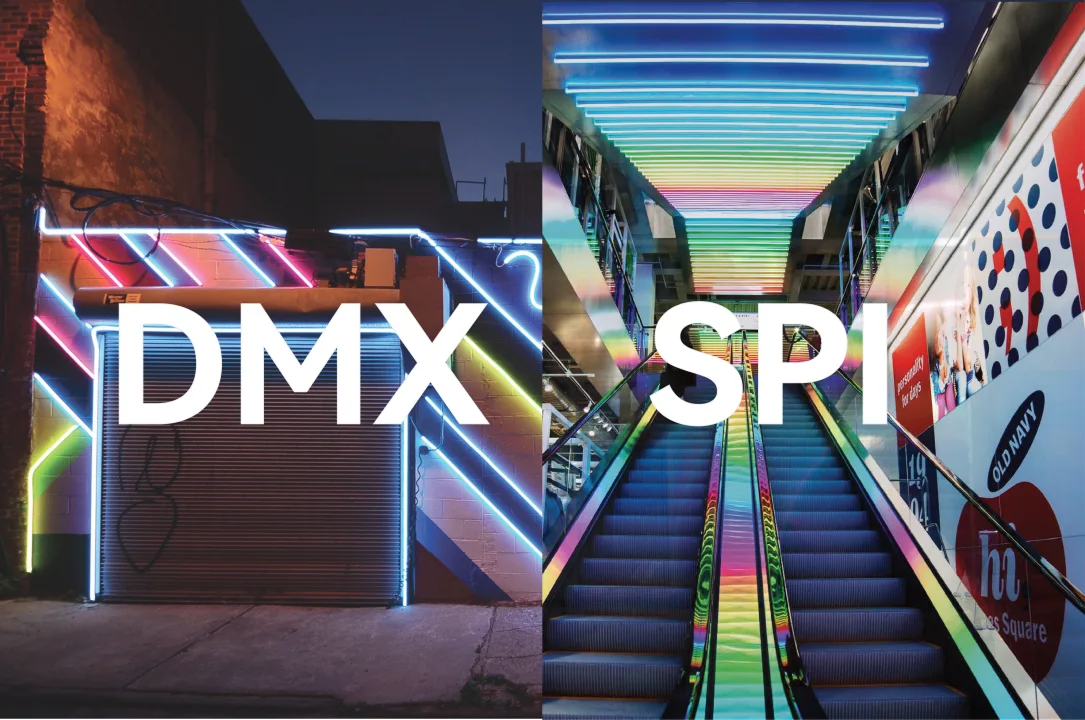
| Loại hệ thống | mục đích chính |
| Điều khiển DMX | Đồng bộ hóa các nhóm đồ đạc và cảnh được lập trình |
| pixel kiểm soát | Kiểm soát các pixel riêng lẻ cho hoạt ảnh và nội dung phương tiện |
một khung quyết định đơn giản
Khi chọn hệ thống điều khiển ánh sáng mặt tiền, có thể sử dụng khung đơn giản hóa sau:
| yêu cầu dự án | Giải pháp được đề xuất |
| Chỉ chiếu sáng kiến trúc | ánh sáng tĩnh |
| Điều chỉnh bầu không khí và biến thể tinh tế | điều chỉnh được màu trắng |
| Thương hiệu và thay đổi màu sắc theo mùa | ánh sáng rgbw |
| Cảnh động và hiệu ứng đồng bộ | Điều khiển DMX |
| Mặt tiền truyền thông và kể chuyện kỹ thuật số | pixel kiểm soát |
Trong thực tế, nhiều dự án thành công kết hợp nhiều chiến lược điều khiển trên các khu vực mặt tiền khác nhau để cân bằng giữa biểu hiện kiến trúc, tính linh hoạt và bảo trì lâu dài.
FAQ
Phần kết luận
Ánh sáng mặt tiền kiến trúc không chỉ đơn giản là chiếu sáng một tòa nhà vào ban đêm. Một sơ đồ chiếu sáng thành công kết hợp sự hiểu biết về kiến trúc, kỹ thuật chiếu sáng phù hợp, lựa chọn khung cố định, điều khiển quang học, chiến lược màu sắc và hệ thống điều khiển thành một cách tiếp cận thiết kế thống nhất.
Cho dù mục tiêu là nâng cao kiến trúc tinh tế, thể hiện thương hiệu, cải thiện khả năng hiển thị vào ban đêm, hoặc hiệu ứng mặt tiền động quy mô lớn, các dự án hiệu quả nhất luôn bắt đầu bằng việc hiểu chính tòa nhà trước khi lựa chọn đồ đạc, góc chiếu, quang học và chiến lược điều khiển.
Khi công nghệ chiếu sáng mặt tiền tiếp tục phát triển, các nhà thiết kế và các bên liên quan dự án có thể tiếp cận với nhiều công cụ hơn bao giờ hết. Tuy nhiên, chiếu sáng mặt tiền thành công hiếm khi được xác định bằng công nghệ tiên tiến nhất. Thay vào đó, nó được xác định bởi cách ánh sáng hỗ trợ kiến trúc hiệu quả, nâng cao trải nghiệm người dùng và tạo ra giá trị lâu dài cho dự án.
Lập kế hoạch dự án chiếu sáng mặt tiền?
Mỗi dự án chiếu sáng mặt tiền đều có các yêu cầu kiến trúc, kỹ thuật và vận hành độc đáo. Việc lựa chọn các kỹ thuật chiếu sáng, thiết bị chiếu sáng, hệ thống quang học và hệ thống điều khiển phù hợp thường yêu cầu đánh giá theo từng dự án cụ thể.
Nếu bạn hiện đang phát triển một dự án chiếu sáng mặt tiền, đội ngũ kỹ sư của chúng tôi có thể hỗ trợ:
- Đề xuất lựa chọn lịch thi đấu
- Góc chùm tia và phân tích quang học
- Đề xuất bố trí ánh sáng
- Hướng dẫn hệ thống điều khiển DMX và RGBW
- Đánh giá chi phí dự án
Vui lòng chia sẻ bản vẽ, độ cao mặt tiền, kết xuất hoặc yêu cầu dự án để xem xét kỹ thuật.
Bài viết liên quan