Nederlands
  English
  简体中文
简体中文  Deutsch
  Español
  Français
  Italiano
  日本語
日本語  한국어
한국어  Polski
  Português
  Русский
  Türkçe
  Tiếng Việt
  ไทย
ไทย 
Architectonische gevelverlichting verwijst naar het strategische ontwerp en de toepassing van verlichtingssystemen die worden gebruikt om de buitenkant van gebouwen te verlichten voor zowel functionele zichtbaarheid als architecturale expressie. Het speelt een cruciale rol bij het definiëren van identiteitsopbouw, het verbeteren van de nachtelijke perceptie en het vormgeven van hoe architectuur wordt ervaren in stedelijke omgevingen.
In tegenstelling tot eenvoudige buitenverlichting, is gevelverlichting een multidisciplinair ontwerpproces dat verlichtingstechnieken, optische controle, armatuurselectie en besturingssystemen integreert. Het uiteindelijke resultaat wordt niet alleen bepaald door armaturen, maar ook door hoe licht wordt gevormd, verdeeld en gecontroleerd over architecturale oppervlakken.
Deze gids biedt een gestructureerd kader voor het begrijpen van gevelverlichtingsontwerp vanuit zowel conceptueel als praktisch perspectief. Het legt belangrijke verlichtingstechnieken, optische principes, methoden voor het selecteren van armaturen en controlestrategieën uit die in echte architecturale projecten worden gebruikt.
In plaats van zich te concentreren op geïsoleerde producten of effecten, helpt het lezers om te begrijpen hoe een compleet gevelverlichtingssysteem wordt gepland en geëvalueerd - van ontwerpintentie tot technische uitvoering.
Belangrijkste aandachtsgebieden
Deze gids behandelt de volgende essentiële aspecten van gevelverlichtingsontwerp, en vormt een volledig begrip op systeemniveau, van optische principes tot controlestrategieën:
- Verlichtingstechnieken (muurwas, begrazing, accentverlichting)
- Type armatuur en toepassingsscenario's
- Stralingshoekoptimalisatie voor geveluniformiteit
- verhinderend - Schitterende ontwerp- en lichtinsluitingsstrategieën
- Kleurtemperatuurplanning voor architecturale contexten
- DMX-gebaseerde dynamische lichtregelingssystemen

Wat is gevelverlichting
gevel verlichting Verwijst naar de architecturale verlichtingstechniek die wordt gebruikt om de buitenoppervlakken van gebouwen te verlichten om de zichtbaarheid te verbeteren, structurele kenmerken te benadrukken en 's nachts architectonisch ontwerp uit te drukken.
In tegenstelling tot algemene verlichting is gevelverlichting niet alleen functioneel, maar ook esthetisch en ervaringsgericht. Het wordt veel gebruikt om gebouwen om te vormen tot visuele monumenten binnen stedelijke omgevingen.
Gevelverlichtingssystemen combineren doorgaans meerdere verlichtingsstrategieën om evenwichtige resultaten te bereiken. Deze omvatten wandwassing voor uniforme verlichting, begrazing voor textuurverbetering en accentverlichting voor het benadrukken van architecturale details.

Kernkenmerken van gevelverlichting
- Verbetert de architecturale identiteit en zichtbaarheid 's nachts
- Combineert functionele verlichting met esthetisch ontwerp
- Werkt met geometrie, materialen en oppervlakken van het gebouw
- Vereist zorgvuldige controle van stralingshoeken, intensiteit en uniformiteit
- Vaak geïntegreerd met dynamische besturingssystemen zoals DMX voor moderne toepassingen
Verlichtingsmethoden in gevelontwerp
Gevelverlichting wordt meestal bereikt door middel van verschillende kernverlichtingsmethoden, die elk een uitgesproken visuele functie vervullen in architecturale verlichting.
- Wandwassing - Zorgt voor een uniforme verlichting over grote geveloppervlakken.
- Wandbegrazing - Verbetert de oppervlaktetextuur en materiaaldiepte door directioneel licht.
- Accentverlichting – belicht specifieke architecturale elementen zoals kolommen of ingangen.
- Overzichtsverlichting - definieert het gebouwsilhouet met behulp van lineaire verlichtingssystemen.
Deze methoden worden vaak gecombineerd in real-world projecten om gebalanceerde lichteffecten te creëren in plaats van onafhankelijk te worden gebruikt.
Verlichtingstechnieken in gevelontwerp
Gevelverlichtingstechnieken verwijzen naar de praktische methoden die worden gebruikt om het licht op architecturale oppervlakken vorm te geven, te verdelen en te controleren. Deze technieken bepalen hoe gebouwen 's nachts visueel worden waargenomen, waardoor de diepte, textuur en algehele architecturale expressie worden beïnvloed.
Elke verlichtingstechniek heeft een duidelijk visueel en functioneel doel, en in de meeste architecturale projecten worden meerdere technieken gecombineerd om een uitgebalanceerde verlichtingscompositie te bereiken.
1. Wandwas
Deze techniek wordt op grote schaal toegepast in commerciële gebouwen, hotels en openbare architectuur, waar visuele uniformiteit en architecturale duidelijkheid vereist zijn.
Wandwas is een verlichtingstechniek die zorgt voor uniforme verlichting over grote verticale oppervlakken. Het wordt vaak gebruikt om een schoon, continu lichteffect te creëren dat de algehele vorm van een gebouw benadrukt in plaats van de oppervlaktetextuur.
2. Muurbegrazing
muur beweiding is een techniek waarbij licht dicht bij het oppervlak van de muur wordt geplaatst om texturen, materialen en structurele details te benadrukken door middel van schaduwen en contrast.
Het is vooral effectief voor steen-, bakstenen of gestructureerde gevels, waarbij oppervlaktedetails een belangrijk onderdeel zijn van de architecturale uitdrukking.
3. Accentverlichting
Accentverlichting wordt gebruikt om specifieke architecturale elementen zoals kolommen, ingangen, frames of decoratieve kenmerken te benadrukken. Het helpt bij het creëren van visuele hiërarchie door de aandacht te vestigen op belangrijke ontwerpelementen.
Deze techniek wordt vaak gebruikt in combinatie met wandwas om vlakke lichteffecten te voorkomen en visueel contrast te introduceren.

4. Overzichtsverlichting
Omtrekverlichting definieert het silhouet van een gebouw met behulp van lineaire of flexibele verlichtingssystemen. Het wordt vaak gebruikt om de architecturale geometrie te benadrukken en een sterke nachtelijke identiteit te creëren.
Het is vooral effectief voor moderne architectuur en monumentale gebouwen waar visuele herkenning belangrijk is.

5. Combinatiestrategie
In real-world gevelverlichtingsprojecten worden deze technieken zelden geïsoleerd gebruikt. In plaats daarvan combineren ontwerpers meerdere methoden om gelaagde lichteffecten te bereiken die uniformiteit, contrast en architecturale nadruk in evenwicht houden.
Om deze verlichtingstechnieken effectief te implementeren, is een goede selectie van armatuurtypes en optische systemen vereist. In het volgende gedeelte wordt uitgelegd hoe verschillende gevelverlichtingsarmaturen zijn gestructureerd en geselecteerd voor verschillende architecturale toepassingen.
Gevelverlichtingsarmaturen & toepassingen
Gevelverlichtingsarmaturen kunnen worden gecategoriseerd op basis van hun functionele rol in architectonisch lichtontwerp. Elk type armatuur komt overeen met een specifiek lichteffect en wordt geselecteerd op basis van zowel visuele eisen als installatieomstandigheden.
LED-Wall Washer-systemen
Gebruikt voor uniforme verlichting met grote oppervlakte waar een vloeiende helderheid en architecturale helderheid vereist zijn.
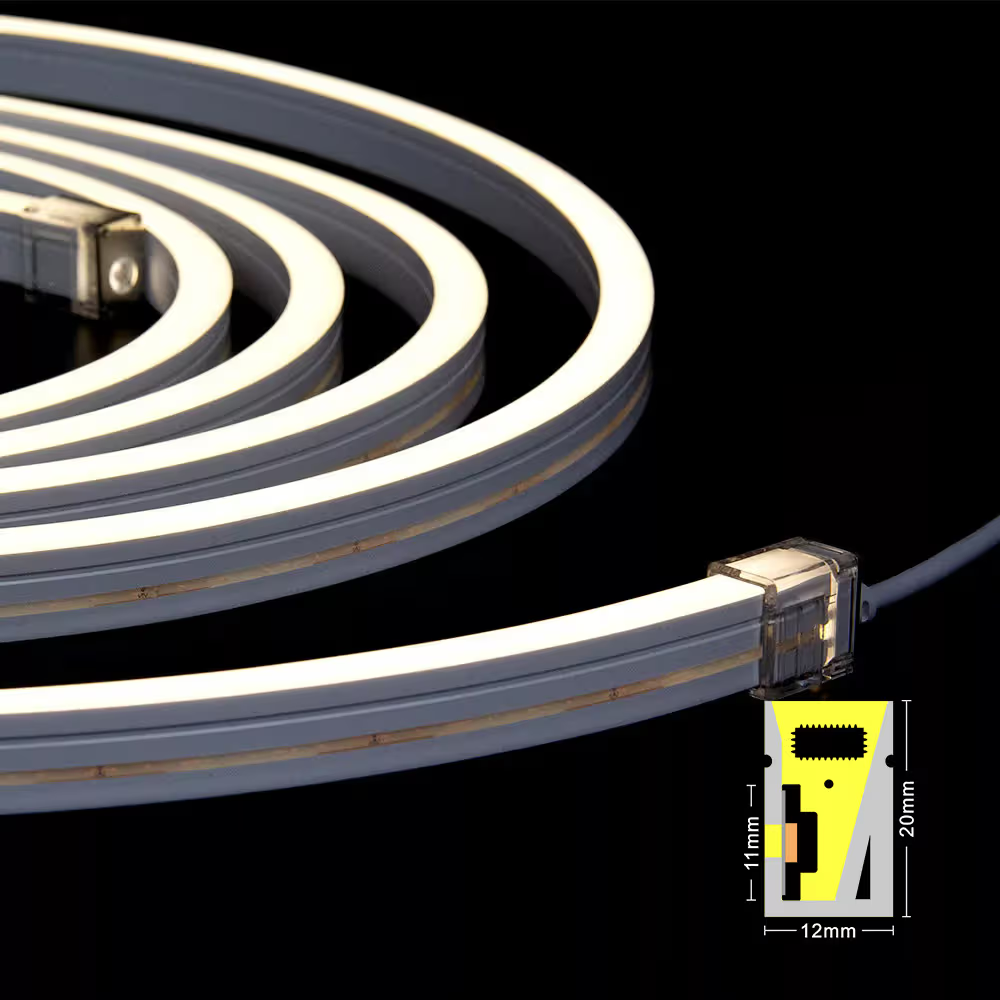
Side Bend S1220 Silicone Adresseerbare LED Neon Strip voor Architecturale, Muur Glazer & Gevelverlichting
- Modelnr: NAA1220SC
- Ingangsspanning: DC24V
- Watt: 12W/m@RGB, 19W/m@RGBW
- LED AANTAL: SMD5050 50LEDs/m
- Kleurtemperatuur: SPI/DMX512
- CRI: >80
- IP-klasse: IP65/IP67
- Kabelinvoer: Voor
- Min. buigdiameter: 100 mm
- Snijbare lengte: 100 mm
- Lengte: 5 meter/rol
Flexibele wandwasmachines
Ontworpen voor gebogen of onregelmatige oppervlakken waar stijve armaturen geen uniforme lichtverdeling kunnen behouden.
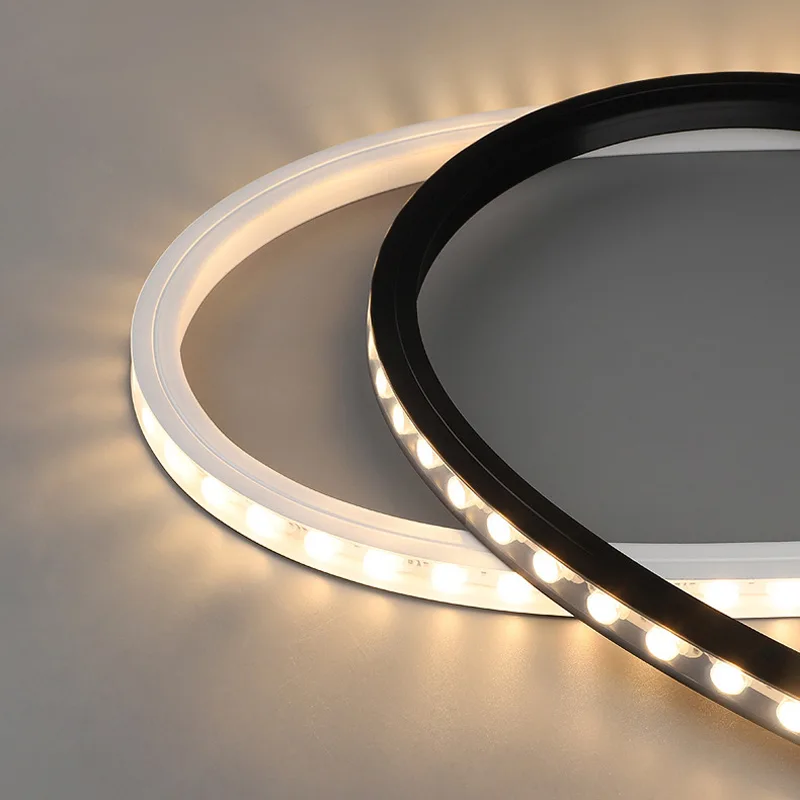
Free Bend Flexibele LED Muurwasmachine (WOX2727E27C)
- Kan verticaal en horizontaal worden gebogen
- 10*60°/20*30°/45° lens voor meerdere hoeken
- Hoog lichteffect 3535 LED kan wit licht/DMX RGB RGBW zijn
versie - Met behulp van constante huidige lC ontwerp, IP67 waterdicht
- Complete clip accessoires, beugel, aluminium kanaal,
flexibele beugel, speciale apparatuur voor buiten en draaibaar - Zacht buigen en draaien, kleiner volume, groot
volume, licht gewicht - Levensduur van 50.000 uur met 5 jaar garantie
Lineaire gevelverlichtingssystemen
Gebruikt om architecturale randen, contouren en structurele geometrie te definiëren.
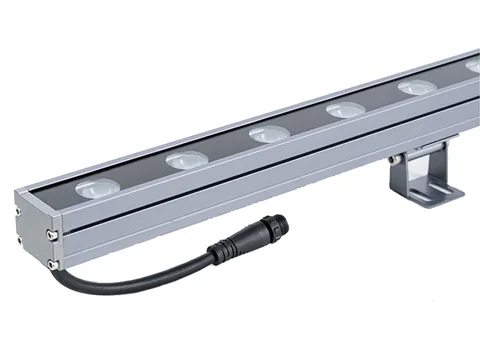
Stijve wandsproeiers kunnen eenvoudig worden geïntegreerd in DMX512 wandsproeiersystemen voor gesynchroniseerde lichtregeling.
- Ingangsspanning: DC24V
- Watt: 18W/24W
- LED Aantal: 18pcs@18W, 24pcs@24W
- Kleur: 3000K/4000K/6500K/R/G/Y/B/RGB
- CRI : RA 70@3000K/4000K/6500K
- Lichtstroom: 110-120lm/W@3000K/4000K/6500K
- Bedieningsmethode: RGB/RGBW-controller of DMX-decoder
- IP Rang: IP65/IP67
- Maat: 1000x28x38mm
- Stralingshoek: 30°/60°
- Levensduur: ≥ 50.000 uur
Pixel & DMX dynamische systemen
Gebruikt voor mediagevels, animaties en kleurveranderende architecturale lichteffecten.
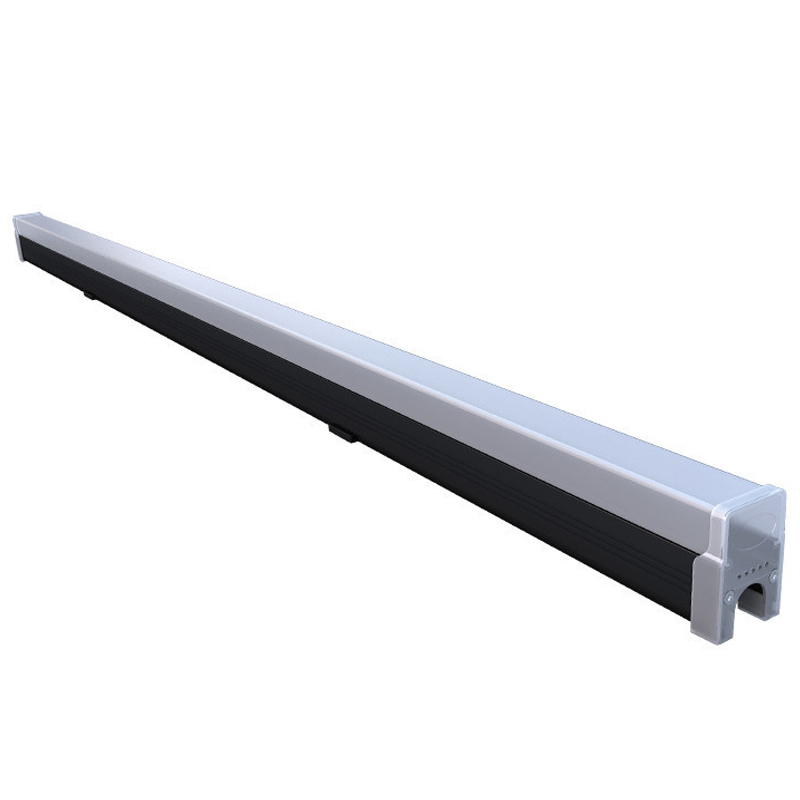
Pixel en RGB LED-wandringen
- Ingangsspanning: DC24V
- Watt: 10W/12W
- LED Aantal: 48pcs @ 10W, 60pcs@12W
- Kleur: 3000K/4000K/6500K/R/G/Y/B/RGB/RGBW
- CRI : RA 80@3000K/4000K/6500K
- Lichtstroom: 100lm/w@3000k/4000k/6500k
- Bedieningsmethode: RGB/RGBW-controller of DMX-decoder
- IP Rang: IP65/IP67
- Maat: 1000x30x36mm
- Stralingshoek: 120°
- Levensduur: ≥ 50.000 uur
De selectie van armaturen moet altijd aansluiten bij het beoogde lichteffect en de architecturale context, in plaats van alleen gebaseerd te zijn op het producttype. Deze aanpak is met succes toegepast in real-world projecten, zoals ons hotel voor gevelverlichtingsproject met behulp van een DMX512 RGBW-systeem.
Beam hoek & optische controle in gevelverlichting
Wat is optische controle in gevelverlichting?
Optische besturing verwijst naar de manier waarop licht wordt gericht, gevormd en verdeeld nadat het een verlichtingsarmatuur heeft verlaten.
In gevelverlichting bepaalt optische besturing hoe licht interageert met architecturale oppervlakken, waaronder waar het landt, hoe het zich verspreidt en of het visueel comfort of schittering creëert.
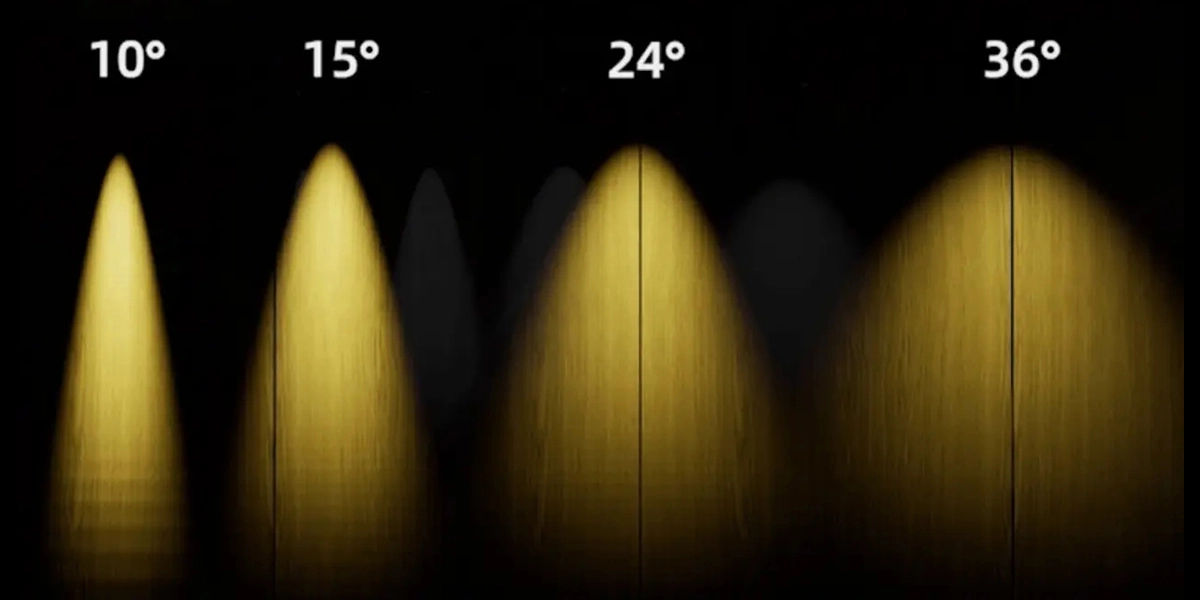
Beam hoek illustreert hoe licht wordt verdeeld vanuit een armatuur, en toont de relatie tussen smalle en brede bundels in gevelverlichtingstoepassingen.
Stralingshoek als de optische kernparameter
Beam hoek is een van de belangrijkste elementen van optische controle. Het definieert hoe geconcentreerd of verspreid de lichtstraal is wanneer deze de armatuur verlaat.
| Stralingshoekbereik | licht gedrag | Visueel resultaat |
| 10°–15° | Sterk geconcentreerde straal | Sterk schijnwerpereffect, detail-accentuering |
| 20°–30° | Gecontroleerde distributie | Evenwichtige accentverlichting |
| 30°–60° | Middelgrote spreiding | Wandwas en uniforme dekking |
| 60°+ | verspreiding | Zachte verlichting over grote oppervlakken |
Hoe straalhoek de architectonische perceptie verandert
Dezelfde gevel kan volledig verschillend zijn, afhankelijk van de straalhoekselectie.
- Smalle straalhoeken benadrukken structuur, textuur en diepte.
- Brede straalhoeken creëren gladde, uniforme oppervlakken met een verminderd contrast.
Beamhoek is slechts een deel van de optische controle
Optische prestaties in gevelverlichting worden niet bepaald door alleen stralingshoek. Andere optische en fysieke factoren beïnvloeden ook het uiteindelijke lichtresultaat.
| optisch element | Functie |
| loep | Vormt en verfijnt bundelverdeling |
| reflector | Verandert en breidt lichtopbrengst uit |
| afscherming | Vermindert verblinding en controleert het zicht |
| Positie in span | Definieert kijkhoek en comfort |
Beam Hoek definieert hoe licht zich verspreidt, maar optische controle definieert hoe licht wordt waargenomen.
Bij professioneel gevelverlichting moeten beide samen worden overwogen om een evenwichtige architecturale expressie en visueel comfort te bereiken.
Waarom dezelfde gevel er anders uitziet onder ander licht
Een gevel verandert niet na zonsondergang, maar het visuele karakter wel.
De reden is niet alleen de hoeveelheid licht die op het gebouw wordt toegepast, maar ook de kleurkenmerken van dat licht.
Licht beïnvloedt hoe materialen worden waargenomen
Verschillende bouwmaterialen reageren anders op kunstmatige verlichting.
Natuursteen lijkt vaak warmer en rijker onder warmwitte verlichting, terwijl glas- en metalen oppervlakken er meestal schoner en eigentijdser uitzien onder neutraal of koel wit licht.
| Gevelmateriaal | Visueel effect onder warm licht | Visueel effect onder neutraal/cool licht |
| natuursteen | Warm, elegant, historisch | Duidelijk, gestructureerd |
| metselsteen | Comfortabel, traditioneel | Scherpere textuur |
| betonneren | verzacht uiterlijk | Sterkere architecturale lijnen |
| glazen | Verminderde reflecties | Scherp en modern |
| Metalen panelen | Meer gedempt | Meer reflectief en technisch |

Kleurtemperatuur is een ontwerptaal
Kleurtemperatuur wordt vaak besproken als een technische specificatie, maar in gevelverlichting functioneert het meer als een ontwerptaal.
Een warm verlichtingsschema kan gastvrijheid en erfgoed communiceren, terwijl een koeler schema de nadruk kan leggen op precisie, technologie of hedendaagse architectuur.
Er is geen universele "beste" kleurtemperatuur
Een van de meest voorkomende misvattingen bij gevelverlichting is dat een specifieke kleurtemperatuur universeel beter is dan andere.
In werkelijkheid beginnen succesvolle projecten met het architecturale verhaal dat het gebouw wil vertellen, en selecteer vervolgens een verlichtingspalet dat dat verhaal ondersteunt.
In plaats van te vragen of 3000K of 4000K is beter, een meer nuttige vraag is: "Hoe moet dit gebouw in het donker worden waargenomen?"
Het antwoord bepaalt vaak de meest geschikte kleurtemperatuurstrategie.
Veelvoorkomende fouten in gevelverlichtingsontwerp
Gevelverlichting kan een gebouw in het donker transformeren, maar succesvolle resultaten worden zelden bereikt door meer armaturen toe te voegen of alleen de helderheid te vergroten.
Veel teleurstellende projecten delen hetzelfde onderliggende probleem: lichtbeslissingen worden genomen voordat een duidelijke visuele strategie wordt vastgesteld.
#1: Fout in ipv ontwerpdoelen
Een veelgemaakte fout is het selecteren van producten voordat de gevel moet worden vastgelegd.
Moet het gebouw er elegant, iconisch, modern, gastvrij of dynamisch uitzien? Verschillende doelstellingen vereisen verschillende lichtbenaderingen.
Zonder een duidelijk ontwerpdoelstelling kunnen zelfs premium verlichtingsproducten een gemiddeld resultaat opleveren.
Fout #2: alles proberen te verlichten
Niet elk architectonisch element heeft evenveel aandacht nodig.
Een van de meest voorkomende fouten in gevelverlichting is om elk oppervlak, detail en functie tegelijkertijd te benadrukken.
Wanneer alles een brandpunt wordt, valt niets echt op.
Succesvolle projecten gebruiken contrast, hiërarchie en selectieve nadruk om de aandacht van de kijker te leiden.
#3 fout: dynamische verlichting gebruiken zonder doel
RGBW-, DMX- en mediageveltechnologieën hebben de creatieve mogelijkheden van architecturale verlichting uitgebreid.
Het toevoegen van beweging en kleur verbetert echter niet automatisch een gevel.
Wanneer animaties niet gerelateerd zijn aan de architectuur of de projectidentiteit, worden ze vaak visuele afleiding in plaats van verbeteringen.
Technologie moet het architecturale verhaal ondersteunen, niet vervangen.
Fout #4: Langdurige werking en onderhoud negeren
Een gevelverlichtingssysteem zal naar verwachting jarenlang presteren, niet alleen tijdens de overdracht van het project.
Onderhoudstoegang, waterdichte betrouwbaarheid, complexiteit van het besturingssysteem en toekomstige vervanging van componenten worden vaak onderschat tijdens de ontwerpfase.
De meest succesvolle projecten balanceren de visuele impact met de operationele bruikbaarheid.
#5: fout #: ontwerpen voor de armatuur in plaats van de kijker
Mensen ervaren gevelverlichting van straten, openbare ruimtes, parken en omliggende gebouwen - niet van de armatuur zelf.
Een lichtontwerp dat indrukwekkend lijkt in renderings, kan heel anders presteren in echte kijkomstandigheden.
Factoren zoals kijkafstand, zichtlijnen, verblindingscontrole en stedelijke context moeten altijd vanuit het perspectief van het publiek worden bekeken.
De meeste storingen in de gevelverlichting worden niet veroorzaakt door slechte producten, maar door slechte planning.
Succesvolle gevelverlichting begint met een duidelijke architectonische visie, gevolgd door verlichtingsstrategieën, armatuurselectie, optisch ontwerp en besturingssystemen die samenwerken om die visie te ondersteunen.
Belangrijkste factoren om te evalueren voordat u een gevelverlichting kiest
Het selecteren van gevelverlichting gaat niet alleen over het kiezen van armaturen of het instellen van de helderheidsniveaus.
Een succesvolle oplossing begint altijd met het begrijpen van architecturale intentie, kijkomstandigheden en volledige levenscyclusvereisten.
Wat moet de verlichting benadrukken?
De eerste stap is het definiëren van wat de gevel visueel moet communiceren.
Niet alle architecturale elementen moeten gelijk worden behandeld.
| architectonisch element | Aanbevolen verlichtingsstrategie |
| Hoofdgeveloppervlak | Wandwas |
| Structurele textuur | wei |
| Architectonische | Accentverlichting |
| Daklijn / overzicht | Lineaire verlichting |
| Landmark-expressie | Dynamische RGBW / DMX |
Overlichten van elk element vermindert vaak de visuele helderheid in plaats van het te verbeteren.
Weergaveafstand definieert ontwerplogica
Lichtontwerp moet de menselijke perceptie volgen, niet de plaatsing van de armatuur.
| Kijkafstand | Ontwerpprioriteit |
| < 20 m | fijne detail-uitdrukking |
| 20-100 m | Balans van detail en vorm |
| > 100 m | Silhouet en monumentenherkenning |
Dezelfde gevel kan totaal verschillende verlichtingsstrategieën vereisen, afhankelijk van hoe ver het wordt bekeken.
Milieu- en technische beperkingen
Gevelverlichtingssystemen moeten jarenlang betrouwbaar werken onder buitenomstandigheden.
Belangrijke factoren zijn onder meer:
- Kust-/maritieme corrosiegevaar
- Hoge luchtvochtigheid of zware regenval
- Extreme temperatuurcycli
- Stedelijke stof en vervuiling blootstelling
- Onderhoudstoegankelijkheid
Deze voorwaarden hebben direct invloed:
- Selectie van behuizingsmateriaal
- IP-beoordelingsvereiste
- verhinderend - Corrosiebehandelingsniveau
- Stuurprogramma installatiemethode
Levenscycluskostenmodel (Capex + Opex)
In plaats van alleen de productprijs te evalueren, moet gevelverlichting worden beoordeeld op basis van de totale levenscycluskosten:
Typische kostenstructuur (indicatief bereik per 100m gevelproject)
| Kostencomponent | Typisch bereik (USD) | vastleggen |
| armaturen (LED-systemen) | $8.000 – $25.000 | Afhankelijk van type (Wall Washer / Pixel / Linear) |
| Besturingssysteem (DMX / RGBW-controller) | $2.000 – $12.000 | Hoger voor pixel + media gevel |
| Installatie arbeid | $5.000 – $18.000 | Afhankelijk van hoogte en complexiteit |
| Bekabeling & stroominfrastructuur | $3.000 – $10.000 | vaak onderschat |
| Inbedrijfstelling & programmering | $1.500 – $8.000 | Speciaal voor DMX-systemen |
| Jaarlijks onderhoud (OPEX) | $1.000 – $5.000/jaar | Schoonmaken, vervangen, afstemmen |
Belangrijkste inzicht
Een goedkoop armatuursysteem kan na verloop van tijd duur worden vanwege:
- Hoge onderhoudsfrequentie
- Moeilijke vervangingstoegang
- Complexe storingsoplossing
- Slechte waterdichte betrouwbaarheid
In veel echte projecten kan OPEX in de loop van 5 jaar de initiële kosten van de armatuur met 30-80% overschrijden, vooral voor dynamische systemen.
Statische versus dynamische vereistecontrole
Niet elke gevel heeft dynamische verlichting nodig.
| Type project | Aanbevolen systeem |
| Hotels / Residentieel | Statische witte verlichting |
| Kantoorgebouwen | Statisch of afstembaar wit |
| Commerciële complexen | RGBW-systemen |
| oriëntatiepunt architectuur | DMX / pixelbesturing |
| Mediagevels | Volledig dynamisch pixelsysteem |
Dynamische systemen mogen alleen worden gebruikt als er een duidelijke verhaal- of brandingvereiste is.
Onderhoud & langdurige werking
Verlichtingssystemen zijn geen eenmalige installaties, het zijn besturingssystemen voor de lange termijn.
Belangrijkste evaluatiepunten:
- Toegankelijkheid van bestuurder vervangen
- Waterdichte afdichting duurzaamheid
- Beschikbaarheid van reserveonderdelen (3-5 jaar)
- Upgrade voor besturingssysteem
- Mogelijkheid voor probleemoplossing op afstand
Een goed ontwerp minimaliseert toekomstige interventie in plaats van de visuele complexiteit te vergroten.
Statisch, RGBW of DMX? De juiste gevelverlichtingsregeling kiezen
Gevelverlichtingssystemen zijn geen verwisselbare technologieën. Elke controlestrategie dient een ander architectonisch doel en de juiste keuze hangt af van de visuele doelen van het project, de operationele vereisten en de ontwerpintentie op lange termijn.
Een van de meest voorkomende fouten in gevelverlichtingsprojecten is het selecteren van een besturingssysteem op basis van technologische voorkeur in plaats van architecturale vereisten.
Een statisch wit systeem is niet inferieur aan een DMX-gecontroleerd RGBW-systeem. Evenzo is een mediagevel niet automatisch succesvoller dan een zorgvuldig ontworpen architecturaal verlichtingsschema.
De meest effectieve controlestrategie is degene die aansluit bij het doel, de visuele doelstellingen en de onderhoudsmogelijkheden van het gebouw.
Welke controlestrategie past bij uw project?
Voordat u specifieke technologieën evalueert, is het nuttig om het primaire doel van het verlichtingssysteem te identificeren.
| Projectdoelstelling | Aanbevolen controlestrategie |
| Markeer architecturale vorm met minimaal onderhoud | Statische verlichting |
| Pas de sfeer op verschillende tijden aan | Afstembaar Wit |
| Ondersteuning van brandingcampagnes en seizoensgebonden evenementen | RGBW-verlichting |
| Geprogrammeerde scènes en gesynchroniseerde effecten maken | DMX-besturing |
| animaties, media-inhoud of digitale verhalen vertellen | Pixelbesturing |
In de meeste projecten moet de besturingsstrategie worden bepaald vóór de selectie van de armatuur, omdat deze rechtstreeks van invloed is op de systeemarchitectuur, bedradingsvereisten, inbedrijfstellingscomplexiteit en toekomstig onderhoud.
Wanneer is statische verlichting de betere keuze?
Statische verlichtingssystemen bieden een vaste helderheid en een vaste kleuroutput zonder dynamische veranderingen.
Hoewel dynamische verlichtingstechnologieën veel aandacht krijgen, blijven veel succesvolle gevelverlichtingsprojecten afhankelijk van statische verlichting.
Statische systemen zijn typisch de voorkeursoplossing wanneer:
- Hotels en hospitality-gebouwen
- Kantoorgebouwen en hoofdkantoor
- Woonontwikkelingen
- Historische architectuur
- Infrastructuurprojecten
De belangrijkste voordelen zijn de betrouwbaarheid op lange termijn, lagere onderhoudsvereisten, vereenvoudigde installatie en voorspelbare visuele prestaties.
Voor veel architecturale projecten behaalt een goed ontworpen statisch verlichtingssysteem betere resultaten dan een onnodig complexe dynamische oplossing.
Wanneer creëert RGBW echte waarde?
RGBW-systemen introduceren full-color mogelijkheden met behoud van hoogwaardige witlichtprestaties.
In tegenstelling tot statische verlichting, stellen RGBW-systemen een gebouw in staat om zijn uiterlijk aan te passen voor verschillende gelegenheden, evenementen en merkvereisten.
Typische toepassingen zijn onder meer:
- Commerciële complexen en winkelcentra
- Entertainmentdistricten
- Culturele gebouwen
- Publieke monumenten
- Seizoens- en promotionele verlichtingsprojecten
RGBW moet echter worden geselecteerd wanneer kleur zelf deel uitmaakt van de architecturale of merkstrategie - niet alleen omdat de technologie beschikbaar is.
Zonder een duidelijk visueel doel kunnen overmatige kleurveranderingen de architectonische helderheid en visuele consistentie gemakkelijk verminderen.
Wanneer heeft een project eigenlijk DMX nodig?
DMX-besturingssystemen Vertegenwoordigen een hoger niveau van flexibiliteit en creatieve controle.
In tegenstelling tot eenvoudige RGBW-besturing, maakt DMX het mogelijk om armaturen individueel te worden aangesproken en geprogrammeerd als onderdeel van een gecoördineerd verlichtingssysteem.
DMX wordt doorgaans gerechtvaardigd wanneer een of meer van de volgende vereisten bestaan:
✓ Individuele armatuuradressering
✓ Scèneplanning en automatisering
✓ Gesynchroniseerde gevelanimaties
✓ Multi-zone lichtregeling
✓ Event-based verlichtingsprogramma's
✓ Integratie met media gevelsystemen
Typische toepassingen zijn onder meer:
- oriëntatiepunt gebouwen
- Iconische torens
- Smart City-projecten
- openbare kunstinstallaties
- High-profile commerciële ontwikkelingen
Hoewel DMX uitzonderlijke flexibiliteit biedt, vereist het ook meer planning, inbedrijfstelling, programmering en doorlopend beheer.
DMX versus pixelcontrole: het verschil begrijpen
DMX en pixelbesturing worden vaak samen besproken, maar ze dienen verschillende doelen.
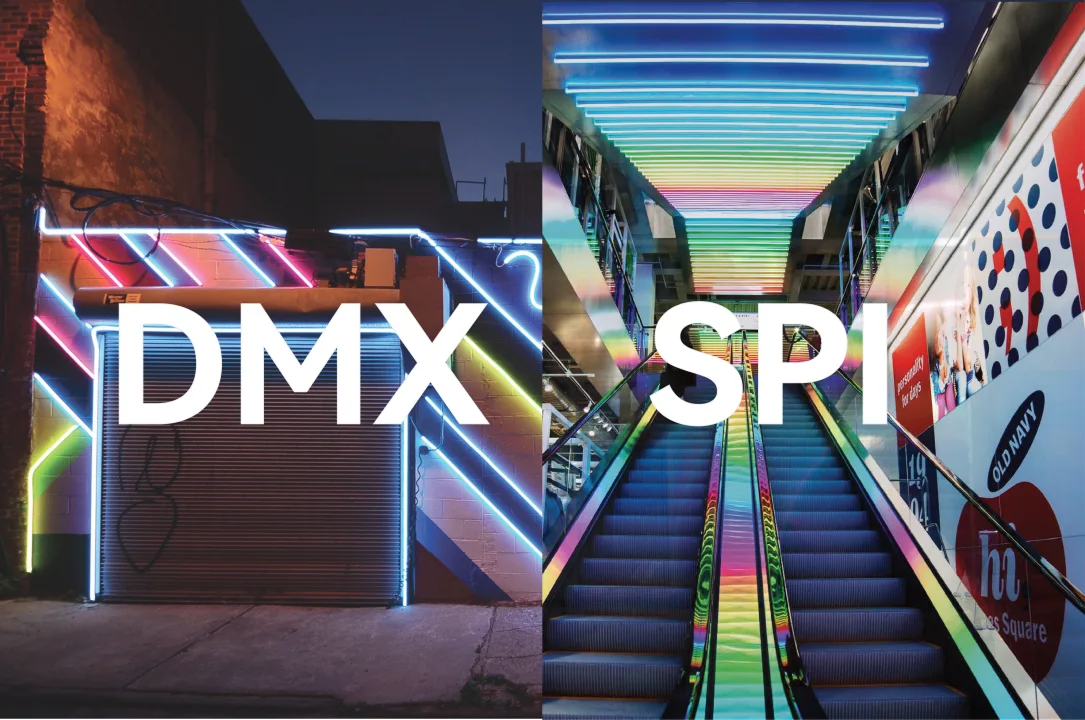
| Systeemtype | Primair doel |
| DMX-besturing | Synchroniseer groepen armaturen en geprogrammeerde scènes |
| Pixelbesturing | Beheer individuele pixels voor animaties en media-inhoud |
Een eenvoudig beslissingskader
Bij het selecteren van een gevelverlichtingsregelsysteem kan het volgende vereenvoudigde kader worden gebruikt:
| Projectvereiste | Aanbevolen oplossing |
| Alleen architecturale verlichting | Statische verlichting |
| Sfeeraanpassing en subtiele variatie | Afstembaar Wit |
| Branding en seizoensgebonden kleurveranderingen | RGBW-verlichting |
| Dynamische scènes en gesynchroniseerde effecten | DMX-besturing |
| Mediagevels en digitale verhalen vertellen | Pixelbesturing |
In de praktijk combineren veel succesvolle projecten meerdere controlestrategieën over verschillende gevelzones om architecturale expressie, flexibiliteit en onderhoud op lange termijn in evenwicht te brengen.
FAQ
Conclusie
Architectonische gevelverlichting is veel meer dan alleen 's nachts een gebouw verlichten. Een succesvol verlichtingsschema combineert architectonisch begrip, geschikte verlichtingstechnieken, armatuurselectie, optische controle, kleurstrategie en besturingssystemen tot een uniforme ontwerpbenadering.
Of het nu gaat om subtiele architecturale verbetering, merkexpressie, verbeterde nachtzicht of grootschalige dynamische geveleffecten, de meest effectieve projecten beginnen altijd met het begrijpen van het gebouw zelf voordat ze armaturen, straalhoeken, optica en besturingsstrategieën selecteren.
Terwijl gevelverlichtingstechnologie blijft evolueren, hebben ontwerpers en projectbelanghebbenden toegang tot meer tools dan ooit tevoren. Succesvolle gevelverlichting wordt echter zelden bepaald door de meest geavanceerde technologie. In plaats daarvan wordt het gedefinieerd door hoe effectief verlichting architectuur ondersteunt, de gebruikerservaring verbetert en op lange termijn waarde voor het project creëert.
Plan je een project voor gevelverlichting?
Elk gevelverlichtingsproject heeft unieke architectonische, technische en operationele vereisten. Het selecteren van de juiste verlichtingstechnieken, armaturen, optica en besturingssystemen vereist vaak projectspecifieke evaluatie.
Als u momenteel een project voor gevelverlichting aan het ontwikkelen bent, kan ons engineeringteam u helpen met:
- Aanbevelingen voor inrichtings
- Stralingshoek en optische analyse
- Suggesties voor verlichtings
- DMX en RGBW-besturingssysteem begeleiding
- Evaluatie van projectkosten
Voel je vrij om je tekeningen, gevelhoogten, renderings of projectvereisten voor technisch onderzoek te delen.
Gerelateerde berichten