English
  简体中文
简体中文  Deutsch
  Español
  Français
  Italiano
  日本語
日本語  한국어
한국어  Polski
  Português
  Русский
  Türkçe
  Nederlands
  Tiếng Việt
  ไทย
ไทย 
High-quality side-emitting LED light brands are defined by measurable performance criteria such as CRI ≥90, SDCM ≤3, stable voltage architecture, controlled voltage drop, adequate thermal design, and consistent optical output rather than brand reputation alone.
Side-emitting LED strips are used in architectural contours, signage channel letters, façade outlines, and indirect linear lighting where horizontal light projection is required instead of downward illumination. In these applications, electrical stability, bin consistency, PCB structure, and optical sealing quality determine long-term reliability.
This article will explain the measurable technical criteria that define performance in side-emitting LED strips and provide a structured overview of global chip manufacturers, finished lighting brands, and OEM suppliers active in this segment, while referencing system-level considerations such as voltage architecture and long-run stability discussed in our guide on durable and bright 24V LED strip lighting.
Quick Answer
High-quality side-emitting LED strips typically use premium LED chips from manufacturers such as Nichia, OSRAM, Samsung LED, and Cree. These chips provide stable binning, higher luminous efficacy, and consistent color rendering compared with generic LED components.
Professional-grade side-emitting LED strips usually meet engineering specifications such as CRI ≥90, SDCM ≤3 color consistency, and L70 lifespans exceeding 50,000 hours. These characteristics help maintain stable brightness and uniform color in architectural lighting, signage illumination, and decorative contour installations.
What Is a Side-Emitting LED Strip?
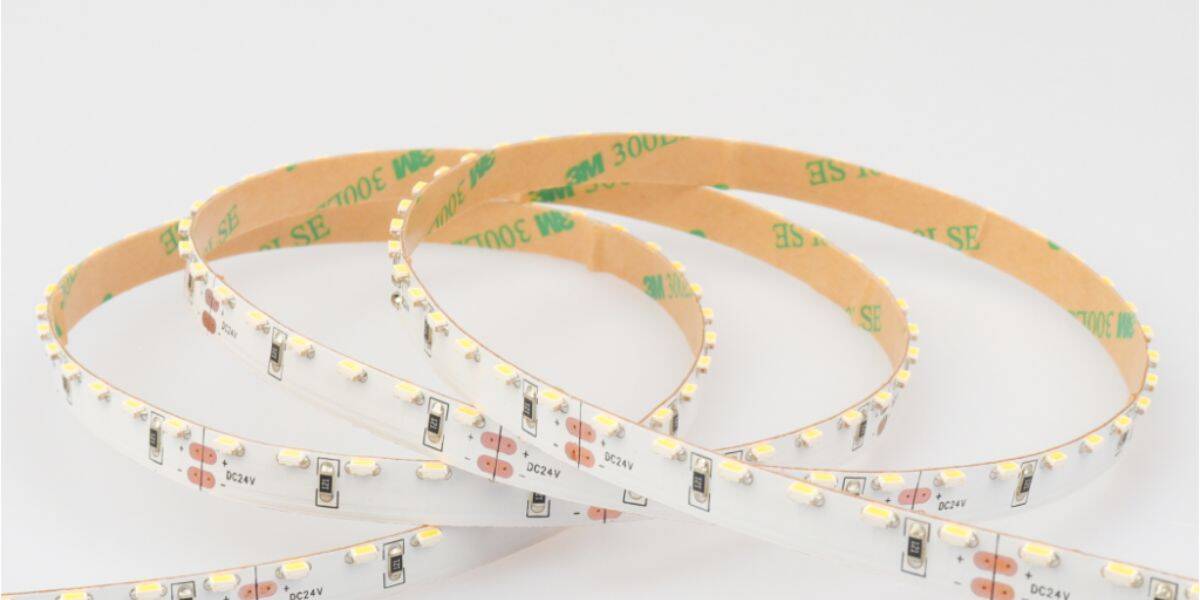
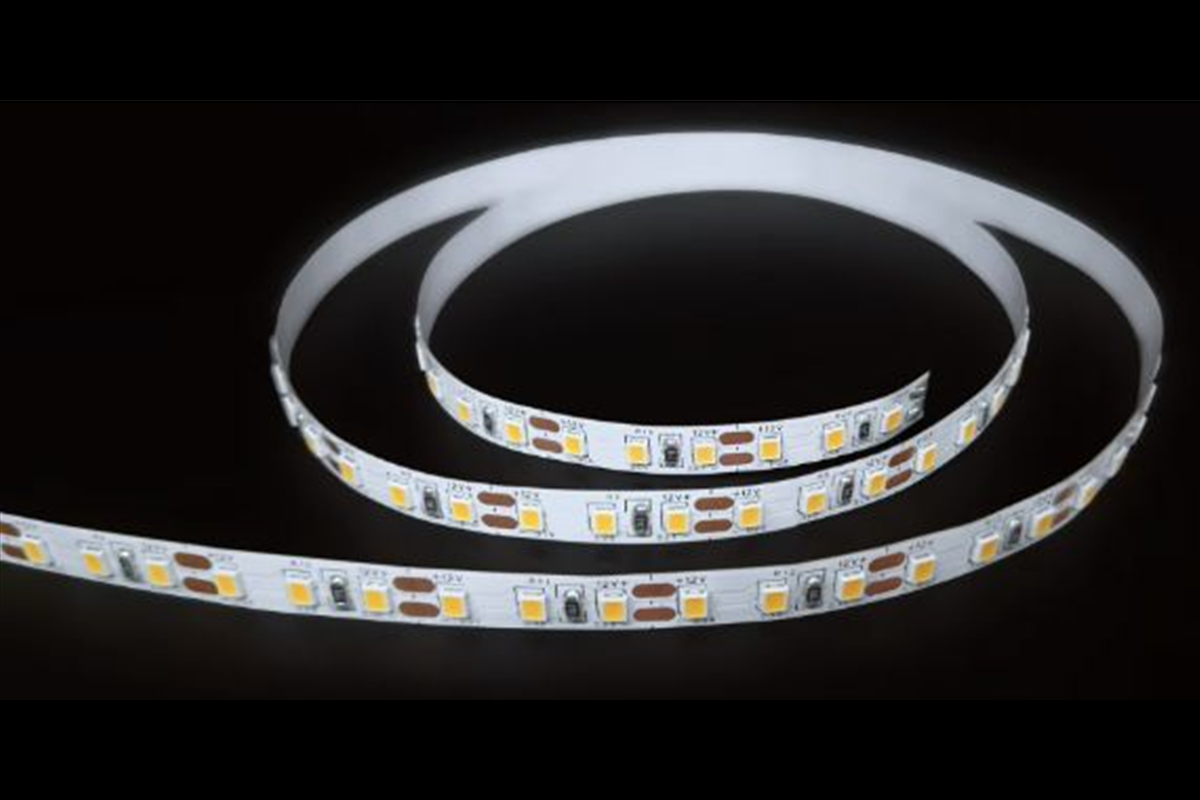
A side-emitting LED strip is a flexible linear lighting product in which the LED chips are mounted or packaged to emit light laterally rather than vertically.
The optical output is directed parallel to the PCB plane, enabling contour lighting, edge illumination, and narrow-profile applications.
These strips typically use SMD side-view packages such as 3014, 335, or custom encapsulated formats mounted on flexible copper PCBs.
They are commonly available in 12V or 24V constant-voltage configurations and may include IP20 to IP68 protection levels depending on installation environment.
The video below illustrates the optical behavior of an edge-emitting LED strip, showing how the light is directed sideways to produce continuous contour lighting along surfaces.

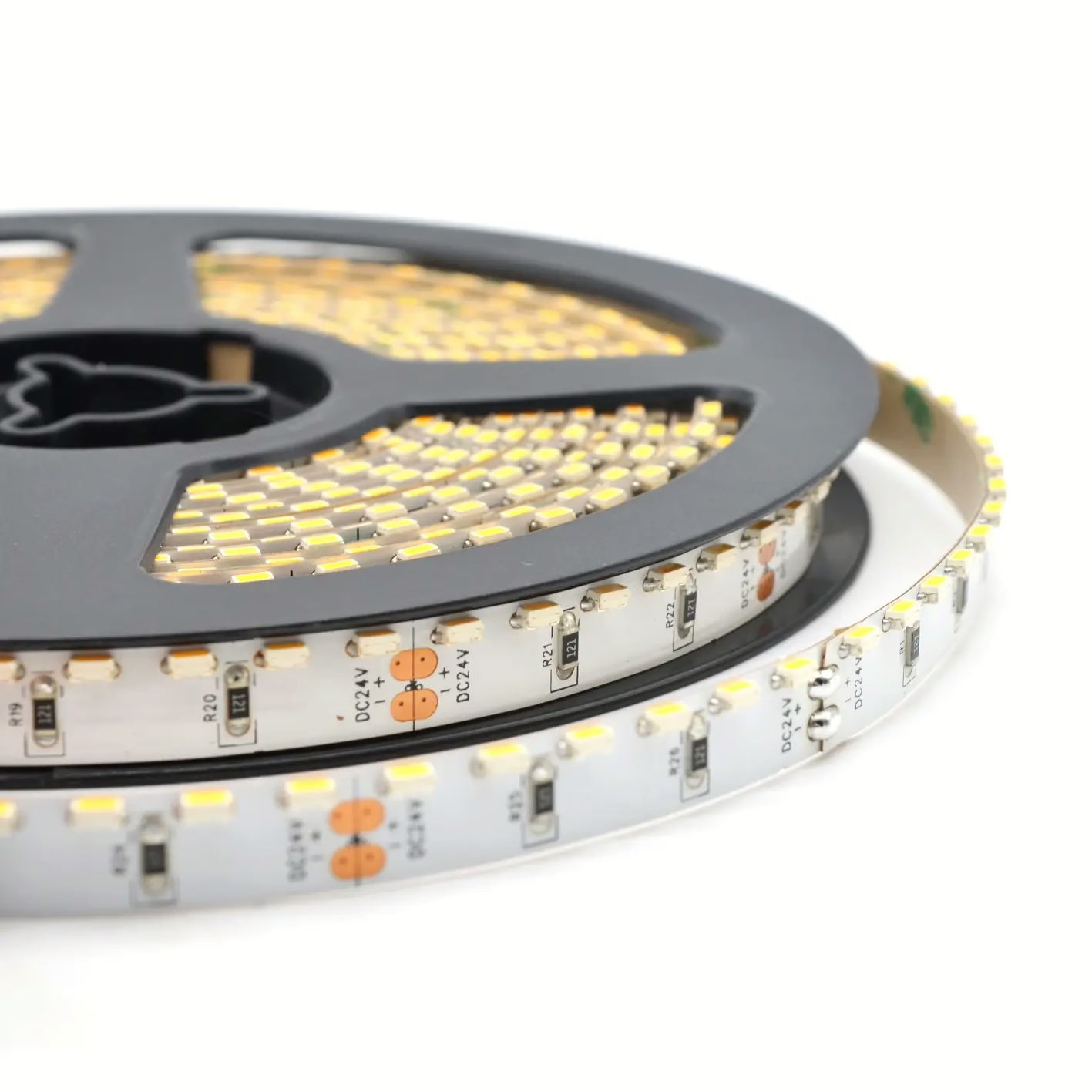
SMD315/SMD3014 Side Emitting LED Strip Lights
- Main Model: FDW08E120A
- LED Type: SMD315/SMD3014
- LED QTY per Meter: 60/120/140@SMD315, 120@SMD3014
- PCB Width: 8mm/6mm
- Color Temperature: 2700K/3000K/4000K/5000K/6500K
- Input Voltage: DC12V/DC24V
- Power per Meter: 4.8W/9.6W/8.7W
- IP Grade: IP20
- Warranty: 3 years
- Above the function supports customization.
How Side-Emitting LED Strips Work
Side-emitting LED strips use LED packages designed to emit light laterally rather than vertically. In most designs, the LED chip is mounted in a side-view package such as SMD 3014 side-view or specialized optical structures that redirect light at a 90-degree angle relative to the PCB surface.
This configuration allows the light to exit from the edge of the strip instead of the top surface. The sideways light projection enables smooth contour illumination along architectural edges, signage outlines, cabinet profiles, and façade lighting lines.
Because the optical path must remain uniform along the strip length, side-emitting designs require tighter PCB layout control, stable current distribution, and high-quality encapsulation materials to avoid brightness variation or optical discontinuity.
Technical Performance Criteria in Side-Emitting LED Strips
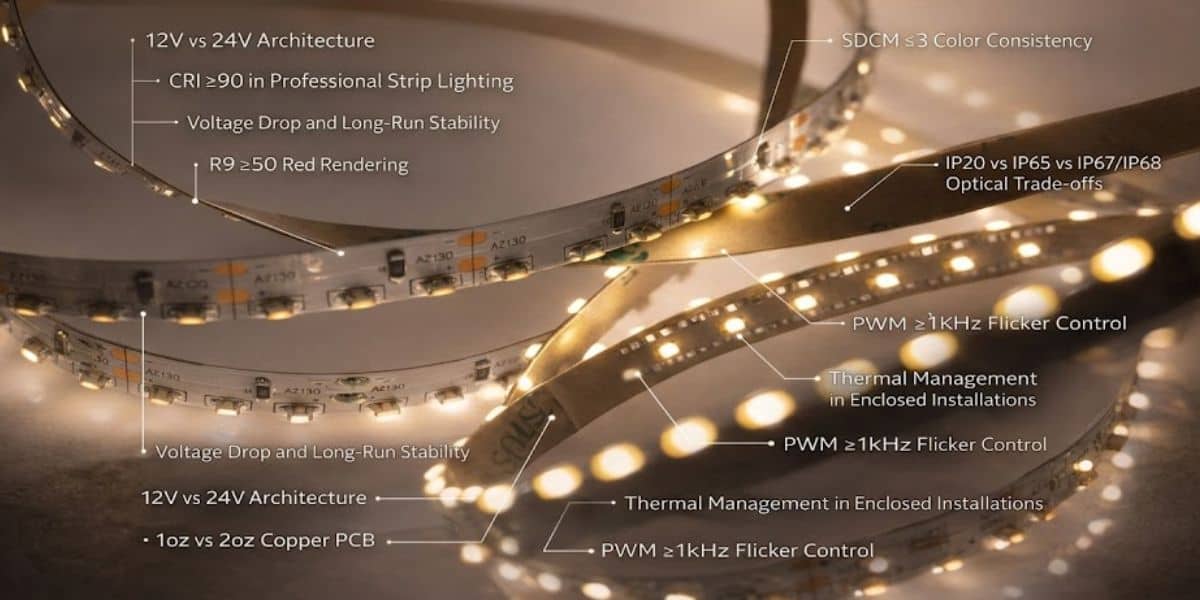
CRI ≥90 in Professional Strip Lighting
CRl (Color Rendering Index) measures how accurately a light source reproduces object colors compared to a natural reference. In architectural and retail side-emitting installations, CRI ≥90 is often specified to maintain color fidelity across surfaces, graphics, and finishes. Since perceived color accuracy is also influenced by correlated color temperature, selection between warm white and neutral white configurations should be evaluated carefully, as discussed in our guide on LED lighting color temperature comparison: 3000K vs. 4000K.
- Improves color accuracy in branded environments
- Reduces perceptual color shift in warm white installations
- Often paired with controlled R9 values
- Required in hospitality and premium retail projects
12V vs 24V Architecture
Operating voltage influences current flow, voltage drop behavior, and maximum recommended run length. While 12V strips remain common in short signage segments, 24V systems are generally preferred for longer architectural runs.
- 12V systems suit short channel letters and compact signage
- 24V systems reduce current and minimize voltage drop
- 24V enables longer continuous runs
- Lower current reduces PCB thermal stress
Voltage Drop and Long-Run Stability
Voltage drop refers to the gradual reduction in voltage along the strip length due to conductor resistance. In side-emitting strips used for long façade lines, unmanaged voltage drop leads to visible brightness gradient.
- Causes luminance reduction toward strip end
- More critical in 12V configurations
- Reduced by 2oz copper PCB
- Improved with dual-end power injection
R9 ≥50 Red Rendering
R9 measures saturated red rendering performance, which is not included in standard CRI calculation. In warm white side-emitting strips used in hospitality and branding, R9 ≥50 ensures stronger red representation.
- Enhances skin tone appearance
- Improves logo color accuracy
- Relevant in retail and food display
- Indicates higher phosphor quality
SDCM ≤3 Color Consistency
SDCM (Standard Deviation of Color Matching) defines binning tolerance in chromaticity variation. SDCM ≤3 is typically considered visually uniform in continuous linear installations.
- Prevents visible color difference between batches
- Essential for long façade outlines
- Indicates controlled LED bin sourcing
- Reduces installation rework
PWM ≥1kHz Flicker Control
Pulse Width Modulation frequency affects flicker perception in dimmed systems. Professional-grade drivers use PWM ≥1kHz to minimize visible flicker and camera interference.
- Reduces video banding
- Minimizes visual fatigue
- Required for broadcast environments
- Improves dimming smoothness
1oz vs 2oz Copper PCB
Copper thickness in flexible PCB directly affects resistance and heat dissipation. 2oz copper provides lower resistance and improved current handling compared to 1oz alternatives.
- Reduces voltage drop
- Improves thermal stability
- Extends lifespan under load
- Recommended for long runs
IP20 vs IP65 vs IP67/IP68 Optical Trade-offs
Ingress protection impacts thermal behavior and optical clarity. Encapsulation materials influence heat dissipation and light transmission.
- IP20 offers highest thermal efficiency
- IP65 silicone coating slightly reduces output
- IP67/IP68 improves environmental durability
- Waterproof layers may alter beam uniformity
Thermal Management in Enclosed Installations
Side-emitting strips are often installed inside aluminum profiles or channel letters where airflow is limited. Thermal buildup accelerates lumen depreciation.
- Aluminum extrusion improves heat dissipation
- Overdriving current increases degradation
- High ambient temperature shortens lifespan
- Proper mounting surface reduces junction temperature
L70 Lifespan Concept
L70 defines the operating time at which luminous output declines to 70% of initial value. In commercial linear lighting, L70 ≥50,000 hours is typically specified.
- Reflects lumen maintenance, not total failure
- Dependent on junction temperature
- Influenced by drive current
- Requires controlled thermal design
Typical Specifications of High-Quality Side-Emitting LED Strips
Professional-grade side-emitting LED strips are usually designed according to several measurable engineering parameters that determine optical performance and long-term stability.
Typical specifications include:
CRI: ≥90 for accurate color rendering
Voltage architecture: 12V or 24V constant-voltage systems
LED density: typically 120–240 LEDs per meter
Beam angle: approximately 120° depending on optical encapsulation
Copper thickness: 2oz flexible PCB for reduced resistance
Color consistency: SDCM ≤3 for uniform appearance
Lifespan: L70 ≥50,000 hours under controlled thermal conditions
These specifications help ensure consistent brightness, stable chromaticity, and reliable long-term operation in architectural and signage lighting installations.
Common Applications of Side-Emitting LED Strips
Side-emitting LED strips are typically used in installations where light must travel horizontally along surfaces rather than directly downward.
Typical applications include:
Architectural outline lighting on building façades
Signage channel letters and illuminated logos
Cabinet and furniture edge lighting
Cove lighting in ceilings and indirect lighting channels
Decorative contour lighting in hospitality and retail environments
In these scenarios, the sideways light output creates a continuous linear lighting effect along edges and contours, making side-emitting strips suitable for decorative and architectural accent lighting rather than primary illumination.
Which Companies Manufacture LED Chips Used in Side-Emitting LED Strips
OSRAM
OSRAM develops LED semiconductor solutions used in automotive, architectural, and signage sectors. In side-emitting LED strips, OSRAM side-view packages are commonly integrated into channel letter modules and façade contour lighting. The company focuses on consistent binning, thermal robustness, and long operational stability. OSRAM components are frequently specified in commercial-grade lighting systems where long lifespan and stable chromaticity are required. As a component manufacturer, OSRAM supplies packaged LEDs that are assembled by strip manufacturers. Their relevance in this segment lies in optical precision and industrial reliability.
Samsung LED

Samsung LED provides mid-power and high-efficiency LED packages widely used in linear strip lighting. The company emphasizes luminous efficacy and scalable manufacturing. In side-emitting LED strips, Samsung chips are selected for balanced cost-to-performance ratios, particularly in commercial architectural projects. Their bin consistency and production scale make them suitable for large-volume strip manufacturing. Samsung operates as a semiconductor supplier within the LED ecosystem, supplying chips to both OEM and branded strip manufacturers.
Lumileds
Lumileds, known for its LUXEON series, develops LED packages targeting high performance and reliability. In side-emitting strip configurations, Lumileds chips are often used where thermal performance and lumen maintenance are critical. The company focuses on controlled spectral output and durability under higher drive currents. Lumileds serves as an upstream supplier, influencing the performance of finished side-emitting strips used in commercial and outdoor installations.
Seoul Semiconductor
Seoul Semiconductor produces LED packages used across architectural and industrial lighting applications. The company is known for proprietary technologies such as improved optical efficiency and stable color control. In side-emitting strips, Seoul LEDs are integrated into flexible PCBs targeting signage and indirect lighting applications. Their market role is that of a component supplier providing scalable solutions for OEM strip manufacturers.
Which Finished Lighting Brands Offer Side-Emitting LED Strip Solutions
Philips (Signify)

Philips, operating under Signify, provides professional LED strip systems designed for architectural integration. In side-emitting configurations, their products are typically part of controlled system environments including drivers and aluminum profiles. The company emphasizes certification, documented lifespan, and global compliance. These strips are used in commercial interiors, hospitality projects, and façade applications where system integration is required.
LEDVANCE
LEDVANCE supplies linear LED products for residential and commercial applications. Their side-emitting offerings focus on standardized voltage systems and accessible commercial pricing. The company serves mid-market segments requiring compliance and stable sourcing. Applications include retail contours and interior accent lighting.
GE Current
GE Current provides commercial lighting systems including linear LED products. Their side-emitting strip solutions are integrated within broader commercial lighting portfolios. The focus is on energy efficiency, certification, and project-scale supply.
Cree Lighting

Cree Lighting offers LED-based lighting systems emphasizing performance stability and industrial applications. While better known for luminaires, Cree participates in linear and specialty LED segments used in architectural projects.
Opple Lighting

Opple Lighting supplies LED strip products in Asian and international markets. Their side-emitting strips serve retail and decorative architectural applications. The company positions itself between OEM sourcing and branded distribution channels.
| Brand | Key Strength | Typical Application |
| Nichia | Industry-leading color rendering and tight binning | Museum and premium retail lighting |
| OSRAM | High reliability and stable chromaticity control | Architectural lighting systems |
| Samsung LED | High efficiency mid-power LED packages | Commercial linear lighting |
| Cree LED | High power output and durability | Industrial and commercial installations |
Which OEM and Chinese Manufacturers Produce Side-Emitting LED Strips
SignliteLED
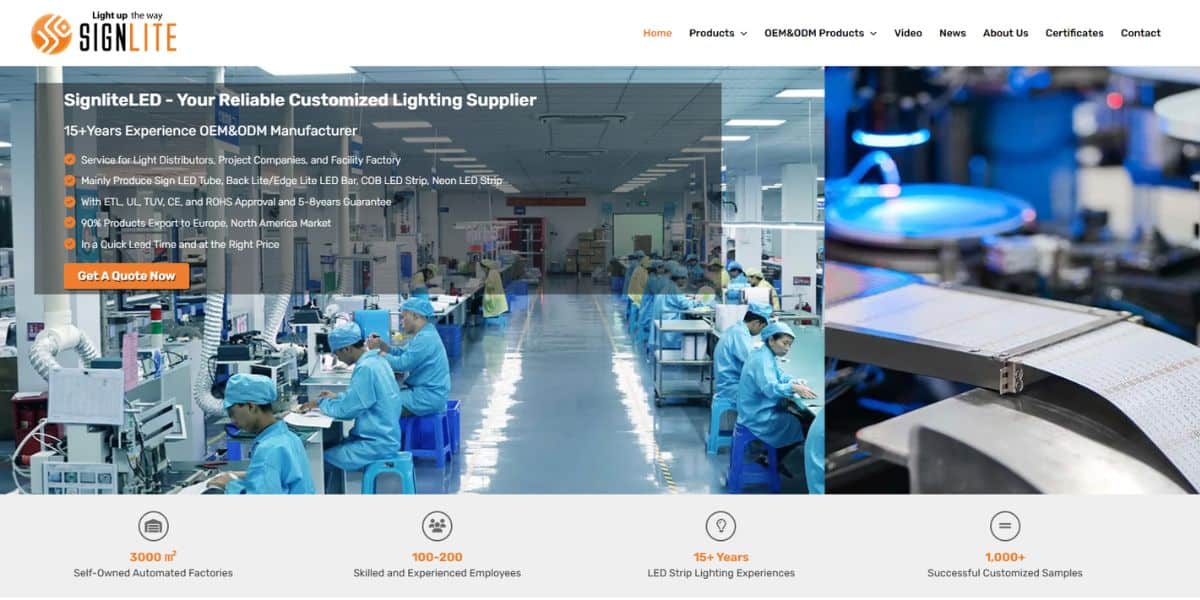
SignliteLED operates as an OEM and ODM manufacturer specializing in flexible LED strip production. The company supplies side-emitting strips in 12V and 24V configurations with customizable CRI, PCB thickness, and waterproof levels. Since PCB construction plays a critical role in voltage stability and thermal performance, further background on substrate manufacturing standards can be found in our overview of 2026 top 10 LED PCB/FPCB board manufacturers in China. Production capabilities include bulk export supply for distributors and private-label brands. Their role is positioned within contract manufacturing rather than branded retail distribution.
Other Shenzhen-Based OEM Suppliers
Shenzhen hosts numerous OEM LED strip manufacturers supplying global distributors. These suppliers offer configurable side-emitting strips with varying copper thickness, chip sourcing options, and IP encapsulation levels. Market positioning ranges from entry-level bulk suppliers to specification-driven contract manufacturers. Their primary market role is export manufacturing for international brands and project distributors.
How Do Major Side-Emitting LED Brands Compare Technically
| Brand | Category | Typical CRI Range | SDCM Control | Voltage Options | Market Tier |
| OSRAM | Chip Manufacturer | 80–95 | ≤3 | Component Level | Premium Component |
| Samsung LED | Chip Manufacturer | 80–90+ | ≤3–5 | Component Level | Mid–High Component |
| Philips (Signify) | Finished Brand | 80–90+ | ≤3 | 24V | Commercial |
| LEDVANCE | Finished Brand | 80–90 | ≤5 | 12V/24V | Mid Market |
| SignliteLED | OEM Manufacturer | 80–95 (custom) | ≤3–5 | 12V/24V | OEM Supply |
Price Analysis of Side-Emitting LED Strips
The cost of side-emitting LED strips varies depending on several engineering and supply-chain factors. The most influential cost drivers include LED chip brand, PCB copper thickness, waterproof encapsulation method, binning precision, and certification requirements.
Higher CRI levels and tighter SDCM binning increase component costs because they require stricter LED selection during manufacturing. Similarly, 2oz copper PCBs reduce electrical resistance and improve thermal stability but add material expense. Waterproofing methods such as silicone extrusion or polyurethane encapsulation can further influence optical transmission and production cost.
Primary cost drivers:
- LED chip selection
- PCB copper thickness
- Waterproof encapsulation
- CRI and binning level
- Certification requirements
- Brand premium
- Distribution margin
What Are the Typical Industry Price Ranges for Side-Emitting LED Strips
| Supplier Type | Typical USD per Meter | 5m Equivalent | Specification Level | Market Positioning |
| Chinese OEM Bulk | $2–$6 | $10–$30 | Customizable 80–95 CRI | Export Manufacturing |
| Entry Retail Brand | $6–$10 | $30–$50 | 80–90 CRI | Residential |
| Mid Commercial Brand | $10–$18 | $50–$90 | 90 CRI, ≤3 SDCM | Commercial Projects |
| High-End Architectural Brand | $18–$30+ | $90–$150+ | 90+ CRI, tight binning | Architectural Specification |
Conclusion
High-quality side-emitting LED strips are defined by measurable technical criteria rather than brand perception. Key indicators include CRI and R9 performance, SDCM consistency, voltage architecture, copper thickness, thermal management, and verified L70 lifespan data. These factors determine color stability, electrical reliability, and long-term lumen maintenance.
LED chip manufacturers influence spectral quality and bin control, finished brands integrate certified systems for commercial use, and OEM manufacturers provide scalable, specification-based production. The appropriate selection depends on application requirements such as run length, enclosure conditions, IP rating, and budget.
From a procurement and engineering perspective, performance alignment with installation conditions remains the primary evaluation method.
FAQ’s
Related Posts