Español
  English
  简体中文
简体中文  Deutsch
  Français
  Italiano
  日本語
日本語  한국어
한국어  Polski
  Português
  Русский
  Türkçe
  Nederlands
  Tiếng Việt
  ไทย
ไทย 
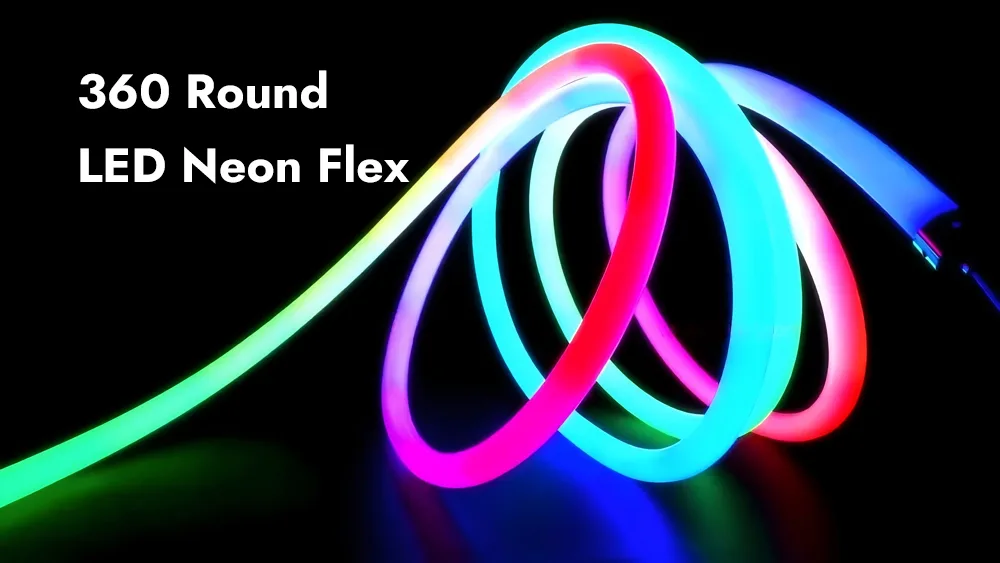
Las luces LED Neon Flex son una de las opciones de iluminación más populares y versátiles del mercado actual. Son perfectos para una variedad de usos, desde crear un ambiente acogedor en su hogar hasta iluminar un espacio comercial. Las líneas principales de tiras flexibles de neón LED son la vista superior, la vista lateral, la mini serie de neón circular de 360 grados. 360 grados LED flexible...
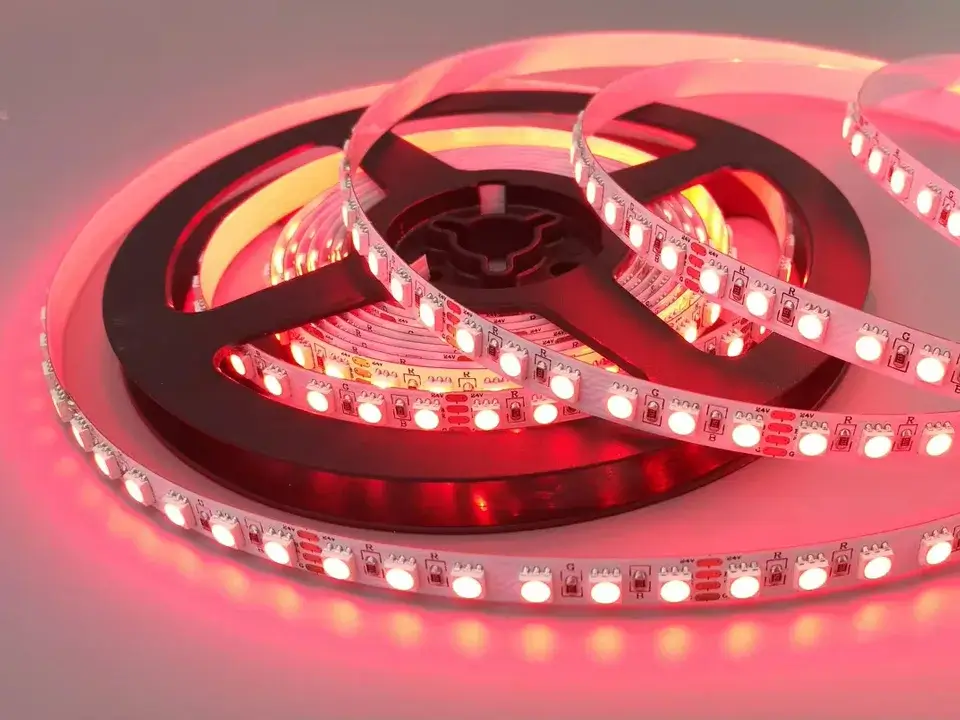
Ya sea que esté fabricando o comprando tiras de luz LED, es crucial comprender los fundamentos de los LED. Como componente de emisión de luz central, las características de los LED determinan directamente el rendimiento de las tiras de luz. Para los fabricantes, este conocimiento guía la selección de chips LED, el diseño de circuitos y el control de procesos. Para los compradores es...
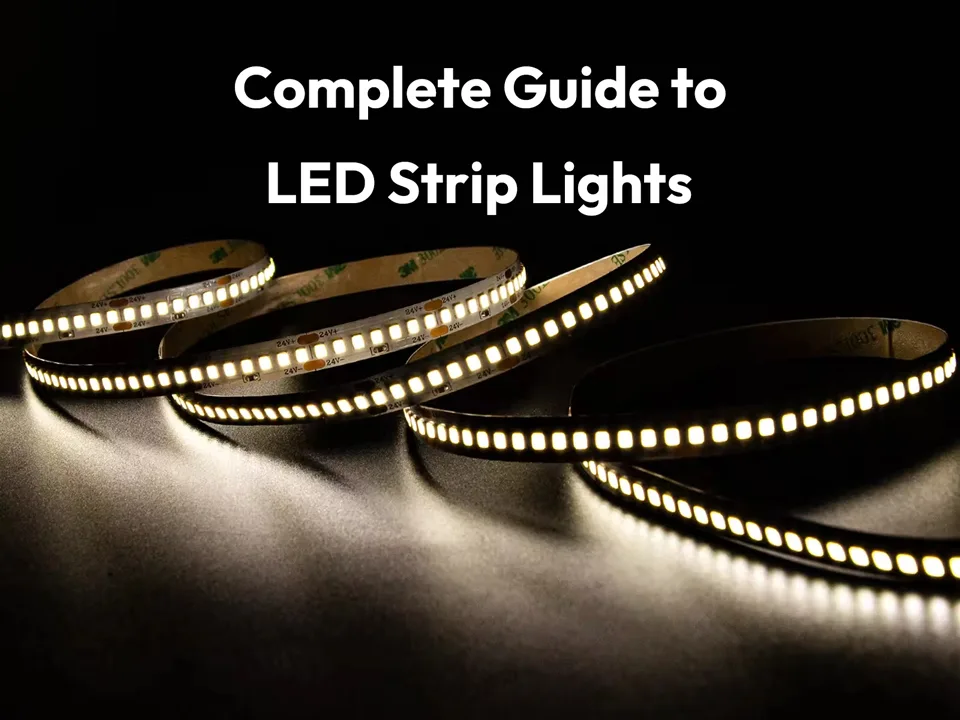
En el vasto campo de las soluciones de iluminación LED, las luces de tiras LED son una solución de iluminación muy popular. La iluminación de tiras LED lineales ha sido una opción asequible para aplicaciones de iluminación comercial y residencial. Las tiras de LED, esencialmente una cadena de LED montadas en una tira flexible o rígida a través de la tecnología de montaje en superficie, son populares por su capacidad para...
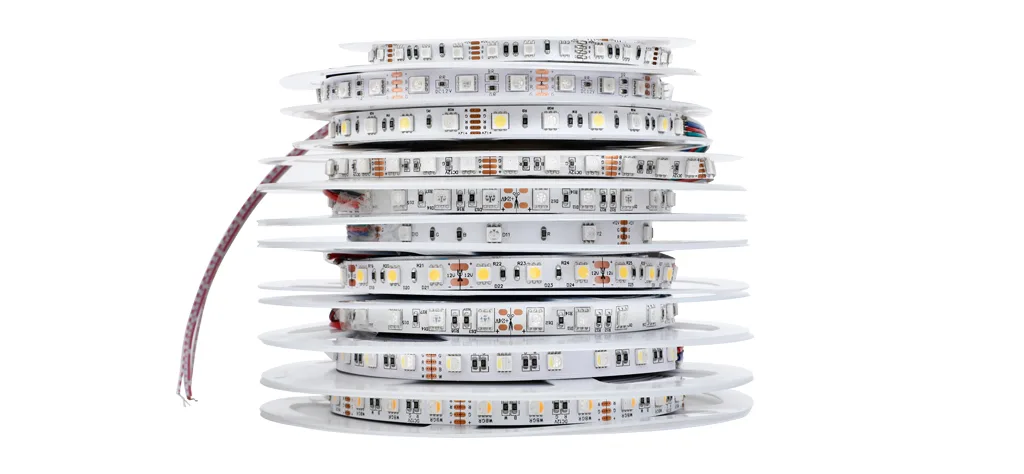
Las tiras de LED SMD están revolucionando la forma en que abordamos la iluminación con su flexibilidad, eficiencia energética y diversas aplicaciones. Desde crear iluminación ambiental en espacios residenciales hasta proporcionar efectos brillantes y coloridos para señalización comercial y entornos al aire libre, estas tiras son versátiles y altamente personalizables. En este artículo, exploraremos...
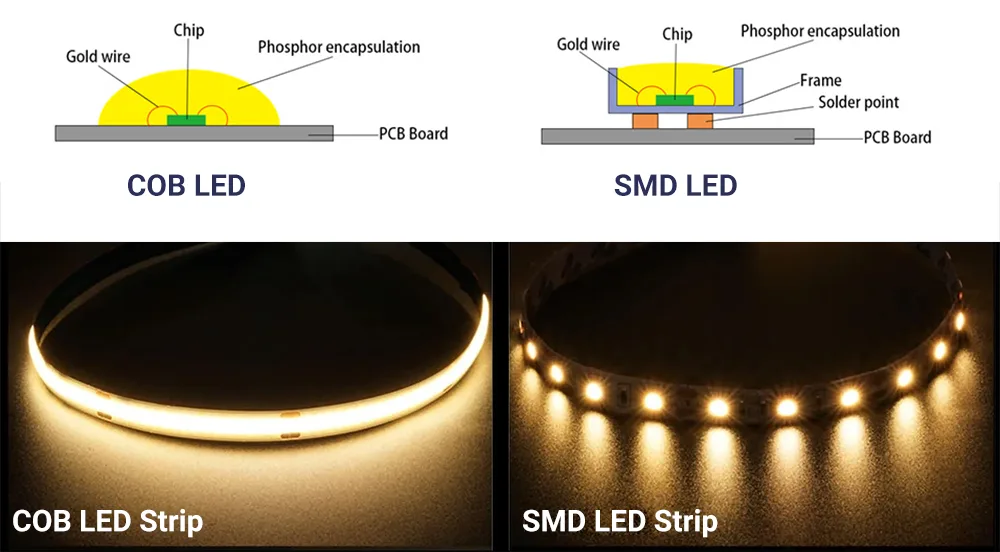
Las lámparas LED se actualizan constantemente para mejorar su usabilidad, adaptabilidad y eficiencia energética. Las lámparas LED son muy populares porque duran hasta 25 veces más y consumen menos energía que las lámparas incandescentes estándar. Los dos tipos principales de lámparas LED disponibles hoy en día son las lámparas COB y SMD LED. Ambos componentes producen iluminación de alta calidad,...
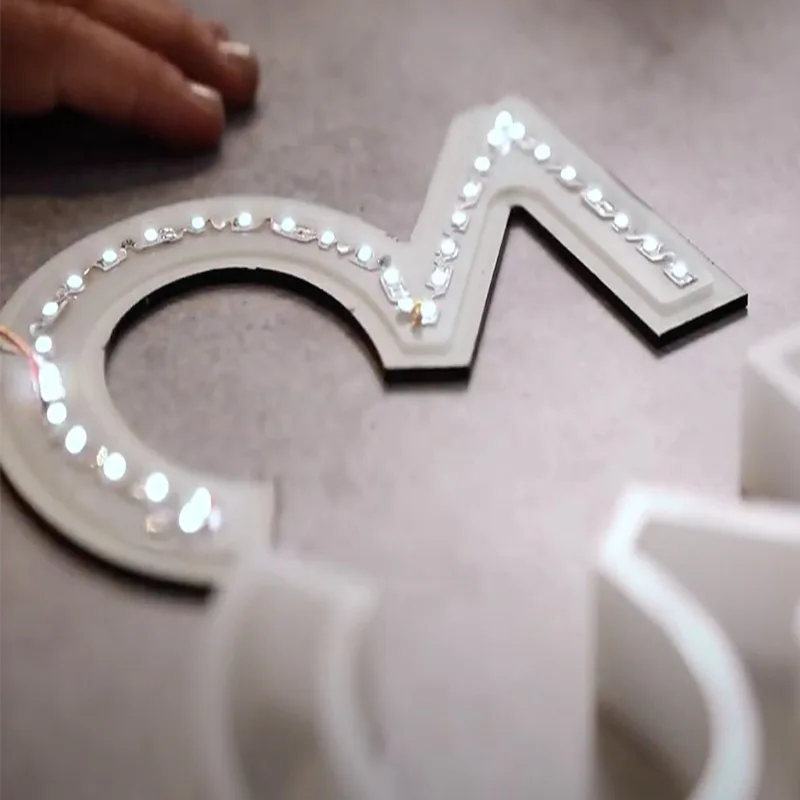
En el mundo de la iluminación, destacan las tiras de luces LED tipo S debido a su diseño único en zigzag y su flexibilidad incomparable. Esta innovadora estructura permite instalaciones creativas, convirtiéndolas en una opción ideal para una variedad de aplicaciones, especialmente en iluminación de señalización. Su capacidad para adaptarse a diferentes formas y superficies asegura que los signos...
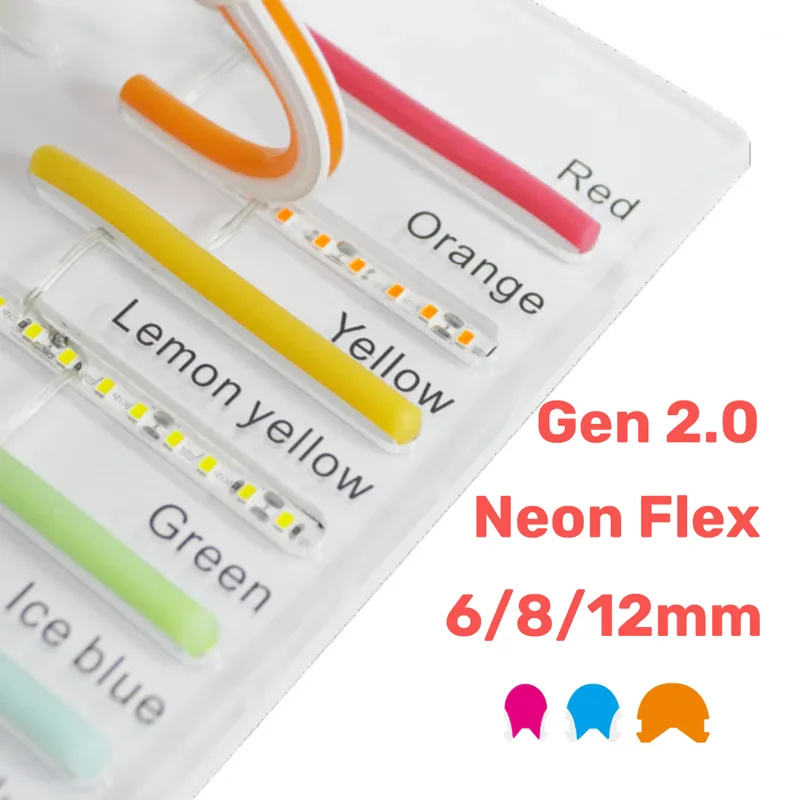
En el mundo del diseño y la publicidad, los letreros iluminados juegan un papel vital en el resaltado de las empresas y en la atracción de la atención de los transeúntes. Durante décadas, el neón ha sido la opción preferida para crear letreros iluminados, pero con los avances tecnológicos, Neon de segunda generación ha revolucionado la industria. Neon de segunda generación ha revolucionado...
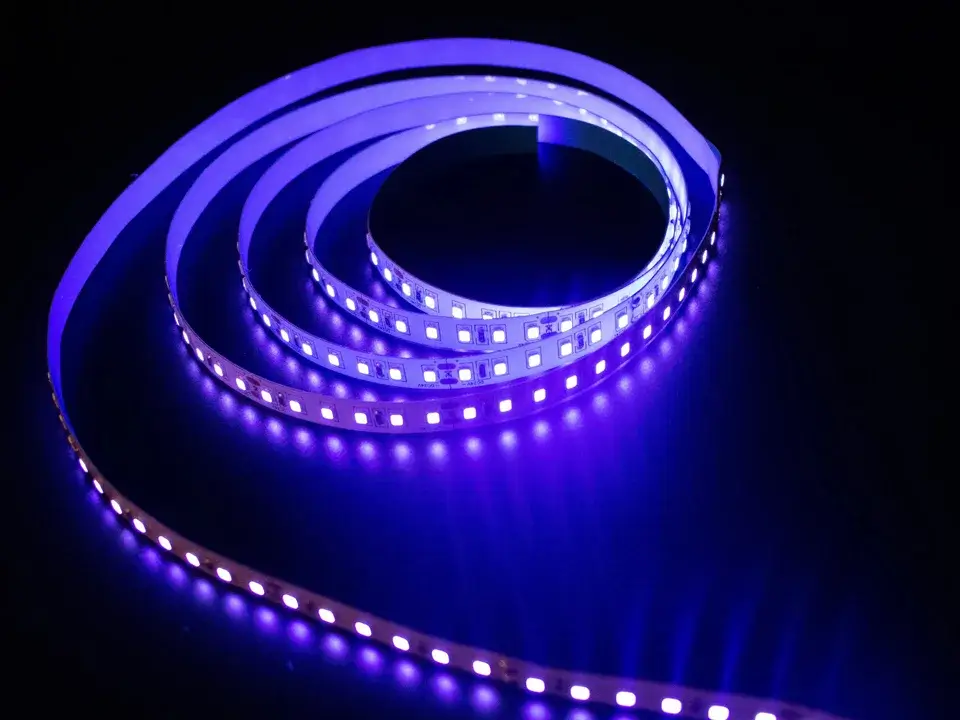
En comparación con las lámparas de mercurio tradicionales y los tubos fluorescentes, las luces LED UV se están convirtiendo cada vez más en la solución preferida para aplicaciones UV de próxima generación debido a su tamaño compacto, bajo consumo de energía y larga vida útil. Las luces de tiras LED UV flexibles ofrecen varias opciones de longitud de onda, potencia y densidad de luz. Sobre todo en la banda UV-A...
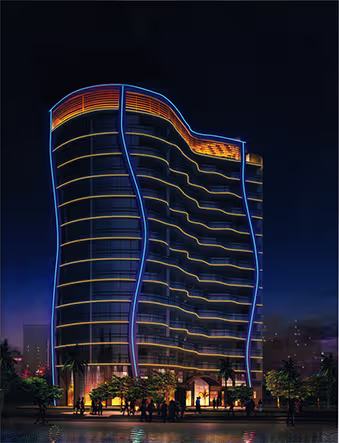
Tira de LED RGB: en comparación con RGBW, RGB tiene una almohadilla menos y solo cuatro pads, que representan los tres colores primarios (rojo, verde y azul) además de un polo positivo. Rojo, azul y verde pueden producirse con un LED RGB, que cuando se combinan, pueden crear millones de colores distintos. Además, las tiras de LED RGB tienen uno o más controladores integrados que...
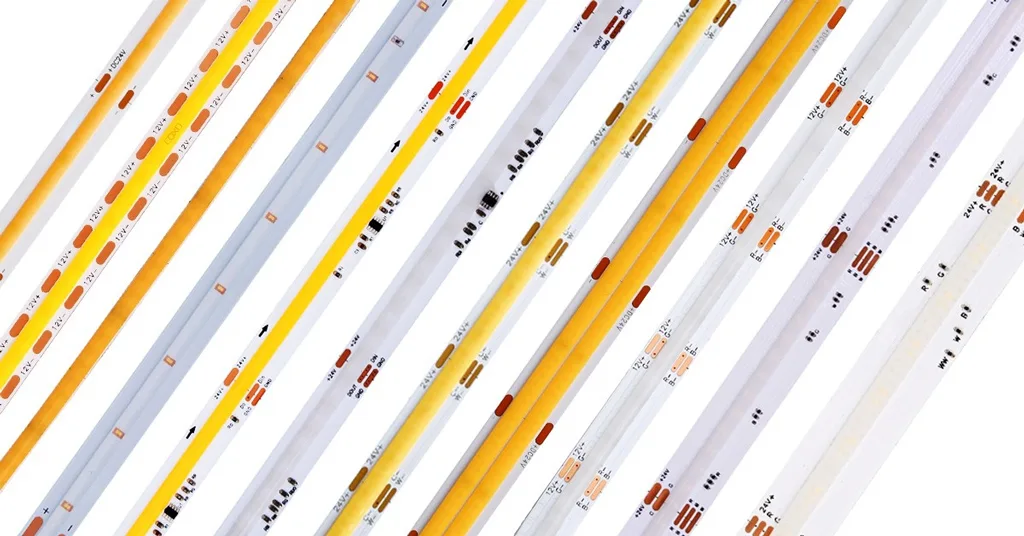
La presencia de tiras de luz LED COB agrega capas de ambientes interiores y exteriores, haciendo que el entorno espacial sea más suave y de mal humor. En forma de espacio minimalista, la luz de tira LED COB también puede darle una belleza impresionante. Hoy en día, la tira de LED COB se está convirtiendo gradualmente en la elección perfecta para una iluminación sin problemas y eficiente, ganando más y...
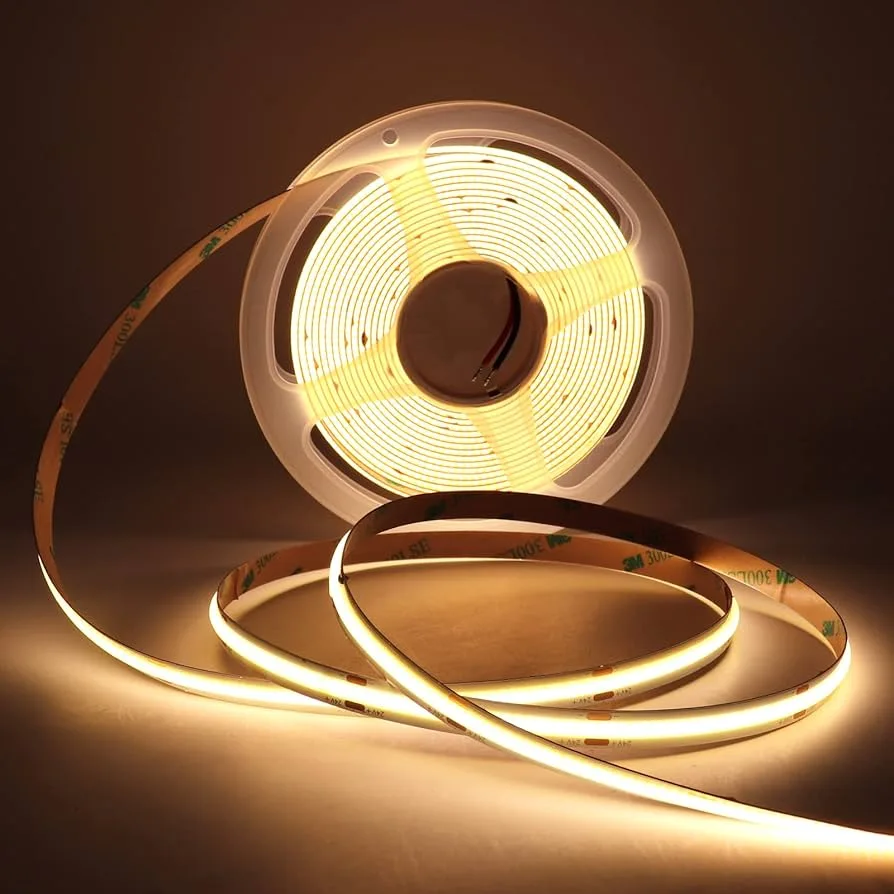
Si está buscando una solución de iluminación eficiente para su próximo proyecto, las luces de tira LED COB merecen su atención. Gracias a sus chips LED de alta densidad, las tiras COB producen un haz de luz consistente e impecable, asegurando que su instalación logre una apariencia pulida de primera calidad. La tecnología de vanguardia detrás de las tiras de mazorca...
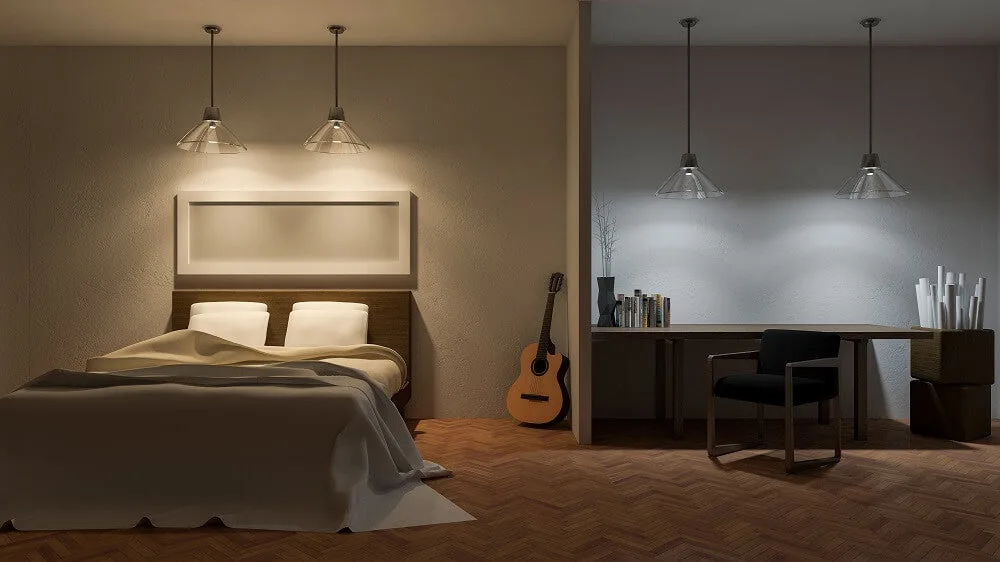
Las tiras LED blancas sintonizables, las tiras LED de temperatura del color ajustable o las tiras LED CCT son nuevos términos de iluminación que estamos escuchando más y más. Todos estos términos se refieren a una tira de LED que puede ajustar su temperatura de color, generalmente en el rango de 2700K a 6500K de temperatura de color. Es la función de ajustar la sombra blanca y cambiar la temperatura del color a través de...
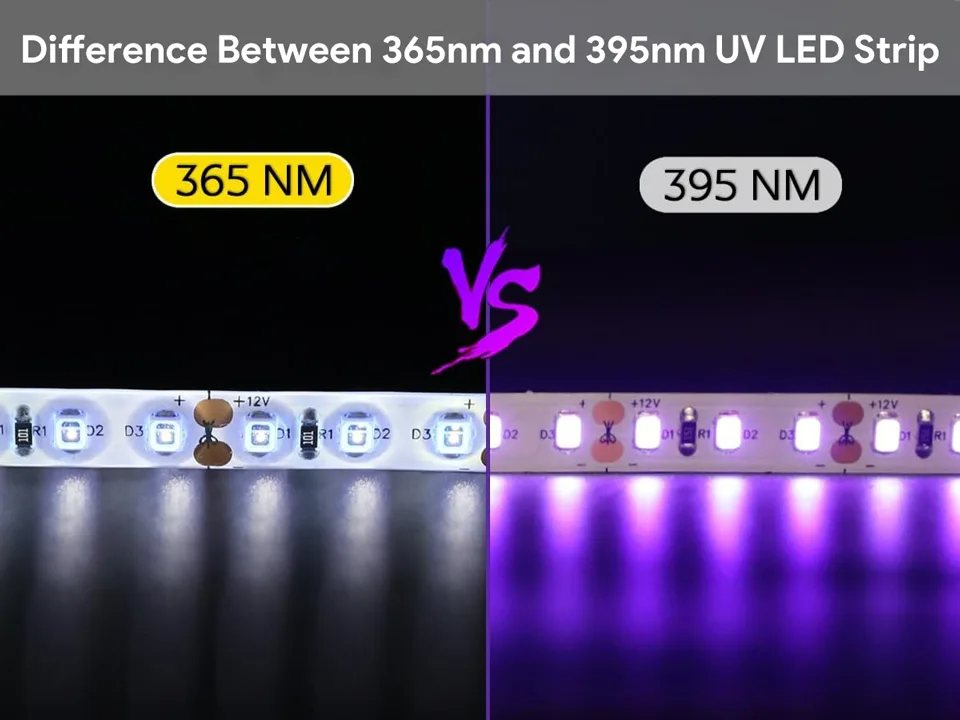
Las tiras de luces LED UV se están convirtiendo cada vez más en una fuente de luz clave en proyectos industriales y comerciales. Son ampliamente utilizados en sistemas de curado, detección de fluorescencia, identificación antifalsificación, iluminación de escenario, iluminación de acuarios, esterilización y purificación. Entre todas las longitudes de onda UV, 365 nm y 395 nm son las dos más frecuentes...
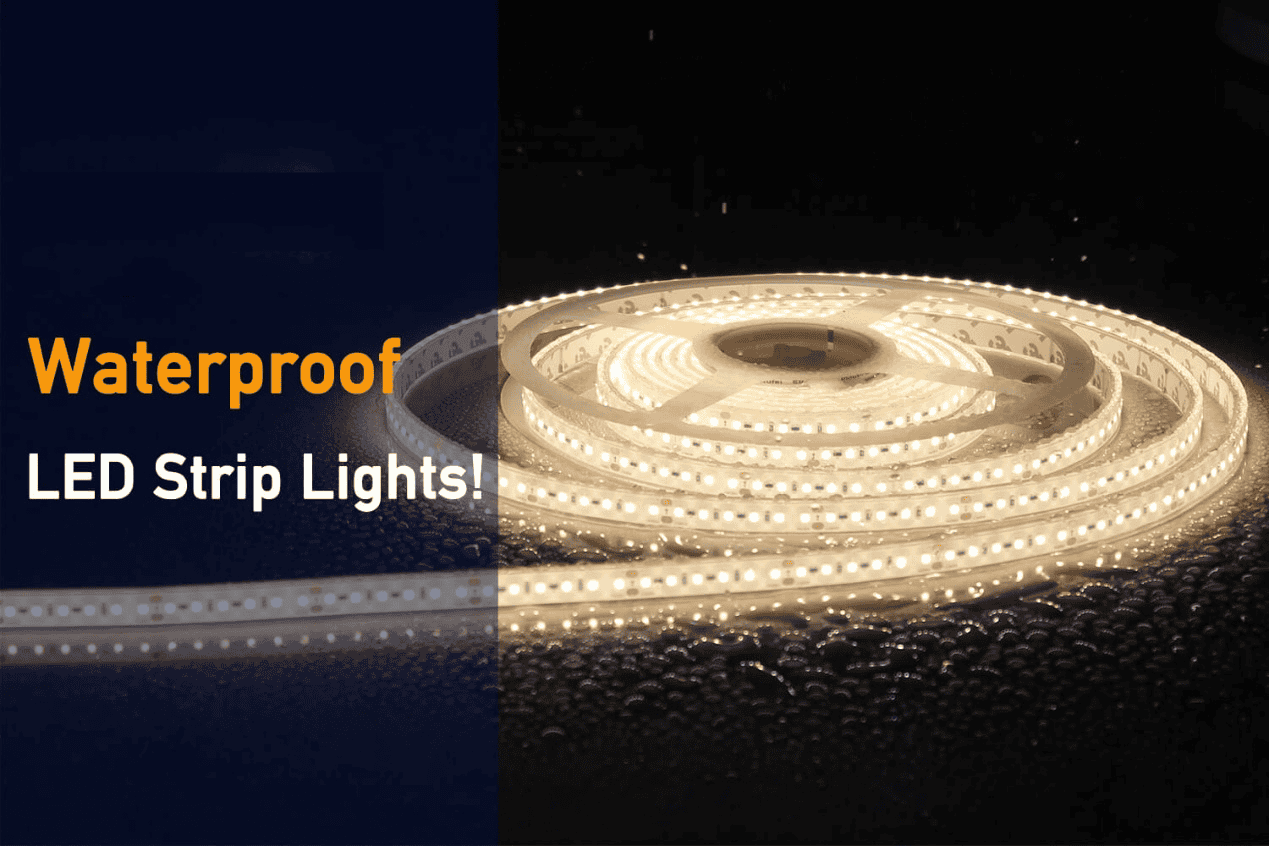
Existen muchos tipos de tiras de luz LED impermeables en el mercado actual. Difícil para los principiantes saber cuál elegir. Por lo general, recomendamos estos 5 modelos: IP20, IP64, IP65, IP67, IP68. La tasa de IP depende de dónde utilizará la tira de luz LED. ¿Cuál es la tasa de IP de la tira de LED? El IEC creó el sistema de protección IP. Categoriza dispositivos eléctricos...
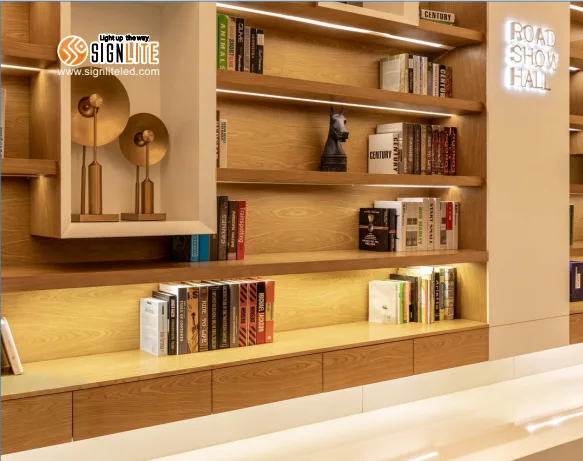
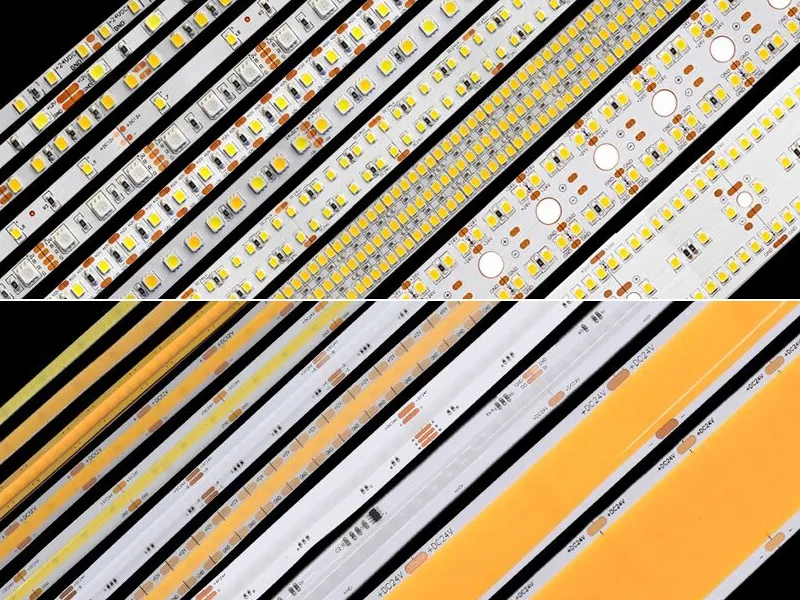
Existen varios tipos de tiras de luces LED en el mercado, principalmente clasificadas según el tipo de fuente de luz, uso, escenario de instalación, modo de control, etc. Las luces LED se pueden dividir en diferentes modelos según el tipo de fuente de luz, como 5050, 2835, etc., y diferentes métodos de empaque, como COB y SMD. Además, según...
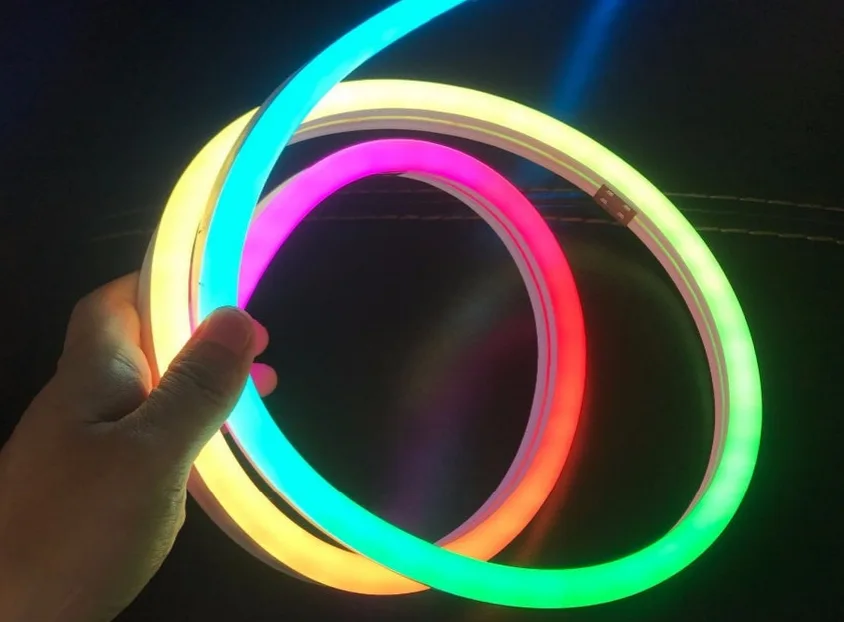
¿Qué son las luces LED Neon Flex? LED Neon Flex es una tira de silicona versátil que cuenta con LED integrados, diseñados para replicar la apariencia de las luces de neón de vidrio tradicionales. Este producto innovador es adecuado tanto para uso en interiores como en exteriores, lo que permite una amplia gama de efectos visuales, que incluyen iluminación estática, pantallas de un solo color, vibrante...
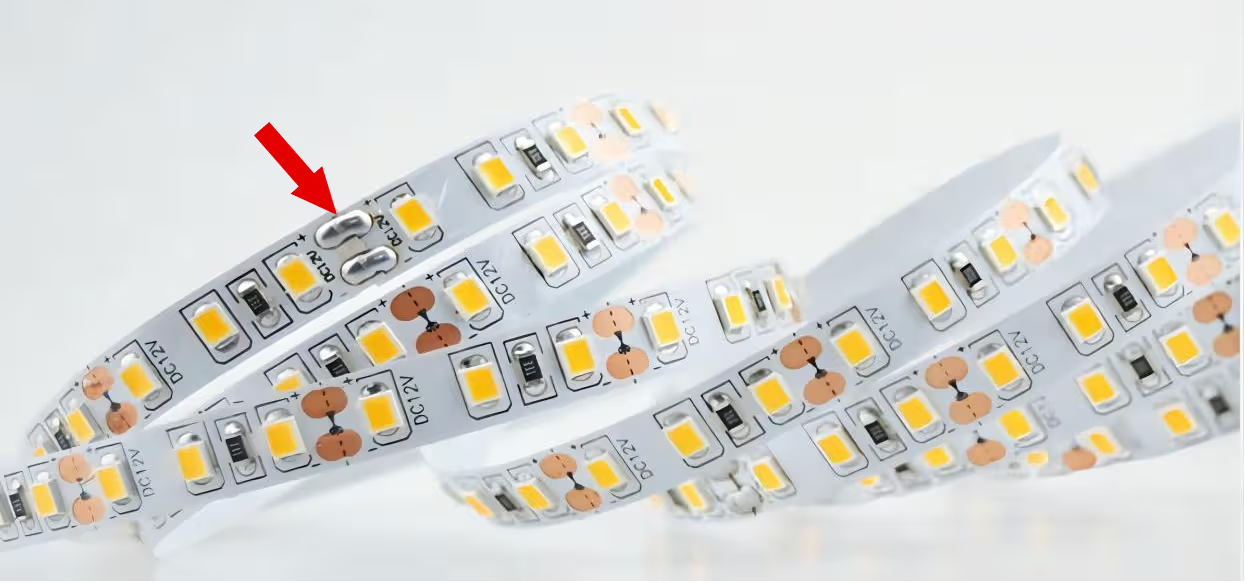
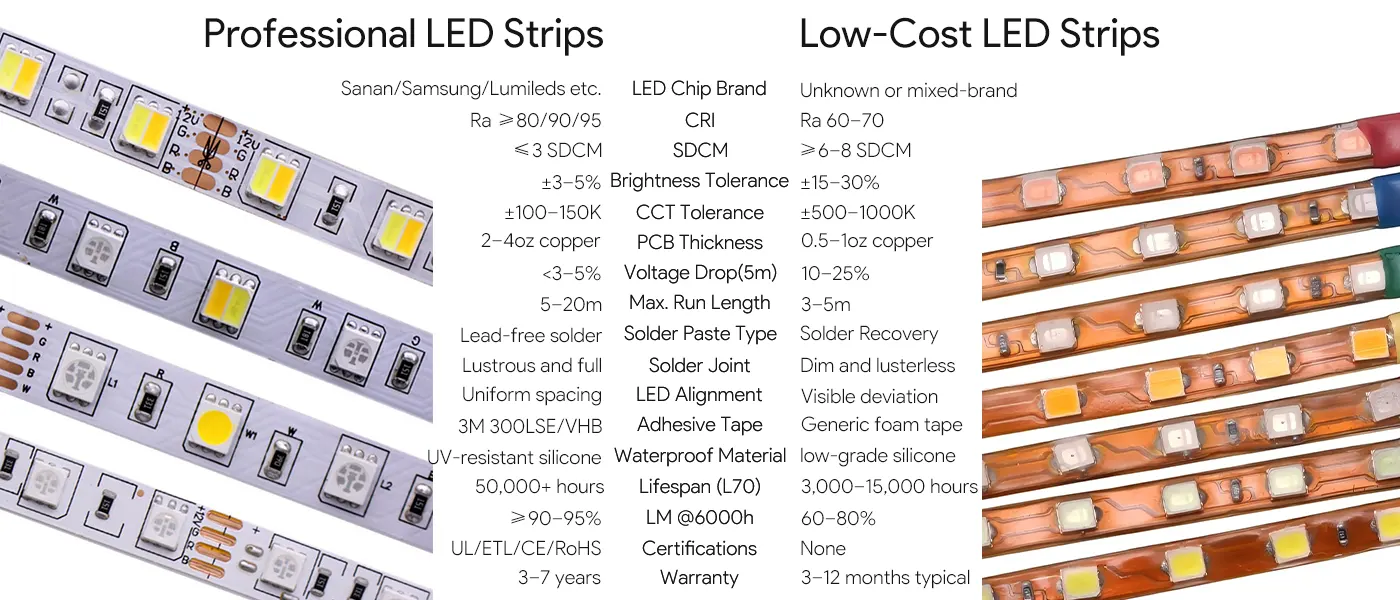
Puede considerar los siguientes aspectos para juzgar la calidad de las tiras de luz LED: Ⅰ、Apariencia y artesanía 1. Calidad del punto de soldadura: nuestros productos estándar utilizan tecnología de parche SMT, lo que resulta en puntos de soldadura suaves con una cantidad moderada de soldadura. Los puntos de soldadura forman una forma de arco desde la almohadilla FPC hasta el electrodo LED. Los productos de baja calidad a menudo...
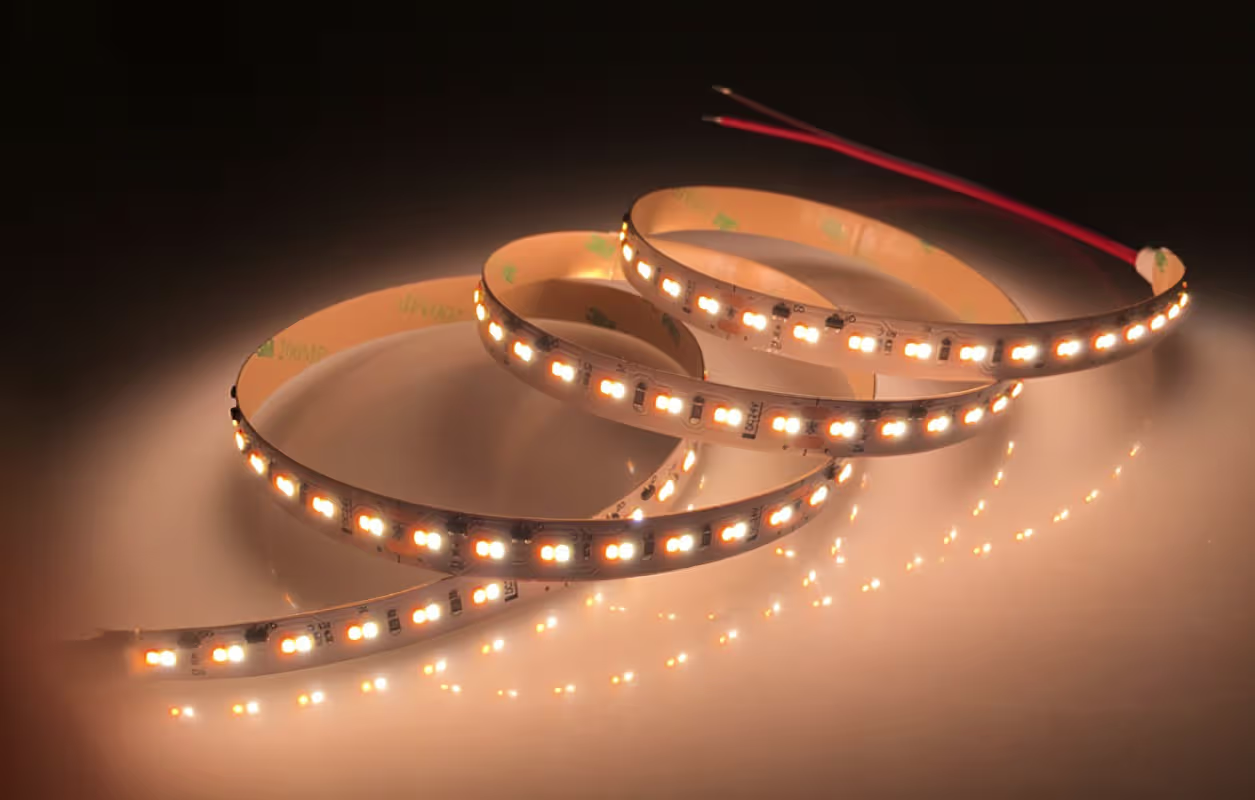
La tira de LED Dim to Warm es una tira de luz LED especial que permite a los usuarios ajustar la temperatura de color de la luz, de acuerdo con las necesidades reales para producir un efecto de luz más cálido. Específicamente, este tipo de tira de luz generalmente contiene múltiples diodos LED y puede ajustar la temperatura del color, permitiendo a los usuarios elegir el tono blanco cálido,...
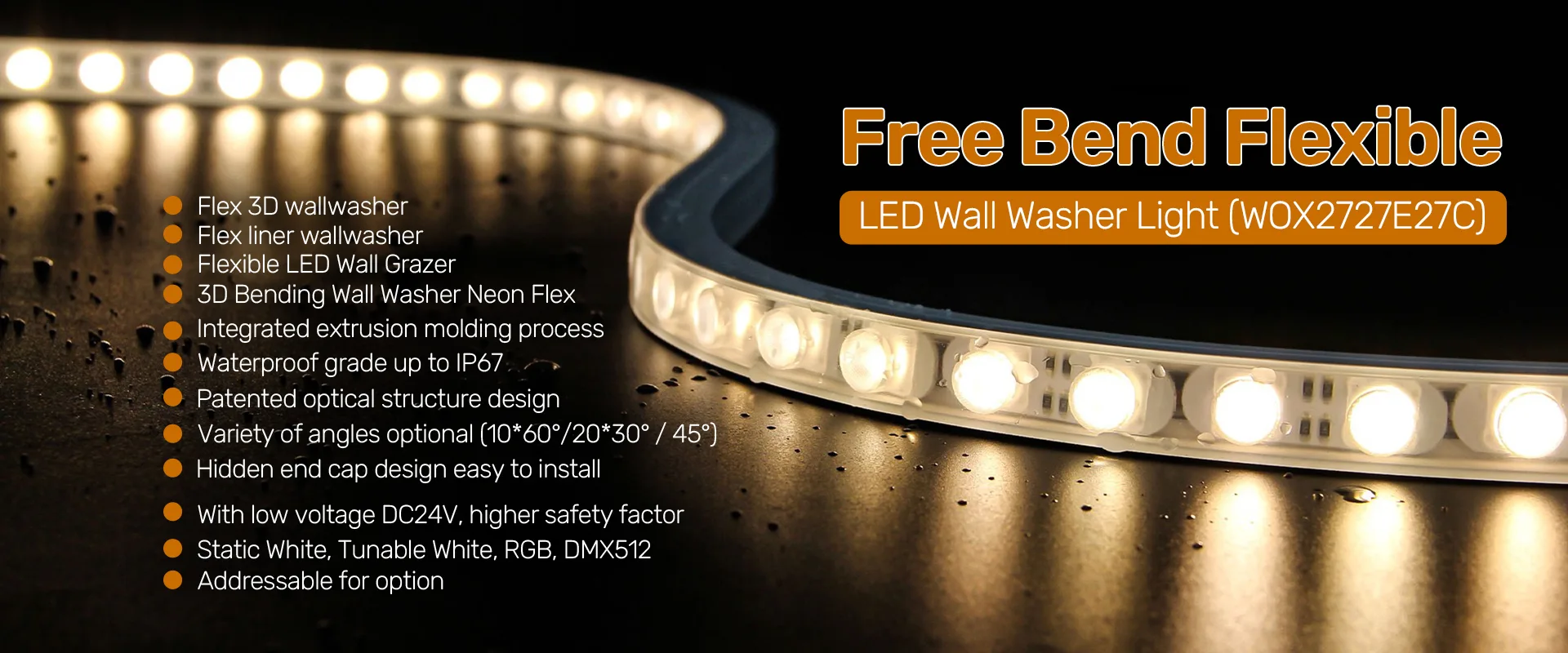
En los últimos años, la tecnología de iluminación LED ha revolucionado la forma en que iluminamos nuestros espacios. Un producto innovador que ha ganado popularidad significativa es el lavador de pared Flex LED. Esta solución de iluminación versátil y adaptable ofrece numerosos beneficios sobre las lavadoras de pared tradicionales. En este artículo, exploraremos las características clave, aplicaciones,...
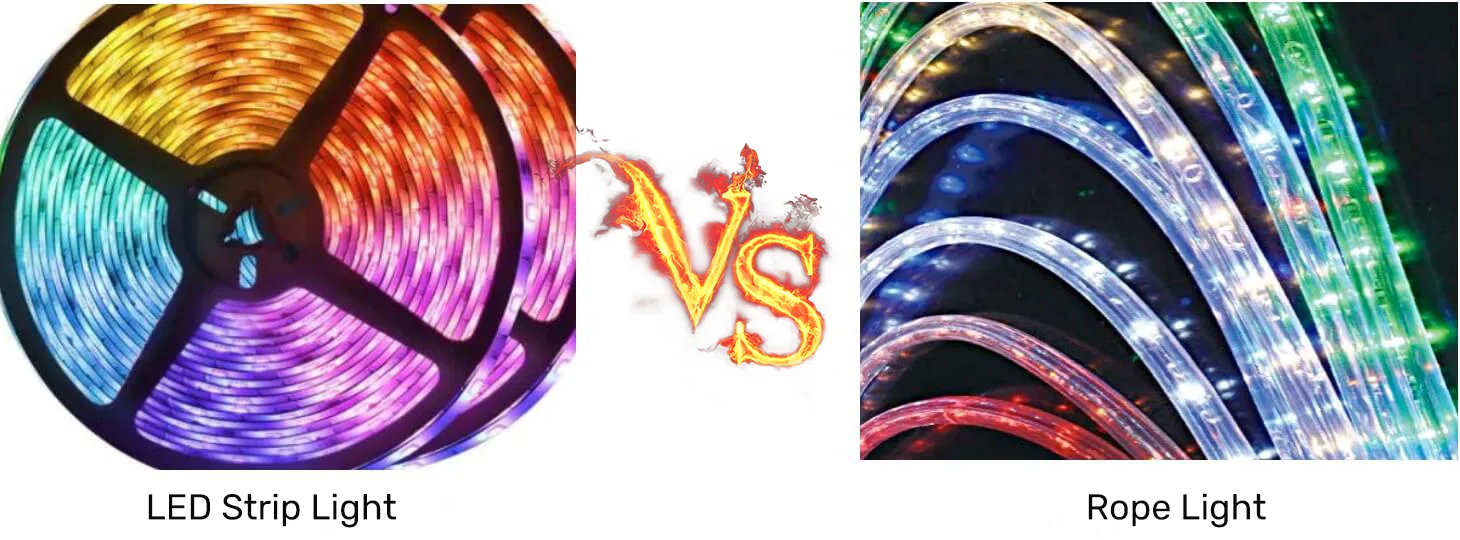
La iluminación LED es una de las mejores formas de iluminar un espacio. Las soluciones de iluminación LED utilizan muy poca potencia y son extremadamente brillantes. Las luces de tiras LED y las luces de cuerda LED son soluciones flexibles para las necesidades de iluminación creativas. Si bien pueden tener mucho en común, no son lo mismo. Las tiras de LED son planas y brillantes. Las luces de cuerda, por el contrario, son tubulares...
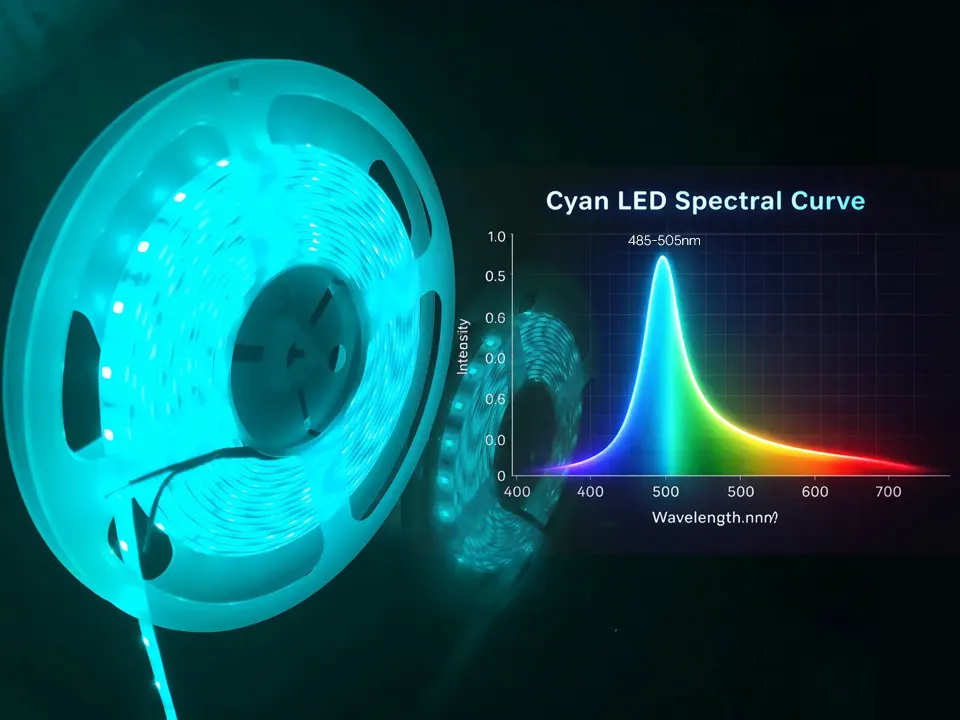
Las luces de tiras LED cian normalmente funcionan dentro del rango de longitud de onda de 485 a 505 nm (nanómetro). En los últimos años, la iluminación LED cian ha ganado una atención cada vez mayor en la iluminación de acuarios, iluminación arquitectónica, iluminación médica, investigación científica y aplicaciones de iluminación comercial especializada. Comparado con los LED azules o verdes tradicionales, LED cian...
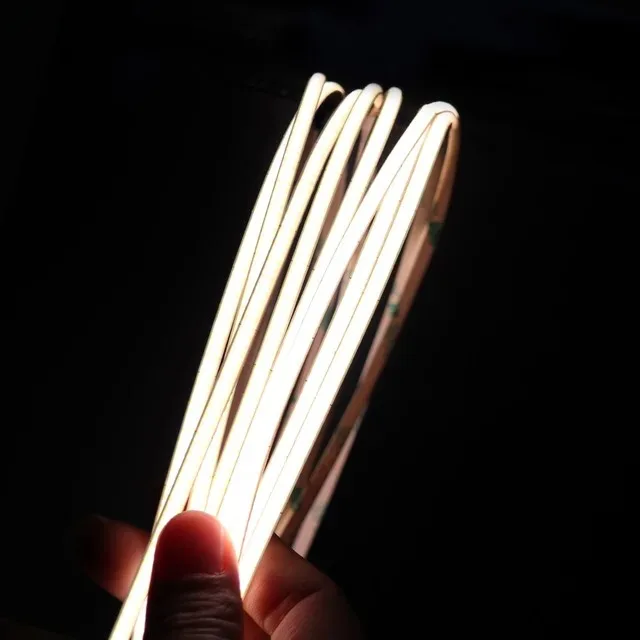
Como se aplica su nombre, Ultra-Trabajo se refiere al ancho físico de la tira de luz. Debido a su tamaño compacto, características suaves y sin puntos, es una solución de iluminación ideal para espacios reducidos y diseños minimalistas. ¿Qué es la tira de luz COB para entender la tira de LED COB ultra estrecha, tenemos que saber qué es la tira de LED COB? Chip-on-Board conocido como COB, es una tecnología...
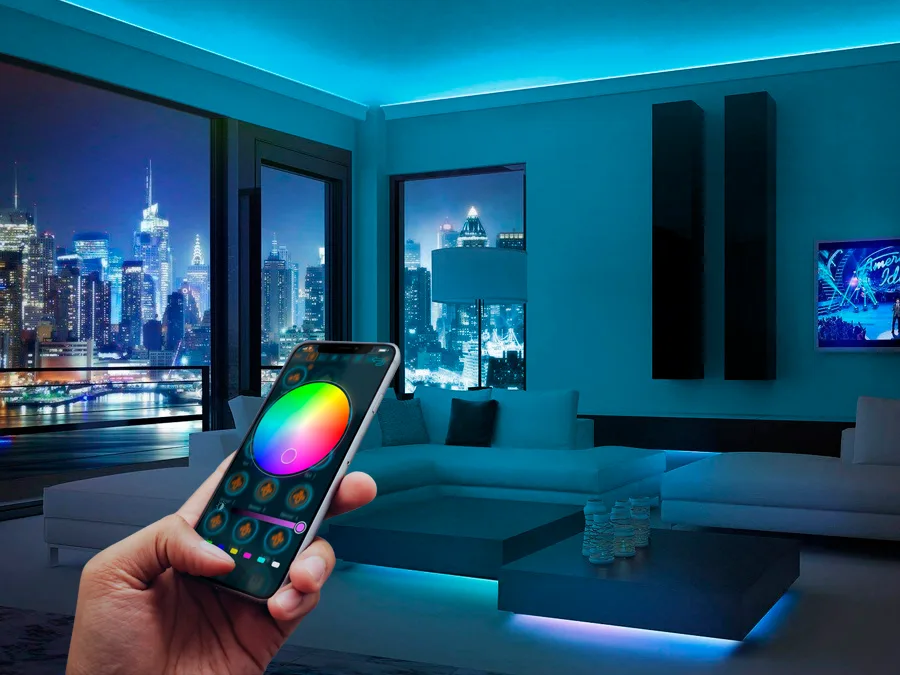
Una tira de luz LED es ideal para iluminación inteligente. Estas luces funcionan utilizando controladores Wi-Fi y 12V DC. El color RGBW hace que las habitaciones sean divertidas. Con Zigbee, se quedan rápidos. Bluetooth 5.0 permite la conectividad a los teléfonos, y los sensores de movimiento ayudan a encenderlos. Las tiras flexibles se adhieren de forma segura a las paredes, y entregan 144 LEDs por metro, lo que las hace muy brillantes...
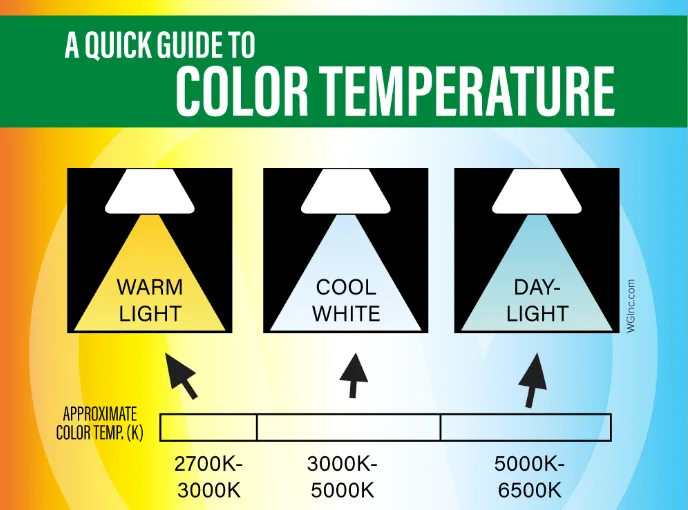
Para la mayoría de las personas, la temperatura del color es un término relativamente desconocido, pero existe en todos los aspectos de nuestras vidas. como la iluminación. Imágenes. La importancia de la temperatura del color no es solo proporcionar información de la fuente de luz, sino también afectar las emociones de las personas. comportamiento y calidad de vida. La temperatura de color de la fuente de luz tiene un...
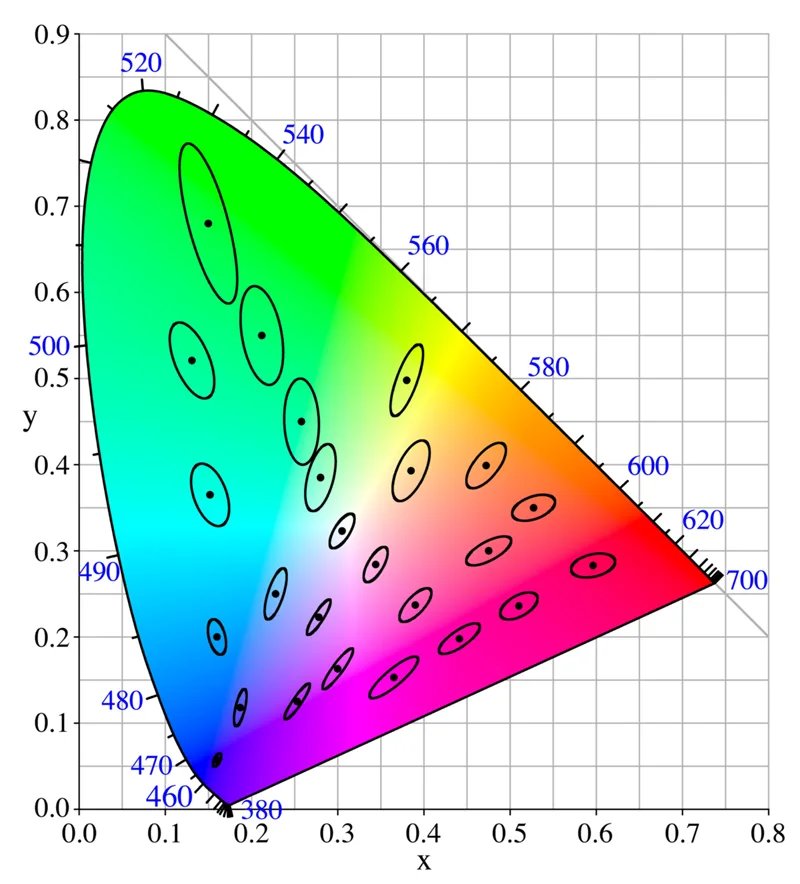
En el mundo dinámico y siempre innovador de la iluminación LED, satisfacer las demandas de los clientes de consistencia del color se ha convertido en un aspecto esencial. La desviación estándar de la coincidencia de color (SDCM) es una métrica clave que juega un papel fundamental para garantizar la uniformidad de la temperatura del color en las soluciones de iluminación LED. Imagine colocar dos luces LED de diferentes tonos uno al lado del otro,...
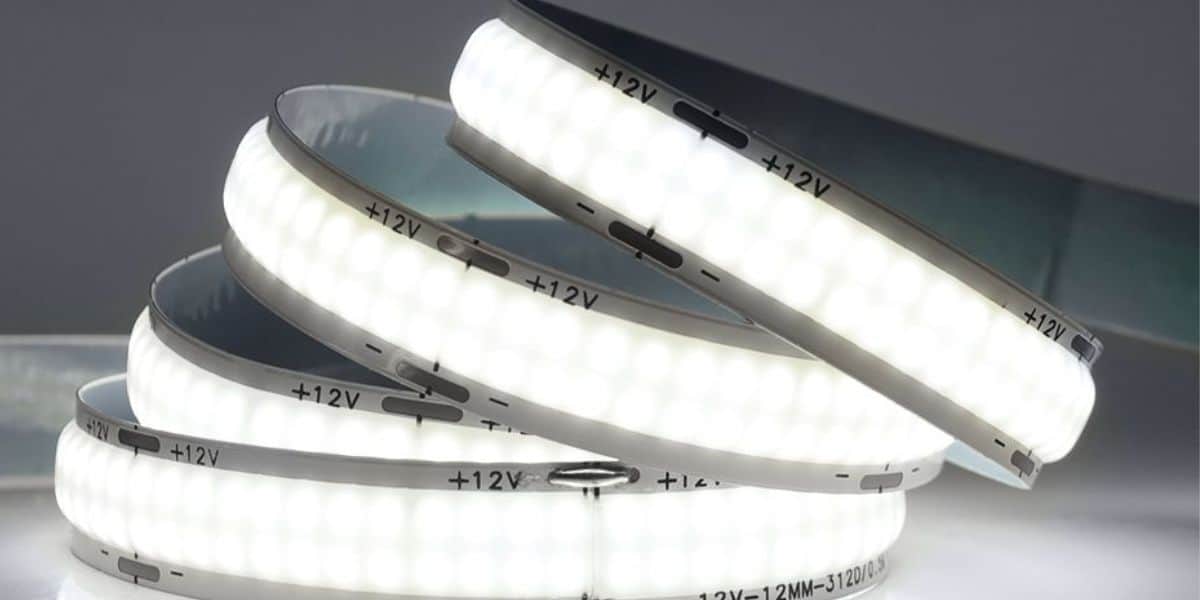
Las luces de cinta LED de alta salida, cuando están diseñadas adecuadamente y bajo condiciones de diseño y disipación de calor equivalente, pueden igualar la durabilidad de las tiras LED estándar. Su gestión térmica y su robusta construcción soportan un funcionamiento fiable, pero no superan de forma inherente la vida útil de las variantes estándar. La durabilidad es un factor crítico en la moderna...
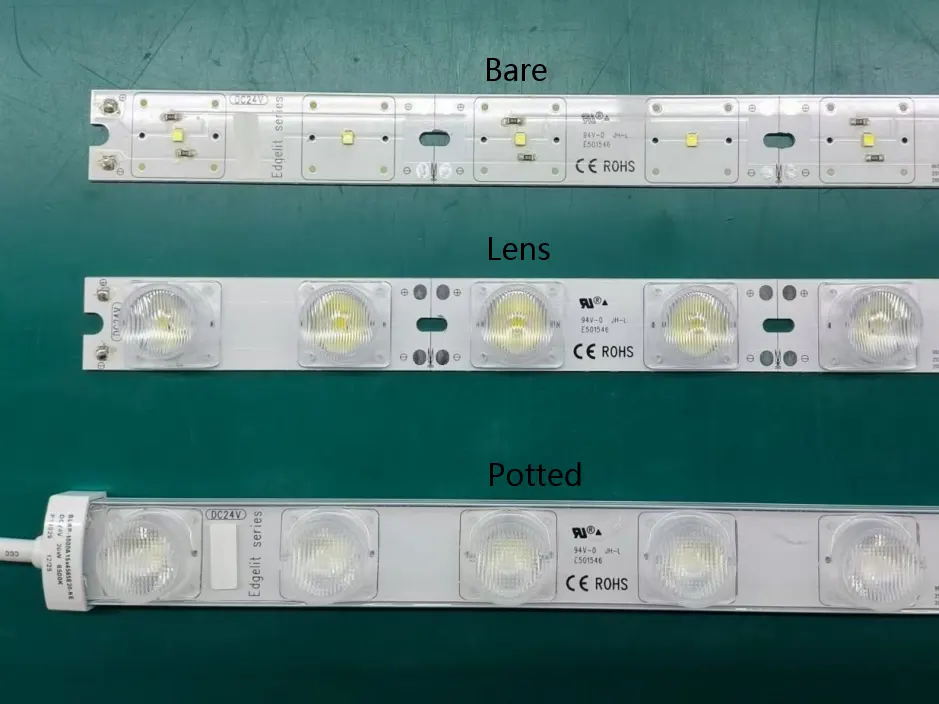
Objetivos de la prueba 1) Documente los cambios en la eficiencia luminosa, la temperatura del color y los datos de CRI en tres etapas de producción distintas de tiras de LED iluminadas con bordes: Placa LED → LED con lente → Lente con compuesto para macetas. Proporcionar soporte de datos para el desarrollo de productos. 2) Evalúe el impacto de los diferentes niveles de potencia y longitudes de tira en el brillo, la temperatura del color,...
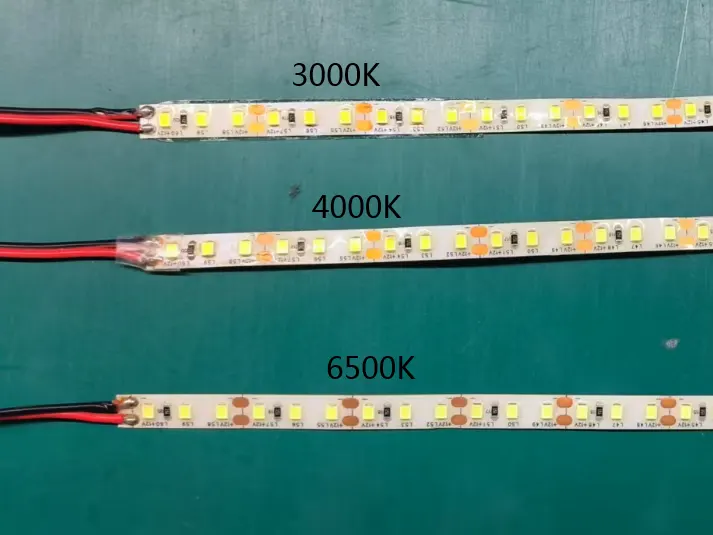
Propósito de la prueba Este informe de prueba, completado por el departamento de ingeniería, compara el rendimiento de la tira de LED antes y después de la pulverización de pegamento. Evalúa los cambios en la eficacia luminosa y la estabilidad de la temperatura del color después de la aplicación de pegamento para proporcionar una base técnica para optimizar los parámetros del proceso. Simular escenarios de aplicaciones del mundo real garantiza...
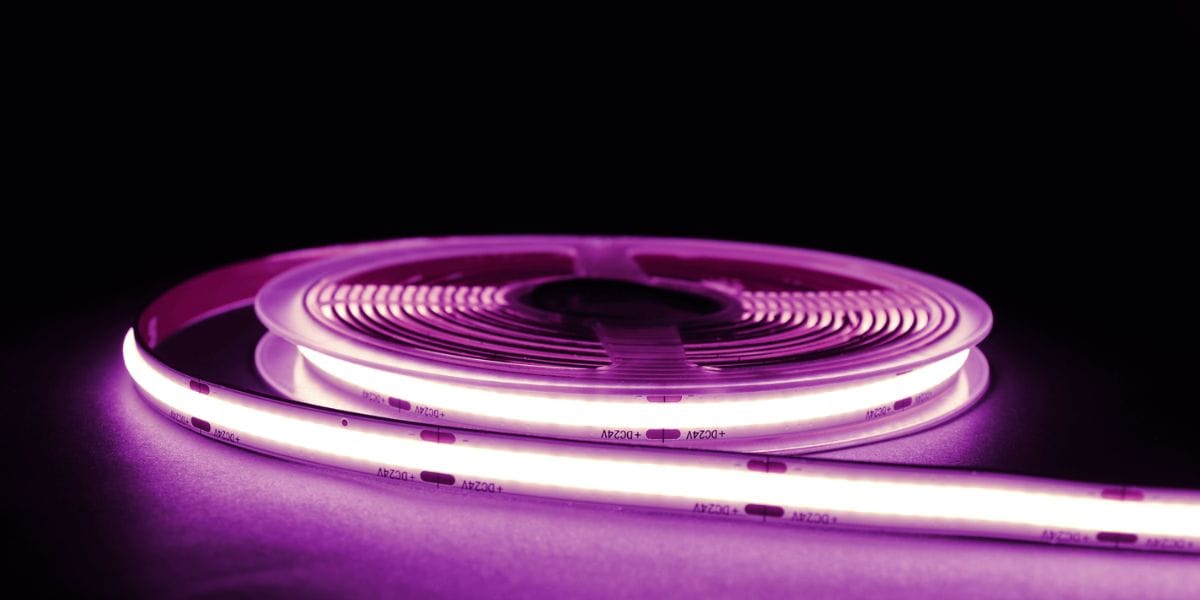
Las tiras LED RGB sin DotS mejoran la calidad de la iluminación al eliminar los puntos LED visibles y la separación de color desigual, produciendo una línea de luz continua y perfectamente suave que ofrece una combinación de colores de calidad profesional, comodidad visual y una apariencia arquitectónica refinada que las tiras LED RGB estándar no pueden lograr. La calidad de la iluminación hoy se juzga no...

En el campo de la iluminación, las tiras de luces LED se han utilizado ampliamente en varios escenarios, como en entornos domésticos, comerciales e industriales debido a sus ventajas de conservación de energía, flexibilidad y larga vida útil. El índice de representación del color (CRI), un indicador clave para medir la capacidad de una fuente de luz para reproducir los colores de los objetos, juegos...
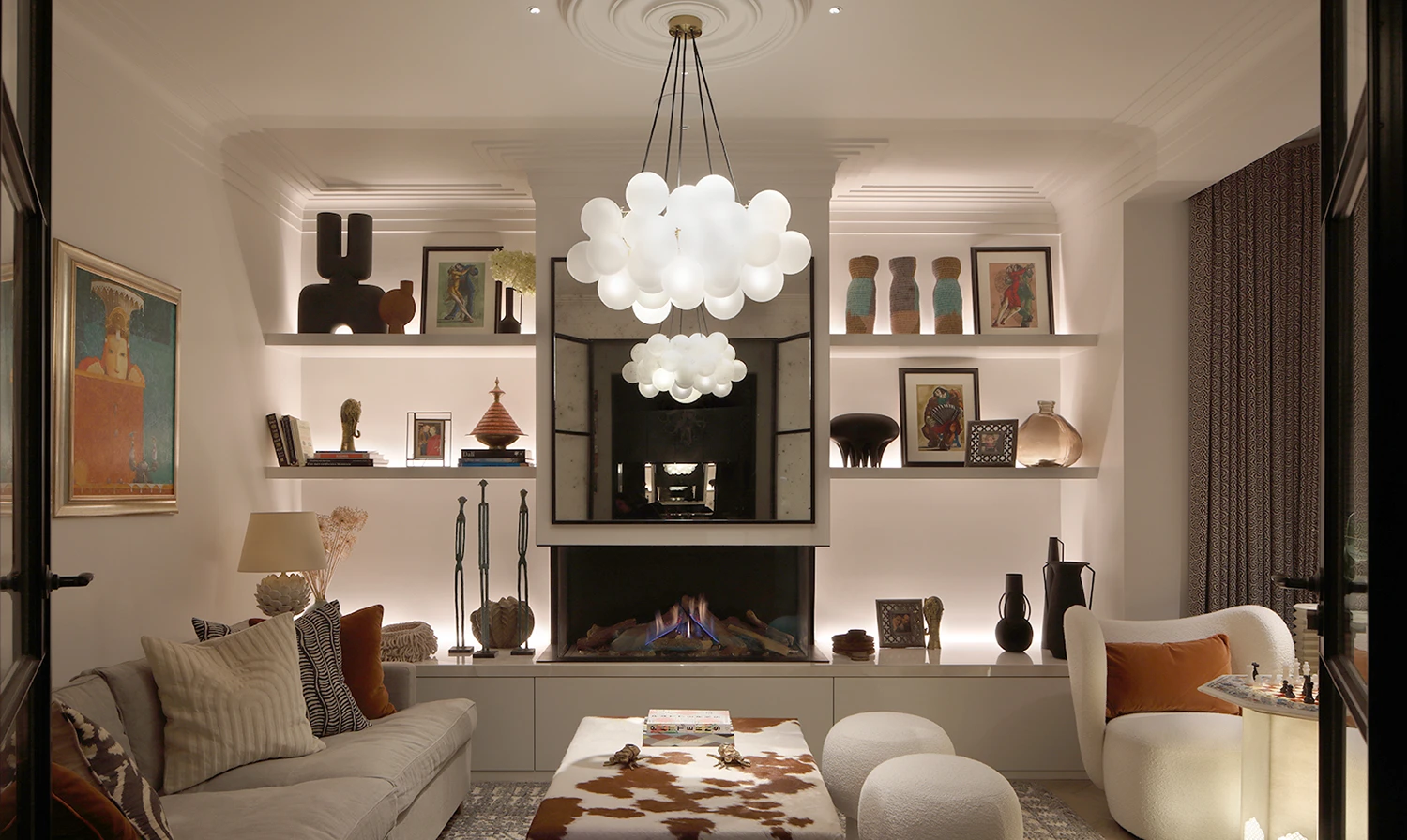
Al diseñar y organizar la iluminación, es esencial comprender las unidades clave como lúmenes, lux, footcandles y watts. Estas medidas determinan qué tan brillante se sentirá un espacio, afectando tanto la funcionalidad como el ambiente. Los lúmenes indican la salida de luz total, mientras que Lux y Footcands miden cómo se distribuye esa luz sobre un área. Mientras tanto, Watts...
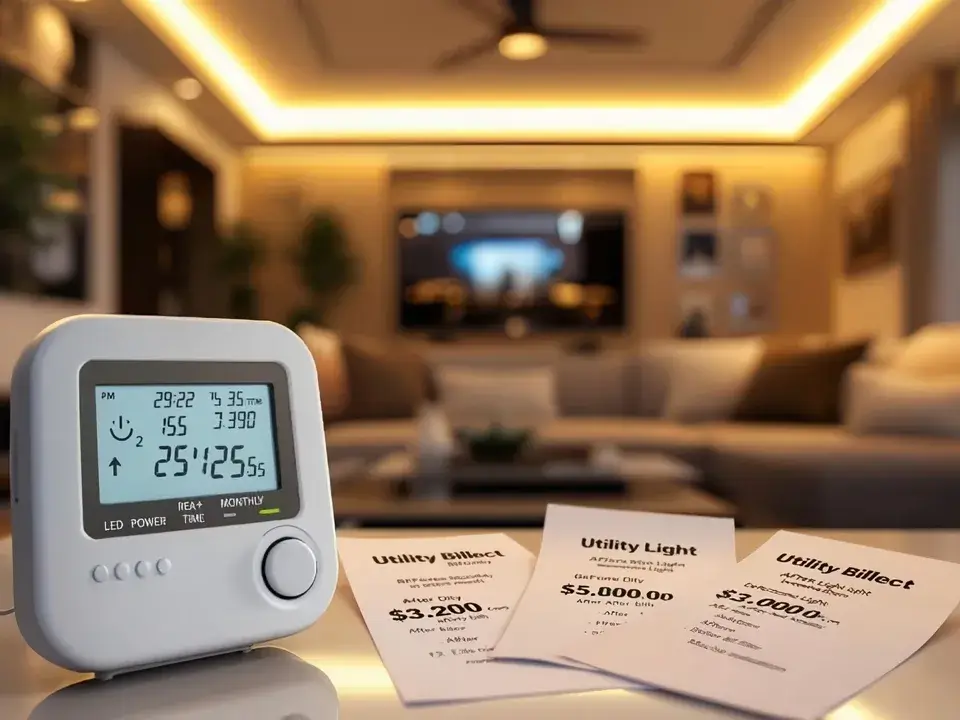
Al planificar un proyecto de iluminación LED, ya sea para tiendas, fachadas de edificios, iluminación de oficinas o señalización, comprender el consumo de energía de las tiras de luces LED es un paso crítico. No solo le ayuda a seleccionar la fuente de alimentación adecuada para evitar la sobrecarga de circuitos, sino que también afecta el presupuesto general de energía del proyecto y la operación a largo plazo...
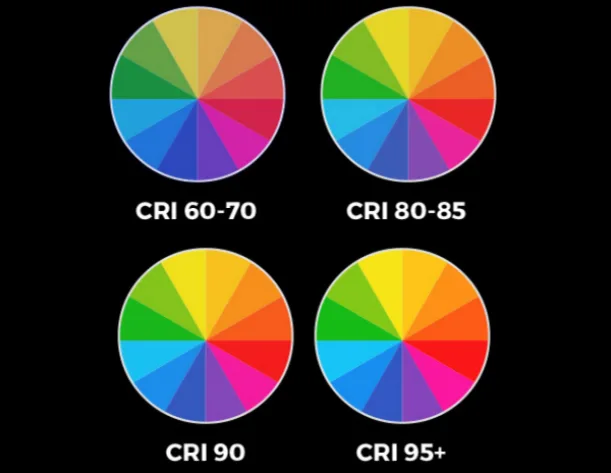
Las tiras LED CRI 95+ representan iluminación de grado profesional, lo que proporciona una representación del color casi idéntica a la luz solar natural. Para entornos donde la precisión del color es crítica, como exhibiciones minoristas, galerías de arte, interiores de lujo y fotografía, CRI 95+ garantiza que los productos, las obras de arte y los materiales aparezcan según lo previsto, mejorando la percepción y la experiencia general...
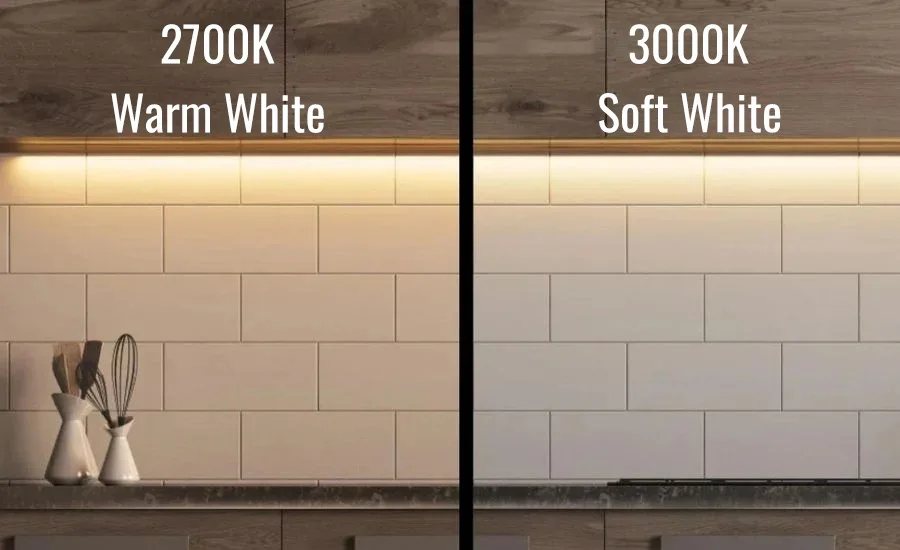
La iluminación es un aspecto importante de una casa familiar o un entorno comercial. No se trata de practicidad, sino del impacto que tiene en la estética y el ambiente de un espacio. Cuando se trata de elegir la iluminación adecuada para su espacio, incluso la más mínima diferencia puede tener un impacto significativo. Una de esas consideraciones es la temperatura de color...
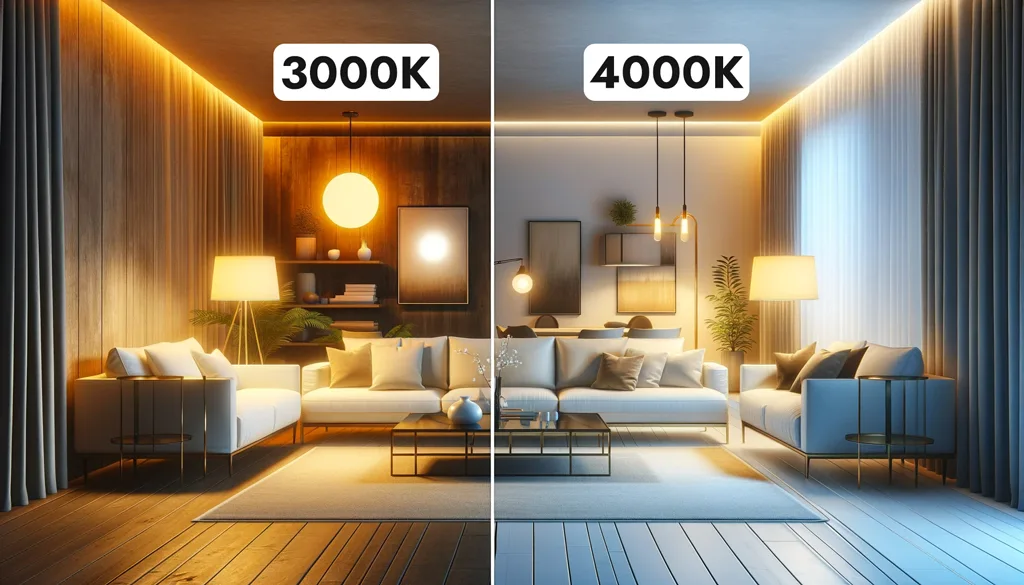
Elegir la temperatura de color adecuada para la iluminación de su hogar es una opción crítica que afectará el ambiente, el estado de ánimo y la usabilidad de su sala de estar. Varias opciones de temperatura de color pueden producir diferentes efectos, desde un ambiente cálido y acogedor hasta uno fresco y estimulante. Como todo lo demás, existe una amplia gama de productos LED...
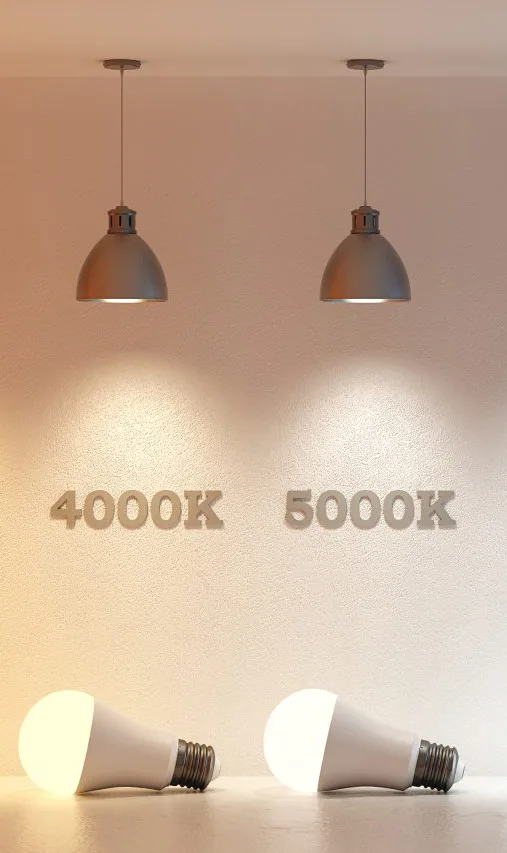
Las luminarias LED son la solución más eficiente para la iluminación comercial y residencial. Hay varios tipos de LED en las luminarias LED, que están determinadas por varios factores, incluida la temperatura de color. La temperatura de color es uno de los factores clave que debe tener en cuenta al elegir una luminaria LED. Si bien puede describirse simplemente como la apariencia...
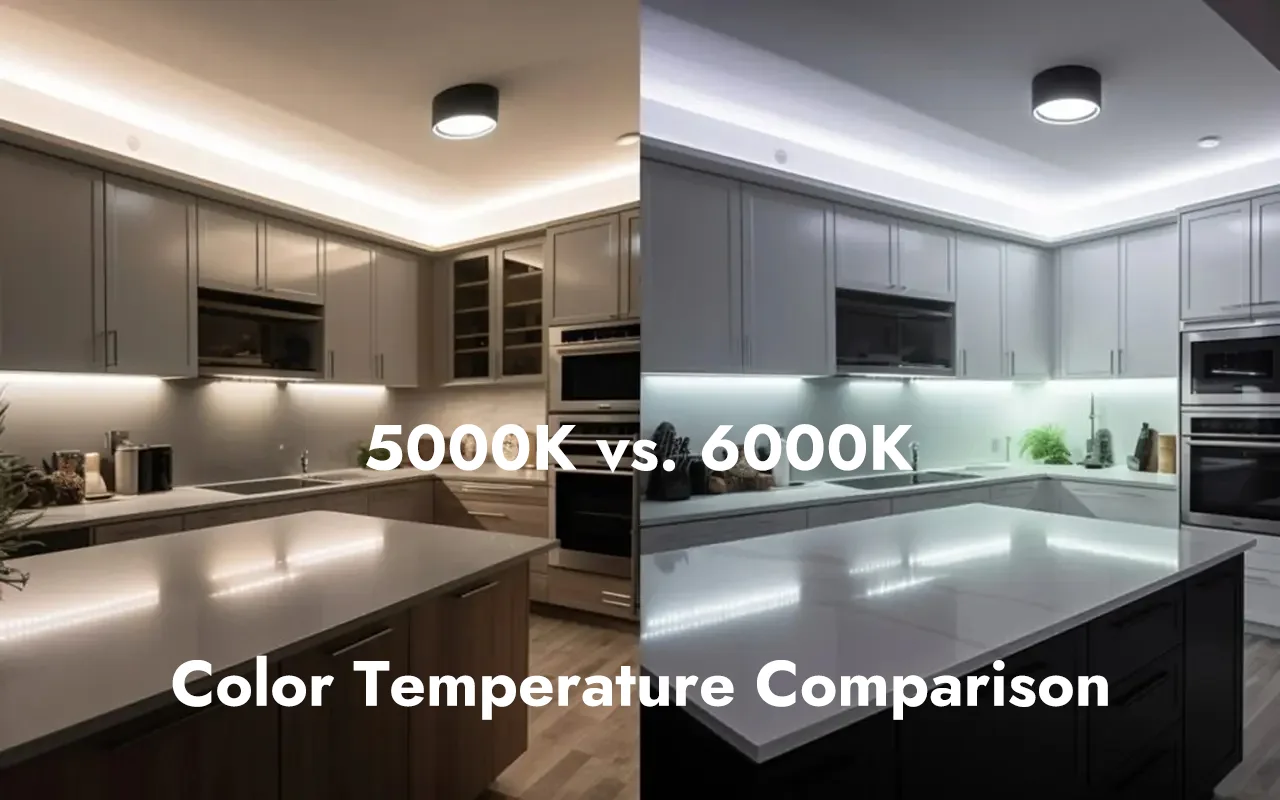
La temperatura del color es un parámetro que describe el color de una fuente de luz visible y se mide en Kelvin (K). El valor específico del que estamos hablando, como 5000K o 6000K, es en realidad la temperatura de color correlacionada (CCT). La temperatura de color correlacionada (CCT) se utiliza para describir el color de una fuente de luz cuya distribución espectral no es idéntica...
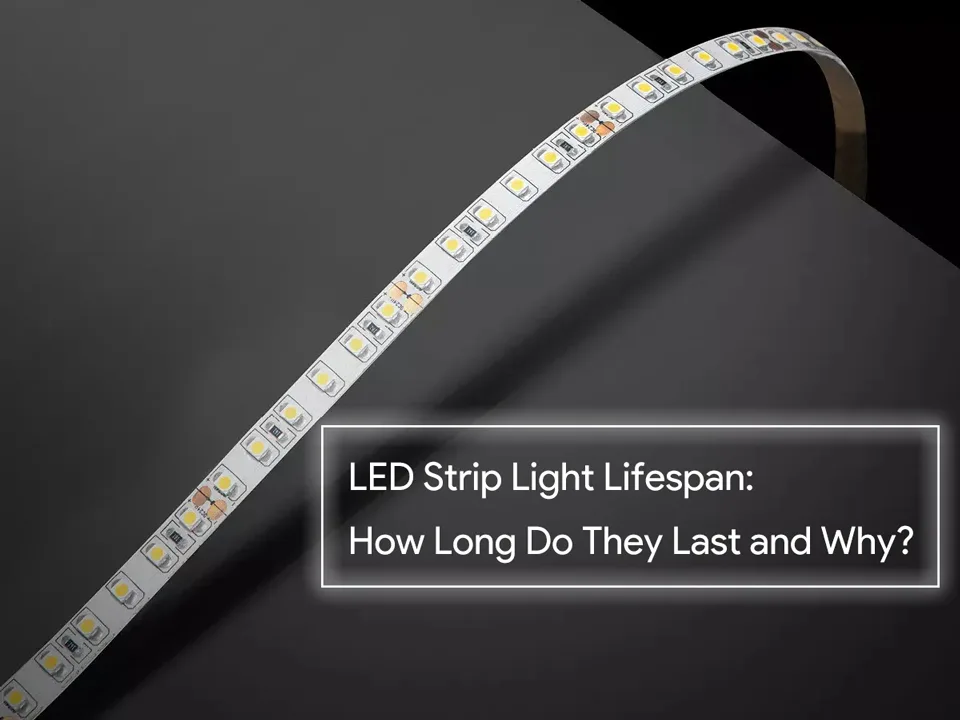
Las tiras de luces LED se están volviendo cada vez más populares tanto para la iluminación decorativa como para la funcional. Para proyectos comerciales, iluminación de paisaje arquitectónico o instalaciones fijas a largo plazo, la vida útil de las tiras de luces LED no solo es una especificación técnica, sino que también afecta directamente los gastos de mantenimiento posteriores a la instalación, el rendimiento de la eficiencia energética,...
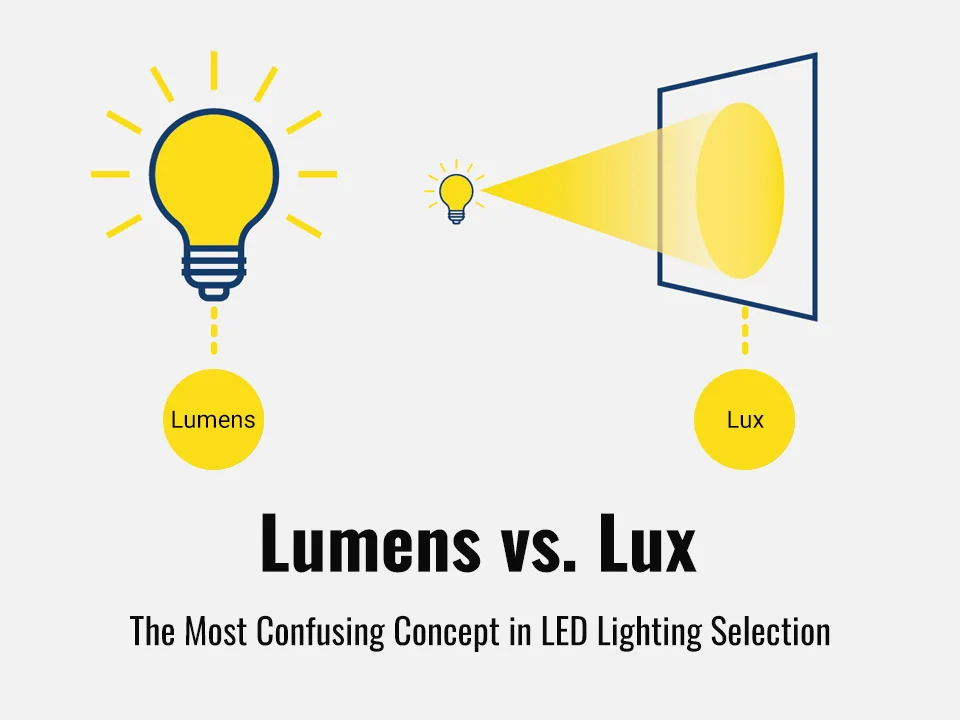
Al seleccionar accesorios de iluminación LED o diseñar soluciones de iluminación LED, muchas personas a menudo se encuentran con un problema confuso: ¿cuál es la diferencia entre los "lumenes" que figuran en el empaque y "lux" en las especificaciones de diseño? De hecho, mientras tanto los lúmenes como los lux están relacionados con el "brillo", se enfocan en aspectos completamente diferentes: los lúmenes miden cuánto...
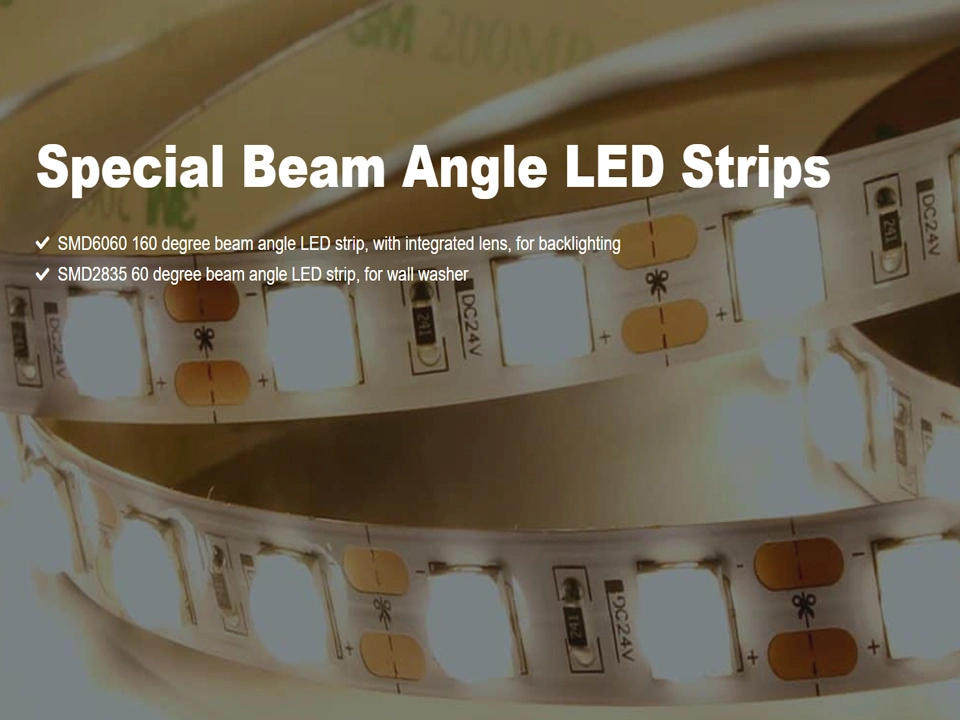
SMD2835 Tira LED de ángulo de haz de 30 y 60 grados, para lavadora de pared SMD6060 Tira de ángulo de haz de 160 grados, con lente integrada, para retroiluminación Por qué el ángulo de haz es importante en la iluminación de tira de LED arquitectónica y de pantalla Un ángulo de haz de luz se refiere a la propagación de la luz emitida desde una fuente LED, medida en grados. Determina si la luz es...
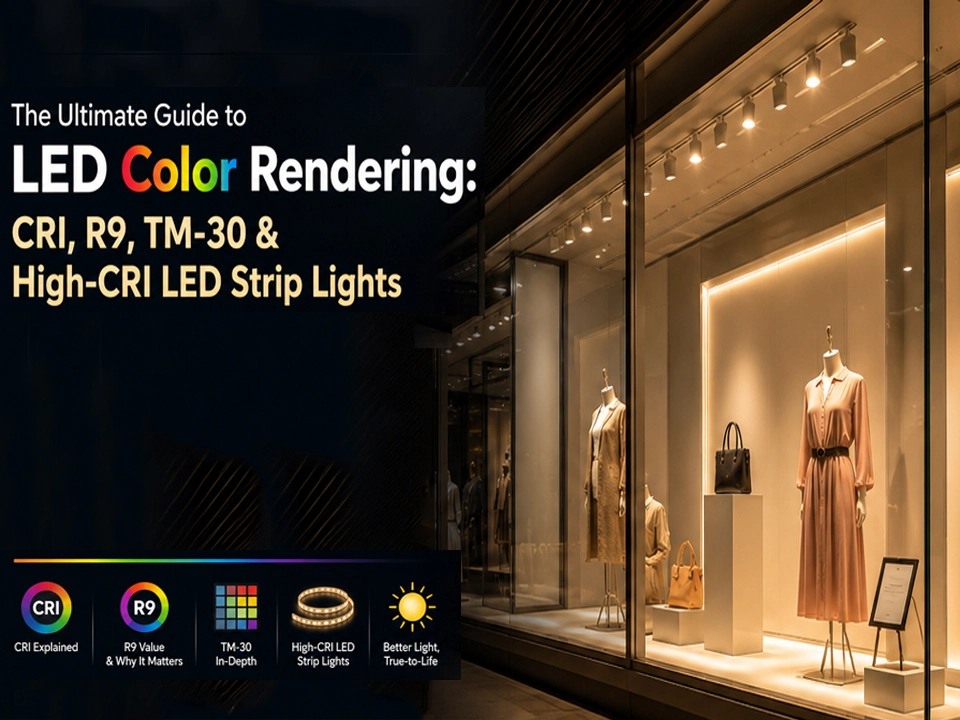
¿Alguna vez ha notado que algunas luces LED hacen que la carne fresca se vea marrón, la piel humana parece pálida o los muebles de madera pierden su calidez natural? El problema a menudo no es el brillo, es una mala representación del color. En la iluminación LED moderna, la calidad del color se ha vuelto tan importante como la producción de lumen y la eficiencia energética. Ya sea en tiendas minoristas, supermercados, museos,...
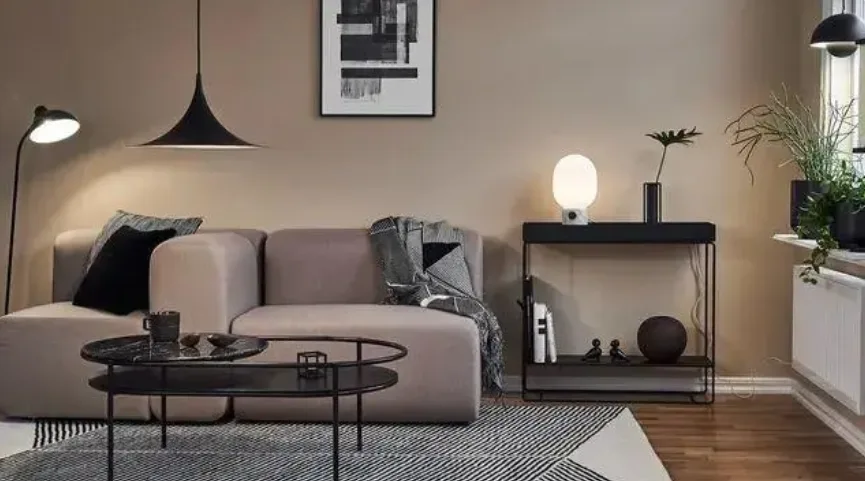
Si el diseño de iluminación de la casa no se hace bien en la etapa inicial de la decoración, es realmente problemático cambiar la etapa posterior, porque la fuente de luz principal está en el techo, todo lo cual implica líneas de excavación y techos suspendidos o de acanalamiento. El diseño temprano no está en su lugar, la iluminación no puede satisfacer las necesidades de la familia, e incluso...
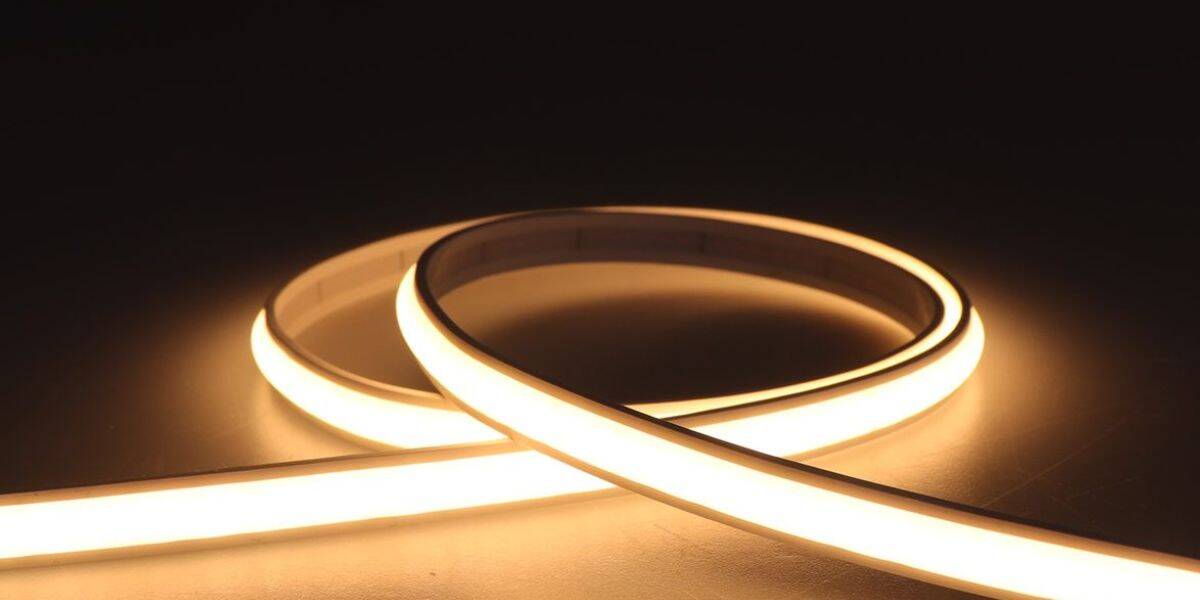
Las principales diferencias entre las tiras de LED de alta densidad y las tiras de LED estándar se encuentran en la cantidad de LED por metro, la uniformidad de la luz, la calidad visual, los requisitos de gestión del calor y las aplicaciones adecuadas, todo lo cual afecta directamente a la profesionalidad y la fiable instalación de una iluminación. Entender estas diferencias es fundamental...
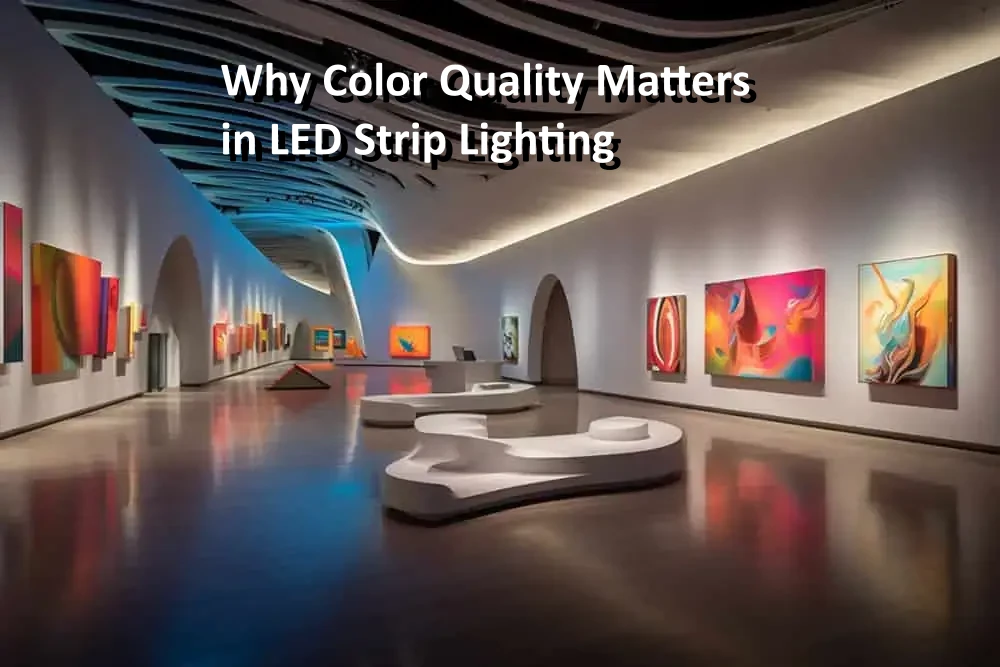
En los proyectos de iluminación comercial y residencial, la calidad del color y la comodidad visual se están volviendo tan importantes como la eficiencia energética. A medida que la tecnología LED continúa evolucionando, los diseñadores e ingenieros de iluminación prestan más atención a los indicadores de rendimiento óptico avanzados, como CRI, R9, emisiones de luz azul y salida de espectro completo. Estos factores...
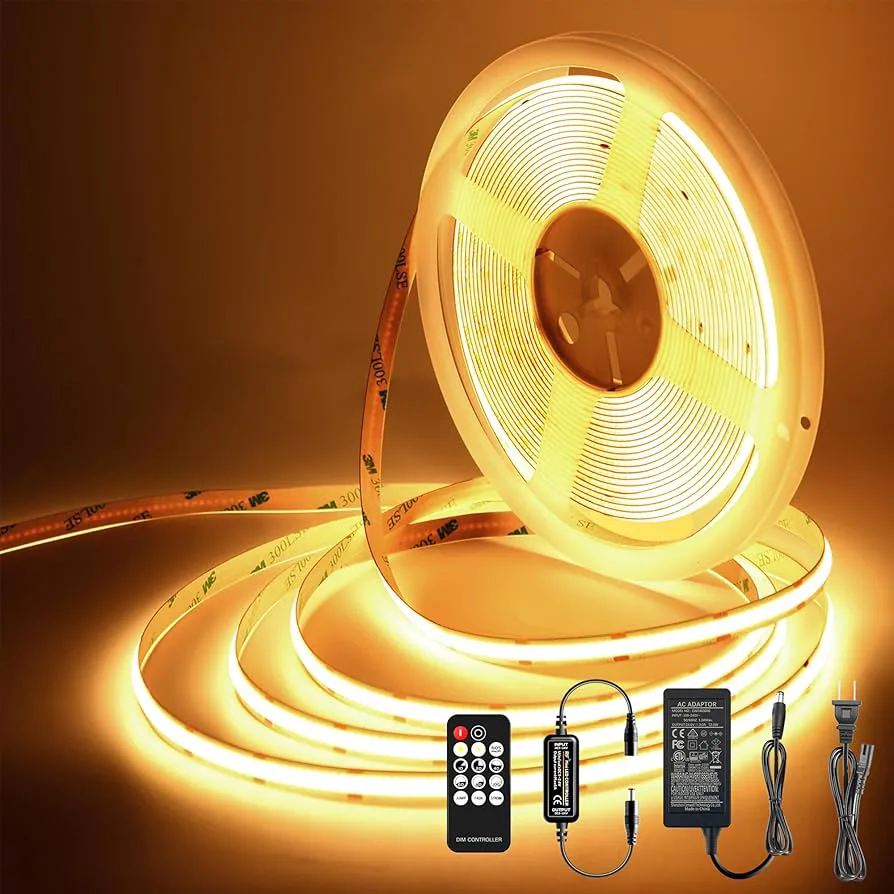
En la tecnología de iluminación moderna, las tiras de LED se ven favorecidas por su flexibilidad, eficiencia energética y variedad de aplicaciones. Las luces de tiras LED regulables han revolucionado las soluciones de iluminación modernas. Ya sea que esté buscando mejorar el ambiente de su hogar o diseñar un espacio de trabajo profesional, es esencial comprender cómo funcionan las tiras de LED regulables...
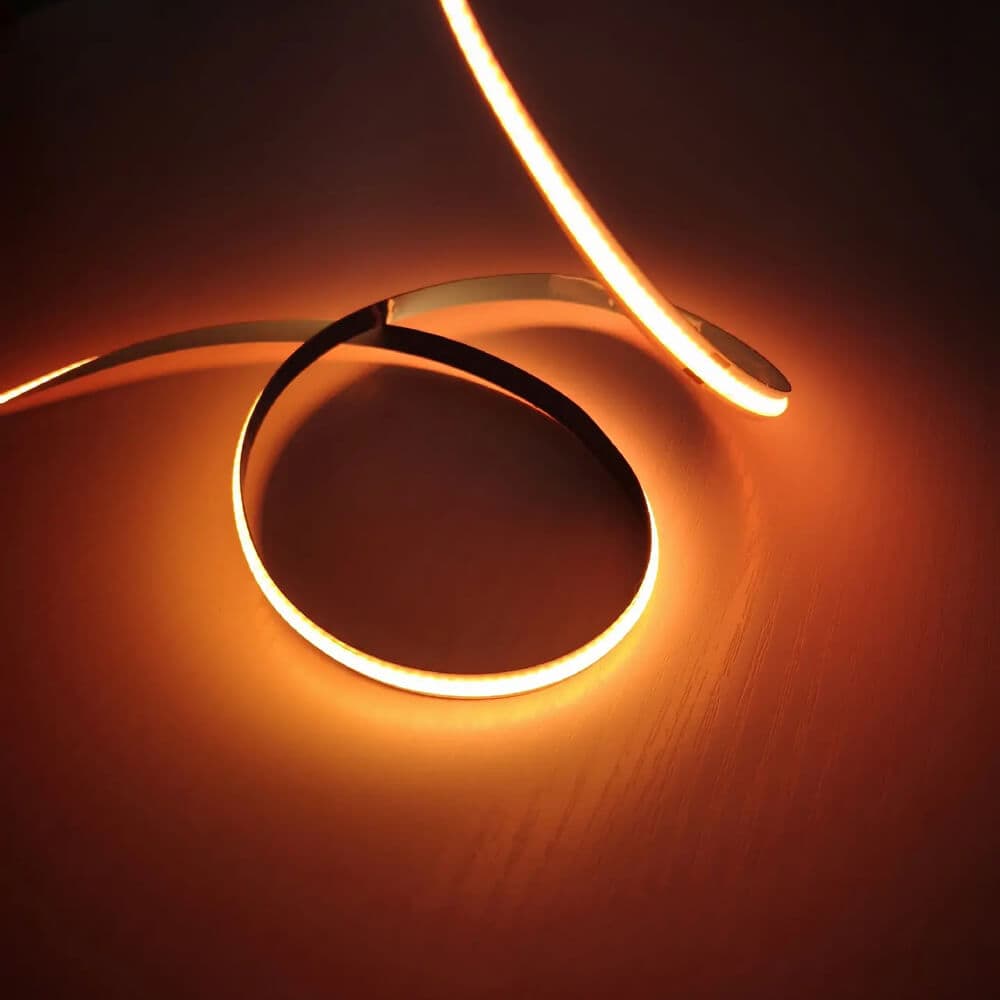
Una opción de iluminación común para entornos industriales, comerciales y residenciales es la iluminación de tiras LED COB. Proporcionan una serie de ventajas, incluso como eficiencia energética, longevidad y gran brillo. Sin embargo, si se pueden atenuar las tiras de LED COB es una consulta común. Esta publicación examinará a fondo esta consulta. Aclaremos qué...
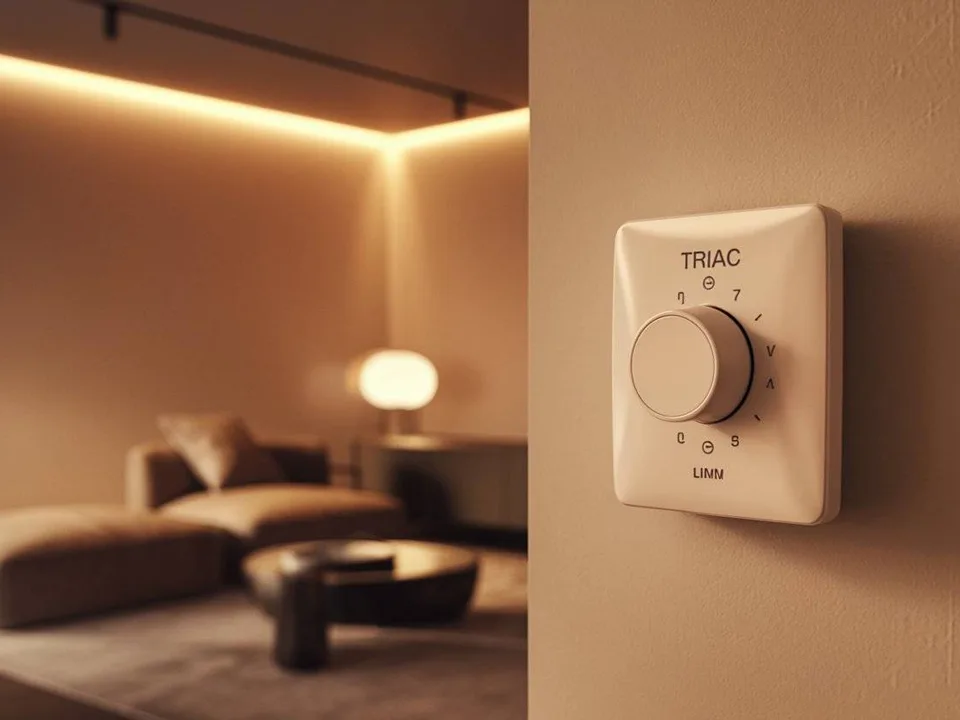
En los proyectos de iluminación modernos, la atenuación se ha convertido en un elemento crítico para mejorar el ambiente espacial y la eficiencia energética. Mientras que ahora se está adoptando un número cada vez mayor de protocolos de atenuación digital (como DALI, 0-10V y controles inalámbricos inteligentes), el atenuación de Triac sigue siendo el método más común y ampliamente utilizado a nivel mundial. Originalmente diseñado para atenuar...
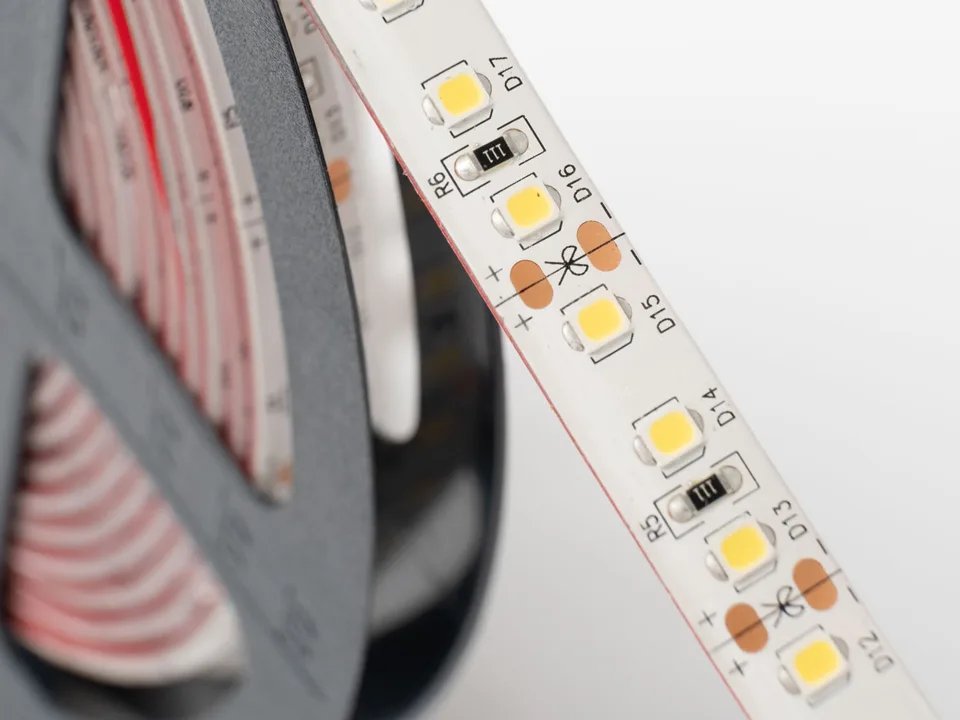
SignLiteled es un fabricante especializado en la producción de tiras de luces LED, y nuestra amplia experiencia en la industria nos ha ayudado a comprender la importancia de la selección de LED y la fabricación de calidad. El LED es el componente central de la tira de LED, y la elección de un buen LED es la clave para garantizar el rendimiento y la vida útil de la...
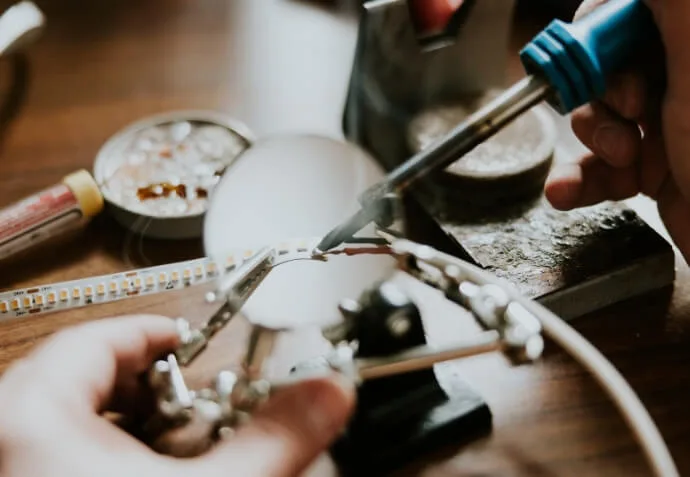
Disponible en una amplia gama de tamaños, densidades y colores, las luces de tiras LED se han convertido en una opción popular para los propietarios de viviendas y las empresas que buscan crear ambiente o mejorar su decoración debido a su facilidad de instalación. Sin embargo, como muchos accesorios de iluminación, las luces de tira de LED pueden encontrar problemas que afectan su rendimiento. Como resultado, la solución de problemas...
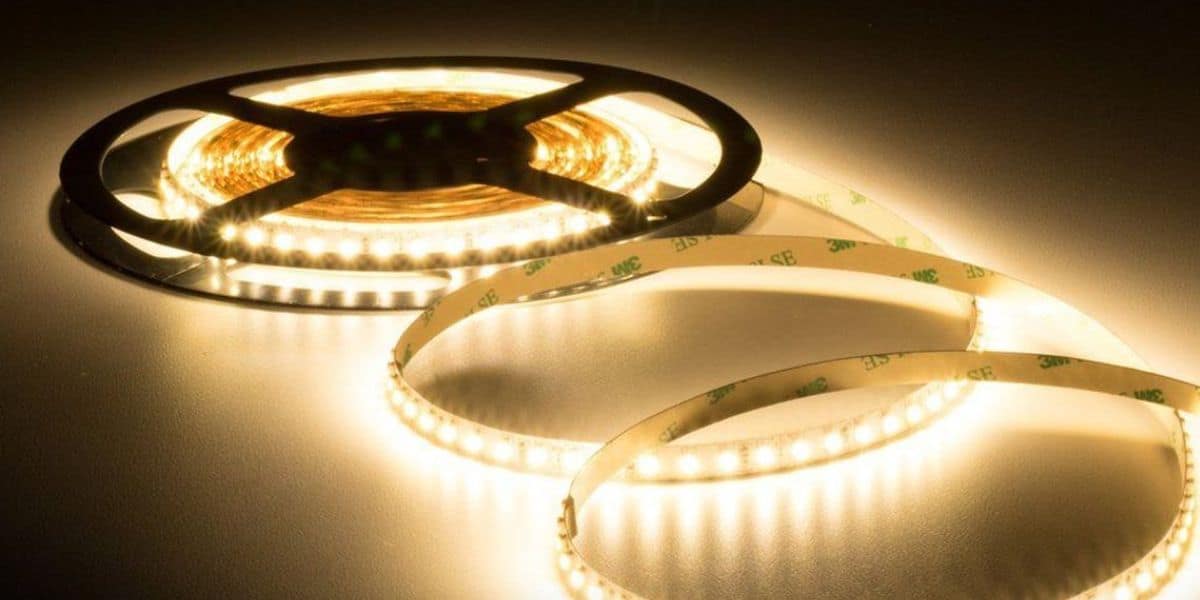
La durabilidad de la luz de tira de LED y la máxima longitud alcanzable están fundamentalmente interconectadas a través de la física de la caída de voltaje, la eficiencia de la gestión térmica y la calidad de los componentes. Con los modernos sistemas DC48V de alto voltaje, las luces LED de tiras de diseño profesional ahora pueden lograr recorridos continuos individuales de hasta 50 metros mientras mantienen una entrega de corriente estable...
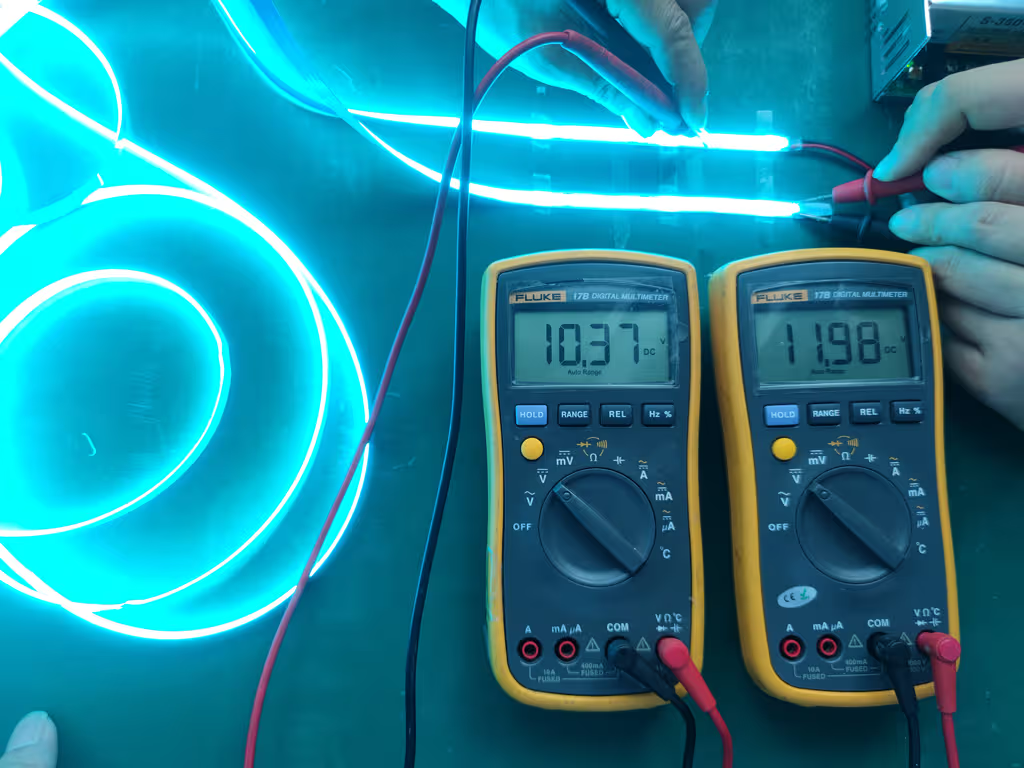
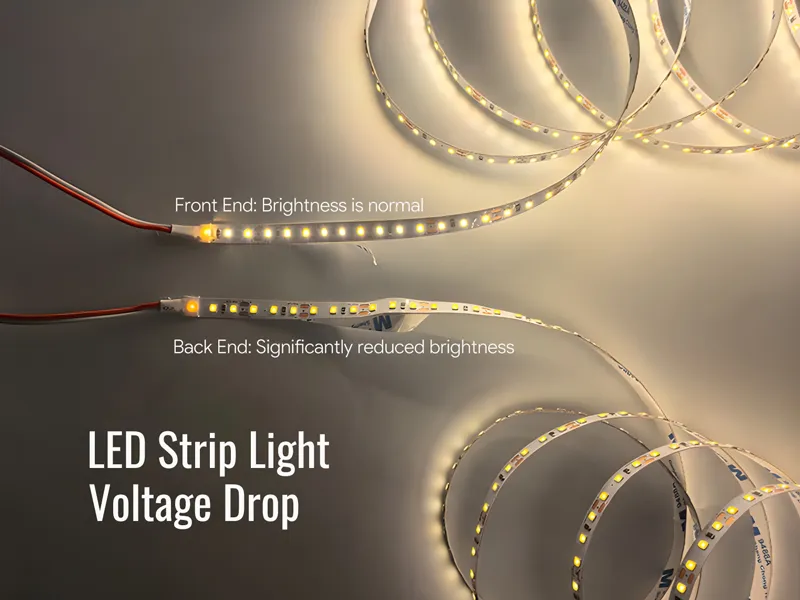
La caída de voltaje es un fenómeno común en los sistemas de iluminación LED que pueden afectar el rendimiento y la longevidad de las tiras de LED. Se refiere a la disminución de voltaje a lo largo de la longitud de una tira debido a la resistencia de los conductores y componentes en el circuito. ¿Qué es la caída de voltaje? La caída de voltaje es la reducción del potencial eléctrico que se produce cuando la corriente...
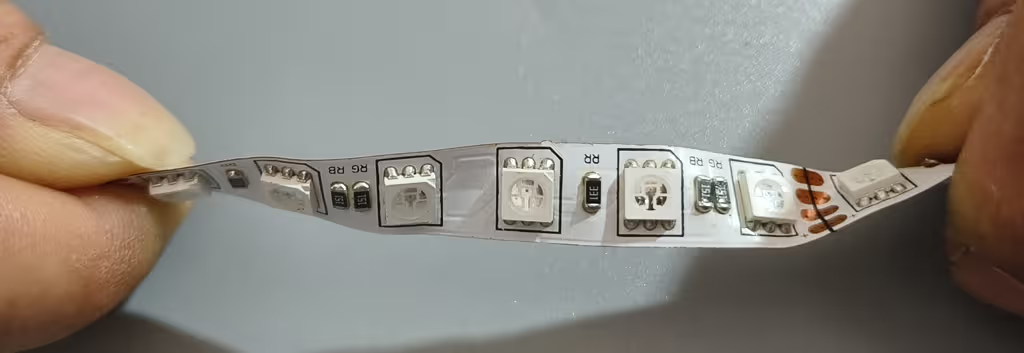
Aunque anteriormente hemos introducido una gran cantidad de tiras de luces LED, examinamos una serie de causas potenciales cuando descubrimos que algunas perlas de lámparas LED no se estaban iluminando. A continuación se proporciona una explicación detallada de estos elementos y sus arreglos adjuntos: 1. Conexión inadvertida a la fuente de alimentación de alto voltaje: debido a la descuido durante...
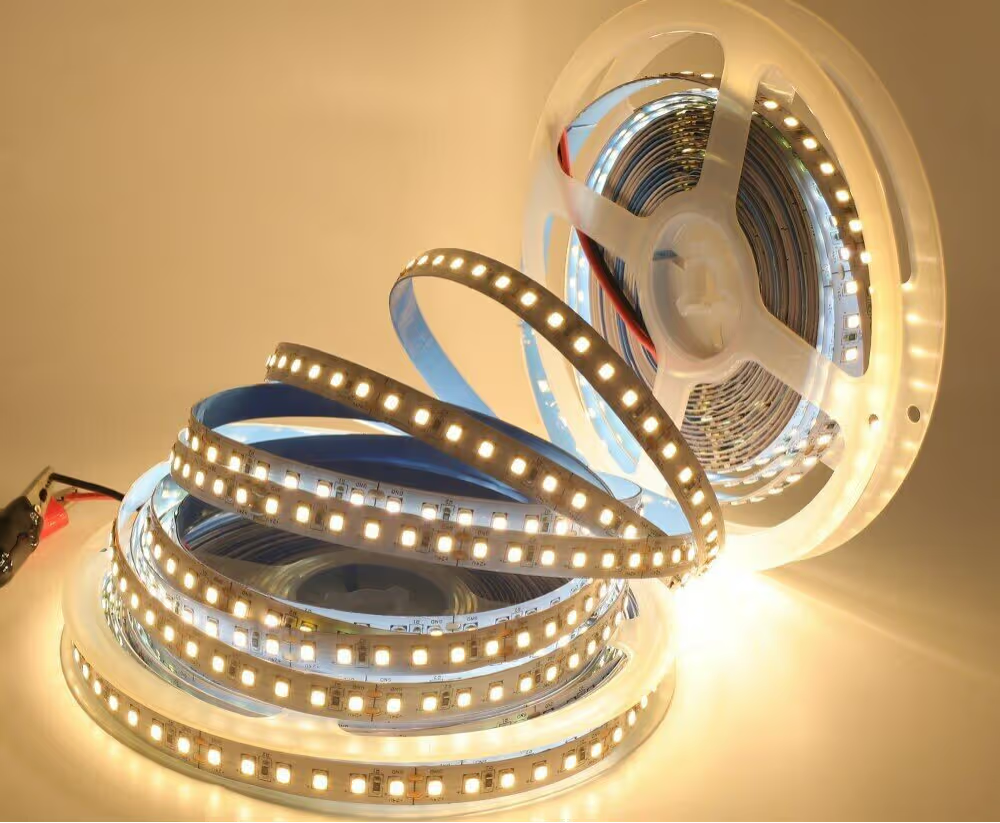
Las tiras de luces LED son muy populares porque son versátiles. Una de sus grandes características es la capacidad de cortarlos a cualquier longitud, lo que los hace fáciles de personalizar. Pero, ¿qué pasa si necesita extenderlos a una distancia mayor, como decenas o incluso cientos de pies? Esto puede ser un poco complicado y requiere una planificación y configuración cuidadosas. Cuando planifiques carreras más largas...
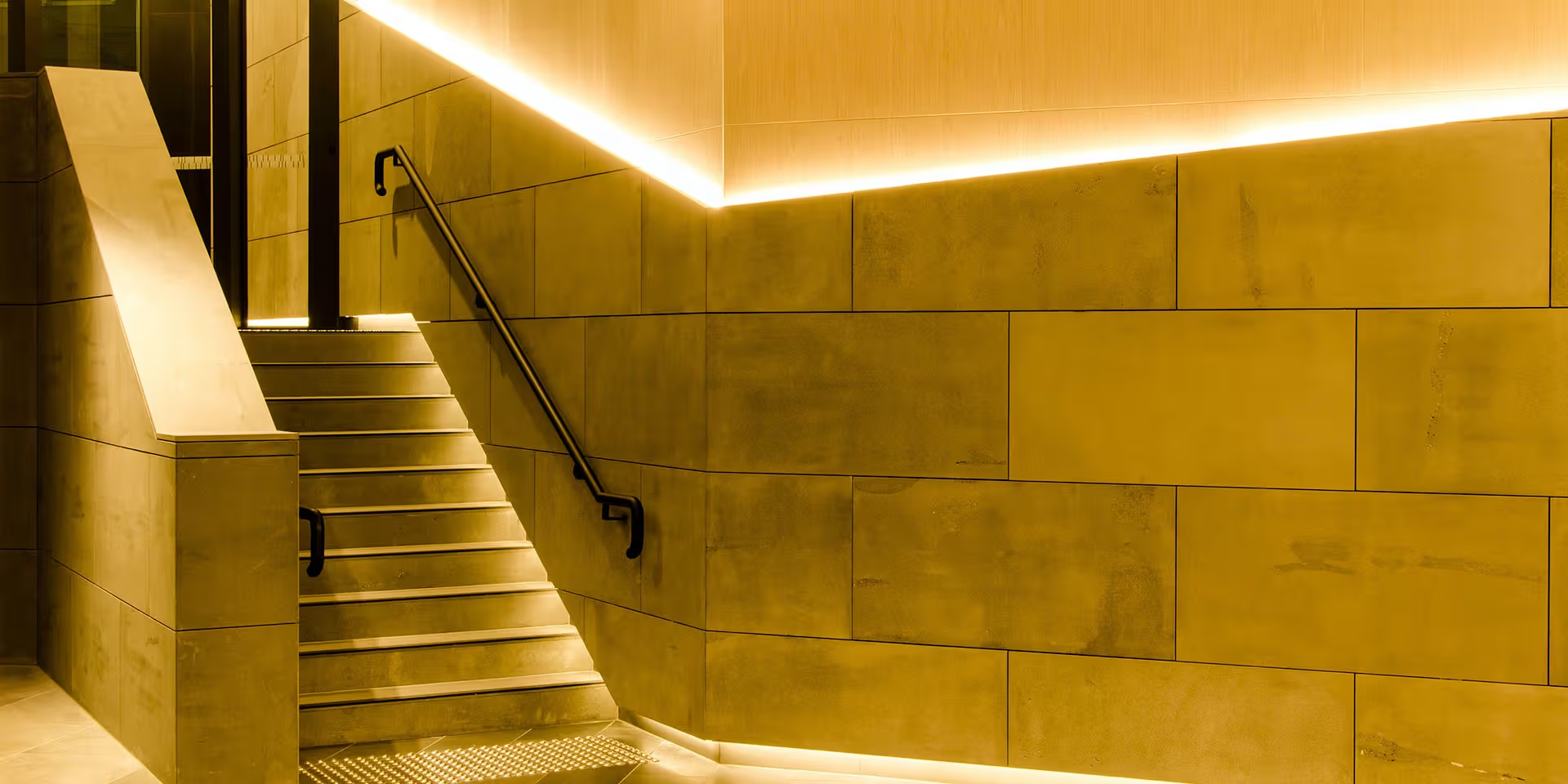
Es bastante común que las tiras LED dejen de funcionar después de ser cortadas, especialmente para aquellas personas que no tienen mucha experiencia en el bricolaje. Con la condición de que las tiras funcionen antes de cortar, aquí están las posibles causas y soluciones. Partes de la tira de LED no funcionan 1. Punto de corte incorrecto Causa: Las tiras de LED flexibles se cortan, generalmente el corte...
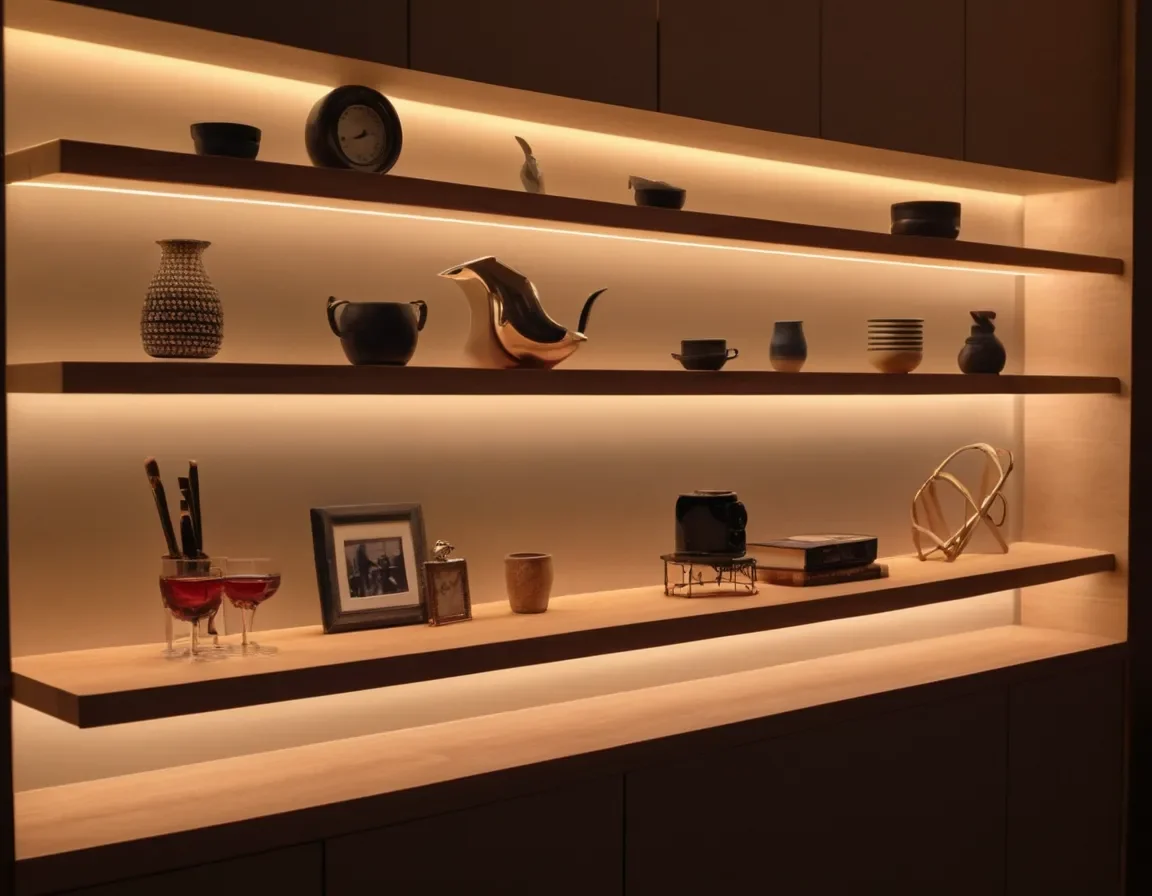
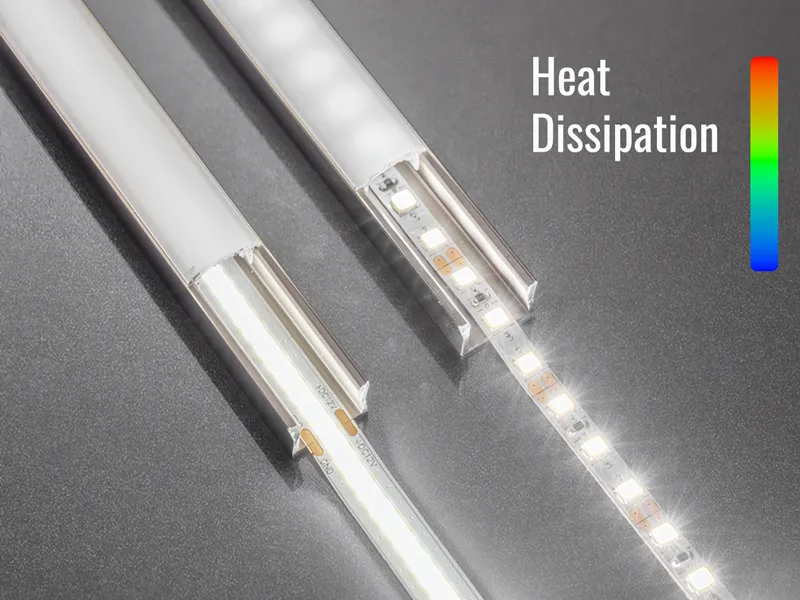
¿Estás explorando perfiles de aluminio LED para tu próximo proyecto de iluminación? Estas carcasas especialmente diseñadas protegen y mejoran las tiras de luces LED, ofreciendo beneficios tanto funcionales como estéticos. Pero, ¿por qué elegir el aluminio sobre otros materiales y qué ventajas ofrece? En esta guía, responderemos a estas preguntas y más, sumergiéndonos en el papel de...

En el mundo de la decoración y la iluminación, las tiras LED son una opción popular para los hogares modernos y las ubicaciones comerciales debido a su flexibilidad y versatilidad. Sin embargo, la elección de la cinta adhesiva adecuada es vital para garantizar que estas tiras se puedan instalar de forma segura y permanezca estable durante largos períodos de tiempo. Con tantas cintas adhesivas para elegir, la...
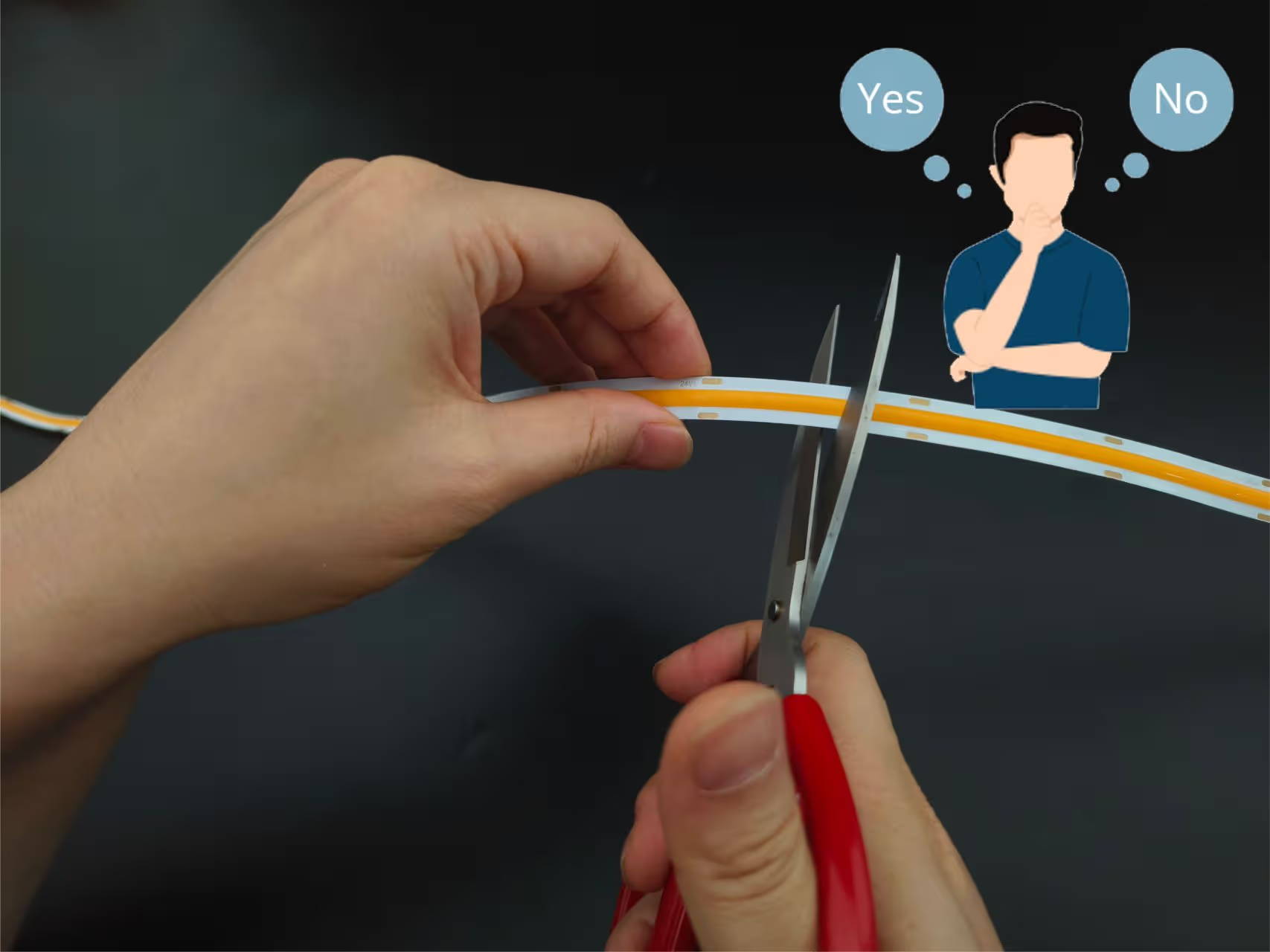
La respuesta es sí, al igual que la tira de LED SMD, la tira LED COB es flexible, flexible y cortable también. ¿Por qué es COB Flex Cuttable *FPCB (Tablero de circuito impreso flexible): COB Flex toma FPCB como su portador de chips LED, esta placa es suave y delgada, lo que permite que la tira se pueda cortar y doblar sin dañar las conexiones eléctricas * Circuito...
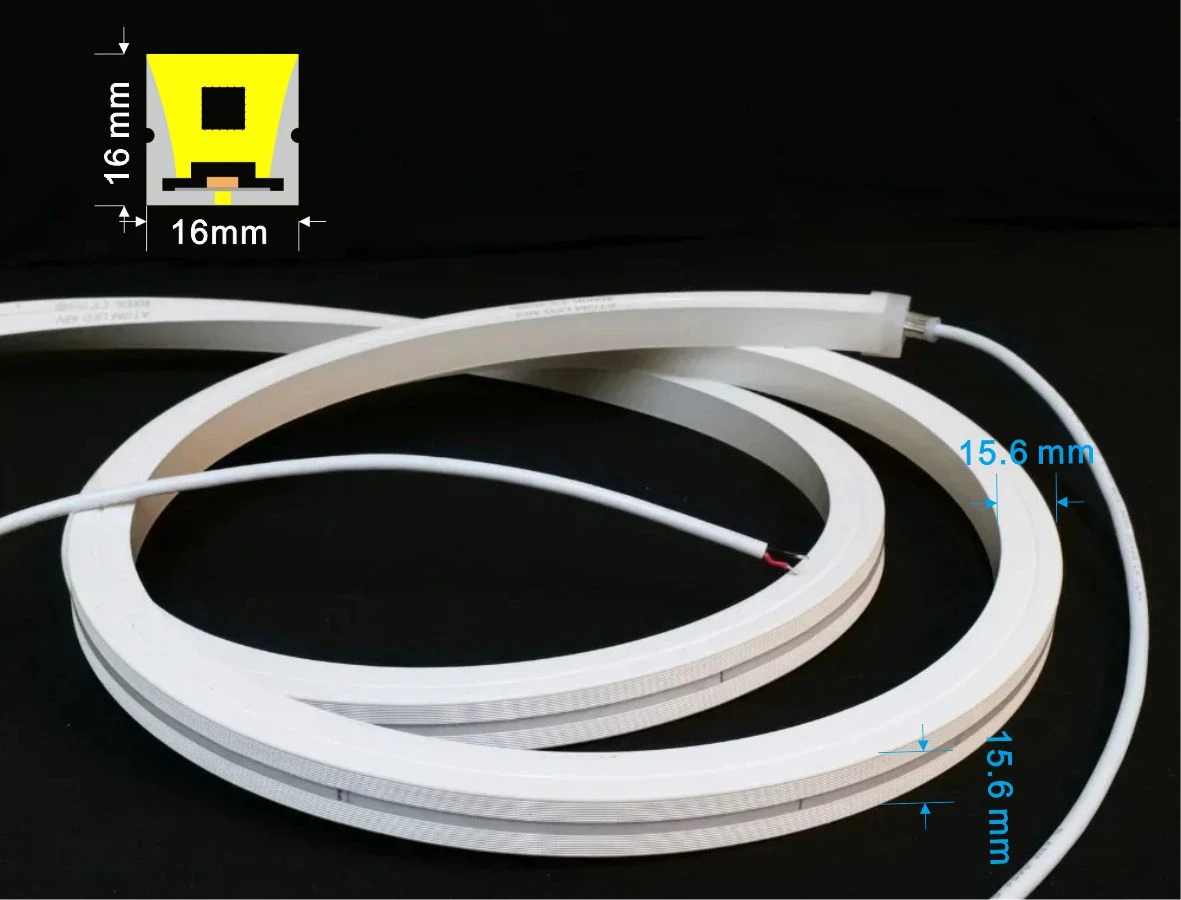
Las luces LED de neón son ampliamente utilizadas en la iluminación arquitectónica, la decoración comercial y los proyectos de señalización debido a su flexibilidad y vibrante impacto visual. Sin embargo, cuando las dimensiones reales del neón difieren significativamente de las especificaciones nominales, puede crear serios desafíos de instalación. Este problema se vuelve aún más crítico en los proyectos...
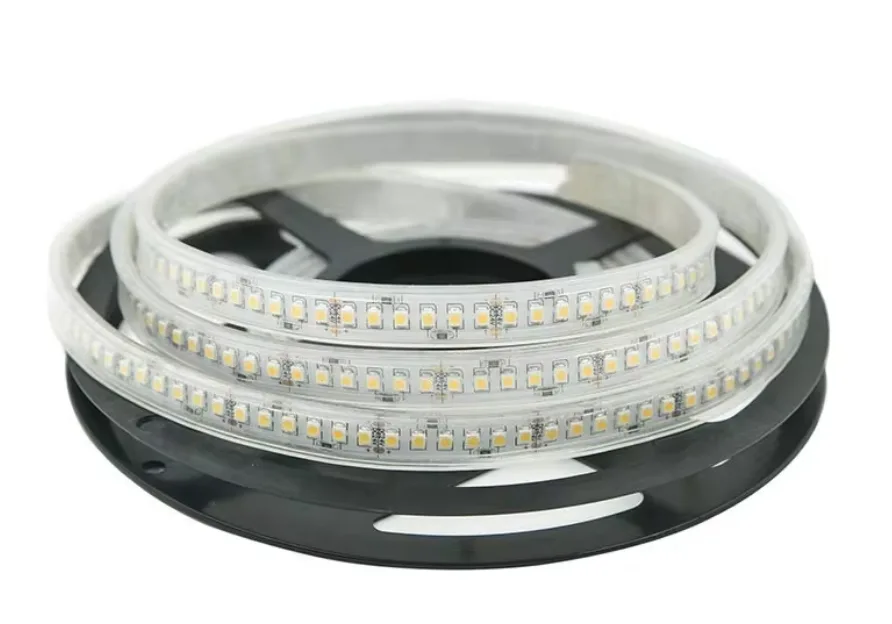
La tira de LED es ampliamente utilizada, en hogares y oficinas. Pero en muchas ocasiones, necesitamos usar tiras impermeables. Como en el baño, cocina, exterior, piscina, sauna, etc. Hay diferentes niveles de impermeabilización para la tira de LED. ¿Sabes qué tipo de pegamento se utiliza para tiras de luz impermeables? ¿Cómo se construyen y producen?...
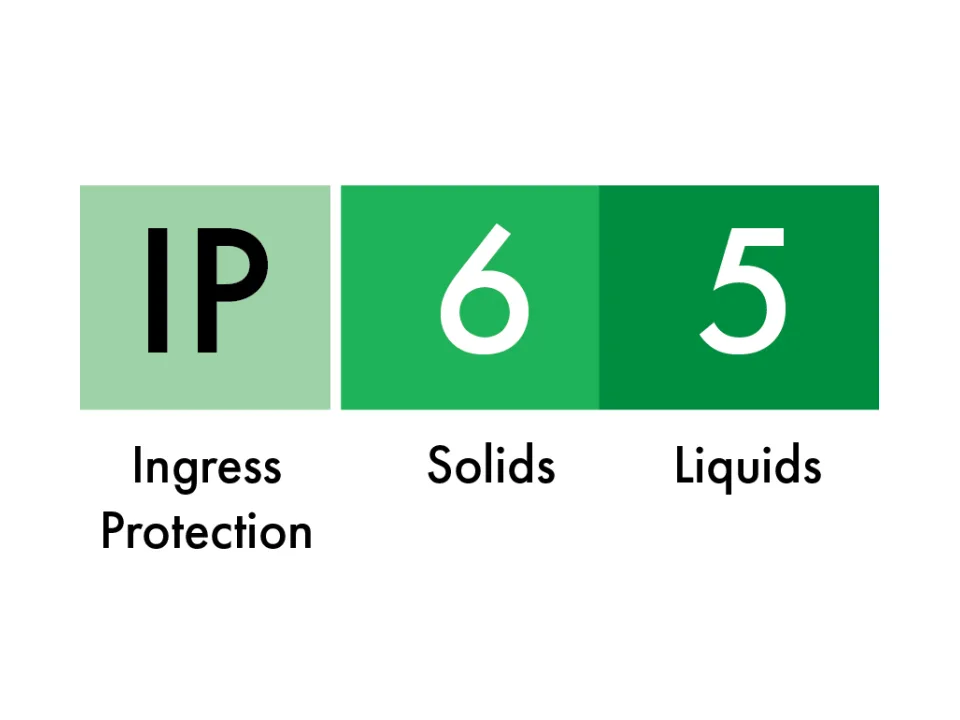
Comprender las clasificaciones de IP a prueba de agua es fundamental al elegir tiras de luces LED para su proyecto de iluminación. Estas clasificaciones determinan qué tan bien un producto protege contra sólidos y líquidos y afecta su idoneidad para su uso en diferentes entornos. Una cosa a tener en cuenta al comprar tiras de LED es si son o no impermeables. Hay muchos tipos...
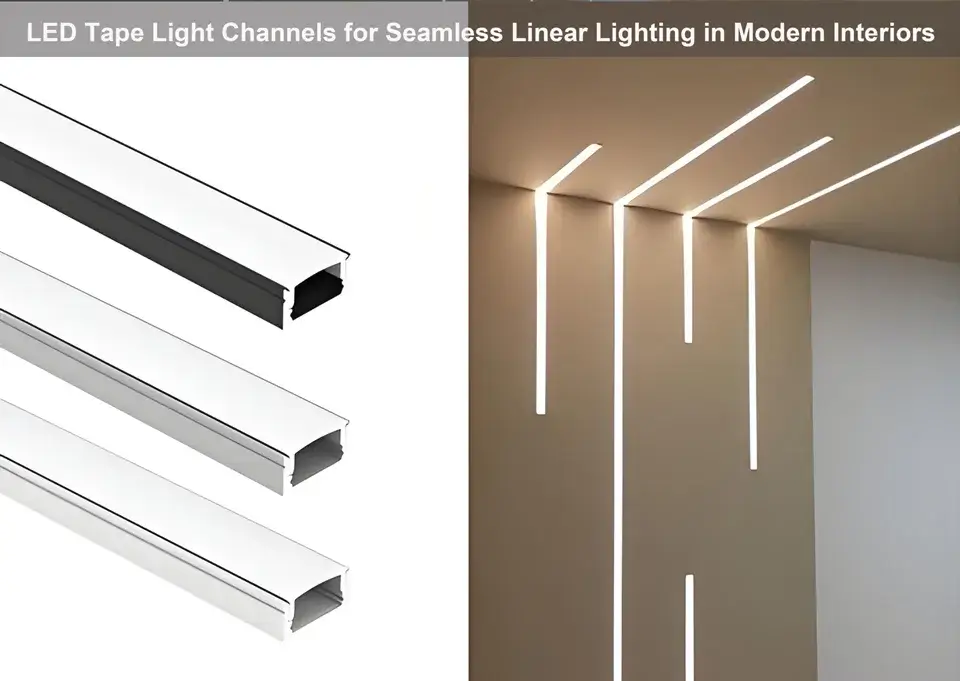
A medida que las luces de cinta LED se convierten en un elemento básico de la iluminación moderna en proyectos comerciales, arquitectónicos y minoristas, el papel de los canales de luces de cinta LED, también conocidos como perfiles de aluminio LED o canales de montaje LED, se ha vuelto indispensable. Estas carcasas delgadas pero funcionales ofrecen soporte estructural, gestión térmica, difusión de luz y mejora estética....

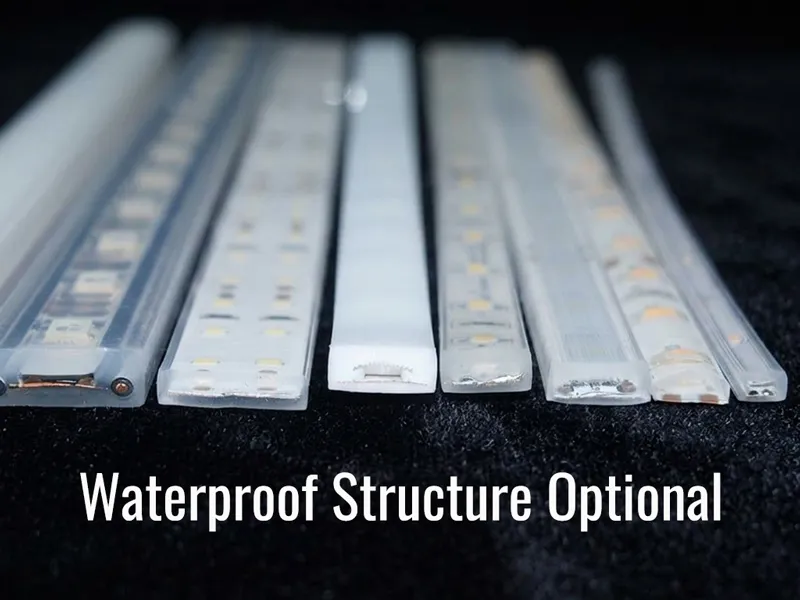
¿Cuánto sabes sobre la tecnología de tira de luz impermeable LED? Hay procesos simples como el adhesivo en aerosol y el adhesivo por goteo, así como otros más complejos como tubos, macetas, extrusión y recubrimiento. Cada uno de estos procesos tiene sus propias aplicaciones específicas. Si solo necesita impermeabilización básica, puede elegir adhesivo en aerosol, adhesivo de goteo o...
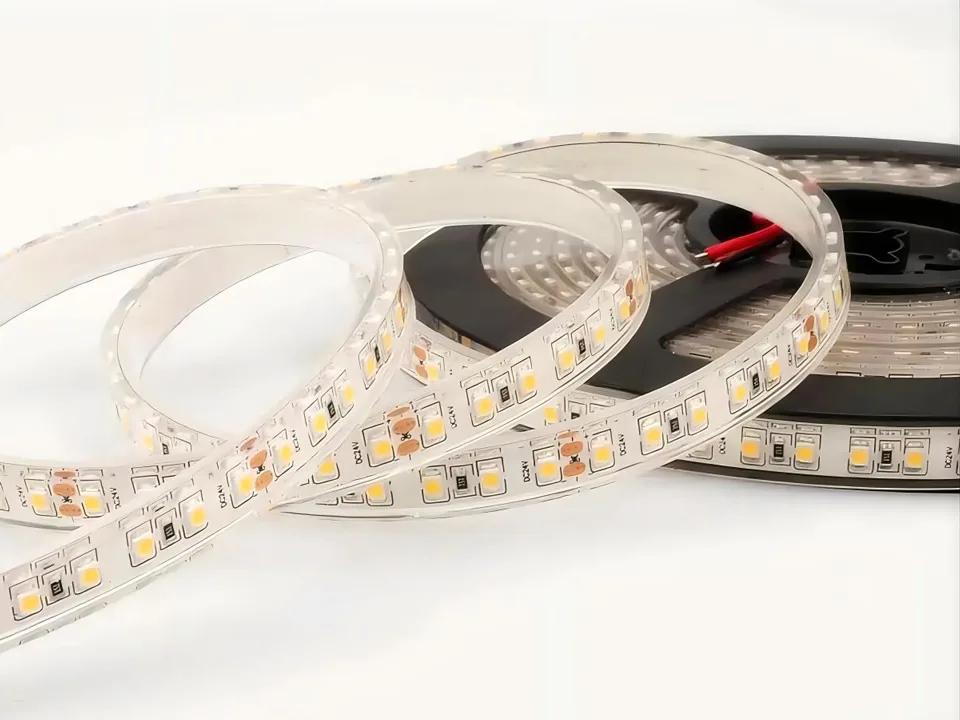
Con la creciente popularidad de la tecnología de iluminación LED, seleccionar la solución de protección adecuada para tiras de LED se ha convertido en un factor crítico que afecta la fiabilidad del producto y el alcance de la aplicación. Este artículo se centra en tres soluciones técnicas principales: extrusión de silicona hueca, fundas de silicona y fundas de plástico, que analizan sistemáticamente el núcleo...
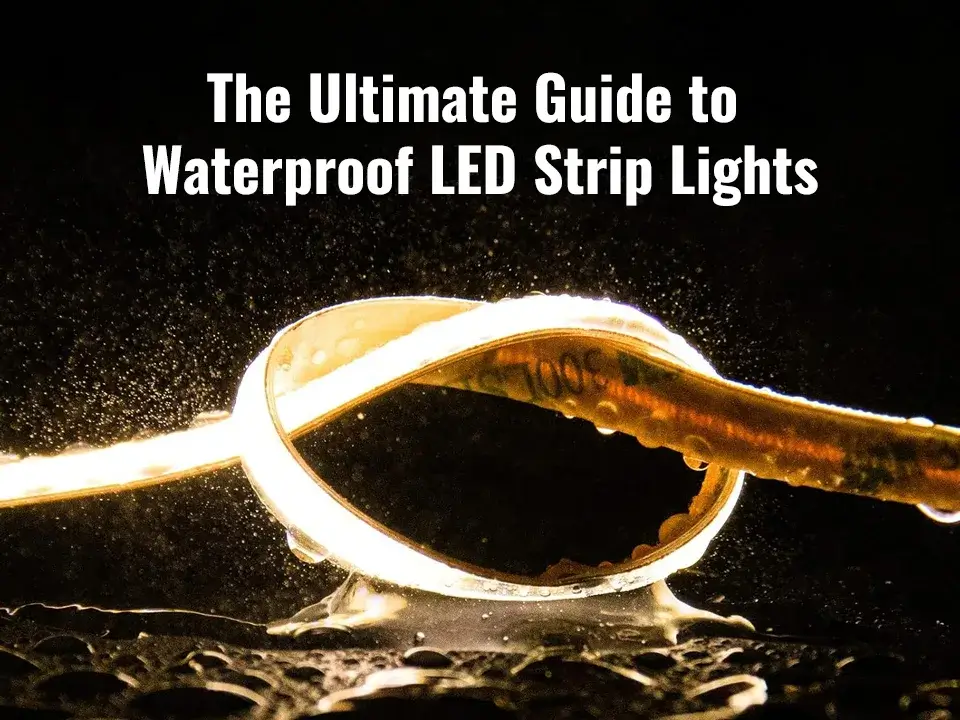
En la iluminación arquitectónica, la iluminación comercial y los proyectos de iluminación residencial, la fiabilidad y la durabilidad suelen ser tan importantes como el brillo y la estética. Una de las causas más comunes de falla de las tiras de LED en aplicaciones del mundo real es la impermeabilización inadecuada, la protección contra el polvo o la impermeabilización. Una tira que se ve perfecta en una sala de exposición...
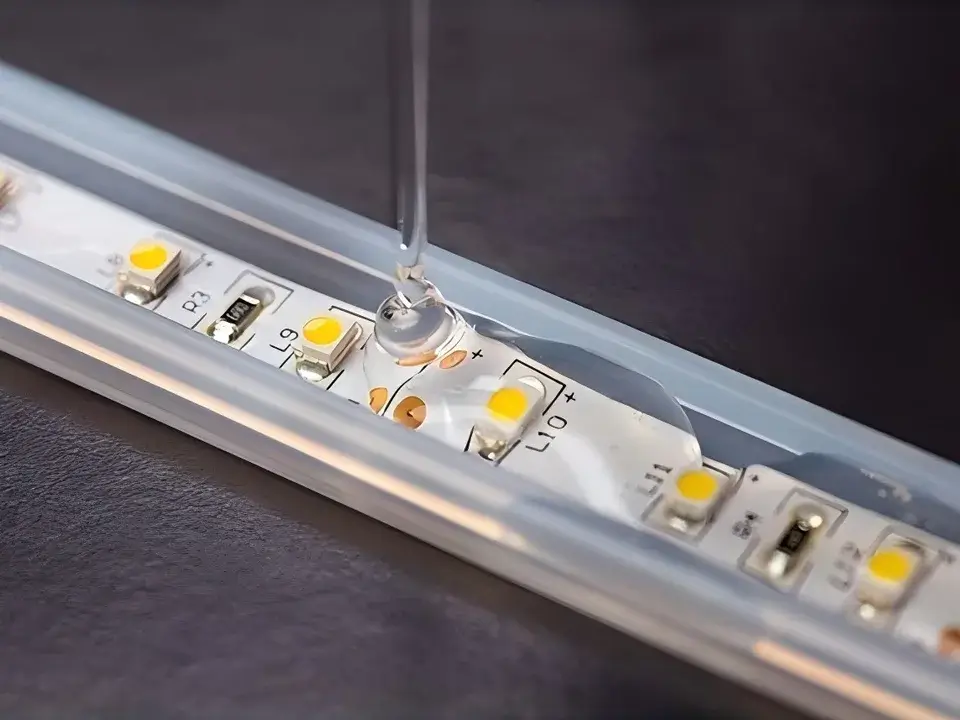
En la iluminación de paisajes para exteriores, las luces de tiras LED son muy favorecidas por su flexibilidad y atractivo decorativo. Sin embargo, las luces de tiras LED tradicionales suelen ser susceptibles a daños por agua en ambientes exteriores, lo que provoca una disminución del rendimiento de la iluminación o incluso daños. Las luces de tiras LED impermeables abordan de manera efectiva este problema. Luz LED impermeable...
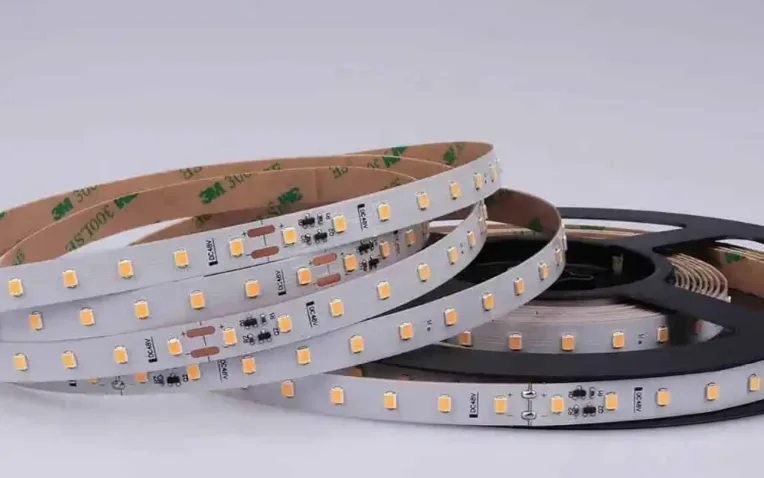
¿Por qué usar cinta de doble cara para asegurar las tiras de LED? La tira de luz LED es una lámpara decorativa común que tiene una luz suave y una variedad de opciones de color para agregar al ambiente de una habitación. Al instalar la correa de la lámpara, es muy importante elegir la fijación adhesiva correcta, para asegurarse de que la correa de la lámpara esté firmemente pegada a la superficie objetivo y evitar...
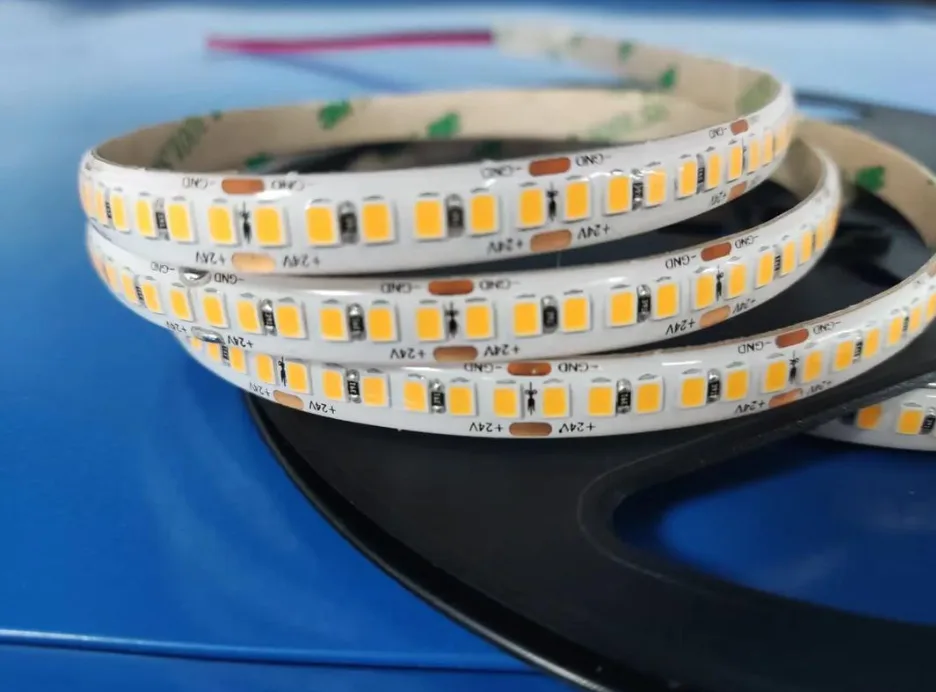
3M Company, anteriormente conocida como Minnesota Mining and Manufacturing Company, fue fundada en 1902 con su sede global ubicada en St. Paul, Minnesota, EE. UU. Es una empresa de innovación científica y tecnológica de renombre mundial y diversificada. 3 La cinta M es bien conocida en todo el mundo y es una de las marcas líderes en la industria de la cinta. 3m...
Con el rápido desarrollo de la tecnología LED, los productos de iluminación se están volviendo más brillantes, más eficientes y más ampliamente utilizados en proyectos comerciales y residenciales. Sin embargo, las fuentes de luz de alta intensidad también pueden plantear riesgos potenciales para los ojos y la piel humanos. Para garantizar la seguridad, se utilizan estándares internacionales como IEC 62471 para evaluar la fotobiológica...
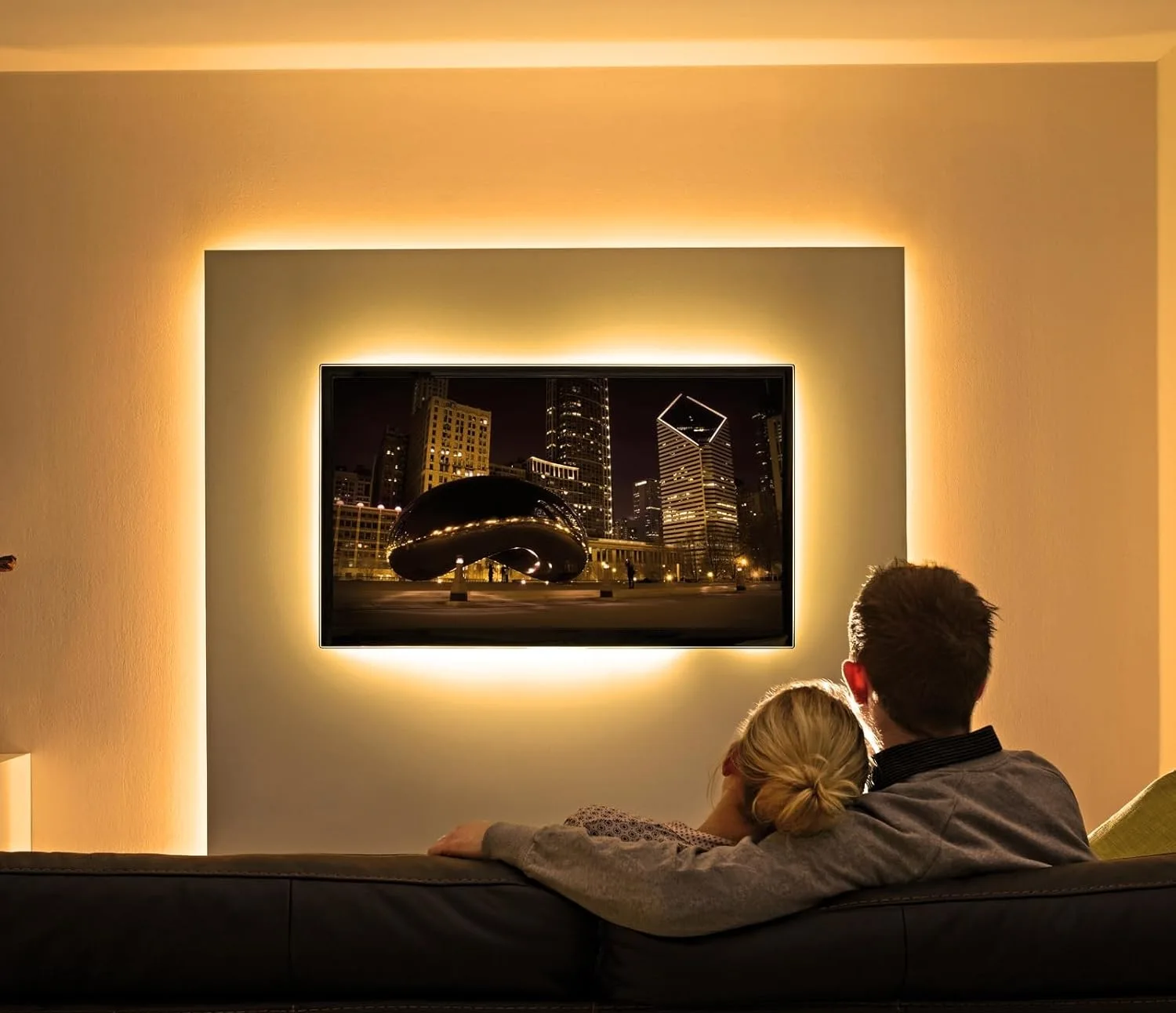
Las tiras de LED se han vuelto cada vez más populares para la iluminación doméstica y comercial debido a su versatilidad y flexibilidad. Sin embargo, como cualquier producto eléctrico, también puede dudar de que sea seguro de usar y si es perjudicial para su cuerpo. Este artículo lo ayudará a eliminar las preocupaciones y proporcionar pautas esenciales para usar tiras LED de manera segura. son guiados...
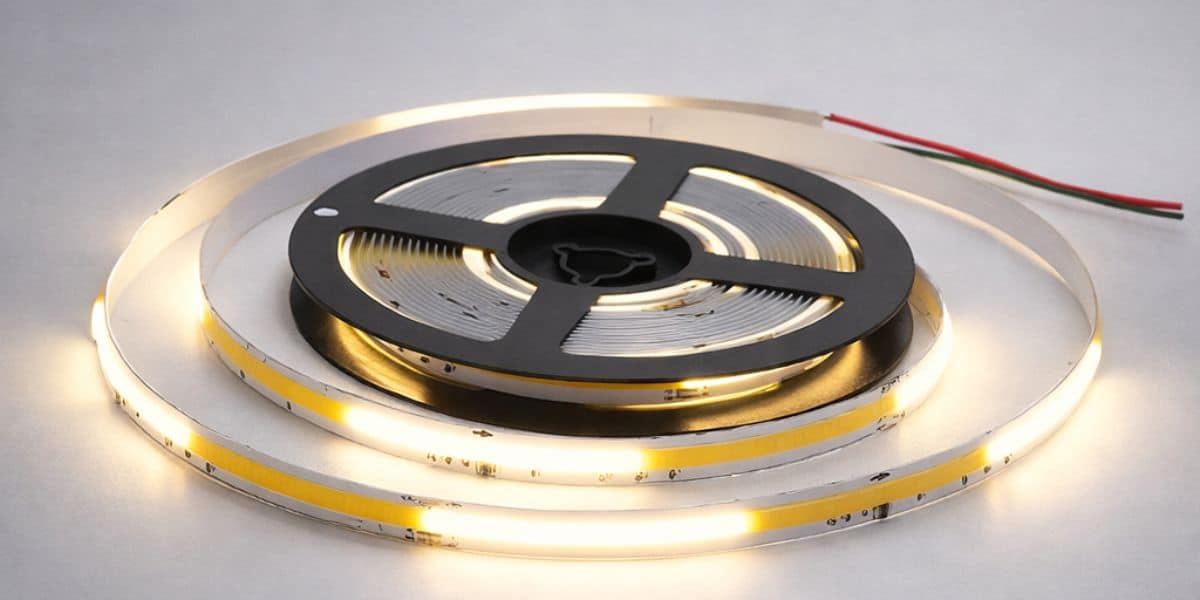
Las luces LED que fluyen se pueden usar de manera segura si se siguen las precauciones básicas de instalación, electricidad y uso. Como cualquier sistema de iluminación eléctrica, la seguridad depende menos del efecto visual y más de cómo se selecciona, instala, alimenta y opera el producto con el tiempo. Los problemas generalmente surgen no porque las luces LED que fluyen son inherentemente inseguras, pero...
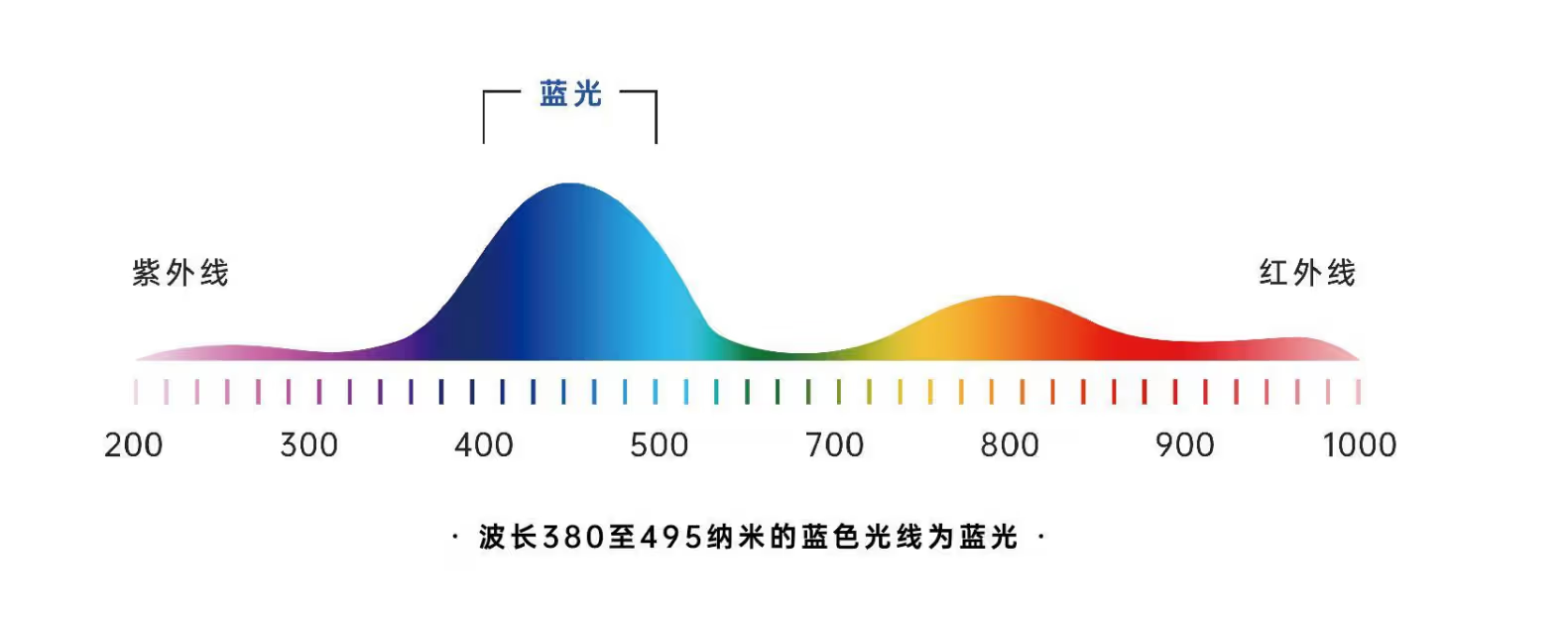
Los peligros de la luz azul: 1. Visión disminuida: la luz azul tiene una alta capacidad de penetración, puede penetrar la lente de nuestros ojos, alcanzar la retina, haciendo que las células epiteliales pigmentarias de la retina de nuestros ojos se atrofíen o incluso la muerte, lo que conducirá directamente a nuestra visión pérdida o incluso ceguera 2. Enfermedad macular, cataratas: en el proceso de exposición a la luz azul,...
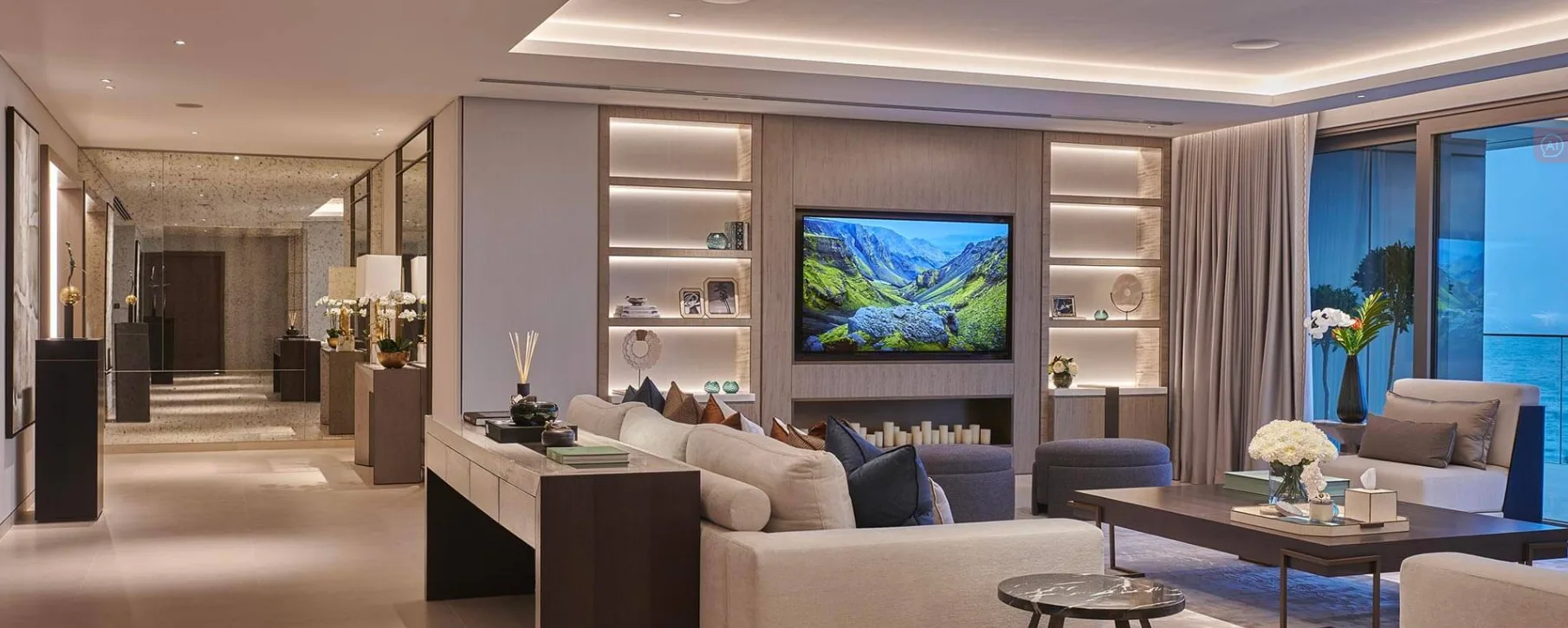
¿Las luces LED tienen luz ultravioleta? ¿Las luces LED que usamos a menudo son dañinas para el cuerpo humano? Este es un asunto de preocupación común. Un diodo emisor de luz (LED) es un dispositivo semiconductor que emite radiación de luz cuando una corriente eléctrica pasa a través de él. La mayoría de los LED emiten un rango de longitud de onda muy estrecho, desde infrarrojos (longitud de onda de unos 1000 nm) hasta ultravioleta...
La luz azul es una parte natural del espectro visible, pero la iluminación LED moderna contiene una cantidad proporcionalmente mayor de longitudes de onda azules, generalmente en el rango de 400 a 500 nm, debido a la forma en que se fabrican los LED blancos. La mayoría de los LED blancos utilizan un chip LED azul combinado con recubrimiento de fósforo para generar luz blanca de espectro completo. Si bien esta tecnología proporciona...
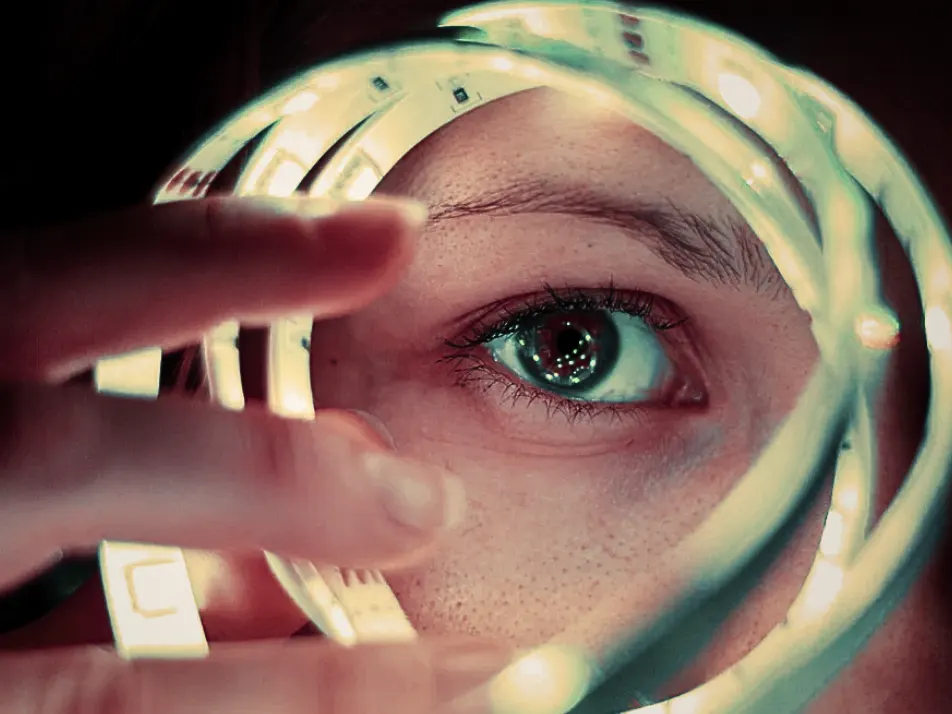
Con la adopción generalizada de la tecnología LED en iluminación comercial, iluminación arquitectónica y aplicaciones de iluminación lineal, los productos de iluminación ya no se juzgan únicamente por “si son lo suficientemente brillantes”. La calidad de la luz, su seguridad y el impacto a largo plazo en la salud del ojo humano se están convirtiendo cada vez más en criterios clave para los clientes en el proyecto...
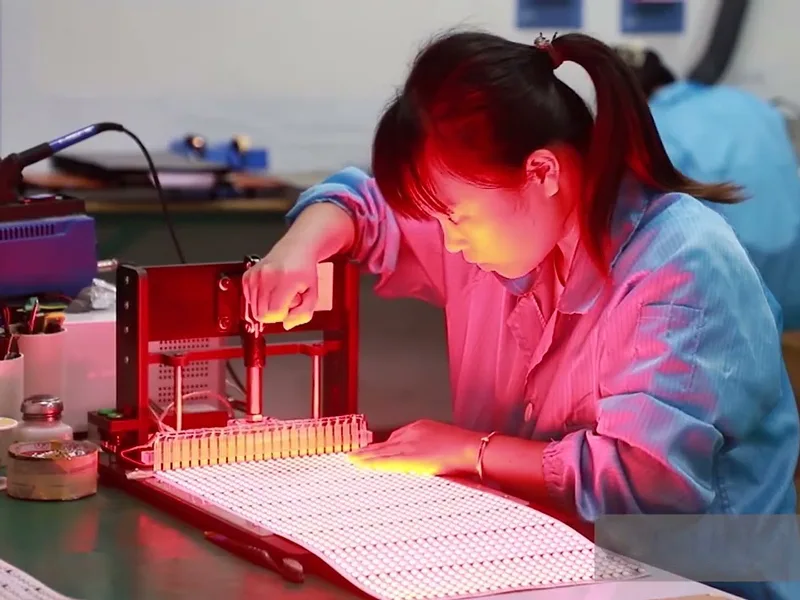
Cuando está interesado en comprar algunas luces LED para usar, ¿alguna vez le ha preocupado cómo es la situación de calidad de estas tiras? ¿Cuánto tiempo pueden durar después de la instalación? ¿Cómo llegas a juzgar la calidad de estas tiras de luces LED? Creo que muchas personas tendrán estas preguntas porque hay demasiados fabricantes...