Polski
  English
  简体中文
简体中文  Deutsch
  Español
  Français
  Italiano
  日本語
日本語  한국어
한국어  Português
  Русский
  Türkçe
  Nederlands
  Tiếng Việt
  ไทย
ไทย 
Wyszukaj producenta znaków logo samochodu 3D, a otrzymasz setki prawie identycznych ofert rynkowych. Wielu z nich otwarcie używa prawdziwych marek samochodów w tytule produktu. Prawie żaden z nich nie mówi, kto faktycznie buduje znak, z czego jest zrobiony lub czy sprzedawca ma jakiekolwiek prawo do odtworzenia tego logo w pierwszej kolejności.
Ten ostatni punkt ma większe znaczenie niż większość kupujących, ponieważ ryzyko nie pozostaje ze sprzedawcą. Jeśli przesyłka z nieautoryzowanym znakiem towarowym trafi do celnych, to przesyłka importera zostanie wstrzymana.
Naprawdę użyteczny producent tego produktu może wyprodukować znak wymiarowy do dokładnej grafiki, wykończenia i efektu świetlnego — i zapytać o prawa do logo przed rozpoczęciem produkcji, zamiast po prostu przyjąć zamówienie.
Ten przewodnik obejmuje właścicieli garażów luksusowych i domowych, entuzjastów samochodów, biura i nabywców salonów lub salonów.
szybka odpowiedź
Podświetlany znak logo samochodu 3D to podniesione, wymiarowe logo – zwykle akrylowe, metalowe lub kombinowane – z wbudowanymi diodami LED.
Wybór budowy: Poproś o podświetlenie halo (odwrócone), jeśli chcesz mieć solidną metalową lub chromowaną twarz z blaskiem na ścianie za nim, a Twoja ściana jest gładka i matowa. Poproś o podświetlenie twarzy, czy samo logo musi świecić, lub czy Twoja ściana jest błyszcząca, ciemna, wyłożona kafelkami lub mocno teksturowana.
Budżet: Obecne oferty rynkowe umieszczają na zamówienie elementy ścienne na mniej więcej US$50-300, ale traktuj to tylko jako punkt odniesienia — nie jest to porównywalna oferta, dopóki nie pasuje do rozmiaru, wykończenia, zasilania, sprzętu montażowego i warunków wysyłki.
Znalezienie producenta: Przejrzyj poprzednie aukcje Marketplace na własnej stronie internetowej fabryki, dopasuj licencję biznesową, nazwę faktury i beneficjenta płatności i poproś o włączone zdjęcia lub wideo przed wysyłką.
Przed tym potwierdź jedno: jeśli logo należy do marki samochodowej, a nie do Ciebie, potrzebujesz autoryzacji do jego odtworzenia. Dostawca, który nigdy nie zadaje tego pytania, nie chroni Cię.
Co to jest podświetlany znak logo samochodu 3D?
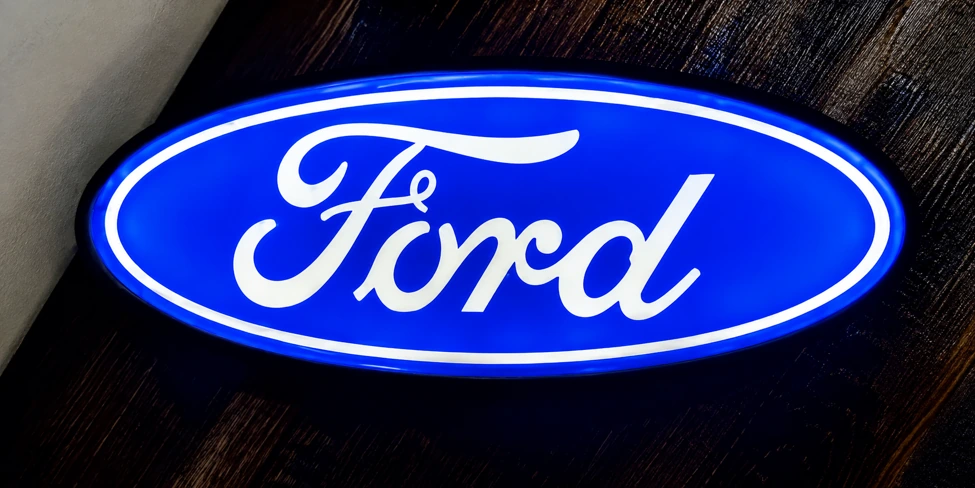
Jest to montowana na ścianie, trójwymiarowa reprodukcja logo ze zintegrowanym oświetleniem LED - zbudowana w taki sam sposób, jak budowane jest oznakowanie architektoniczne, tylko na mniejszą skalę i zwykle na ścianę wewnętrzną.
Nie jest to płaski drukowany znak. Kształt jest cięty, formowany lub wytwarzany tak, aby odchodził od powierzchni, co tworzy linię cienia i poświatę aureoli. Panel drukowany ze światłem za nim to lightbox, a nie znak 3D.
To nie jest emblemat pojazdu. Wyszukiwania hasła „Logo samochodu LED” zwracają wiele małych podświetlanych odznak, które montują się na kratce samochodu lub bagażniku samochodu — te listy w jednocychowych lub dwucyfrowych dolarach przy minimalnych zamówieniach co najmniej dziesięciu sztuk. Znak ścienny to sfabrykowany przedmiot na zamówienie.
Zazwyczaj jest zamawiany jako wystrój wnętrz lub branding ścienny, Jednak wymagania dotyczące instalacji i elektrycznych nadal zależą od lokalizacji i metody okablowania. Sprawdź lokalne wymagania przed wyborem instalacji na stałe.
Logika budowy jest taka sama, jaka używana jest do Litery kanałów i znaki lightbox — uformowana ściana, ściana boczna („powrót”), źródło światła LED wewnątrz i zasilacz.
Kto faktycznie je kupuje i co zmienia się według typu kupującego?
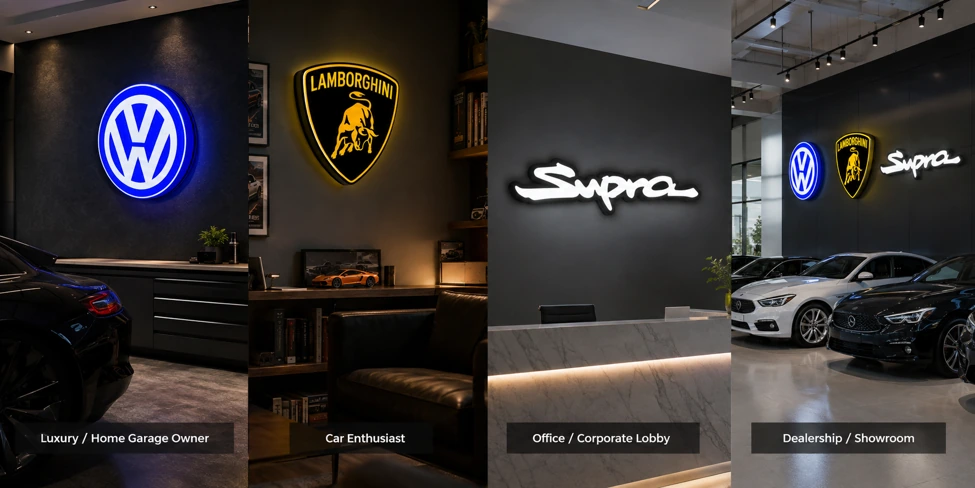
Specyfikacja tego produktu zmienia się bardziej przez kupującego niż przez cokolwiek innego.
| chęt | jak to zwymiarować? | Na czym im najbardziej zależy | Typowa ilość | Pytanie o prawa do logo |
| Właściciel garażu luksusowego / domowego | Przetestuj pełnowymiarowy papierowy szablon na ścianie | Jakość wykończenia, ściemniana do użytku wieczorowego | 1 sztuka | Zwykle dotyczy — logo należy do marki samochodowej |
| Entuzjasta samochodów | Przetestuj pełnowymiarowy papierowy szablon na ścianie | Konkretna dokładność marki, cena | 1 sztuka | Prawie zawsze obowiązuje |
| Lobby biurowe / korporacyjne | Przetestuj pełnowymiarowy papierowy szablon przy normalnej odległości oglądania | Dokładny kolor marki i metalowe wykończenie pasują | 1-2 sztuki | Zwykle nie ma zastosowania — to ich własne logo |
| Dealer / salon | Przetestuj pełnowymiarowy papierowy szablon z odległością do przejścia na podłodze | Trwałość w długich godzinach pracy, stała jasność między jednostkami | 2-20 sztuk | zwykle rozwiązane już w drodze umowy dealera |
Nabywcy garażu i entuzjastów są kupującymi jednoczęściowymi. To nie jest problem, ale oznacza to, że cena jednostkowa będzie wyglądać na wysoką w porównaniu z aukcją zbiorczą i powinieneś spodziewać się, że zapłacisz za próbkę, zamiast otrzymać ją za darmo.
Kupujący biura powinni skupić się na dokładności kolorów — Podaj odniesienie Pantone i określone metalowe wykończenie, a nie zrzut ekranu Twojej witryny.
Nabywcy salonu powinni zapytać o ocenę żywotności LED i termin gwarancji, a nie tylko o cenę — Znak biegnący dwanaście godzin dziennie, codziennie, to inny problem inżynieryjny niż ten, który działa trzy godziny w weekendy.
Potwierdź swoje prawa do logo przed złożeniem zamówienia
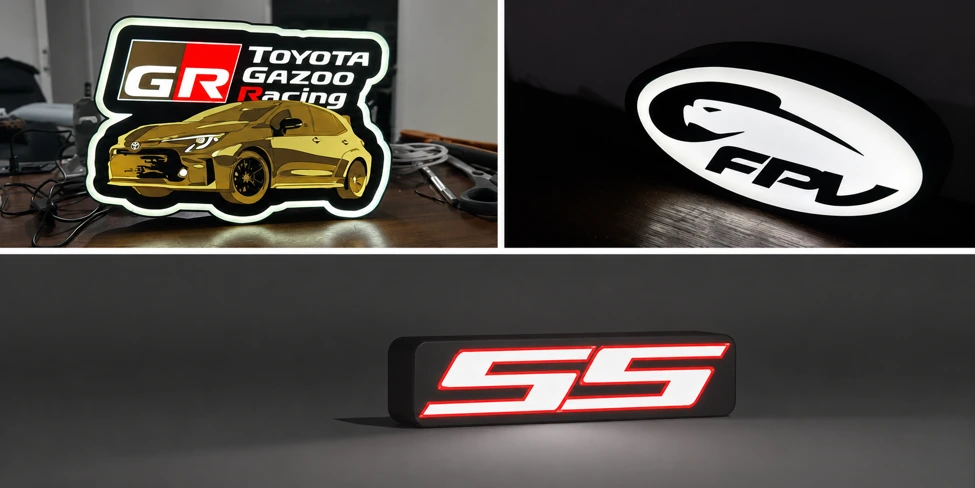
Jeśli logo należy do producenta samochodu, a nie do Ciebie, potrzebujesz pozwolenia na jego odtworzenie. Jest to część procesu, którą aukcje rynkowe całkowicie ignorują i jest to część, która najprawdopodobniej kosztuje kupującego pieniądze.
Oto mechanizm, w prostych słowach. Właściciele znaków towarowych mogą rejestrować swoje zarejestrowane znaki w US Customs and Border Protection za pośrednictwem systemu e-rejestracji. Po zarejestrowaniu znaku, Stany CBP Ma „uprawnienie prawne do zatrzymywania, przejmowania, przepadania i ostatecznie niszczenia towarów naruszających prawa własności intelektualnej wchodzących do USA”.
To nie jest teoretyczne dla sektora motoryzacyjnego. W jednym z przejęć w Filadelfii fałszywych części samochodowych wysłanych z Chin, CBP poinformowało, że towary naruszające znaki towarowe należące do Chevroleta, Buick i Dodge — znaki, które zostały zarejestrowane w ramach programu e-rekordowania. Unia Europejska prowadzi porównywalne egzekwowanie granic zgodnie z rozporządzeniem (UE) nr 608/2013, który pozwala posiadaczom praw złożyć wniosek o dopuszczenie do działania w organach celnych.
Tak więc praktyczne ryzyko nie jest abstrakcyjnym zagrożeniem prawnym. Chodzi o to, że Twoja przesyłka zostanie wstrzymana, a Ty stracisz zarówno znak, jak i to, co za niego zapłaciłeś.
Kiedy dotyczy to Ciebie: Reprodukujesz logo marki samochodowej, odznakę, znak słowny lub jego ścisłą odmianę, a nie jesteś marką, autoryzowanym dealerem ani licencjobiorcą.
Gdy nie ma zastosowania: Logo należy do Twojej firmy. Jesteś posiadaczem praw. Lub masz pisemną autoryzację — umowę dealera, licencję marki lub bezpośrednie pozwolenie od właściciela marki. Dealerzy franczyzowi i salony autoryzowane przez markę zazwyczaj mają to już na swoim miejscu w ramach istniejących umów; jeśli jesteś w tej pozycji, właściwym krokiem jest po prostu sprawdzenie, co Twoja umowa mówi o oznakowaniu przed złożeniem zamówienia, a nie zakładanie, że jesteś zablokowany.
Jeśli chcesz wygląd bez logo: Oryginalny projekt nadal zapewnia Ci produkt. Znak garażowy zbudowany wokół własnych inicjałów, sylwetka samochodu, oznaczenie modelu, do którego masz prawa, lub znak abstrakcyjny może być wykonany przy użyciu tych samych metod budowy i pozwala uniknąć szczególnego ryzyka odtworzenia logo marki samochodowej — pod warunkiem, że projekt zamienny nie narusza praw innych osób.
Jeden przydatny test, gdy porównujesz dostawców: wyślij zapytanie i sprawdź, czy ktoś pyta o autoryzację. Dostawca, który przyjmuje zamówienie z logo marki bez jednego pytania, mówi ci coś o tym, jak radzi sobie z ryzykiem — a to ty niesiesz to ryzyko na granicy, a nie oni.
Ta sekcja to ogólne informacje o tym, jak działa egzekucja graniczna, a nie porady prawne. Jeśli zamawiasz oznakowanie z znakiem towarowym innej firmy i nie masz pewności, czy masz pozwolenie, potwierdź swoje stanowisko u wykwalifikowanego doradcy IP w swoim kraju.
Rodzaje konstrukcji: oświetlone aureolą vs oświetlone na twarzy vs oświetlenie krawędziowe
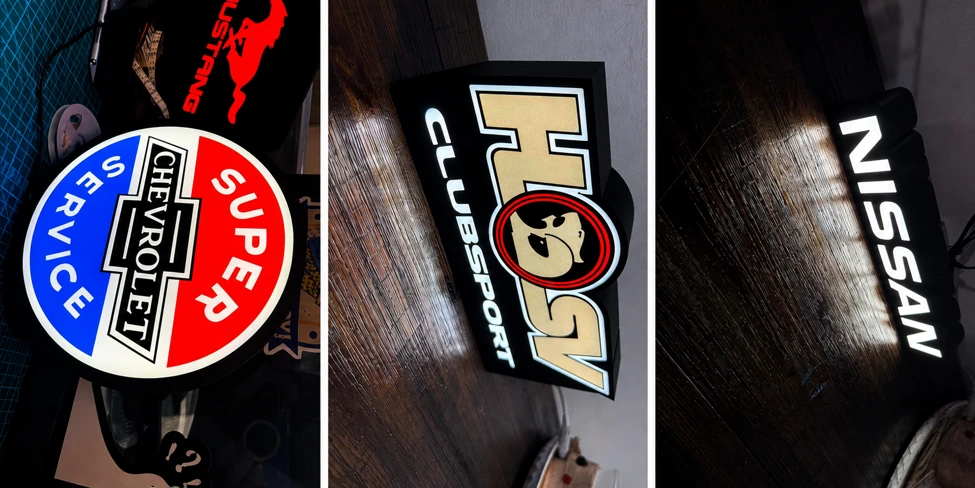
Prawie każdy podświetlany znak logo 3D na rynku jest jedną z trzech wersji. Wiedza, który z nich chcesz, jest jedną z najbardziej przydatnych rzeczy, które możesz wprowadzić w zapytaniu, ponieważ zmienia materiał, cenę i efekt.
| dobudować | Jak to się świeci | Jak to wygląda | Najlepsze dla |
| Oświetlony aureolą (odwrócony) | Diody LED skierowane są do ściany od wewnątrz logo; twarz pozostaje solidna | Solidne logo z konturem świecącym za nim | Premium Look; Garaże, biura, wnętrza salonów |
| Podświetlany twarzą (podświetlany) | Diody LED są skierowane do przodu przez półprzezroczystą akrylową twarz | Samo logo świeci | Wysoka widoczność; odwzorowanie kolorów marki |
| Akryl z podświetleniem krawędziowym | Diody wtryskują światło w krawędź przezroczystego panelu akrylowego | Grawerowane logo świeci w przezroczystym panelu | Smukły, nowoczesny; małe biurko lub elementy ścienne |
Terminologia różni się między dostawcami — niektóre nazywają znaki podświetlone aureolą „podświetlane”, ponieważ światło wychodzi do tyłu, podczas gdy inne używają „podświetlenia” dla świecącej twarzy. W swoim zapytaniu powiedz, gdzie chcesz, aby światło wychodziło, zamiast polegać tylko na tym terminie.
Twarz oświetlona aureolą jest nieprzejrzysta — Szczotkowana stal nierdzewna, malowane aluminium lub wykończone chromem — a światło rozlewa się na ścianę za nim. Zależy to w dużej mierze od instalacji, o której mowa poniżej.
Oświetlone twarze działa poprzez oświetlanie półprzezroczystej twarzy, Możesz więc odtworzyć kolor marki bezpośrednio w akrylu lub nałożonym winylu. Jest to również bardziej wybaczające powierzchnię ściany, ponieważ ściana nie jest częścią efektu.
Chromowane lub szczotkowane metalowe powierzchnie to wykończenie, a nie typ oświetlenia. Wygląd „premium motoryzacyjny” zwykle opisywany przez kupujących to chromowana lub szczotkowana twarz połączona z oświetleniem halo. Wypowiedz głośno obie części w swoim zapytaniu — materiał twarzy i metodę oświetlenia — ponieważ są one cytowane osobno.
Uzyskanie efektu aureolu
Słabe wyniki halo zwykle wynikają z zależności między ścianą, odległością odstępu, odstępem modułu i kątem wiązki — a nie z samego wyjścia LED.
Odległość odstępu. Znak musi siedzieć ze ściany, aby światło się rozprzestrzeniło. Praktyka handlowa na znakach stawia dystans między 1 a 2 cali (około 25-50 mm), z 1 do 1,5 cala najczęściej w obecnych kompilacjach — szerszy odstęp 1,5 do 2 cali jest przetrzymywaniem od oznakowania z ery neonowej. Zbyt blisko i dostajesz twardy pierścień jasnych plam; za daleko i blask zmywa się.
powierzchnia ściany. Gładka matowa lub satynowa ściana w jasnym do średniego tonu daje najbardziej równomierną aureolę. Błyszcząca lub połyskująca ściana odzwierciedla poszczególne moduły LED, dzięki czemu zamiast gładkiego blasku widać rząd jasnych kropek. Ciężka tekstura, ciemna murowana i głębokie linie fugi powodują odwrotny problem — pochłaniają światło i rozbijają aureolę. Jeśli twoja ściana jest pomalowana na błyszczące, wyłożone kafelkami lub ciemne, powiedz to w swoim zapytaniu; oświetlona twarzą budową jest często po prostu lepszym wyborem dla tego pokoju.
Odstępy między modułami. Realizowana zasada z wyrobu znaków: rozmieść moduły LED mniej więcej od odległości między modułami a powierzchnią, na której się świecą. W przypadku modułów szeroko-wiązkowych obowiązuje szerszy koniec tego zakresu — jeden przewodnik producenta podaje stosunek 2:1, więc głębokość 50 mm oznacza moduły oddalone od siebie o około 100 mm. W szczególności do pracy z aureolą moduły szerokokątne o temperaturze 170 stopni lub większej rozłożone są najbardziej równomiernie na krótkim rzucie.
Specyfikacje techniczne do potwierdzenia przed wyceną
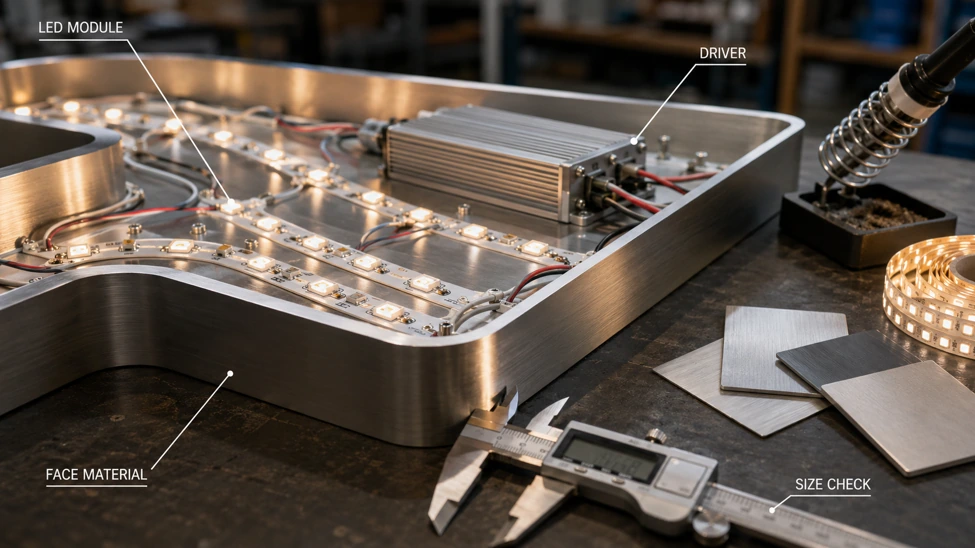
To jest informacja, której fabryka faktycznie potrzebuje.
| specyfikacja | Co wysłać | Dlaczego to ma znaczenie |
| dzieło | Grafika wektorowa (.ai, .eps lub wektor pdf) | Obrazy rastrowe zwykle wymagają przerysowania przed dokładnym cięciem lub obróbką CNC |
| Całkowity rozmiar | Szerokość i wysokość całkowita w mm lub cali | Rozmiar wpływa na materiał, ilość LED, opakowanie i wysyłkę |
| Głębokość / powrót | Wymagana głębokość powrotu w mm | Kontroluje linię cienia i rozrzut halo |
| Materiał twarzy i wykończenie | Akryl, szczotkowana nierdzewna, malowane aluminium, chromowane | Zmienia produkcję, wykończenie, wagę i cenę |
| Odniesienie do koloru | Kod Pantone lub RAL | „Ciemnoniebieski” nie jest specyfikacją |
| Typ oświetlenia | Oświetlony aureolą, oświetlony na twarzy lub z krawędzią | Określa całą wewnętrzną kompilację |
| Jasny kolor | Ciepły biały, chłodny biały, RGB lub wymagany kolor marki | RGB wymaga kontrolera, cytowanego oddzielnie |
| Napięcie | DC12V lub DC24V | Potwierdź napięcie DC znaku i wejście sieciowe w miejscu docelowym |
| Ściemnianie | czy wymagane jest ściemnianie, a preferowana metoda kontroli | Wpływa na wybór sterownika i kontrolera |
| oprawa | spłukać, wznieść lub wisić | Sprzęt często nie jest domyślnie uwzględniany |
| Wyjście kabla / lokalizacja sterownika | gdzie powinien wyjść kabel zasilający i czy kierowca musi pozostać dostępny w celu serwisowania | Często decydowano zbyt późno, po otwarciu ściany lub przewodowym punktem jest już naprawiony |
| ośrodek | Wewnętrzny, pół-na zewnątrz, na zewnątrz | Ustawia wymaganą ocenę IP |
Diody i napięcie. Znaki o małych formatach zwykle działają na DC12V. Moduły znakowe są określone przez typ chipa, liczbę diody LED i moc — na przykład moduły SMD2835 przy 1 do 4 diod LED na moduł, rysujące około 0,3 W do 1,2 W każdy, w Zakresy modułów oświetlonych twarzą Zbudowany dla dokładnie tego rodzaju zamkniętego znaku. Na małym logo, na którym diody LED znajdują się tuż za twarzą, moduły o niższej mocy umieszczone bliżej siebie na ogół zapewniają bardziej równomierne pranie niż mniej modułów o wysokiej wydajności. Jeśli spójność kolorów w wielu jednostkach ma znaczenie — salon z kilkoma znakami — poproś o binning z 3-etapowym makadamem (SDCM), tolerancją tego, jak blisko diody LED do siebie pasują; niższy numer kroku oznacza ściślejsze dopasowanie.
zasilanie. Kierowca powinien być zwymiarowany powyżej rzeczywistego obciążenia, a nie do niego równy. Wspólną zasadą jest określenie Zasilanie 1,2 do 1,5 razy Całkowita moc diody LED, więc nie działa na swoim limicie. Zapytaj, czy sterownik jest uwzględniony w wycenie i czy wtyczka pasuje do twojego kraju — jest to rutynowe pominięcie zamówień eksportowych.
ściemnianie. Praktyczne ostrzeżenie jest takie, że zdolność ściemniania i kompatybilność ściemniania to nie to samo. Kontrolery PWM Działając poniżej około 1 kHz, może wytworzyć widoczne artefakty stroboskopowe i migotanie aparatu, a te pojawiają się najczęściej w niskim cyklu pracy — dokładnie tam, gdzie znak garażu otoczenia spędza życie. Poproś o kontroler powyżej 1 kHz i potwierdź, że ściemniacz i sterownik zostały przetestowane razem, a nie tylko indywidualnie.
Ocena IP. IP65 Obejmuje niskie ciśnienie strumienie wody i ulewny deszcz; IP67 dodaje tymczasowe zanurzenie do jednego metra na 30 minut i jest realistycznym wyborem dla naprawdę odsłoniętych pozycji.
Gotowość do ściany i mocy. Wyślij zdjęcie samej ściany, a nie tylko grafikę logo. Poinformuj dostawcę o materiale ściennym i wykończeniu, jaką moc jest dostępna w pobliżu, czy potrzebujesz przewodu wtykowego, czy połączenia przewodowego, i gdzie kierowca będzie siedzieć po zainstalowaniu — sterownik, który wymaga okresowego wymiany, powinien pozostać dostępny, a nie zaplombowany za znakiem.
Gdzie znaleźć potencjalnych producentów w Chinach
Użyj rynków do wykrywania cen, ale zbuduj swoją prawdziwą listę od dostawców, których tożsamość i możliwości produkcyjne możesz zweryfikować.
| żłobie | Co faktycznie znajdujesz | Najlepsze dla | Główna wada |
| Alibaba / Made-in-China | Wiele ofert, nadaje się do wstępnego benchmarkingu | Szybki benchmarking cen | Typ sprzedawcy i rzeczywista placówka produkcyjna nadal wymaga weryfikacji; najwyższe stężenie ofert na ryzyko dotyczące znaków towarowych |
| Własna strona fabryki | Informacje techniczne i możliwości należące do dostawcy | Zamówienia wymagające bezpośredniej dyskusji technicznej | Trwa dłużej, aby znaleźć |
| Targi (Konton Targi, Znak Expos) | Kontakt twarzą w twarz, próbki fizyczne | Zamówienia wielorodzinne i salonowe | Niepraktyczne dla jednego kawałka |
| Polecenie od dostawcy znaków architektonicznych | Fabryki z prawdziwą inżynierią oświetlenia | Wymagające technicznie kompilacje | Dostępne tylko wtedy, gdy osoba polecająca ma odpowiednie doświadczenie dostawcy |
Rynki to najszybszy sposób na poznanie przedziału cenowego i najwolniejszy sposób na znalezienie fabryki. Sprawdzone na Made-In-China.com w sierpniu 2026 r., Listy pod „Logo samochodu LED” wyszły z pod US$1 dla małego emblematu pojazdu do ponad US$8,600, aby uzyskać pełny znak zewnętrzny salonu. Niestandardowe elementy naścienne skupione między około US$50 i US$300 z minimalną ilością zamówienia jednego elementu, podczas gdy pozycje poniżej $20 były w większości małymi odznakami pojazdów o minimum dziesięciu sztuk lub więcej. Ten spread nie jest drabiną zniżek — to kilka różnych produktów współdzielących jedno wyszukiwane hasło.
W tym samym skanowaniu z sierpnia 2026 r. wiele aukcji nazwało konkretne marki samochodowe bezpośrednio w tytule produktu. Jeśli w ten sposób zbudowany jest katalog publiczny dostawcy, mówi to, jak ogólnie podchodzi do pytania o prawa.
W przypadku targów i poleceń obowiązuje ta sama logika: producent, który już buduje Litery kanału, Lightboxes i Etykiety architektoniczne mają możliwości produkcyjne i oświetleniowe, których potrzebuje ten produkt, nawet jeśli podświetlane logo samochodów nie jest pierwszą kategorią na jego stronie internetowej.
Jak sprawdzić producenta dla tego konkretnego produktu
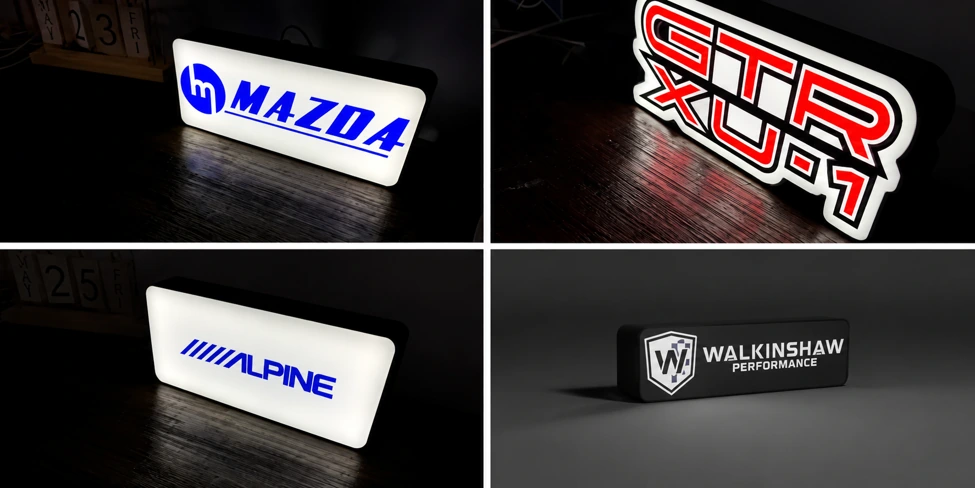
Podstawowe pytanie brzmi, kto sfabrykuje twój znak, gdzie zostanie zrealizowany i który podmiot prawny jest odpowiedzialny za zamówienie.
Poproś o licencję biznesową i sprawdź szczegóły. Chińska licencja biznesowa zawiera nazwę zarejestrowanej firmy, kod ujednoliconego kredytu społecznego, zarejestrowany adres i zakres działalności. Przeczytaj zakres biznesowy, ale traktuj to jako jeden sygnał, a nie dowód. Producent może również posiadać zakres handlu i eksportu. Jeśli zakres nie wspomina o odpowiedniej produkcji, zapytaj bezpośrednio, kto wyprodukuje znak, i sprawdź tę odpowiedź z zarejestrowanym adresem i opisem przejścia na parterze produkcyjnym na żywo. Następnie potwierdź nazwę na licencji, która pasuje do nazwy na fakturze i beneficjenta bankowego. Niezgodność między firmą, z którą odpowiadasz, a kontem, które płacisz, jest warta zatrzymania, dopóki nie zostanie wyjaśnione.
Poproś o przewodnik fabryki na żywo — Rozmowa wideo, w której ktoś chodzi po hali produkcyjnej i możesz poprosić go o skierowanie kamery na konkretną maszynę. W przypadku tego produktu poproś o zapoznanie się z sprzętem do cięcia CNC lub laserem i obszarem wykończenia, ponieważ te określają, czy forma 3D i wykończenie powierzchni będą rzeczywiście dobre.
Zapytaj, jakie testy robią. Dostawca, który twierdzi, że produkcja wewnętrzna powinien być w stanie nazwać i pokazać swoje urządzenia testowe. Testy starzenia, integracja pomiarów sfer pod kątem wyjściowej świetlnej, testy natryskiwania solnego pod kątem wykończeń metalu oraz komory temperatury i wilgotności są standardem w ustalonych fabrykach znaków LED. Jako punkt odniesienia, Nasz własny obiekt jest samodzielnym zakładem o powierzchni 3000 m² w Shenzhen, działającym od 2011 roku, z urządzeniami fotometrycznymi EverFine, komorami wtrysku solnego i wilgocią oraz certyfikatami produktów lub komponentów, w tym UL, ETL, DLC, TUV, CE i ROHS w odpowiednich zakresach.
Zadaj pytanie dotyczące praw do logo i wysłuchaj odpowiedzi. Dostawca, który pyta, kto jest właścicielem dzieła sztuki przed zacytowaniem, jest dostawcą z procesem zgodności. Taki, który nie musi być niekoniecznie nieuczciwy, ale nie jest również zarządzanie ryzykiem w Twoim imieniu.
Zatwierdzenie próbki i kontrole jakości
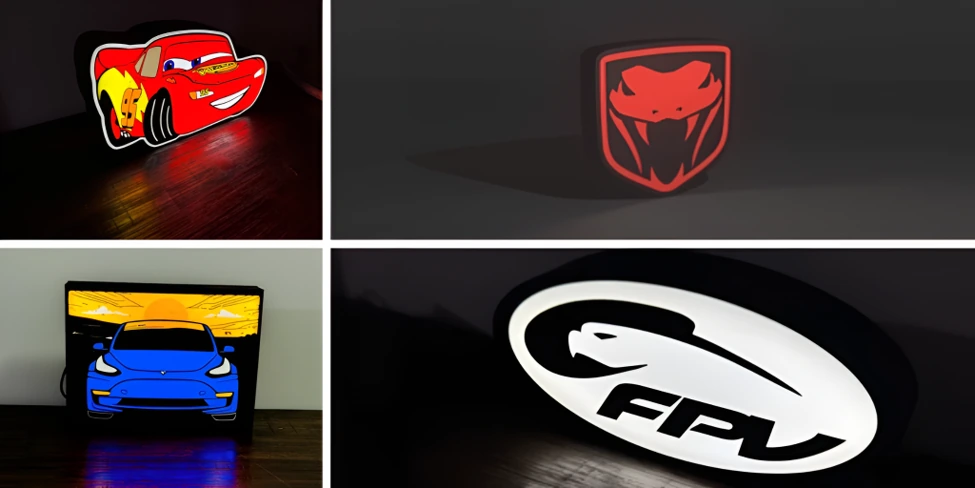
W przypadku zamówienia jednoczęściowego próbka jest gotowym produktem. Poproś o wyraźne zdjęcia wykończenia w świetle dziennym i włączone wideo w ciemnym pokoju — a o znaki podświetlone aureolą poproś o ujęcie aureoli na gładkiej, matowej powierzchni testowej.
Sprawdź najpierw finisz. Szukaj spójnego koloru na całej twarzy, żadnych widocznych szwów, w których łączą się sekcje formy 3D, czyste krawędzie na krzywich i ciasne rogi wewnętrzne oraz brak tekstury o skórce pomarańczowej na pomalowanych lub chromowanych powierzchniach. Na szczotkowanym metalu kierunek ziarna powinien biec konsekwentnie w poprzek elementu.
Następnie sprawdź to zapalone. Dwie awarie, które warto złapać, to hotspoty — jasne łaty, w których poszczególne diody LED prześwitują przez twarz lub odbijają się na ścianie — oraz zmienność kolorów między różnymi częściami tego samego znaku.
Jeśli określono ściemnianie, poproś o jego wyświetlenie w najniższym ustawieniu.
Jeśli zamawiasz wiele jednostek, Poproś o wszystkie sfotografowane razem, włączone, w jednej klatce.
Lista kontrolna RFQ dla znaków logo samochodu
Wyślij to w jednej wiadomości.
- dzieło — Plik wektorowy oraz notatka o tym, kto jest właścicielem logo i Twojej autoryzacji, jeśli jest to marka innej firmy
- Wymiary — Całkowita szerokość i wysokość w mm oraz pożądana głębokość
- Typ oświetlenia — oświetlony halo, oświetlony na twarzy lub z krawędzią
- Materiał twarzy i wykończenie — z odniesieniem Pantone lub RAL lub zdjęciem wykończenia, które masz na myśli
- Jasny kolor — Ciepła biel, chłodna biel, RGB lub określona temperatura barwowa
- Ściemnianie — Wymagane lub nie, oraz metoda kontroli, jeśli masz preferencje
- Środowisko montażowe — Biuro kryte, garaż, pół-na zewnątrz salon wystawowy lub całkowicie na zewnątrz
- powierzchnia ściany — W przypadku znaków podświetlonych aureolą opisz kolor ściany, połysk i teksturę oraz dołącz zdjęcie
- Wyjście kabla / lokalizacja sterownika — gdzie powinien wyjść kabel zasilający i gdzie będzie siedzieć kierowca
- Podstawa wyceny — Poproś każdego dostawcę o podanie tego samego terminu wysyłki i określ, co jest wliczone w cenę
- Dowód zatwierdzenia — Poproś o zdjęcia z wykończenia w świetle dziennym, włączone wideo w ciemnym pokoju i test halo matowego, jeśli dotyczy
- Moc — Napięcie i typ wtyczki w kraju oraz czy chcesz wtyczkę, czy na stałe
- stan — w tym, czy może nastąpić więcej jednostek, ponieważ wpływa to na decyzje dotyczące narzędzi
- Miejsce docelowe i termin — dostawa portu lub drzwi oraz data, w której potrzebujesz do
Skopiuj tę listę kontrolną do zapytania i wyślij tę samą wersję do każdego dostawcy z krótkiej listy.
Porównaj oferty dotyczące całkowitego zakresu, a nie ceny jednostkowej
Porównaj zakres wyładowany — znak, części elektryczne, sprzęt, dowody, opakowania, fracht, cła i gwarancja — a nie sama cena jednostkowa. Niska cena jednostkowa może spowodować wyższy koszt wyładowania, gdy te przedmioty są wykluczone.
Obecny zakres rynkowy US$50–300 dla niestandardowych elementów ściennych jest tylko punktem odniesienia; nie jest to porównywalna oferta, dopóki zakres i warunki wysyłki nie będą się zgadzać.
| element zamówienia | Co potwierdzić | Dlaczego zmienia rzeczywisty koszt |
| Zasilanie | W zestawie lub dodatkowy, a jaki typ wtyczki | Sterownik i wtyczka z korekcją kraju są powszechnym wykluczeniem |
| Sprzęt montażowy | Wzrosty, szablon, mocowania w zestawie? | Pozyskiwanie dopasowanych wzorców lokalnie jest powolne i kłopotliwe |
| Dowody projektowe | Ile rund powtórkowych jest objętych | Dodatkowe rundy są płatne i dodają dni |
| Warunki wysyłki | EXW, FOB lub DDP | EXW całkowicie wyklucza fracht, cła i odprawę celną |
| Obowiązki i podatki | Kto płaci i czy są cytowane? | Często największy ukryty koszt małej przesyłki |
| Opakowanie | Standardowy karton lub niestandardowe klauzury | Wpływa zarówno na koszt, jak i stan przyjazdu |
| Kamienie milowe płatności | Co wyzwala każdą płatność | Wiąże swoją dźwignię z punktami zatwierdzania, a nie tylko z datami produkcji |
| Odbiorca / Podmiot kontraktowy | Czy pasuje do licencji i zweryfikowanej przez Ciebie fabryki? | Płacenie podmiotowi, którego nigdy nie zweryfikowałeś, cofa cokolwiek weryfikację, którą już zrobiłeś |
| czas prowadzenia | popełnione na piśmie, od kiedy | „Dwa tygodnie” od zatwierdzenia grafiki to nie dwa tygodnie od zapłaty |
| Gwarancja | termin i czy obejmuje części, robociznę lub wysyłkę zwrotną | Warunki różnią się znacznie między dostawcami — pobierz je na piśmie, a nie zakładaj |
Poproś każdego dostawcę o wycenę na tych samych warunkach — ten sam rozmiar, ten sam wykończenie, ten sam termin wysyłki.
Od zamówienia do dostawy: produkcja, inspekcja i wysyłka
- Poproś dostawcę o podanie punktu rozpoczęcia produkcji na piśmie. W przypadku znaków niestandardowych jest to zwykle związane z zatwierdzeniem grafiki, a także z płatnością. Sekwencja jest zwykle odporna na grafikę, twoja aprobata, produkcja, wykończenie, instalacja i okablowanie LED, a następnie testowanie. Poproś o zdjęcie postępu na etapie wykończenia — to ostatni punkt, w którym problem z powierzchnią można naprawić bez rozpoczynania od nowa.
- Nalegaj na zdjęcia i wideo przed wysyłką. Włączone wideo w ciemnym pokoju oraz wyraźne zdjęcia wykończenia w świetle dziennym zapewniają to, czego potrzebujesz. W przypadku zamówień wielojednostkowych lub o wyższej wartości, przed dokonaniem płatności zdecyduj przed dokonaniem płatności, czy wystarczające dowody dostarczane przez dostawcę są wystarczające, czy też niezależna inspekcja przed wysyłką jest warta dodatkowych kosztów.
- Opakowanie zasługuje na szczególną uwagę z tym produktem. Znak wymiarowy z chromowaną lub szczotkowaną twarzą jest bardziej wrażliwy w transporcie niż płaskie oznakowanie — podniesiona forma wpływa na jego krawędzie, a polerowane i chromowane powierzchnie zarysowują się z ruchu wewnątrz kartonu. Zapytaj, co konkretnie chroni twarz, a nie tylko czy pudełko jest mocne. Pianka lub folia bezpośrednio na twarzy, ochrona narożnika na formie 3D i sztywny karton zewnętrzny to rzeczy, które warto potwierdzić.
- sfotografuj wszelkie uszkodzenia opakowania zewnętrznego przed jego otwarciem, Zwróć uwagę na widoczne uszkodzenia na zapisie przewoźnika tam, gdzie to możliwe, i przetestuj znak tak szybko, jak tylko pozwoli na to metoda instalacji.
- Jeśli znak dotrze uszkodzony lub nie zgodnie ze specyfikacją, Zgadzam się z wyprzedzeniem — najlepiej przed zapłatą — kto poradzi sobie z uszkodzeniami frachtu, wadą produkcyjną i komponentem, który później się nie powiedzie, jakich dowodów będą potrzebować (zdjęcia opakowania i wideo z testów mocy powyżej obejmują większość z nich) i czy środek zaradczy to części zamienne, remake lub zwrot pieniędzy.
- Potwierdź, kto obsługuje gwarancje i jak. W przypadku zamówienia międzynarodowego praktyczne pytanie brzmi, co faktycznie obejmuje roszczenie gwarancyjne: części zamienne wysłane do Ciebie lub cały znak zwrócony. Uzyskaj odpowiedź, zanim zapłacisz, a nie po tym, jak coś zawiedzie.
OEM i niestandardowe zamówienia: czego się spodziewać
Dla kupujących zamawiających pod własną marką lub zamawiających wielokrotnie, kilka dodatkowych punktów ma znaczenie. Rozmiar, materiał twarzy, wykończenie, metoda oświetlenia, kolor światła, metoda montażu i napięcie robocze wszystkie są określone na znaku na zamówienie.
Jeśli planujesz zmienić kolejność później, rozlicz oprzyrządowanie i własność plików z góry. Zapytaj, czy oprzyrządowanie jest jednorazową opłatą, czy też wbudowaną w cenę jednostkową, która przechowuje plik grafiki i zatwierdzoną specyfikację w rejestrze oraz czy późniejsze zamówienie zostanie dopasowane do zatwierdzonej próbki, czy ponownie zacytowane od zera.
Potwierdź, kto wybiera i gwarantuje moduły LED, sterownik i kontroler, czy te części zostały przetestowane razem w gotowym znaku i czy zamienniki pozostaną dostępne. Produkcja modułów wewnętrznych może poprawić identyfikowalność komponentów, ale nie zastępuje testowania zakończonego znaku ani pisemnego procesu obsługi.
Uzyskiwanie cytatu
Jeśli jesteś gotowy do określenia znaku, powyższa lista kontrolna RFQ jest najszybszą drogą do użytecznej oferty. Signliteled produkuje oświetlenie i podświetlane znaki w Shenzhen od 2011 roku, od Obiekt o powierzchni 3000 m² z wewnętrznymi testami fotometrycznymi, solą solną i wilgotnością temperaturową oraz certyfikatami produktów lub komponentów, w tym UL, ETL, DLC, TUV, CE i ROHS w odpowiednich zakresach. Produkujemy Niestandardowe podświetlane litery i znaki z logo na warunkach OEM i ODM.
Jeśli Twoja grafika zawiera znak towarowy innej firmy, przygotuj autoryzację, gdy zapytasz — oszczędza ona rundę w tę iz powrotem, zanim będzie można rozpocząć produkcję.
Skontaktuj się z nami Z twoją grafiką i specyfikacją, a my będziemy cytować przeciwko temu.
Często zadawane pytania
Napisane przez: Richard Liang, kierownik ds. produktów i procesów w Sygnalizator LED
Przegląd techniczny: Jason Chen, lider badań i rozwoju w Signlited
Adres e-mail: info@signliteled.com
Powiązane posty