Polski
  English
  简体中文
简体中文  Deutsch
  Español
  Français
  Italiano
  日本語
日本語  한국어
한국어  Português
  Русский
  Türkçe
  Nederlands
  Tiếng Việt
  ไทย
ไทย 
Kiedy pozyskujesz na zewnątrz Neony LED W przypadku komercyjnych fasad budynków, tarasów restauracyjnych lub projektów oświetlenia architektonicznego, jedna specyfikacja techniczna staje się centralnym punktem każdej dyskusji: klasyfikacja ochrony przed wejściem (IP). Jednak wielu kupujących błędnie uważa, że „wodoodporne znaki neonowe” są zgodne z jednym, uniwersalnym standardem – ale tak nie jest. Wybór złego ratingu ochrony może skutkować cokolwiek, od zmniejszonego zwrotu z inwestycji po poważną katastrofę konserwacyjną w ciągu kilku miesięcy.
W przypadku zdecydowanej większości komercyjnych projektów neonowych LED na zewnątrz, optymalne produkty wytłaczane z przewodu silikonowego IP67 są optymalnym wyborem. Oferują taką samą ochronę przed pyłem jak IP65, jednocześnie zapewniając prawdziwą ochronę przed krótkim zanurzeniem. Ponadto ich koszt jest znacznie niższy niż w przypadku produktów IP68, które często są przesadnie określone w przypadku zastosowań niepodbiegalnych.
Ten przewodnik zawiera kompleksową, inżynieryjną analizę tego, co IP65, IP67 i IP68 naprawdę oznaczają dla oświetlenia neonowego LED na zewnątrz, koncentrując się na podstawowej wiedzy, którą muszą zrozumieć nabywcy komercyjni i inżynierowie projektu. Zbadamy, dlaczego IP65 często zawodzi w rzeczywistych środowiskach zewnętrznych; proces uszczelniania silikonu, który określa długoterminową niezawodność produktu; dlaczego kierowca jest tak samo krytyczny jak sam pasek świetlny; oraz jak podejmować optymalne decyzje, które równoważą ochronę i koszt w oparciu o wymagania projektowe.
Po przeczytaniu tego artykułu nie będziesz już tylko wiedział, co reprezentują numery IP, ale zrozumiesz również uzasadnienie inżynieryjne, które za nimi stoi, umożliwiając dokładne określenie odpowiedniej ochrony dla następnego projektu.
Co oznacza ocena IP?
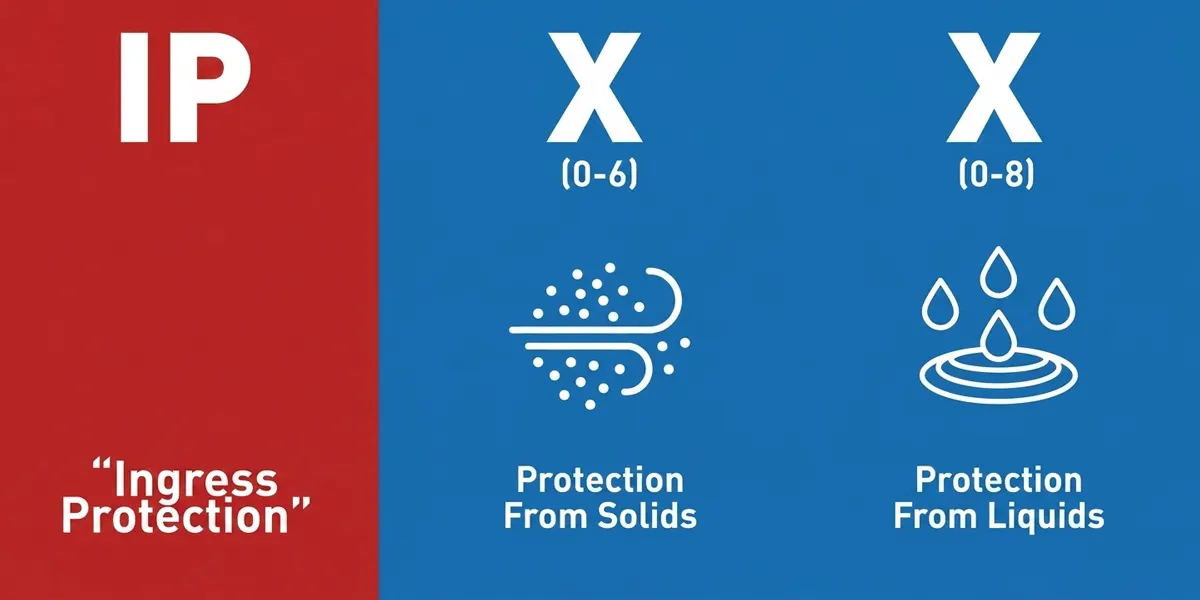
IP oznacza ochronę przed wejściem. Zgodnie z definicją międzynarodowej normy IEC 60529, Stopień ochrony IP składa się z dwóch cyfr:
- Pierwsza cyfra (0–6): ochrona przed przedmiotami stałymi (kurzu, zanieczyszczenia, przypadkowy kontakt)
- Druga cyfra (0–9K): ochrona przed cieczami (deszcz, rozpryski, dysze, zanurzenie)
W przypadku zewnętrznych znaków LED neonów pierwsza cyfra to prawie zawsze 6 — całkowita ochrona przed kurzem, tj. najwyższy poziom ochrony przed ciałami stałymi. Prawdziwy nacisk decyzji leży w drugiej cyfrze: wskaźnik wodoodporności.
Poniżej znajduje się wyraźne techniczne porównanie odpowiednich ocen wodociągowych:
| Druga cyfra | Definicja | Metoda testowania | Znaczenie w świecie rzeczywistym |
| 5 (IP65) | Strumienie wody | 12,5 l/min od dyszy (6,3 mm), odległość 3 m, co najmniej 3 minuty | Odporne na dysze niskociśnieniowe, ulewny deszcz |
| 6 (IP66) | Potężne odrzutowce | 100 l/min od dyszy (12,5 mm), odległość 3 m | Odporny na potężne strumienie wody, silny deszcz |
| 7 (IP67) | Tymczasowe zanurzenie | Głębokość do 1 metra przez 30 minut | Przetrwa ekstremalne burze, powodzie, mycie |
| 8 (IP68) | Ciągłe zanurzenie | Głębokość i czas trwania ustawiony przez producenta (bez jednego standardu) | Długotrwałe użytkowanie pod wodą |
Kluczowa uwaga: Nie ma globalnie jednolitego standardu testowania dla IP68. Producenci i klienci muszą wyraźnie uzgodnić określone warunki głębokości zanurzenia i czasu trwania. Niektóre produkty IP66 mogą również przejść podstawowe testy IP68 - dlatego, przy braku wyraźnych specyfikacji, sama klasa IP68 ma ograniczone znaczenie.
IP65 vs. IP67 vs. IP68 — kompletna tabela porównawcza
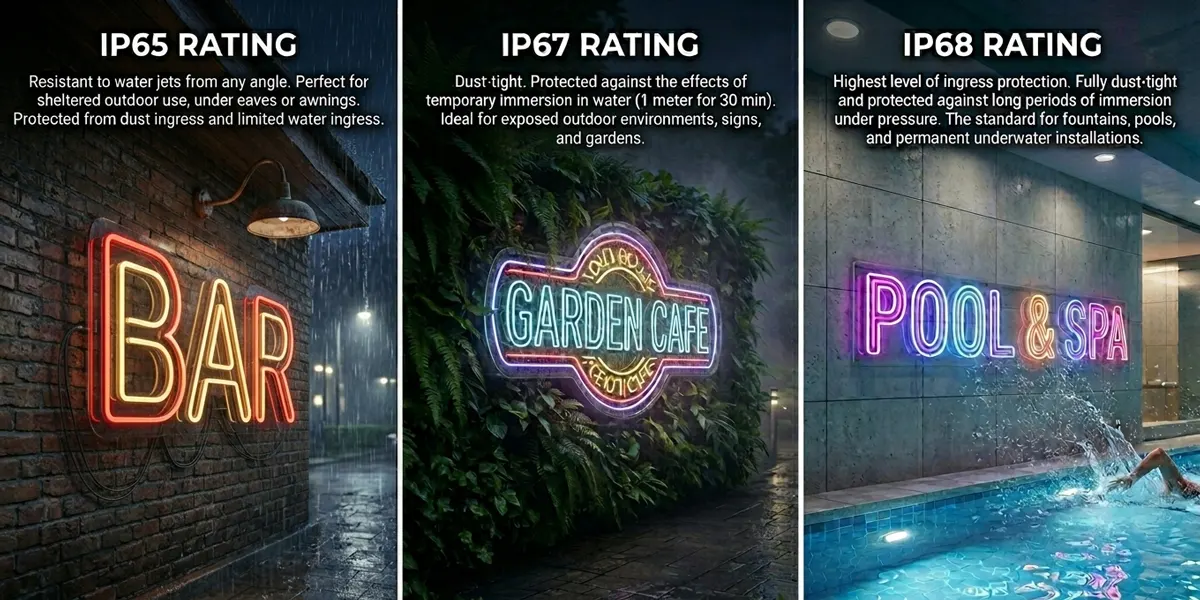
Dla komercyjnych nabywców neonów LED na zewnątrz, zrozumienie różnic między tymi trzema ocenami pod względem konstrukcji, trwałości i kosztów ma kluczowe znaczenie.
| Aspekt | IP65 | IP67 | IP68 |
| Ochrona przed kur | 6 (kurz szczelny) | 6 (kurz szczelny) | 6 (kurz szczelny) |
| Ochrona wody | Tylko dysze niskociśnieniowe | Tymczasowe zanurzenie (1m, 30 min) | Ciągłe zanurzenie (określone przez producenta) |
| Metoda budowy | Powłoka powierzchniowa lub półszczelny rękaw | Pełne wytłaczanie silikonowe / stałe doniczki | Wysokiej jakości wytłaczanie silikonowe ze wzmocnionymi uszczelkami |
| Czy można zanurzyć? | Nie | ✔️ Tak (krótkoterminowy) | ✔️ Tak (ciągle) |
| Typowa długość życia na zewnątrz | 8 000–15 000 godzin (PVC) | 50 000 godzin + (silikon) | 50 000 godzin + (silikon) |
| Koszt względ | preliminować | Umiarkowane (15–30% wyższe niż IP65) | opłata za nauk |
| Nadaje się do obszarów przybrzeżnych? | Ograniczone (korozja soli soli) | Tak (silikon stabilizowany UV) | ✔️ Tak |
| Najlepsze dla | Chronione tereny zewnętrzne, pod markizami | Pełna ekspozycja na zewnątrz, fasady, znaki, ogrody | Fontanny, baseny, stałe instalacje podwodne |
| Aspekt | IP65 | IP67 | IP68 |
| Ochrona przed kur | 6 (kurz szczelny) | 6 (kurz szczelny) | 6 (kurz szczelny) |
Kluczowe różnice wyjaśnione
- IP65 zapewnia pełną ochronę przed kurzem i wytrzymuje niskie ciśnienie strumieni wody z dowolnego kierunku. Jednak nie zapewnia ochrony przed zanurzeniem — ograniczenie, które okazało się śmiertelne w wielu rzeczywistych instalacjach zewnętrznych.
- IP67 opiera się na IP65, dodając możliwość wytrzymania krótkiego zanurzenia (1 metr pod wodą przez 30 minut). Ten poziom ochrony uzyskuje się dzięki całkowicie wytłaczanej konstrukcji silikonowej: obwody LED są całkowicie zamknięte w silikonu, nie pozostawiając żadnych luk w wchłanianiu wilgoci.
- IP68 rozszerza tę możliwość do ciągłego zanurzania; jednak ze względu na brak ujednoliconego standardu, IP67 już zapewnia znacznie większą ochronę niż jest to w rzeczywistości wymagana w przypadku zdecydowanej większości komercyjnych projektów zewnętrznych oznakowań i elewacji (gdzie paski świetlne są instalowane pionowo lub zawieszane na zewnątrz budynków).
- Według statystyk branżowych IP67 stanowi optymalną równowagę dla około 821 TP3T projektów zewnętrznych — wytrzymuje sezonową surową pogodę bez ponoszenia nadmiernych kosztów.
W przypadku większości zastosowań oświetlenia zewnętrznego (sygnału, tarasy i ogrody) IP67 oferuje idealną równowagę: zapewnia bardziej niezawodną ochronę przed deszczem niż IP65, a jednocześnie jest bardziej opłacalny niż IP68.
Dlaczego IP65 zawodzi w ustawieniach zewnętrznych: ukryte zagrożenia
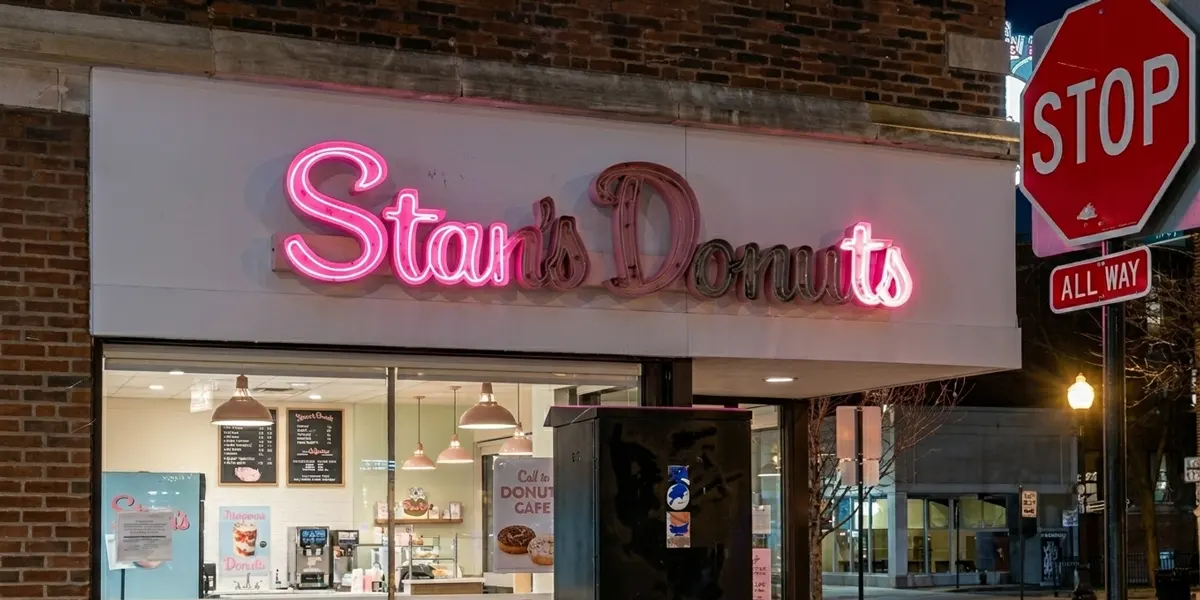
Możesz ulec pokusie, aby wybrać IP65 do zewnętrznych znaków LED neonowych - w końcu często jest to określane jako „wodoodporne”. Ale rzeczywistość jest daleka od tego.
Analiza dużych zbiorów danych dotyczących awarii opraw zewnętrznych LED (zakrywających 4200 rekordów instalacji w ciągu trzech lat) wykazała, że w regionach deszczowych roczny wskaźnik awaryjności urządzeń IP65 osiągnął poziom 14,7%, podczas gdy urządzenia IP66 spadły do 7,9%.
Wielu kupujących zakłada, że IP65 oznacza, że produkt może wytrzymać wszystkie zagrożenia związane z wodą. To jest nieprawidłowe. IP65 chroni tylko przed strumieniami wody pod niskim ciśnieniem. Jednak podczas silnych tajfunów, huraganów lub zamieci śnieżycy, napędzane wiatrem, może dmuchać w poziomie lub nawet w górę. W przypadku regionów podatnych na ekstremalne warunki pogodowe tylko w pełni uszczelniona konstrukcja, która naprawdę spełnia normy IP67, zapewnia jedyną niezawodną gwarancję inżynierską.
Trzy główne powody, dla których IP65 zawodzi w środowiskach zewnętrznych
1. Tylko ochrona na poziomie powierzchni: Wiele taśm LED IP65 wykorzystuje tylko jedną warstwę rurki silikonowej lub cienką powłokę powierzchniową. Woda może łatwo dostać się przez cięte końce, punkty połączenia lub uszkodzone rurki.
2 Długotrwałe wnikanie wilgoci: Wilgoć i kondensacja przeciekają przez mikroskopijne szczeliny, których obróbka powierzchni nie może uszczelnić, co ostatecznie powoduje awarię obwodu.
3. Zero odporności zanurzenia: W przypadku wystawienia na działanie wody stojącej, przepływu wstecznego wody deszczowej, a nawet strumieni wody pod wysokim ciśnieniem w pobliżu oznakowania, produkty IP65 zwarją się i ulegną awarii, gdy tylko woda na chwilę zetknie się z obwodem wewnętrznym.
W przypadku każdego naprawdę narażonego na zewnątrz wodoodpornego znaku neonowego — czy to na fasadach budynków, witrynach sklepowych skierowanych do ulicy, czy w instalacjach ogrodowych w pobliżu zraszaczy lub elementów wodnych — IP65 jest niewystarczający. Niewielkie oszczędności kosztów nie mogą zrekompensować ryzyka przedwczesnej awarii.
Proces uszczelniania silikonowego, który określa prawdziwą zdolność ochrony
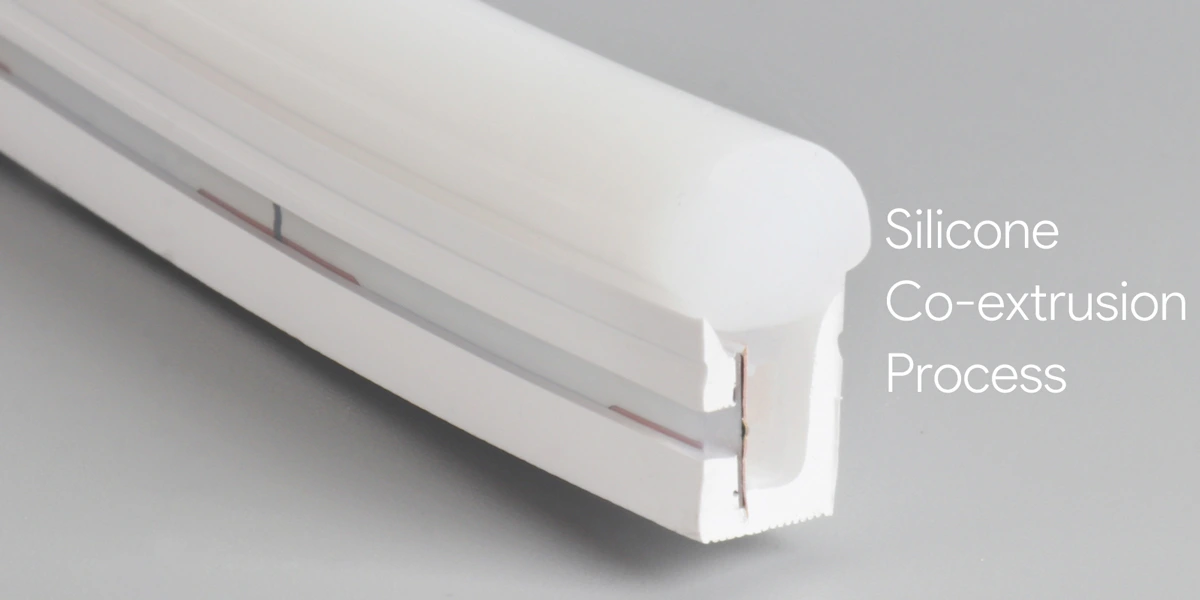
Nie wszystkie wodoodporne neony są produkowane w ten sam sposób. Metoda zastosowana do uszczelnienia obwodów LED bezpośrednio określa, czy produkt może osiągnąć zastrzeżony stopień IP.
Porównane metody hydroizolacji
| systematyka | IP osiągalny | Opis | bladość |
| Rękaw PVC + zaślepki | IP65 | Taśma LED włożona do pustej rury PVC, zaślepki uszczelnione | Woda wchodzi na końcach; żółte pcv na zewnątrz |
| Rękaw silikonowy + zaślepki | IP65-IP66 | Ten sam wzór, ale z silikonowym rękawem | Nadal opiera się na uszczelkach na zaślepkach; nie w pełni w doniczkach |
| Powłoka powierzchniowa (kropelka) | IP65-IP66 | PCB LED powlekany tylko na górze | Tylna strona podatna na podatność; brak pełnej enkapsulacji |
| Potting do wytłaczania / stały silikon | IP67–IP68 | Obwód LED całkowicie osłonięty w solidnym silikonu przez wytłaczanie | Wyższy koszt materiału; premium trwałość |
Dlaczego silikon jest krytyczny
Dobór materiałów jest równie ważny. Wśród trzech podstawowych materiałów neonowych (PVC, PU, silikon), silikon znacznie przewyższa pozostałe pod względem wydajności na zewnątrz:
| majątek | PVC | PU | Silikon |
| Odporność na promieniowanie UV | Słabe (degradacja/żółta) | Umiarkowany | Doskonały |
| Zakres temperatur | –20°C do 60°C | –20°C do 80°C | –50°C do 200°C+ |
| Żywotność na zewnątrz | 8 000–15 000 godzin | Umiarkowany | 50 000–100 000 godzin |
| Elastyczność | Umiarkowany | Umiarkowany | Doskonały |
Solidny silikon i PU mogą osiągać wysokie oceny wodoodporne (IP67/IP68), podczas gdy puste PVC ma ograniczoną wodoodporność. Żywotność silikonowych rurek neonowych wynosi zazwyczaj około 50 000 godzin, podczas gdy produkty z PVC wytrzymują tylko około 8 000–15 000 godzin w warunkach zewnętrznych.
Silikon zapewnia również doskonałą odporność na promieniowanie UV, unikając problemów z żółknięciem i pękaniem, które doświadczają produkty PVC przy długotrwałej ekspozycji na słońce. Dla nabywców komercyjnych, wyraźnie określenie wytłaczania z litego silikonu, a nie rur PVC podczas procesu selekcji, jest najskuteczniejszym krokiem w celu zapewnienia długoterminowej niezawodności zewnętrznych rur neonowych LED.
SignLiteled IP67 LED Neon Flex Węże są produkowane z wysokiej jakości silikonu, który pozostaje elastyczny nawet w ekstremalnych temperaturach; wykorzystuje materiały odporne na promieniowanie UV, które nie pękają ani nie żółkną po latach ekspozycji; i całkowicie uszczelnia obwody LED przez całkowicie silikonowy proces wytłaczania, zapobiegając wnikaniu wilgoci.
Wodoodporne sterowniki LED są równie ważne
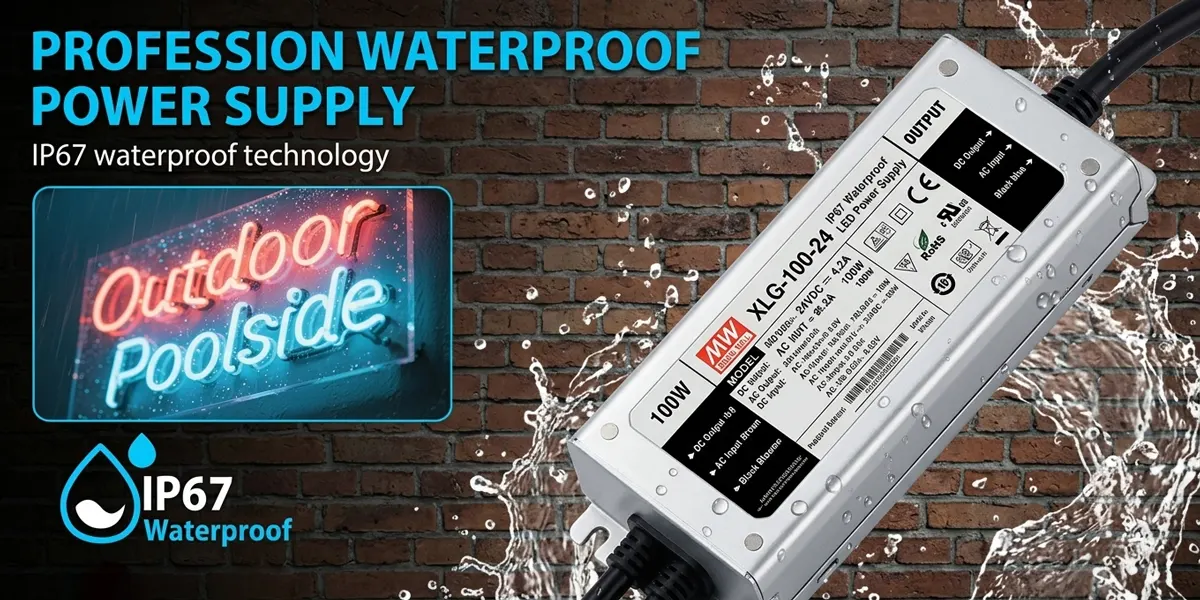
Oto prawda, której nie znajdziesz w wielu specyfikacjach produktów: wodoodporna taśma LED jest bezwartościowa, jeśli sterownik LED ulegnie awarii po sześciu miesiącach.
Kierowca (Zasilanie LED) odpowiada za przekształcanie zasilania sieciowego w bezpieczną, niskiego napięcia prądu stałego (zazwyczaj 12 V lub 24 V) i musi być tak samo wodoodporna jak sam pasek. Nigdy nie używaj sterowników do wnętrz, nie wodoodpornych w projektach neonowych LED na zewnątrz.
Minimalne specyfikacje dla komercyjnych kierowców na zewnątrz
| żądanie | Dlaczego to ma znaczenie |
| Oceniony IP67 lub wyższy | Zapobiega dotarciu do wilgoci obwodów wewnętrznych |
| Stały prąd projekt | Utrzymuje stałą jasność LED i zapobiega przedwczesnej degradacji |
| Ochrona przed przeciążeniem / zwarciem | Chroni przed przepięciami i błędami instalacji |
| Certyfikat UL / CE / EN61347 | Zapewnia zgodność z międzynarodowymi normami bezpieczeństwa |
| 5-letnia gwarancja | Wskaźnik zaufania producenta do niezawodności |
Zgodnie z przepisami bezpieczeństwa w Ameryce Północnej, NEC/NFPA 70 akceptuje tylko osprzęt certyfikowany przez UL 676 do użytku w basenach lub podobnych środowiskach – to podkreśla, że certyfikacja jest tak samo ważna jak ocena IP.
Oceniając dostawców dla projektu oświetlenia neonowego IP67, należy poprosić o specyfikacje sterownika osobno. Wysokiej jakości pasek neonowy IP67 w połączeniu z niskoklasowym lub niecertyfikowanym sterownikiem LED znacznie zmniejszy ogólną wartość systemu.
Najlepszy wybór dla projektów komercyjnych
Macierz decyzyjna według typu projektu
| Projekt / środowisko | Zalecana ocena IP | Materiał | racjonalne uzasadnienie |
| Osłona markizy / zadaszony taras | IP65 | Rękaw sili | Tylko okazjonalne narażenie na deszcz |
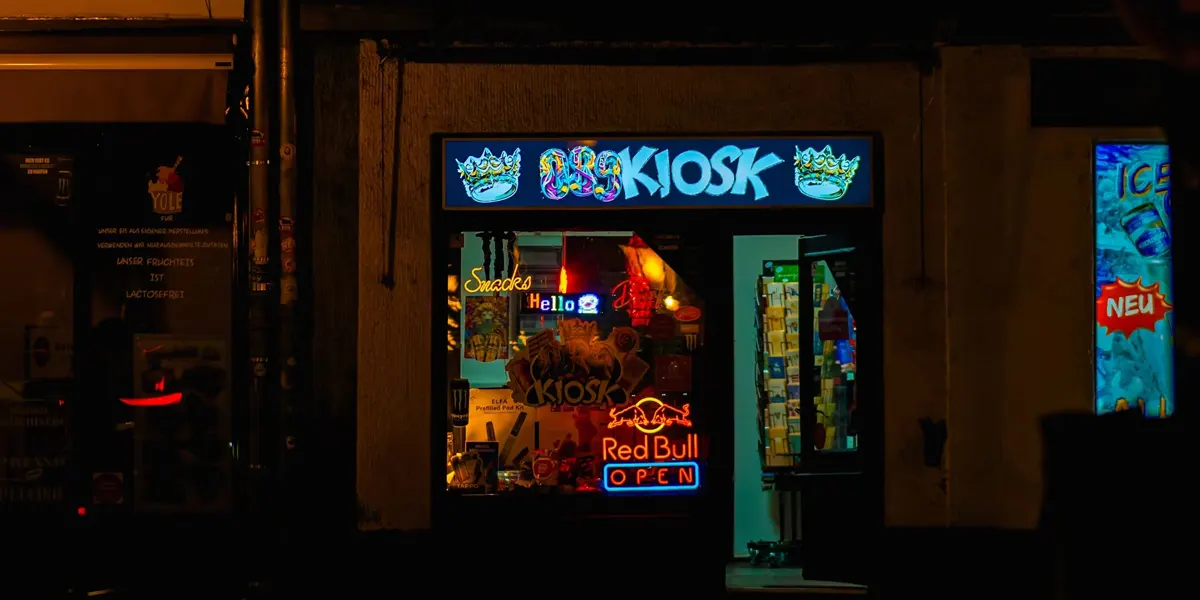
| Fasada budynku (standardowa ekspozycja) | IP67 | Solidne wytłaczanie silikonowe | Optymalna równowaga: odporna na deszcz, kurz szczelność, opłacalna |
| Oznakowanie frontu ulicznego | IP67 | Solidne wytłaczanie silikonowe + stabilizacja UV | Stała ekspozycja na warunki pogodowe wymaga pełnego uszczelnienia |
| Instalacja przybrzeżna (w promieniu 50 m od brzegu) | IP67 lub IP68 | Wytłaczanie silikonowe z klasyfikacją antykorozyjną | Sól solna szybko koroduje niższe gatunki |
| Obszary z częstymi silnymi burzami / powodziami | IP67 | Solidne wytłaczanie silikonowe | może przetrwać tymczasowe zanurzenie |
| Restauracja Taras / Bar na świeżym | IP67 | Solidne wytłaczanie silikonowe | Uchwyty rozlane, czyszczenie i deszcz |
| Krawędź fontanny / elementy w pobliżu wody | IP67 | Solidne wytłaczanie silikonowe | Ochrona przed rozpryskami i krótkim zanurzeniem |
| Stały pod wodą (basen / fontanna) | IP68 | Wzmocnione wytłaczanie silikonowe | Ciągłe zanurzenie wymaga IP68 |
| Event / Tymczasowe oznakowanie na zewnątrz | IP65 | Zoptymalizowane pod względem kosztów | Narażenie krótkoterminowe może zaakceptować niższy IP |
| Osłona markizy / zadaszony taras | IP65 | Rękaw sili | Tylko okazjonalne narażenie na deszcz |
Zalecenia inżynieryjne
W przypadku zdecydowanej większości komercyjnych projektów neonowych LED na zewnątrz — fasady budowlane, oznakowanie detaliczne, patio restauracyjne, oświetlenie ogrodowe i architektoniczne oświetlenie akcentujące — optymalne produkty z IP67 z solidnego silikonu są optymalnym wyborem.
Dlaczego IP67? Oferuje taką samą ochronę przed pyłem jak IP65, jednocześnie zapewniając prawdziwą ochronę przed krótkim zanurzeniem. Jego w pełni wypełniona konstrukcja silikonowa eliminuje ryzyko wnikania wody, które nieuchronnie występuje w produktach IP65 po długotrwałym użytkowaniu. Ponadto jego koszt jest znacznie niższy niż w przypadku produktów IP68, które często są przesadnie określone w przypadku zastosowań niepodstawowych.
W przypadku większości zastosowań oświetlenia zewnętrznego (sygnału, tarasy i ogrody) IP67 zapewnia idealną równowagę: zapewnia bardziej niezawodną ochronę przed deszczem niż IP65, ale jest bardziej opłacalny niż IP68.
Analiza dogłębna: dlaczego silikon wyróżnia się w zastosowaniach na zewnątrz?
Wybierając zewnętrzne światła neonowe LED, debata między silikonem a PVC nie jest jedynie dyskusją akademicką – bezpośrednio wpływa na żywotność projektu i całkowity koszt posiadania.
Kompleksowe porównanie materiałów
| Materiał | Trwałość na zewnątrz | Elastyczność | Koszt | Najlepsza aplikacja |
| PVC | ❌ biedny | Umiarkowany | Niski | Wewnątrz / krótkoterminowy wewnątrz-na zewnątrz |
| PU | Umiarkowany | Umiarkowany | Średni | wilgotne otoczenie w pomieszczeniach |
| Silikon | ✅ Znakomicie | Doskonały | Wyższe (2–3× PVC) | Na zewnątrz, ekstremalne warunki pogodowe, wysokiej klasy aplikacje |
Kluczowe powody, dla których silikon jest opłacalną inwestycją w komercyjnych zastosowaniach zewnętrznych:
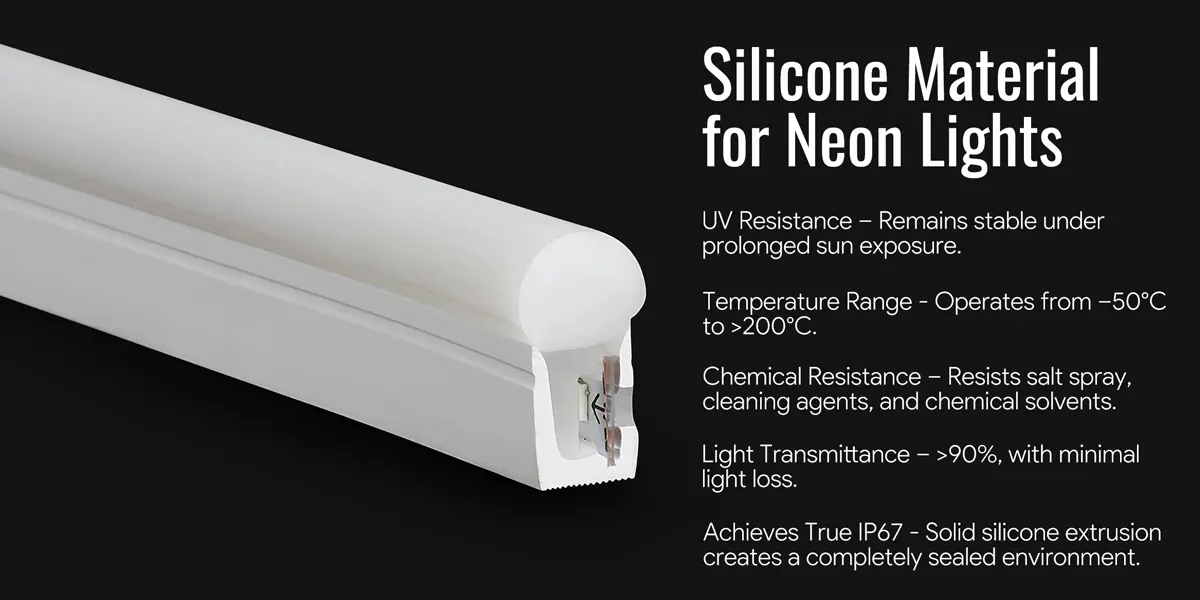
- Odporność na promieniowanie UV - pozostaje stabilny pod długotrwałą ekspozycją na słońce; żółknie PVC i staje się kruche.
- Zakres temperatur – Działa od –50°C do >200°C; PVC ulega awarii podczas zamrażania lub ekstremalnego ciepła.
- Odporność chemiczna – Odporny na solą, środki czyszczące i rozpuszczalniki chemiczne.
- Przepuszczalność światła – >90%, z minimalną stratą światła.
- Osiąga prawdziwe IP67/IP68 – Solidne wytłaczanie silikonowe tworzy całkowicie uszczelnione środowisko.
W przypadku wodoodpornego neonu, który będzie działał na zewnątrz przez lata, silikon jest nie tylko „materiałem premium”, ale najbardziej opłacalnym wyborem inżynieryjnym. Wyższy koszt materiału początkowego jest równoważony przez znacznie zredukowane koszty wymiany, konserwacji i przestojów w całym cyklu życia.
Najlepsze praktyki dotyczące zachowania integralności IP podczas instalacji
Nawet lampki LED o najwyższych klasach IP zależą w dużej mierze od jakości instalacji ze względu na ich skuteczność ochronną. Następujące praktyki są niezbędne do utrzymania wodoodporności neonowych świateł zewnętrznych LED:
1. Użyj „zagięcia kroplowego” dla kabli zasilających: Gdy przewody zasilające wejdą do skrzynki przyłączeniowej lub obudowy sterownika, utwórz zagięcie w dół tuż przed punktem wejścia. Zapobiega to „syfonowaniu” wody deszczowej wzdłuż drutu do elementów elektronicznych.
2 .Nigdy reliks sOlej włączony zawrzałatteroproportyczny tbłaznować: Większość taśm wodoodpornych nie ma certyfikatu IP i nie może wytrzymać ciśnienia wody w dłuższej perspektywie. W zakopanych, pod wodą lub trwale wilgotnych środowiskach taśma nie może utrzymać integralności IP67/IP68.
3. Użyj obudów z IP67 lub wyższymi dla sterowników i skrzynek sterujących: Sterownik jest częścią systemu i musi być odpowiednio traktowany. Jeśli sterownik zostanie umieszczony w pudełku z niższą wartością ochrony, cały system IP67 zostanie naruszony.
4. Zapewnij prawidłowe uszczelnienie końcowe: W przypadku połączeń na ściętych końcach zawsze używaj złączy wodoodpornych określonych przez producenta zamiast improwizować na miejscu.
5. Przetestuj przed instalacją: Wykonaj krótki test włączania na pasku świetlnym przed instalacją. Jeśli nie powiedzie się przy pierwszym uruchomieniu, oznacza to defekt, który będzie dalej się pogarszał w terenie.
Wniosek
Przy wyborze odpowiedniej oceny IP dla zewnętrznych znaków LED neonów, celem nie jest ślepa dążenie do najwyższej oceny, ale raczej dopasowanie poziomu ochrony do rzeczywistych wymagań środowiskowych.
- IP65: Nadaje się tylko do użytku chronionego lub przerywanego. Nie zaleca się w przypadku w pełni narażonych komercyjnych instalacji zewnętrznych.
- IP67: Idealny wybór dla większości komercyjnych projektów oznakowań zewnętrznych i elewacji: szczelny, zdolny do tymczasowego zanurzenia, opłacalny i niezawodny przez ponad 50 000 godzin, gdy są produkowane z litego silikonu.
- IP68: Wymagane tylko w przypadku aplikacji obejmujących ciągłe naświetlanie pod wodą (fontanny, baseny, instalacje zanurzone). Często przesadnie określane dla standardowego oznakowania zewnętrznego.
Dla nabywców komercyjnych i inżynierów projektów ramy podejmowania decyzji są proste:
- W przypadku wszelkich oznakowań zewnętrznych, elewacji, tarasów lub instalacji ogrodowych, które będą narażone na działanie deszczu, śniegu, wilgoci lub czyszczenia, należy określić produkty do wytłaczania silikonu IP67.
- Wymagaj solidnej konstrukcji silikonowej (zamiast pcv) aby zapewnić odporność na promieniowanie UV i tolerancję temperatury.
- Upewnij się, że sterownik ma również stopień ochrony IP67 i posiada certyfikat UL/CE/EN61347.
- Zapytaj dostawców o specyfikacje materiałowe, a nie tylko o ocenę IP. IP67 osiągnięty dzięki rurom PVC nie jest taki sam jak IP67 osiągnięty dzięki wytłaczaniu z litego silikonu.
- Upewnij się, że przestrzegane są najlepsze praktyki instalacyjne — pętle ociekające, uszczelnione złącza i odpowiednie obudowy.
- Wybierając silikonową rurkę neonową IP67 od dostawcy z doświadczeniem zarówno w inżynierii materiałowej, jak i niezawodności środowiskowej, kupujesz coś więcej niż tylko znak. Inwestujesz w długoterminowy, niezawodny zasób oświetleniowy.
W przypadku specyfikacji technicznych, Niestandardowy projekt znaku neonowego Cytaty lub oceny środowiskowe, skontaktuj się z zespołem inżynieryjnym Signlited, aby omówić Twoje konkretne wymagania — w tym lokalne warunki klimatyczne, miejsce instalacji i oczekiwany okres użytkowania.
Często zadawane pytania (FAQ)
Powiązane posty