Polski
  English
  简体中文
简体中文  Deutsch
  Español
  Français
  Italiano
  日本語
日本語  한국어
한국어  Português
  Русский
  Türkçe
  Nederlands
  Tiếng Việt
  ไทย
ไทย 
Zewnętrzne znaki neonowe LED są zaprojektowane tak, aby wytrzymać różne warunki pogodowe, ale tylko wtedy, gdy są prawidłowo zainstalowane. Same znaki rzadko zawodzą jako pierwsze. Pierwszymi elementami, które ulegały awarii, są prawie zawsze punkty okablowania z niewłaściwymi złączami, obudowy kierowców bez uszczelek lub tylne panele zainstalowane bezpośrednio przy ścianie (bez szczeliny odpływowej).
W tym artykule znajdziesz obszerny przewodnik po bezpiecznej instalacji Znaki neonowe LED na zewnątrz, obejmujące wszystko, od planowania przed instalacją i przygotowania narzędzia po metody instalacji, wodoodporne okablowanie, rozmieszczenie kierowcy, odwodnienie i wentylację, a także częste błędy, które prowadzą do wczesnych awarii. Dla firm i instalatorów poszukujących niezawodnych oznakowań zewnętrznych, ten artykuł służy jako podręcznik techniczny.
Planuj z wyprzedzeniem przed rozpoczęciem instalacji
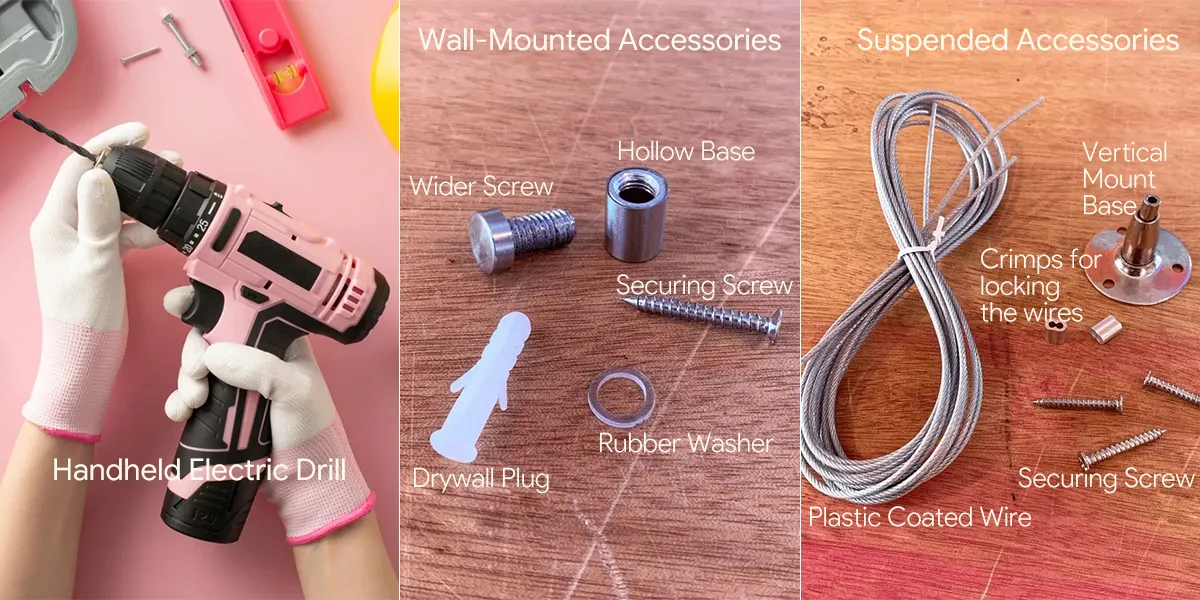
Odłożenie 15 minut na kontrolę przed instalacją przed wierceniem może zaoszczędzić godziny przeróbek. Przed zamontowaniem znaku na ścianie należy sprawdzić powierzchnię montażową, zasilacz, wagę znaku i stopień ochrony IP. Zdecydowana większość awarii instalacji wynika z pominięcia kontroli przed instalacją, a nie z problemów z jakością samego znaku.
Wymagane narzędzia i sprzęt
Instalacje zewnętrzne mają ścisłe specyfikacje dla każdego elementu. Profesjonalni instalatorzy używają następującej konfiguracji:
| Narzędzie / przedmiot | Wymagana specyfikacja lub typ | Dlaczego to ma znaczenie |
| Wiertło + murowanie | 6mm dla M6 — 8mm dla kotew M8 | Niewymiarowe otwory zmniejszają wytrzymałość na wysuwanie kotwicy w murze |
| Kotwy śrubowe Rawl | M6 poniżej 10 kg — M8 na 10–20 kg | Niewłaściwa klasa poluzowuje się pod trwałymi wibracjami wiatr |
| dystansowe lufy dystansowe | Długość 20-25 mm | Brak odstępu = brak szczeliny drenażowej = kondensacja uwięziona za płytą |
| Wodoodporne złącza IP68 | Rodzaj wypełniony żelem lub termokurczliwy | Każdy punkt splotu zewnętrznego bez uszczelnienia IP68 jest usterką w przyszłości |
| Przewód falisty z cegłą UV | Polipropylen — nie standardowe PVC | Standardowe czarne pęknięcia PVC pod wpływem promieniowania UV w ciągu 2-3 lat |
| Wyjście zewnętrzne chronione GFCI | Gniazdo zewnętrzne z oceną pogod | Wymagane dla każdego obwodu elektrycznego w mokrym obwodzie — nie opcjonalnie |
Dodatkowo będziesz potrzebować: poziomu (600 mm lub dłuższy), ściągacze do przewodów (dla 12-24 AWG), taśmy samoutwardzalnej i przezroczysty uszczelniacz silikonowy zewnętrzny.
Lista kontrolna przed instalacją
| Co sprawdzić | Czego szukać | Ryzyko pominięcia |
| Ocena IP neonowego flexu | Minimum IP67 z silikonową kurtką | Woda dociera do wewnętrznych połączeń lutowanych — awaria LED |
| Ocena IP złączy | IP68 na każdym skrzyżowaniu zewnętrznym | Złącza o niższej wartości znamionowej korodują w ciągu jednej pory deszczowej |
| Całkowita moc | Pasek z m × metry ogółem + 20% Headroom | Niewymiarowy sterownik przegrzewa się i nie działa, zanim znak to zrobi |
| Powierzchnia montażowa | Cegła, mur, metalowy kołek z podłożem, drewno konstrukcyjne | Niewłaściwy typ kotwicy poluzuje się pod obciążeniem |
| Bliskość wylotu GFCI | W ramach planowanego przebiegu kabla kanałowego | Niezabezpieczone długie przebiegi powodują ryzyko wstrząsu i spadek napięcia |
| Wymóg lokalnego pozwolenia | Zasady oznakowania elewacji sklepowej lub handlowej | Niedozwolone znaki handlowe można zamówić w dół |
| Test znaku przed montażem | Biegnij przez 15-20 minut na poziomie gruntu | Usterka znaleziona po zamontowaniu oznacza pełną ponowną instalację |
Zrozum specyfikacje znaków
Przed użyciem wiertarki elektrycznej potwierdź następujące cztery parametry — określają wszystkie późniejsze decyzje dotyczące sprzętu i okablowania.
- Minimalna elastyczna rura na zewnątrz: IP67 SMD2835 z silikonem SMD2835, 120 diod/metr.
- Napięcie wejściowe: DC 12V lub DC 24V — podłączenie elastycznej rurki LED bezpośrednio do zasilania sieciowego jest surowo zabronione.
- Zużycie energii: około 10 W/metr (silikonowa rurka neonowa 8×16 mm).
- płyta główna: Wstępnie nawiercony arkusz akrylowy — nie wiercić otworów w pobliżu kanałów LED.
Aby zapewnić jakość, wodoodporny pasek neonowy o stopniu ochrony IP67 i jego przybory Posiadają niezbędne właściwości ochronne, aby sprostać wymaganiom długotrwałego użytkowania na zewnątrz w deszczu, śniegu i wilgotnym środowisku przybrzeżnym.
Montaż naścienny a zawieszony: która opcja jest odpowiednia dla Twojej instalacji na zewnątrz
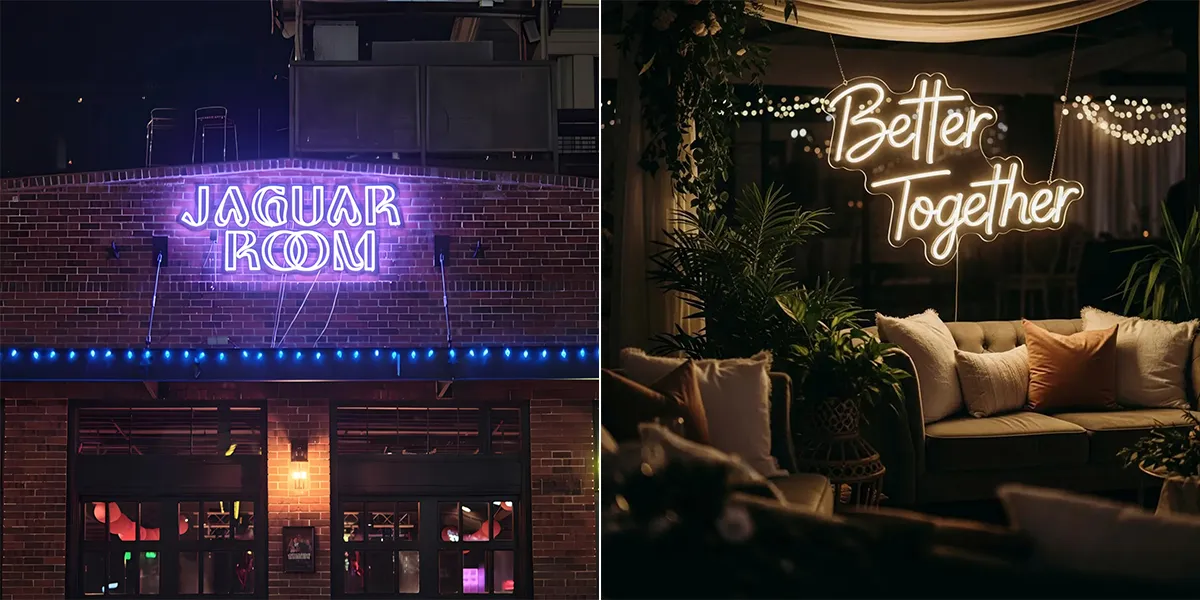
Wybór między instalacją naścienną a zawieszoną wpływa na wymagania konstrukcyjne, odporność na warunki atmosferyczne i długoterminową niezawodność.
W poniższej tabeli porównano dwie metody:
| Czynnik | do montażu na ścianie | Wiszący / zawieszony uchwyt |
| Najlepsze dla | Etykiety stałe, witryny sklepowe, mury z cegły/muglarstwa | Instalacje podszybowe, markizy, zadaszone chodniki, przestrzenie zewnętrzne przylegające do wnętrza |
| Wymagania konstrukcyjne | Solidna powierzchnia ściany z odpowiednim typem kotwicy | Legarki sufitowe, belki lub wzmocniona konstrukcja napowietrzna |
| Ochrona przed warunkami | Znak wystawiony na bezpośredni deszcz i słońce — wymaga pełnej oceny IP67/IP68 | Naturalny zwis zapewnia pewne ekranowanie — ale nadal wymagana jest pełna ocena na zewnątrz |
| Odporność na obciążenie wiatrem | Znakomity — znak przymocowany bezpośrednio do konstrukcji | Umiarkowany — wiszący sprzęt musi być oceniany na kołysanie wywołane wiatrem |
| Wymóg drenażu | Krytyczne — musi używać dystansów dystansowych (20–25 mm), aby utworzyć szczelinę powietrzną | Grawitacja pomaga drenażu, ale ciało znaku wciąż potrzebuje dziur w płacie |
| Złożoność instalacji | Umiarkowane — wiertarka, kotwy, wzdęcia | Wyższy — wymaga dostępu do narzutu, weryfikacji obciążenia |
| Efekt estetyczny | Czysty, spłukany wygląd z subtelnym pływającym wyglądem dzięki sponfom | Efekt „Floating” — znak pojawia się zawieszony w kosmosie |
Instalacja naścienna: zalecana dla większości ustawień zewnętrznych
Instalacja naścienna jest preferowaną metodą stałych znaków zewnętrznych na ścianach z cegły, betonu lub ścianach zewnętrznych budynków komercyjnych. Oferuje doskonałą odporność na obciążenia wiatrem, co ma kluczowe znaczenie dla niezakłóconych lokalizacji. Pamiętaj, aby użyć wzorców w kształcie beczek (20–25 mm), aby utworzyć szczelinę powietrzną między akrylową płytą tylną a ścianą — bez tej szczeliny kondensacja zostanie uwięziona i przedostaną się do kanałów LED.
Zawieszona instalacja: nadaje się do osłoniętych miejsc na zewnątrz
Instalacja zawieszona nadaje się do takich miejsc, jak zadaszenia, ganki, werandy wejściowe lub zadaszone balkony. Schronienie nad głową zmniejsza bezpośrednie wnikanie wilgoci, ale sam znak musi nadal mieć stopień ochrony odpowiedni dla wilgoci i rozpryskiwania wody. Proszę rozważyć użycie wytrzymałych przewodów zawieszenia o wystarczającej nośności (co najmniej dwa razy większej od znaku) i osprzęcie ze stali nierdzewnej.
Jeśli chcesz osiągnąć „pływającą” estetykę pod baldachimem, werandą lub zadaszonym otoczeniem na zewnątrz (takim jak ogródek piwny lub baldachim podjazdowy do hotelu), zawieszona instalacja może zapewnić pożądany efekt bez uszczerbku dla trwałości. Przed instalacją należy sprawdzić nośność konstrukcji napowietrznej. W przypadku środowisk przybrzeżnych o wysokiej wilgotności należy określić zawieszenie ze stali nierdzewnej zamiast standardowego sprzętu ocynkowanego.
Wodoodporne okablowanie: to krok, który większość ludzi się myli
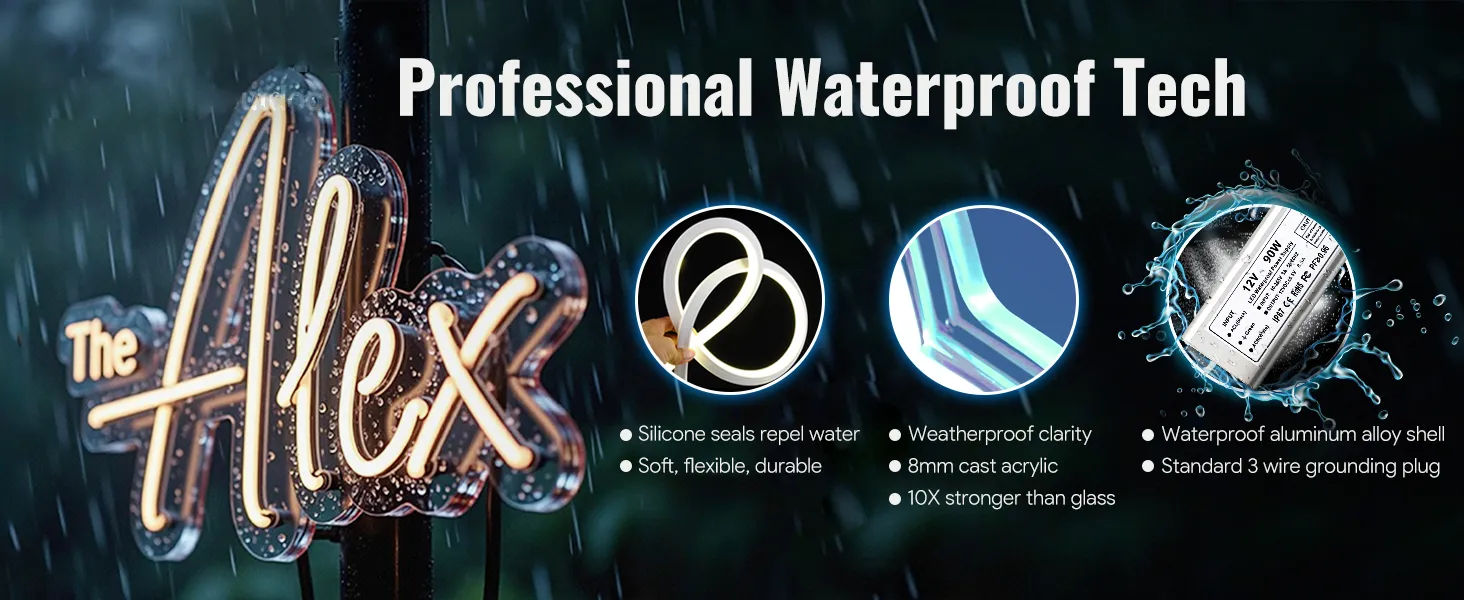
Jest to krok, który większość ludzi pomija, i to właśnie główna przyczyna problemów z kondensacją pojawia się w ciągu pierwszego roku.
Dlaczego standardowy przewód PCV zawodzi
Standardowy czarny przewód PCV nie jest poddany obróbce stabilizatorami UV. Po 2-3 latach ekspozycji na bezpośrednie działanie promieni słonecznych staje się kruche i pęka, wystawiając wewnętrzne kable na działanie wilgoci. Proszę używać odpornych na promieniowanie UV rurek z tektury falistej (PP) do wszystkich zewnętrznych przebiegów kabli.
Wodoodporność złącza: IP67 jest niewystarczająca do połączeń zewnętrznych
Złącza IP67 mogą wytrzymać tymczasowe zanurzenie (1 metr pod wodą przez 30 minut). Jednak w przypadku stałych połączeń zewnętrznych poddanych powtarzającym się cyklom deszczu, kondensacji oraz rozszerzalności i skurczu cieplnego złącza IP68 są minimalnym dopuszczalnym standardem.
Dwie sprawdzone i niezawodne metody:
| systematyka | Zastosowanie | osiągnięcie |
| Złącza IP68 wypełnione żelem | Wstępnie zatwierdzone zespoły fabryczne | Najwyższa niezawodność — samoleczenie się żelu wokół przewodów |
| Kuracja termokurczliwa z klejem + uszczelniacz silikonowy | Sprzężenia i naprawy polowe | Wymaga opalania i czystego przygotowania — nałóż silikon na obu końcach rurek |
Awaria uszczelnienia złącza odpowiada za około 70% usterek elektrycznych w oznakowaniu zewnętrznym. Do każdego punktu przyłączeniowego na zewnątrz użyj taśmy samoutwardzalnej + taśmy elektrycznej odpornej na promieniowanie UV podczas instalacji lub użyj wodoodpornej skrzynki przyłączeniowej o stopniu ochrony IP68 z dławikiem kablowym.
Bezpieczna instalacja kabla zasilającego
Użyj odpornych na promieniowanie UV rurek z tektury falistej z polipropylenu do prowadzenia kabli zasilających — kable pozostawione bez ochrony i bezpośrednio na ścianach zewnętrznych szybko się starzeją. Użyj dławików kablowych we wszystkich punktach wejścia do tylnej płyty znaku lub obudowy kierowcy. Droga przewodu powinna nieznacznie nachylać się w kierunku wyjścia, aby zapobiec gromadzeniu się wody.
Kluczowe wymagania dotyczące bezpieczeństwa elektrycznego: Wszystkie okablowanie zewnętrzne musi być chronione przez wylot GFCI (przerywacz obwodu uziemienia) lub wyłącznik obwodu — jest to wymóg NEC (Krajowy Kodeks Elektryczny) Artykuł 600 dla znaków w wilgotnych miejscach.
Umieszczenie sterownika: gdzie umieścić zasilacz dla dłuższej żywotności
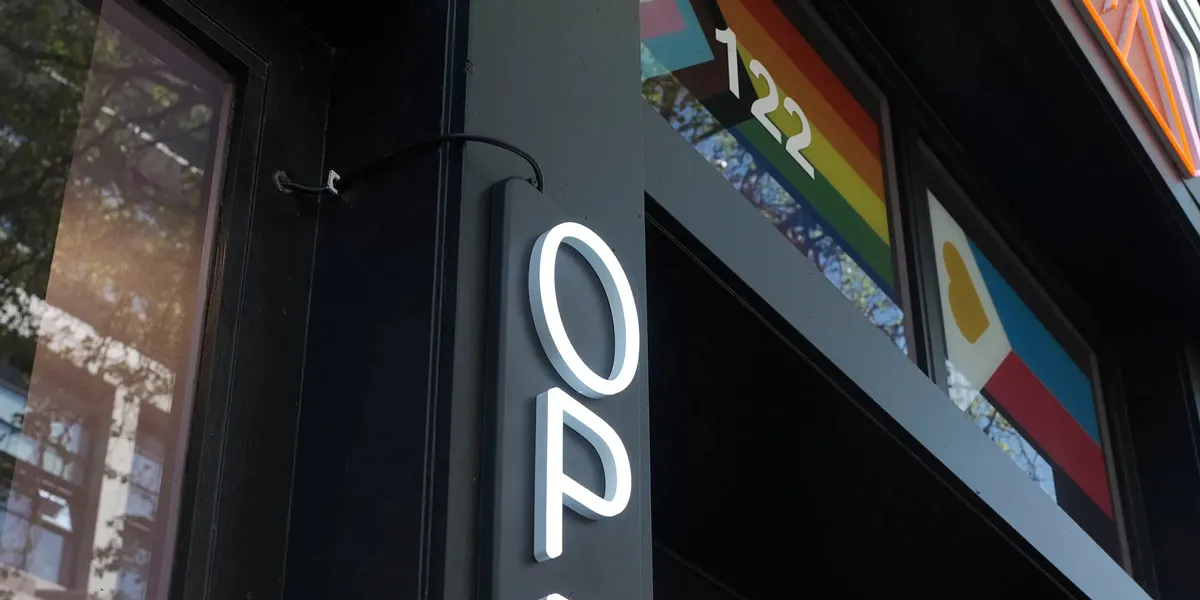
Kierowca (Zasilanie LED) jest składnikiem neonów zewnętrznych, który jest najbardziej wrażliwy na ciepło. Właściwe umieszczenie może znacznie wydłużyć żywotność całego systemu.
Złota Zasada
Proszę umieścić kierowcę w dobrze wentylowanym miejscu, unikać bezpośredniego narażenia na trudne warunki pogodowe i unikać bezpośredniego światła słonecznego.
Opcje umieszczania kierowcy — porównanie
| Lokalizacja miejsca docelowego | Plusy | Wady | Najlepsze dla |
| Wewnątrz budynku (przez ścianę) | Brak ekspozycji na warunki pogodowe, doskonałe odprowadzanie ciepła | Wymaga penetracji ściany i kanału | Komercyjne witryny sklepowe, każdy klimat |
| Wentylowana obudowa zewnętrzna (ściana zacieniona) | Utrzymuje konwersję AC/DC blisko do podpisania | Obudowa musi być z IP65/IP66 z wentylacją | Klimat umiarkowany |
| Tablica wewnętrzna tablica znakowa (uszczelniona) | Najczystszy wygląd, brak zewnętrznego pudełka | Zatrzymuje ciepło — znacznie skraca żywotność kierowcy | Nie zalecane do użytku na zewnątrz |
Wymagania dotyczące rozpraszania ciepła
Sterowniki LED generują znaczną ilość ciepła podczas pracy. Standardowy zakres temperatury roboczej zasilaczy wynosi od -40°C do +55°C; jednak jeśli temperatura pracy przekroczy optymalny zakres o 10°C, żywotność kierowcy zostanie skrócona o około 501 TP3T.
- Aby zapewnić odpowiednią wentylację: W miarę możliwości należy zainstalować zasilacz bez dodatkowej obudowy.
- Nigdy nie instaluj sterownika w szczelnie zamkniętej metalowej obudowie zamontowanej na ścianie wystawionej na bezpośrednie działanie promieni słonecznych.
- W przypadku korzystania z przełącznika lub timera światłoczułego należy upewnić się, że zasilanie jest odcięte w ciągu dnia - wyższe temperatury w ciągu dnia i niepotrzebne działanie skróci żywotność kierowcy.
Najlepsze praktyki zarządzania termicznego
Gdy kierowca musi być umieszczony na zewnątrz, użyj obudowy wentylowanej IP65 lub IP66 i zainstaluj ją w zacienionym miejscu (pod baldachimem, na ścianie skierowanej na północ lub w zamykanej szafce elektrycznej). W przypadku środowisk o wysokiej temperaturze (klimat pustynny, obszary o silnej ekspozycji zachodniej) należy rozważyć użycie obudów z aktywnym chłodzeniem lub chłodzeniem termoelektrycznym.
Wytyczne dotyczące mocy
Wybierz sterownik o mocy znamionowej, która jest co najmniej 201 TP3T wyższa od obliczonej mocy całkowitej (moc lampy LED w W/m × długość całkowita w metrach × 1,2). W przypadku rur dłuższych niż 10 metrów użyj podwójnego lub równoległego zasilania, aby zapobiec spadkom napięcia - spadki napięcia w długich liniach DC mogą powodować ściemnianie na drugim końcu.
Drenaż i wentylacja: dwa łatwo przeoczone wymagania projektowe
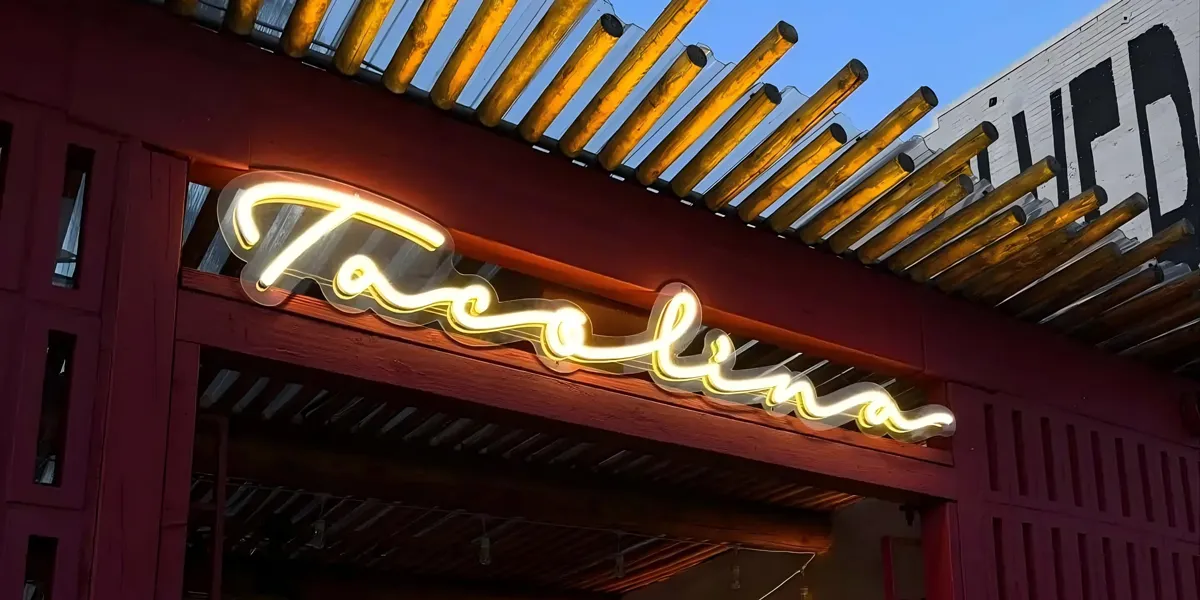
Kondensacja jest cichym zabójcą znaków na zewnątrz. Gdy ciepły znak ochładza się w nocy, wilgoć uwięziona we wnęce tylnej płyty skrapla się w ciekłą wodę. Bez odpowiedniego drenażu i wentylacji woda ta gromadzi się, koroduje złącza i przemieszcza się do rurki LED poprzez działanie kapilarne, co prowadzi do przedwczesnej awarii.
Drenaż – konieczność stosowania stojaków dystansowych
Najczęstszy błąd drenażowy: Montaż tylnej płyty z opcją pod ścianą. Nigdy tego nie rób. Użyj podstawek dystansowych w kształcie beczek, które mają długość co najmniej 20-25 mm i zainstaluj je między płytą tylną a powierzchnią montażową.
Otwory drenażowe — wymagania dotyczące kodów elektrycznych
Artykuł 600.9 NEC stanowi, że znaki i obrysowe systemy oświetlenia zainstalowane w wilgoci muszą być odporne na warunki atmosferyczne i muszą mieć otwory odwodniające. W przypadku każdej obudowy znakowej zainstalowanej na zewnątrz — nawet pod baldachimem lub dachem — w każdym najniższym punkcie lub w izolowanym obszarze nisko położonym należy zapewnić otwory odpływowe o średnicy od 1/4 do 1/2 cala (6–12 mm).
Lista kontrolna otworu drenażowego:
- Zlokalizuj otwory drenażowe w najniższych punktach wnęki tylnej płyty.
- Upewnij się, że żadne zewnętrzne przedmioty (osprzęt montażowy, uszczelnienie lub trymowanie) nie blokują ścieżki odwadniania.
- Uwzględnij co najmniej 2 otwory drenażowe; zwiększ liczbę dużych znaków lub tych z wieloma nisko położonymi obszarami.
- Unikaj umieszczania otworów drenażowych bezpośrednio nad elementami elektrycznymi lub odsłoniętymi przewodami.
Wentylacja – zapobieganie uszkodzeniom spowodowanym przez ciepło
Ciepło przyspiesza amortyzację prześwitu, starzenie się silikonu i uszkodzenie kondensatorów sterowników. Unikać używania uszczelnionych obudów, które zatrzymują ciepło, i zapewniają odpowiednią wentylację. W przypadku akrylowych projektów płytek tylnych bez szczelin wentylacyjnych rozważ zastosowanie otworów wentylacyjnych (pokrytych oczka) na górze i na dole, aby zapewnić chłodzenie konwekcyjne.
Najlepsze praktyki wentylacji:
- Utrzymuj szczelinę powietrzną za znakiem (osiągnięte za pomocą kolumn dystansowych).
- Unikaj montowania znaku na pochłaniających ciepło powierzchniach w kolorze ciemnego (cegły w ciemnym kolorze i panele z czarnego metalu).
- Zapewnij otwory wentylacyjne u góry, aby umożliwić ucieczkę gorącego powietrza.
- W przypadku znaków o dużej mocy lub dużej mocy (500 W lub więcej) należy rozważyć wentylację wymuszoną.
Ochrona UV i konserwacja
Rękawy silikonowe są więcej Odporny na promieniowanie UV niż PVC, ale wszystkie tworzywa sztuczne wystawione na zewnątrz z czasem się starzeją.
Lista kontrolna rocznej kontroli:
- Sprawdź silikonowe rękawy pod kątem pękania powierzchni lub kredowania.
- Sprawdź rurkę falistą pod kątem kruchości wywołanej promieniowaniem UV — wymień ją, jeśli pęknie.
- Upewnij się, że kolumny dystansowe są bezpieczne i czy ścieżki odwadniania nie są zatkane.
- Usuń gruz i gniazda owadów z otworów drenażowych.
Typowe błędy instalacyjne prowadzące do wczesnych awarii
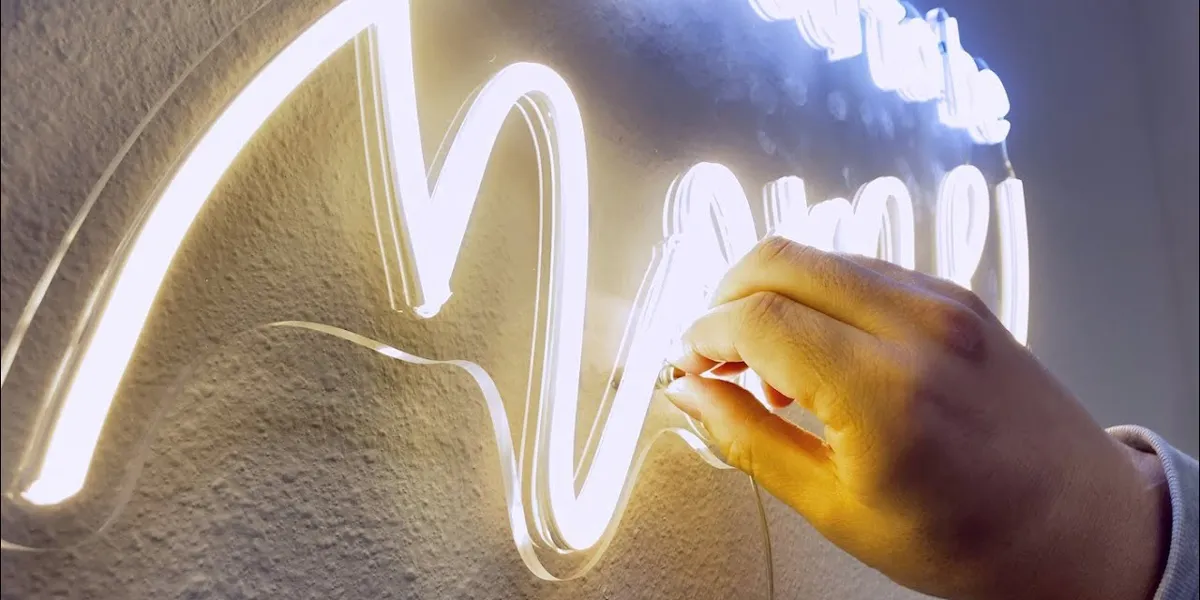
Profesjonalni instalatorzy wielokrotnie napotykają te same awarie. Następujące osiem błędów jest głównymi przyczynami awarii znaków neonowych na zewnątrz w ciągu pierwszego roku:
| pomylić | Dlaczego to się nie udaje | poprawka |
| Pomijanie ochrony GFCI | Zewnętrzny obwód lokalizacji na mokro bez GFCI stwarza zagrożenie porażenia prądem | Użyj gniazda lub wyłącznika chronionego przez GFCI — wymagany kod |
| Montaż podtynkowy (bez styków) | Kondensacja uwięziona za znakiem → wnikanie wody → korozja | Stojki lufowe 20–25 mm na wszystkich punktach montażowych |
| Używanie standardowego przewodu PCV na zewnątrz | Czarne pęknięcia PVC pod wpływem promieniowania UV w ciągu 2-3 lat → odsłonięte okablowanie | Tylko przewód polipropylenowy z oceną UV |
| Niewymiarowy sterownik (bez miejsca nad głową) | Sterownik działa bez przerwy 100% → przegrzewa się → przedwczesna awaria | Dodaj salę 20% do obliczonej mocy |
| Brak otworów drenażowych na tablicy | Skumulowana woda nie ma ścieżki wyjścia → puling i awaria złącza | Dodaj dziury w płaskości w dolnych punktach (1/4–1/2″) |
| Używanie złączy wewnętrznych z oceną na zewnątrz | Złącza inne niż IP68 korodują w ciągu jednej pory deszczowej | Złącza wypełnione żelem lub termokurczliwe IP68 na każdym splicie |
| Wiercenie nowych otworów w akrylowej tablicy | Pęknięcia rozchodzą się z punktów wiertniczych → awaria konstrukcji → znak spada | Używaj tylko fabrycznie nawierconych otworów montażowych |
| Wiszące znak bezpośrednio z rur LED | Wąż nie nośny → Split w kurtce silikonowej | Zawsze montuj za pomocą akrylowej tablicy lub podwozia |
Uwagi uzupełniające na temat kodów elektrycznych
W przypadku instalacji w Ameryce Północnej, NEC Art. 600 (znaki elektryczne i oświetlenie konturowe) określa następujące kluczowe wymagania:
- Obwód rozgałęziający zasilający znak nie może przekraczać prądu znamionowego 30A.
- Wszystkie kanały zewnętrzne muszą być odporne na warunki atmosferyczne.
- Transformatory i zasilacze muszą być wyposażone w zabezpieczenie nadprądowe.
- Wszystkie zewnętrzne połączenia elektryczne muszą używać wymienionych obudów odpornych na warunki atmosferyczne.
W przypadku instalacji w Europie równoważne wymagania są zgodne z IEC 60529 (oceny ochrony IP) i lokalnymi kodeksami budowlanymi — przed sfinalizowaniem planu instalacji należy skonsultować się z inspektorem elektrycznym.
Przewodnik po ocenach ochrony środowiska na zewnątrz
Przy wyborze, zakupie lub kontroli znaków neonowych na zewnątrz ważne jest, aby w pełni zrozumieć Ochrony IP:
| Stopień ochrony IP | Ochrona przed kur | Ochrona wody | Nadaje się dla |
| IP44 | Zabezpieczone >1 mm ciała stałe | Rozpryskiwanie wody z dowolnego kierunku | Zadaszone patio, tylko pomieszczenia przylegające do wnętrz — nie w pełni na zewnątrz |
| IP65 | pyłoszczelny | Strumienie wody pod niskim ciśnieniem | Montowane na ścianie pod okapami, ograniczona bezpośrednia ekspozycja na deszcz |
| IP67 | pyłoszczelny | Tymczasowe zanurzenie (1m na 30 min) | Największe oznakowanie zewnętrzne — deszcz, śnieg, czyszczenie kierowane przez węże |
| IP68 | pyłoszczelny | Ciągłe zanurzenie (poza 1 m) | Ekstremalna ekspozycja — fontanny, strefy rozbryzgowe przybrzeżne, aplikacje zanurzone |
W przypadku stałych znaków zewnętrznych narażonych na deszcz, śnieg i znaczne sezonowe wahania temperatury, elastyczne paski neonowe o stopniu ochrony IP67 są standardem w branży; jeśli aplikacja wiąże się z ryzykiem gromadzenia się wody, wymaga bezpośredniego czyszczenia strumieniem wody pod wysokim ciśnieniem lub znajduje się w środowisku przybrzeżnym, zalecane są produkty o stopniu ochrony IP68.
Harmonogram konserwacji po instalacji
Po zakończeniu instalacji należy postępować zgodnie z rocznym harmonogramem konserwacji poniżej, aby zmaksymalizować żywotność produktu:
- miesięcznie: Kontrola wizualna — sprawdź, czy nie można ściemniać, migotać lub martwych sekcji LED.
- kwartalnik: Czysta silikonowa kurtka z łagodnym mydłem i wodą — Usuń nagromadzony brud, który zatrzymuje ciepło.
- półroczny: Sprawdź otwory odpływowe — oczyścić wszelkie zanieczyszczenia lub gniazda owadów. Sprawdź przewód pod kątem uszkodzeń UV.
- corocznie: Sprawdź moment obrotowy dystansu oddzielającego; sprawdź uszczelniacz wokół wszystkich punktów wejścia; sprawdź obudowę sterownika pod kątem wnikania wody.
Wniosek
Bezpieczne instalowanie zewnętrznych znaków LED neonowych nie jest skomplikowane, ale jest to zadanie techniczne. To, czy znak trwa pięć lat, czy też się rozpadnie po sześciu miesiącach, zależy od kilku kluczowych szczegółów: prawidłowa stopień ochrony (minimum IP67 dla neonów i IP68 dla złączy), kolumny izolacyjne w kształcie beczki, aby utworzyć szczelinę powietrzną drenażu, rurę falistą odporną na promieniowanie UV, ostrożne rozmieszczenie sterowników w celu zapewnienia wentylacji i ochrony przed bezpośrednim działaniem promieni słonecznych oraz montaż otworów odpływowych w każdym niskim obszarze.
W przypadku kierowników projektów, specjalistów ds. obiektów i właścicieli firm, którzy muszą kupić znaki neonowe na zewnątrz, te wymagania techniczne powinny być wyraźnie potwierdzone przed zakupem, a nie improwizować rozwiązania podczas instalacji. Zapytaj swojego dostawcę:
- Jaka jest ocena IP samej rurki neonowej? Jaka jest ocena wstępnie zmontowanych złączy?
- Na podstawie całkowitej długości znaku, jaki jest zalecany margines mocy dla kierowcy?
- Czy znak zawiera fabrycznie wywiercone fabrycznie otwory montażowe i prowadnice na słupki izolacyjne?
- Czy otwory drenażowe są już włączone do konstrukcji płyty tylnej?
Kiedy otrzymujesz konkretne odpowiedzi na te pytania poparte dokumentacją techniczną – a nie ogólnymi zapewnieniami werbalnymi – współpracujesz z dostawcą, który naprawdę rozumie inżynierię znaków na świeżym powietrzu – a nie tylko sprzedawcą sprzedającym podświetlane rurki.
Dla Niestandardowe neonowe znaki LED na zewnątrz które spełniają standardy IP67/IP68, mają fabrycznie przetestowane dopasowanie sterowników i zawierają wstępnie zaprojektowane konstrukcje odwadniające, Signlited może dostarczyć dokumentację techniczną i bezpośrednie konsultacje projektowe dla komercyjnych projektów instalacyjnych na całym świecie.
FAQ
Powiązane posty