Tiếng Việt
  English
  简体中文
简体中文  Deutsch
  Español
  Français
  Italiano
  日本語
日本語  한국어
한국어  Polski
  Português
  Русский
  Türkçe
  Nederlands
  ไทย
ไทย 
Biển báo đèn LED ngoài trời được thiết kế để chịu được các điều kiện thời tiết khác nhau — nhưng chỉ khi chúng được lắp đặt đúng cách. Bản thân các dấu hiệu hiếm khi thất bại trước. Các thành phần đầu tiên bị lỗi hầu như luôn luôn là các điểm đấu dây với đầu nối sai, vỏ bọc trình điều khiển không có miếng đệm hoặc tấm sau được lắp đặt trực tiếp vào tường (không có khe thoát nước).
Bài viết này cung cấp một hướng dẫn toàn diện để cài đặt an toàn của Biển báo đèn LED ngoài trời, bao gồm tất cả mọi thứ từ lập kế hoạch lắp đặt trước và chuẩn bị dụng cụ đến phương pháp lắp đặt, hệ thống dây điện chống thấm, vị trí lái xe, hệ thống thoát nước và thông gió, cũng như những sai lầm phổ biến dẫn đến hỏng hóc sớm. Đối với các doanh nghiệp và người lắp đặt tìm kiếm biển báo ngoài trời đáng tin cậy, bài viết này đóng vai trò là sách hướng dẫn kỹ thuật của bạn.
Lập kế hoạch trước trước khi bắt đầu cài đặt
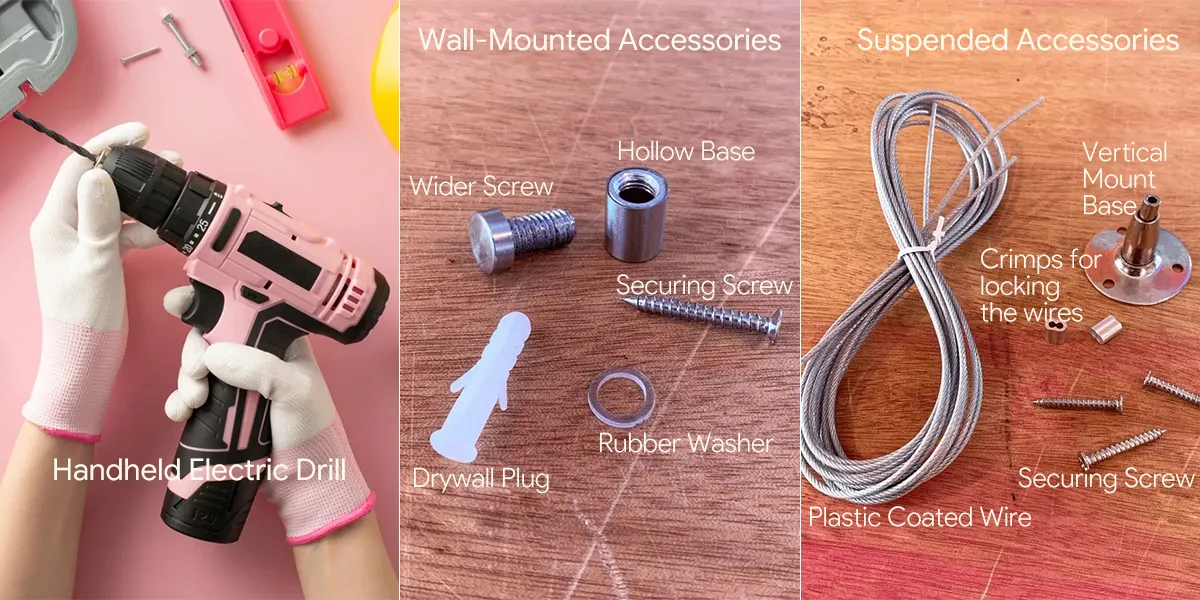
Dành 15 phút để kiểm tra trước khi khoan có thể tiết kiệm hàng giờ làm lại. Trước khi gắn biển báo trên tường, hãy nhớ xác minh bề mặt lắp, nguồn điện, trọng lượng của biển báo và xếp hạng bảo vệ IP của nó. Phần lớn các lỗi cài đặt bắt nguồn từ việc bỏ qua kiểm tra cài đặt trước, thay vì các vấn đề chất lượng với chính biển báo.
Công cụ và phần cứng cần thiết
Lắp đặt ngoài trời có thông số kỹ thuật nghiêm ngặt cho mọi thành phần. Trình cài đặt chuyên nghiệp sử dụng cấu hình sau:
| Công cụ / mặt hàng | thông số kỹ thuật hoặc loại bắt buộc | Tại sao nó lại quan trọng |
| Khoan + mũi xây | 6mm cho M6 - 8mm cho neo M8 | Các lỗ nhỏ hơn làm giảm độ bền kéo neo trong khối xây |
| neo bu lông rawl | M6 dưới 10kg - M8 cho 10–20kg | Hạ cấp sai khi bị rung gió liên tục |
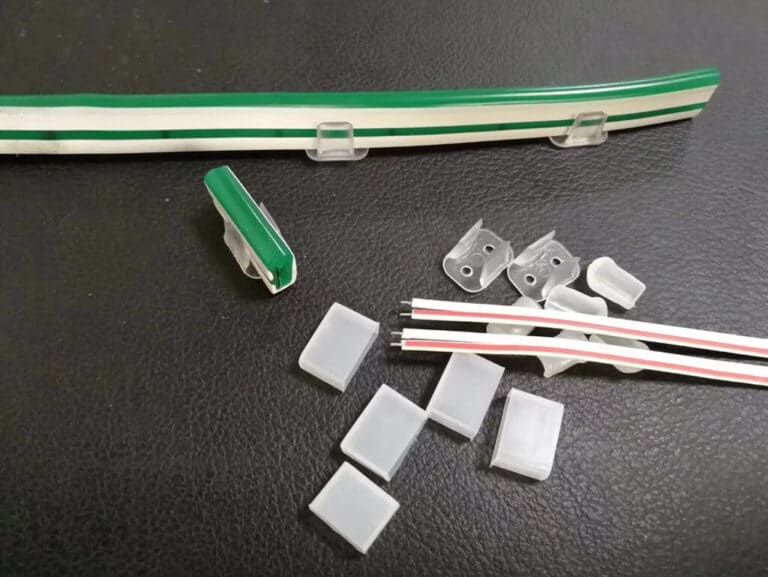
| Bộ đệm ngăn chặn thùng | 20–25mm chiều dài | Không có điểm dừng = Không có khe thoát nước = ngưng tụ bị mắc kẹt phía sau ván |
| Đầu nối chống nước IP68 | Loại gel hoặc co nhiệt | Mọi điểm nối ngoài trời không có niêm phong IP68 là một lỗi trong tương lai |
| Ống dẫn sóng được đánh giá bằng tia cực tím | Polypropylene - không phải PVC tiêu chuẩn | Vết nứt PVC tiêu chuẩn dưới tia UV trong vòng 2-3 năm |
| Ổ cắm ngoài trời được bảo vệ GFCI | Ổ cắm bên ngoài được đánh giá theo thời tiết | Bắt buộc đối với bất kỳ mạch điện khu vực ướt nào - không tùy chọn |
Ngoài ra, bạn sẽ cần: một mức (600 mm hoặc dài hơn), thoát y dây (cho 12–24 awg), băng tự nung chảy và keo silicone bên ngoài rõ ràng.
Danh sách kiểm tra cài đặt trước
| Kiểm tra những gì | Những gì cần tìm | Nguy cơ bỏ qua |
| Xếp hạng IP của Neon Flex | IP67 tối thiểu-áo silicone | Nước đến các mối hàn bên trong - LED hỏng |
| IP xếp hạng của các đầu nối | IP68 tại mọi ngã ba ngoài trời | Các đầu nối được đánh giá thấp hơn bị ăn mòn trong một mùa mưa |
| Tổng công suất | Dải w / m × tổng số mét + 20% | Trình điều khiển không được kích thước quá nóng và không thành công trước khi biển báo xảy ra |
| Gắn bề mặt | Gạch, gạch, đinh kim loại có mặt sau, gỗ kết cấu | Loại neo sai nới lỏng dưới tải |
| Khoảng cách ổ cắm GFCI | Trong quá trình chạy cáp ống dẫn | Chạy dài không được bảo vệ tạo ra nguy cơ sốc và giảm điện áp |
| Yêu cầu giấy phép địa phương | quy tắc biển báo cửa hàng hoặc thương mại mặt tiền | Dấu hiệu thương mại chưa được phép có thể được đặt hàng |
| Đăng kiểm tra trước khi lắp | Chạy trong 15–20 phút ở mặt đất | Lỗi được tìm thấy sau khi lắp có nghĩa là cài đặt lại đầy đủ |
Hiểu thông số kỹ thuật dấu hiệu của bạn
Trước khi sử dụng máy khoan điện, vui lòng xác nhận bốn thông số sau — chúng xác định tất cả các quyết định về phần cứng và hệ thống dây điện tiếp theo.
- Xếp hạng ống linh hoạt ngoài trời tối thiểu: IP67 SMD2835 bọc silicone, 120 đèn LED / mét.
- Điện áp đầu vào: DC 12V hoặc DC 24V — Nghiêm cấm kết nối ống linh hoạt LED trực tiếp với nguồn điện AC.
- điện năng tiêu thụ: Khoảng 10W / mét (ống silicone 8 × 16 mm).
- nền tấm vải ở sau: Tấm acrylic đã khoan sẵn — Không tự khoan lỗ gần các kênh LED.
Để đảm bảo chất lượng, dải neon chống nước được xếp hạng IP67 và của nó vật liệu Sở hữu các đặc tính bảo vệ cần thiết để đáp ứng nhu cầu sử dụng lâu dài ngoài trời trong mưa, tuyết và môi trường ven biển ẩm ướt.
Lắp đặt trên tường so với lắp đặt bị treo: Tùy chọn nào phù hợp với việc lắp đặt ngoài trời của bạn
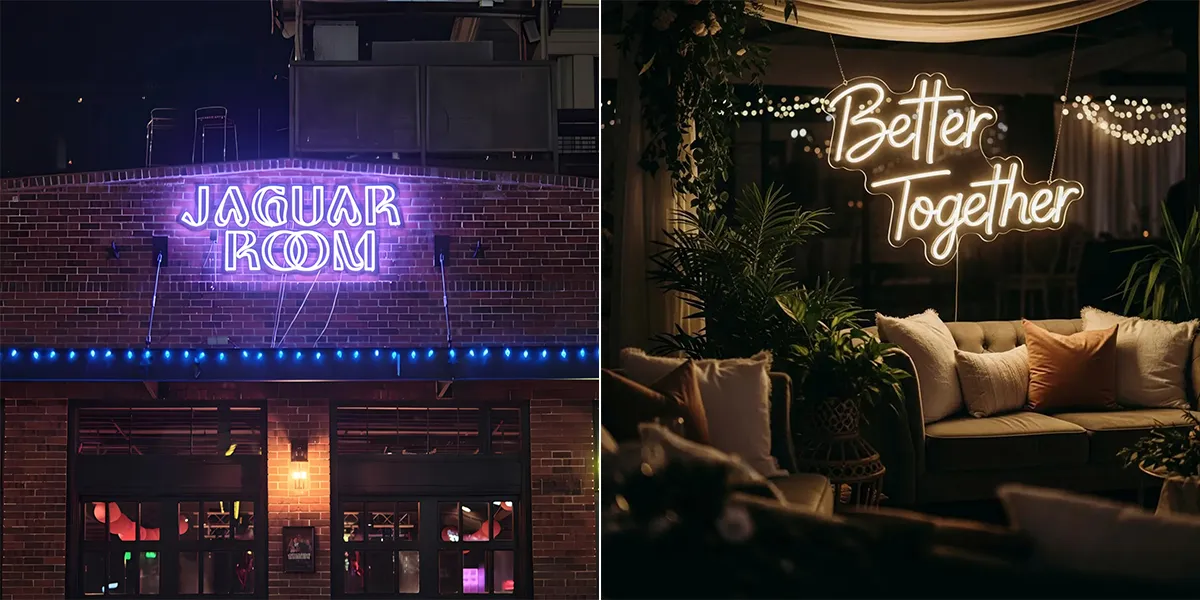
Lựa chọn giữa lắp đặt treo tường và treo tường ảnh hưởng đến yêu cầu kết cấu, khả năng chống thời tiết và độ tin cậy lâu dài.
Bảng dưới đây so sánh hai phương pháp:
| người mua bán | treo tường | treo / treo treo |
| tốt nhất cho | Biển báo mặt tiền vĩnh viễn, mặt tiền cửa hàng, tường gạch / gạch xây | Lắp đặt dưới mái hiên, mái hiên, lối đi có mái che, không gian ngoài trời liền kề nội thất |
| yêu cầu kết cấu | Bề mặt tường vững chắc với loại neo thích hợp | Khớp nối trần, dầm hoặc cấu trúc trên cao được gia cố |
| bảo vệ thời tiết | Dấu hiệu tiếp xúc trực tiếp với mưa và nắng - Yêu cầu xếp hạng IP67 / IP68 đầy đủ | Phần nhô ra tự nhiên cung cấp một số tấm che chắn - nhưng vẫn cần đánh giá ngoài trời đầy đủ |
| Chống tải gió | Tuyệt vời - Dấu hiệu được gắn trực tiếp vào cấu trúc | Vừa phải - Phần cứng treo phải được đánh giá cho sự lắc lư do gió |
| Yêu cầu thoát nước | Critical - phải sử dụng các miếng đệm đứng (20–25mm) để tạo khoảng trống không khí | Trọng lực hỗ trợ thoát nước, nhưng cơ thể dấu hiệu vẫn cần lỗ |
| Độ phức tạp cài đặt | Vừa phải - khoan, neo, cố định | Cao hơn — Yêu cầu truy cập trên cao, xác minh xếp hạng tải |
| Hiệu quả thẩm mỹ | Vẻ ngoài sạch sẽ, ửng hồng với vẻ ngoài nổi tinh tế thông qua các điểm dừng | Hiệu ứng "Floating" - Dấu hiệu xuất hiện lơ lửng trong không gian |
Lắp đặt trên tường: Được đề xuất cho hầu hết các cài đặt ngoài trời
Lắp đặt trên tường là phương pháp ưa thích cho các biển báo ngoài trời cố định trên tường gạch, bê tông hoặc tường bên ngoài khung kim loại của các tòa nhà thương mại. Nó cung cấp khả năng chống chịu tải trọng vượt trội đối với tải trọng gió, điều này rất quan trọng đối với các vị trí không bị cản trở. Đảm bảo sử dụng các điểm dừng hình thùng (20–25 mm) để tạo khoảng trống giữa tấm nền acrylic và tường — nếu không có khoảng trống này, sự ngưng tụ sẽ bị mắc kẹt và thấm vào các kênh LED.
Lắp đặt treo: Thích hợp cho các vị trí ngoài trời có mái che
Lắp đặt treo phù hợp cho các vị trí như tán, hiên nhà, hiên nhà lõm vào, hoặc ban công có mái che. Mái che trên cao làm giảm sự xâm nhập trực tiếp của độ ẩm, nhưng bản thân biển báo vẫn phải có xếp hạng bảo vệ phù hợp với độ ẩm và nước bắn tung tóe. Vui lòng xem xét sử dụng cáp treo nặng với khả năng chịu tải đủ (ít nhất gấp đôi trọng lượng của biển báo) và phần cứng bằng thép không gỉ.
Nếu bạn muốn đạt được thẩm mỹ “nổi” dưới tán cây, hiên nhà hoặc khung cảnh ngoài trời có mái che (chẳng hạn như vườn bia hoặc tán đường lái xe của khách sạn), việc lắp đặt lơ lửng có thể mang lại hiệu quả mong muốn mà không ảnh hưởng đến độ bền. Đảm bảo kiểm tra khả năng chịu tải của kết cấu trên cao trước khi lắp đặt. Đối với môi trường ven biển có độ ẩm cao, chỉ định phần cứng hệ thống treo bằng thép không gỉ thay vì phần cứng mạ kẽm tiêu chuẩn.
Hệ thống dây điện không thấm nước: Đây là bước mà hầu hết mọi người làm sai
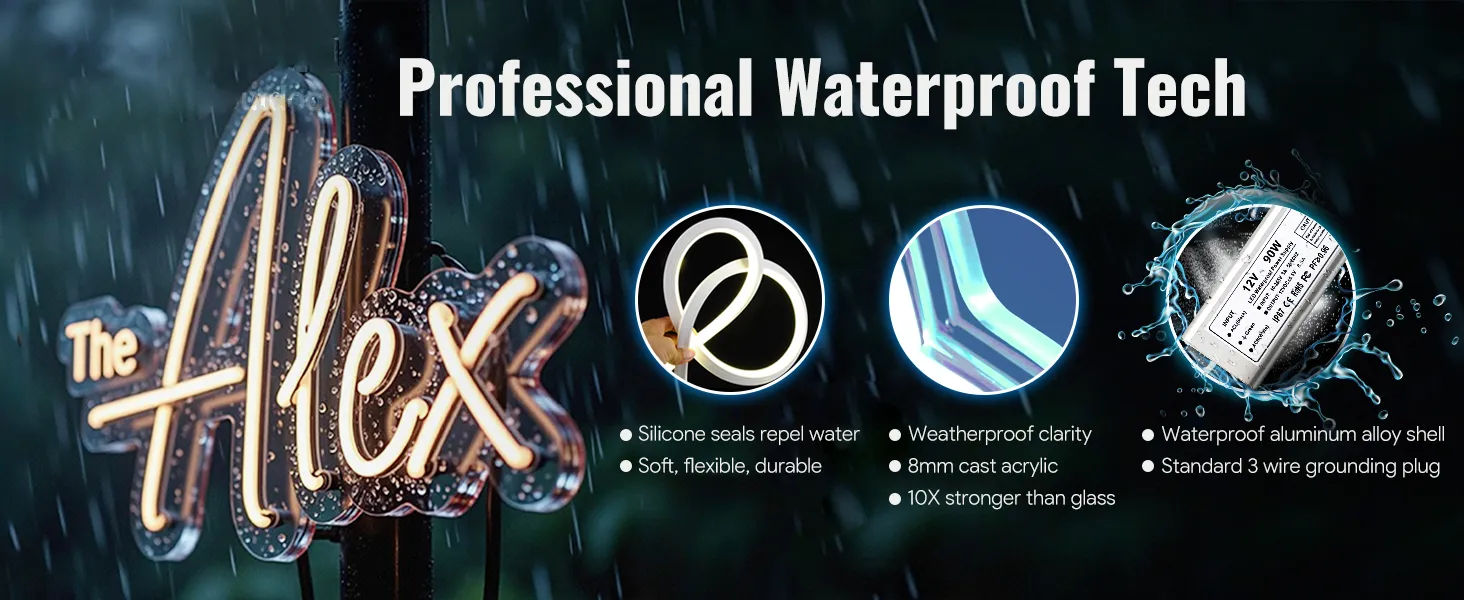
Đây là bước mà hầu hết mọi người bỏ qua, và nó chính xác là nguyên nhân gốc rễ của các vấn đề ngưng tụ xảy ra trong năm đầu tiên.
Tại sao ống dẫn PVC tiêu chuẩn không thành công
Ống dẫn PVC màu đen tiêu chuẩn không được xử lý bằng chất ổn định UV. Sau 2-3 năm tiếp xúc trực tiếp với ánh nắng mặt trời, nó trở nên giòn và nứt, khiến dây cáp bên trong bị ẩm. Vui lòng sử dụng ống sóng polypropylene (PP) chống tia cực tím cho tất cả các lần chạy cáp bên ngoài.
Đầu nối chống nước: IP67 không đủ cho các kết nối ngoài trời
Đầu nối IP67 có thể chịu được sự chìm tạm thời (1 mét dưới nước trong 30 phút). Tuy nhiên, đối với các kết nối ngoài trời vĩnh viễn chịu các chu kỳ lặp lại của mưa, ngưng tụ và giãn nở nhiệt và co lại, các đầu nối IP68 là tiêu chuẩn tối thiểu có thể chấp nhận được.
Hai phương pháp đã được chứng minh và đáng tin cậy:
| cách thức | Ứng dụng | sự thực hiện |
| Đầu nối IP68 chứa đầy gel | Nhà máy sản xuất trước | Độ tin cậy cao nhất - gel tự phục hồi xung quanh dây dẫn |
| Thu nhiệt với lớp lót keo + keo silicon | Nối đồng và sửa chữa | Yêu cầu súng nhiệt và chuẩn bị sạch - bôi silicone ở cả hai đầu ống |
Lỗi con dấu đầu nối chiếm khoảng 70% các lỗi điện trong biển báo ngoài trời. Đối với mọi điểm kết nối ngoài trời, hãy sử dụng băng keo tự hợp + băng điện chống tia cực tím trong khi lắp đặt, hoặc sử dụng hộp nối chống thấm nước được xếp hạng IP68 với tuyến cáp.
Lắp đặt cáp điện an toàn
Sử dụng ống sóng polypropylene chống tia cực tím để định tuyến cáp điện — cáp không được bảo vệ và tiếp xúc trực tiếp trên tường bên ngoài sẽ nhanh chóng bị lão hóa. Sử dụng các tuyến cáp tại tất cả các điểm vào vào tấm nền của biển báo hoặc bao vây người lái. Đường dẫn ống dẫn hơi dốc về phía lối ra để tránh tích nước.
Yêu cầu an toàn điện chính: Tất cả hệ thống dây điện ngoài trời phải được bảo vệ bằng ổ cắm hoặc bộ ngắt mạch GFCI (mã điện bị lỗi mặt đất) — đây là yêu cầu của NEC (mã điện quốc gia) Điều 600 đối với biển báo ở các vị trí ẩm ướt.
Vị trí lái xe: Nơi đặt nguồn điện để có tuổi thọ cao hơn
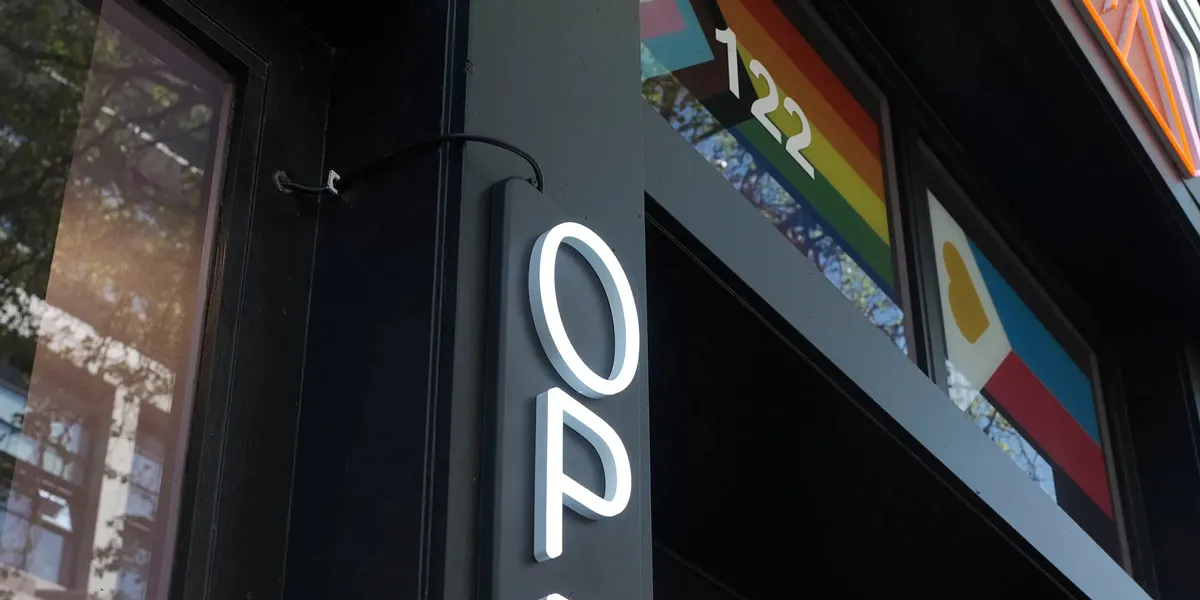
người lái xe (Nguồn điện LED) là thành phần trong các biển báo neon ngoài trời nhạy cảm nhất với nhiệt. Vị trí thích hợp có thể kéo dài đáng kể tuổi thọ của toàn bộ hệ thống.
có lịnh vàng
Vui lòng đặt tài xế ở vị trí thông thoáng, tránh tiếp xúc trực tiếp với điều kiện thời tiết khắc nghiệt, tránh ánh nắng trực tiếp.
Tùy chọn vị trí trình điều khiển - so sánh
| Vị trí Vị trí | sự tự xưng | có hại | tốt nhất cho |
| Bên trong tòa nhà (qua tường) | Không tiếp xúc với thời tiết, tản nhiệt tuyệt vời | Yêu cầu xuyên tường và ống dẫn | Mặt tiền thương mại, bất kỳ khí hậu |
| Vỏ ngoài ngoài trời thông gió (tường bóng mờ) | Giữ chuyển đổi AC / DC gần với việc ký | Bao vây phải được xếp hạng IP65 / IP66 với thông gió | Khí hậu vừa phải |
| Bảng sau ký hiệu bên trong (niêm phong) | Ngoại hình sạch nhất, không có hộp bên ngoài | Bẫy nhiệt - rút ngắn đáng kể tuổi thọ của người lái xe | Không khuyến khích sử dụng ngoài trời |
Yêu cầu tản nhiệt
Trình điều khiển LED tạo ra một lượng nhiệt đáng kể trong quá trình vận hành. Phạm vi nhiệt độ hoạt động tiêu chuẩn cho nguồn điện là -40 ° C đến +55 ° C; tuy nhiên, nếu nhiệt độ hoạt động vượt quá phạm vi tối ưu 10 ° C, tuổi thọ của người lái sẽ giảm khoảng 50%.
- Để đảm bảo thông gió đầy đủ: lắp đặt nguồn điện mà không cần thêm vỏ bất cứ khi nào có thể.
- Không bao giờ lắp đặt trình điều khiển bên trong một vỏ kim loại kín gắn trên tường tiếp xúc trực tiếp với ánh sáng mặt trời.
- Khi sử dụng công tắc hoặc bộ hẹn giờ nhạy sáng, hãy đảm bảo ngắt điện vào ban ngày — nhiệt độ ban ngày cao hơn và hoạt động không cần thiết sẽ làm giảm tuổi thọ của người lái xe.
Các phương pháp tốt nhất để quản lý nhiệt
Khi người lái phải đặt ngoài trời, hãy sử dụng vỏ IP65 hoặc IP66 và lắp đặt nó ở vị trí bóng râm (dưới mái che, trên tường hướng bắc, hoặc bên trong tủ điện có khóa). Đối với môi trường nhiệt độ cao (khí hậu sa mạc, những khu vực có mức độ tiếp xúc nghiêm trọng của phương Tây), hãy cân nhắc sử dụng các thùng chứa có làm mát tích cực hoặc làm mát bằng nhiệt điện.
Nguyên tắc công suất điện
Chọn trình điều khiển có công suất định mức cao hơn ít nhất 20% so với tổng công suất tính toán (công suất ống LED tính bằng w / m × tổng chiều dài tính bằng mét × 1,2). Đối với các ống dài hơn 10 mét, sử dụng nguồn cấp điện kép hoặc song song để ngăn điện áp giảm xuống - điện áp giảm xuống các đường dây dc dài có thể gây ra hiện tượng mờ ở đầu xa.
Thoát nước và thông gió: Hai yêu cầu thiết kế dễ dàng bị bỏ qua
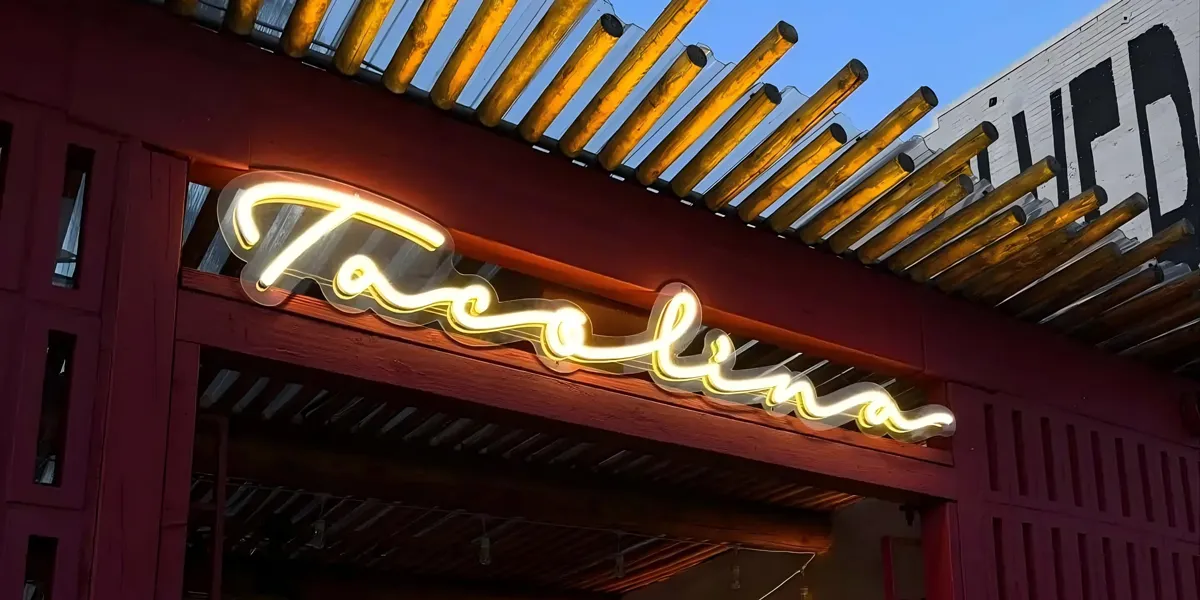
ngưng tụ là kẻ giết người thầm lặng của các dấu hiệu ngoài trời. Khi một dấu hiệu ấm nguội đi vào ban đêm, bất kỳ hơi ẩm nào bị mắc kẹt bên trong khoang tấm sau sẽ ngưng tụ thành nước lỏng. Nếu không có hệ thống thoát nước và thông gió thích hợp, nước này tích tụ, ăn mòn các đầu nối và đi vào ống LED thông qua hoạt động của mao quản, dẫn đến hỏng sớm.
Thoát nước — sự cần thiết của chân đế
Sai lầm thoát nước phổ biến nhất: lắp tấm ốp lưng vào tường. không bao giờ làm điều này. Sử dụng các giá đỡ hình thùng dài ít nhất 20–25 mm và lắp chúng giữa tấm nền và bề mặt lắp.
Lỗ thoát nước - Yêu cầu của mã điện
Điều 600.9 (d) NEC quy định rằng các biển báo và hệ thống chiếu sáng được lắp đặt ở các vị trí ẩm ướt phải có khả năng chống chịu thời tiết và phải có lỗ thoát nước. Đối với bất kỳ thùng biển báo hiệu nào được lắp đặt ngoài trời — ngay cả dưới tán hoặc mái — các lỗ thoát nước có đường kính từ 1/4 đến 1/2 inch (6–12 mm) phải được cung cấp tại mỗi điểm thấp nhất hoặc khu vực thấp bị cô lập.
Danh sách kiểm tra lỗ thoát nước:
- Xác định vị trí các lỗ thoát nước tại các điểm thấp nhất của khoang tấm nền.
- Đảm bảo không có các đối tượng bên ngoài (gắn phần cứng, chất bịt kín hoặc cắt) chặn đường thoát nước.
- Bao gồm ít nhất 2 lỗ thoát nước; tăng số lượng cho các biển báo lớn hoặc những nơi có nhiều khu vực thấp.
- Tránh đặt các lỗ thoát nước ngay phía trên các bộ phận điện hoặc dây dẫn bị hở.
Thông gió - ngăn ngừa thiệt hại do nhiệt gây ra
Nhiệt làm tăng tốc độ mất giá của đèn LED, vỏ bọc silicone lão hóa và làm hỏng tụ điện của người lái. Tránh sử dụng các thùng kín có giữ nhiệt và đảm bảo thông gió đầy đủ. Đối với các thiết kế tấm ốp lưng acrylic không có khe thông gió, hãy xem xét việc kết hợp các lỗ thông hơi (được bọc lưới) ở trên cùng và dưới cùng để thúc đẩy làm mát đối lưu.
Thông gió tốt nhất:
- Duy trì một khoảng trống phía sau biển báo (đạt được bằng cách sử dụng các cột đệm).
- Tránh gắn biển báo trên các bề mặt có màu tối hấp thụ nhiệt (gạch màu tối và tấm kim loại màu đen).
- Cung cấp lỗ thông hơi ở phía trên để không khí nóng thoát ra ngoài.
- Đối với các biển báo công suất lớn hoặc cao (500W trở lên), hãy xem xét thông gió cưỡng bức.
Bảo vệ và bảo trì tia cực tím
Tay áo silicon nhiều hơn kháng thuốc hơn PVC, nhưng tất cả các loại nhựa tiếp xúc với ngoài trời sẽ bị lão hóa theo thời gian.
Danh sách kiểm tra hàng năm:
- Kiểm tra các ống tay silicon để xem có nứt hoặc đánh phấn bề mặt hay không.
- Kiểm tra ống sóng xem có độ giòn do tia cực tím gây ra không - thay thế nó nếu bị nứt.
- Xác nhận rằng các cột đệm là an toàn và các đường thoát nước không bị cản trở.
- Dọn sạch các mảnh vụn và ổ côn trùng khỏi các lỗ thoát nước.
Lỗi cài đặt thường gặp dẫn đến lỗi sớm
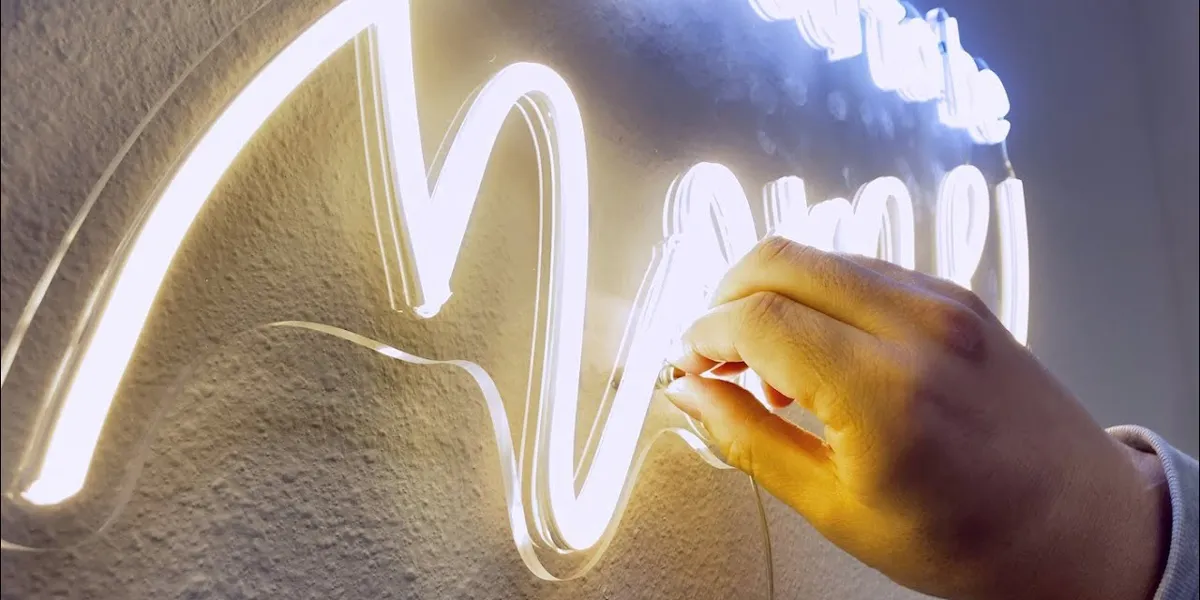
Các trình cài đặt chuyên nghiệp liên tục gặp phải những lỗi tương tự. Tám lỗi sau đây là nguyên nhân chính gây ra lỗi trong các biển báo neon ngoài trời trong năm đầu tiên:
| ngộ nhận | Tại sao nó không thành công | sửa chữa |
| Bỏ qua bảo vệ GFCI | Mạch vị trí ướt ngoài trời không có GFCI tạo ra nguy cơ điện giật | Sử dụng ổ cắm hoặc bộ ngắt được bảo vệ GFCI - mã bắt buộc |
| Gắn xả (không có bế tắc) | Sự ngưng tụ bị mắc kẹt sau dấu hiệu → Nước xâm nhập → ăn mòn | 20–25mm 20mm |
| Sử dụng ống dẫn PVC tiêu chuẩn ngoài trời | PVC đen nứt dưới tia cực tím trong 2–3 năm → dây dẫn tiếp xúc | Chỉ có ống dẫn polypropylen được đánh giá bằng tia cực tím |
| Trình điều khiển không kích thước (không có khoảng không) | Trình điều khiển chạy ở 100% liên tục → Quá nóng → Thất bại sớm | Thêm 20% vào khoảng không vào công suất tính toán |
| Không có lỗ thoát nước trong bảng sau | Nước tích tụ không có đường thoát → hỏng đầu nối và kết nối | Thêm lỗ khóc ở tất cả các điểm thấp (1/4–1/2 ″) |
| Sử dụng đầu nối được xếp hạng trong nhà ngoài trời | Đầu nối không phải IP68 bị ăn mòn trong một mùa mưa | Đầu nối chứa gel hoặc co nhiệt IP68 tại mỗi mối nối |
| Khoan lỗ mới trên tấm ốp lưng acrylic | Các vết nứt lan truyền từ các điểm khoan → hỏng kết cấu → dấu hiệu rơi | Chỉ sử dụng các lỗ lắp đặt trước của nhà máy |
| treo biển báo từ ống dẫn trực tiếp | Ống không chịu tải → tách ở áo khoác silicon | Luôn gắn qua tấm ốp lưng acrylic hoặc khung gầm |
Lưu ý bổ sung về mã điện
Đối với các công trình lắp đặt ở Bắc Mỹ, Điều 600 (Dấu hiệu điện và ánh sáng đường viền) quy định các yêu cầu chính sau:
- Mạch nhánh cấp nguồn cho biển báo không được vượt quá dòng điện định mức 30A.
- Tất cả các ống dẫn ngoài trời phải chống chịu thời tiết.
- Máy biến áp và nguồn điện phải được trang bị bảo vệ quá dòng.
- Tất cả các kết nối điện ngoài trời phải sử dụng thùng loa chống chịu thời tiết được liệt kê.
Đối với các công trình lắp đặt ở Châu Âu, các yêu cầu tương đương tuân theo IEC 60529 (Xếp hạng bảo vệ IP) và mã xây dựng địa phương — vui lòng tham khảo ý kiến kiểm tra điện của bạn trước khi hoàn tất kế hoạch lắp đặt của bạn.
Hướng dẫn xếp hạng bảo vệ môi trường ngoài trời
Khi chọn, mua hoặc kiểm tra các biển báo neon ngoài trời, điều quan trọng là phải hiểu đầy đủ Xếp hạng bảo vệ IP:
| Xếp hạng IP | Chống bụi | phòng chống nước | thích hợp cho |
| ip44 | Chất rắn được bảo vệ> 1mm | nước bắn từ bất kỳ hướng nào | Sân có mái che, chỉ trong nhà - khu vực liền kề - không hoàn toàn ngoài trời |
| ip65 | không thấm nước | Máy phun nước áp suất thấp | Treo tường dưới mái hiên, hạn chế tiếp xúc với mưa trực tiếp |
| ip67 | không thấm nước | Ngâm tạm thời (1m trong 30 phút) | Hầu hết các bảng chỉ dẫn ngoài trời - mưa, tuyết, làm sạch theo hướng vòi |
| ip68 | không thấm nước | Ngâm liên tục (vượt 1m) | Tiếp xúc cực đoan - Đài phun nước, vùng giật gân ven biển, ứng dụng chìm |
Đối với các biển báo ngoài trời vĩnh viễn tiếp xúc với mưa, tuyết và các biến động nhiệt độ theo mùa đáng kể, dải ánh sáng neon linh hoạt được bọc bằng silicone được xếp hạng IP67 là tiêu chuẩn tối thiểu của ngành; nếu ứng dụng có nguy cơ tích tụ nước, yêu cầu làm sạch trực tiếp bằng tia nước áp suất cao hoặc nằm trong môi trường ven biển, các sản phẩm được xếp hạng IP68 được khuyến nghị.
Lịch bảo trì sau lắp đặt
Sau khi cài đặt hoàn tất, vui lòng theo dõi lịch bảo trì hàng năm dưới đây để tối đa hóa tuổi thọ của sản phẩm:
- hằng tháng: Kiểm tra trực quan — Kiểm tra các phần làm mờ, nhấp nháy hoặc chết.
- một phần tư: Làm sạch áo khoác silicone với xà phòng nhẹ và nước - loại bỏ bụi bẩn tích tụ giữ nhiệt.
- hai năm một lần: Kiểm tra các lỗ thoát nước — Xóa mọi mảnh vụn hoặc tổ côn trùng. Kiểm tra ống dẫn xem có bị hư hại do tia cực tím không.
- hàng năm: Kiểm tra mô-men xoắn của bộ đệm chờ; kiểm tra chất bịt kín xung quanh tất cả các điểm vào; kiểm tra vỏ bọc của người lái xe để có nước đi vào.
Phần kết luận
Lắp đặt các biển báo đèn LED ngoài trời một cách an toàn không phức tạp — nhưng đó là một nhiệm vụ kỹ thuật. Cho dù một dấu hiệu kéo dài năm năm hay bị hỏng sau sáu tháng phụ thuộc vào một vài chi tiết chính: xếp hạng bảo vệ chính xác (IP67 tối thiểu cho ống neon và IP68 cho đầu nối), cột cách ly hình thùng để tạo khoảng trống thoát nước, ống sóng chống tia cực tím, đặt các trình điều khiển cẩn thận để đảm bảo thông gió và bảo vệ khỏi ánh sáng mặt trời trực tiếp và lắp đặt các lỗ thoát nước ở mọi khu vực thấp tầng.
Đối với các nhà quản lý dự án, chuyên gia cơ sở vật chất và chủ doanh nghiệp cần mua bảng hiệu neon ngoài trời, các yêu cầu kỹ thuật này nên được xác nhận rõ ràng trước khi mua, thay vì ứng biến các giải pháp trong quá trình lắp đặt. Hãy chắc chắn để hỏi nhà cung cấp của bạn:
- Xếp hạng IP của chính ống neon là gì? Đánh giá của các đầu nối lắp ráp trước là gì?
- Dựa vào tổng chiều dài của biển báo, biên độ điện được khuyến nghị cho người lái xe là bao nhiêu?
- Biển báo có bao gồm các lỗ lắp đặt trước nhà máy đã khoan và các quy định cho các trụ cách ly không?
- Các lỗ thoát nước đã được tích hợp vào thiết kế tấm nền chưa?
Khi bạn nhận được câu trả lời cụ thể cho những câu hỏi này được hỗ trợ bởi tài liệu kỹ thuật — thay vì đảm bảo bằng lời nói chung — bạn đang làm việc với một nhà cung cấp thực sự hiểu kỹ thuật biển báo ngoài trời — không chỉ là một nhà cung cấp bán ống chiếu sáng.
chỉ phương hướng Biển hiệu đèn LED ngoài trời tùy chỉnh Đáp ứng các tiêu chuẩn IP67 / IP68, tính năng khớp trình điều khiển được nhà máy thử nghiệm và kết hợp các cấu trúc thoát nước được thiết kế sẵn, Signlited có thể cung cấp tài liệu kỹ thuật và tư vấn trực tiếp cho các dự án lắp đặt thương mại trên toàn thế giới.
FAQ
Bài viết liên quan