Nederlands
  English
  简体中文
简体中文  Deutsch
  Español
  Français
  Italiano
  日本語
日本語  한국어
한국어  Polski
  Português
  Русский
  Türkçe
  Tiếng Việt
  ไทย
ไทย 
Buiten LED-neonborden zijn ontworpen om verschillende weersomstandigheden te weerstaan, maar alleen als ze correct zijn geïnstalleerd. De tekens zelf falen zelden eerst. De eerste onderdelen die niet lukken, zijn bijna altijd bedradingspunten met de verkeerde connectoren, driverbehuizingen zonder pakkingen of achterpanelen die direct tegen de muur zijn geïnstalleerd (zonder een afvoerspleet).
Dit artikel biedt een uitgebreide gids voor de veilige installatie van Buiten led neon borden, alles afdekkend, van pre-installatieplanning en gereedschapsvoorbereiding tot installatiemethoden, waterdichte bedrading, plaatsing van de bestuurder, afvoer en ventilatie, evenals veelvoorkomende fouten die leiden tot vroege storingen. Voor bedrijven en installateurs die op zoek zijn naar betrouwbare outdoor-signage, dient dit artikel als uw technische handleiding.
Plan vooruit voordat u met de installatie begint
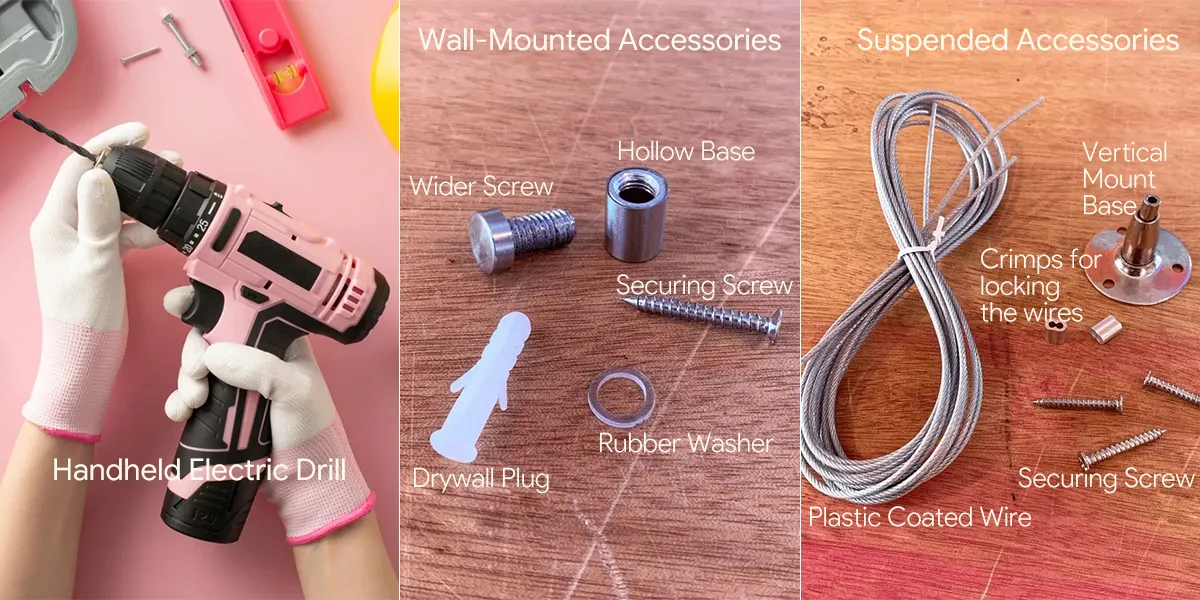
15 minuten opzij zetten voor een inspectie vóór de installatie voordat het boren urenlang nabewerking kan besparen. Voordat u het bord aan de muur monteert, moet u het montageoppervlak, de stroomvoorziening, het gewicht van het bord en de IP-beschermingsclassificatie controleren. De overgrote meerderheid van de installatiefouten komt voort uit het overslaan van de pre-installatiecontrole, in plaats van van kwaliteitsproblemen met het bord zelf.
Vereiste gereedschappen en hardware
Buiteninstallaties hebben strikte specificaties voor elk onderdeel. Professionele installateurs gebruiken de volgende configuratie:
| Gereedschap / item | Vereiste specificatie of type | Waarom het belangrijk is |
| Boor + metselwerk | 6mm voor M6 — 8mm voor M8-ankers | Ondermaatse gaten verminderen de uittrekkracht van het anker in metselwerk |
| Rawl Bolt-ankers | M6 onder 10 kg - M8 voor 10-20 kg | Verkeerde graad lost onder aanhoudende windtrillingen |
| Vat Standoff Spacers | 20-25 mm lengte | Geen stomp = geen drainageopening = condensatie achter de plank |
| IP68 waterdichte connectoren | Gel-gevulde of hitte-krimpende type | Elk buitensplitsingspunt zonder IP68-afdichting is een toekomstige fout |
| UV-geclassificeerde gegolfde leiding | Polypropyleen — niet standaard PVC | Standaard zwarte PVC-scheuren onder UV binnen 2-3 jaar |
| GFCI-beschermde buitenoutlet | Weergewaardeerde buitenbus | Vereist voor elk elektrisch circuit nat gebied - niet optioneel |
Bovendien heeft u nodig: een niveau (600 mm of langer), draadstrippers (voor 12-24 AWG), zelffuserende tape en heldere siliconenafdichting aan de buitenkant.
Checklist voor installatie
| Wat te controleren? | Waar moet je op letten? | Risico op overslaan |
| IP-classificatie van Neon Flex | Minimum IP67 siliconen gevlochten | Water bereikt interne soldeerverbindingen - LED-storing |
| IP-classificatie van connectoren | IP68 bij elke outdoor-splitsing | Lagere connectoren roesten binnen één nat seizoen |
| Totaal wattage | Strip w/m × totaal meters + 20% hoofdruimte | Ondermaatse bestuurder oververhit en faalt voordat het bord dat doet |
| Montage oppervlak | Baksteen, metselwerk, metalen stud met rug, structureel hout | Verkeerd ankertype lost onder belasting |
| GFCI-uitlaat Proximity | Binnen geplande kabeldoorvoerkabel | Onbeschermde lange runs zorgen voor schokrisico en spanningsval |
| Lokale vergunningsverei | Winkelvoorraad of commerciële gevelbewegwijzering regels | Ongeoorloofde commerciële borden kunnen naar beneden worden besteld |
| Tekentest voor montage | Ren 15-20 minuten op maaiveld | Fout gevonden na montage betekent een volledige herinstallatie |
Begrijp uw tekenspecificaties
Voordat u een elektrische boormachine gebruikt, moet u de volgende vier parameters bevestigen: ze bepalen alle volgende hardware- en bedradingsbeslissingen.
- Minimale outdoor flexibele buisclassificatie: IP67 Siliconen omhuld SMD2835, 120 LED's/meter.
- Ingangsspanning: DC 12V of DC 24V—Het is ten strengste verboden om de LED-flexibele buis rechtstreeks op het AC-net aan te sluiten.
- stroomverbruik: ongeveer 10 W/meter (8 × 16 mm siliconen neonbuis).
- terugplaat: Voorgeboorde acrylplaat - Boor zelf geen gaten in de buurt van de LED-kanalen.
Om de kwaliteit te garanderen, de IP67-geclassificeerde waterdichte neonstrip en de materieel Beschikken over de nodige beschermende eigenschappen om te voldoen aan de eisen van langdurig buitengebruik in regen, sneeuw en vochtige kustomgevingen.
Wandmontage versus geschorste installatie: welke optie is geschikt voor uw buiteninstallatie
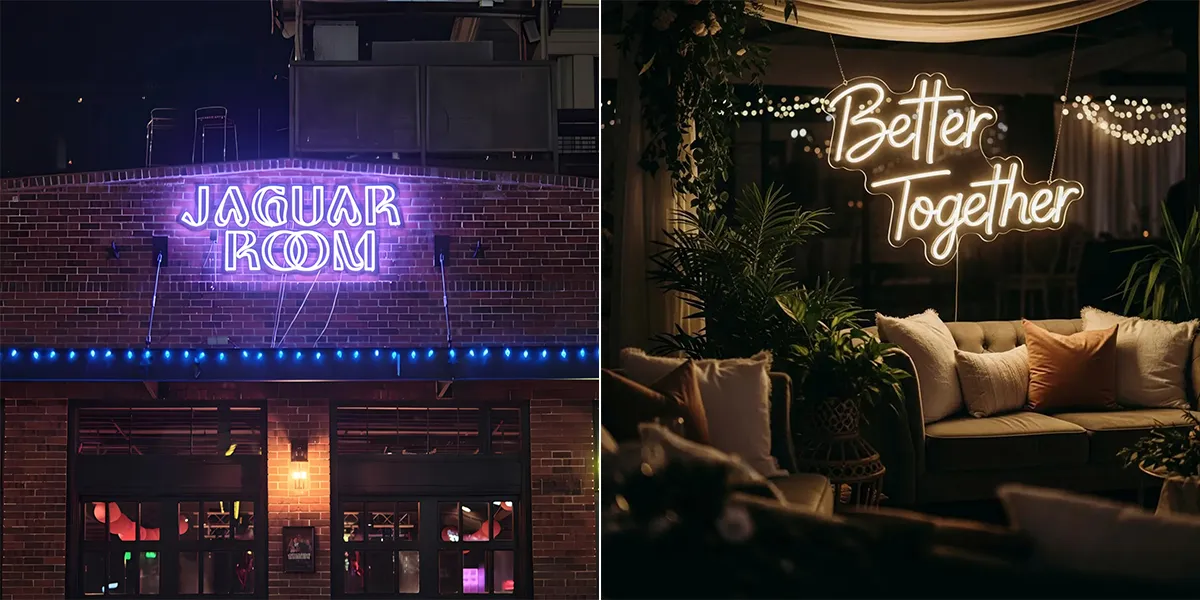
De keuze tussen de wand- en gesuspendeerde installatie is van invloed op structurele vereisten, weerbestendigheid en betrouwbaarheid op lange termijn.
Onderstaande tabel vergelijkt de twee methoden:
| Factor | wandmontage | Hangende / geschorste houder |
| Geschikt voor | Permanente gevelbewegwijzering, winkelpuien, bakstenen/metselwerk muren | Onder-vijzel installaties, luifels, overdekte loopbruggen, binnen-aangrenzende buitenruimtes |
| Structurele ei | Massief wandoppervlak met geschikt ankertype | Plafondbalken, balk of versterkte bovengrondse structuur |
| bescherming tegen weersinvloed | Teken blootgesteld aan directe regen en zon - vereist een volledige IP67/IP68-classificatie | Natuurlijke overhang biedt wat afscherming - maar volledige outdoor-beoordeling nog steeds vereist |
| Windbelasting weerstand | Uitstekend - teken direct aan structuur bevestigd | Matig - Hanghardware moet worden beoordeeld voor door de wind veroorzaakte zwaaien |
| Drainage-vereiste | Kritisch — Moet afstandhouders gebruiken (20-25 mm) om luchtspleet te creëren | Zwaartekracht helpt drainage, maar teken lichaam heeft nog steeds huilende gaten nodig |
| Installatie complexiteit | Matig — Boor, ankers, afstandss | hoger — Vereist toegang over het hoofd, verificatie van de belastingsclassificatie |
| esthetisch effect | Schoon, zuiver uiterlijk met subtiele zwevende look via afstandssteunen | "zwevend" effect - teken verschijnt opgeschort in de ruimte |
Installatie aan de muur: aanbevolen voor de meeste buiteninstellingen
Wandmontage is de voorkeursmethode voor permanente buitenborden op bakstenen muren, betonnen of metalen omlijsting buitenmuren van commerciële gebouwen. Het biedt superieure weerstand tegen windbelastingen, wat van cruciaal belang is voor onbelemmerde locaties. Zorg ervoor dat u tonvormige afstandssteunen (20-25 mm) gebruikt om een luchtspleet te creëren tussen de acryl achterplaat en de muur - zonder deze opening zal condensatie vast komen te zitten en doorsijpelen in de LED-kanalen.
Geschorte installatie: geschikt voor beschutte buitenlocaties
Opgeschorte installatie is geschikt voor locaties zoals luifels, veranda's, verzonken ingangsveranda's of overdekte balkons. Overhead shelter vermindert directe vochtinbraak, maar het bord zelf moet nog steeds een beschermingsclassificatie hebben die geschikt is voor vochtigheid en spatwater. Overweeg om zware ophangkabels te gebruiken met voldoende draagvermogen (minstens twee keer het gewicht van het bord) en roestvrijstalen hardware.
Als u een "zwevende" esthetiek wilt bereiken onder een luifel, veranda of overdekte buitenomgeving (zoals een biertuin of een luifel van het hotel), kan een geschorste installatie het gewenste effect leveren zonder afbreuk te doen aan de duurzaamheid. Zorg ervoor dat u de draagcapaciteit van de bovengrondse structuur verifieert voordat u deze installeert. Voor kustomgevingen met een hoge luchtvochtigheid, specificeert u roestvrijstalen ophangingshardware in plaats van standaard gegalvaniseerde hardware.
Waterdichte bedrading: dit is de stap die de meeste mensen verkeerd doen
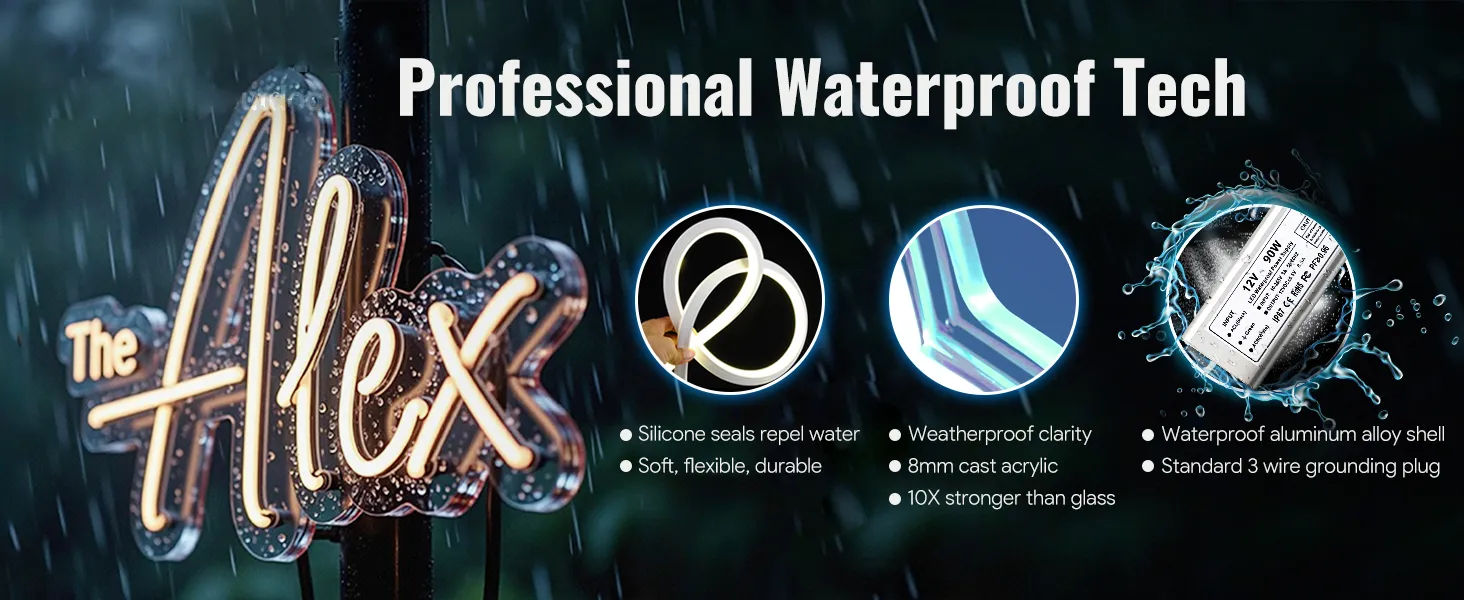
Dit is de stap die de meeste mensen overslaan, en het is precies de oorzaak van condensatieproblemen die zich binnen het eerste jaar voordoen.
Waarom standaard PVC-leiding mislukt
Standaard zwart PVC-buis wordt niet behandeld met UV-stabilisatoren. Na 2-3 jaar blootstelling aan direct zonlicht, wordt het broos en barst het, waardoor de interne kabels aan vocht worden blootgesteld. Gebruik voor alle externe kabels een UV-bestendig polypropyleen (PP) gegolfde buizen.
Connector Waterbestendig: IP67 is onvoldoende voor buitenaansluitingen
IP67-connectoren zijn bestand tegen tijdelijke onderdompeling (1 meter onder water gedurende 30 minuten). Voor permanente buitenverbindingen die worden onderworpen aan herhaalde cycli van regen, condensatie en thermische uitzetting en samentrekking, zijn IP68-connectoren echter de minimaal acceptabele standaard.
Twee bewezen en betrouwbare methoden:
| werkwijze | Toepassing | optreden |
| Met gel gevulde IP68-connectoren | Vooraf getermineerde fabrieksassemblages | Hoogste betrouwbaarheid - gel zelfherstelt rond geleiders |
| Krimp met klevende voering + siliconenkit | Veldsplitsingen en reparaties | Vereist een warmtepistool en schone voorbereiding - siliconen aan beide uiteinden van de slang aanbrengen |
Defecte connectorafdichting is goed voor ongeveer 701 TP3T van elektrische storingen in buitensignalisatie. Gebruik voor elk buitenaansluitpunt zelf-fuserende tape + UV-bestendige elektrische tape tijdens de installatie, of gebruik een waterdichte aansluitdoos met IP68 met een kabelwartel.
Veilige installatie van stroomkabels
Gebruik UV-bestendige polypropyleen gegolfde buizen om stroomkabels te leiden - kabels die onbeschermd blijven en direct op de buitenmuren worden blootgesteld, zullen snel verouderen. Gebruik kabelwartels op alle ingangspunten in de achterplaat of de bestuurdersbehuizing van het bord. Het leidingpad moet iets aflopen naar de uitgang om waterophoping te voorkomen.
Belangrijke elektrische veiligheidseisen: Alle buitenbedrading moet worden beschermd door een GFCI (aardstoringsonderbreker) stopcontact of stroomonderbreker - dit is een vereiste van NEC (National Electric Code) Artikel 600 voor borden op vochtige locaties.
Plaatsing van de bestuurder: waar de stroomvoorziening voor een langere levensduur moet worden geplaatst
De chauffeur (LED-voeding) is het onderdeel in neonreclames buiten dat het meest gevoelig is voor warmte. Een goede plaatsing kan de levensduur van het hele systeem aanzienlijk verlengen.
gulden regel
Plaats de bestuurder op een goed geventileerde locatie, vermijd directe blootstelling aan barre weersomstandigheden en vermijd direct zonlicht.
Opties voor het plaatsen van bestuurders — Vergelijking
| Plaatsing locatie | Voordelen | Nadelen | het beste voor |
| Binnenbouw (door de muur) | Geen weersaandacht, uitstekende warmteafvoer | Vereist wandpenetratie en leiding | Commerciële winkelpuien, elk klimaat |
| Geventileerde buitenbehuizing (geschaduwde muur) | Houdt AC/DC-conversie dicht bij teken | Behuizing moet IP65/IP66 hebben met een ventilatie | Gematigde klimaten |
| Binnenbord bord (verzegeld) | Schoonste uitstraling, geen externe doos | Valt warmte op - verkort de levensduur van de bestuurder aanzienlijk | Niet aanbevolen voor gebruik buitenshuis |
Vereisten voor warmteafvoer
LED-stuurprogramma's genereren een aanzienlijke hoeveelheid warmte tijdens het gebruik. Het standaard bedrijfstemperatuurbereik voor stroomvoorzieningen is -40°C tot +55°C, maar als de bedrijfstemperatuur het optimale bereik met 10°C overschrijdt, zal de levensduur van de bestuurder met ongeveer 501 TP3T worden verminderd.
- Om voldoende ventilatie te garanderen: installeer de stroomvoorziening waar mogelijk zonder extra behuizing.
- Installeer de driver nooit in een afgedichte metalen behuizing die is gemonteerd op een muur die is blootgesteld aan direct zonlicht.
- Zorg er bij gebruik van een lichtgevoelige schakelaar of timer voor dat de stroom overdag wordt uitgeschakeld - hogere dagtemperaturen en onnodige bediening verkorten de levensduur van de bestuurder.
Best practices voor thermisch beheer
Wanneer de bestuurder buiten moet worden geplaatst, gebruik dan een IP65 of IP66 geventileerde behuizing en installeer deze op een schaduwrijke plaats (onder een luifel, op een muur op het noorden of in een afsluitbare elektrische kast). Voor omgevingen op hoge temperatuur (woestijnklimaten, gebieden met ernstige westerse blootstelling), overweeg het gebruik van behuizingen met actieve koeling of thermo-elektrische koeling.
Richtlijnen voor vermogenscapaciteit
Selecteer een bestuurder met een nominaal vermogen dat ten minste 201 TP3T hoger is dan het berekende totale vermogen (LED-buisvermogen in w/m × totale lengte in meters × 1,2). Gebruik voor buizen langer dan 10 meter een dubbele of parallelle stroomtoevoer om spanningsdalingen te voorkomen - spanningsdalingen over lange DC-lijnen kunnen aan het uiteinde van de DC dimmen veroorzaken.
Afvoer en ventilatie: twee gemakkelijk over het hoofd geziene ontwerpvereisten
Condensatie is de stille moordenaar van outdoor-borden. Wanneer een warm teken 's nachts afkoelt, condenseert elk vocht dat in de achterste plaat wordt vastgehouden in vloeibaar water. Zonder de juiste afvoer en ventilatie, accumuleert dit water, corrodeert de connectoren en reist via capillaire werking in de LED-slang, wat leidt tot voortijdige storing.
Drainage - de noodzaak van spacer staat
De meest voorkomende drainagefout: het installeren van de achterplaat spoel tegen de muur. Doe dit nooit. Gebruik tonvormige afstandhouders die ten minste 20-25 mm lang zijn en installeer ze tussen de achterplaat en het montageoppervlak.
Drainagegaten - vereisten van elektrische codes
NEC Artikel 600.9(d) bepaalt dat borden en omtrekverlichtingssystemen die op vochtige plaatsen zijn geïnstalleerd, weerbestendig moeten zijn en drainagegaten moeten hebben. Voor elke buitenste behuizing die buiten is geïnstalleerd, zelfs onder een bladerdak of dak, moeten op elk laagste punt of geïsoleerd laaggelegen gebied worden voorzien van drainagegaten met een diameter van 1/4 tot 1/2 inch (6-12 mm).
Checklist voor drainagegaten:
- Zoek drainagegaten op de laagste punten van de achterplaat.
- Zorg ervoor dat er geen externe objecten (montagehardware, afdichtmiddel of trim) het afvoerpad blokkeren.
- Neem ten minste 2 drainagegaten op; verhoog het aantal voor grote borden of die met meerdere laaggelegen gebieden.
- Vermijd het plaatsen van drainagegaten direct boven elektrische componenten of blootliggende geleiders.
Ventilatie - voorkomt warmte-geïnduceerde schade
Warmte versnelt de afschrijving van LED-lumen, veroudering van siliconenmantels en schade aan bestuurderscondensatoren. Vermijd het gebruik van afgedichte behuizingen die warmte vasthouden en zorg voor voldoende ventilatie. Overweeg voor acryl achterplaatontwerpen zonder ventilatiesleuven om (mesh-bedekte) ventilatieopeningen aan de boven- en onderkant op te nemen om convectieve koeling te bevorderen.
Best practices voor ventilatie:
- Houd een luchtspleet achter het bord (bereikbaar met behulp van spacerkolommen).
- Vermijd het monteren van het bord op warmteabsorberende donkergekleurde oppervlakken (donkergekleurde bakstenen en zwarte metalen panelen).
- Zorg voor ventilatieopeningen aan de bovenkant zodat hete lucht kan ontsnappen.
- Voor grote of krachtige tekens (500 W of meer) moet u geforceerde ventilatie overwegen.
UV-bescherming en onderhoud
Siliconen mouwen zijn meer UV-bestendig dan PVC, maar alle kunststoffen die aan de buitenlucht worden blootgesteld, zullen na verloop van tijd verouderen.
Jaarlijkse inspectiechecklist:
- Controleer de siliconen hoezen op scheuren of krijten op het oppervlak.
- Controleer de gegolfde slang op UV-geïnduceerde broosheid - vervang deze als deze gebarsten is.
- Controleer of de afstandskolommen veilig zijn en dat drainagepaden vrij zijn.
- Verwijder puin en insectennesten uit drainagegaten.
Veelvoorkomende installatiefouten die leiden tot vroege storingen
Professionele installateurs komen herhaaldelijk dezelfde storingen tegen. De volgende acht fouten zijn de belangrijkste oorzaken van storingen in neonreclames in de buitenlucht in het eerste jaar:
| fout | Waarom het mislukt | de oplossing |
| GFCI-bescherming overslaan | Buiten nat-locatiecircuit zonder GFCI creëert gevaar voor elektrocutie | Gebruik GFCI-beschermde outlet of breaker — code vereist |
| Inbouwmontage (geen afstandssteun) | Condensatie achter teken → water binnendringen → corrosie | 20-25 mm vatafstanden op alle bevestigingspunten |
| Gebruik standaard PVC-buis buiten | Zwarte PVC-scheuren onder UV in 2-3 jaar → Blootgestelde bedrading | Alleen UV-geclassificeerd polypropyleenbuis |
| Ondermaatse bestuurder (geen hoofdruimte) | Stuurprogramma draait continu op 100% → Oververhitting → Voortijdige storing | Voeg 20% hoofdruimte toe aan het berekende wattage |
| Geen afvoergaten in het bord | Geaccumuleerd water heeft geen uitlaatpad → pooling en connectorstoring | Voeg huilgaten toe op alle lage punten (1/4–1/2″) |
| Buiten connectoren gebruiken | Niet-IP68-connectoren roesten binnen één nat seizoen | IP68 met gel gevulde of krimpkousen bij elke las |
| Nieuwe gaten boren in acryl backboard | Scheuren voortplanten van boorpunten → structureel falen → teken valt | Gebruik alleen voorgeboorde montagegaten in de fabriek |
| Opknoping teken van LED-slang rechtstreeks | Slangen niet dragend → Splitst bij siliconen jas | Altijd monteren via acryl backboard of chassis |
Aanvullende opmerkingen over elektrische codes
Voor installaties in Noord-Amerika specificeert NEC artikel 600 (Elektrische Tekens en Contourverlichting) de volgende belangrijke vereisten:
- Het takcircuit dat het teken aan het teken toevoert, mag een nominale stroom van 30A niet overschrijden.
- Alle buitenleidingen moeten weerbestendig zijn.
- Transformers en stroomvoorzieningen moeten zijn uitgerust met overstroombeveiliging.
- Alle elektrische buitenaansluitingen moeten gebruik maken van weerbestendige behuizingen.
Voor installaties in Europa volgen gelijkwaardige vereisten IEC 60529 (IP-beschermingsclassificaties) en lokale bouwvoorschriften. Raadpleeg uw elektrische inspecteur voordat u uw installatieplan afrondt.
Gids voor ratings voor milieubescherming buitenshuis
Bij het selecteren, kopen of inspecteren van neonborden buitenshuis, is het cruciaal om volledig te begrijpen IP-beschermingsclassificaties:
| IP-classificatie | stofbescherming | Waterbescherming | Geschikt voor |
| IP44 | Beschermd > 1 mm vaste stoffen | Spattend water uit elke richting | Overdekte patio's, alleen binnen-aangrenzende ruimtes - niet volledig buiten |
| IP65 | stofdicht | Lagedrukwaterstralen | Wandmontage onder dakranden, beperkte directe regenblootstelling |
| IP67 | stofdicht | Tijdelijke onderdompeling (1 m voor 30 minuten) | Meest outdoor bewegwijzering - regen, sneeuw, slanggerichte reiniging |
| IP68 | stofdicht | Continue onderdompeling (buiten 1m) | Extreme blootstelling - fonteinen, kustspatten, ondergedompelde toepassingen |
Voor permanente buitentekens die worden blootgesteld aan regen, sneeuw en aanzienlijke seizoensgebonden temperatuurschommelingen, zijn IP67-geclassificeerde flexibele neonlichtstrips in de industrie de minimumnorm in de industrie; als de toepassing een risico op waterophoping met zich meebrengt, moet een directe reiniging met een hogedrukwaterstraal of in een kustomgeving worden gebruikt, worden IP68-geclassificeerde producten aanbevolen.
Onderhoudsschema na installatie
Zodra de installatie is voltooid, volgt u het onderstaande jaarlijkse onderhoudsschema om de levensduur van het product te maximaliseren:
- maandschrift: Visuele inspectie: controleer op dimmen, flikkeren of dode LED-secties.
- driemaandelijks: Reinig siliconen jack met milde zeep en water — verwijder opgehoopt vuil dat warmte vasthoudt.
- tweemaal: Inspecteer afvoergaten - verwijder eventuele puin of insectennesten. Controleer de leiding op UV-schade.
- jaarlijks: Controleer het koppel van de standoff-afstandsinspectie; inspecteer de afdichting rond alle ingangen; controleer de behuizing van de bestuurder op het binnendringen van water.
Conclusie
Het veilig installeren van LED-neonborden voor buiten is niet ingewikkeld, maar het is een technische taak. Of een bord vijf jaar meegaat of na zes maanden kapot gaat, hangt af van enkele belangrijke details: de juiste beschermingsgraad (minimum IP67 voor neonbuizen en IP68 voor connectoren), vatvormige isolatiekolommen om een afvoerluchtspleet, UV-bestendige gegolfde buizen, zorgvuldige plaatsing van drivers te garanderen en bescherming tegen direct zonlicht en de installatie van afvoergaten in elk laaggelegen gebied.
Voor projectmanagers, facilitaire professionals en bedrijfseigenaren die neonborden voor buiten moeten kopen, moeten deze technische vereisten duidelijk worden bevestigd voor aankoop, in plaats van improviserende oplossingen tijdens de installatie. Vraag het zeker aan uw leverancier:
- Wat is de IP-classificatie van de neonbuizen zelf? Wat is de classificatie van de voorgemonteerde connectoren?
- Wat is op basis van de totale lengte van het teken de aanbevolen vermogensmarge voor de bestuurder?
- Bevat het bord in de fabriek voorgeboorde montagegaten en voorzieningen voor isolatiepalen?
- Zijn er al drainagegaten ingebouwd in het ontwerp van de achterplaat?
Wanneer u specifieke antwoorden krijgt op deze vragen, ondersteund door technische documentatie - in plaats van algemene verbale garanties - werkt u samen met een leverancier die echt outdoor-bordengineering begrijpt - niet alleen een verkoper die verlichte slangen verkoopt.
Voor Aangepaste outdoor LED neonreclames die voldoen aan de IP67/IP68-normen, die in de fabriek geteste drivermatching hebben en vooraf ontworpen afvoerstructuren bevatten, kan Siglitetled technische documentatie en directe projectconsultatie bieden voor commerciële installatieprojecten wereldwijd.
FAQ
Gerelateerde berichten