Русский
  English
  简体中文
简体中文  Deutsch
  Español
  Français
  Italiano
  日本語
日本語  한국어
한국어  Polski
  Português
  Türkçe
  Nederlands
  Tiếng Việt
  ไทย
ไทย 
Наружные светодиодные неоновые вывески предназначены для выдержки различных погодных условий, но только при правильной установке. Сами знаки редко выходят из строя первыми. Первые компоненты, которые выходят из строя, почти всегда являются точками подключения с неправильными разъемами, корпусами драйверов без прокладок или задними панелями, установленными непосредственно у стены (без дренажного зазора).
В этой статье представлено всестороннее руководство по безопасной установке Наружные светодиодные неоновые вывески, охватывающие все, от планирования предварительной установки и подготовки инструмента до методов установки, водонепроницаемости, установки водителя, дренажа и вентиляции, а также распространенных ошибок, которые приводят к ранним сбоям. Для предприятий и установщиков, ищущих надежные вывески на открытом воздухе, эта статья служит вашим техническим руководством.
Заранее планируйте перед началом установки
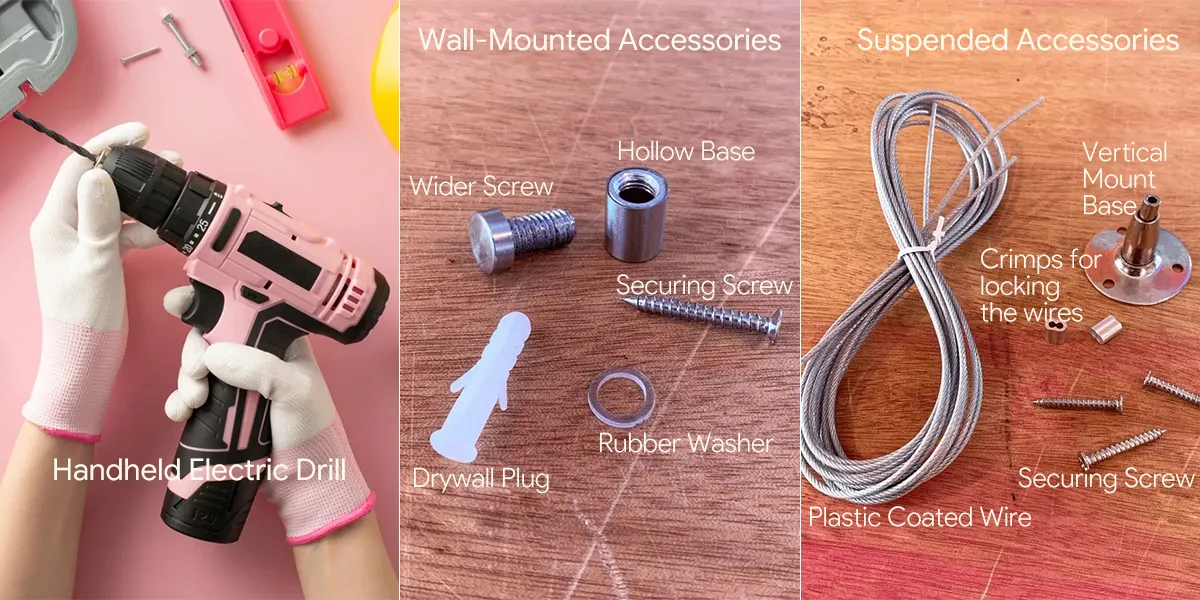
Отложив 15 минут на проверку перед установкой перед бурением, вы можете сэкономить часы доработки. Перед тем, как установить вывеску на стене, обязательно проверьте монтажную поверхность, блок питания, вес знака и его защиту от IP. Подавляющее большинство сбоев установки связано с пропуском проверки предустановки, а не с проблемами качества самой вывески.
Необходимые инструменты и оборудование
На открытом воздухе есть строгие спецификации для каждого компонента. Профессиональные монтажники используют следующую конфигурацию:
| Инструмент/предмет | Требуемая спецификация или тип | Почему это важно |
| Буровая кладка + кладка | 6 мм для M6 — 8 мм для анкеров M8 | Небольшие отверстия снижают прочность вытягивания анкера в кладке |
| Анкеры для болтов Rawl | М6 до 10кг — М8 для 10–20кг | Неправильный уклон при устойчивой вибрации ветра |
| Стойки для стойки ствола | 20–25 мм длина | Нет противостояния = нет дренажного зазора = конденсат застрял за доской |
| IP68 водонепроницаемые соединители | гель-заполненный или термоусадочный тип | Каждая точка сращивания на открытом воздухе без герметизации IP68 является будущей неисправностью |
| УФ-результат гофрированного канала | Полипропилен — не стандарт ПВХ | Стандартные черные трещины из ПВХ под УФ в течение 2–3 лет |
| GFCI-защищенная наружная розетка | Внешняя розетка с погодой | Требуется для любой электрической цепи влажных помещений, не по желанию |
Дополнительно вам понадобится: слой (600 мм или длиннее), проволочные заготовки (на 12–24 AWG), лента самоплавления и прозрачный силиконовый герметик.
Контрольный список перед установкой
| Что проверить | Что искать | Риск пропустить |
| IP-рейтинг Neon Flex | Минимальный IP67 силиконовая куртка | Вода достигает внутренних пайковых соединений — светодиоды |
| IP-номинал соединителей | IP68 на каждом открытом соединении | Более низкое номинальное соединители коррозии в течение одного сезона дождей |
| общая мощность | Полоса Вт/м × Общий счетчик + 20% | Недостаточный размер драйвера перегревается и выходит из строя до того, как знак этого сделает |
| монтажная поверхность | Кирпич, кладка, металлическая шпилька с подложкой, конструкционная древесина | Неправильный тип якоря ослабляется под нагрузкой |
| Близость выхода GFCI | В рамках запланированного кабелепровода | Незащищенные длинные пробега создают риск шока и падение напряжения |
| Требование местного разрешения | Правила витрины или коммерческих фасадных вывесок | Неразрешенные коммерческие знаки можно заказать вниз |
| Знак тест перед монтажом | Бегите 15–20 минут на уровне земли | Обнаружена неисправность после монтажа означает полную переустановку |
Поймите свои характеристики знака
Перед использованием электродрели подтвердите следующие четыре параметра — они определяют все последующие решения по оборудованию и проводке.
- Минимальная гибкая наружная шкала: IP67 SMD2835 силиконовая оболочка, 120 светодиодов/метр.
- Входное напряжение: 12 В постоянного тока или 24 В постоянного тока — строго запрещено подключать светодиодную гибкую трубку непосредственно к сети переменного тока.
- энергопотребление: Приблизительно 10 Вт/метр (8×16 мм силиконовая неоновая трубка).
- задняя панель: Предварительно просверленный акриловый лист — не сверлите отверстия рядом со светодиодными каналами.
Для обеспечения качества водонепроницаемая неоновая полоса с рейтингом IP67 и ее материалы Обладают необходимыми защитными свойствами для удовлетворения требований длительного использования на открытом воздухе в дождях, снеге и влажных прибрежных условиях.
Настенный или подвесной монтаж: какой вариант подходит для установки на открытом воздухе
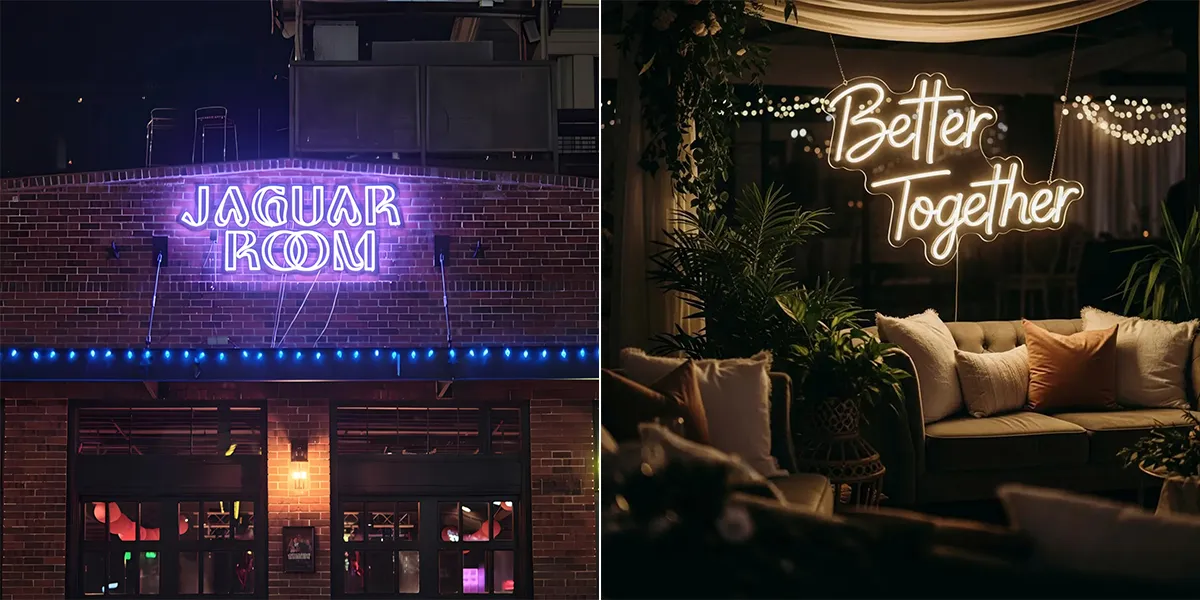
Выбор между настенной и подвесной монтажом влияет на требования к конструктивным требованиям, устойчивость к погодным условиям и долгосрочную надежность.
В приведенной ниже таблице сравниваются два метода:
| Фактор | настенное крепление | Подвесное / подвесное крепление |
| Лучшее для | Постоянные фасадные вывески, витрины, кирпичные/каменные стены | Инсталляции под карнизом, навесы, крытые дорожки, прилегающие к внутреннему открытому пространству |
| Структурное требование | Твердая стенка с соответствующим типом якоря | Потолочные балки, балка или усиленная конструкция над головой |
| Защита от непогод | Знак, подвергающийся прямому дождю и солнцем — требует полного рейтинга IP67/IP68 | Естественный выступ обеспечивает некоторую защиту, но полная наружная оценка все еще требуется |
| Сопротивление ветровой на | Отлично — знак, прикрепленный непосредственно к структуре | Умеренный — подвесная фурнитура должна быть рассчитана на ветровое качание |
| Требования к дренаже | Критично — необходимо использовать стойки (20–25 мм) для создания воздушного зазора | Гравитация помогает дренажу, но подпись тела все еще нуждается в проветриваемом |
| Сложность установки | Умеренный — дрель, якоря, стойки | выше — требуется накладный доступ, проверка рейтинга нагрузки |
| эстетический эффект | Чистый, смывный внешний вид с тонким плавающим видом с помощью противостояний | Эффект «Плавучий» — знак в космосе приостановлен |
Настенная установка: рекомендуется для большинства наружных настроек
Настенная установка является предпочтительным методом для постоянных наружных вывесок на кирпичных стенах, бетонных или металлических наружных стенах коммерческих зданий. Он обеспечивает превосходную стойкость к ветровым нагрузкам, что имеет решающее значение для беспрепятственного расположения. Обязательно используйте стойки в форме ствола (20–25 мм), чтобы создать воздушный зазор между акриловой задницей и стеной — без этого зазора конденсат застревает и просочится в светодиодные каналы.
Подвесной монтаж: подходит для закрытых помещений
Подвесная установка подходит для таких мест, как навесы, веранды, встраиваемые входные веранды или крытые балконы. Накладное укрытие уменьшает прямое вторжение влаги, но сам знак должен иметь рейтинг защиты, подходящий для влажности и брызг воды. Пожалуйста, рассмотрите использование тяжелых подвесных кабелей с достаточным несущему грузом (по крайней мере, в два раза больше, чем вес знака) и фурнитурой из нержавеющей стали.
Если вы хотите добиться «плавающей» эстетики под навесом, крыльцом или крытой открытой обстановкой (например, в пивном саду или в подъездной дорожке отеля), приостановка может обеспечить желаемый эффект без ущерба для долговечности. Перед установкой обязательно проверьте несущую способность конструкционной конструкции. Для прибрежной среды с высокой влажностью укажите подвесную фурнитуру из нержавеющей стали, а не стандартную оцинкованную фурнитуру.
Водонепроницаемая проводка: это шаг, который большинство людей ошибаются
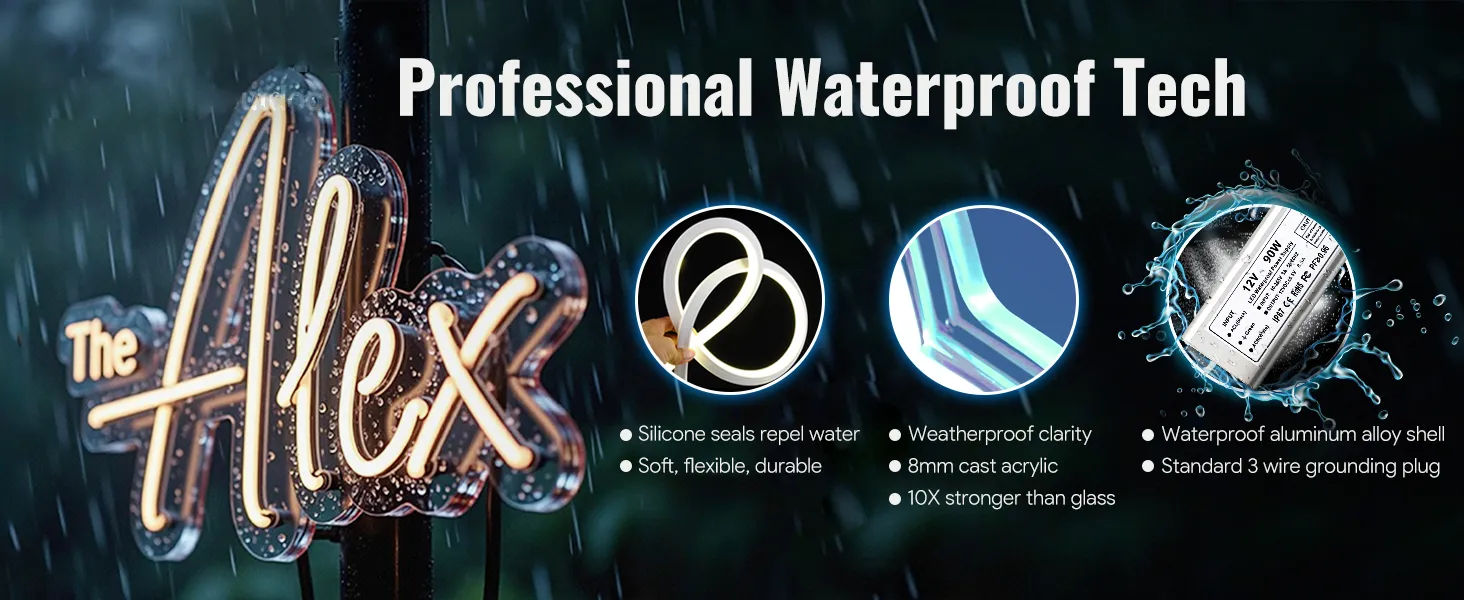
Это шаг, который большинство людей пропускают, и именно основная причина проблем с конденсатностью возникает в течение первого года.
Почему стандартный проводник ПВХ не работает
Стандартный черный трубопровод ПВХ не обрабатывается УФ-стабилизаторами. После 2–3 лет воздействия прямых солнечных лучей он становится хрупким и трескается, подвергая влагу внутреннюю крышку. Пожалуйста, используйте стойкие к УФ-устойчивому волокнистому рифленому (PP) трубку для всех внешних кабелей.
Сопротивление воды соединителя: IP67 недостаточно для наружных соединений
Разъемы IP67 выдерживают временное погружение (1 метр под водой 30 минут). Однако для постоянных наружных соединений, подвергающихся повторным циклам дождя, конденсации, тепловому расширению и сжатию, соединители IP68 являются минимально приемлемым стандартом.
Два проверенных и надежных метода:
| метод | Приложение | производительность |
| Гелевые разъемы IP68 | Предварительно завершенные заводские сборки | Высочайшая надежность — гель самозаживляет вокруг проводников |
| Термоусадка с клеевой подкладкой + силиконовый герметик | Полевые сращивания и ремонт | Требуется тепловая пушка и чистая подготовка — нанесите силикон на оба конца трубки |
На неисправность уплотнения разъема приходится примерно 70% электрических неисправностей в наружных вывесках. Для каждой точки соединения на открытом воздухе используйте ленту с самоплавлением + УФ-уФ-устойчивую ленту во время установки или используйте водонепроницаемую распределительную коробку с IP68 с кабельным вводом.
Безопасная установка кабеля питания
Используйте стойкие к УФ-уФ-резипуленям гофрированные трубки для прокладки силовых кабелей — кабели, оставленные незащищенными и непосредственными на наружных стенах, быстро состарятся. Используйте кабельные вводы во всех точках входа в заднюю панель или корпус драйвера. Трубопровод должен слегка наклониться к выходу, чтобы предотвратить накопление воды.
Основные требования к электробезопасности: Вся наружная проводка должна быть защищена выходом или выключателем GFCI (национальный электросвязь) (национальный электронный кодекс) для вывесок в сырых местах.
Размещение драйвера: где разместить блок питания для более длительного срока службы
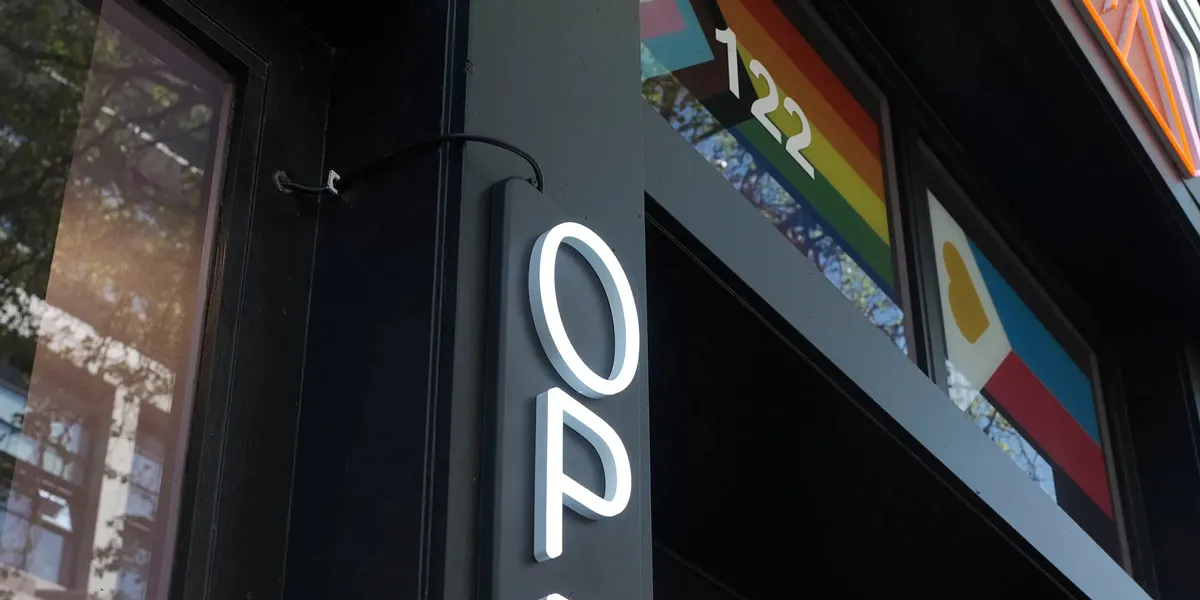
водитель (Светодиодный блок питания) является компонентом наружных неоновых знаков, наиболее чувствительным к тепле. Правильное размещение может значительно продлить срок службы всей системы.
золотое правило
Пожалуйста, поместите водителя в хорошо проветриваемое место, избегайте прямого воздействия суровых погодных условий и избегайте прямых солнечных лучей.
Варианты размещения драйверов — сравнение
| Место размещения | Плюсы | Cons | лучше для |
| Внутри здания (сквозь стену) | Нет погодных условий, отличное теплоотвод | Требуется проникновение стен и трубопровод | Торговые магазины, любой климат |
| Вентиляционная наружная оболочка (затененная стена) | Сохраняет преобразование переменного/постоянного тока в близком месте | Корпус должен быть IP65/IP66 с вентиляцией | Умеренный климат |
| Внутренний щиток (запечатанный) | Самый чистый внешний вид, без внешней коробки | Улавливает тепло — значительно сокращает срок службы водителя | Не рекомендуется для использования на открытом воздухе |
Требования к рассеиванию тепла
Светодиодные драйверы выделяют значительное количество тепла во время работы. Стандартный диапазон рабочих температур для источников питания составляет от -40°C до +55°C, однако, если рабочая температура превышает оптимальный диапазон 10°C, срок службы водителя сократится примерно на 50%.
- Для обеспечения адекватной вентиляции: по возможности установите блок питания без дополнительного корпуса.
- Никогда не устанавливайте драйвер внутри герметичного металлического корпуса, установленного на стене, подвергающейся воздействию прямых солнечных лучей.
- При использовании светочувствительного выключателя или таймера убедитесь, что питание отключено в дневное время, а более высокие дневные температуры и ненужные работы сокращают срок службы водителя.
Лучшие практики для термоменеджмента
Если водитель должен быть размещен на открытом воздухе, используйте вентилируемый корпус IP65 или IP66 и установите его в затененном месте (под навесом, на стене, обращенной к северу, или внутри запираемого электрического шкафа). Для высокотемпературных условий (климат пустыни, районов с тяжелым западным воздействием) рассмотрите возможность использования ограждений с активным охлаждением или термоэлектрическим охлаждением.
Рекомендации по мощности
Выберите драйвер с номинальной мощностью, которая не менее 20% выше расчетной общей мощности (мощность светодиодной трубки в Вт/м × общая длина в метрах × 1,2). Для трубок длиной более 10 метров используйте двухконец или параллельную подачу питания для предотвращения падения напряжения — падение напряжения по длинным линиям постоянного тока может вызвать затемнение в дальнем конце.
Дренаж и вентиляция: два легко упускаемых из виду требований к дизайну
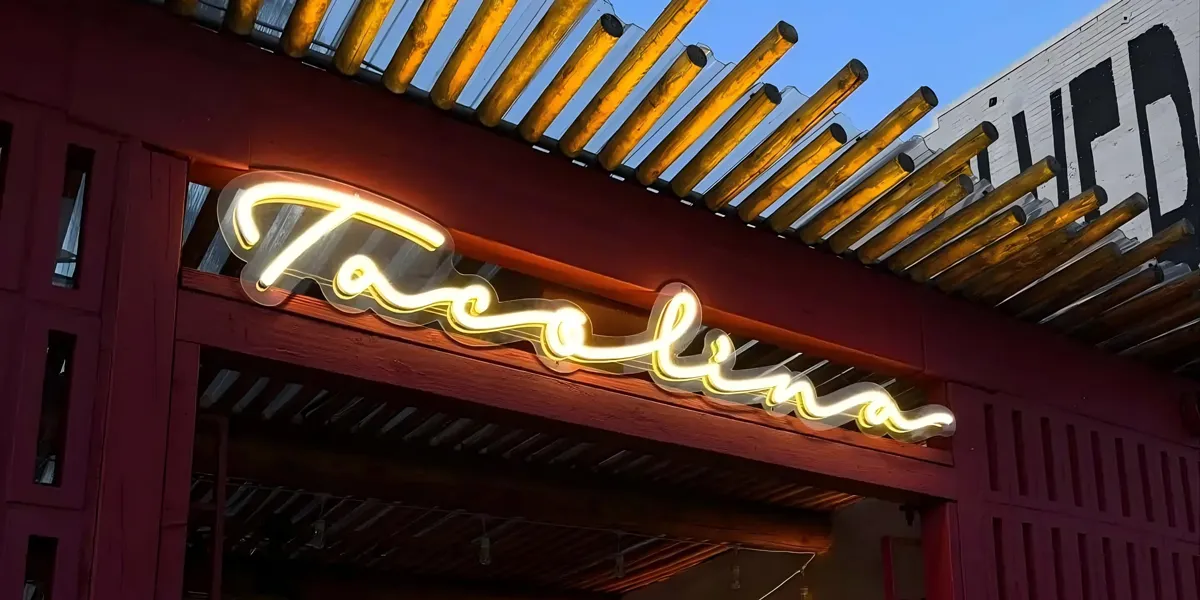
Конденсат — молчаливый убийца наружных знаков. Когда теплый знак остывает ночью, влага, попавшая в полость задней панели, конденсируется в жидкую воду. Без надлежащего дренажа и вентиляции эта вода накапливается, коррозирует соединительные соединения и поступает в светодиодную трубку посредством капиллярного действия, что приводит к преждевременной выходе из строя.
Дренаж — необходимость прокладки
Самая распространенная ошибка дренажа: установка заднего плана заподлицо к стене. Никогда не делай этого. Используйте стойки для прокладки ствола, длиной не менее 20–25 мм, и установите их между задней панелью и монтажной поверхностью.
Дренажные отверстия — требования к электронным кодам
Статья 600.9(d) NEC предусматривает, что системы освещения подписи и контуров, установленные во влажных местах, должны быть защищены от атмосферных воздействий и иметь дренажные отверстия. Для любых вывесок, установленных на открытом воздухе, даже под навесом или крышей, в каждой самой нижней точке или изолированной зоне должны быть предусмотрены дренажные отверстия диаметром от 1/4 до 1/2 дюйма (6–12 мм).
Контрольный список дренажных отверстий:
- Найдите дренажные отверстия в самых нижних точках полости задней панели.
- Убедитесь, что внешние объекты (монтажные элементы, герметик или обрезка) не блокируют тракт дренажа.
- Включите не менее 2 дренажных отверстий, увеличивайте количество больших знаков или участков с несколькими низменными участками.
- Не ставьте дренажные отверстия непосредственно над электрическими компонентами или проводниками.
Вентиляция — предотвращение повреждения, вызванного жаром
Тепло ускоряет амортизацию светодиодов, старение силиконовой оболочки и повреждение конденсаторов драйверов. Избегайте использования герметичных корпусов, которые улавливают тепло, и обеспечивают достаточную вентиляцию. Для акриловых конструкций задних панелей без вентиляционных прорезей рассмотрите возможность включения (сверточной) вентиляционной трубы сверху и снизу для обеспечения конвективного охлаждения.
Лучшие практики вентиляции:
- Поддерживайте воздушный зазор за знаком (достигается с помощью прокладки).
- Избегайте установки вывески на теплообменных поверхностях темного цвета (темные кирпичи и черные металлические панели).
- Вверху вы можете обеспечить выход горячим воздухом.
- Для больших или мощных знаков (500 Вт и более) рассмотреть принудную вентиляцию.
Защита и обслуживание УФ-излучения
Силиконовые втулки больше ультрафиолетовый чем ПВХ, но все пластики, подвергающиеся воздействию на открытом воздухе, со временем состарятся.
Ежегодный контрольный список:
- Проверьте силиконовые втулки на предмет растрескивания или мелирования поверхности.
- Проверьте гофрированную трубку на хрупкость, вызванную УФ-излучением, замените ее, если треснули.
- Убедитесь, что колонны-распорные элементы защищены и что дренажные пути беспрепятственно.
- Удалить остатки и гнезда насекомых из дренажных отверстий.
Распространенные ошибки установки, приводящие к ранним сбоям
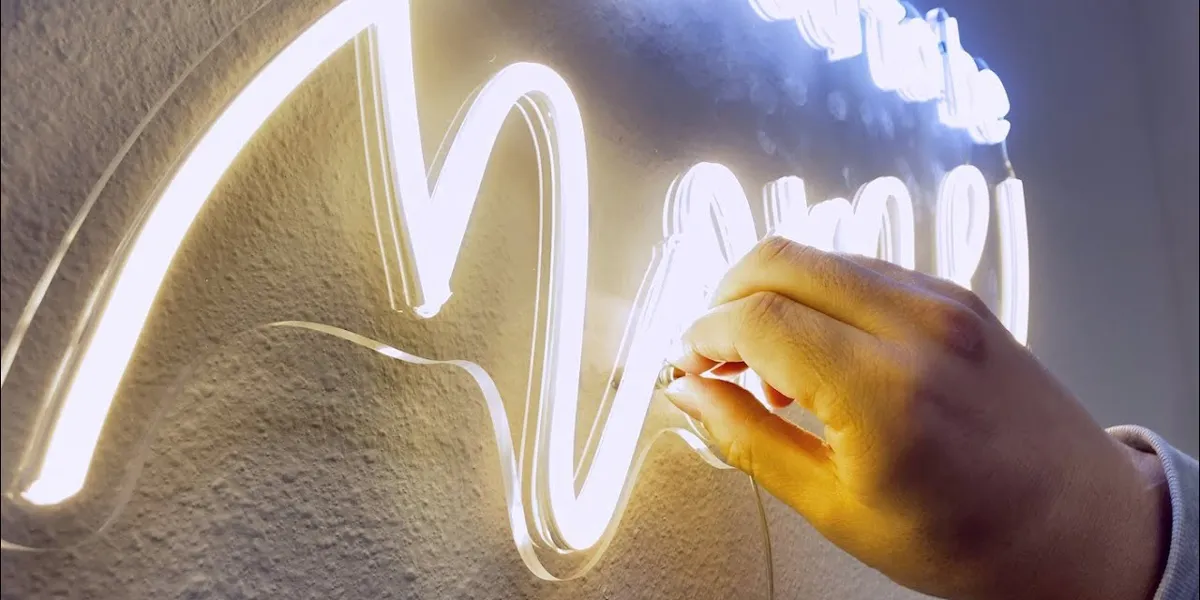
Профессиональные установщики неоднократно сталкиваются с теми же сбоями. Следующие восемь ошибок являются основными причинами сбоев в наружных неоновых вывесках в течение первого года:
| ошибаться | Почему это не удается | исправление |
| Пропуск защиты GFCI | Наружная схема мокрого расположения без GFCI создает опасность поражения электрическим током | Используйте розетку или выключатель, защищенную GFCI — требуется код |
| Монтаж заподлицо (без стойки) | Конденсат застрял за знаком → Водопад → Коррозия | 20–25 мм стойки для ствола на всех точках крепления |
| Использование стандартного кабелепровода ПВХ на открытом воздухе | Черные трещины из ПВХ под УФ-излучением за 2–3 года → Открытая проводка | Только полипропиленовый канал с УФ-излучением |
| Недостаточный водитель (без гардероба) | Драйвер работает на 100% непрерывно → перегревается → Преждевременное отказ | Добавьте 20% запасной помещение к расчетной мощности |
| Нет сливных отверстий в щите | Накопленная вода не имеет выхода → Пул и отказ разъема | Добавьте отверстия для стирки во всех нижних точках (1/4–1/2″) |
| Использование соединителей с крытым помещением на открытом воздухе | Разъемы, не относящиеся к IP68, коррозия в течение одного сезона дождей | IP68 заполненные гелем или термоусадочные разъемы на каждом сращивании |
| Сверление новых отверстий в акриловой подставке | Трещины распространяются из точек сверления → Структурная неисправность → Знак падает | Используйте только заводские предварительно просверленные отверстия |
| Подвесной знак на светодиодной трубке напрямую | Трубка не несущая → расщепление на силиконовой куртке | Всегда монтируйте через акриловую панель или шасси |
Дополнительные примечания по электрическим кодам
Для установок в Северной Америке в NEC ст. 600 (электрические знаки и контурное освещение) определены следующие основные требования:
- Ветвительная цепь, питающая знак, не должна превышать номинальный ток 30А.
- Все наружные трубопроводы должны быть защищены от атмосферных воздействий.
- Трансформаторы и источники питания должны быть оснащены защитой от перегрузки по току.
- Все электрические соединения наружного воздуха должны использовать перечисленные в перечисленных погодных условиях.
Для установок в Европе эквивалентные требования соблюдайте требования к МЭК 60529 (номинации защиты IP) и местным строительным нормам, прежде чем завершить план установки.
Руководство по рейтингам защиты окружающей среды
При выборе, покупке или осмотре наружных неоновых вывесок крайне важно полностью понять Рейтинг защиты IP:
| Рейтинг IP | пылевые защиты | Защита воды | подходит для |
| IP44 | Защищенные >1 мм твердые вещества | брызг воды с любого направления | Крытые патио, только в закрытых помещениях - не полностью открытые |
| IP65 | герметичный | струи воды низкого давления | Настенный под карнизом, ограниченное прямое воздействие дождя |
| IP67 | герметичный | Временное погружение (1 м на 30 мин) | Большинство наружных вывесок — дождь, снег, очистка на шланг |
| IP68 | герметичный | Непрерывное погружение (помимо 1 м) | Экстремальная экспозиция — фонтаны, зоны прибрежных плесени, погруженные в воду приложения |
Для постоянных наружных знаков, подверженных воздействию дождя, снега и значительных сезонных колебаний температуры, гибкие неоновые светильники с рейтингом IP67 являются минимальными стандартами в отрасли; если в применении риск скопления воды, требуется прямая очистка с помощью водяной струи высокого давления или расположен в прибрежной среде, рекомендуется использовать продукты с рейтингом IP68.
График технического обслуживания после установки
После завершения установки следуйте приведенному ниже графику обслуживания, чтобы увеличить срок службы продукта:
- ежемесяч: Визуальный осмотр — проверьте на диммирование, мерцание или мертвые светодиодные секции.
- ежеквартально: Очистите силиконовую куртку с мягким мылом и водой — удалите скопившиеся грязь, которая улавливает
- два раза в год: Осмотрите дренажные отверстия — уберите любой мусор или гнезда насекомых. Проверьте канал на наличие повреждений УФ.
- ежегодно: Проверьте крутящий момент стойки, проверьте герметик вокруг всех точек входа, проверьте помещение водителя на посадку.
Заключение
Безопасно установить наружные светодиодные неоновые вывески несложно, но это техническая задача. Независимо от того, продержится ли знак пять лет или через полгода выйдет из строя, зависит от нескольких ключевых деталей: правильный рейтинг защиты (минимальный IP67 для неоновых трубок и IP68 для соединителей), колонки в форме ствола для создания дренажного воздушного зазора, гофростойкие гофрированные трубки, тщательное размещение водителей для обеспечения вентиляции и защиты от прямых солнечных лучей, а также монтаж отверстий для дренажа в любой низменной зоне.
Для руководителей проектов, специалистов по объектам и владельцев бизнеса, которым необходимо приобрести наружные неоновые вывески, эти технические требования должны быть четко подтверждены перед покупкой, а не импровизировать решения во время установки. Обязательно спросите у поставщика:
- Какова оценка IP самой неоновой трубки? Какой рейтинг у предварительно собранных разъемов?
- В зависимости от общей длины знака, каков рекомендуемый запас мощности для драйвера?
- Включает ли знак заводские отверстия для монтажа и положения для изоляционных стойок?
- В конструкции заднего стекла уже включены дренажные отверстия?
Когда вы получаете конкретные ответы на эти вопросы, подкрепленные технической документацией, а не общими вербальными заверениями, вы работаете с поставщиком, который действительно разбирается в инженерии на открытом воздухе, а не только с поставщиком, торгующим подсветкой трубок.
Для Индивидуальные светодиодные неоновые вывески на открыт Соответствующие стандартам IP67/IP68, предусматривают соответствие заводских драйверов, а также имеют предварительно разработанные дренажные конструкции, Signleteled может предоставить техническую документацию и прямую консультацию по проекту для проектов по установке коммерческих объектов по всему миру.
ЧАСТО ЗАДАВАЕМЫЕ ВОПРОСЫ
Похожие посты