Français
  English
  简体中文
简体中文  Deutsch
  Español
  Italiano
  日本語
日本語  한국어
한국어  Polski
  Português
  Русский
  Türkçe
  Nederlands
  Tiếng Việt
  ไทย
ไทย 
Les enseignes néon à LED d'extérieur sont conçues pour résister à diverses conditions météorologiques, mais uniquement si elles sont installées correctement. Les signes eux-mêmes échouent rarement en premier. Les premiers composants à échouer sont presque toujours des points de câblage avec les mauvais connecteurs, les boîtiers de pilote sans joints ou les panneaux arrière installés directement contre le mur (sans espace de drainage).
Cet article fournit un guide complet sur l'installation en toute sécurité de Enseignes néons LED extérieures, couvrant tout, de la planification avant l'installation et de la préparation des outils aux méthodes d'installation, du câblage étanche, du placement du conducteur, du drainage et de la ventilation, ainsi que des erreurs courantes qui entraînent des pannes précoces. Pour les entreprises et les installateurs à la recherche d'une signalisation extérieure fiable, cet article sert de manuel technique.
Planifiez à l'avance avant de commencer l'
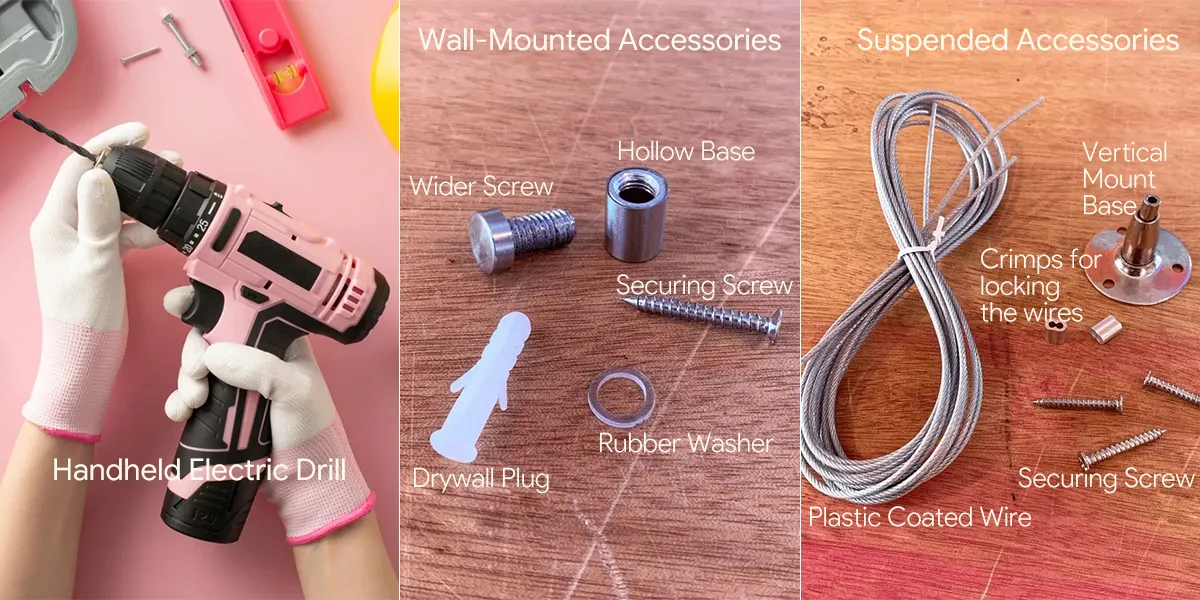
Mettre de côté 15 minutes pour une inspection avant l'installation avant de percer peut économiser des heures de retouche. Avant de monter le panneau sur le mur, assurez-vous de vérifier la surface de montage, l'alimentation, le poids du panneau et sa cote de protection IP. La grande majorité des pannes d'installation découlent du fait de sauter la vérification de la pré-installation, plutôt que des problèmes de qualité avec le panneau lui-même.
Outils et matériel requis
Les installations extérieures ont des spécifications strictes pour chaque composant. Les installateurs professionnels utilisent la configuration suivante :
| Outil / élément | Spécification ou type requis | Pourquoi c'est important |
| Forage + foret de maçonnerie | 6mm pour M6 — 8mm pour les ancres M8 | Les trous sous-dimensionnés réduisent la résistance à l'arrachement dans la maçonnerie |
| Ancres de boulons Rawl | M6 moins de 10 kg — M8 pour 10 à 20 kg | Une mauvaise qualité se desserre sous une vibration soutenue du vent |
| Entretoises de baril | 20–25mm de longueur | Pas de contre-interruption = pas d'espace de drainage = condensation emprisonnée derrière le panneau |
| Connecteurs étanches IP68 | Type de gel ou thermorétractable | Chaque point d'épissure extérieure sans étanchéité IP68 est un défaut futur |
| Conduit ondulé UV | Polypropylène – Non PVC standard | Fissures de PVC noir standard sous UV dans les 2 à 3 ans |
| Prise extérieure protégée par GFCI | Prise extérieure pour les intempéries | Nécessaire pour tout circuit électrique dans la zone humide — non optionnel |
De plus, vous aurez besoin d'un niveau (600 mm ou plus), d'un dénudé (pour 12 à 24 AWG), d'un ruban auto-fusion et d'un scellant extérieur transparent.
Liste de vérifications avant l'installation
| Quoi vérifier | Que rechercher | Risque de saut |
| Classement IP de Néon Flex | Minimum IP67 en silicone | L'eau atteint les joints de soudure internes — Défaut LED |
| Indice IP des connecteurs | IP68 à chaque jonction extérieure | Les connecteurs moins bien notés se corrodes en une seule saison humide |
| puissance totale | Bande W/m × mètres totaux + 20% | Le conducteur sous-dimensionné surchauffe et échoue avant que le signe ne |
| surface de montage | Brique, maçonnerie, goujon métallique avec support, bois de construction | Un mauvais type d'ancrage se desserre sous charge |
| GFCI Proximité de sortie | Dans le cadre du passage de câbles de conduit prévu | Les longues courses non protégées créent un risque de choc et une chute de tension |
| Exigence de permis locale | Règles de signalisation de façade ou de façade commerciale | Les panneaux commerciaux non autorisés peuvent être commandés |
| Test de signe avant le montage | Courez pendant 15 à 20 minutes au niveau du sol | Défaut détecté après le montage signifie une réinstallation complète |
Comprendre les spécifications de votre signe
Avant d'utiliser une perceuse électrique, veuillez confirmer les quatre paramètres suivants : ils déterminent toutes les décisions de matériel et de câblage ultérieurs.
- Indice de tube flexible extérieur minimum: IP67 gainé de silicone SMD2835, 120 LED/mètre.
- Tension d'entrée: 12V ou DC 24V—Il est strictement interdit de connecter directement le tube flexible à LED à l'alimentation secteur.
- consommation d'énergie: environ 10 W/mètre (tube néon en silicone 8 x 16 mm).
- plaque arrière: Feuille acrylique pré-percée—Ne percez pas vous-même les trous à proximité des canaux LED.
Pour garantir la qualité, la bande de néon imperméable IP67 et son matières Posséder les propriétés de protection nécessaires pour répondre aux exigences d'une utilisation à long terme en extérieur dans les environnements côtiers de la pluie, de la neige et des humides.
Installation murale ou suspendue : quelle option convient à votre installation extérieure
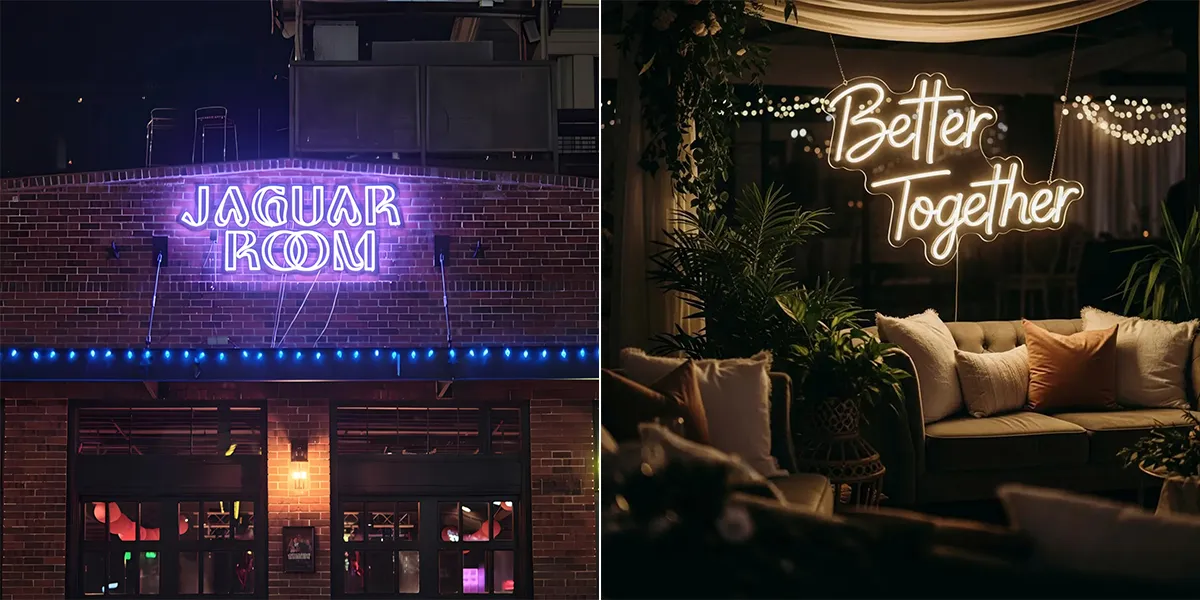
Le choix entre une installation murale et une installation suspendue affecte les exigences structurelles, la résistance aux intempéries et la fiabilité à long terme.
Le tableau ci-dessous compare les deux méthodes :
| Facteur | fixation murale | Support suspendu / suspendu |
| Meilleur pour | Signalisation de façade permanente, devantures de magasins, murs en briques/maçonnerie | Installations sous-toit, auvents, allées couvertes, espaces extérieurs à l'intérieur |
| Exigence structurelle | Surface de mur solide avec le type d'ancrage approprié | Solives de plafond, poutre ou structure de plafond renforcée |
| protection contre les intem | Signe exposé à la pluie et au soleil directs - Nécessite une cote IP67/IP68 complète | Le surplomb naturel fournit un certain blindage, mais la cote extérieure complète est toujours requise |
| Résistance à la charge de vent | Excellent — signe attaché directement à la structure | Modéré — Le matériel suspendu doit être évalué pour le balancement induit par le vent |
| Exigence de drainage | Critique : doit utiliser des entretoises de sécurité (20 à 25 mm) pour créer un entrefer | La gravité assiste le drainage, mais le corps du signe a toujours besoin de trous de pleurs |
| Complexité de l' | Modéré — Perceuse, Ancres, Défoncements | Plus élevé — Nécessite un accès aérien, une vérification de la cote de charge |
| effet esthétique | Aspect épuré et affleurant avec un aspect flottant subtil via des impasses | Effet « flottant » — le signe apparaît suspendu dans l'espace |
Installation murale : recommandée pour la plupart des paramètres extérieurs
L'installation murale est la méthode préférée pour les panneaux extérieurs permanents sur les murs en brique, le béton ou les murs extérieurs à ossature métallique des bâtiments commerciaux. Il offre une résistance supérieure aux charges de vent, ce qui est essentiel pour les emplacements non obstrués. Assurez-vous d'utiliser des obstacles en forme de tonneau (20 à 25 mm) pour créer un espace entre la plaque de fond en acrylique et le mur. Sans cet espace, la condensation se coince et s'infiltre dans les canaux LED.
Installation suspendue : convient aux emplacements extérieurs abrités
L'installation suspendue convient aux endroits tels que les auvents, les porches, les porches encastrés ou les balcons couverts. L'abri aérien réduit l'intrusion directe d'humidité, mais le panneau lui-même doit toujours avoir une cote de protection adaptée à l'humidité et aux projections d'eau. Veuillez envisager d'utiliser des câbles de suspension robustes avec une capacité de charge suffisante (au moins deux fois le poids du panneau) et de la quincaillerie en acier inoxydable.
Si vous souhaitez obtenir une esthétique « flottante » sous un auvent, un porche ou un cadre extérieur couvert (comme un jardin à bière ou un auvent d'allée d'hôtel), une installation suspendue peut produire l'effet souhaité sans compromettre la durabilité. Assurez-vous de vérifier la capacité de charge de la structure aérienne avant l'installation. Pour les environnements côtiers à forte humidité, spécifiez la quincaillerie de suspension en acier inoxydable plutôt que la quincaillerie galvanisée standard.
Câblage étanche : c'est l'étape que la plupart des gens se trompent
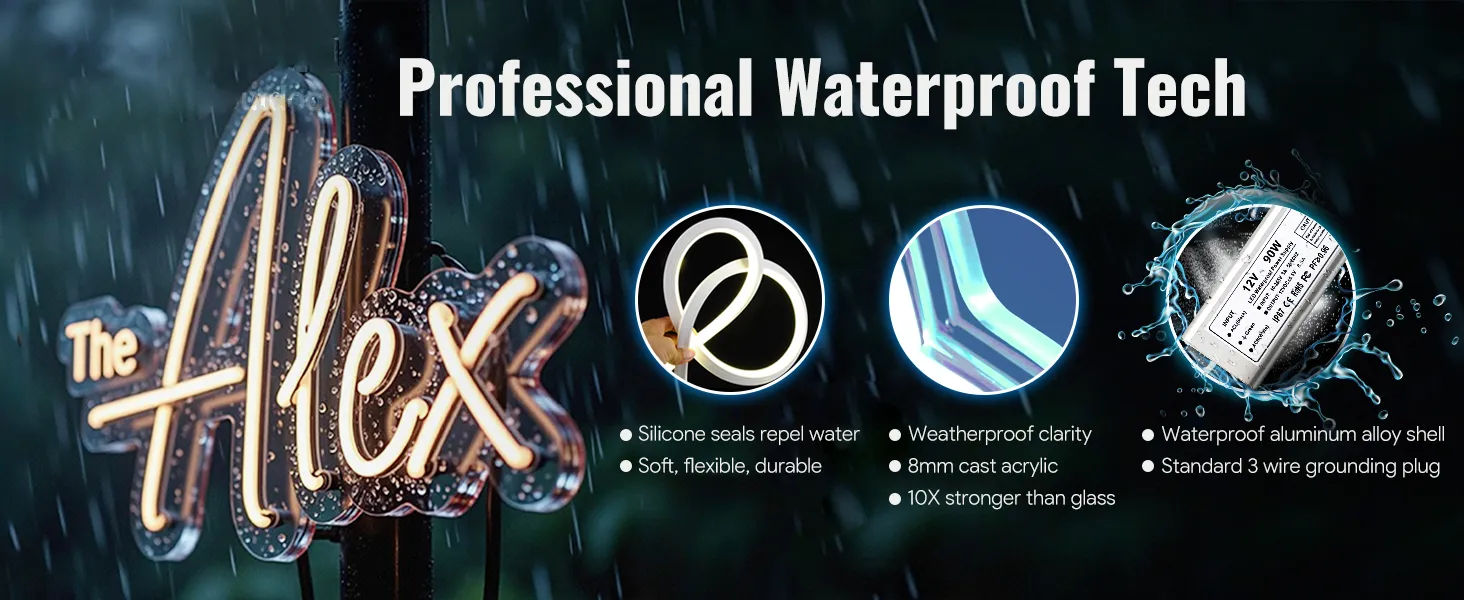
C'est l'étape que la plupart des gens sautent, et c'est précisément la cause profonde des problèmes de condensation qui surviennent au cours de la première année.
Pourquoi les conduits standard en PVC échouent
Le conduit noir standard en PVC n'est pas traité avec des stabilisateurs UV. Après 2 à 3 ans d'exposition au soleil, il devient cassant et se fissure, exposant les câbles internes à l'humidité. Veuillez utiliser des tubes ondulés en polypropylène résistant aux UV (PP) pour tous les câbles externes.
Connecteur Résistance à l'eau : IP67 est insuffisant pour les connexions extérieures
Les connecteurs IP67 peuvent résister à une immersion temporaire (1 mètre sous l'eau pendant 30 minutes). Cependant, pour les connexions extérieures permanentes soumises à des cycles répétés de pluie, de condensation, de dilatation et de contraction thermiques, les connecteurs IP68 sont la norme minimale acceptable.
Deux méthodes éprouvées et fiables :
| méthode | Application | interprétation |
| Connecteurs IP68 remplis de gel | Assemblages d'usine pré-terminés | Fiabilité la plus élevée : gel auto-guéris autour des conducteurs |
| thermorétractable avec doublure adhésive + mastic silicone | Épissements et réparations de champ | Nécessite un pistolet thermique et une préparation propre – appliquez du silicone aux deux extrémités du tube |
La défaillance du joint de connecteur représente environ 70% de défauts électriques dans la signalisation extérieure. Pour chaque point de connexion extérieur, utilisez du ruban adhésif auto-fusionné + du ruban électrique résistant aux UV lors de l'installation, ou utilisez une boîte de jonction étanche IP68 avec un presse-étoupe.
Installation de câble d'alimentation sécurisé
Utilisez des tubes ondulés en polypropylène résistant aux UV pour acheminer les câbles d'alimentation. Les câbles laissés sans protection et directement exposés sur les murs extérieurs vieillissent rapidement. Utilisez des presse-étoupes à tous les points d'entrée dans la plaque arrière ou le boîtier du pilote. Le chemin de conduit doit s'incliner légèrement vers la sortie pour éviter l'accumulation d'eau.
Principales exigences de sécurité électrique: Tout le câblage extérieur doit être protégé par une prise de courant ou un disjoncteur GFCI (GFI (circuit de panne de terre))—il s'agit d'une exigence de la NEC (Code national de l'électricité) pour les enseignes dans des endroits humides.
Placement du conducteur : où placer l'alimentation électrique pour une durée de vie plus longue
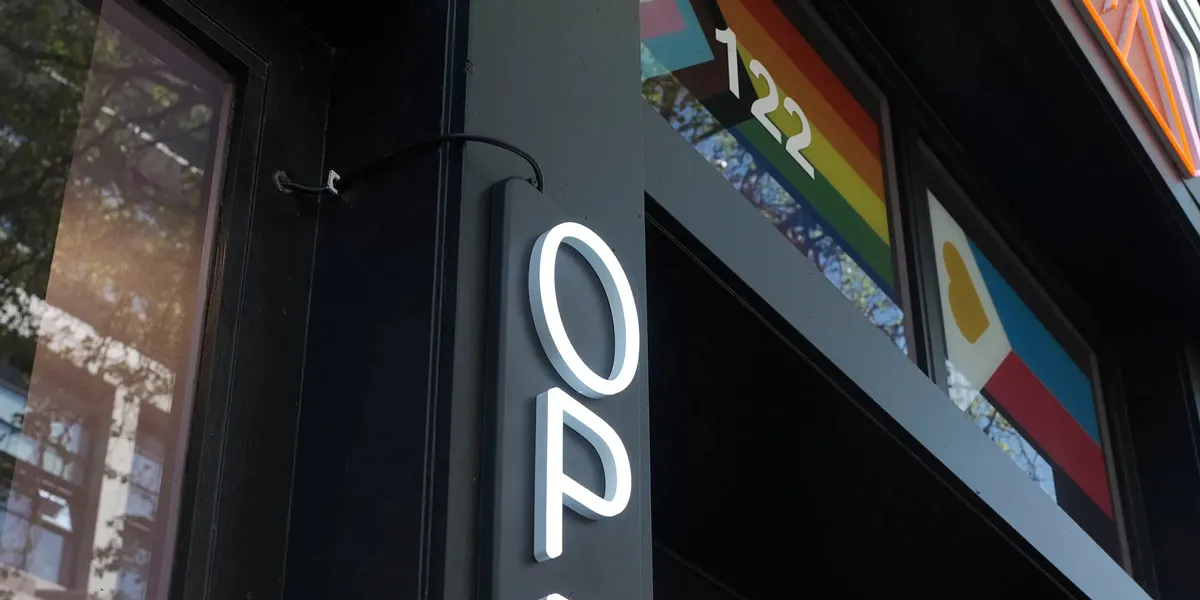
Le chauffeur (Alimentation des LED) est le composant des enseignes au néon extérieurs les plus sensibles à la chaleur. Un bon placement peut étendre considérablement la durée de vie de l'ensemble du système.
règle d'or
Veuillez placer le conducteur dans un endroit bien ventilé, éviter l'exposition directe aux conditions météorologiques difficiles et éviter la lumière directe du soleil.
Options de placement de pilotes — Comparaison
| Emplacement de l'emplacement | Pour | Cons | le mieux pour |
| Bâtiment intérieur (à travers le mur) | Pas d'exposition météorologique, excellente dissipation thermique | Nécessite une pénétration du mur et un conduit | vitrines commerciales, tout climat |
| Enceinte extérieure ventilée (mur ombragé) | Garde la conversion AC/DC à proximité du signe | Le boîtier doit être IP65/IP66 classé avec ventilation | Climats modérés |
| Panneau de signalisation intérieur (scellé) | Aspect le plus propre, pas de boîte externe | Piège la chaleur – raccourcit considérablement la durée de vie du conducteur | Non recommandé pour une utilisation en extérieur |
Exigences de dissipation de chaleur
Les drivers LED génèrent une quantité importante de chaleur pendant le fonctionnement. La plage de températures de fonctionnement standard pour les alimentations est de -40°C à +55°C; cependant, si la température de fonctionnement dépasse la plage optimale de 10°C, la durée de vie du conducteur sera réduite d'environ 50%.
- Pour assurer une ventilation adéquate : Installez l'alimentation sans boîtier supplémentaire dans la mesure du possible.
- N'installez jamais le pilote à l'intérieur d'un boîtier métallique scellé monté sur un mur exposé au soleil.
- Lorsque vous utilisez un interrupteur ou une minuterie sensible à la lumière, assurez-vous que la puissance est coupée pendant la journée, des températures diurnes plus élevées et un fonctionnement inutile raccourcissent la durée de vie du conducteur.
Meilleures pratiques pour la gestion thermique
Lorsque le pilote doit être placé à l'extérieur, utilisez un boîtier ventilé IP65 ou IP66 et installez-le dans un endroit ombragé (sous un auvent, sur un mur orienté nord ou à l'intérieur d'une armoire électrique verrouillable). Pour les environnements à haute température (climats désertiques, zones avec une forte exposition occidentale), envisagez d'utiliser des boîtiers avec refroidissement actif ou refroidissement thermoélectrique.
Directives sur la capacité énergétique
Sélectionnez un pilote avec une puissance nominale supérieure à 20% au moins à la puissance totale calculée (puissance du tube LED en W/m × longueur totale en mètres × 1,2). Pour les tubes de plus de 10 mètres, utilisez une alimentation en alimentation à double extrémité ou en parallèle pour éviter les chutes de tension. Les chutes de tension sur de longues lignes DC peuvent entraîner une atténuation à l'extrémité la plus éloignée.
Drainage et ventilation : deux exigences de conception facilement négligées
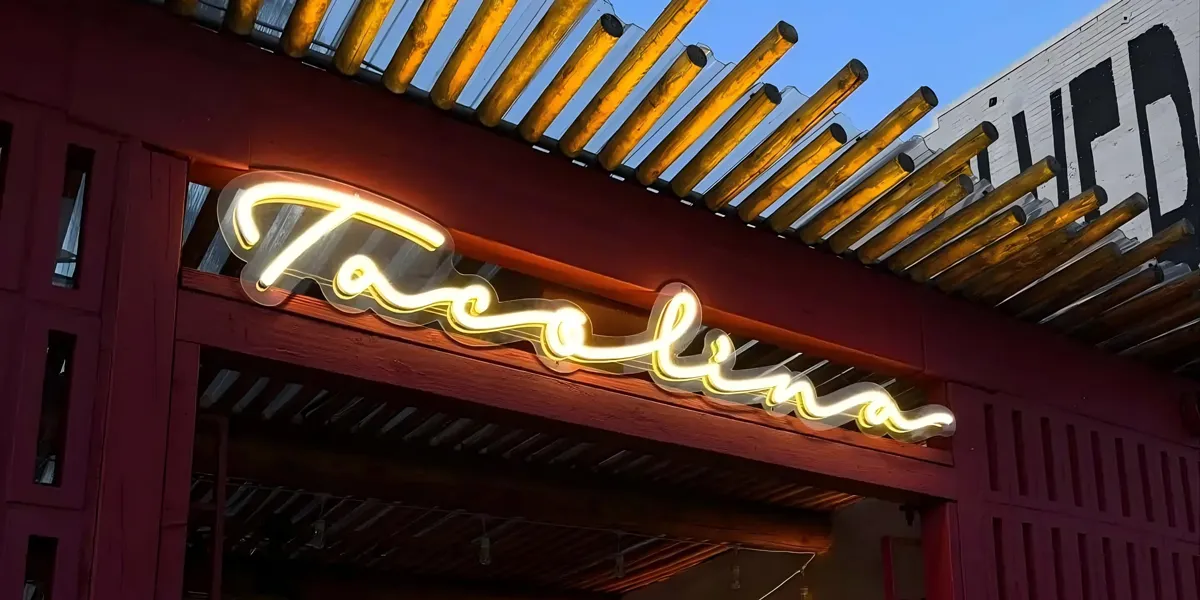
La condensation est le tueur silencieux des panneaux extérieurs. Lorsqu'un panneau chaud se refroidit la nuit, toute humidité emprisonnée à l'intérieur de la cavité de la plaque arrière se condense en eau liquide. Sans drainage et ventilation appropriés, cette eau s'accumule, corrode les connecteurs et se déplace dans le tube LED via une action capillaire, entraînant une défaillance prématurée.
Drainage : la nécessité des socles d'espacement
L'erreur de drainage la plus courante : installer la plaque arrière contre le mur. Ne faites jamais cela. Utilisez des socles d'entretoises en forme de tonneau d'au moins 20 à 25 mm de long et installez-les entre la plaque arrière et la surface de montage.
Trous de drainage—Exigences des codes électriques
L'article 600.9(d) de la NEC stipule que les panneaux et les systèmes d'éclairage installés dans des endroits humides doivent être résistants aux intempéries et doivent avoir des trous de drainage. Pour tout panneau de signalisation installé à l'extérieur, même sous un auvent ou un toit, des trous de drainage d'un diamètre de 1/4 à 1/2 pouce (6–12 mm) doivent être fournis à chaque point le plus bas ou dans une zone de faible allongement isolée.
Liste de vérification des trous de drainage :
- Repérez les trous de drainage aux points les plus bas de la cavité de la plaque arrière.
- Assurez-vous qu'aucun objet externe (matériel de montage, scellant ou garniture) ne bloque le chemin de drainage.
- Inclure au moins 2 trous de drainage; Augmentez le nombre de grands panneaux ou de plusieurs zones basses.
- Évitez de placer des trous de drainage directement au-dessus des composants électriques ou des conducteurs exposés.
Ventilation : empêcher les dommages causés par la chaleur
La chaleur accélère la dépréciation de la lumière LED, le vieillissement de la gaine en silicone et les dommages aux condensateurs du conducteur. Évitez d'utiliser des enceintes scellées qui emprisonnent la chaleur et assurent une ventilation adéquate. Pour les conceptions de plaques arrière en acrylique sans fentes de ventilation, envisagez d'intégrer des évents (couverts de maillage) en haut et en bas pour favoriser un refroidissement par convectif.
Meilleures pratiques de ventilation :
- Maintenez un entrefer derrière le panneau (obtenu à l'aide de colonnes d'espacement).
- Évitez de monter le panneau sur des surfaces de couleur foncée absorbant la chaleur (briques foncées et panneaux métalliques noirs).
- Fournir des évents en haut pour permettre à l'air chaud de s'échapper.
- Pour les panneaux de grande ou de grande puissance (500 W ou plus), envisagez une ventilation forcée.
Protection et maintenance UV
Les manchons en silicone sont plus résistant aux UV que le PVC, mais tous les plastiques exposés à l'extérieur vieillissent avec le temps.
Liste de contrôle d'inspection annuelle :
- Vérifiez les manchons en silicone pour les fissures de surface ou la craie.
- Vérifiez que le tube ondulé n'est pas embrouillé pour la fragilité induite par les UV, remplacez-le s'il est fissuré.
- Vérifiez que les colonnes d'espacement sont sécurisées et que les chemins de drainage sont dégagés.
- Débarrasser les débris et les insectes des trous de drainage.
Erreurs d'installation courantes entraînant des pannes précoces
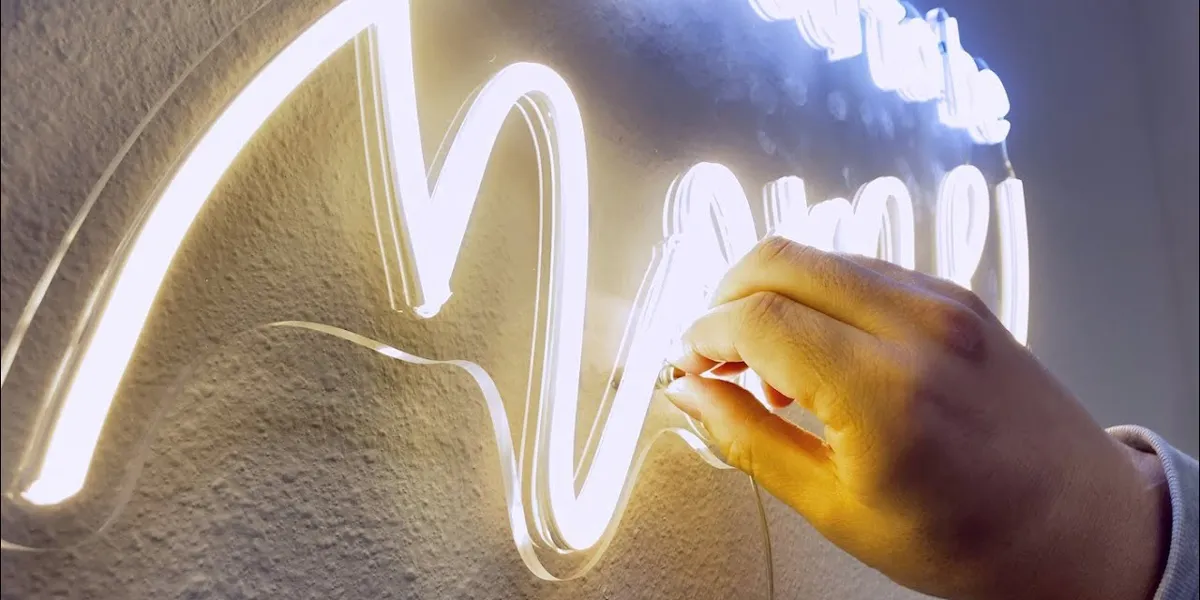
Les installateurs professionnels rencontrent à plusieurs reprises les mêmes échecs. Les huit erreurs suivantes sont les principales causes de défaillances des enseignes au néon en plein air au cours de la première année :
| se méprendre | Pourquoi ça échoue | la solution |
| Sauter la protection GFCI | Le circuit extérieur humide sans GFCI crée un risque d'électrocution | Utiliser une prise ou un disjoncteur protégé par GFCI — Code requis |
| Montage encastré (pas de contre-pied) | Condensation piégée derrière le signe → entrée d'eau → corrosion | 20 à 25 mm de barillet sur tous les points de montage |
| Utilisation de conduits en PVC standard à l'extérieur | Fissures de PVC noir sous UV en 2 à 3 ans → Câblage exposé | Conduit en polypropylène UV uniquement |
| Conducteur sous-dimensionné (pas de hauteur libre) | Le conducteur fonctionne à 100% en continu → Surchauffe → Défaut prématuré | Ajouter 20% Headroom à la puissance calculée |
| Pas de trous de drain dans le panneau arrière | L'eau accumulée n'a pas de trajectoire de sortie → Mise en commun et panne de connecteur | Ajoutez des trous de pleurs à tous les points bas (1/4–1/2″) |
| Utilisation de connecteurs à l'intérieur | Les connecteurs non IP68 se corrodent en une seule saison humide | Connecteurs IP68 remplis de gel ou thermorétractables à chaque épissure |
| Perçage de nouveaux trous dans le panneau acrylique | Les fissures se propagent à partir des points de forage → défaillance structurelle → chute du signe | Utilisez uniquement des trous de montage pré-percés en usine |
| Signe suspendu du tube LED directement | Tube non porteur → Splits chez la veste en silicone | Montez toujours via un panneau ou un châssis en acrylique |
Notes supplémentaires sur les codes électriques
Pour les installations en Amérique du Nord, l'article 600 de la NEC (Signes électriques et éclairage de contour) spécifie les exigences clés suivantes :
- Le circuit de branchement fournissant de l'énergie au panneau ne doit pas dépasser un courant nominal de 30 A.
- Tous les conduits extérieurs doivent être résistants aux intempéries.
- Les transformateurs et les alimentations électriques doivent être équipés d'une protection contre les surintensités.
- Toutes les connexions électriques extérieures doivent utiliser des boîtiers résistants aux intempéries.
Pour les installations en Europe, les exigences équivalentes suivent la norme CEI 60529 (Notes de protection IP) et les codes locaux du bâtiment. Veuillez consulter votre inspecteur en électricité avant de finaliser votre plan d'installation.
Guide des cotes de protection de l'environnement en plein air
Lors de la sélection, de l'achat ou de l'inspection des enseignes au néon d'extérieur, il est essentiel de bien comprendre Cotes de protection IP:
| Indice de protection IP | protection contre la poussière | Protection de l'eau | adapté pour |
| IP44 | Protégé >1 mm | éclabousser de l'eau de n'importe quelle | Patios couverts, zones intérieures adjacentes uniquement - pas entièrement à l'extérieur |
| IP65 | étanche à la poussière | Jets d'eau à basse pression | Monté sous les avant-toits, exposition directe limitée par pluie |
| IP67 | étanche à la poussière | Immersion temporaire (1 m pendant 30 min) | La plupart des panneaux de signalisation en plein air — Pluie, neige, nettoyage dirigé par des tuyaux |
| IP68 | étanche à la poussière | Immersion continue (au-delà de 1 m) | Exposition extrême — Fontaines, zones d'éclaboussures côtières, applications submergées |
Pour les panneaux extérieurs permanents exposés à la pluie, à la neige et aux fluctuations de température saisonnières importantes, les bandes de lumière au néon flexibles gainées de silicone IP67 sont la norme minimale de l'industrie. Si l'application implique un risque d'accumulation d'eau, nécessite un nettoyage direct avec un jet d'eau à haute pression ou est situé dans un environnement côtier, les produits classés IP68 sont recommandés.
Calendrier de maintenance post-installation
Une fois l'installation terminée, veuillez suivre le calendrier annuel d'entretien ci-dessous pour maximiser la durée de vie du produit :
- mensuel: Inspection visuelle—Vérifier les gradations, les scintillements ou les sections LED mortes.
- trimestriel: Nettoyez la veste en silicone avec de l'eau douce et du savon. Éliminez la saleté accumulée qui retient la chaleur.
- semestriellement: Inspectez les trous de drainage : éliminez les débris ou les nids d'insectes. Vérifiez le conduit pour les dommages aux UV.
- annuellement: Vérifiez le couple d'entretoise de sécurité ; inspectez le mastic autour de tous les points d'entrée ; vérifiez le boîtier du conducteur pour la pénétration d'eau.
Conclusion
L'installation de panneaux de néons LED extérieurs en toute sécurité n'est pas compliquée, mais c'est une tâche technique. Qu'un signe dure cinq ans ou tombe en panne après six mois, il faut savoir quelques détails clés : la cote de protection correcte (IP67 minimum pour les tubes au néon et IP68 pour les connecteurs), les colonnes d'isolation en forme de tonneau pour créer un entrefer de drainage, des tubes ondulés résistants aux UV, un placement prudent des conducteurs pour assurer la ventilation et la protection contre la lumière directe du soleil, et l'installation de trous de drainage dans toutes les zones basses.
Pour les chefs de projet, les professionnels des installations et les propriétaires d'entreprise qui ont besoin d'acheter des enseignes au néon en plein air, ces exigences techniques doivent être clairement confirmées avant l'achat, plutôt que d'improviser des solutions lors de l'installation. N'hésitez pas à demander à votre fournisseur :
- Quelle est la cote IP du tube au néon lui-même ? Quelle est la cote des connecteurs pré-assemblés ?
- En fonction de la longueur totale du signe, quelle est la marge de puissance recommandée pour le conducteur ?
- Le panneau comprend-il des trous de montage pré-percés en usine et des dispositions pour les poteaux d'isolement ?
- Les trous de drainage sont-ils déjà intégrés dans la conception de la plaque arrière ?
Lorsque vous recevez des réponses spécifiques à ces questions, étayées par une documentation technique, plutôt que des assurances verbales générales, vous travaillez avec un fournisseur qui comprend vraiment l'ingénierie des enseignes extérieures, et pas seulement un fournisseur vendant des tubes lumineux.
Pour Enseignes néon LED extérieures personnalisées Les normes IP67/IP68, qui correspondent à la correspondance des pilotes testées en usine et incorporent des structures de drainage préconçues, Signiteled peut fournir une documentation technique et une consultation directe de projet pour des projets d'installation commerciale dans le monde entier.
FAQ
Articles Similaires