Italiano
  English
  简体中文
简体中文  Deutsch
  Español
  Français
  日本語
日本語  한국어
한국어  Polski
  Português
  Русский
  Türkçe
  Nederlands
  Tiếng Việt
  ไทย
ไทย 
Le insegne a LED per esterni sono progettate per resistere a varie condizioni meteorologiche, ma solo se installate correttamente. I segni stessi raramente falliscono prima. I primi componenti da guastare sono quasi sempre punti di cablaggio con connettori errati, contenitori di driver senza guarnizioni o pannelli posteriori installati direttamente contro la parete (senza spazio di drenaggio).
Questo articolo fornisce una guida completa per l'installazione sicura di Insegne al neon a LED per esterni, coprendo tutto, dalla pianificazione della preinstallazione e la preparazione degli strumenti ai metodi di installazione, al cablaggio impermeabile, al posizionamento del driver, al drenaggio e alla ventilazione, nonché agli errori comuni che portano a guasti precoci. Per aziende e installatori che cercano una segnaletica esterna affidabile, questo articolo funge da manuale tecnico.
Pianifica in anticipo prima di iniziare l'installazione
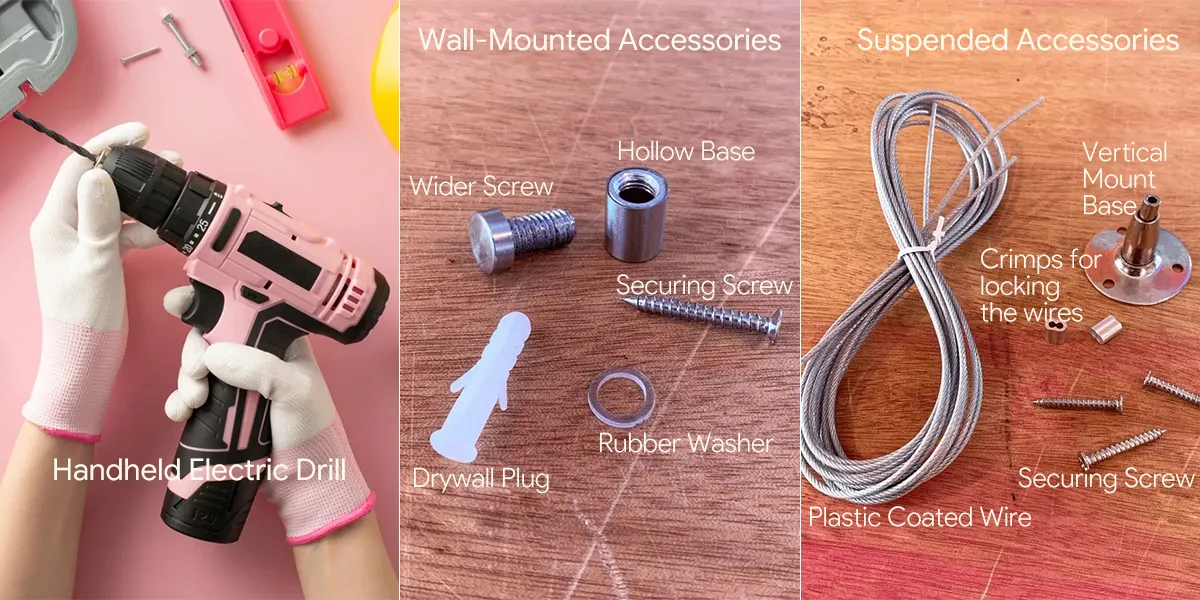
Mettere da parte 15 minuti per un'ispezione di preinstallazione prima della perforazione può risparmiare ore di rilavorazione. Prima di montare il cartello sul muro, verificare la superficie di montaggio, l'alimentatore, il peso del segno e il suo grado di protezione IP. La stragrande maggioranza dei guasti all'installazione deriva dal saltare il controllo di preinstallazione, piuttosto che da problemi di qualità con il segno stesso.
Strumenti e hardware richiesti
Le installazioni esterne hanno specifiche rigorose per ogni componente. Gli installatori professionisti utilizzano la seguente configurazione:
| Strumento / oggetto | Specifiche o tipo richiesti | Perché è importante |
| trapano + punta in muratura | 6 mm per M6 - 8 mm per ancoraggi M8 | I fori sottodimensionati riducono la resistenza all'estrazione dell'ancora nella muratura |
| Ancoraggi per bulloni Rawl | M6 sotto 10 kg - M8 per 10-20 kg | Il grado sbagliato si allenta sotto la vibrazione del vento sostenuta |
| Distanziatori di stallo a barilotto | 20–25 mm di lunghezza | Nessuna staccata = nessuna fessura di drenaggio = condensa intrappolata dietro la tavola |
| Connettori impermeabili IP68 | Tipo di gel o termoretraibile | Ogni punto di giunzione all'aperto senza sigillatura IP68 è un guasto futuro |
| Conduit ondulato con classificazione UV | Polipropilene - PVC non standard | Crepe in PVC nero standard sotto UV entro 2-3 anni |
| Presa esterna protetta da GFCI | Presa esterna con classificazione meteorologica | Richiesto per qualsiasi circuito elettrico ad area umida, non opzionale |
Inoltre, avrai bisogno di: un livello (600 mm o più), spelafili (per 12–24 AWG), nastro autofusibile e sigillante in silicone trasparente.
Lista di controllo pre-installazione
| Cosa controllare | Cosa cercare | Rischio di saltare |
| Grado di IP di Neon Flex | Minima giacca in silicone IP67 | L'acqua raggiunge i giunti di saldatura interni - Guasto a LED |
| Grado di IP dei connettori | IP68 ad ogni giunzione all'aperto | I connettori con rating inferiore si corrodono entro una stagione delle piogge |
| potenza totale | Striscia W/m × Metri totali + 20% Headrop | Il driver sottodimensionato si surriscalda e si guasta prima che lo faccia il segno |
| superficie di montaggio | Mattoni, muratura, perno metallico con supporto, legno strutturale | Tipo di ancoraggio sbagliato si allenta sotto carico |
| Prossimità di uscita GFCI | All'interno del cavo di conduit pianificato | I lunghi percorsi non protetti creano rischio di urto e caduta di tensione |
| Requisito di permesso locale | Regole di segnaletica per facciate in negozio o commerciali | I segni commerciali non consentiti possono essere ordinati |
| Prova del segno prima del montaggio | Corri per 15-20 minuti a livello del suolo | Guasto rilevato dopo il montaggio significa una reinstallazione completa |
Comprendi le specifiche del tuo segno
Prima di utilizzare un trapano elettrico, confermare i seguenti quattro parametri: determinano tutte le decisioni successive sull'hardware e sul cablaggio.
- Valutazione minima del tubo flessibile per esterni: IP67 SMD2835 con rivestimento in silicone, 120 LED/metro.
- Tensione d'ingresso: DC 12V o DC 24V: è severamente vietato collegare il tubo flessibile a LED direttamente all'alimentazione di rete CA.
- consumo di energia: circa 10W/metro (tubo neon in silicone 8×16 mm).
- piastra posteriore: Foglio acrilico preforato: non praticare fori vicino ai canali LED.
Per garantire la qualità, la striscia al neon impermeabile con classificazione IP67 e il suo materiale Possedere le proprietà protettive necessarie per soddisfare le esigenze dell'uso all'aperto a lungo termine in ambienti costieri piovosi, nevicati e umidi.
Installazione a parete vs. Installazione sospesa: quale opzione è giusta per la tua installazione all'aperto
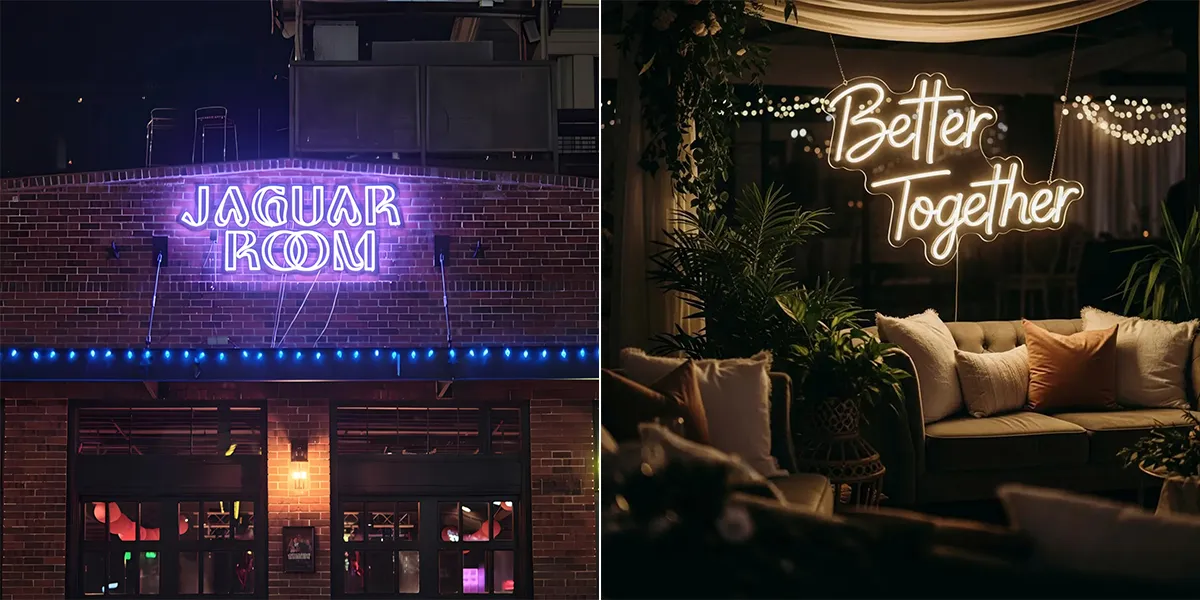
La scelta tra l'installazione a parete e quella sospesa influisce sui requisiti strutturali, sulla resistenza agli agenti atmosferici e sull'affidabilità a lungo termine.
La tabella seguente confronta i due metodi:
| Fattore | montepremi | Supporto sospeso / sospeso |
| Il migliore per | Segnaletica permanente per facciate, vetrine, pareti in muratura | Installazioni sotto-eve, tende da sole, passerelle coperte, spazi esterni adiacenti per interni |
| Requisito strutturale | Superficie di parete solida con un tipo di ancoraggio appropriato | Travicelli a soffitto, trave o struttura sopraelevata rinforzata |
| protezione dagli agenti atmo | Segno esposto a pioggia e sole diretti — richiede una valutazione completa IP67/IP68 | La sporgenza naturale fornisce alcune schermature, ma la valutazione all'aperto completa è ancora richiesta |
| Resistenza al vento | Eccellente — Segno fissato direttamente alla struttura | Moderato: l'hardware per appendere deve essere valutato per l'oscillazione indotto dal vento |
| Requisito di drenaggio | Critico: deve utilizzare distanziatori di stallo (20–25 mm) per creare traferro | La gravità aiuta il drenaggio, ma il corpo del segno ha ancora bisogno di buchi di pianto |
| Complessità di installazione | Moderato: trapano, ancoraggi, distanziatori | Più in alto: richiede l'accesso all'overhead, verifica della valutazione del carico |
| effetto estetico | Aspetto pulito e a filo con un sottile aspetto fluttuante tramite stalli | Effetto "Floating" - Il segno appare sospeso nello spazio |
Installazione a parete: consigliata per la maggior parte delle impostazioni esterne
L'installazione a parete è il metodo preferito per i segni permanenti per esterni su pareti di mattoni, cemento o pareti esterne con struttura in metallo di edifici commerciali. Offre una resistenza superiore ai carichi del vento, che è fondamentale per le posizioni non ostruite. Assicurati di utilizzare distanziatori a forma di botte (20–25 mm) per creare un traferro tra la piastra posteriore in acrilico e la parete: senza questo spazio, la condensa rimarrà intrappolata e filtra nei canali LED.
Installazione sospesa: adatta per luoghi all'aperto riparati
L'installazione sospesa è adatta per luoghi come tettoie, portici, portici d'ingresso incassati o balconi coperti. Il riparo a testa in giù riduce l'intrusione diretta di umidità, ma il segno stesso deve ancora avere un grado di protezione adatto all'umidità e agli schizzi d'acqua. Si prega di considerare l'utilizzo di cavi di sospensione per impieghi gravosi con capacità di carico sufficiente (almeno il doppio del segno) e ferramenta in acciaio inossidabile.
Se desideri ottenere un'estetica "fluttuante" sotto un baldacchino, un portico o un ambiente esterno coperto (come una birreria all'aperto o un baldacchino del vialetto dell'hotel), un'installazione sospesa può offrire l'effetto desiderato senza compromettere la durata. Assicurarsi di verificare la capacità portante della struttura sopraelevata prima dell'installazione. Per ambienti costieri con elevata umidità, specificare l'hardware di sospensione in acciaio inossidabile anziché hardware zincato standard.
Cablaggio impermeabile: questo è il passo che la maggior parte delle persone sbaglia
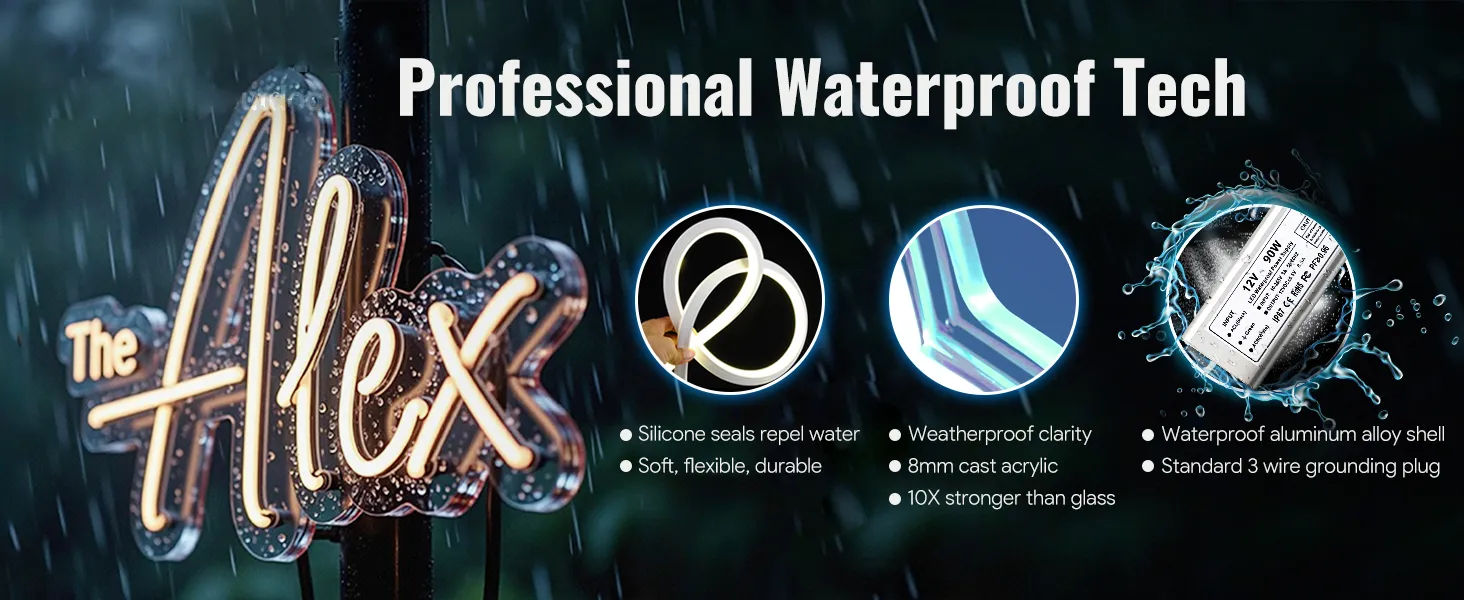
Questo è il passo che la maggior parte delle persone salta, ed è proprio la causa principale dei problemi di condensa che si verificano entro il primo anno.
Perché il condotto standard in PVC si guasta
Il condotto standard in PVC nero non è trattato con stabilizzatori UV. Dopo 2-3 anni di esposizione alla luce solare diretta, diventa fragile e si incrina, esponendo i cavi interni all'umidità. Utilizzare tubi corrugati in polipropilene (PP) resistenti ai raggi UV per tutti i cavi esterni.
Resistenza all'acqua del connettore: IP67 è insufficiente per i collegamenti esterni
I connettori IP67 possono resistere all'immersione temporanea (1 metro sott'acqua per 30 minuti). Tuttavia, per i collegamenti permanenti all'esterno soggetti a cicli ripetuti di pioggia, condensa, dilatazione e contrazione termica, i connettori IP68 sono lo standard minimo accettabile.
Due metodi collaudati e affidabili:
| metodo | Applicazione | prestazione |
| Connettori IP68 riempiti di gel | Assemblaggi pre-terminati di fabbrica | Massima affidabilità: gel autoguarigione intorno ai conduttori |
| termoretraibile con rivestimento adesivo + sigillante siliconico | Giunzioni e riparazioni sul campo | Richiede pistola termica e preparazione pulita: applicare il silicone su entrambe le estremità del tubo |
Guasto del sigillo del connettore rappresenta circa 70% di guasti elettrici nella segnaletica esterna. Per ogni punto di connessione all'aperto, utilizzare nastro autofusibile + nastro elettrico resistente ai raggi UV durante l'installazione, oppure utilizzare una scatola di giunzione impermeabile con grado di protezione IP68 con un pressacavo.
Installazione sicura del cavo di alimentazione
Utilizzare tubi ondulati in polipropilene resistenti ai raggi UV per instradare i cavi di alimentazione: i cavi non protetti e direttamente esposti sulle pareti esterne invecchieranno rapidamente. Utilizzare pressacavi in tutti i punti di ingresso nella piastra posteriore del segno o nel contenitore del driver. Il percorso del condotto dovrebbe inclinarsi leggermente verso l'uscita per prevenire l'accumulo di acqua.
Requisiti chiave per la sicurezza elettrica: Tutti i cavi esterni devono essere protetti da una presa GFCI (Ground Fault Circuit Interrupter) o da un interruttore automatico: questo è un requisito di NEC (National Electrical Code) articolo 600 per i segnali in luoghi di umidità.
Posizionamento del conducente: dove posizionare l'alimentatore per una durata maggiore
l'autista (Alimentazione a LED) è il componente nelle insegne al neon all'aperto più sensibile al calore. Il corretto posizionamento può prolungare significativamente la durata dell'intero sistema.
Regola d'oro
Si prega di posizionare il conducente in un luogo ben ventilato, evitare l'esposizione diretta a condizioni meteorologiche avverse ed evitare la luce solare diretta.
Opzioni di posizionamento del driver - Confronto
| Posizione del posizionamento | Pro | Contro | Meglio per |
| Edificio interno (attraverso la parete) | Nessuna esposizione meteorologica, eccellente dissipazione del calore | Richiede penetrazione della parete e condotto | vetrine commerciali, qualsiasi clima |
| Custodia esterna ventilata (parete ombreggiata) | Mantiene la conversione AC/DC vicino al segno | L'armadio deve essere classificato IP65/IP66 con ventilazione | Climi moderati |
| Tabellone interno del segno (sigillato) | Aspetto più pulito, nessuna scatola esterna | Trappole calore - riduce significativamente la vita del conducente | Non consigliato per uso esterno |
Requisiti di dissipazione del calore
I driver LED generano una quantità significativa di calore durante il funzionamento. La gamma di temperature di esercizio standard per gli alimentatori è da -40°C a +55°C, tuttavia, se la temperatura di funzionamento supera di 10°C la durata ottimale della durata del conducente, la durata di servizio del conducente sarà ridotta di circa 50%.
- Per garantire un'adeguata ventilazione: installare l'alimentatore senza un'ulteriore custodia quando possibile.
- Non installare mai il driver all'interno di un contenitore metallico sigillato montato su una parete esposta alla luce solare diretta.
- Quando si utilizza un interruttore o un timer sensibile alla luce, assicurarsi che l'alimentazione sia interrotta durante le ore diurne: temperature diurne più elevate e un funzionamento non necessario ridurranno la durata del conducente.
Migliori pratiche per la gestione termica
Quando il driver deve essere posizionato all'aperto, utilizzare un contenitore ventilato IP65 o IP66 e installarlo in un luogo ombreggiato (sotto un tettuccio, su una parete esposta a nord o all'interno di un armadio elettrico con serratura). Per ambienti ad alta temperatura (climi deserti, aree con grave esposizione occidentale), considerare l'utilizzo di contenitori con raffreddamento attivo o raffreddamento termoelettrico.
Linee guida per la capacità di alimentazione
Seleziona un driver con una potenza nominale superiore almeno a 20% superiore alla potenza totale calcolata (potenza del tubo a LED in W/m × Lunghezza totale in metri × 1,2). Per tubi superiori a 10 metri, utilizzare alimentazione a doppia estremità o parallela per prevenire cadute di tensione: la tensione su linee CC lunghe può causare un'attenuazione all'estremità.
Drenaggio e ventilazione: due requisiti di progettazione facilmente trascurabili
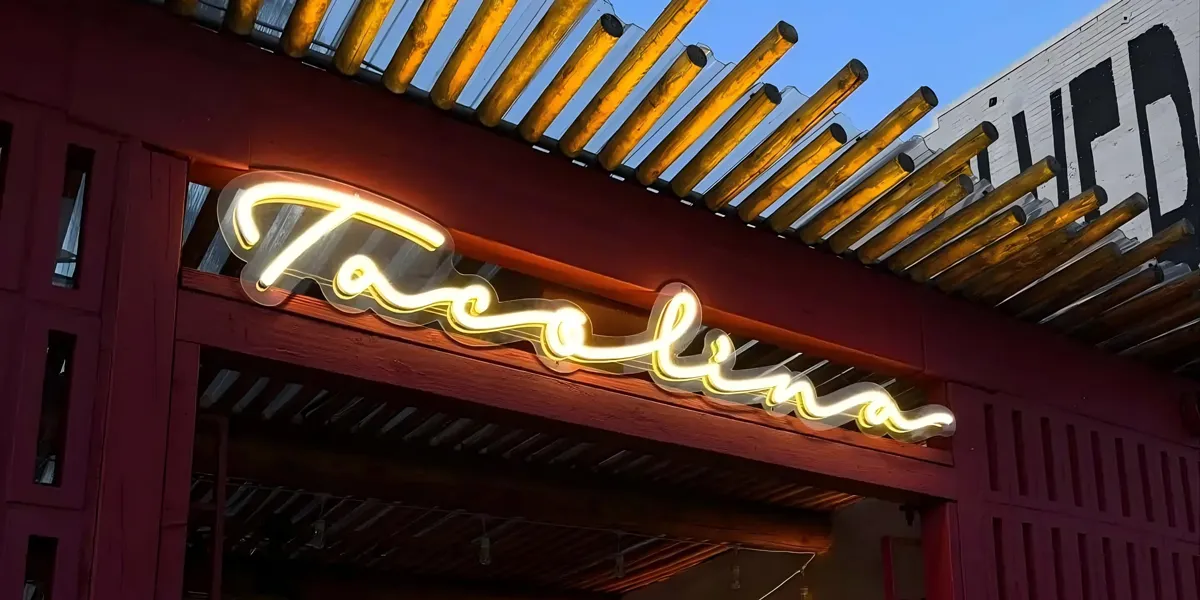
La condensa è l'assassino silenzioso dei segni esterni. Quando un segno caldo si raffredda di notte, l'umidità intrappolata all'interno della cavità della piastra posteriore condensa in acqua liquida. Senza un adeguato drenaggio e ventilazione, quest'acqua si accumula, corrode i connettori e viaggia nel tubo a LED tramite l'azione capillare, causando un guasto prematuro.
drenaggio: la necessità dei supporti distanziatori
L'errore di drenaggio più comune: installare la piastra posteriore a filo contro il muro. Non farlo mai. Utilizzare supporti distanziatori a forma di botte lunghi almeno 20–25 mm e installarli tra la piastra posteriore e la superficie di montaggio.
Fori di drenaggio: requisiti di codici elettrici
NEC L'articolo 600.9(d) stabilisce che i segnali e i sistemi di illuminazione di contorno installati in luoghi umidi devono essere resistenti alle intemperie e devono avere fori di drenaggio. Per qualsiasi involucro di segnaletica installato all'aperto, anche sotto una chioma o un tetto, i fori di drenaggio con un diametro da 1/4 a 1/2 pollice (6–12 mm) devono essere forniti in ogni punto più basso o area bassa isolata.
Lista di controllo del foro di drenaggio:
- Individuare i fori di drenaggio nei punti più bassi della cavità della piastra posteriore.
- Assicurarsi che nessun oggetto esterno (hardware di montaggio, sigillante o trim) blocchi il percorso di drenaggio.
- Includere almeno 2 fori di drenaggio; aumentare il numero di segni di grandi dimensioni o quelli con più aree basse.
- Evitare di posizionare fori di drenaggio direttamente sopra i componenti elettrici oi conduttori esposti.
Ventilazione: prevenire il danno indotto dal calore
Il calore accelera l'ammortamento del lume del LED, l'invecchiamento della guaina in silicone e i danni ai condensatori del conducente. Evitare l'uso di custodie sigillate che intrappolano il calore e garantire un'adeguata ventilazione. Per i disegni della piastra posteriore in acrilico senza fessure di ventilazione, considera l'incorporazione di prese d'aria (coperte di mesh) nella parte superiore e inferiore per favorire il raffreddamento convettivo.
Migliori pratiche di ventilazione:
- Mantenere un traferro dietro il segno (raggiunto utilizzando le colonne distanziatrici).
- Evitare di montare il segno su superfici di colore scuro assorbenti (mattoni di colore scuro e pannelli di metallo nero).
- Fornire prese d'aria nella parte superiore per consentire l'evasione dell'aria calda.
- Per i segnali di grande o alta potenza (500W o più), considera la ventilazione forzata.
Protezione e manutenzione UV
Le maniche in silicone sono di più resistente ai raggi UV rispetto al PVC, ma tutte le plastiche esposte all'esterno invecchieranno nel tempo.
Lista di controllo annuale di ispezione:
- Controllare le maniche in silicone per eventuali fessure superficiali o gessate.
- Controllare il tubo corrugato per la fragilità indotta dai raggi UV: sostituirla se si rompe.
- Verificare che le colonne distanziatrici siano sicure e che i percorsi di drenaggio siano ostruiti.
- Detriti trasparenti e nidi di insetti da fori di drenaggio.
Errori di installazione comuni che portano a errori iniziali
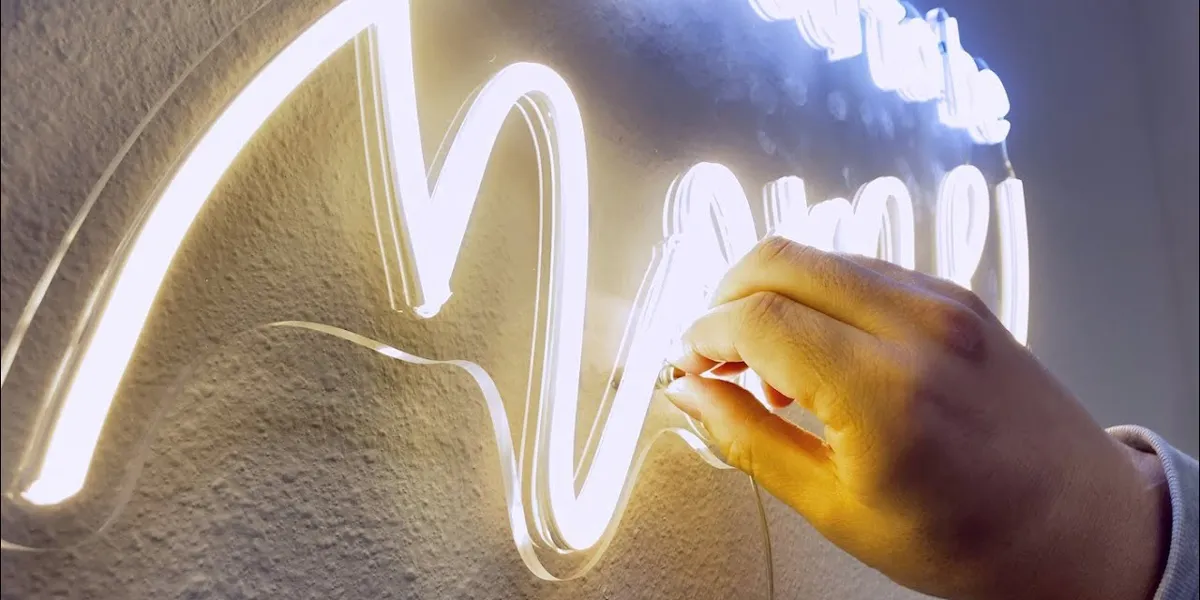
Gli installatori professionisti incontrano ripetutamente gli stessi guasti. I seguenti otto errori sono le principali cause di guasti nelle insegne al neon all'aperto entro il primo anno:
| ingannarsi | Perché fallisce | la correzione |
| Saltare la protezione GFCI | Il circuito all'aperto sul bagnato senza GFCI crea un rischio di elettrocuzione | Utilizzare presa o interruttore protetto da GFCI — codice richiesto |
| Montaggio a incasso (senza stazioni) | Condensa intrappolata dietro il segno → ingresso d'acqua → corrosione | Stalli di 20–25 mm su tutti i punti di montaggio |
| Utilizzo di condotti in PVC standard all'aperto | Crepe in PVC nero sotto UV in 2-3 anni → cablaggio esposto | Solo condotto in polipropilene con classificazione UV |
| Driver sottodimensionato (senza headroom) | Il driver funziona continuamente a 100% → si surriscalda → guasto prematuro | Aggiungi 20% Headroom a Wattaggio calcolato |
| Nessun fori di scarico nel tabellone | L'acqua accumulata non ha percorso di uscita → pooling e guasto del connettore | Aggiungi fori di pianto in tutti i punti bassi (1/4–1/2″) |
| Utilizzo di connettori per interni all'aperto | I connettori non IP68 si corrodono entro una stagione umida | Connettori IP68 riempiti di gel o termoretraibili ad ogni giuntura |
| Praticare nuovi fori nel tabellone acrilico | Le crepe si propagano dai punti di perforazione → cedimento strutturale → cadute di segno | Utilizzare solo fori di montaggio preforati in fabbrica |
| Segno appeso direttamente dal tubo LED | Tubi non portanti → Split su giacca in silicone | Montare sempre tramite tabellone o telaio in acrilico |
Note supplementari sui codici elettrici
Per le installazioni in Nord America, l'articolo 600 NEC (segnaletica elettrica e illuminazione di contorno) specifica i seguenti requisiti chiave:
- Il circuito di derivazione che alimenta il segno non deve superare una corrente nominale di 30 A.
- Tutti i tubi esterni devono essere resistenti alle intemperie.
- Trasformatori e alimentatori devono essere dotati di protezione da sovracorrente.
- Tutti i collegamenti elettrici esterni devono utilizzare custodie resistenti alle intemperie elencate.
Per le installazioni in Europa, seguite i requisiti equivalenti CEI 60529 (valutazioni di protezione IP) e i codici edilizi locali: consultare l'ispettore elettrico prima di finalizzare il piano di installazione.
Guida ai rating di protezione ambientale all'aperto
Quando si seleziona, acquista o ispeziona le insegne al neon all'aperto, è fondamentale comprendere appieno Classi di protezione IP:
| Grado di protezione IP | Protezione antipolvere | Protezione dell'acqua | adatto per |
| IP44 | solidi protetti >1 mm | spruzzare acqua da qualsiasi direzione | Patii coperti, solo aree interne adiacenti, non completamente all'aperto |
| IP65 | a tenuta di polvere | getti d'acqua a bassa pressione | Sospesa a parete sotto grondaie, esposizione diretta alla pioggia limitata |
| IP67 | a tenuta di polvere | Immersione temporanea (1m per 30 min) | La maggior parte della segnaletica all'aperto: pioggia, neve, pulizia diretta a tubo |
| IP68 | a tenuta di polvere | Immersione continua (oltre 1 m) | Esposizione estrema — Fontane, zone di spruzzi costiere, applicazioni sommerse |
Per i segnali permanenti all'aperto esposti a pioggia, neve e significative fluttuazioni stagionali di temperatura, le strisce luminose flessibili al neon con rivestimento in silicone con protezione IP67 sono lo standard minimo del settore; se l'applicazione comporta un rischio di accumulo di acqua, richiede una pulizia diretta con getto d'acqua ad alta pressione o si trova in un ambiente costiero, si consigliano prodotti classificati IP68.
Programma di manutenzione post installazione
Una volta completata l'installazione, segui il programma di manutenzione annuale di seguito per massimizzare la durata del prodotto:
- mensilmente: Ispezione visiva: verificare la presenza di sezioni LED di attenuazione, sfarfallio o morte.
- trimestrale: Pulisci la giacca in silicone con acqua e sapone neutro: rimuovi lo sporco accumulato che intrappola il calore.
- semestralmente: Ispeziona i fori di scarico: elimina eventuali detriti o nidi di insetti. Controllare il condotto per danni ai raggi UV.
- annualmente: Verificare la coppia distanziatrice distanziatrice; ispezionare il sigillante attorno a tutti i punti di ingresso; controllare l'ingresso di acqua nel conducente.
Conclusione
L'installazione di insegne a LED all'aperto in sicurezza non è complicata, ma è un compito tecnico. Che un segno dura cinque anni o si rompe dopo sei mesi dipende da alcuni dettagli chiave: il corretto grado di protezione (minimo IP67 per tubi al neon e IP68 per i connettori), colonne di isolamento a forma di botte per creare un traferro di drenaggio, tubi ondulati resistenti ai raggi UV, posizionamento attento dei driver per garantire la ventilazione e la protezione dalla luce solare diretta e l'installazione di fori di drenaggio in ogni area bassa.
Per i project manager, i professionisti delle strutture e gli imprenditori che devono acquistare insegne al neon all'aperto, questi requisiti tecnici dovrebbero essere chiaramente confermati prima dell'acquisto, piuttosto che improvvisare soluzioni durante l'installazione. Assicurati di chiedere al tuo fornitore:
- Qual è la classificazione IP del tubo al neon stesso? Qual è la valutazione dei connettori preassemblati?
- In base alla lunghezza totale del segno, qual è il margine di potenza raccomandato per il conducente?
- Il segno include fori di montaggio preforati in fabbrica e disposizioni per i montanti di isolamento?
- I fori di drenaggio sono già incorporati nel design della piastra posteriore?
Quando ricevi risposte specifiche a queste domande supportate da documentazione tecnica, piuttosto che assicurazioni verbali generali, stai lavorando con un fornitore che comprende veramente l'ingegneria dei segni all'aperto, non solo un fornitore che vende tubi illuminati.
Per Insegne a LED all'aperto personalizzate che soddisfano gli standard IP67/IP68, presentano la corrispondenza dei driver testati in fabbrica e incorporano strutture di drenaggio pre-progettate, SignLiteled può fornire documentazione tecnica e consulenza diretta per progetti di installazione commerciale in tutto il mondo.
FAQ
Post correlati