Italiano
  English
  简体中文
简体中文  Deutsch
  Español
  Français
  日本語
日本語  한국어
한국어  Polski
  Português
  Русский
  Türkçe
  Nederlands
  Tiếng Việt
  ไทย
ไทย 
L'illuminazione a LED utilizzata all'interno di lettere di insegne illuminate è, in quasi tutti i casi, moduli di insegne a LED - piccoli gruppi di LED montati su una scheda e distanziati uniformemente all'interno della lettera - supportati da strisce LED (comprese strisce flessibili di tipo S) per lettere curve, script o poco profonde. Queste fonti a bassa tensione si trovano dietro una faccia acrilica traslucida e illuminano la lettera dall'interno.
La maggior parte degli acquirenti giudica una lettera di segno in base alla sua forma, finitura e colore. Ciò che effettivamente decide se brilla in modo uniforme, sopravvive al tempo e continua a funzionare per anni è la sorgente LED scelta al suo interno.
Questo articolo spiega cosa sono le lettere di insegne illuminate, quali illuminazione a LED entrano all'interno di ogni tipo, le specifiche che contano di più, quanto dura davvero l'illuminazione e cosa fa aumentare il costo quando si procurano questi componenti all'ingrosso dalla Cina.
Cosa sono le lettere di segni illuminate?
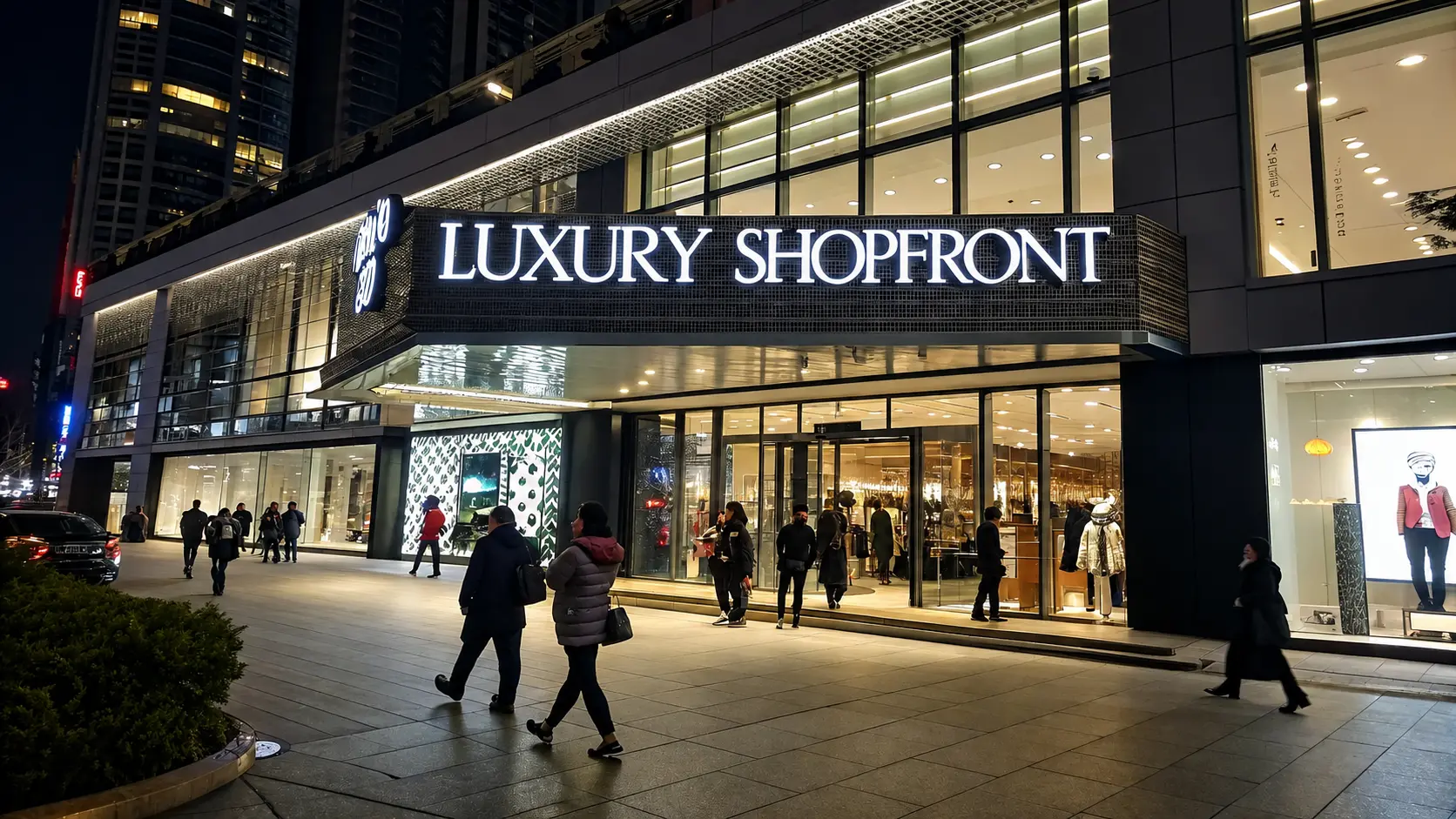
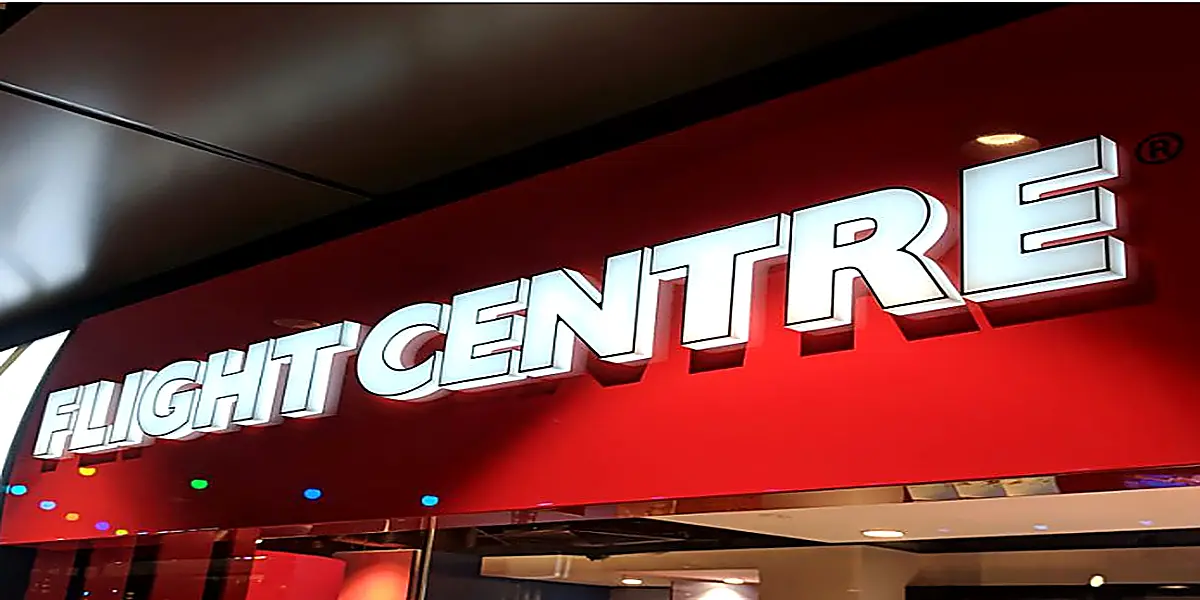
Le lettere di segni illuminate, chiamate anche lettere di canale illuminate, sono lettere, numeri o forme di logo tridimensionali, fabbricate individualmente, che vengono illuminate dall'interno, in genere con LED. Ogni personaggio è costruito da un ritorno in metallo (la parete laterale) e sul retro, il più delle volte in alluminio o acciaio inossidabile, con una faccia acrilica o policarbonato traslucido di solito di circa 5 mm (3/16") di spessore. Un cappuccio di rivestimento rifinisce il bordo del viso o la lettera è costruita senza trim per un aspetto più pulito.
"Lettere di segni illuminati" è una categoria ampia e include lettere di canale 3D. Le lettere possono essere montate su un cruscotto di un edificio, una pista o direttamente a un muro, e vengono utilizzate su vetrine, centri commerciali, ristoranti, lobby aziendali e muri di reception. Poiché ogni personaggio è illuminato individualmente, il risultato è netto, alto contrasto e leggibile giorno o notte.
Vale la pena separare due cose che spesso vengono confuse. Una lettera di segno illuminata è un carattere monodimensionale illuminato dall'interno. un' scatola luminosa (Segno mobile) è una scatola piatta racchiusa illuminata dall'interno. Usano diversi hardware di illuminazione interna, quindi questo articolo si concentra solo su ciò che entra nelle lettere stesse.
Quale illuminazione a LED entra in una lettera di segni illuminata
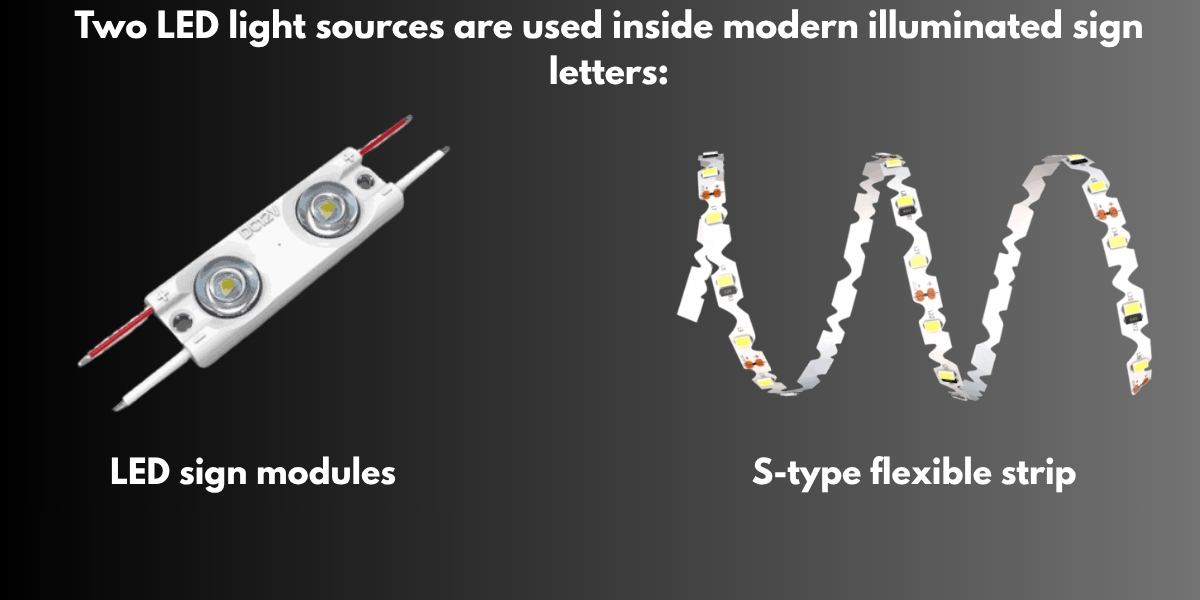
Due sorgenti luminose a LED sono utilizzate all'interno di lettere moderne dei segni illuminati:
- Moduli di segnaletica a LED: la fonte principale e dominante per la grande maggioranza delle lettere di canale. I moduli moderni sono ora molto compatti, quindi possono accendere testi di piccole dimensioni e lettere standard e di grandi dimensioni.
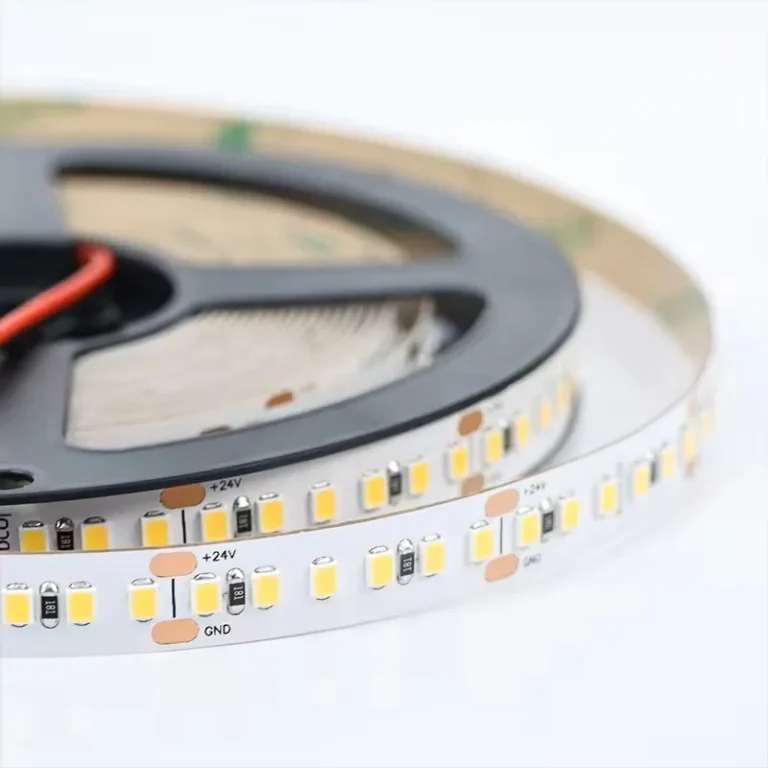
- Strisce LED (comprese le strisce flessibili di tipo S) - utilizzate per curve strette, caratteri di script e lettere piccole o intricate in cui una griglia di moduli non può essere pulita.
I moduli LED dominano perché sono stati progettati specificamente per la segnaletica: funzionamento a bassa tensione a 12 o 24 V, cablaggio semplice, emissione luminosa uniforme e flessibilità da posizionare ovunque all'interno di una lettera. Hanno effettivamente sostituito i vecchi tubi al neon che le lettere di incanalamento una volta usavano. Le strisce LED si guadagnano il posto sulle lettere curve e ornamentali dove una griglia rigida di moduli non può essere pulita contro la parete interna.
Si noti che le strisce di pannocchia, le lastre rigide per lenti a LED e i tubi delle insegne a LED non vengono utilizzate all'interno di singole lettere di canale: questi prodotti appartengono a scatole luminose, armadi e grandi insegne fabbricate. All'interno delle lettere stesse, la risposta è prima i moduli, si spoglia per le curve.
i principali tipi di lettere di segni illuminate - e il LED che ciascuno usa
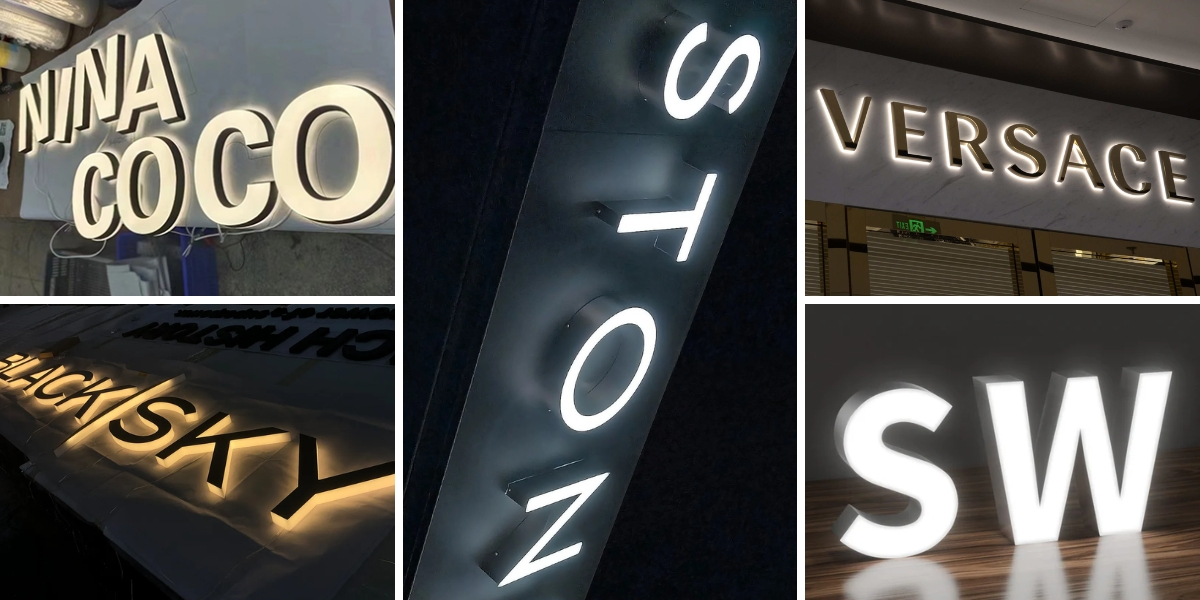
Le lettere dei segni illuminati sono raggruppati in base al punto in cui la luce sfugge alla lettera. Il tipo di illuminazione cambia l'aspetto, il montaggio e il layout a LED che ti serve all'interno.
| Tipo di lettera | Come si accende | Sorgente LED all'interno | Il migliore per |
| Illuminato frontale (illuminato) | La luce risplende attraverso il viso traslucido | Moduli LED in una griglia dietro la faccia | vetrine, vendita al dettaglio, il tipo più comune |
| Retroilluminato / Halo (retro-illuminato) | faccia opaca; la luce si riversa sul muro | moduli o strisce a LED sul retro, di fronte al muro | Uffici, lobby, pareti di alta qualità |
| Combinazione (anteriore + posteriore) | Bagliore del viso più un alone in una volta | Due layout LED, spesso due colori | Segnaletica del marchio ad alto impatto |
| illuminato | La luce fugge attraverso i ritorni traslucidi | moduli o strisce lungo i ritorni interni | lettere decorative e d'accento |
| Senza Trim (senza montatura) | Illuminato frontale senza bordo del cappuccio di rivestimento visibile | Moduli LED con attenta spaziatura/diffusore | Fronti puliti, moderni e di fascia alta |
Il frontale è lo standard e il più conveniente: i moduli LED bianchi o colorati si trovano in una griglia all'interno della lettera e spingono la luce attraverso la faccia acrilica. Le lettere illuminate da Halo mantengono una faccia di metallo solido e monta i LED sul retro aperto, lanciando un morbido bagliore sul muro dietro: un aspetto architettonico premium. Le lettere combinate fanno entrambe le cose. In tutti questi, la sorgente luminosa Workhorse è il modulo LED; le strisce intervengono quando la forma della lettera richiede flessibilità.
Moduli LED: come accendono effettivamente una lettera di segno
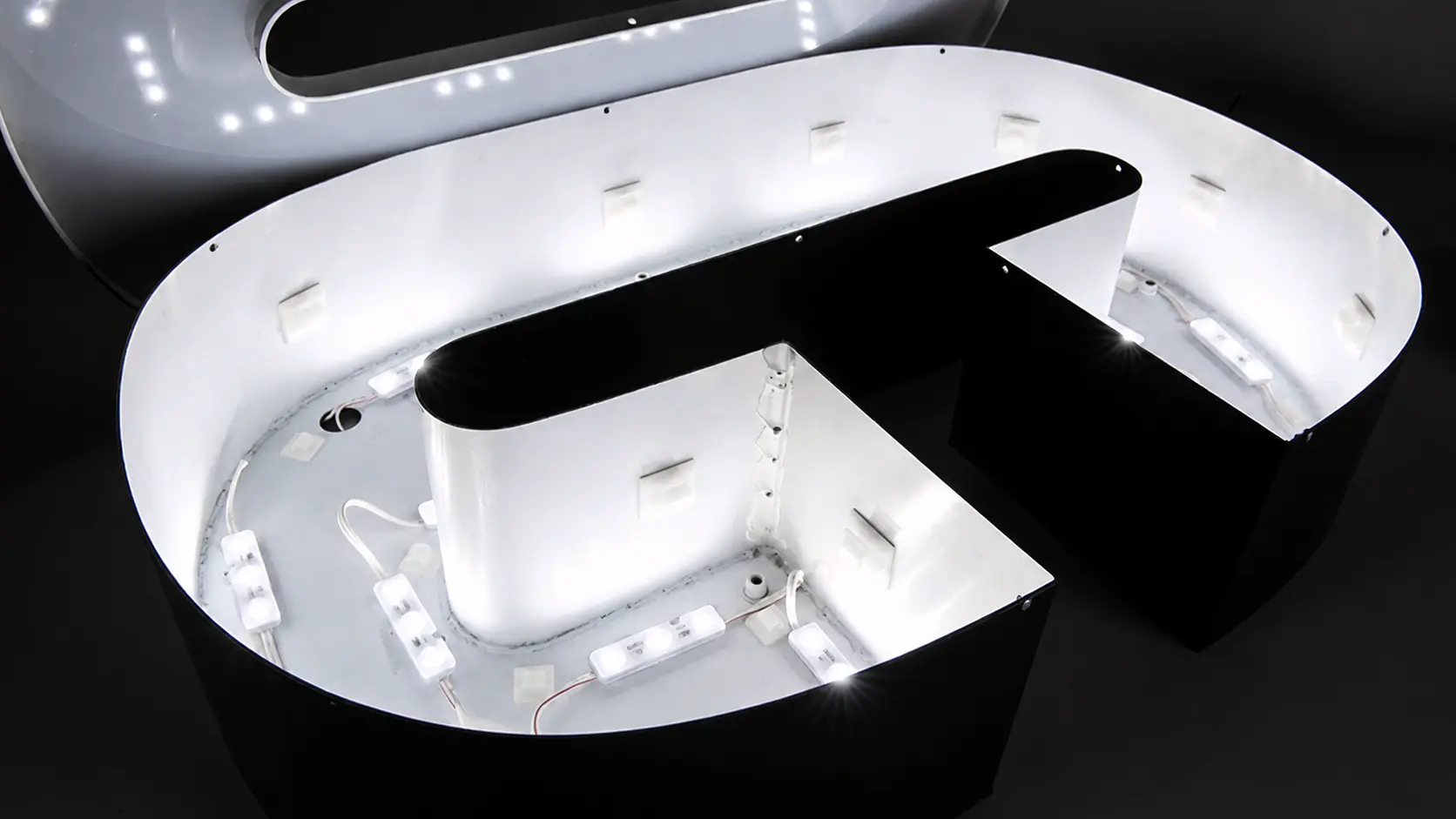
Moduli di segnaletica a LED Sono tavole corte che trasportano uno o più LED SMD (comunemente SMD 2835, con SMD 5050 per colore RGB), precablati in stringhe e fissati all'interno della lettera con supporto adesivo o viti. Funzionano a 12 V DC per lettere più piccole e 24 V DC per segnaletica su larga scala in cui le catene più lunghe riducono i tempi di cablaggio e installazione.
Alcuni dettagli di ingegneria separano un segno che brilla in modo uniforme da quello coperto da macchie scure e punti caldi:
- Lente ottica/angolo di fascio. I moduli per lettere a canale illuminati frontalmente utilizzano un'ampia lente ottica, intorno a 160°, per diffondere la luce in modo uniforme sul viso, quindi ogni modulo copre un'area più ampia senza un punto caldo. Una lente ben scelta significa meno moduli e un viso più uniforme.
- Passo del modulo (spaziatura). Una regola affidabile dal campo: mantenere lo spazio tra i moduli all'incirca uguale alla distanza dai moduli alla faccia del segno. Distanziati troppo distanti, i LED si presentano come punti luminosi attraverso l'acrilico; troppo vicino spreca moduli e potenza. Come figura di pianificazione approssimativa, aspettati circa tre moduli per piede, con lettere più larghe di una corsa di 4″ che richiedono più di una riga.
- consistenza del colore. I segni bianchi espongono istantaneamente qualsiasi mancata corrispondenza del colore: alcune macchie sembrano più blu, altre più calde. I moduli di qualità utilizzano chip strettamente connessi (Macadam / SDCM in 3 fasi) in modo che ogni modulo legga lo stesso bianco.
- gestione del calore. Moduli con PCB in alluminio esposto permettono di riscaldare l'aria molto meglio dei moduli completamente sigillati in un guscio in ABS, che protegge la luminosità e la durata della vita all'interno di una lettera allegata.
- anche la luminosità da un capo all'altro. La guida a corrente costante mantiene il primo e l'ultimo modulo in una stringa alla stessa luminosità, anche quando l'alimentazione passa da un'unica estremità.
Per le lettere all'aperto, i moduli dovrebbero essere classificati IP65 (e fino a IP67 per i siti costieri o ad alta umidità). I moduli di segnaletica di SignLiteled sono disponibili fino a una classificazione IP67 per queste condizioni di maltempo.
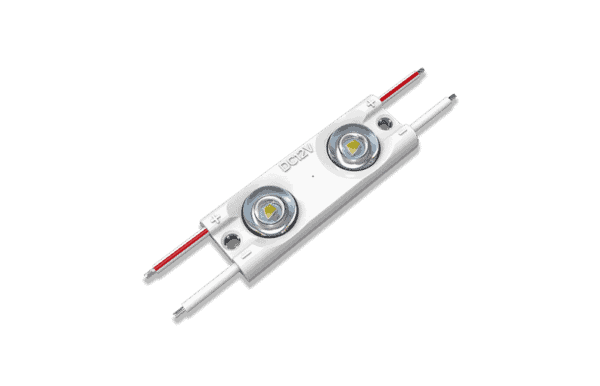
Luce del modulo LED DC12V di colore singolo 2LED
- Design PCB esposto per una buona dissipazione del calore
- Insufficienza di scarsa illuminazione per una durata più lunga
- Chip LED ad alta potenza da 9 V per un'uscita più luminosa e una maggiore efficienza
- Progettazione a corrente costante per una minore caduta di tensione
- Collega di più per catena
- Obiettivo a 160° per illuminazione uniforme
- Adatto per segni sottili
Strisce LED e strisce di tipo S: per curve, copione e lettere poco profonde
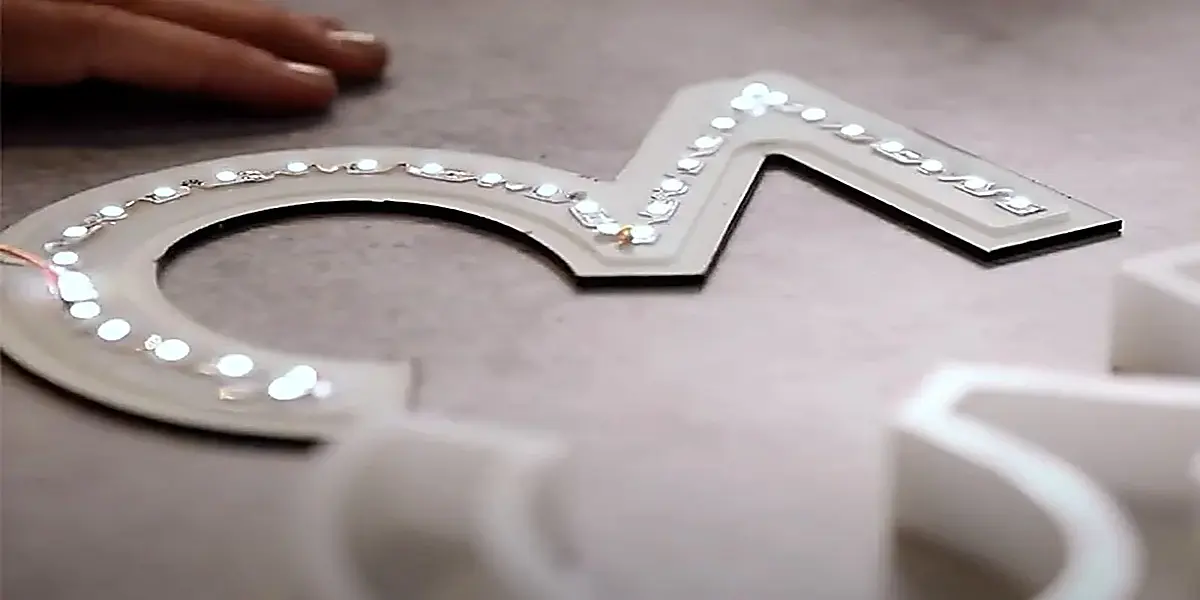
Laddove una lettera ha curve strette, uno script o un carattere scritto a mano, una forma di logo organica o una profondità molto bassa, una griglia rigida di moduli non può essere pulita contro la parete interna. È qui che prendono il sopravvento le strisce LED flessibili e il Striscia di tipo S è appositamente costruito per questo.
Una striscia di tipo S utilizza un PCB a forma di S (a zigzag) largo solo 6 mm che si piega in qualsiasi direzione, non solo lungo un singolo piano come una striscia standard. Abbraccia il perimetro interno di una lettera curva senza attorcigliamento, segue raggi stretti e si adatta a dove i moduli non lo faranno. Esegui continuamente, crea anche meno giunti di cablaggio rispetto al posizionamento di singoli moduli attorno a una forma complessa.
Utilizzare moduli per lettere in stampatello e strisce standard (tipo S per curve) per script, loghi e lettere poco profonde o senza bordi. La ripartizione completa è nella guida di SignLiteled, Tutto quello che c'è da sapere sulle luci a LED S-Type.
Specifiche chiave per ottenere subito prima di ordinare
Tensione — 12 V o 24 V CC. 12 V si adatta a lettere più piccole; 24 V è più efficiente su lettere grandi e lunghe corse. Abbina ogni componente alla stessa tensione di sistema.
Valutazione IP: abbinalo all'ambiente. Utilizzare IP65 come base esterna e IP67 per luoghi costieri, piovosi o ad alta umidità. Non inserire mai LED per interni (IP20) all'interno di una lettera esterna: l'umidità e i raggi UV li uccideranno rapidamente.
Grado di chip e binning del colore. I chip di prima qualità mantengono la loro luminosità e colore molto più a lungo dei chip economici. Altrettanto importante è il binning a colori serrati: SignLiteled utilizza chip Macadam (SDCM) in 3 fasi in modo che ogni modulo legga lo stesso bianco, invece di alcune patch che sembrano più blu e altre più calde su una lettera finita.
Angolo del fascio e diffusione. Un angolo di ampio raggio più un passo corretto del modulo è ciò che produce una faccia uniforme senza punti visibili. Diffondere il viso è essenziale su lettere superficiali.
Alimentazione (driver). Usa un driver impermeabile a tensione costante e non caricarlo oltre circa 80% del suo wattaggio nominale: quella headroom è ciò che impedisce che si guasti presto. SignLiteled Specifica Mean Well Driver IP67 della serie XLG (AC100–305V Ingresso, uscita 12V/24V, efficienza 89–94%) per l'illuminazione dei segni. I componenti sono certificati UL, ETL, CE e ROHS per soddisfare gli standard regionali.
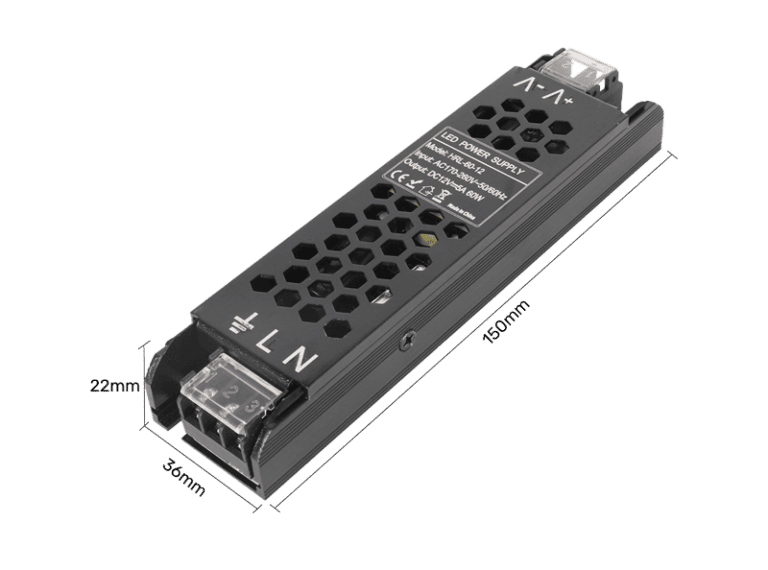
Driver ultrasottile da 12 V per strisce luminose a LED
- Tensione di ingresso: AC110-260V
- Gamma di frequenza: 47-63Hz
- Fattore di potenza: 0,5-0,6
- Efficienza: >80%
- Potenza nominale: 60W
- Tensione di uscita: DC12V
- Corrente nominale: 5A
- Grado di protezione IP: IP20
- Garanzia: 3 anni
- Dimensione: L150 × W36 × H22mm
temperatura di funzionamento. Confermare che la sorgente sia valutata per il clima di installazione completo, tipicamente da -20 °C a +50 °C per le lettere all'aperto.
Quanto dura l'illuminazione a LED all'interno di una lettera di segno?
Ci sono due numeri diversi qui e confonderli è l'errore più comune che gli acquirenti commettono. la Durata della vita valutata di strisce e moduli LED di qualità è di circa 50.000 ore, ma questo è un L70 Figura, il punto in cui la luminosità è svanita a 70% dell'originale, non il punto di fallimento totale. La vita di servizio nel mondo reale è di solito da 3 a 10 anni, a seconda di quante ore al giorno funzionano il segno e dell'ambiente operativo. A circa 8 ore al giorno, 50.000 ore si aggirano a circa 17 anni sulla carta, anche se pochi segni raggiungono in pratica a causa del caldo, del tempo e delle condizioni di alimentazione.
Questo è anche il motivo per cui una garanzia è più breve della durata della vita nominale: una garanzia è un impegno nel mondo reale, non una figura di laboratorio. SIGNLELEDED sostiene tutti i suoi prodotti con una garanzia minima di 3 anni (fino a 5 anni su prodotti di fascia alta), supportata da Illuminazione interna e test ambientali.
Nelle installazioni reali il chip LED è raramente la prima parte a guastarsi: l'alimentazione (driver) è il solito punto debole, soprattutto se è sottodimensionato o funziona a pieno carico. Ottenere il driver giusto è più importante per l'affidabilità a lungo termine rispetto a qualsiasi numero di luminosità singolo.
Errori comuni che i creatori di segni fanno con la sorgente LED
- Utilizzando LED interni (IP20) all'aperto: falliscono entro pochi mesi dall'umidità e dai raggi UV.
- Sottodimensionamento dell'alimentatore — L'esecuzione di un driver al carico 100% riduce la sua durata ed è il punto di guasto più comune.
- Moduli di spaziatura troppo distanti: gli spazi più larghi della distanza del viso creano punti visibili e bande scure sull'acrilico.
- Miscelazione dei contenitori per il colore delle fiche: le patatine non binned rendono un segno bianco irregolare, alcune aree più blu, alcune più calde.
- Saltare la diffusione su lettere poco profonde: senza di essa, i singoli LED mostrano dritto attraverso il viso.
- Forzando una striscia dritta attorno a una curva - piega e lascia spazi vuoti; una striscia di tipo S è fatta per le curve.
- Ignorare il calore: moduli senza supporto in alluminio accumulano calore all'interno di una lettera allegata e si attenua presto.
Cosa determina il costo dei componenti LED per le lettere di segno?
Non esiste un unico prezzo fisso, perché il costo è determinato dal progetto. I principali fattori sono:
- Dimensione e profondità della lettera: le lettere più alte e i tratti più ampi richiedono più LED e righe.
- Tipo di illuminazione: ciascuno utilizza un layout LED diverso, alone o combinazione.
- Conteggio totale dei LED: il numero di moduli o metri di striscia per carattere.
- Marca di chip e binning: chip premium vs domestici, controllo del colore stretto vs sciolto.
- Grado IP — IP65 vs IP67 Resistente alle intemperie.
- Finitura e complessità dei caratteri: i caratteri dello script stretto e le finiture speciali richiedono più LED.
- Quantità dell'ordine: il volume all'ingrosso e OEM riduce il costo unitario.
Per una cifra accurata, invia le dimensioni delle lettere, il tipo di illuminazione e la quantità e richiedi un preventivo diretto in fabbrica anziché fare affidamento su un listino prezzi generico.
A Produttore di segnaletica dal 2011, SignLiteled è certificato UL, ETL, CE e ROHS e sostiene ogni prodotto con una garanzia minima di 3 anni. Esplora la gamma completa di illuminazione a LED - moduli per insegne a LED e strisce LED di tipo S - disponibile direttamente in fabbrica con personalizzazione OEM/ODM.

Conclusione
L'illuminazione a LED all'interno di una lettera di insegne illuminate si riduce a due fonti: moduli di insegne a LED per la grande maggioranza delle lettere e strisce LED (tipo S per curve) per script, logo e forme poco profonde. Abbina la sorgente al tipo di lettera - moduli dietro una faccia traslucida per lettere accese, moduli o strisce sul retro per le lettere alone - e ottieni le tre specifiche che contano davvero: la classificazione IP corretta, i chip di qualità strettamente congiunti e un driver impermeabile di dimensioni adeguate. Fallo e il segno brilla in modo uniforme e dura per anni anziché mesi.
FAQ
Post correlati