ไทย
ไทย  English
  简体中文
简体中文  Deutsch
  Español
  Français
  Italiano
  日本語
日本語  한국어
한국어  Polski
  Português
  Русский
  Türkçe
  Nederlands
  Tiếng Việt
ไฟ LED ที่ใช้ภายในตัวอักษรที่มีไฟส่องสว่างคือ ในเกือบทุกกรณี โมดูลป้าย LED — กลุ่มไฟ LED ขนาดเล็กที่ติดตั้งบนกระดานและเว้นระยะห่างเท่าๆ กันภายในตัวอักษร — รองรับด้วยแถบ LED (รวมถึงแถบ S-type ที่ยืดหยุ่น) สำหรับตัวอักษรโค้งหรือตัวอักษรที่ตื้น แหล่งกำเนิดแรงดันต่ำเหล่านี้นั่งอยู่ด้านหลังใบหน้าอะคริลิกโปร่งแสงและจุดตัวอักษรจากด้านใน
ผู้ซื้อส่วนใหญ่จะตัดสินตัวอักษรป้ายตามรูปร่าง ผิวสี และสี สิ่งที่ตัดสินว่าแสงนั้นส่องได้สม่ำเสมอหรือไม่ ยังคงสภาพอากาศ และทำงานต่อไปได้หลายปีคือแหล่ง LED ที่เลือกไว้ข้างใน
บทความนี้จะอธิบายถึงตัวอักษรที่มีไฟส่องสว่าง ซึ่งไฟ LED จะเข้าไปอยู่ในแต่ละประเภท ข้อมูลจำเพาะที่สำคัญที่สุด ระยะเวลาที่แสงอยู่ได้นานจริง ๆ และอะไรเป็นปัจจัยผลักดันให้เกิดต้นทุนเมื่อคุณจัดหาส่วนประกอบเหล่านี้ขายส่งจากประเทศจีน
ตัวอักษรป้ายเรืองแสงคืออะไร?
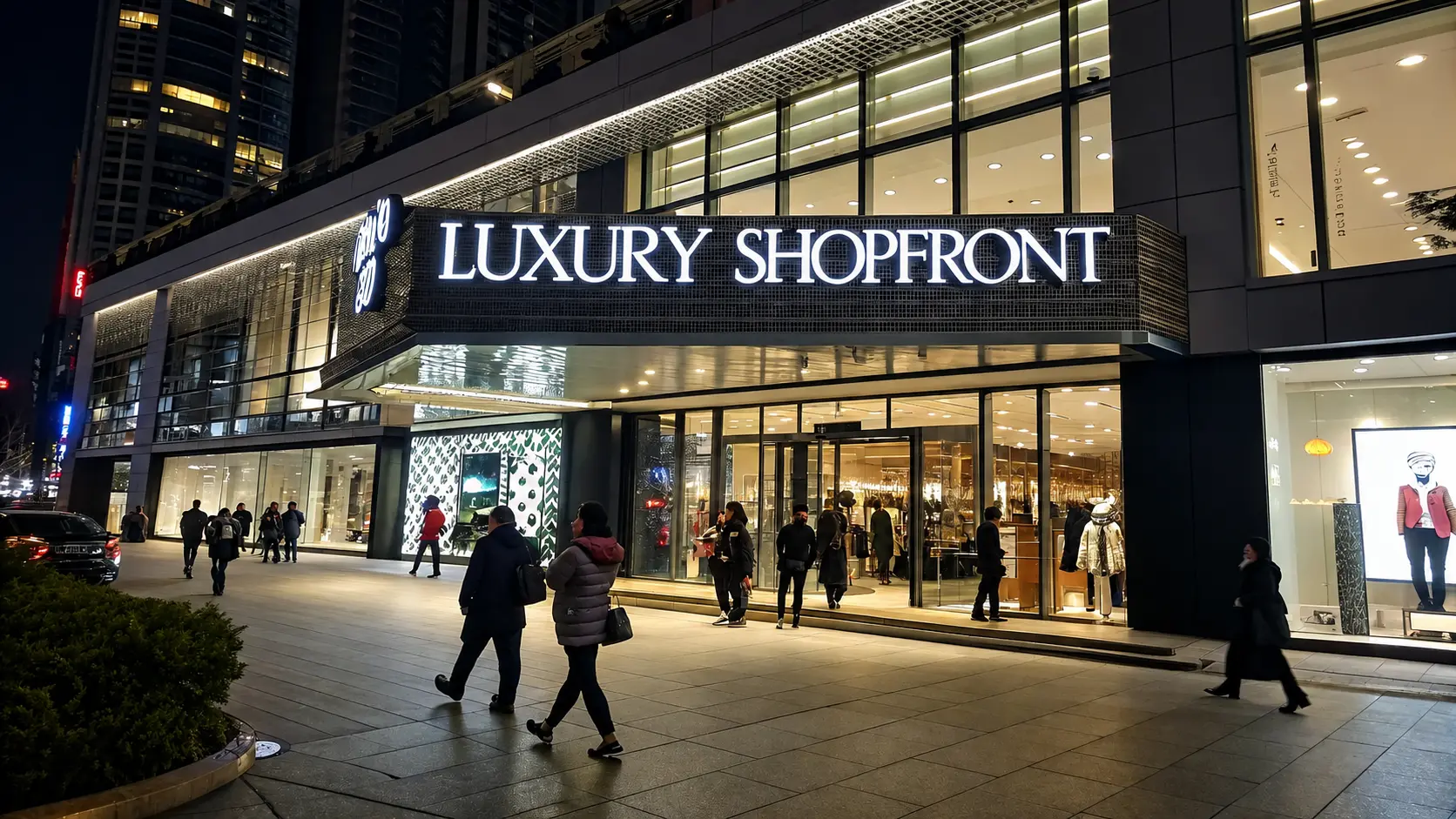
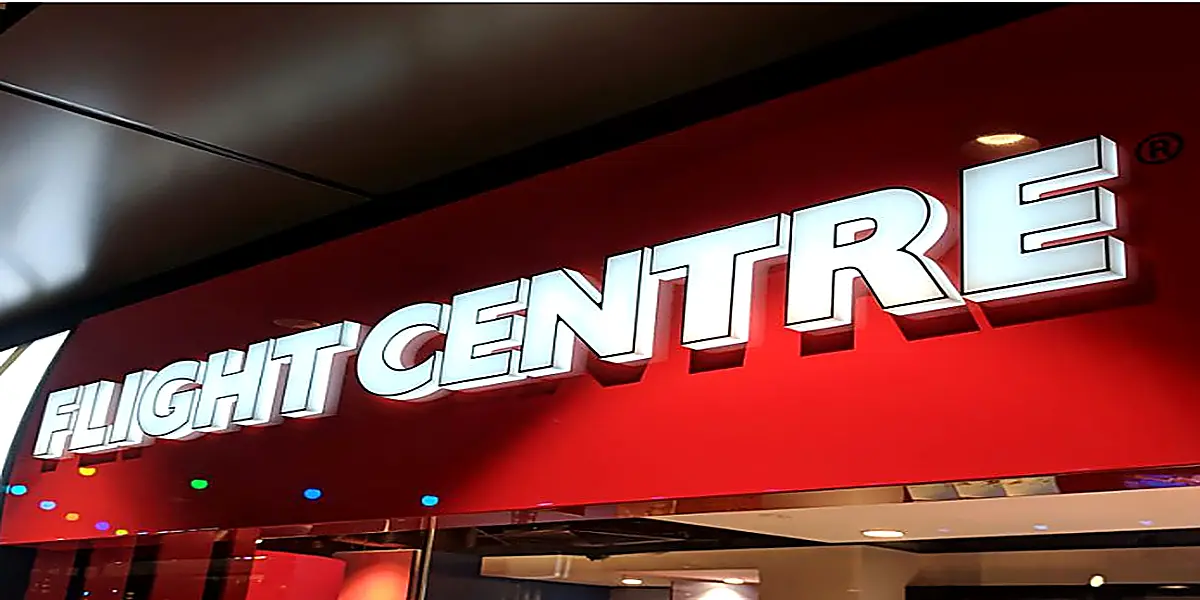
ตัวอักษรที่มีสัญลักษณ์ส่องสว่าง หรือที่เรียกว่าตัวอักษรช่องเรืองแสง เป็นตัวอักษร ตัวเลข หรือรูปร่างโลโก้ที่ประดิษฐ์ขึ้นเองสามมิติซึ่งสว่างจากด้านใน โดยทั่วไปจะมีไฟ LED อักขระแต่ละตัวสร้างขึ้นจากโลหะกลับคืน (ผนังด้านข้าง) และด้านหลัง ส่วนใหญ่มักใช้อะลูมิเนียมหรือสแตนเลส โดยมีหน้าอะครีลิคโปร่งแสงหรือโพลีคาร์บอเนตซึ่งมักจะหนาประมาณ 5 มม. (3/16″) ฝาปิดขอบหน้าจะปิดขอบใบหน้า หรือสร้างตัวอักษรให้ไร้ขอบเพื่อให้ดูสะอาดตายิ่งขึ้น
“ตัวอักษรสัญลักษณ์เรืองแสง” เป็นหมวดหมู่กว้างๆ และมีตัวอักษรช่อง 3 มิติ ตัวอักษรสามารถติดตั้งบนแผงหน้าปัดของอาคาร ทางวิ่ง หรือติดกับผนังได้โดยตรง และใช้ที่หน้าร้าน ห้างสรรพสินค้า ร้านอาหาร ล็อบบี้ขององค์กร และผนังแผนกต้อนรับ เนื่องจากตัวละครแต่ละตัวมีแสงเป็นรายบุคคล ผลลัพธ์จึงคมชัด คอนทราสต์สูง และอ่านได้ทั้งกลางวันและกลางคืน
มันคุ้มค่าที่จะแยกสองสิ่งที่มักจะสับสน ตัวอักษรที่มีสัญลักษณ์ส่องสว่างคืออักขระมิติเดียวที่สว่างจากภายใน ใด ช่องแสงที่ปรากฏ (ตู้ป้าย) เป็นช่องปิดแบบแบนจากด้านใน พวกเขาใช้ฮาร์ดแวร์แสงภายในที่แตกต่างกัน ดังนั้นบทความนี้จึงเน้นเฉพาะสิ่งที่อยู่ภายในตัวอักษรเท่านั้น
ไฟ LED ใดที่ส่องเข้าไปในตัวอักษรที่มีป้ายไฟส่องสว่าง
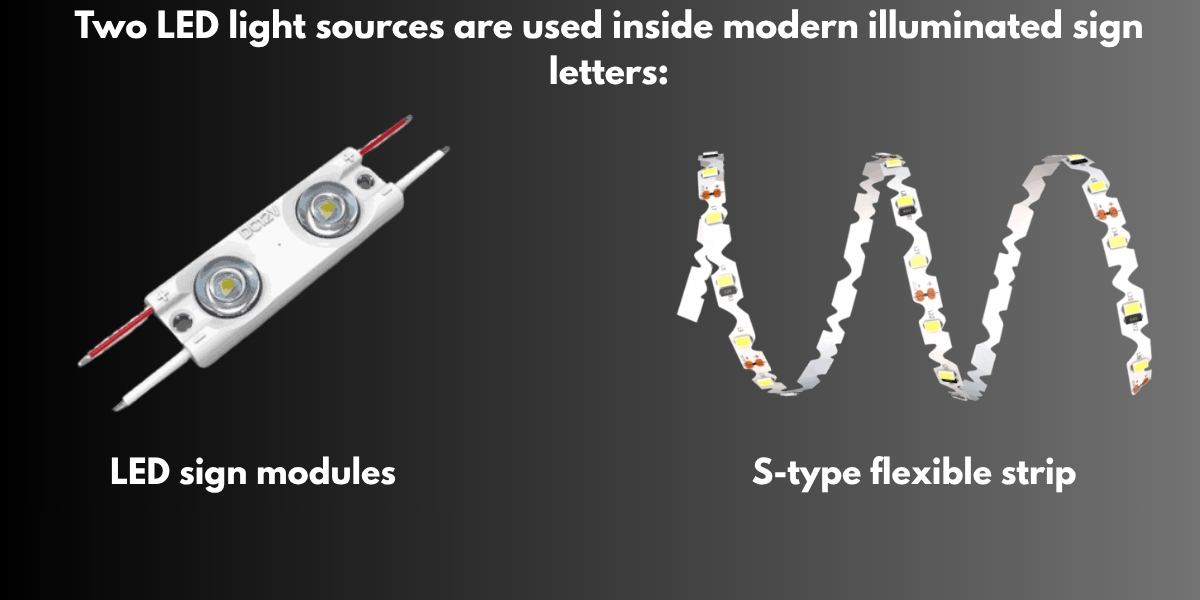
แหล่งกำเนิดแสง LED สองแหล่งใช้ภายในตัวอักษรที่มีไฟส่องสว่างที่ทันสมัย:
- โมดูลป้าย LED — แหล่งหลักหลักและโดดเด่นสำหรับตัวอักษรช่องส่วนใหญ่ โมดูลที่ทันสมัยมีขนาดกะทัดรัดมาก จึงสามารถให้แสงข้อความขนาดเล็ก เช่นเดียวกับตัวอักษรมาตรฐานและขนาดใหญ่
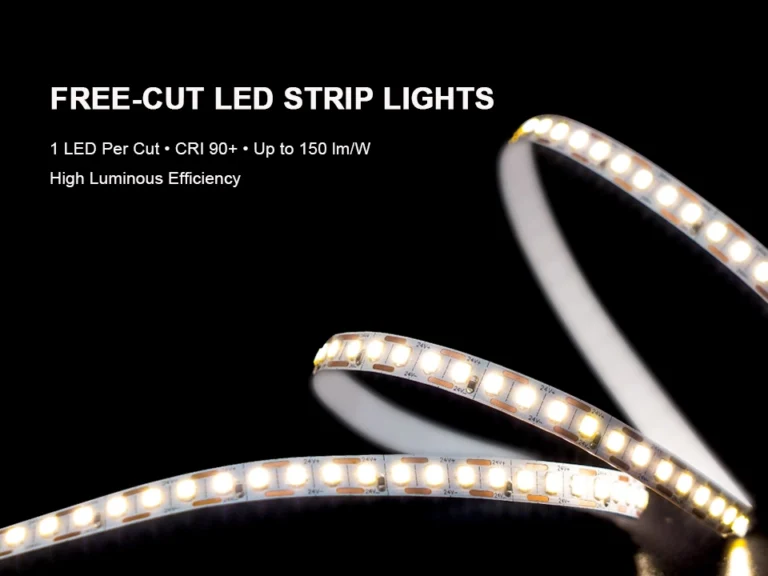
- แถบ LED (รวมถึงแถบยืดหยุ่น S-type) — ใช้สำหรับเส้นโค้งที่แน่น แบบอักษรสคริปต์ และตัวอักษรขนาดเล็กหรือซับซ้อน โดยที่ตารางของโมดูลไม่สามารถนั่งได้อย่างหมดจด
โมดูล LED ครอบงำเนื่องจากได้รับการออกแบบมาโดยเฉพาะสำหรับป้าย: การทำงานแรงดันต่ำ 12 V หรือ 24 V การเดินสายอย่างง่าย แม้แต่เอาต์พุตแสง และความยืดหยุ่นที่จะวางที่ใดก็ได้ภายในตัวอักษร พวกเขาได้แทนที่หลอดนีออนรุ่นเก่าที่ตัวอักษรช่องหนึ่งใช้อย่างมีประสิทธิภาพ แถบ LED หาตำแหน่งบนตัวอักษรโค้งและประดับประดาซึ่งตารางโมดูลแข็งไม่สามารถนั่งกับผนังด้านในได้อย่างหมดจด
โปรดทราบว่าแถบซัง แผงเลนส์ LED แบบแข็ง และหลอด LED ไม่ได้ใช้ในตัวอักษรแต่ละช่อง ผลิตภัณฑ์เหล่านั้นเป็นของกล่องไฟ ตู้ และป้ายประดิษฐ์ขนาดใหญ่ ภายในตัวอักษร คำตอบคือโมดูลก่อน แถบสำหรับเส้นโค้ง
ประเภทหลักของตัวอักษรที่มีไฟส่องสว่าง - และ LED แต่ละตัวใช้
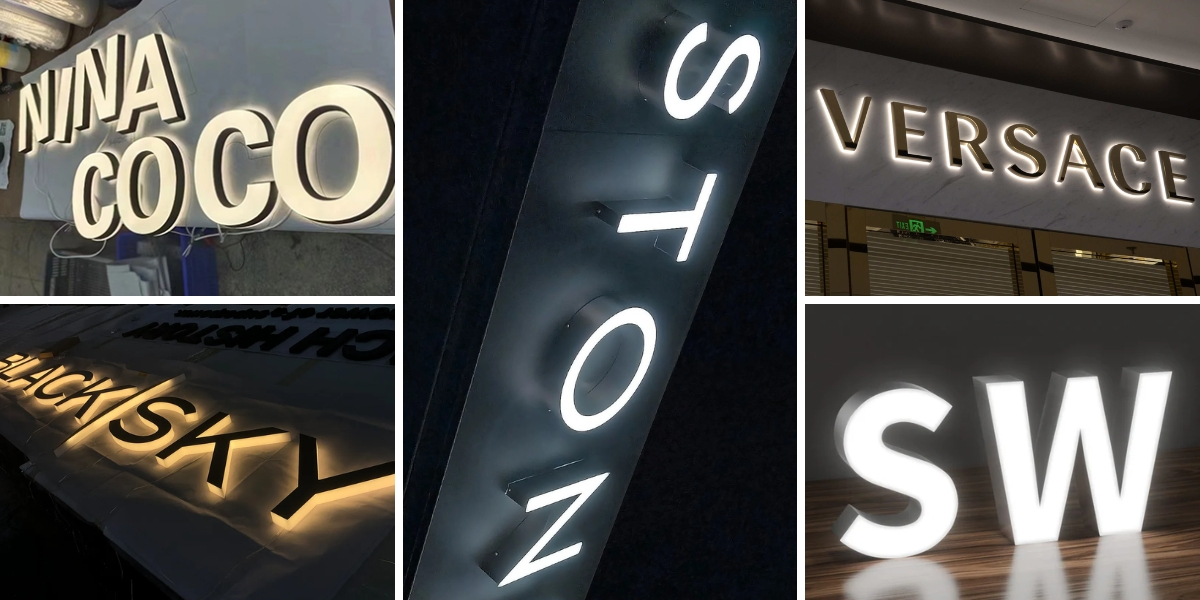
ตัวอักษรที่มีเครื่องหมายเรืองแสงถูกจัดกลุ่มตามตำแหน่งที่แสงหนีจากตัวอักษร ประเภทแสงจะเปลี่ยนรูปลักษณ์ การติดตั้ง และรูปแบบ LED ที่คุณต้องการภายใน
| ประเภทตัวอักษร | มันสว่างแค่ไหน | แหล่งนำภายใน | ดีที่สุดสำหรับ |
| ไฟหน้า (ไฟหน้า) | แสงส่องผ่านใบหน้าโปร่งแสง | โมดูล LED ในตารางด้านหลังใบหน้า | หน้าร้าน ขายปลีก ประเภทที่พบบ่อยที่สุด |
| กลับ-สว่าง / รัศมี (ย้อนกลับ) | ใบหน้าทึบแสง แสงส่องออกมาด้านหลังสู่ผนัง | โมดูลหรือแถบ LED ด้านหลังหันหน้าไปทางผนัง | สำนักงานระดับพรีเมียม ล็อบบี้ ผนังคุณลักษณะ |
| รวม (ด้านหน้า + ด้านหลัง) | หน้าโกลว์บวกรัศมีในครั้งเดียว | รูปแบบ LED สองแบบมักมีสองสี | ป้ายแบรนด์ที่มีแรงกระแทกสูง |
| สว่าง | แสงส่องผ่านกลับคืนมา | โมดูลหรือแถบตามผลตอบแทนภายใน | ตัวอักษรตกแต่งและสำเนียง |
| ไร้ขอบ (ไม่มีขอบ) | ด้านหน้าติดไฟ ขอบฝาปิดไม่ปรากฏ | โมดูล LED ที่มีระยะห่าง / กระจายอย่างระมัดระวัง | แนวหน้าสะอาด ทันสมัย ไฮเอนด์ |
ไฟหน้าเป็นมาตรฐานและราคาไม่แพงที่สุด: โมดูล LED สีขาวหรือสีนั่งอยู่ในตารางภายในตัวอักษรและกดแสงผ่านหน้าอะครีลิค ตัวอักษรที่มีแสงรัศมีจะเก็บหน้าโลหะที่เป็นของแข็งและติดตั้งไฟ LED ไว้ที่ด้านหลังแบบเปิด ส่องแสงอ่อนๆ ลงบนผนังด้านหลัง ซึ่งเป็นรูปลักษณ์ทางสถาปัตยกรรมระดับพรีเมียม ตัวอักษรผสมทำทั้งสองอย่าง แหล่งกำเนิดแสงของม้าทำงานทั้งหมดคือโมดูล LED แถบขั้นตอนเมื่อรูปร่างตัวอักษรต้องการความยืดหยุ่น
โมดูล LED: วิธีที่พวกเขาจุดไฟตัวอักษร
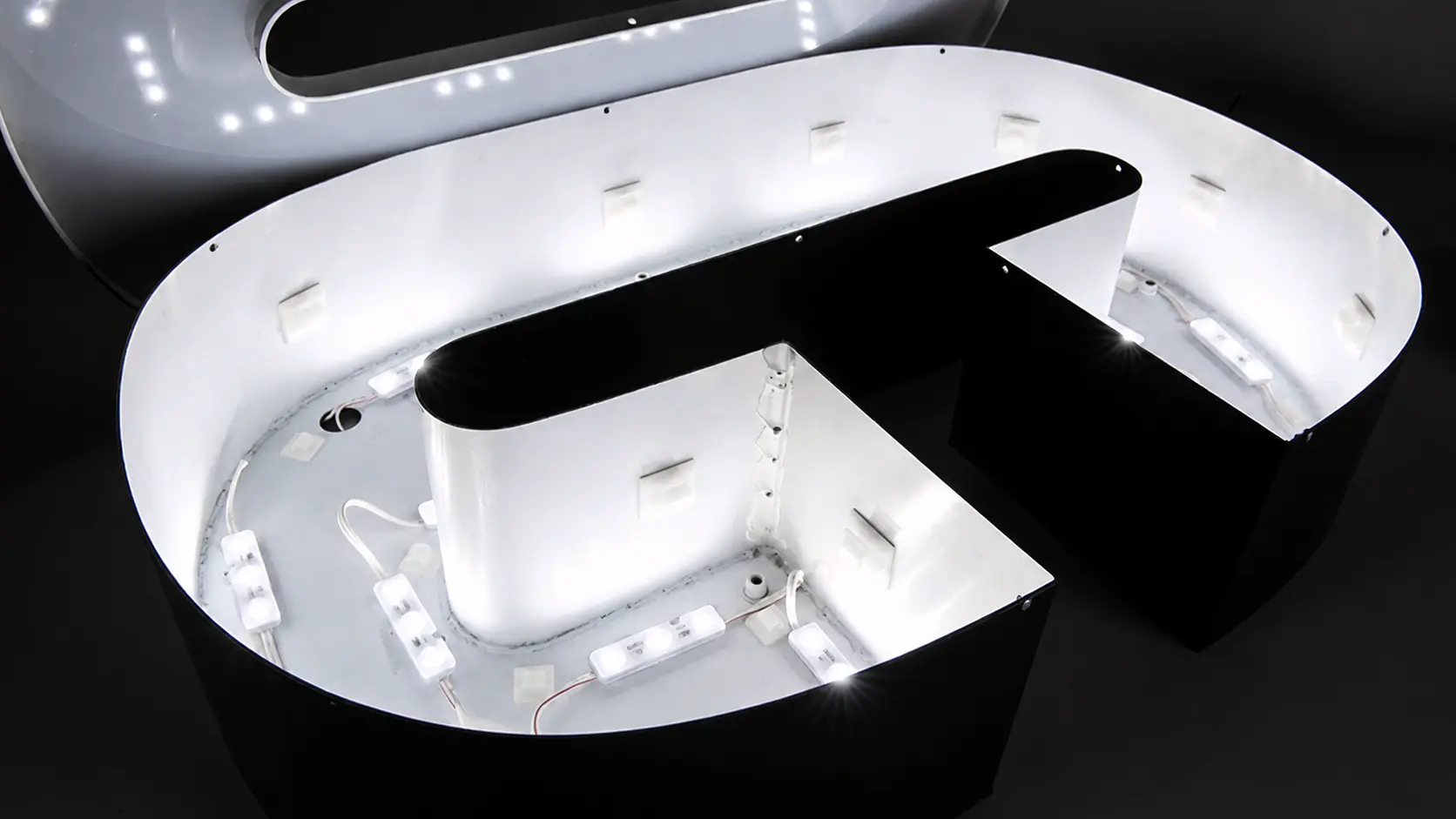
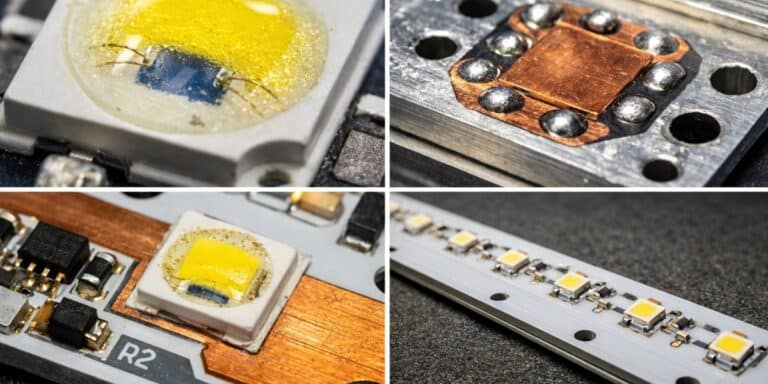
โมดูลป้าย LED เป็นบอร์ดสั้นที่มี LED SMD หนึ่งดวงขึ้นไป (โดยทั่วไปคือ SMD 2835 พร้อม SMD 5050 สำหรับสี RGB) ต่อสายเป็นสายและติดอยู่ภายในตัวอักษรด้วยตัวสำรองหรือสกรู พวกเขาทำงานบน 12 V DC สำหรับตัวอักษรขนาดเล็กและ 24 V DC สำหรับป้ายขนาดใหญ่ที่โซ่ยาวลดเวลาเดินสายไฟและติดตั้ง
รายละเอียดทางวิศวกรรมบางส่วนแยกป้ายที่เรืองแสงสม่ำเสมอจากจุดที่มืดและจุดร้อน:
- เลนส์ออปติคอล/มุมลำแสง โมดูลตัวอักษรช่องสัญญาณด้านหน้าใช้เลนส์ออปติคัลแบบกว้าง - ประมาณ 160° - เพื่อกระจายแสงให้ทั่วใบหน้าเพื่อให้แต่ละโมดูลครอบคลุมพื้นที่ขนาดใหญ่ขึ้นโดยไม่มีจุดร้อน เลนส์ที่เลือกมาอย่างดีหมายถึงโมดูลที่น้อยลงและใบหน้าที่สม่ำเสมอมากขึ้น
- ระดับเสียงของโมดูล (ระยะห่าง) กฎที่เชื่อถือได้จากสนาม: รักษาช่องว่างระหว่างโมดูลโดยประมาณเท่ากับระยะห่างจากโมดูลไปยังหน้าป้าย ไฟ LED แสดงเป็นจุดสว่างผ่านอะครีลิค ให้ดูที่ใกล้เกินไปทำให้เสียโมดูลและพลังงาน ตามตัวเลขการวางแผนคร่าวๆ ให้คาดหวังประมาณสามโมดูลต่อฟุต โดยมีตัวอักษรกว้างกว่า 4 นิ้ว ต้องใช้มากกว่าหนึ่งแถว
- ความสม่ำเสมอของสี ป้ายสีขาวทำให้สีไม่ตรงกันในทันที — บางแผ่นดูเป็นสีฟ้ากว่า บางกว่าสีจะอุ่นขึ้น โมดูลคุณภาพใช้ชิปที่ยึดแน่น (macadam / SDCM 3 ขั้นตอน) เพื่อให้ทุกโมดูลอ่านสีขาวเหมือนกัน
- การจัดการความร้อน โมดูลที่มีแผ่นอลูมิเนียม PCB ที่เปิดออกความร้อนสู่อากาศได้ดีกว่าโมดูลที่ปิดผนึกอย่างสมบูรณ์ในเปลือก ABS ซึ่งปกป้องความสว่างและอายุการใช้งานภายในตัวอักษรที่ปิด
- แม้แต่ความสว่างก็สิ้นสุดลง การขับขี่แบบคงที่ในปัจจุบันทำให้โมดูลแรกและโมดูลสุดท้ายอยู่ในสายที่ความสว่างเท่ากัน แม้ว่าพลังงานจะป้อนจากปลายด้านเดียวเท่านั้น
สำหรับตัวอักษรกลางแจ้ง โมดูลควรได้รับการจัดอันดับ IP65 (และสูงถึง IP67 สำหรับไซต์ชายฝั่งหรือที่มีความชื้นสูง) โมดูลสัญญาณของ SignLiteled มีให้คะแนน IP67 สำหรับสภาพอากาศเลวร้ายเหล่านี้
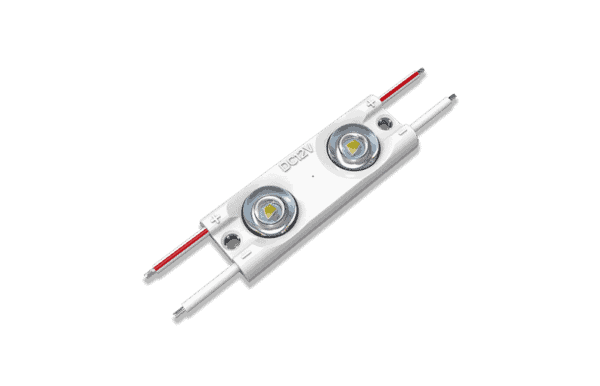
ไฟโมดูล LED DC12V 2LED สีเดียว
- การออกแบบ PCB แบบเปิดเพื่อการกระจายความร้อนที่ดี
- ไฟตกต่ำเพื่ออายุการใช้งานที่ยาวนานขึ้น
- ชิป LED กำลังสูง 9V เพื่อการส่งออกที่สว่างและมีประสิทธิภาพสูงขึ้น
- การออกแบบกระแสคงที่สำหรับแรงดันตกต่ำ
- เชื่อมต่อมากขึ้นต่อโซ่
- เลนส์ 160 ° ให้ความสว่างสม่ำเสมอ
- เหมาะสำหรับป้ายบาง
แถบ LED และแถบ S-type: สำหรับเส้นโค้ง สคริปต์ และตัวอักษรตื้น
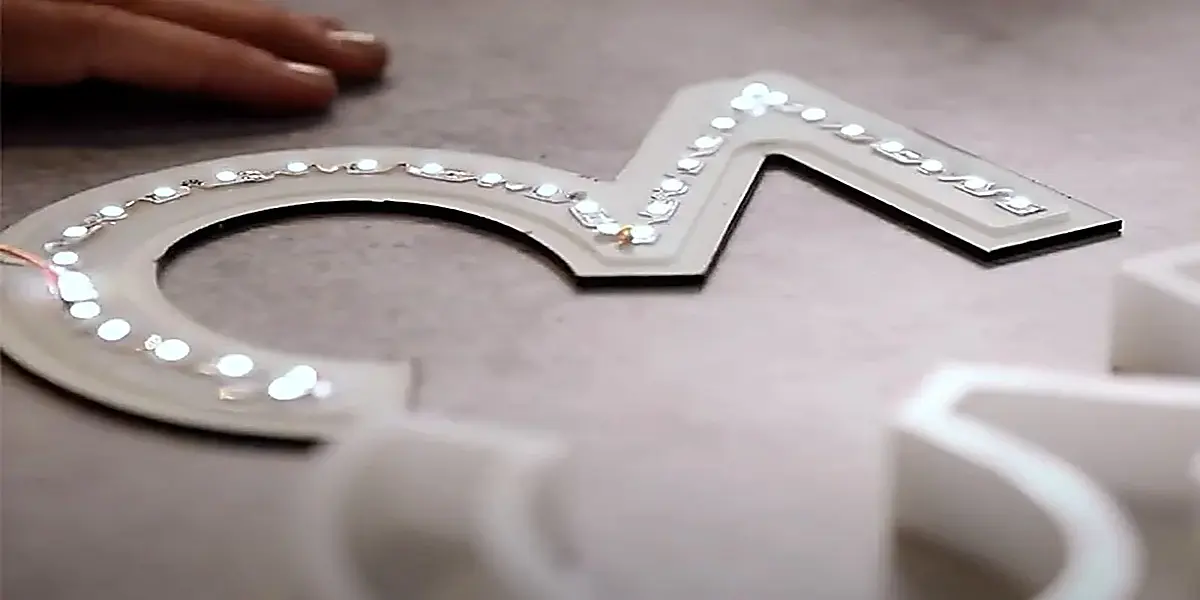
ในกรณีที่ตัวอักษรมีส่วนโค้งที่แน่น สคริปต์หรือแบบอักษรที่เขียนด้วยลายมือ รูปร่างโลโก้ออร์แกนิก หรือความลึกที่ตื้นมาก ตารางโมดูลที่แข็งกระด้างไม่สามารถนั่งชิดผนังด้านในได้อย่างหมดจด นี่คือจุดที่แถบ LED ที่ยืดหยุ่นเข้าครอบงำ — และ แถบชนิด S สร้างขึ้นเพื่อวัตถุประสงค์
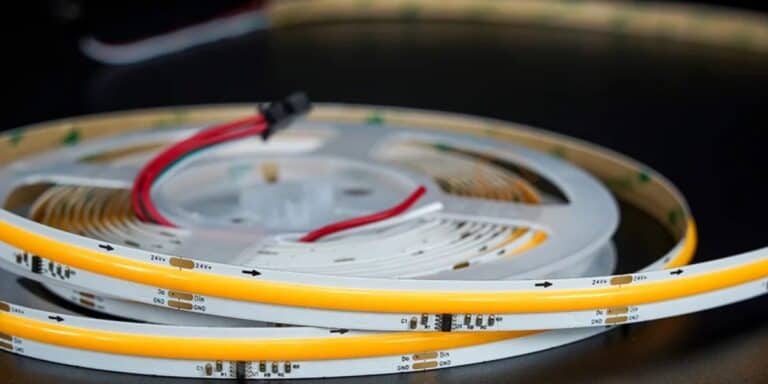
แถบ S-type ใช้ PCB รูปตัว S (ซิกแซก) กว้างเพียง 6 มม. ซึ่งโค้งงอไปในทิศทางใดก็ได้ ไม่เพียงแต่ตามระนาบเดียวเช่นแถบมาตรฐาน มันโอบรับเส้นรอบวงด้านในของตัวอักษรโค้งโดยไม่งอ ตามรัศมีที่แน่นหนา และพอดีกับที่โมดูลจะไม่ ทำงานอย่างต่อเนื่อง มันยังสร้างข้อต่อสายไฟน้อยกว่าการวางแต่ละโมดูลรอบรูปร่างที่ซับซ้อน
ใช้โมดูลสำหรับตัวอักษรบล็อกและแถบมาตรฐาน (S-Type สำหรับเส้นโค้ง) สำหรับสคริปต์ โลโก้ และตัวอักษรตื้นหรือไร้ขอบ รายละเอียดทั้งหมดอยู่ในคู่มือของ Signliteled ทุกสิ่งที่คุณจำเป็นต้องรู้เกี่ยวกับไฟ LED แบบ S-Type.
ข้อมูลจำเพาะที่สำคัญที่จะได้รับก่อนสั่งซื้อ
แรงดันไฟฟ้า — 12 V หรือ 24 V DC 12 V เหมาะกับตัวอักษรขนาดเล็ก 24 V มีประสิทธิภาพมากกว่าสำหรับตัวอักษรขนาดใหญ่และวิ่งระยะไกล จับคู่ทุกส่วนประกอบกับแรงดันไฟฟ้าของระบบเดียวกัน
คะแนน IP — จับคู่กับสภาพแวดล้อม ใช้ IP65 เป็นพื้นฐานกลางแจ้งและ IP67 สำหรับตำแหน่งชายฝั่ง ฝนตก หรือความชื้นสูง ห้ามใส่ไฟ LED ในร่ม (IP20) ลงในตัวอักษรกลางแจ้ง - ความชื้นและรังสียูวีจะฆ่าพวกมันอย่างรวดเร็ว
เกรดชิปและถังสี ชิปเกรดพรีเมียมมีความสว่างและสีนานกว่าชิปราคาประหยัด สิ่งสำคัญพอๆ กันคือ Binning ของ Color — Signliteled ใช้ชิป Macadam (SDCM) 3 ขั้นตอน เพื่อให้ทุกโมดูลอ่านสีขาวเหมือนกัน แทนที่จะเป็นแพทช์บางตัวที่ดูเป็นสีฟ้าและบางตัวอุ่นขึ้นในตัวอักษรที่เสร็จแล้ว
มุมลำแสงและการแพร่กระจาย มุมลำแสงกว้างบวกกับระยะพิทช์ของโมดูลที่ถูกต้องคือสิ่งที่สร้างใบหน้าที่สม่ำเสมอโดยไม่มีจุดที่มองเห็นได้ การทำให้ใบหน้ากระจายเป็นสิ่งสำคัญสำหรับตัวอักษรตื้น
แหล่งจ่ายไฟ (ไดรเวอร์) ใช้ไดรเวอร์กันน้ำและแรงดันคงที่และอย่าโหลดเกินกำลังไฟประมาณ 80% ของกำลังไฟ - headroom นั้นทำให้ไม่ทำงานล้มเหลวในช่วงต้น signlited ระบุ ไดร์เวอร์ IP67 ของ Mean Well XLG (อินพุต AC100–305V, เอาต์พุต 12V/24V, ประสิทธิภาพ 89–94%) สำหรับไฟสัญญาณ ส่วนประกอบต่างๆ ได้แก่ UL, ETL, CE และ ROHS ที่ได้รับการรับรองตามมาตรฐานระดับภูมิภาค
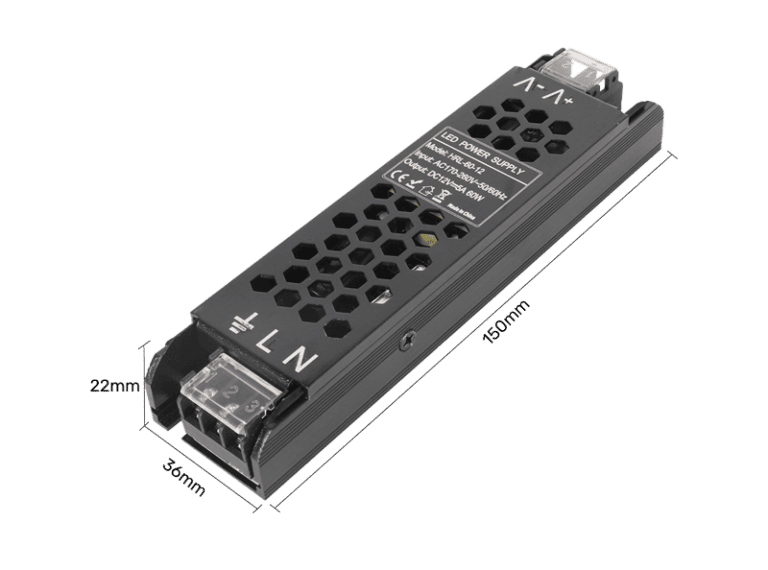
ไดรเวอร์บางเฉียบ 12V สำหรับไฟ LED Strip
- แรงดันไฟฟ้าขาเข้า: AC110-260V
- ช่วงความถี่: 47-63Hz
- ตัวประกอบกำลัง: 0.5-0.6
- ประสิทธิภาพ: >80%
- เรทพลัง: 60W
- แรงดันไฟขาออก: DC12V
- จัดอันดับปัจจุบัน: 5A
- คะแนน IP: IP20
- รับประกัน: 3 ปี
- ขนาด: L150 × W36 × H22 มม.
อุณหภูมิในการทำงาน ยืนยันว่าแหล่งที่มาได้รับการจัดอันดับสำหรับสภาพอากาศในการติดตั้งทั้งหมด โดยทั่วไปประมาณ -20 °C ถึง +50 °C สำหรับตัวอักษรกลางแจ้ง
ไฟ LED ในตัวอักษรป้ายมีอายุการใช้งานนานแค่ไหน?
มีตัวเลขสองตัวที่แตกต่างกันที่นี่ และความสับสนเป็นข้อผิดพลาดที่ผู้ซื้อทำบ่อยที่สุด ที่ เรทอายุ ของแถบและโมดูล LED ที่มีคุณภาพประมาณ 50,000 ชั่วโมง - แต่นั่นคือ l70 รูป จุดที่ความสว่างจางลงถึง 70% ของต้นฉบับ ไม่ใช่จุดของความล้มเหลวทั้งหมด อายุการใช้งานจริงคือ 3 ถึง 10 ปี ขึ้นอยู่กับจำนวนชั่วโมงต่อวันที่ป้ายและสภาพแวดล้อมการทำงาน ที่ประมาณ 8 ชั่วโมงต่อวัน 50,000 ชั่วโมงทำงานได้ประมาณ 17 ปีบนกระดาษ แม้ว่าจะมีสัญญาณไม่กี่ป้ายในทางปฏิบัติเนื่องจากความร้อน สภาพอากาศ และสภาพพลังงาน
นี่เป็นสาเหตุที่การรับประกันสั้นกว่าอายุการใช้งานที่กำหนด — การรับประกันเป็นข้อผูกมัดในโลกแห่งความเป็นจริง ไม่ใช่ตัวเลขในห้องปฏิบัติการ Signlited สนับสนุนผลิตภัณฑ์ทั้งหมดของบริษัทที่มีการรับประกันอย่างน้อย 3 ปี (สูงสุด 5 ปีสำหรับผลิตภัณฑ์ระดับไฮเอนด์) สนับสนุนโดย การทดสอบแสงสว่างและสิ่งแวดล้อมภายใน.
ในการติดตั้งจริง ชิป LED นั้นแทบจะไม่เกิดกับส่วนแรกที่ล้มเหลว — แหล่งจ่ายไฟ (ไดรเวอร์) เป็นจุดอ่อนตามปกติ โดยเฉพาะอย่างยิ่งหากมีขนาดที่เล็กหรือทำงานเต็มที่ การรับผู้ขับขี่ให้ถูกต้องมีความสำคัญต่อความน่าเชื่อถือในระยะยาวมากกว่าตัวเลขความสว่างเพียงตัวเดียว
ข้อผิดพลาดทั่วไปที่ผู้ผลิตสัญญาณทำด้วยแหล่ง LED
- การใช้ไฟ LED ในร่ม (IP20) กลางแจ้ง — ล้มเหลวภายในไม่กี่เดือนจากความชื้นและรังสียูวี
- การปรับขนาดแหล่งจ่ายไฟให้ต่ำลง — การรันไดรเวอร์ที่โหลด 100% จะทำให้อายุการใช้งานสั้นลงและเป็นจุดที่ล้มเหลวมากที่สุด
- โมดูลระยะห่างห่างกันเกินไป — ช่องว่างที่กว้างกว่าระยะใบหน้าสร้างจุดที่มองเห็นได้และแถบสีเข้มบนอะคริลิก
- การผสมถังสีชิป — ชิปที่ไม่ถูกทิ้งทำให้ป้ายสีขาวดูเป็นหย่อม ๆ บางพื้นที่มีสีน้ำเงินเข้มขึ้นบ้าง
- การข้ามการแพร่กระจายบนตัวอักษรตื้น หากไม่มีไฟ LED แต่ละดวงจะแสดงตรงผ่านใบหน้า
- บังคับให้แถบตรงรอบโค้ง - มันหักและเว้นช่องว่าง แถบ S-type ถูกสร้างขึ้นสำหรับเส้นโค้ง
- ไม่สนใจความร้อน — โมดูลที่ไม่มีแผ่นอะลูมิเนียมจะสร้างความร้อนภายในตัวอักษรที่ปิดไว้และสลัวก่อน
อะไรเป็นตัวกำหนดต้นทุนของส่วนประกอบ LED สำหรับตัวอักษรเครื่องหมาย?
ไม่มีราคาคงที่เดียวเพราะต้นทุนขับเคลื่อนโดยโครงการ ปัจจัยหลักคือ:
- ขนาดตัวอักษรและความลึก — ตัวอักษรที่สูงกว่าและจังหวะที่กว้างขึ้นต้องการ LED และแถวมากขึ้น
- ประเภทแสง — ไฟหน้า รัศมี หรือการผสมผสาน แต่ละแบบใช้เลย์เอาต์ LED ที่แตกต่างกัน
- จำนวน LED ทั้งหมด — จำนวนโมดูลหรือเมตรของแถบต่ออักขระ
- ชิปแบรนด์และ binning — ชิประดับพรีเมียมเทียบกับในประเทศ ควบคุมสีแน่นและหลวม
- คะแนน IP — IP65 เทียบกับ IP67 Weatherproofing
- ความซับซ้อนของพื้นผิวและตัวอักษร — แบบอักษรสคริปต์ที่แน่นและพื้นผิวพิเศษต้องการ LED มากขึ้น
- ปริมาณการสั่งซื้อ — ปริมาณการขายส่งและ OEM ช่วยลดต้นทุนต่อหน่วย
สำหรับตัวเลขที่ถูกต้อง ให้ส่งขนาดตัวอักษร ประเภทแสง และปริมาณ และขอใบเสนอราคาโดยตรงจากโรงงาน แทนที่จะอาศัยรายการราคาทั่วไป
ใด ผู้ผลิตป้ายตั้งแต่ปี 2011, SignLiteled ได้รับการรับรอง UL, ETL, CE และ ROHS และสนับสนุนผลิตภัณฑ์ทุกชิ้นด้วยการรับประกันอย่างน้อย 3 ปี สำรวจไฟสัญญาณ LED แบบครบวงจร — โมดูลป้าย LED และแถบ LED ชนิด S — พร้อมใช้งานจากโรงงานโดยตรงด้วยการปรับแต่ง OEM/ODM

บทสรุป
ไฟ LED ภายในตัวอักษรที่มีไฟส่องสว่างมีสองแหล่ง: โมดูลป้าย LED สำหรับตัวอักษรส่วนใหญ่และแถบ LED (S-type สำหรับเส้นโค้ง) สำหรับสคริปต์ โลโก้ และรูปร่างตื้น จับคู่แหล่งที่มากับประเภทตัวอักษร — โมดูลที่อยู่เบื้องหลังใบหน้าโปร่งแสงสำหรับตัวอักษร โมดูล หรือแถบด้านหลังสำหรับตัวอักษรรัศมี — และรับข้อกำหนดสามประการที่เหมาะสมอย่างแท้จริง: คะแนน IP ที่ถูกต้อง, ชิปคุณภาพที่ถูกมัดอย่างแน่นหนา และไดรเวอร์กันน้ำที่มีขนาดเหมาะสม ทำอย่างนั้นและป้ายจะเรืองแสงสม่ำเสมอและคงอยู่นานหลายปีแทนที่จะเป็นเดือน
คำถามที่พบบ่อย
กระทู้ที่เกี่ยวข้อง