ไทย
ไทย  English
  简体中文
简体中文  Deutsch
  Español
  Français
  Italiano
  日本語
日本語  한국어
한국어  Polski
  Português
  Русский
  Türkçe
  Nederlands
  Tiếng Việt
- แผ่น LED ให้แสงแบ็คไลท์แบบไม่มีจุดที่สม่ำเสมอหลังหินโปร่งแสง — บางกว่าและมากกว่าแถบหรือแผง
- รักษาช่องว่างระหว่างแผ่น LED 20-50 มม. และพื้นผิวหินเพื่อการแพร่กระจายที่ราบรื่น
- เลือก RGBW (ไม่ใช่แค่ RGB) หากคุณต้องการแสงสีขาวที่แท้จริงเมื่อเอฟเฟกต์สีปิดอยู่
- จับคู่คอนโทรลเลอร์กับโครงการ: รีโมท RF สำหรับบ้าน แผงผนังสำหรับโรงแรม DMX512 สำหรับการติดตั้งขนาดใหญ่
- ขนาดแหล่งจ่ายไฟที่ 120% ของกำลังวัตต์ทั้งหมด และใช้ลวด AWG 18–20 เพื่อป้องกันแรงดันตก
- ทดสอบความสว่าง สี และสายไฟก่อนการติดตั้งขั้นสุดท้าย — ติดตั้งหินแล้ว ดังนั้นจึงไม่มีที่ว่างสำหรับการทำงานซ้ำ
โครงการหินย้อนแสงจริง
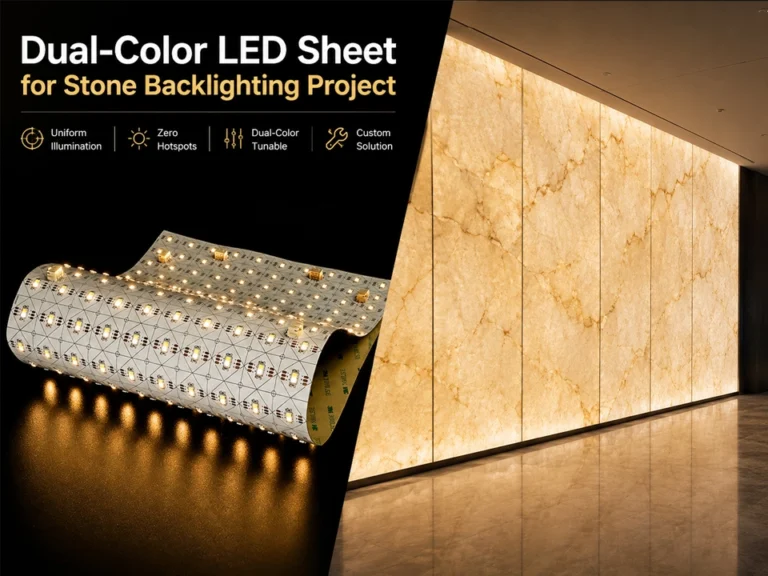
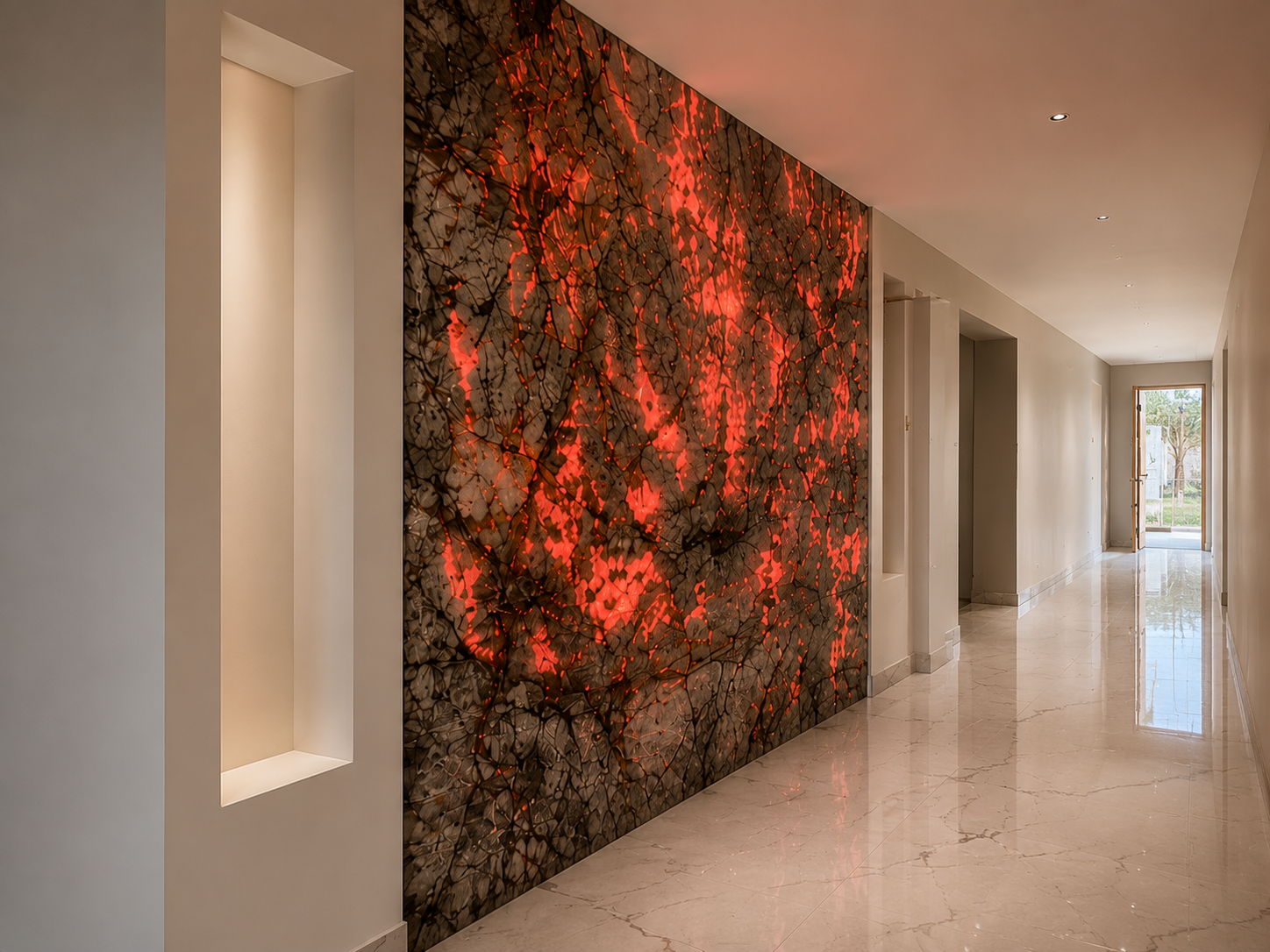
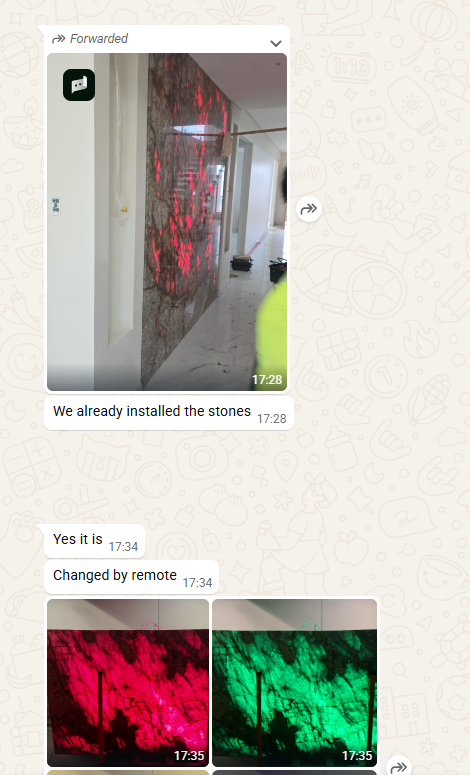
ผู้รับเหมาด้านแสงด้านสถาปัตยกรรมมาหาเราด้วยเรื่องทั่วไปสั้น ๆ ในด้านการต้อนรับและการตกแต่งเชิงพาณิชย์: ติดตั้งผนังหินโปร่งแสง - ส่วนผสมของนิลและหินอ่อนบาง ๆ ติดตั้งแล้ว - และทำให้สีที่เปลี่ยนแปลงตามความต้องการ ช่องด้านหลังหินมีความลึกเพียง 35 มม. และลูกค้าต้องการให้ระบบมองไม่เห็นอย่างสมบูรณ์: ไม่มีอุปกรณ์ติดตั้ง ไม่มีสายไฟ ไม่มีกล่องควบคุม กล่องเรืองแสงมีขนาดใหญ่เกินไป โมดูล LED สร้างจุดร้อน และแถบจำเป็นต้องใช้สายไฟเพื่อปกปิด แผ่น LED เป็นเทคโนโลยีเดียวที่ทำเครื่องหมายทุกช่อง
การติดตั้งใช้เวลาเพียงวันเดียว: แผ่นตัดตามขนาด ติดตั้งด้านหลังหิน 30 มม. พร้อมกาวในตัว 3M ต่อสายกับไดรเวอร์ 24V และจับคู่กับรีโมท RF แบบใช้มือถือ กดปุ่มเดียวเปลี่ยนผนังจากสีแดงอบอุ่นเป็นสีเขียวเย็น
“เราติดตั้งหินแล้ว”
“ใช่มันเป็น เปลี่ยนตามรีโมท”
การแลกเปลี่ยนนั้นครอบคลุมถึงสิ่งที่แสงทางสถาปัตยกรรมสมัยใหม่เกี่ยวกับ: ฮาร์ดแวร์ที่มองไม่เห็น ผลกระทบที่มองเห็นได้ การควบคุมที่ง่ายดาย
ไฟล์โครงการ: ได้อย่างรวดเร็ว
| ทุ่ง | ละเอียด |
|---|---|
| ประเภทโครงการ | แสงพื้นหลังผนังหินโปร่งแสง |
| สถานะหิน | ติดตั้งแล้ว — แผ่น LED ติดตั้งจากด้านหลัง |
| ความลึกของโพรง | 35 มม. |
| วิธีการควบคุม | รีโมทแบบใช้มือถือ (RF 2.4G) - สีเปลี่ยนทันที |
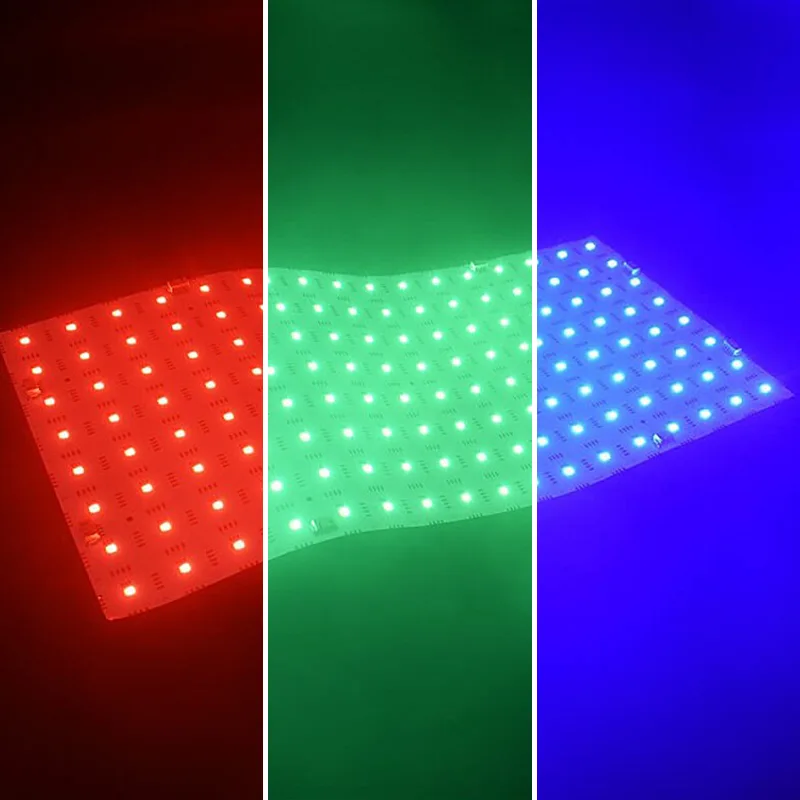
| เอฟเฟกต์สี | การเปลี่ยนแบบไดนามิก: สีแดงอบอุ่น สีเขียวเย็น และอื่นๆ |
| สินค้าแนะนำ | แผ่น LED RGB / RGBW (5050 SMD, DC 24V) |
ไฟ LED แผ่นคืออะไร?
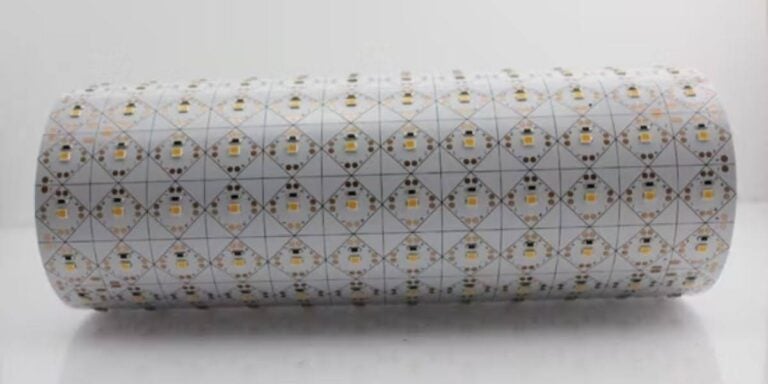
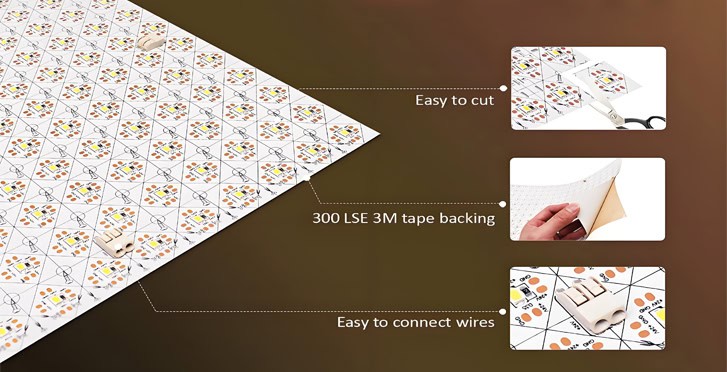
ไฟ LED แผ่นเป็นแผง PCB ที่ยืดหยุ่นพร้อมไฟ LED แบบกระจายที่หนาแน่นและมีการกระจายอย่างสม่ำเสมอ ในกรณีที่แถบสร้างเส้นแสงและโมดูลเป็นจุดแสง แผ่นจะสร้างแสงพื้นที่ต่อเนื่องและสม่ำเสมอ โดยทั่วไปแล้ว PCB จะหนา 0.3–0.5 มม. — บางพอสำหรับช่องหินแคบและปราศจากการหรี่แสงของแรงดันตกที่ทำให้เกิดปัญหาทางยาว
แผ่นทำงานบน 12V หรือ 24V DC ในขนาดมาตรฐานตั้งแต่ 250 × 250 มม. ถึง 500 × 250 มม. ตัดได้ทุก 20-50 มม. ตามเส้นที่ทำเครื่องหมายไว้ ความหนาแน่นของ LED กำหนดความสม่ำเสมอ: แผ่นความหนาแน่นสูง (128 LEDs ต่อแผง 490 × 245 มม.) กำจัดจุดที่มองเห็นได้แม้หลังหินบาง ๆ ความหนาแน่นต่ำจะแสดง "จุดร้อน"
แผ่น LED เปรียบเทียบกับทางเลือกอื่นอย่างไร
| ปทัฏฐาน | แผ่นนำ | แถบนำ | โมดูล LED | แผงนำ |
|---|---|---|---|---|
| ไฟท์พุท | แสงพื้นที่สม่ำเสมอ | แสงเส้นตรง | ไฟจุด | แสงพื้นที่สม่ำเสมอ |
| ความหนา | บางเฉียบ (~0.5 มม.) | บางเฉียบ (~ 3 มม. พร้อมเทป) | กลาง (10–20 มม.) | หนา (แข็ง 8-25 มม.) |
| คู่สัตย์ | ใช่ (20–50 มม.) | ใช่ (25–50 มม.) | ไม่ | ไม่ |
| ยืดหยุ่น | ใช่ — สอดคล้องกับเส้นโค้ง | ครับผม | คับแคบ | ไม่ — กรอบแข็ง |
| ประสิทธิภาพการครอบคลุม | สูง - แผ่นเดียวครอบคลุมพื้นที่ผนัง | ต่ำ - จำเป็นต้องวิ่งคู่ขนานหลายตัว | ต่ำ — ต้องใช้ตัวกระจายสัญญาณ | สายกลาง |
| ดีที่สุดสำหรับ | แสงไฟ หิน ผนัง ป้ายไฟ | เน้นเชิงเส้นแสง Cove | ตัวอักษรช่องสัญญาณเล็ก | แผงฝ้าเพดานทรอฟเฟอร์ |
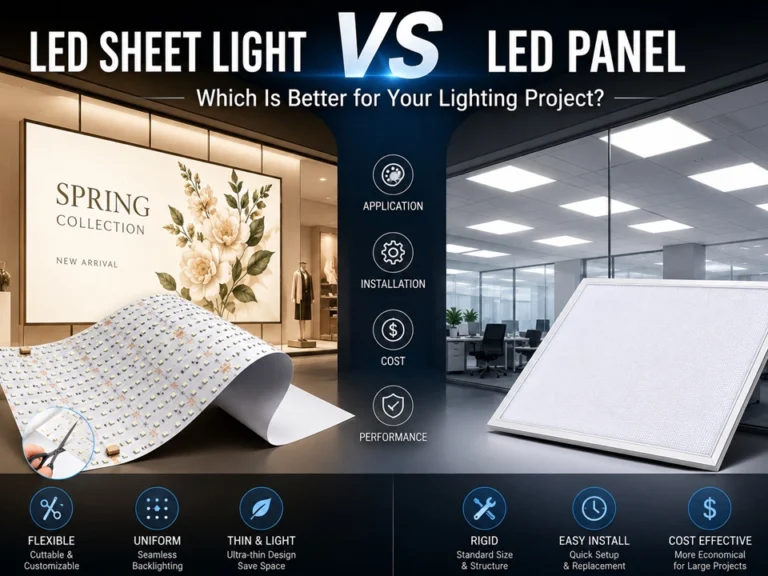
ในทางปฏิบัติ: แถบต้องวิ่งขนานกันหลาย ๆ ตัวพร้อมการฉีดพลังงานแยกต่างหาก โมดูลต้องการตัวกระจายแสงที่ซ่อนจุดร้อน - ไม่สามารถยอมรับได้หลังหินโปร่งแสง แผงมีความแข็งแกร่งและไม่สามารถตัดได้ แผ่นให้แสงสม่ำเสมอโดยไม่มีจุด ไม่มีเงา และไม่มีการหรี่แสงไกล ดูการเปรียบเทียบของเรา แผ่น LED กับแผง LED และ แผ่น LED VS แถบ LED.
ทำไมแผ่น LED จึงเป็นมาตรฐานสำหรับแสงไฟจากหิน
วิธีการดั้งเดิมสั้น: กล่องเรืองแสงมีความลึก 50-100 มม. สร้างความร้อนและไม่มีการควบคุมสี โมดูล LED ต้องการตัวกระจายแสงหนาและยังคงแสดงรูปแบบที่ไม่สม่ำเสมอผ่านหิน แผ่น LED แก้ปัญหาได้ทั้งหมด — PCB แบบบางพอดีกับโพรงขนาด 20 มม. อาร์เรย์หนาแน่นสร้างแสงพื้นที่ที่แท้จริงโดยไม่มีตัวกระจายแสง และ DC แบบโซลิดสเตตหมายความว่าไม่มีการสั่นไหว ฮัม หรือความร้อนที่สร้างความเสียหาย
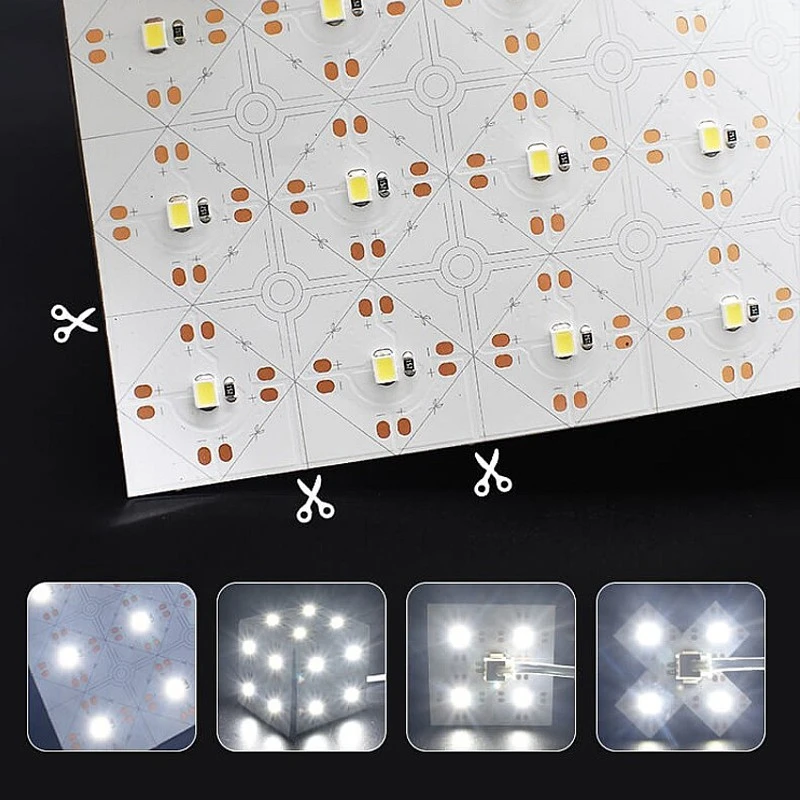
- พื้นผิวเรืองแสงสม่ำเสมอ — 128 LEDs ต่อแผงสร้างความสว่างที่ไร้รอยต่อแม้จะอยู่ด้านหลัง 3-5 มม. onyx ไม่จำเป็นต้องใช้ดิฟฟิวเซอร์
- โปรไฟล์บางเฉียบ — ~0.5 มม. พอดีกับโพรงขนาด 20–50 มม. ที่แน่นหนา ซึ่งสำคัญสำหรับการติดตั้งเพิ่มเติมเมื่อเจาะลึก
- ตัดได้กับรูปทรงเรขาคณิตใด ๆ - สี่เหลี่ยมผืนผ้าวงกลมหรือรูปร่างผิดปกติตัดแต่งบนไซต์ด้วยกรรไกร หน่วยที่เล็กเพียง 20.4 × 122.5 มม.
- ตัวเลือกสีแบบไดนามิก — สีขาวคงที่, สีขาวที่ปรับได้ (2700–6500K), RGB, RGBW, RGB+CCT หรือเอฟเฟกต์พิกเซล
- เส้นทางควบคุมหลายเส้นทาง — RF Remote, Wall Panel, DMX512, DALI, Triac, 0-10V หรือ PWM
- การติดตั้งที่เรียบง่าย - 3M กาว 3M หรือรูสกรูที่เจาะไว้ล่วงหน้า ไม่มีตัวยึด ราง หรือช่องอัดขึ้นรูป
รายละเอียดผลิตภัณฑ์: แผ่น LED ใดที่ให้พลังกับรูปลักษณ์นี้
สำหรับผนังหินที่เปลี่ยนสีได้เช่นของเรา คุณต้องมีแผ่น LED RGB หรือ RGBW พร้อมรีโมทคอนโทรล ทางเลือกจะกำหนดว่าผนังจะเพิ่มเป็นสองเท่าของแสงสีขาวหรือสีตกแต่งเท่านั้น
RGB กับ RGBW: คุณต้องการอันไหน?
RGB ผสมช่องสีแดง สีเขียว และสีน้ำเงินเป็นสีขาวโดยประมาณ แต่ผลลัพธ์ที่ได้คือ "โคลน" อย่างเห็นได้ชัด - CRI ลดลงต่ำกว่า 60 RGBW เพิ่มชิปสีขาวเฉพาะที่สร้างสีขาวที่แท้จริงอย่างอิสระ: CRI เหนือ 90 อุณหภูมิสีธรรมชาติ และแสงทุกวันเมื่อไม่ต้องการเอฟเฟกต์สี
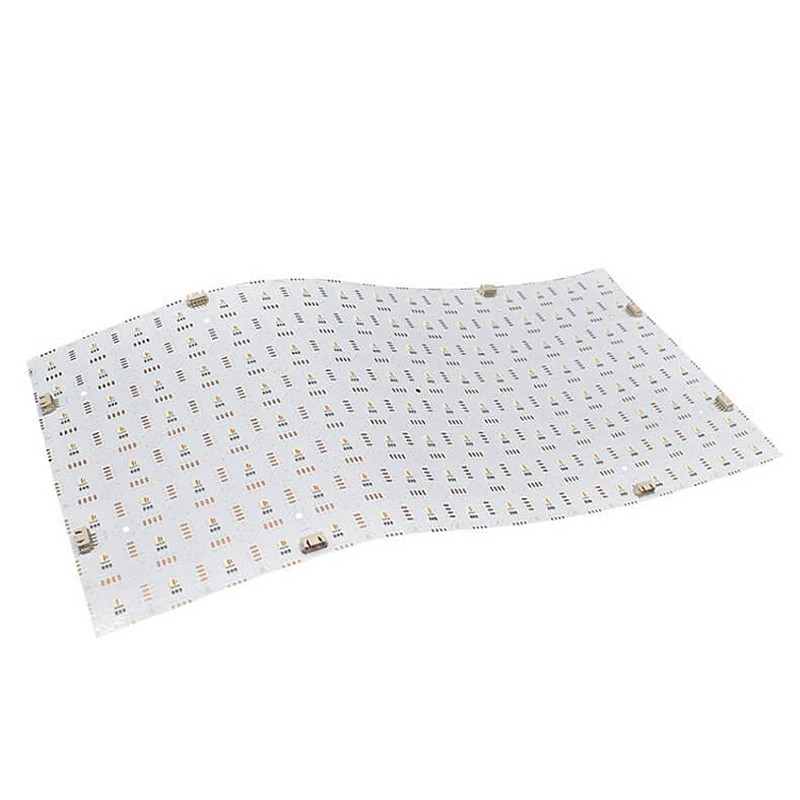
แผ่น LED RGB (5050 SMD, 24V)
| ข้อกำหนด | ประเมินค่า |
|---|---|
| กะทัด | 490 × 245 มม. (มีขนาดที่กำหนดเอง) |
| ประเภท LED | 5050 SMD |
| นับนำ | 128 ต่อแผ่น |
| แรงดันไฟฟ้า | DC 24V |
| อำนาจ | 45W |
| หน่วยตัดขั้นต่ำ | 39.6 มม. |
| เรทอายุ | > 35,000 ชั่วโมง |
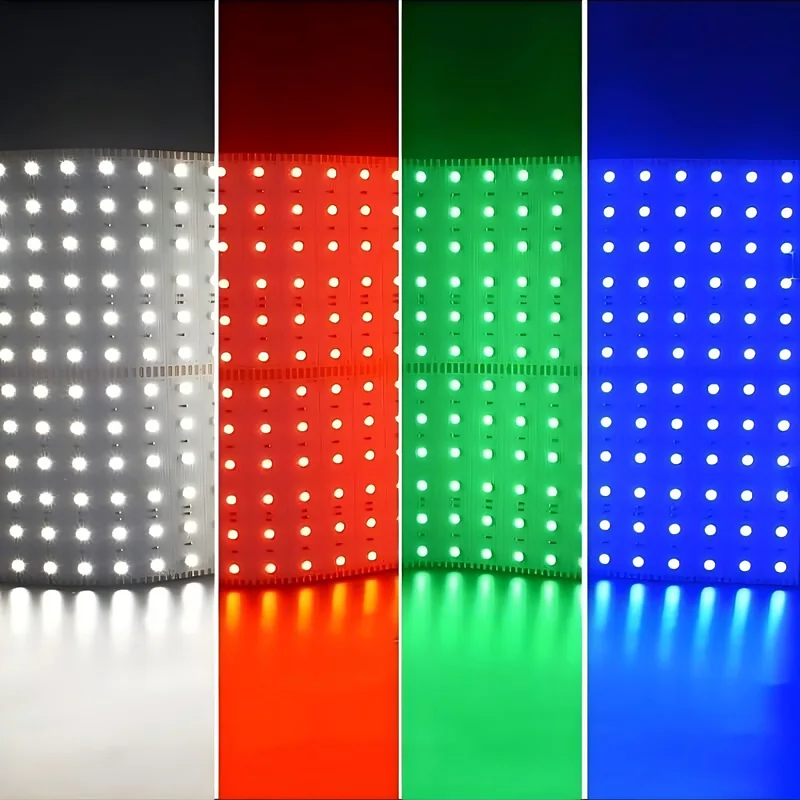
แผ่น LED RGBW (5050 RGBW 4-in-1, 24V) - แนะนำสำหรับโครงการส่วนใหญ่
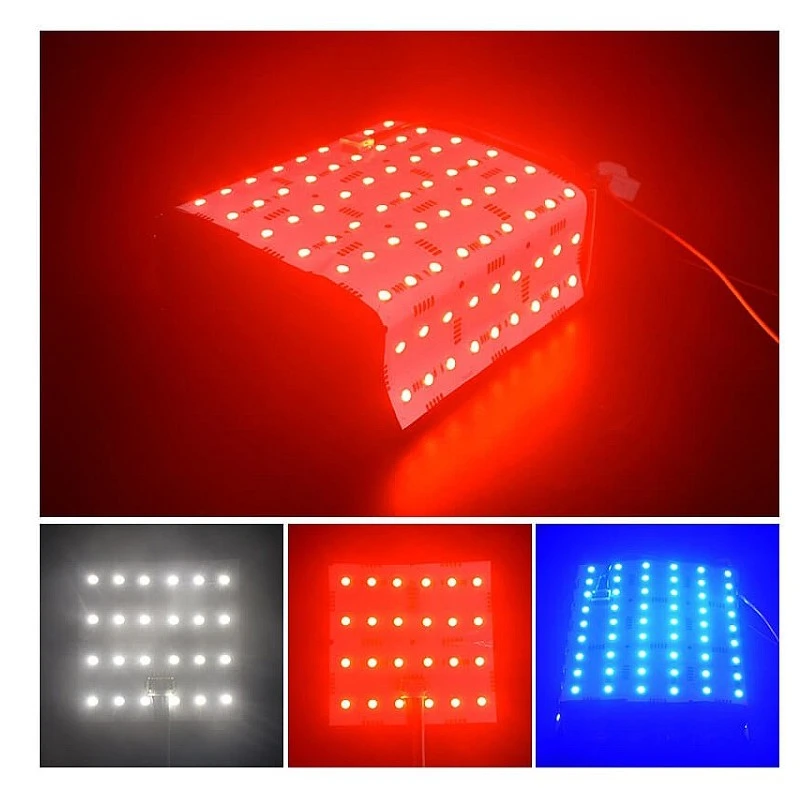
| ข้อกำหนด | ประเมินค่า |
|---|---|
| กะทัด | 250 × 250 มม. / 490 × 250 มม |
| ประเภท LED | 5050 RGBW 4-in-1 SMD |
| ผ้าสี | RGB + 3000K / 4000K / 6500K สีขาว |
| อำนาจ | 24W / 48W |
| ประสิทธิภาพการส่องสว่าง | 90 lm/w |
| หน่วยตัดขั้นต่ำ | 50 × 50 มม. / 20.4 × 122.5 มม |
ตัวอย่างการคำนวณพลังงาน
สำหรับแผ่นผนัง 2.4 ม. × 1.5 ม. (3.6 ตร.ม.) ของแผ่น RGBW 490 × 245 มม. ที่ 48W แต่ละแผ่น: ประมาณ 6-7 แผ่น วาดทั้งหมด 7 × 48W = 336W; เพิ่ม 20% heroom → 400–450W 24V ไดรเวอร์ แผนภูมิการปรับขนาดไดรเวอร์มาพร้อมกับทุกคำสั่ง และไดอะแกรมการเดินสายนั้นฟรีสำหรับเลย์เอาต์ที่ซับซ้อน
วิธีการติดตั้งแผ่น LED หลังหิน: 6 ขั้นตอน
หินมีราคาแพงและยากที่จะถอดออกเมื่อติดตั้งแล้ว ดังนั้นการข้ามการทดสอบก่อนการทดสอบเป็นสาเหตุที่พบบ่อยที่สุดของความล้มเหลว
ขั้นตอนที่ 1: ทดสอบทุกอย่างก่อน
เชื่อมต่อพลังงานและตัวควบคุมบนโต๊ะทำงาน วนสีและระดับความสว่างทั้งหมด และยืนยันทุกส่วนตอบสนอง ก่อน การติดตั้ง ส่วนที่ตายแล้ว - โดยปกติแล้วจะเป็นร่องรอยที่ถูกขัดจังหวะ - พบได้ที่นี่ ไม่ใช่หลังจากหินเข้าที่
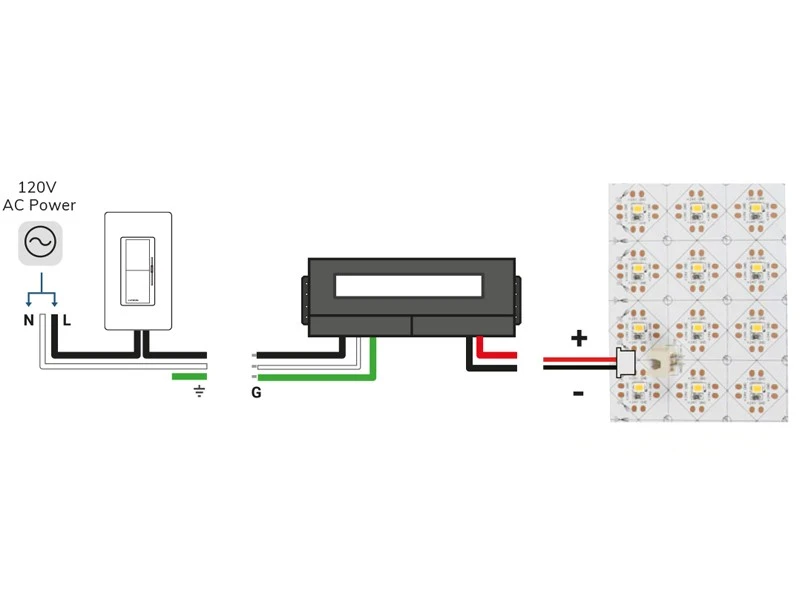
ขั้นตอนที่ 2: เตรียมพื้นผิว
ขจัดฝุ่น น้ำมัน และความชื้น เช็ดพื้นผิวด้วยไอโซโพรพิลแอลกอฮอล์ บนคอนกรีตที่ไม่เรียบ ให้เพิ่มเทปอลูมิเนียมหรือแผ่นรองพื้นแบบแบนเพื่อให้กาว 3M สัมผัสได้เต็มที่ — ช่องว่างทำให้การยึดเกาะอ่อนลงและสร้างช่องอากาศที่หล่อด้วยเงา
ขั้นตอนที่ 3: ตัดให้มีขนาด
ตัดด้วยกรรไกรคมตามเส้นที่ทำเครื่องหมายไว้เท่านั้น - ตัดร่องรอยทองแดงและสร้างโซนตาย สำหรับผนังขนาดใหญ่แผ่นก้นแบบขอบถึงขอบที่มีช่องว่าง 2-3 มม. การแพร่กระจายของหินจะซ่อนช่องว่างเล็ก ๆ
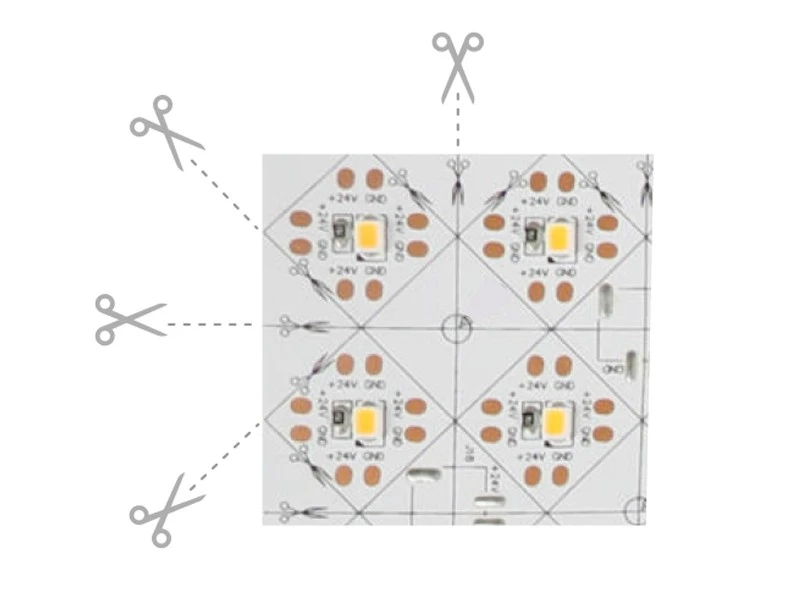
ขั้นตอนที่ 4: ติดตั้งแผ่น
ลอกแผ่นรอง 3 ม. แล้วกดแผ่น 20–50 มม. หลังหิน โดยทำงานจากมุมหนึ่งออกด้านนอกเพื่อขจัดฟองอากาศ สำหรับงานสร้างถาวร ให้เพิ่มสกรูผ่านรูที่เจาะไว้ล่วงหน้า — หัวนั่งล้างและไม่หล่อเงา
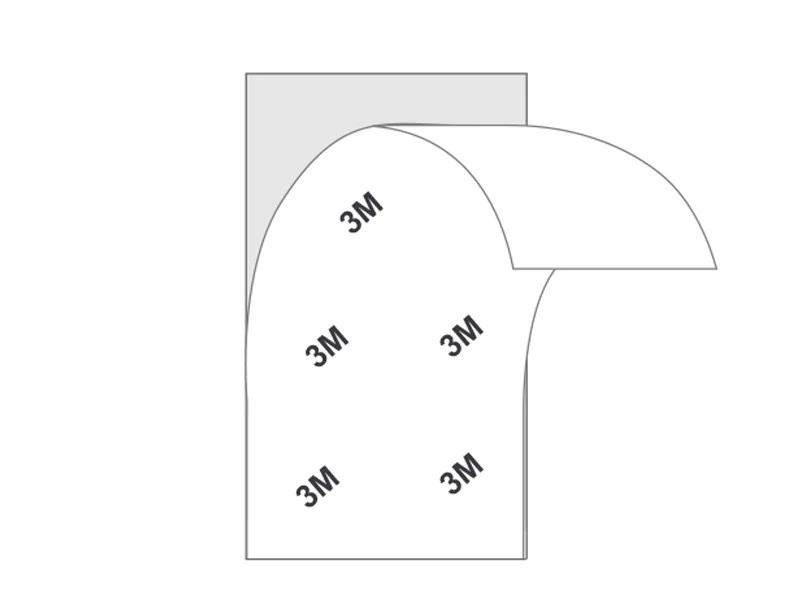
ขั้นตอนที่ 5: เชื่อมต่อพลังงานและการควบคุม
ใช้ลวด 20AWG สำหรับแผ่นเดียว 18AWG สำหรับหลายแผ่น ตัวควบคุม RF ส่วนใหญ่รองรับได้ถึง 10A — ยิ่งไปกว่านั้น ให้เพิ่มเครื่องขยายสัญญาณทุกๆ 5-10 แผ่น ตัวเชื่อมต่อที่ตรงกัน: RGB 4 พิน, RGBW 5 พิน, XLR/DMX สำหรับ DMX512 ติดฉลากทุกสาย
ขั้นตอนที่ 6: เปิดเครื่องและปรับแต่ง
คืนค่าพลังงาน วนรอบสี และล็อคในฉากที่ตั้งไว้ล่วงหน้า เดินบนผนังเพื่อค้นหาจุดที่ไม่สม่ำเสมอ: จุดร้อนหมายถึงการเพิ่มช่องว่างหรือเพิ่มฟิล์มกระจายแสง สีที่ล้างออกมักจะหมายถึงโปรไฟล์ตัวควบคุมไม่ถูกต้อง
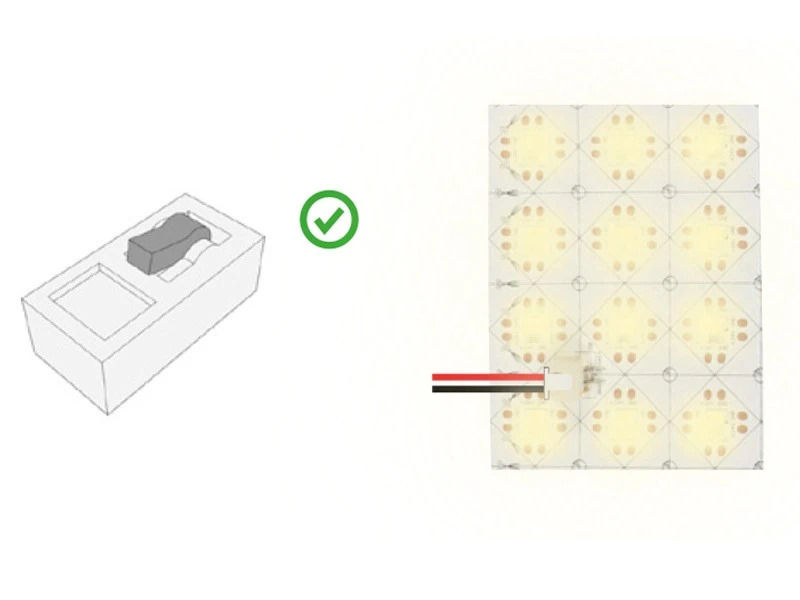
รายการตรวจสอบเครื่องมือ
- กรรไกรคม
- 18–20AWG ลวด + ปอกสายไฟ
- แหล่งจ่ายไฟ — DC 12V/24V, ขนาดกำลังวัตต์ + 20% headroom
- คอนโทรลเลอร์/รีโมท (RF 2.4G, แผงผนัง, DMX512 หรือ DALI)
- ไอโซโพรพิลแอลกอฮอล์เช็ด
- มัลติมิเตอร์สำหรับการตรวจสอบแรงดันไฟฟ้าก่อนเปิดเครื่องขั้นสุดท้าย
สำหรับแผนภาพการเดินสายไฟหลายแผ่นและการจัดวางเครื่องขยายเสียง โปรดดูที่ วิธีการตัด ติดตั้ง และติดตั้งไฟ LED แผ่น.

วิดีโอ: แผ่นไฟ LED ขาวดำสำหรับหินย้อนแสง — ยืดหยุ่นและราบรื่น (Youtube แบบมีลายเซ็น)
ระบบควบคุมเมื่อเทียบ
ตัวควบคุมที่ถูกต้องขึ้นอยู่กับว่าใครเป็นผู้ควบคุมไฟและความถี่ที่เปลี่ยนการตั้งค่า: รีโมทแบบใช้มือถือที่เหมาะกับผนังสองสามครั้งต่อสัปดาห์ DMX512 เหมาะกับล็อบบี้ของโรงแรมที่มีฉากโปรแกรมสิบฉาก
| ผู้ควบคุม | ดีที่สุดสำหรับ | คุณสมบัติที่สำคัญ |
|---|---|---|
| รีโมท RF 2.4G | โครงการขนาดเล็ก-กลาง | วงล้อสีสัมผัส, ฉากพรีเซ็ต, ความสว่าง / การควบคุมความเร็ว |
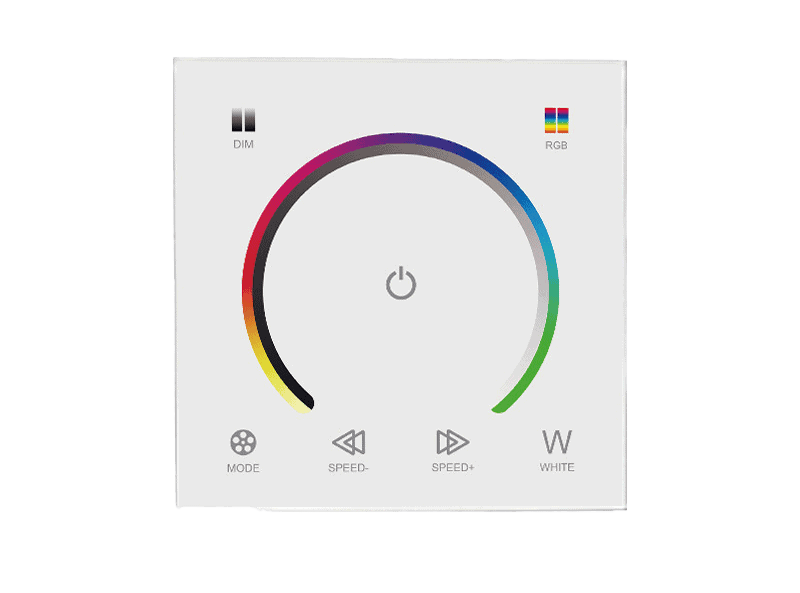
| แผงสัมผัสผนัง | การติดตั้งถาวร | RGBW ลดแสง ควบคุมโซน ความงามสะอาด |
| DMX512 | โครงการสถาปัตยกรรมขนาดใหญ่ | การทำแผนที่พิกเซล, ฉากที่ตั้งโปรแกรม, การซิงค์ทั่วทั้งอาคาร |
| ดอกซวีซต้า | การรวมตัวของอาคารอัจฉริยะ | ปรับได้สีขาว, การจัดตารางเวลา, การรวม BMS |
| SPI / แอดเดรส | เอฟเฟกต์แบบไดนามิก | การควบคุมแบบพิกเซลต่อพิกเซล, รูปแบบการไล่ล่า, การซิงค์วิดีโอ |
RF 2.4G รีโมท — ทางเลือกโครงการที่แท้จริง
ไม่จำเป็นต้องมีสายตายาว — RF ทำงานผ่านหินและ drywall — ด้วยวงล้อสี ตัวเลื่อนความสว่าง และฉากที่ตั้งไว้ล่วงหน้า (แฟลช เฟด แฟลช เรียบ) ช่วง 20-30 เมตรในบ้าน รีโมทหนึ่งตัวสามารถควบคุมได้หลายโซน
แผงสัมผัสผนัง - มาตรฐานโรงแรมและค้าปลีก
ตัวควบคุมหน้ากระจกพร้อมการหรี่แสง RGBW หน่วยความจำฉากและการเลือกโซน — ฮาร์ดแวร์ทางสถาปัตยกรรม ไม่ใช่อุปกรณ์อิเล็กทรอนิกส์สำหรับผู้บริโภค มีจำหน่ายในสีดำ สีขาว และอะลูมิเนียมขัดเงา
DMX512 และ DALI — การควบคุมระดับอาคาร
สำหรับแผ่นงานมากกว่า 20 แผ่นหรือแสงที่ซิงค์กับ HVAC, มู่ลี่หรือ AV: DMX512 นำเสนอช่อง 512 ช่องต่อจักรวาลพร้อมการทำแผนที่พิกเซลผ่าน MadMapper หรือ Resolume DALI รวมเข้ากับระบบการจัดการอาคารสำหรับการเก็บเกี่ยวในเวลากลางวันและการหรี่แสงตามกำหนดเวลา
SPI Addressable — เมื่อทุกพิกเซลนับ
แผ่นงานควบคุมทุก LED แต่ละแบบได้ — ไล่ตามรูปแบบ คลื่นสี การทำแผนที่วิดีโอ การแลกเปลี่ยนคือความซับซ้อน: ช่องสัญญาณมากขึ้น กำหนดเวลาสัญญาณที่ถูกต้อง และการเดินสายอย่างระมัดระวังในระยะทางไกล
มุมมองของเรา: สำหรับผนังหินที่มีการเปลี่ยนสีเป็นครั้งคราว รีโมท RF หรือแผงผนังก็เพียงพอแล้ว สำหรับฉากที่ตั้งโปรแกรมไว้ ให้ลงทุนใน DMX512 หรือ SPI ดูการดำน้ำลึกของเราบน ไฟพิกเซลที่สามารถระบุตำแหน่งด้วย DMX512 และ SPI.

วิดีโอ: ไฟ LED แผ่นสีคู่ — เอฟเฟกต์การเปลี่ยนสีที่แน่นอนที่ใช้ในโครงการหินจริงของเรา
การเลือกหินโปร่งแสงที่เหมาะสม
หินทุกก้อนไม่สามารถส่งแสงได้เท่ากัน: แผงเรซิน 2 มม. ผ่านแสงเกือบทั้งหมด แผ่นหินแกรนิตขนาด 20 มม. บล็อกเกือบทุกอย่าง ตัวแปรหลัก ได้แก่ ความหนา ความหนาแน่นของแร่ และพื้นผิว — ใบหน้าที่ขัดเงาจะสะท้อนแสงก่อนที่จะเข้าสู่หิน ในขณะที่พื้นผิวที่ขัดแล้วจะให้แสงที่อุ่นขึ้นและกระจายตัว
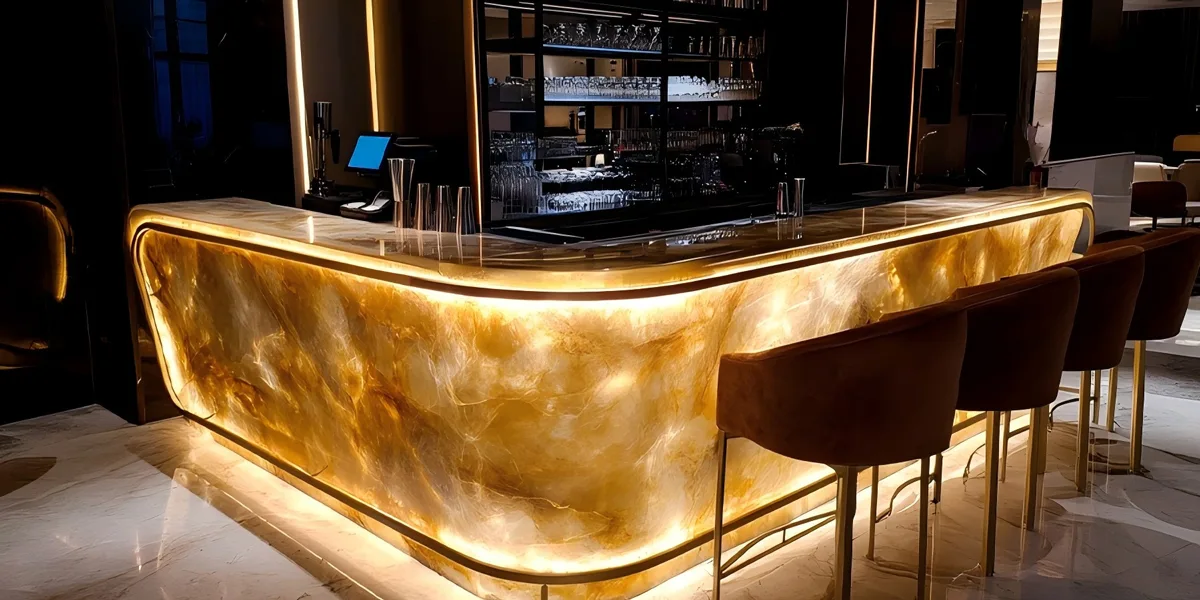
ตามผลลัพธ์ภาคสนาม — รวมถึงโครงการในของเรา คู่มือการออกแบบหินอ่อนย้อนแสง - วัสดุจัดอันดับดังนี้:
| วัตถุ | ความโปร่งแสง | ความหนาทั่วไป | ดีที่สุดสำหรับ |
|---|---|---|---|
| หินบูด | มกุฎ | 6–12mm | ผนังห้องหรูหรา บาร์ โต๊ะรับแขก |
| หินปูน | มกุฎ | 8–15 มม. | ความอบอุ่นและกระจายแสงในสปาและศูนย์สุขภาพ |
| หินอ่อนบางๆ | รสเด็ด | 5–10 มม. | แสงไฟที่หรูหราและละเอียดอ่อนในโรงแรมและสำนักงาน |
| แผงเรซิน | มกุฎ | 3–8 มม. | สีสม่ำเสมอ ดูทันสมัย ประหยัดงบ |
| อะคริ | ฟุ้ง | 3–10 มม. | ประหยัด ประหยัด แม้กระทั่งการแพร่กระจาย ง่ายต่อการประดิษฐ์ |
นิล - มาตรฐานทองคำ
หินบูด เป็นหินธรรมชาติที่มีเส้นสายที่น่าทึ่งและความโปร่งแสงสูง แผ่นพื้นขนาด 6-8 มม. ที่มีแผ่น 30 มม. ด้านหลังเผยให้เห็นทุกเส้นเลือด — ใช้ช่องว่าง 35–40 มม. เพื่อป้องกันจุดร้อนในบริเวณบาง ราคาแพงและเปราะบาง แต่ไม่ตรงกัน
เศวตศิลา - อบอุ่นและให้อภัย
ความโปร่งแสงที่นุ่มนวลและน้ำนมมากขึ้นซึ่งกระจายแสงอย่างสม่ำเสมอ - ให้อภัยในระยะทางช่องว่างและตัดง่ายในสนาม จับคู่กับแผ่นสีขาว 3000K ได้ดี
หินอ่อนบาง ๆ - ความสง่างามที่ละเอียดอ่อน
โปร่งแสงน้อยกว่า ดังนั้นจึงต้องการแผ่นที่สว่างกว่าหรือช่องว่างที่เล็กกว่า แผ่นพื้นขนาด 5 มม. พร้อมแผ่น RGBW ความหนาแน่นสูงที่ 20 มม. ให้ความสว่างที่นุ่มนวลเหมาะสำหรับล็อบบี้และที่พักอาศัยขององค์กร
ข้อมูลอ้างอิงความสว่าง: สำหรับแผงโอนิกซ์และเรซินส่วนใหญ่ แผ่นที่ 12–28W (1200–2800 lm) ที่มีช่องว่าง 30 มม. ให้การเรืองแสงที่สมดุล สำหรับเศวตศิลาบาง ๆ ให้ลดลงเหลือ 20 มม. พร้อมไดรเวอร์แบบหรี่แสงได้ สำหรับหินอ่อนหนา ให้ใช้ 40-50 มม. หรือเพิ่มชั้นที่สอง
OEM และการปรับแต่งสำหรับโครงการของคุณ
โครงการหินไม่ค่อยได้มาตรฐาน: ล็อบบี้ของโรงแรมต้องการแผ่นตัดเป็น 487 × 243 มม. บาร์ชื้นต้องการการกันซึม IP54 เครือข่ายค้าปลีกต้องการแผ่นที่เหมือนกัน 5,000 แผ่นพร้อมสายรัดแบบกำหนดเอง ในฐานะผู้ผลิต OEM/ODM SignLiteled จะปรับแต่งพารามิเตอร์หกตัว - ดู ตัวเลือกการออกแบบแผ่น LED แบบกำหนดเอง:
- ขนาดและรูปร่าง — สี่เหลี่ยมผืนผ้าที่กำหนดเอง วงกลม อาร์ค และรูปหลายเหลี่ยมจากภาพวาด CAD เลย์เอาต์ใน 48 ชั่วโมง
- ความหนาแน่นของ LED — มาตรฐาน 128 ไฟ LED ต่อแผง 490 × 245 มม. สูงสุด 192 สำหรับหินอ่อนหนา ประมาณ +50% เอาต์พุตที่ไม่มีความหนาพิเศษ
- แรงดันไฟฟ้า - มาตรฐาน 24V (กระแสไฟต่ำ, วิ่งนานขึ้น); 12V สำหรับการติดตั้งยานยนต์, ทางทะเลหรือแบตเตอรี่
- อุณหภูมิสี — 2700K–6500K หรือ RGB/RGBW แบบเต็ม 3000K เป็นที่นิยมมากที่สุดสำหรับสภาพแวดล้อมของโรงแรมที่อบอุ่น
- การกันซึม — IP54/IP65 เคลือบตามรูปแบบและตัวเชื่อมต่อแบบปิดผนึกสำหรับห้องน้ำ สปา และป้ายกลางแจ้ง (แผ่นมาตรฐานคือ IP20)
- ตัวเชื่อมต่อ — บัดกรีสำหรับครั้งเดียว สายรัดแบบปลั๊กแอนด์เพลย์ตัดเวลาในการติดตั้งได้สูงสุด 60%
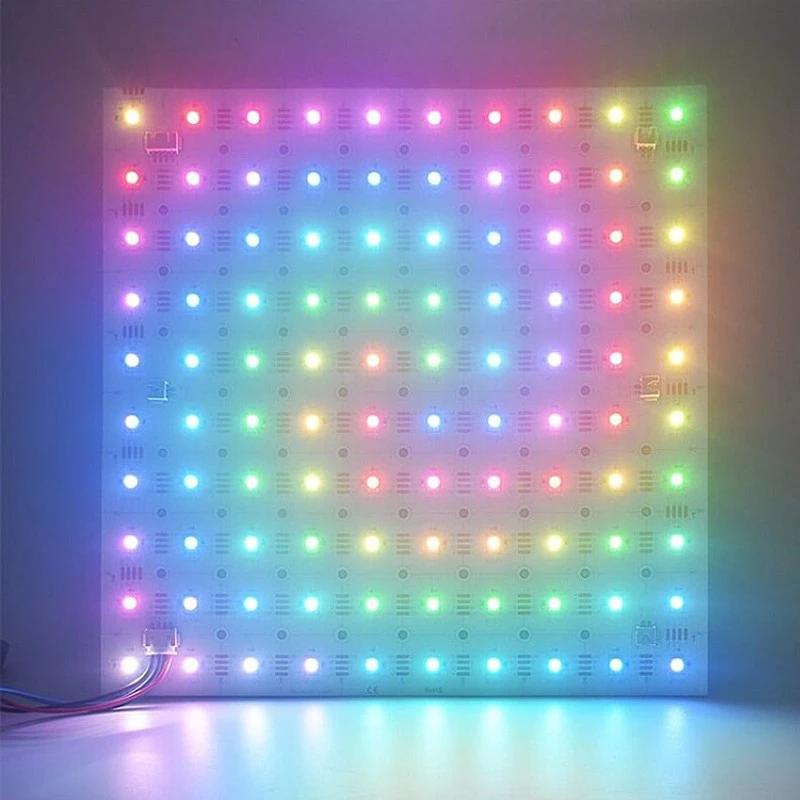
เวิร์กโฟลว์การปรับแต่ง
การไหลทั่วไป: ข้อกำหนด (ขนาด, หิน, ความสว่าง, สี, การควบคุม) → การออกแบบเลย์เอาต์พร้อมแผนผังขนาดและสายไฟของไดรเวอร์ (2-3 วัน) → ตัวอย่างต้นแบบสำหรับการอนุมัติ (1-2 สัปดาห์) → การผลิตด้วยการทดสอบ QC (2-4 สัปดาห์) → การสนับสนุนอย่างต่อเนื่องสำหรับการติดตั้งและการรับประกัน
พร้อมที่จะขอใบเสนอราคา? รวมรายละเอียดหกข้อสำหรับคำตอบรอบเดียวที่ถูกต้อง: ① ขนาดการติดตั้ง ② วัสดุหินและความหนา ③ ความสว่างที่ต้องการ (LM/m²), ④ อุณหภูมิสีหรือ RGB/RGBW, ⑤วิธีการลดแสง/ควบคุม, ปริมาณเป้าหมาย ดูเพิ่มเติมที่ รายการตรวจสอบทางเทคนิค 7 จุดของผู้ซื้อ B2B.

วิดีโอ: แผ่น LED backlit หรูหราในการผลิตที่โรงงานที่มีป้ายบอกทาง
คำถามที่พบบ่อย
ไฟ LED แผ่นคืออะไร?
แผง PCB ที่บางและยืดหยุ่นพร้อมไฟ LED กระจายอย่างทั่วถึง แผ่นงานต่างจากแถบ (เชิงเส้น) หรือโมดูล (จุด) แผ่นจะให้แสงในพื้นที่สม่ำเสมอโดยไม่มีจุดหรือจุดร้อนที่มองเห็นได้ — เหมาะสำหรับแบ็คไลท์แบบ Backlighting Onyx, หินอ่อน, อะคริลิกและเรซิน
แผ่น LED ผนังหินแสงสามารถ?
ใช่ ติดตั้ง 20-50 มม. ด้านหลังหินด้วยกาวหรือสกรู 3M อาร์เรย์หนาแน่น 2835/5050 ให้แสงที่สม่ำเสมอ เวอร์ชัน RGB/RGBW เปลี่ยนสีผ่านรีโมท RF, แผงผนัง, DMX512 หรือ DALI
RGB หรือ RGBW — ไหนดีกว่าสำหรับไฟแบ็คไลท์หิน?
ร.บ. ชิปสีขาวเฉพาะให้ CRI > 90 และอุณหภูมิสีธรรมชาติควบคู่ไปกับเอฟเฟกต์สี ใช้ RGB ธรรมดาสำหรับผนังตกแต่งอย่างหมดจดเท่านั้น
แผ่น LED ควรอยู่ห่างจากหินมากแค่ไหน?
20–50 มม. วัสดุที่บางหรือโปร่งแสงกว่าต้องการช่องว่างที่ใหญ่ขึ้น เอาต์พุตที่สว่างกว่าช่วยให้สั้นลง ทดสอบกับตัวอย่างหินจริงก่อนเสมอ
แผ่น LED สามารถตัดขนาดได้หรือไม่?
ใช่ — ตัดตามเส้นที่ทำเครื่องหมายด้วยกรรไกรคมเป็นรูปร่างใดก็ได้ หน่วยตัดขั้นต่ำมีตั้งแต่หนึ่ง LED ถึง 50 × 50 มม. ในกรณี - ทดสอบแต่ละส่วนหลังจากตัด
ไฟ LED แผ่นมีอายุการใช้งานนานแค่ไหน?
35,000–50,000+ ชั่วโมงขึ้นอยู่กับรุ่นและเงื่อนไข ติดตั้งบนพื้นผิวโลหะเพื่อการกระจายความร้อนที่ดีขึ้น Signlited ครอบคลุมแผ่นมาตรฐานพร้อมการรับประกัน 3 ปี
บทสรุป
หินโปร่งแสงแบ็คไลท์ไม่ได้เกี่ยวกับการเพิ่มแสงให้กับผนัง แต่เป็นการเปลี่ยนผนังให้กลายเป็นพื้นผิวที่มีชีวิต ตามโครงการจริงด้านบนนี้เทคโนโลยีมีราคาไม่แพงและติดตั้งง่าย: แผ่น LED ให้หินเรืองแสงที่สม่ำเสมอและปราศจากจุด คอนโทรลเลอร์ RGB / RGBW มอบความต้องการด้านสถาปัตยกรรมที่ทันสมัยและช่องว่าง 20-50 มม. เหมาะกับทุกช่องรวมถึงการติดตั้งหินที่ติดตั้งไว้แล้ว
การติดตั้งที่ประสบความสำเร็จมีสามสิ่ง: การทดสอบก่อนการติดตั้ง ความหนาแน่นของ LED ที่จับคู่กับความหนาของหิน และการปรับขนาดแหล่งจ่ายไฟอย่างถูกต้อง ทำให้ถูกต้อง และผนังเปลี่ยนจากสีแดงอบอุ่นเป็นสีเขียวเย็นด้วยการกดปุ่ม — ไม่มีฮาร์ดแวร์ที่มองเห็นได้ ไม่ต้องปวดหัวในการบำรุงรักษาเป็นเวลาหลายปี
กำลังวางแผนโครงการแสงไฟจากหิน? Signlited สามารถช่วยในการออกแบบเลย์เอาต์ การเลือกผลิตภัณฑ์ ขนาดไดรเวอร์ และการผลิตแบบกำหนดเอง ติดต่อกับขนาด ประเภทหิน และข้อกำหนดสีของคุณสำหรับข้อเสนอแบบเต็มพร้อมแผนผังการเดินสายไฟและใบเรียกเก็บเงินวัสดุ
พร้อมที่จะแบ็คไลท์โครงการหินครั้งต่อไปของคุณแล้วหรือยัง?
เรียกดู คอลเลกชันไฟ LED แผ่น, หรือ ติดต่อเรา สำหรับการปรับขนาดแบบกำหนดเอง การออกแบบเลย์เอาต์ และการผลิต OEM
กระทู้ที่เกี่ยวข้อง