ไทย
ไทย  English
  简体中文
简体中文  Deutsch
  Español
  Français
  Italiano
  日本語
日本語  한국어
한국어  Polski
  Português
  Русский
  Türkçe
  Nederlands
  Tiếng Việt
การแนะนำตัว
โครงการไฟแบ็คไลท์หินต้องการมากกว่าแหล่งกำเนิดแสง — พวกเขาต้องการระบบไฟส่องสว่างที่ออกแบบมาอย่างดี ซึ่งสามารถให้แสงสว่างสม่ำเสมอบนพื้นผิวโปร่งแสงขนาดใหญ่ ในขณะที่ยังคงความเรียบง่ายในการติดตั้งและความเสถียรทางไฟฟ้า
ในโครงการนี้ ผู้ผลิตไฟส่องสว่างในเนเธอร์แลนด์กำลังพัฒนาชุดแผ่นผนังหินขนาดใหญ่ทางสถาปัตยกรรม ความท้าทายหลักไม่เพียงแต่บรรลุผลสะท้อนแสงที่สม่ำเสมอทางสายตาเท่านั้น แต่ยังออกแบบสถาปัตยกรรมระบบที่สามารถปรับขนาดผ่านแผงขนาดใหญ่หลายแผงที่มีความซับซ้อนในการเดินสายน้อยที่สุด
กรณีนี้แสดงให้เห็นว่า ไฟ LED แผ่น เทคโนโลยีได้รับการออกแบบในระบบไฟส่องสว่างแบบแผงควบคุมที่เรียบง่ายโดยใช้พลังงานจากส่วนกลางและการควบคุมแบบคาบิมบิท

ภาพรวมโครงการ
| เรื่อง | รายละเอียด |
| ประเภทโครงการ | แสงไฟจากสถาปัตยกรรม |
| แอปพลิเคชัน | แผ่นผนังหินภายในขนาดใหญ่ |
| วัตถุ | หินธรรมชาติโปร่งแสง |
| โซลูชันแสงสว่าง | ระบบแผ่น LED สีขาวปรับได้ |
| ระบบการควบคุม | แคสบิม/พีดับเบิลยูเอ็ม/0–10V |
| ความท้าทายหลัก | แบ็คไลท์แบบโหลดสูงพร้อมสายไฟแบบง่าย |
| ผลสุดท้าย | ระบบไฟส่องสว่างทางสถาปัตยกรรมแบบไร้รอยต่อ |
ประเด็นสำคัญ
- โครงการนี้ต้องการการออกแบบแสงระดับระบบ ไม่ใช่แค่การเลือกแหล่งกำเนิดแสง
- แผงหินแต่ละแผ่นได้รับการออกแบบด้วยแหล่งจ่ายไฟ 1 ตัว + สถาปัตยกรรมระบบควบคุม 1 ตัว
- แผงโหลดสูง (สูงถึง ~ 450W) จำเป็นต้องมีการประเมินข้อ จำกัด ของไดรเวอร์และการกระจายโหลดอย่างรอบคอบ
- Casamby ได้รับเลือกให้เป็นแพลตฟอร์มควบคุมหลักเนื่องจากความยืดหยุ่นไร้สายและความซับซ้อนของการเดินสายไฟลดลง
- การเดินสายแบบขนานของแผ่น LED เป็นสิ่งสำคัญเพื่อให้แน่ใจว่าความสว่างสม่ำเสมอบนพื้นผิวขนาดใหญ่
- ระบบสุดท้ายได้กำจัดไดรเวอร์ขนาดเล็กหลายตัว ซึ่งช่วยลดความซับซ้อนในการติดตั้งบนไซต์ได้อย่างมาก
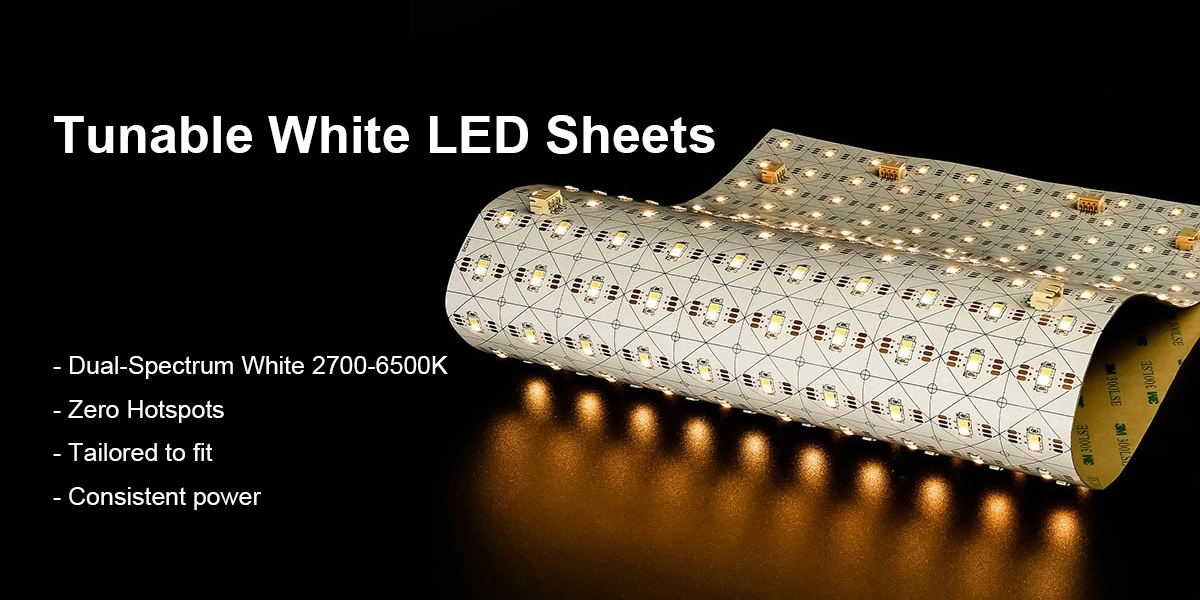
ภาพรวมโครงการ: คำขอแบ็คไลท์หินที่กำหนดเองของ Nordic Design Studio
โครงการนี้ได้รับการพัฒนาสำหรับผู้ผลิตไฟส่องสว่างชาวดัตช์ที่ทำงานเกี่ยวกับการติดตั้งไฟแบ็คไลท์แบบผนังหินทางสถาปัตยกรรม
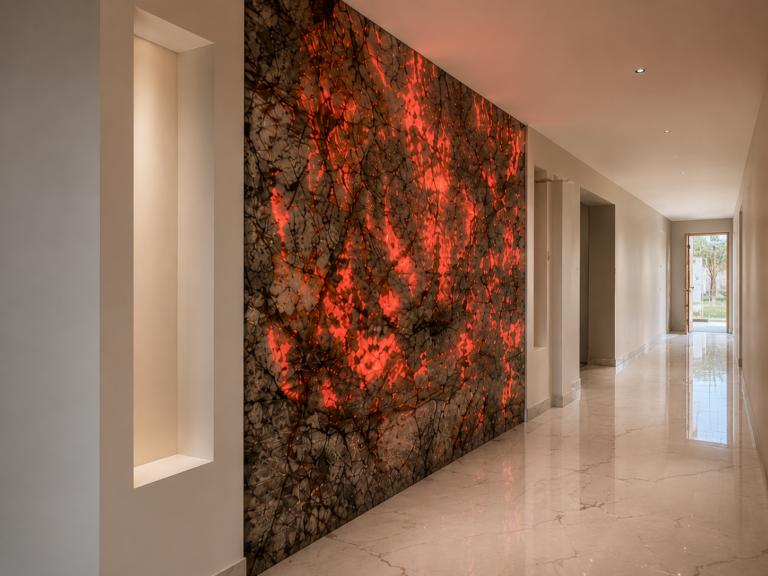
แอปพลิเคชันนี้เกี่ยวข้องกับแผงหินโปร่งแสงขนาดใหญ่ที่ใช้ในพื้นที่สถาปัตยกรรมภายใน ซึ่งระบบไฟส่องสว่างจำเป็นต้องให้เอฟเฟกต์แบ็คไลท์ที่สม่ำเสมอโดยไม่มีฮอตสปอต ในขณะที่ยังคงรักษาโครงสร้างทางไฟฟ้าที่เรียบง่ายและปรับขนาดได้สำหรับการติดตั้งบนไซต์
กรณีนี้ต่างจากโครงการไฟตกแต่งมาตรฐาน กรณีนี้ต้องประสานงานอย่างระมัดระวังระหว่าง:
- ความโปร่งแสงของวัสดุหิน
- ความหนาแน่นของแผ่นงาน LED
- การกระจายพลังงานผ่านแผงขนาดใหญ่
- ความเรียบง่ายของระบบควบคุม (ความเข้ากันได้ของ casambi / 0–10V)
ตั้งแต่ระยะแรก โปรเจ็กต์นี้ไม่ได้เป็นเพียงการเลือกแหล่งกำเนิดแสงเท่านั้น แต่ยังเกี่ยวกับการออกแบบสถาปัตยกรรมระบบไฟที่สมบูรณ์ซึ่งสามารถติดตั้งและควบคุมได้จริงในขนาด
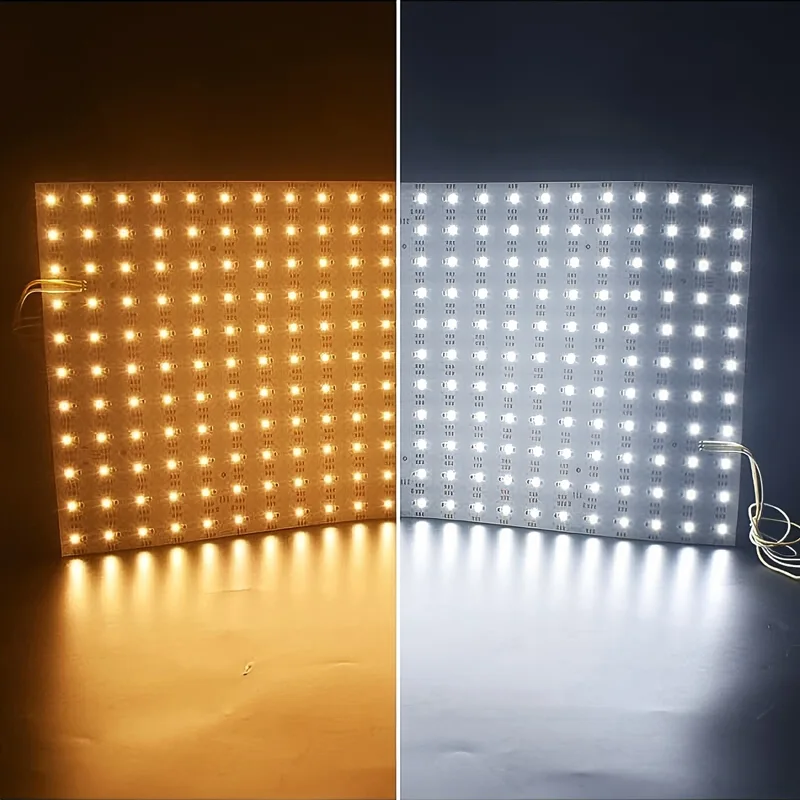
แผ่น LED สีขาวปรับได้
ขนาด (LXH): 250mmx 250mm/490mmx245mm
ประเภท LED: 2835 SMD
ปริมาณ LED: 200 ชิ้น/484 ชิ้น
แรงดันไฟฟ้าในการทำงาน: DC 24V
กำลังไฟ: 16W / 40W
ช่วงปรับอุณหภูมิสี: 2700K - 6500K
ฟลักซ์ส่องสว่าง: 1600LM/M/3800LM/M
ดัชนีการแสดงผลสี: >90RA
ความยาวตัดขั้นต่ำ: 25mmx25 mm/22.3 mm x22.3mm
หรี่แสงได้: ใช่
มุมลำแสง: 120 °
วัตถุประสงค์การออกแบบลูกค้า
ความต้องการของลูกค้าและวัตถุประสงค์ของระบบ
จากขั้นตอนการออกแบบในช่วงต้น โฟกัสของลูกค้าไม่เพียงแต่บรรลุแสงพื้นหลังหินคุณภาพสูงเท่านั้น แต่ที่สำคัญกว่านั้นคือการกำหนดสถาปัตยกรรมระบบที่ปรับขนาดได้และมีประสิทธิภาพในการติดตั้ง ซึ่งสามารถจำลองได้บนแผงขนาดใหญ่หลายแผง
ความต้องการของโครงการค่อยๆ เน้นระบบมากกว่าเน้นผลิตภัณฑ์ โดยมีวัตถุประสงค์หลักดังต่อไปนี้:
- แผงหินแต่ละแผ่นควรทำงานเป็นหน่วยแสงสว่างอิสระ
- โครงสร้างที่เรียบง่ายของแหล่งจ่ายไฟ 1 ตัวต่อแผง + 1 ระบบควบคุมต่อแผง
- หลีกเลี่ยงการใช้ไดรเวอร์ขนาดเล็กหลายตัวเพื่อลดความซับซ้อนของการเดินสายในไซต์งาน
- ตรวจสอบให้แน่ใจว่าไฟแบ็คไลท์แบบเต็มพื้นผิวโดยไม่มีฮอตสปอตที่มองเห็นได้
- รองรับ Tunable White (2700K–6500K) เพื่อความยืดหยุ่นทางสถาปัตยกรรม
- รักษาความเข้ากันได้กับทั้งระบบควบคุมไร้สาย Casamb และระบบควบคุมแบบใช้สาย 0–10V
- ตรวจสอบให้แน่ใจว่าระบบสามารถติดตั้งและบำรุงรักษาได้ด้วยการปรับในสถานที่น้อยที่สุด
ในระหว่างขั้นตอนการสนทนา เป็นที่ชัดเจนว่าความท้าทายหลักไม่ได้อยู่ที่การกระจายโหลดไฟฟ้าเท่านั้น แต่ยังรวมถึงวิธีปรับสมดุลความยืดหยุ่นในการควบคุม ข้อจำกัดของไดรเวอร์ และการใช้งานจริงในสถาปัตยกรรมแบบง่ายเดียว
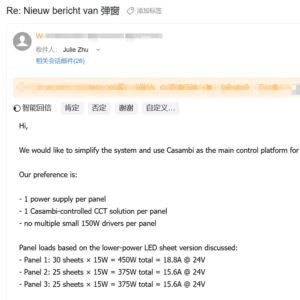
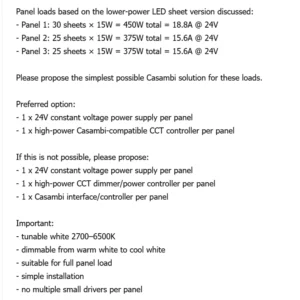
การคำนวณโหลดและข้อจำกัดของระบบ
การวิเคราะห์โหลดไฟฟ้าและข้อจำกัดของระบบ
ตามการกำหนดค่าแผ่น LED ขั้นสุดท้ายที่ได้รับการยืนยันระหว่างการอภิปรายทางวิศวกรรม แผงหินแต่ละแผ่นได้รับการออกแบบโดยใช้เลย์เอาต์แผ่น LED ความหนาแน่นสูงที่ทำงานที่แรงดันไฟฟ้าคงที่ 24V
โหลดไฟฟ้าทั้งหมดต่อแผงคำนวณดังนี้:
- แผง 1 (2676 × 1200 มม.): 30 แผ่น LED → ประมาณ 450W (~18.75A @ 24V)
- แผง 2 (2397 × 1194 มม.): 25 แผ่น LED → ประมาณ 375W (~15.6A @ 24V)
- แผง 3 (2397 × 1200 มม.): 25 แผ่น LED → ประมาณ 375W (~15.6A @ 24V)
สิ่งนี้ยืนยันว่าแต่ละแผงทำงานในช่วงกำลังสูงสำหรับระบบแผ่น LED แรงดันคงที่ ซึ่งต้องพิจารณาทั้งการปรับขนาดแหล่งจ่ายไฟและกลยุทธ์การกระจายกระแสอย่างรอบคอบ
ภาพรวมโหลดโครงการ (ต่อแผง)
| แผ่นกระดาน | ขนาด (มม.) | แผ่น LED | โหลดทั้งหมด | ปัจจุบัน @24V |
| แผง 1 | 2676 × 1200 | 30 ชิ้น | ~450W | ~18.75A |
| แผง 2 | 2397 × 1194 | 25 ชิ้น | ~375W | ~15.6a |
| แผง3 | 2397 × 1200 | 25 ชิ้น | ~375W | ~15.6a |
ข้อจำกัดระดับระบบ: ข้อจำกัดของไดรเวอร์และการควบคุม
ในระหว่างการตรวจสอบระบบ ได้มีการระบุข้อจำกัดทางเทคนิคที่สำคัญ:
ไดรเวอร์ casamb ที่มีอยู่ส่วนใหญ่และ 0–10V LED สำหรับหมวดหมู่นี้มักจะได้รับการจัดอันดับที่ประมาณ 150W ต่อหน่วยไดรเวอร์
สิ่งนี้สร้างความท้าทายในการออกแบบระบบที่ชัดเจน:
- โหลดแต่ละแผง (375W–450W) เกินความจุของไดรเวอร์เดียว
- การออกแบบทั่วไปจึงต้องใช้ไดรเวอร์ 3-4 ตัวต่อแผง
- สิ่งนี้จะเพิ่มความซับซ้อนของการเดินสายเวลาในการติดตั้งและจุดล้มเหลวอย่างมาก
ในเวลาเดียวกัน เป้าหมายการออกแบบของลูกค้าคือการรักษาสถาปัตยกรรม "หนึ่งแผง = แหล่งจ่ายไฟหนึ่งตัว + ระบบควบคุมหนึ่งระบบ" ซึ่งขัดแย้งโดยตรงกับแนวทางแบบหลายไดรเวอร์แบบกระจาย
ข้อกำหนดด้านการเดินสายและการกระจายสินค้า
ข้อกำหนดด้านวิศวกรรมที่สำคัญอีกประการหนึ่งเกี่ยวข้องกับพฤติกรรมการเชื่อมต่อแผ่น LED
เนื่องจากแผ่น LED จำนวนมากต่อแผงระบบจำเป็นต้องได้รับการออกแบบด้วยสถาปัตยกรรมการเดินสายแบบขนานที่ด้านอินพุตเพื่อให้มั่นใจว่า:
- การกระจายแรงดันไฟฟ้าที่เท่ากันในแผ่น LED ทั้งหมด
- การป้องกันแรงดันตกคร่อมสายยาว
- ความสว่างและอุณหภูมิสีที่สม่ำเสมอทั่วทั้งพื้นผิวหิน
กลยุทธ์การเดินสายไฟนี้เป็นสิ่งจำเป็นสำหรับการใช้งานแบ็คไลท์ในพื้นที่ขนาดใหญ่ ซึ่งแม้แรงดันไฟฟ้าเล็กน้อยจะไม่สมดุลก็อาจส่งผลให้ความสว่างไม่สอดคล้องกัน
บทสรุปทางวิศวกรรม (ขั้นตอนก่อนการแก้ปัญหา)
จากมุมมองของการออกแบบระบบ โครงการนำเสนอข้อจำกัดหลักสามประการ:
- โหลดรวมสูงต่อแผง (สูงสุด ~ 450W)
- ข้อ จำกัด ของไดรเวอร์ (~ 150W ต่อชุดควบคุม)
- ข้อกำหนดสำหรับสถาปัตยกรรมแบบง่าย ๆ ตัวควบคุมเดียวต่อแผง
ข้อจำกัดเหล่านี้ทำให้ชัดเจนว่าโซลูชันขั้นสุดท้ายจะต้องจัดลำดับความสำคัญของการทำให้ระบบง่ายขึ้นและตรรกะการควบคุมแบบรวมศูนย์ แทนที่จะเป็นแนวทางของไดรเวอร์แบบกระจายแบบเดิม

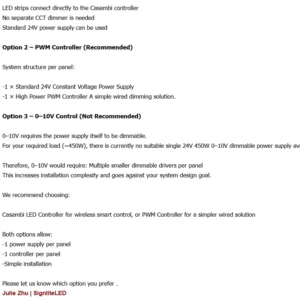
ตัวเลือกการควบคุมทางวิศวกรรมและตรรกะในการตัดสินใจ
การประเมินระบบควบคุมและการตัดสินใจทางวิศวกรรม
เมื่อพิจารณาจากโหลดไฟฟ้าต่อแผงและข้อกำหนดสำหรับสถาปัตยกรรม "หนึ่งแผง - ระบบควบคุมเดียว" ที่เรียบง่าย กลยุทธ์การควบคุมหลายอย่างจึงได้รับการประเมินในระหว่างขั้นตอนทางวิศวกรรม
การเลือกไม่ได้ขึ้นอยู่กับคุณสมบัติเพียงอย่างเดียว แต่ขึ้นอยู่กับความเข้ากันได้ของระบบกับโหลดแผ่นงาน LED กำลังสูง ข้อจำกัดของไดรเวอร์ และข้อจำกัดในการติดตั้ง
ตัวเลือกที่ 1 - ระบบควบคุมไร้สาย Casamb (โซลูชันที่ต้องการ)
ระบบ Casamb ได้รับการประเมินว่าเป็นสถาปัตยกรรมการควบคุมหลักสำหรับโครงการนี้
จากมุมมองของระบบ ข้อได้เปรียบที่สำคัญคือตรรกะการควบคุมถูกรวมเข้ากับระดับไดรเวอร์ทำให้:
- การควบคุมการหรี่แสงแบบไร้สายและการควบคุมสีขาว (2700K–6500K)
- การควบคุมตามแอปโดยตรงโดยไม่ต้องใช้สายควบคุมภายนอก
- ความซับซ้อนของการเดินสายในสถานที่ลดลง
- ความสามารถในการปรับขนาดได้ดีขึ้นสำหรับการติดตั้งสถาปัตยกรรมแบบหลายแผง
ในโครงการนี้ Casamb สอดคล้องกับความต้องการของลูกค้าสำหรับ:
“ระบบควบคุม 1 ระบบต่อแผงที่มีความซับซ้อนในการติดตั้งน้อยที่สุด”
อย่างไรก็ตาม เนื่องจากข้อจำกัดด้านกำลังของแต่ละหน่วยไดรเวอร์ Casambi (~150W ต่อหน่วย) ระบบจึงยังคงต้องใช้กลยุทธ์การจัดกลุ่มไดรเวอร์อย่างระมัดระวังภายใต้สถาปัตยกรรมแผงเดียว
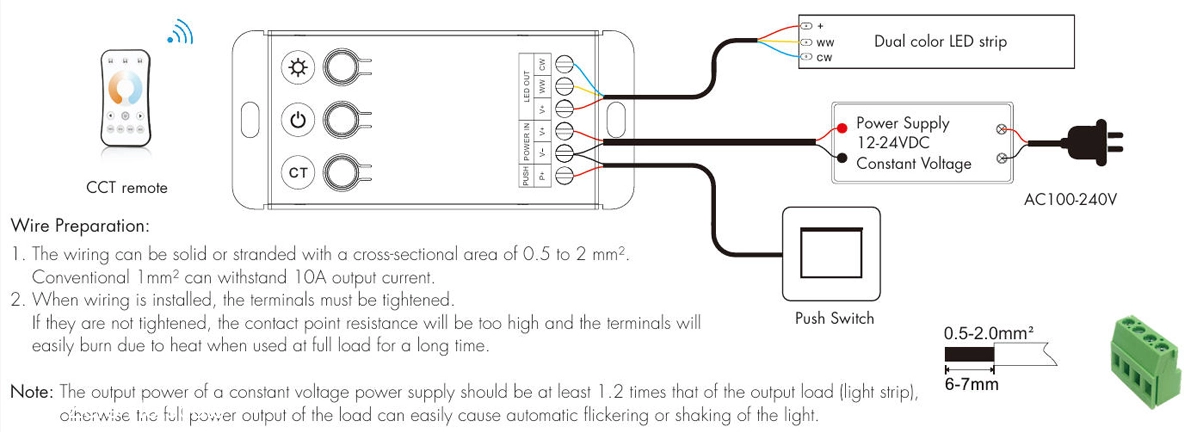
ตัวเลือกที่ 2 — การควบคุมการหรี่แสง PWM (ทางเลือกแบบมีสาย)
การควบคุม PWM ถือเป็นโซลูชันการหรี่แสงแบบใช้สายแบบธรรมดา
ลักษณะเด่นของมันได้แก่
- เสถียรภาพสูงสำหรับระบบ LED แรงดันคงที่
- การรวมง่ายกับอุปกรณ์จ่ายไฟ 24V
- ต้นทุนของระบบที่ต่ำกว่าเมื่อเทียบกับโซลูชันไร้สาย
จากมุมมองทางวิศวกรรม PWM ถูกจัดประเภทเป็นทางเลือกสำรอง เหมาะสำหรับการตั้งค่าการทดสอบหรือการติดตั้งแบบไม่ใช้ไร้สาย โดยจัดลำดับความสำคัญของความเรียบง่ายและการควบคุมต้นทุนเหนือฟังก์ชันการทำงานที่ชาญฉลาด

ตัวเลือก 3 — 0–10V ระบบควบคุม (ไม่แนะนำสำหรับโครงการนี้)
วิธีการควบคุม 0–10V ยังได้รับการประเมินด้วย แต่ระบุว่าไม่เหมาะสมสำหรับสถาปัตยกรรมระบบเฉพาะนี้
ข้อจำกัดหลักคือ:
- ต้องใช้ไดรเวอร์แบบหรี่แสงได้ในระดับแหล่งจ่ายไฟ
- โดยทั่วไปแล้วไดรเวอร์แต่ละตัวจะจำกัดความจุ ~ 150W
- แผงขนาดใหญ่จะต้องใช้ไดรเวอร์แบบกระจายหลายตัว
- เพิ่มความซับซ้อนของสายไฟและลดประสิทธิภาพในการติดตั้ง
สิ่งนี้ขัดแย้งโดยตรงกับวัตถุประสงค์หลักของโครงการที่: "หลีกเลี่ยงไดรเวอร์ขนาดเล็กหลายตัวต่อแผงควบคุมและทำให้การติดตั้งง่ายขึ้นมากที่สุด"
เป็นผลให้ 0–10V ถูกแยกออกจากการออกแบบระบบขั้นสุดท้ายสำหรับแอปพลิเคชันนี้

การเปรียบเทียบระบบควบคุม
| ประเภทการควบคุม | ความเหมาะสม | ข้อดี | ความจำกัด | การตัดสินใจขั้นสุดท้าย |
| กายอาณาเขต | แนะนำ | ไร้สาย, ยืดหยุ่น, ปรับขนาดได้ | ข้อ จำกัด ด้านพลังงานของผู้ขับขี่ (~ 150W) | ที่ได้คัดเลือก |
| กบ. | สายกลาง | เรียบง่าย มั่นคง ต้นทุนต่ำ | ไม่มีการควบคุมอัจฉริยะ | ตัวเลือกการสำรองข้อมูล |
| 0–10V | ไม่แนะนำ | วิธีการควบคุมแบบเดิม | ต้องใช้ไดรเวอร์หลายตัว | ที่ถูกปฏิเสธ |
สรุปการตัดสินใจทางวิศวกรรม
หลังจากประเมินกลยุทธ์การควบคุมทั้งสามแล้ว การเลือกได้รับแรงผลักดันจากข้อจำกัดระดับระบบมากกว่าคุณลักษณะของผลิตภัณฑ์แต่ละรายการ
เกณฑ์การตัดสินใจขั้นสุดท้ายคือ:
- ความเข้ากันได้กับแผ่น LED แผ่นสูง (375W–450W)
- จำนวนไดรเวอร์ขั้นต่ำต่อแผง
- ลดความซับซ้อนของการเดินสายในไซต์
- ความสามารถในการปรับขนาดได้หลายแผงสถาปัตยกรรมขนาดใหญ่
- ความยืดหยุ่นสำหรับการรวมแสงอัจฉริยะในอนาคต
ตามปัจจัยเหล่านี้ ทิศทางการออกแบบระบบจะบรรจบกันตามธรรมชาติไปยังสถาปัตยกรรมการควบคุมที่เน้น Casamb รวมกับการกระจายพลังงานแรงดันไฟฟ้าคงที่แบบรวมศูนย์
สถาปัตยกรรมระบบสุดท้าย
การออกแบบระบบที่ได้รับอนุมัติขั้นสุดท้าย
หลังจากประเมินข้อกำหนดด้านโหลดไฟฟ้า ข้อจำกัดของระบบควบคุม และข้อจำกัดในการติดตั้งแล้ว สถาปัตยกรรมระบบขั้นสุดท้ายได้รับการตกลงตามแนวทางการออกแบบที่เรียบง่ายและปรับขนาดได้
การกำหนดค่าขั้นสุดท้ายใช้โครงสร้างการควบคุมอิสระบนแผง โดยที่แผงผนังหินแต่ละแผ่นทำงานเป็นหน่วยไฟส่องสว่างในตัว
การกำหนดค่าระบบ (ต่อแผง)
แต่ละแผงได้รับการออกแบบด้วยโครงสร้างต่อไปนี้:
- 1 × 24V แรงดันไฟฟ้าคงที่
- 1 × ระบบควบคุมจากส่วนกลาง (Casambi หรือ PWM ขึ้นอยู่กับการใช้งาน)
- อาร์เรย์แผ่น LED เชื่อมต่อในการกำหนดค่าแบบขนาน
สถาปัตยกรรมนี้ทำให้มั่นใจได้ว่าแต่ละแผงสามารถทำงานได้อย่างอิสระในขณะที่ยังคงประสิทธิภาพแสงที่สม่ำเสมอบนพื้นผิวสถาปัตยกรรมขนาดใหญ่
การจัดสรรโหลดต่อแผง
ระบบสุดท้ายถูกใช้งานโดยอิงตามโหลดไฟฟ้าที่ได้รับการยืนยัน:
- แผง 1: ~ 450W โหลดทั้งหมด
- แผง 2: ~ 375W โหลดทั้งหมด
- แผง 3: ~ 375W โหลดทั้งหมด
แหล่งจ่ายไฟแต่ละแหล่งได้รับการคัดเลือกด้วยระยะขอบความปลอดภัยที่เหมาะสมเพื่อให้แน่ใจว่าการทำงานระยะยาวมีเสถียรภาพภายใต้สภาวะโหลดอย่างต่อเนื่อง
การนำระบบควบคุม
กลยุทธ์การควบคุมได้สรุปแล้วดังนี้:
- แผง 1 & 2: การควบคุมสีขาวแบบไร้สายที่ใช้ Casamb (2700K–6500K)
- แผง 3: 0–10V การควบคุมการหรี่แสงแบบมีสาย (ตามความต้องการของระบบไคลเอ็นต์)
- การตั้งค่าการทดสอบ: โซลูชันการหรี่แสง PWM สำหรับการประเมินและการตรวจสอบตัวอย่าง
วิธีการควบคุมแบบผสมนี้ช่วยให้มั่นใจได้ถึงความเข้ากันได้กับข้อกำหนดของโครงการที่แตกต่างกัน ในขณะที่ยังคงรักษาสถาปัตยกรรมไฟฟ้าแบบรวมศูนย์
หลักการเดินสายและการกระจายสินค้า
แผ่น LED ทั้งหมดภายในแต่ละแผงเชื่อมต่อกันในการกำหนดค่าการเดินสายแบบขนานที่สเตจอินพุตเพื่อให้แน่ใจว่า:
- การกระจายแรงดันไฟฟ้าที่เท่ากันในแผ่น LED ทั้งหมด
- ความสม่ำเสมอของความสว่างคงที่ในพื้นที่ผิวขนาดใหญ่
- การกำจัดการไล่ระดับความสว่างที่มองเห็นได้หรือฮอตสปอต
- กลยุทธ์การบำรุงรักษาและการเปลี่ยนทดแทนที่ง่ายขึ้น
วิธีการเดินสายไฟนี้มีความสำคัญอย่างยิ่งในการใช้งานแบ็คไลท์หินขนาดใหญ่ โดยที่เอาต์พุตออปติคัลที่สม่ำเสมอเป็นข้อกำหนดในการออกแบบที่สำคัญ
ผลลัพธ์ของระบบ
โซลูชันสุดท้ายบรรลุวัตถุประสงค์โครงการเดิมได้สำเร็จ:
- สถาปัตยกรรมระบบที่เรียบง่าย (หนึ่งแผง = หนึ่งหน่วยพลังงาน + ระบบควบคุมหนึ่งระบบ)
- ลดความซับซ้อนในการติดตั้งบนไซต์
- การทำงานที่มีเสถียรภาพสูงต่อแผง (สูงสุด ~ 450W)
- ตัวเลือกการควบคุมที่ยืดหยุ่น (Casambi, 0–10V, PWM)
- ประสิทธิภาพแบ็คไลท์ที่สม่ำเสมอบนพื้นผิวหินทั้งหมด
สรุปทางวิศวกรรม
โครงการนี้แสดงให้เห็นว่าเทคโนโลยีแผ่น LED สามารถรวมเข้ากับระบบไฟส่องทางสถาปัตยกรรมแบบแยกส่วนได้อย่างไร ซึ่งการออกแบบทางไฟฟ้า กลยุทธ์การควบคุม และข้อกำหนดในการติดตั้งได้รับการปรับให้เหมาะสมเป็นโซลูชันทางวิศวกรรมแบบรวมเดียว
แทนที่จะใช้แนวทางไดรเวอร์แบบกระจาย สถาปัตยกรรมขั้นสุดท้ายจะจัดลำดับความสำคัญ:
การลดความซับซ้อนของระบบ ตรรกะการควบคุมแบบรวมศูนย์ และการออกแบบตามแผงที่ปรับขนาดได้
วิธีการนี้ช่วยปรับปรุงประสิทธิภาพการติดตั้งได้อย่างมากในขณะที่ยังคงประสิทธิภาพการมองเห็นคุณภาพสูงสำหรับการใช้งานแบ็คไลท์ของหินสถาปัตยกรรม
การกำหนดค่าระบบขั้นสุดท้าย
| ส่วนประกอบ | ข้อกำหนด | ตัวโน้ต |
| แหล่งจ่ายไฟ | แรงดันคงที่ 24V | 1 ต่อแผง |
| ระบบการควบคุม | แคสบิม/พีดับเบิลยูเอ็ม/0–10V | ตามความต้องการของแผง |
| เค้าโครง LED | การเดินสายขนาน | ให้ความสว่างสม่ำเสมอ |
| โหลดสูงสุด | 375W–450W ต่อแผง | ระบบแผ่น LED ความหนาแน่นสูง |
การตรวจสอบระบบ (ผลการทดสอบแสงสว่าง)
การตรวจสอบระบบและการทดสอบประสิทธิภาพแสง
หลังจากการติดตั้งระบบขั้นสุดท้าย ได้ทำการทดสอบแสงเต็มรูปแบบเพื่อตรวจสอบความสม่ำเสมอและความเสถียรของประสิทธิภาพแบ็คไลท์ของแผ่น LED ในแผงหินทั้งหมด
ระบบได้รับการประเมินภายใต้สภาวะการทำงานจริง รวมถึงการดำเนินการโหลดเต็มรูปแบบและความครอบคลุมของแผงที่สมบูรณ์
การทดสอบยืนยันผลการปฏิบัติงานที่สำคัญต่อไปนี้:
- การกระจายแสงสม่ำเสมอทั่วพื้นผิวหินขนาดใหญ่
- ไม่พบฮอตสปอตหรือโซนมืดที่มองเห็นได้
- ความสม่ำเสมอของอุณหภูมิสีคงที่ (ช่วง 2700K–6500K)
- ไม่มีแรงดันไฟฟ้าตกหรือความสว่างไม่สอดคล้องกันในอาร์เรย์แผ่น LED
- การทำงานที่เสถียรภายใต้สภาวะโหลดเต็มต่อแผง (สูงสุด ~ 450W)
สถาปัตยกรรมการเดินสายแบบขนานได้รับการพิสูจน์แล้วว่ามีความสำคัญอย่างยิ่งในการรับรองการกระจายแรงดันไฟฟ้าที่สม่ำเสมอ ซึ่งมีส่วนโดยตรงต่อประสิทธิภาพการมองเห็นที่สม่ำเสมอของระบบแบ็คไลท์ของหิน
จากมุมมองการตรวจสอบระบบ ผลการติดตั้งขั้นสุดท้ายยืนยันว่าสถาปัตยกรรมแบบแผงนั้นเหมาะสำหรับการใช้งานแสงหินทางสถาปัตยกรรมขนาดใหญ่
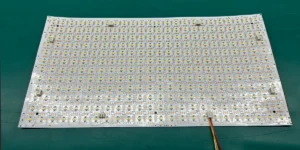
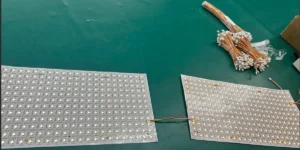
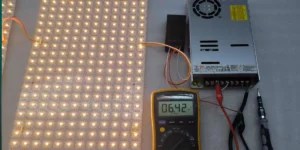

วิดีโอต่อไปนี้แสดงระบบแผ่น LED ที่ติดตั้งในโครงการ Stone Backlighting ซึ่งแสดงให้เห็นถึงประสิทธิภาพการส่องสว่างแบบสม่ำเสมอในโลกแห่งความเป็นจริงภายใต้สภาวะการทำงาน

คำถามที่พบบ่อย
สรุปโครงการและมูลค่าทางวิศวกรรม
มูลค่าทางวิศวกรรม
โครงการนี้แสดงให้เห็นว่าเทคโนโลยีแผ่น LED สามารถออกแบบให้ประสบความสำเร็จในระบบไฟแบ็คไลท์ทางสถาปัตยกรรมที่ปรับขนาดได้ผ่านแนวทางการออกแบบระดับระบบ
แทนที่จะเน้นที่ประสิทธิภาพของแสงเพียงอย่างเดียว โครงการนี้ได้รับการพัฒนาตามหลักการทางวิศวกรรมหลักสามประการ:
- ประสิทธิภาพด้านแสงที่เสถียรในเค้าโครงแผ่น LED ความหนาแน่นสูง
- สถาปัตยกรรมไฟฟ้าแบบแผงควบคุมที่เรียบง่าย
- กลยุทธ์การควบคุมแบบรวมศูนย์สำหรับการติดตั้งขนาดใหญ่
แอพพลิเคชั่นที่เหมาะสมกับสถาปัตยกรรมระบบนี้
สถาปัตยกรรมไฟ LED แบบแผงนี้เหมาะสำหรับ:
- แสงพื้นหลังกำแพงหินสถาปัตยกรรม
- การติดตั้งหินโปร่งแสงขนาดใหญ่
- ล็อบบี้โรงแรมหรูมีผนัง
- โคมไฟติดผนังสำหรับเชิงพาณิชย์
- พื้นผิวภายในตกแต่งแบบย้อนแสง
- โครงการแสงสถาปัตยกรรมแบบกำหนดเองที่ต้องการการเดินสายแบบง่ายและการควบคุมจากส่วนกลาง
ต้องการการสนับสนุนสำหรับโครงการ Stone Backlighting หรือไม่?
ทีมวิศวกรของเราสามารถช่วย:
- การเพิ่มประสิทธิภาพเค้าโครงแผ่น LED
- แหล่งจ่ายไฟและการคำนวณโหลด
- การเลือกระบบ Casamb/PWM / 0–10V
- คำแนะนำด้านสถาปัตยกรรมการเดินสาย
- การประเมินความสม่ำเสมอของแบ็คไลท์
- การปรับแต่งแผ่น LED OEM
ไม่ว่าคุณจะออกแบบผนังโรงแรม การติดตั้งหินโปร่งแสง หรือระบบไฟแบ็คไลท์ในสถาปัตยกรรมขนาดใหญ่ เราสามารถช่วยปรับโครงสร้างแสงให้เหมาะสมตามข้อกำหนดของโครงการของคุณ
ผู้เขียน: จูลี่ จู
ผู้จัดการผลิตภัณฑ์
อีเมล์: julie.zhu@signlite.com.cn
มือถือ / whatsapp: +86 137 2872 4759

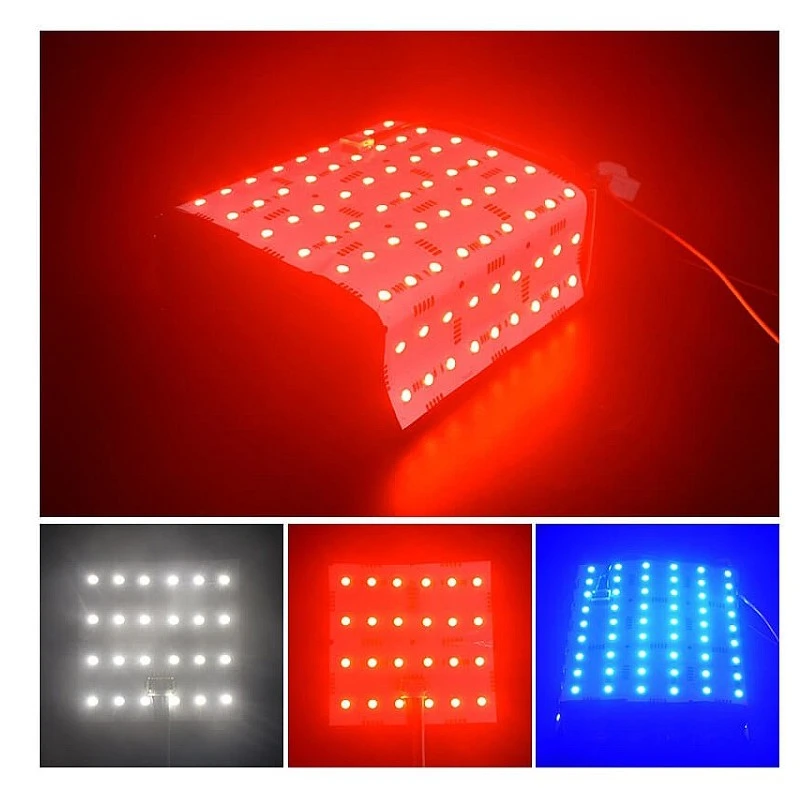
ไฟ LED แผ่น RGBW
ขนาด (LXW): 250mmx250mm/490mmx250mm
ประเภท LED: 5050 RGBW 4 ใน 1 LED SMD
ปริมาณ LED: 150LEDs/288LEDs
แรงดันไฟฟ้าในการทำงาน: DC 24V
กำลังไฟ: 24 วัตต์/48 วัตต์
เปล่งสี: RGB + สีขาวอบอุ่น ( 3000K ), RGB + สีขาวธรรมชาติ ( 4000K ), RGB + สีขาวเย็น ( 6000K )
ประสิทธิภาพแสง: 90lm / w
ความยาวตัดขั้นต่ำ: 50mmx50mm/20.4mm x122.5mm
มุมลำแสง: 120 °
หรี่แสงได้: ใช่
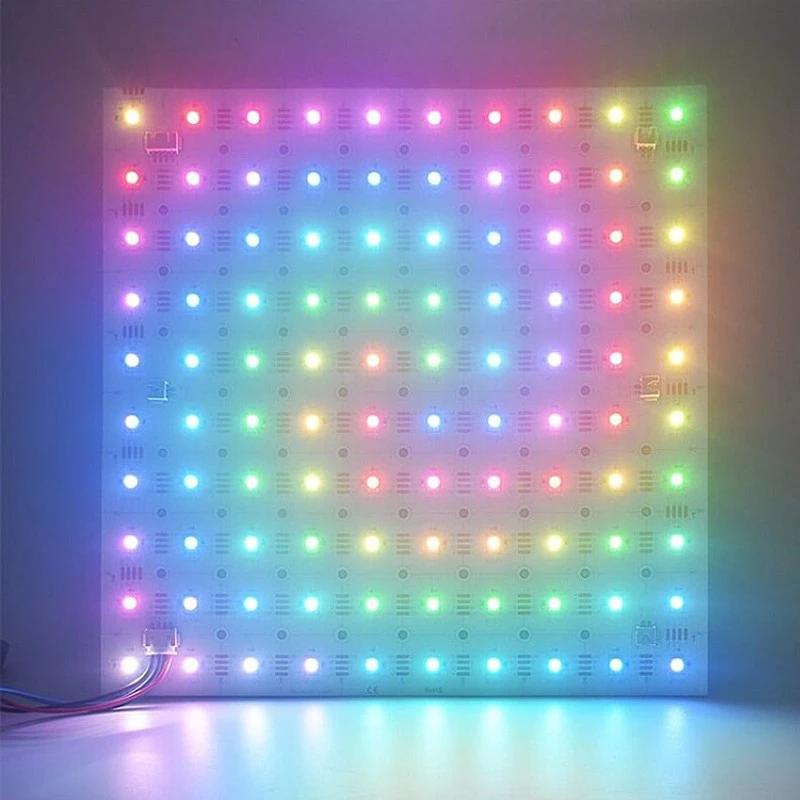
แผ่น LED แอดเดรส
ขนาด (LXW): 250mmx250mm
ไฟ LED: 100 ชิ้น 5050 SMD
ประเภท IC: ในตัว WS2812
ปริมาณ IC: 100 ชิ้น
สี: RGBIC
แรงดันไฟฟ้าทำงาน: DC 12V
ปัจจุบัน: 1.08A
กำลัง: 13W
ฟลักซ์ส่องสว่าง: 20LM / LED
ความยาวคลื่น: 620-625nm (สีแดง), 520-525nm (สีเขียว), 465-470nm (สีน้ำเงิน)
มุมลำแสง: 120 °
กระทู้ที่เกี่ยวข้อง