Italiano
  English
  简体中文
简体中文  Deutsch
  Español
  Français
  日本語
日本語  한국어
한국어  Polski
  Português
  Русский
  Türkçe
  Nederlands
  Tiếng Việt
  ไทย
ไทย 
introduzione
I progetti di retroilluminazione in pietra richiedono più di una semplice fonte di luce: richiedono un sistema di illuminazione accuratamente progettato in grado di fornire un'illuminazione uniforme su ampie superfici traslucide mantenendo la semplicità di installazione e la stabilità elettrica.
In questo progetto, un produttore di illuminazione con sede nei Paesi Bassi stava sviluppando una serie di grandi pannelli architettonici per pareti in pietra. La sfida principale non è stata solo ottenere un effetto retroilluminato visivamente uniforme, ma anche progettare un'architettura di sistema che potesse scalare su più pannelli di grandi dimensioni con una complessità del cablaggio minima.
Questo caso dimostra come Luce a led La tecnologia è stata progettata in un sistema di illuminazione semplificato basato su pannelli che utilizza l'alimentazione centralizzata e il controllo basato su Casambi.

Panoramica del progetto
| Articolo | ragguaglio |
| Tipo di progetto | Retroilluminazione in pietra architettonica |
| Applicazione | Pannelli interni in pietra di grandi dimensioni |
| Materiale | Pietra naturale traslucida |
| soluzione illuminante | Sistema di lamiera LED bianca sintonizzabile |
| sistema di controllo | Casambi / PWM / 0–10V |
| Sfida principale | Retroilluminazione uniforme ad alto carico con cablaggio semplificato |
| risultato finale | Sistema di illuminazione architettonica a pannelli senza soluzione di continuità |
Takeaway chiave
- Il progetto richiedeva un progetto di illuminazione a livello di sistema, non solo una selezione di fonti di luce.
- Ogni pannello in pietra è stato progettato con un'architettura del sistema di controllo 1 alimentatore + 1.
- I pannelli ad alto carico (fino a ~450W) richiedevano un'attenta valutazione delle limitazioni del driver e della distribuzione del carico.
- Casambi è stata selezionata come piattaforma di controllo principale grazie alla sua flessibilità wireless e alla ridotta complessità del cablaggio.
- Il cablaggio parallelo di fogli LED è stato fondamentale per garantire una luminosità uniforme su grandi superfici.
- Il sistema finale ha eliminato più piccoli driver, riducendo significativamente la complessità dell'installazione in loco.
Panoramica del progetto: la richiesta di retroilluminazione personalizzata di uno studio nordico di design
Questo progetto è stato sviluppato per un produttore di illuminazione olandese che lavora su una serie di installazioni di retroilluminazione per pareti in pietra architettonica.
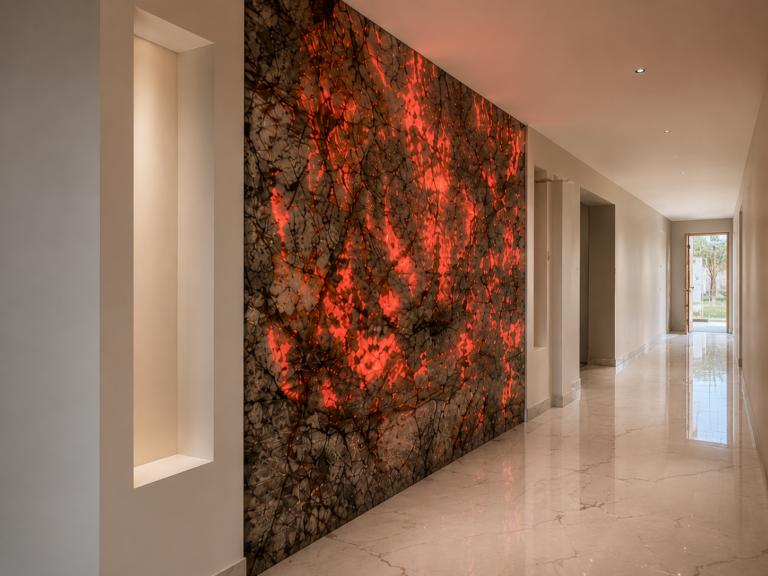
L'applicazione ha riguardato pannelli in pietra traslucida di grande formato utilizzati negli spazi architettonici interni, dove il sistema di illuminazione doveva fornire un effetto retroilluminato uniforme senza hotspot, mantenendo una struttura elettrica semplice e scalabile per l'installazione in loco.
A differenza dei progetti di illuminazione decorativa standard, questo caso richiedeva un attento coordinamento tra:
- Traslucenza del materiale lapideo
- Densità di layout del foglio LED
- Distribuzione di energia su pannelli di grandi dimensioni
- Semplicità del sistema di controllo (compatibilità tra CASAMBI / 0–10V)
Fin dalla fase iniziale, il progetto non riguardava solo la selezione di una fonte di luce, ma la progettazione di un'architettura completa del sistema di illuminazione che potesse essere praticamente installata e controllata su larga scala.
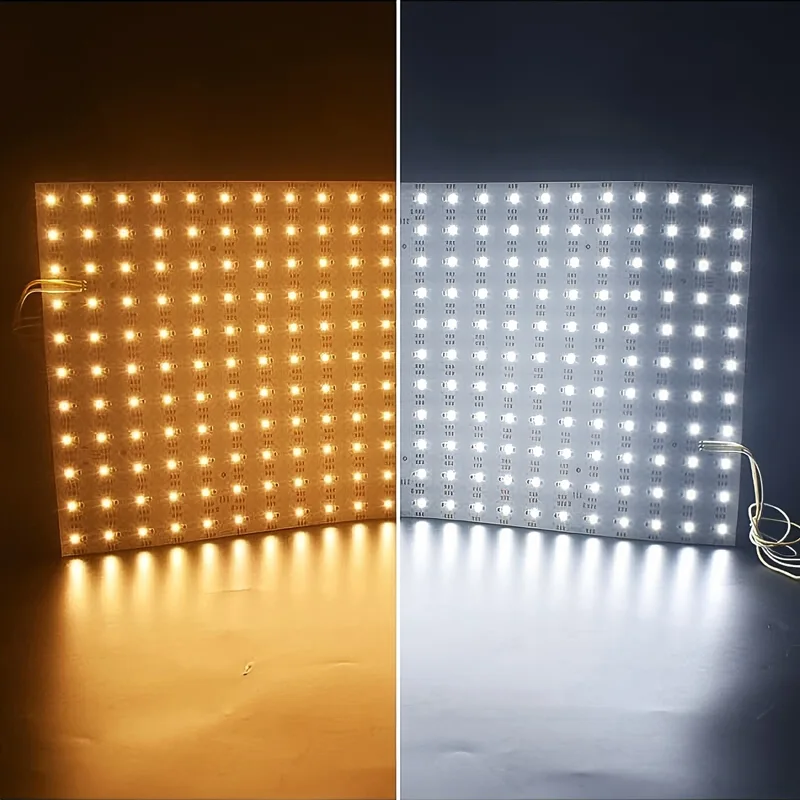
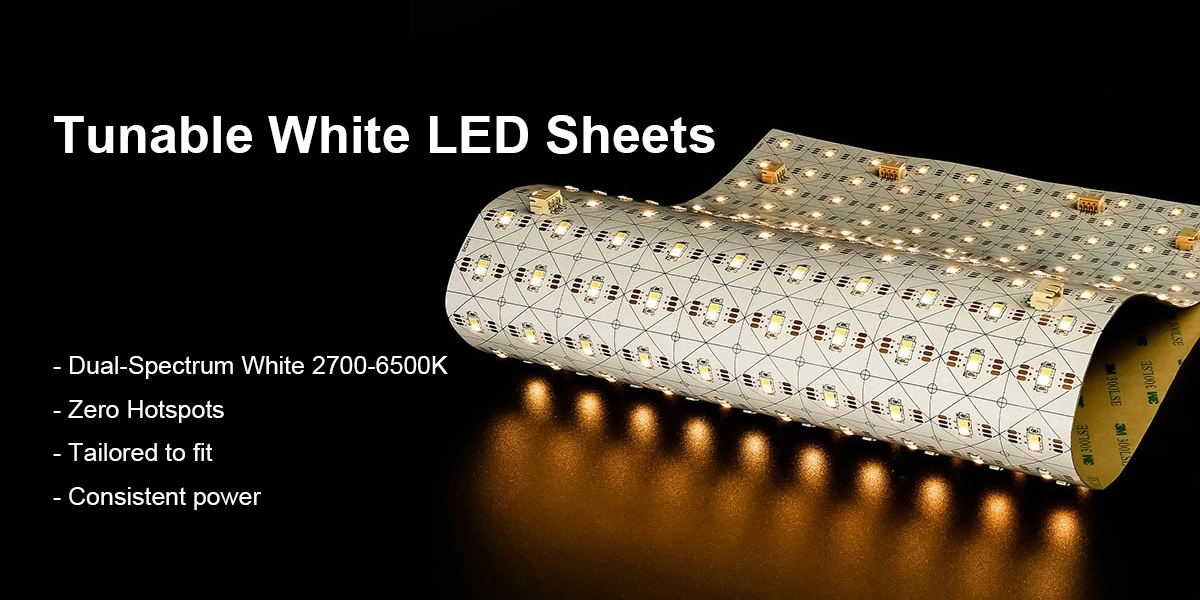
Fogli LED bianchi sintonizzabili
Dimensioni (LxH): 250 mmx 250 mm / 490 mmx245 mm
Tipo LED: 2835 SMD
Quantità LED: 200pcs / 484pcs
Tensione di lavoro: DC 24V
Potenza: 16W / 40W
Temperatura colore Range regolabile: 2700K – 6500K
Flusso luminoso: 1600lm/m/3800lm/m
Indice di resa cromatica: >90RA
Lunghezza di taglio minima: 25 mmx25 mm/22,3 mm x 22,3 mm
Dimmerabile: Sì
Angolo del fascio: 120°
Obiettivi di progettazione del cliente
Requisiti del cliente e obiettivi di sistema
Fin dalla fase iniziale di progettazione, l'obiettivo del cliente non era solo quello di ottenere la retroilluminazione in pietra di alta qualità, ma soprattutto la definizione di un'architettura di sistema scalabile ed efficiente per l'installazione che potesse essere replicata su più pannelli di grandi dimensioni.
I requisiti del progetto sono diventati gradualmente più orientati al sistema piuttosto che orientati al prodotto, con i seguenti obiettivi chiave:
- Ogni pannello di pietra dovrebbe funzionare come un'unità di illuminazione indipendente
- Una struttura semplificata di 1 alimentazione per pannello + 1 sistema di controllo per pannello
- Evitare l'uso di più piccoli driver per ridurre la complessità del cablaggio in loco
- Garantire la retroilluminazione uniforme a superficie totale senza hotspot visibili
- Supporta il bianco sintonizzabile (2700K–6500K) per la flessibilità architettonica
- Mantieni la compatibilità con i sistemi di controllo wireless Casambi e i sistemi di controllo cablati da 0 a 10 V
- Assicurarsi che il sistema possa essere installato e mantenuto con una regolazione minima in loco
Durante la fase di discussione, è diventato chiaro che la sfida principale non era solo la distribuzione del carico elettrico, ma anche come bilanciare la flessibilità di controllo, le limitazioni del driver e la praticità dell'installazione all'interno di un'unica architettura semplificata.
Calcolo del carico e vincoli di sistema
Analisi del carico elettrico e vincoli di sistema
Sulla base della configurazione finale del foglio LED confermata durante la discussione ingegneristica, ogni pannello di pietra è stato progettato utilizzando un layout di foglio a LED ad alta densità operante a tensione costante di 24 V.
Il carico elettrico totale per pannello è stato calcolato come segue:
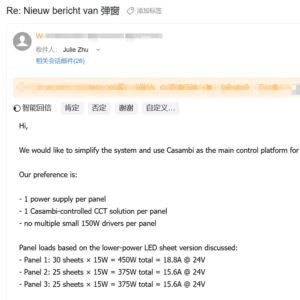
- Pannello 1 (2676 × 1200 mm): 30 fogli LED → ca. 450W (~18.75A a 24V)
- Pannello 2 (2397 × 1194 mm): 25 fogli LED → ca. 375W (~15.6A @ 24V)
- Pannello 3 (2397 × 1200 mm): 25 fogli LED → ca. 375W (~15.6A @ 24V)
Ciò ha confermato che ogni pannello funzionava in un intervallo di potenza elevata per sistemi di lamiere a LED a tensione costante, richiedendo un'attenta considerazione sia del dimensionamento dell'alimentazione che della strategia di distribuzione della corrente.
Panoramica del carico di progetto (per pannello)
| pannello | Dimensioni (mm) | Fogli LED | Carico totale | attuale @24V |
| Pannello 1 | 2676 × 1200 | 30 pezzi | ~450W | ~18.75A |
| Pannello 2 | 2397 × 1194 | 25 pezzi | ~375W | ~15.6a |
| Pannello 3 | 2397 × 1200 | 25 pezzi | ~375W | ~15.6a |
Vincolo a livello di sistema: limitazioni del driver e del controllo
Durante la convalida del sistema, è stato identificato un importante vincolo tecnico:
La maggior parte dei driver Casambi e LED 0–10V disponibili per questa categoria sono in genere valutati a circa 150 W per unità di guida.
Ciò ha creato una chiara sfida di progettazione del sistema:
- Ogni carico di pannello (375W–450W) ha superato la capacità di un singolo driver
- Un design convenzionale richiederebbe quindi 3-4 driver per pannello
- Ciò aumenterebbe significativamente la complessità del cablaggio, i tempi di installazione e i punti di guasto
Allo stesso tempo, l'obiettivo di progettazione del cliente era esplicitamente mantenere un'architettura "un pannello = un alimentatore + un sistema di controllo", che era direttamente in conflitto con un approccio multi-driver distribuito.
Requisito di cablaggio e distribuzione
Un altro requisito di ingegneria critica era correlato al comportamento di connessione del foglio LED.
A causa del gran numero di fogli LED per pannello, il sistema doveva essere progettato con un'architettura di cablaggio parallela sul lato di ingresso, garantendo:
- Distribuzione di tensione uguale su tutti i fogli LED
- Prevenzione della caduta di tensione attraverso corse di cavi lunghi
- Luminosità e temperatura del colore costanti su tutta la superficie della pietra
Questa strategia di cablaggio è essenziale per le applicazioni di retroilluminazione di grandi aree, in cui anche un piccolo squilibrio di tensione può causare incongruenze di luminosità visibili.
Conclusione ingegneristica (fase di pre-soluzione)
Dal punto di vista del sistema di progettazione, il progetto ha presentato tre vincoli principali:
- Carico totale elevato per pannello (fino a ~450W)
- Limitazioni del conducente (~150W per unità di controllo)
- Requisito per un'architettura semplificata, a un solo controller per pannello
Questi vincoli hanno chiarito che la soluzione finale avrebbe dovuto dare la priorità alla semplificazione del sistema e alla logica di controllo centralizzata, piuttosto che un approccio tradizionale del driver distribuito.

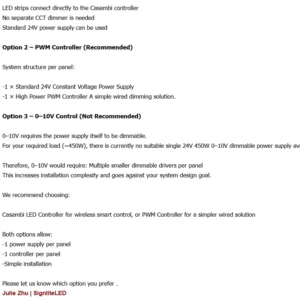
Opzioni di controllo ingegneristico e logica decisionale
Valutazione del sistema di controllo e decisione di ingegneria
Dato il carico elettrico per pannello e il requisito per un'architettura semplificata "un pannello - un sistema di controllo", sono state valutate diverse strategie di controllo durante la fase di ingegneria.
La selezione non si basava solo sulle funzionalità, ma sulla compatibilità del sistema con carichi di fogli LED ad alta potenza, limitazioni del driver e vincoli di installazione.
Opzione 1 — Sistema di controllo wireless Casambi (soluzione preferita)
Il sistema Casambi è stato valutato come l'architettura di controllo primaria per questo progetto.
Dal punto di vista del sistema, il suo vantaggio chiave è che la logica di controllo è integrata a livello di driver, consentendo:
- Controllo wireless e controllo bianco sintonizzabile (2700K–6500K)
- Controllo diretto basato su app senza cablaggio di controllo esterno
- Ridotta complessità del cablaggio in loco
- Migliore scalabilità per installazioni architettoniche multipane
In questo progetto, Casambi è stato allineato con il requisito del cliente per:
“1 sistema di controllo per pannello con minima complessità di installazione”
Tuttavia, a causa delle limitazioni di potenza delle singole unità driver Casambi (~150 W per unità), il sistema richiedeva comunque un'attenta strategia di raggruppamento dei driver sotto un'architettura a pannello singolo.
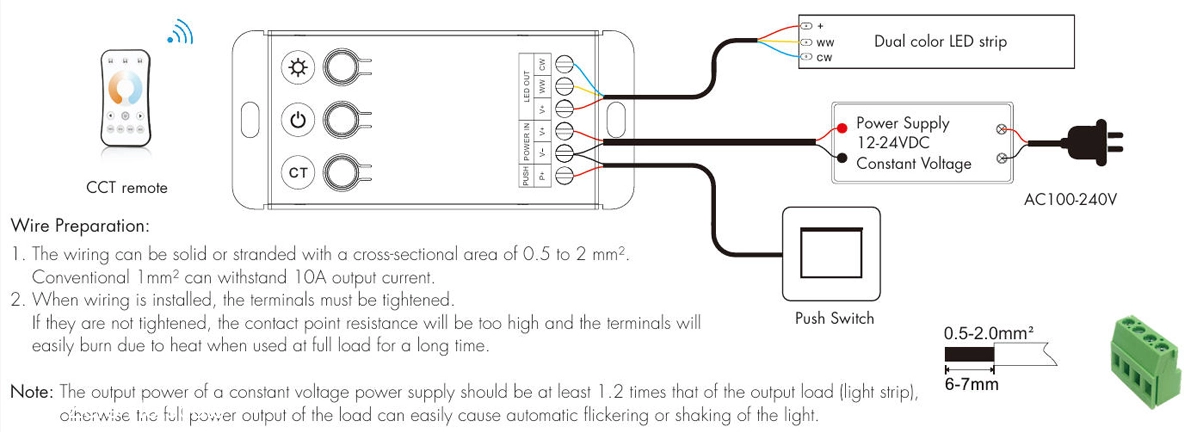
Opzione 2 — Controllo di regolazione PWM (alternativa cablata)
Il controllo PWM era considerato una soluzione di dimming cablata più convenzionale.
Le sue caratteristiche principali includono:
- Alta stabilità per sistemi a LED a tensione costante
- Semplice integrazione con alimentatori a 24V
- Costo di sistema inferiore rispetto alle soluzioni wireless
Dal punto di vista ingegneristico, PWM è stata classificata come un'opzione di fallback, adatta per configurazioni di test o installazioni non wireless in cui la semplicità e il controllo dei costi hanno la priorità rispetto alla funzionalità intelligente.

Opzione 3 — Sistema di controllo 0–10V (non consigliato per questo progetto)
Anche il metodo di controllo 0–10V è stato valutato ma identificato come non adatto per questa specifica architettura di sistema.
I limiti principali erano:
- Richiede driver dimmerabili a livello di alimentazione
- Ogni driver è tipicamente limitato a ~150W di capacità
- I pannelli di grandi dimensioni richiederebbero più driver distribuiti
- Maggiore complessità del cablaggio e riduzione dell'efficienza di installazione
Ciò è direttamente in conflitto con l'obiettivo chiave del progetto di: "Evitare più piccoli driver per pannello e semplificare il più possibile l'installazione"
Di conseguenza, 0–10V è stato escluso dalla progettazione finale del sistema per questa applicazione.

Confronto del sistema di controllo
| Tipo di controllo | convenienza | Vantaggi | Limitazioni | decisione finale |
| casambi | Consigliato | Wireless, flessibile, scalabile | Limitazione della potenza del conducente (~150W) | prescelto |
| PWM | Medio | Semplice, stabile, a basso costo | Nessun controllo intelligente | Opzione di backup |
| 0–10V | sconsigliato | Metodo di controllo tradizionale | Richiede più driver | rifiutato |
Riepilogo delle decisioni ingegneristiche
Dopo aver valutato tutte e tre le strategie di controllo, la selezione è stata guidata da vincoli a livello di sistema piuttosto che da caratteristiche del singolo prodotto.
I criteri di decisione finali sono stati:
- Compatibilità con pannelli in lamiera LED ad alto carico (375W–450W)
- Numero minimo di driver per pannello
- Ridotta complessità del cablaggio in loco
- Scalabilità su più grandi pannelli architettonici
- Flessibilità per future integrazioni intelligenti di illuminazione intelligente
Sulla base di questi fattori, la direzione di progettazione del sistema è stata naturalmente convergente verso un'architettura di controllo centrata su Casambi combinata con una distribuzione centralizzata di potenza a tensione costante.
Architettura finale del sistema
Progettazione finale del sistema approvato
Dopo aver valutato i requisiti di carico elettrico, i limiti del sistema di controllo e i vincoli di installazione, l'architettura finale del sistema è stata concordata sulla base di un approccio progettuale semplificato e scalabile.
La configurazione finale ha adottato una struttura di controllo indipendente a pannello, in cui ogni pannello in pietra funziona come unità di illuminazione autonoma.
Configurazione del sistema (per pannello base)
Ogni pannello è stato progettato con la seguente struttura:
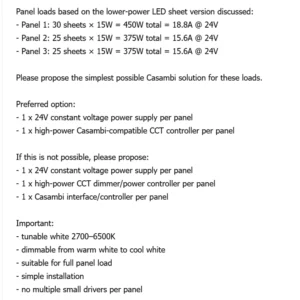
- 1 × 24 V Alimentazione a tensione costante
- 1 × Sistema di controllo centralizzato (Casambi o PWM a seconda dell'applicazione)
- Array di fogli LED collegati in configurazione parallela
Questa architettura ha assicurato che ogni pannello potesse funzionare in modo indipendente mantenendo prestazioni luminose costanti su ampie superfici architettoniche.
Carica allocazione per pannello
Il sistema finale è stato implementato sulla base dei carichi elettrici confermati:
- Pannello 1: ~450W Carico totale
- Pannello 2: ~375W Carico totale
- Pannello 3: ~375W Carico totale
Ogni alimentatore è stato selezionato con un margine di sicurezza appropriato per garantire un funzionamento stabile a lungo termine in condizioni di carico continuo.
Implementazione del sistema di controllo
La strategia di controllo è stata finalizzata come segue:
- Pannelli 1 e 2: controllo bianco wireless sintonizzabile basato su Casambi (2700K–6500K)
- Pannello 3: controllo dimmer cablato da 0 a 10 V (secondo i requisiti del sistema client)
- Configurazione del test: soluzione di dimming PWM per la valutazione e la verifica del campione
Questo approccio a controllo misto ha assicurato la compatibilità con i diversi requisiti del progetto pur mantenendo un'architettura elettrica unificata.
Principio di cablaggio e distribuzione
Tutti i fogli LED all'interno di ciascun pannello sono stati collegati in una configurazione di cablaggio parallelo nella fase di ingresso, garantendo:
- Distribuzione di tensione uguale su tutti i fogli LED
- Consistenza della luminosità stabile su ampie superfici
- Eliminazione di gradienti di luminosità visibili o hotspot
- Strategia di manutenzione e sostituzione semplificata
Questo metodo di cablaggio è particolarmente critico nelle applicazioni di retroilluminazione in pietra su larga scala, dove l'output ottico uniforme è un requisito di progettazione chiave.
Risultato del sistema
La soluzione finale ha raggiunto con successo gli obiettivi del progetto originali:
- Architettura del sistema semplificata (un pannello = un'unità di alimentazione + un sistema di controllo)
- Ridotta complessità dell'installazione in loco
- Funzionamento stabile ad alto carico per pannello (fino a ~450W)
- Opzioni di controllo flessibili (Casambi, 0–10V, PWM)
- Prestazioni di retroilluminazione uniformi su tutte le superfici di pietra
Conclusione ingegneristica
Il progetto dimostra come la tecnologia a foglio LED possa essere integrata in un sistema di illuminazione architettonica modulare, in cui la progettazione elettrica, la strategia di controllo e i requisiti di installazione sono ottimizzati come un'unica soluzione di ingegneria unificata.
Piuttosto che fare affidamento su un approccio di driver distribuito, l'architettura finale ha dato la priorità:
Semplificazione del sistema, logica di controllo centralizzata e progettazione scalabile a pannello
Questo approccio ha migliorato significativamente l'efficienza dell'installazione mantenendo prestazioni visive di alta qualità per applicazioni di retroilluminazione in pietra architettonica.
Configurazione finale del sistema
| componente | specificazione | banconote |
| Alimentazione | 24V tensione costante | 1 per pannello |
| sistema di controllo | Casambi / PWM / 0–10V | in base al requisito del pannello |
| Disposizione LED | cablaggio parallelo | garantisce una luminosità uniforme |
| Carico massimo | 375W–450W per pannello | Sistema di lamiera a LED ad alta densità |
Convalida del sistema (risultati dei test di illuminazione)
Test di convalida e prestazioni del sistema
Dopo l'installazione finale del sistema, è stato condotto un test di illuminazione completo per verificare l'uniformità e la stabilità delle prestazioni di retroilluminazione del foglio LED su tutti i pannelli di pietra.
Il sistema è stato valutato in condizioni operative reali, tra cui il funzionamento a pieno carico e la copertura completa del pannello.
Il test ha confermato i seguenti risultati chiave di prestazione:
- Distribuzione uniforme della luce su grandi superfici in pietra
- Nessun hotspot visibile o zone scure rilevate
- Stabile consistenza della temperatura del colore (intervallo 2700K–6500K)
- Nessuna caduta di tensione evidente o incoerenza di luminosità tra gli array di fogli LED
- Funzionamento stabile in condizioni di pieno carico per pannello (fino a ~450W)
L'architettura di cablaggio parallelo si è rivelata fondamentale per garantire una distribuzione coerente della tensione, che ha contribuito direttamente alle prestazioni ottiche uniformi del sistema di retroilluminazione in pietra.
Dal punto di vista della convalida del sistema, il risultato finale installato ha confermato che l'architettura basata su pannelli era adatta per applicazioni di illuminazione architettonica in pietra di grandi dimensioni.
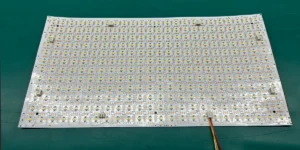
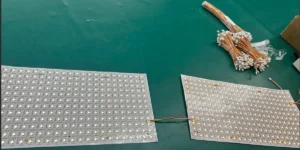
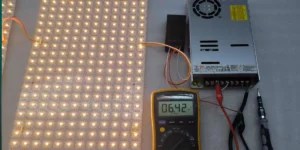

Il video seguente mostra il sistema a lamiera a LED installato nel progetto di retroilluminazione in pietra, dimostrando prestazioni di illuminazione uniformi nel mondo reale in condizioni operative.

FAQ
Riepilogo del progetto e valore ingegneristico
valore ingegneristico
Questo progetto dimostra come la tecnologia a foglio LED possa essere progettata con successo in un sistema di retroilluminazione architettonico scalabile attraverso un approccio di progettazione a livello di sistema.
Piuttosto che concentrarsi esclusivamente sulle prestazioni luminose, il progetto è stato sviluppato attorno a tre principi di base di ingegneria:
- Prestazioni ottiche stabili su layout di fogli LED ad alta densità
- Architettura elettrica semplificata a pannelli
- Strategia di controllo centralizzata per installazioni su larga scala
Applicazioni adatte a questa architettura di sistema
Questa architettura di illuminazione a foglio a LED a pannello è particolarmente adatta per:
- Retroilluminazione architettonica del muro di pietra
- Installazioni in pietra traslucida di grandi dimensioni
- Pareti con caratteristiche di lobby dell'hotel di
- Illuminazione a parete per reception commerciale
- Superfici interne decorative retroilluminate
- Progetti di illuminazione architettonica personalizzati che richiedono cablaggio semplificato e controllo centralizzato
Hai bisogno di supporto per un progetto di retroilluminazione in pietra?
Il nostro team di ingegneri può aiutare con:
- Ottimizzazione del layout del foglio LED
- Alimentazione e calcolo del carico
- Selezione del sistema Casambi / PWM / 0–10V
- Consigli sull'architettura del cablaggio
- Valutazione dell'uniformità della retroilluminazione
- Personalizzazione del foglio LED OEM
Sia che tu stia progettando una parete caratteristica dell'hotel, un'installazione in pietra traslucida o un sistema di retroilluminazione architettonica di grandi dimensioni, possiamo aiutarti a ottimizzare la struttura dell'illuminazione in base alle esigenze del tuo progetto.
AUTHER: Julie Zhu
Responsabile di prodotto
E-mail: julie.zhu@signlite.com.cn
Mobile / WhatsApp: +86 137 2872 4759

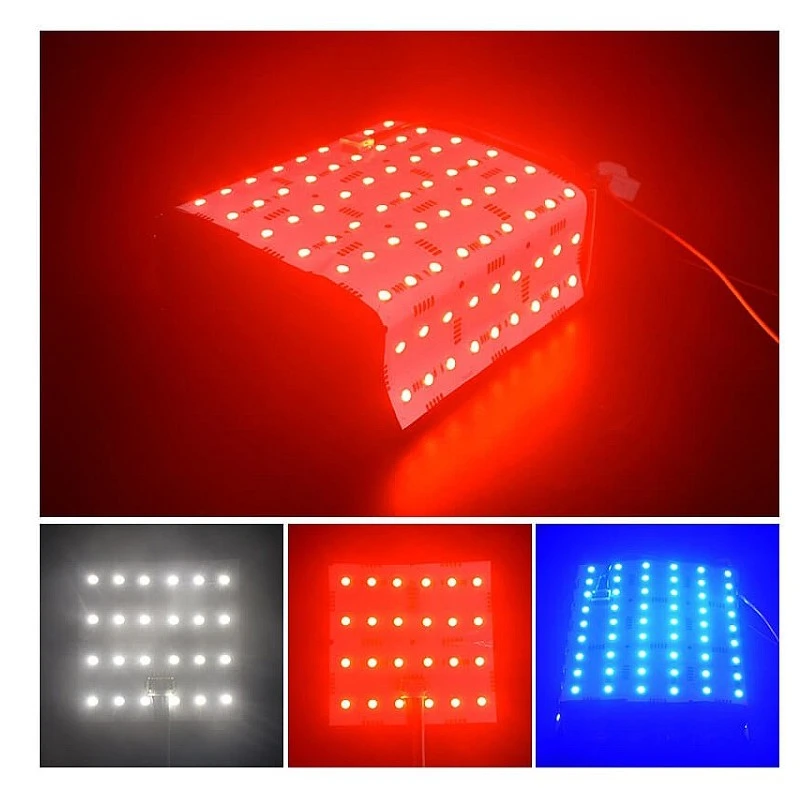
Luci a foglio a LED RGBW
Dimensioni (LxW): 250 mmx250 mm / 490 mm x 250 mm
Tipo LED: LED SMD 5050 RGBW 4 in 1
Quantità LED: 150LED/288LEDS
Tensione di lavoro: DC 24V
Potenza: 24 W/48W
Colore emittente: RGB + bianco caldo (3000K), RGB + bianco naturale (4000K), RGB + bianco freddo (6000K)
Efficienza luminosa: 90lm/W
Lunghezza di taglio minima: 50 mmx50 mm / 20,4 mm x 122,5 mm
Angolo del fascio: 120°
Dimmerabile: Sì
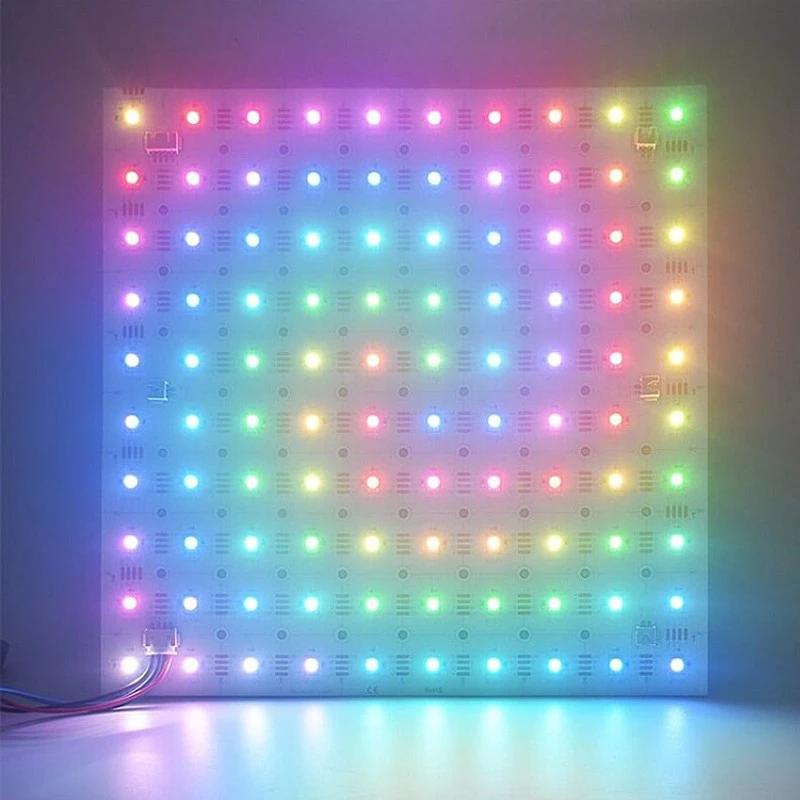
Fogli LED indirizzabili
Dimensioni (LxL): 250 mmx250 mm
LED: 100 pezzi 5050 SMD
Tipo IC: WS2812 integrato
Quantità IC: 100 pezzi
Colore: RGBic
Tensione di lavoro: DC 12V
Corrente: 1.08A
Potenza: 13W
Flusso luminoso: 20lm/LED
Lunghezza d'onda: 620-625 nm (rosso), 520-525 nm (verde), 465-470 nm (blu)
Angolo del fascio: 120°
Post correlati