Русский
  English
  简体中文
简体中文  Deutsch
  Español
  Français
  Italiano
  日本語
日本語  한국어
한국어  Polski
  Português
  Türkçe
  Nederlands
  Tiếng Việt
  ไทย
ไทย 
Светодиодное освещение, используемое внутри подсвечиваемых букв, представляет собой, почти в каждом случае, светодиодные знаки — небольшие кластеры светодиодов, установленные на плате и расположенные внутри буквы, — поддерживаемые светодиодными лентами (в том числе гибкими S-типами) для изогнутых, скриптовых или неглубоких букв. Эти низковольтные источники сидят за полупрозрачным акриловым лицом и освещают букву изнутри.
Большинство покупателей оценивают письмо с вывеской по его форме, отделке и цвету. Что на самом деле решает, светится ли он равномерно, выдерживает погоду и продолжает работать в течение многих лет, так это светодиодный источник, выбранный внутри него.
В этой статье объясняется, что такое подсветка букв, которые светодиодные освещения проходят внутри каждого типа, спецификации, которые важнее всего, как долго длится освещение, и что влечет за собой стоимость этих компонентов оптом из Китая.
Что такое подсвеченные буквы?
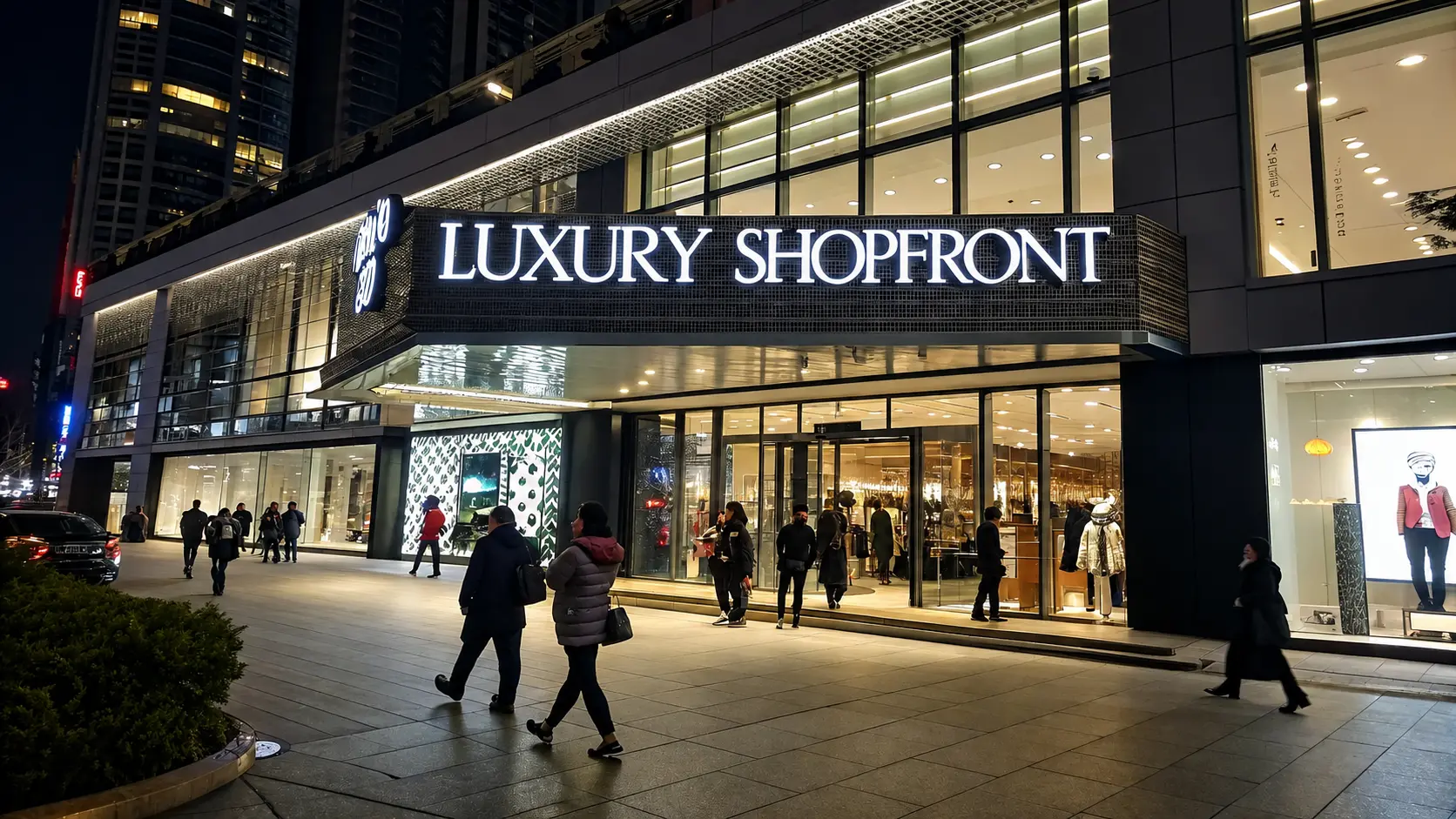
Подсветка вывесок, также называемая буквами подсветки, представляет собой трехмерные, индивидуально изготовленные буквы, цифры или формы логотипа, которые освещены изнутри, обычно с помощью светодиодов. Каждый персонаж построен из металлической возвратной (боковой стенки) и задней части, чаще всего алюминиевой или нержавеющей стали, с полупрозрачной акриловой или поликарбонатной гранью обычно толщиной около 5 мм (3/16″). Обрезка отделяет край лица, или буква построена без кромки для более чистого вида.
«Письма с подсветкой» — широкая категория, в которую входят 3D-канал-канал. Письма могут быть установлены на фасаде здания, дорожке бега или непосредственно на стену, и они используются на витринах, торговых центрах, ресторанах, корпоративных вестибюлях и приемных стенах. Поскольку каждый персонаж загорается индивидуально, результат получается резким, контрастным и читабельным днем или ночью.
Стоит разделить две вещи, которые часто путаются. Подсветка знака — это одномерный символ, освещенный изнутри. равняется длинный габа (Конвьютор) представляет собой плоскую огороженную коробку, освещенную изнутри. Они используют разные внутреннее освещение, поэтому в этой статье основное внимание уделяется только тому, что входит в сами буквы.
Какое светодиодное освещение попадает в подсветку с подсветкой
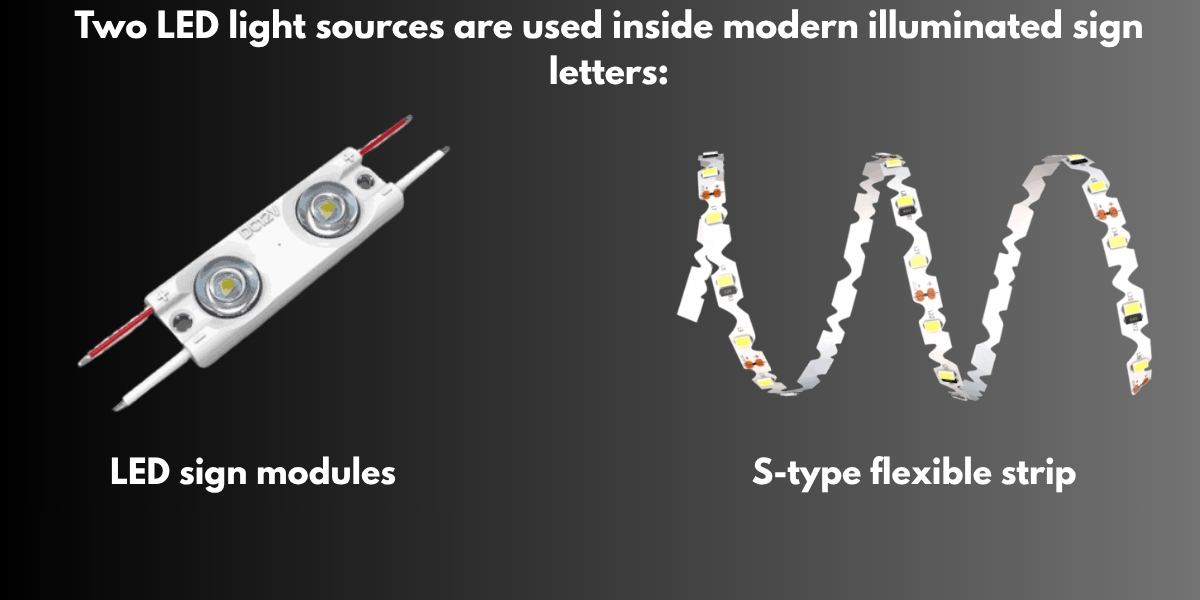
В современных подсветках используются два светодиодных источника света:
- Модули светодиодных знаков — основной, доминирующий источник для подавляющего большинства каналов каналов. Современные модули теперь очень компактны, поэтому они могут освещать небольшие текстовые и стандартные и большие буквы.
- Светодиодные полосы (включая гибкие полоски типа S) — используются для плотных кривых, шрифтов сценария и маленьких или замысловатых букв, где сетка модулей не может сидеть чисто.
Светодиодные модули доминируют, потому что они были разработаны специально для вывесок: низковольтная работа 12 В или 24 В, простая проводка, даже свето-выход, и гибкость, которую можно разместить в любом месте письма. Они эффективно заменили старые неоновые трубки, которые когда-то использовались буквы. Светодиодные полосы заслужили свое место на изогнутых и орнаментальных буквах, где жесткая сетка модулей не может чисто сидеть у внутренней стены.
Обратите внимание, что COB-полоски, жесткие светодиодные линзы и светодиодные лампы не используются внутри отдельных ленточных букв — эти продукты принадлежат к световым коробкам, шкафам и большими вывесками. Внутри сами буквы ответ - модули, сначала полосы для кривых.
Основные типы подсветки букв с подсветкой — и светодиодные буквы в каждом из них используются
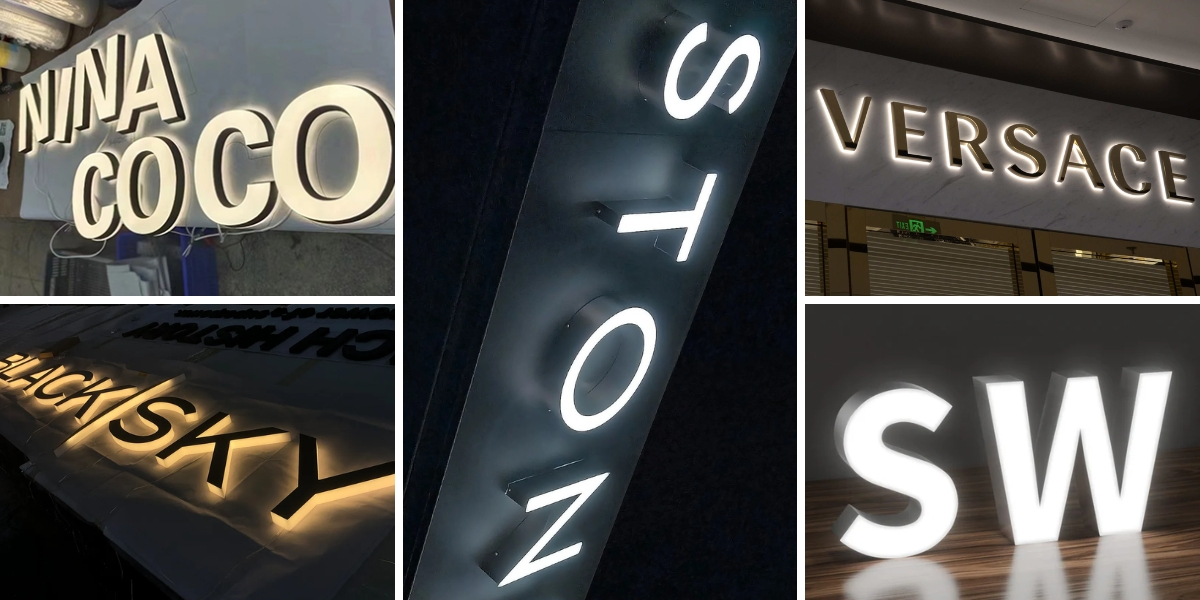
Подсвеченные буквы сгруппированы по тому, где свет выходит из буквы. Тип освещения меняет внешний вид, монтаж и какую светодиодную компоновку вам нужно внутри.
| Тип письма | Как он зажигается | Светодиодный источник внутри | Лучшее для |
| Спереди освещенный (с подсветкой) | Свет сияет через полупрозрачное лицо | Светодиодные модули в сетке за гранью | Магазины, розничная, наиболее распространенный тип |
| Подсветка / Halo (задняя подсветка) | Непрозрачная грань; свет выливается на стену | Светодиодные модули или полосы на спине, обращенные к стене | Премиум офисы, лобби, стеновые |
| Комбинация (спереди + зад) | Сияние лица плюс ореол одновременно | Два светодиодных макета, часто два цвета | Вывески с высокими ударами |
| освещаемый сбоку | Свет уходит через полупрозрачные возвраты | модули или полосы вдоль внутренней возвратной | Декоративные и акцентные буквы |
| Безразличный (без римбов) | Передняя подсветка без видимого края крышки отделки | Светодиодные модули с тщательным расстоянием/диффузированием | Чистый, современный, высококлассный фасад |
Передняя подсветка является стандартной и самой доступной: белые или цветные светодиодные модули находятся в сетке внутри буквы и проталкивают свет через акриловую поверхность. Буквы с ореолом сохраняют сплошную металлическую поверхность и устанавливают светодиоды на открытой спине, придавая мягкую свечу на стену позади — премиальный архитектурный вид. Комбинированные буквы делают и то, и другое. На всех них источником света рабочей лошадки является светодиодный модуль; полоски входят, когда форма буквы требует гибкости.
LED модули: как они на самом деле зажигают букву
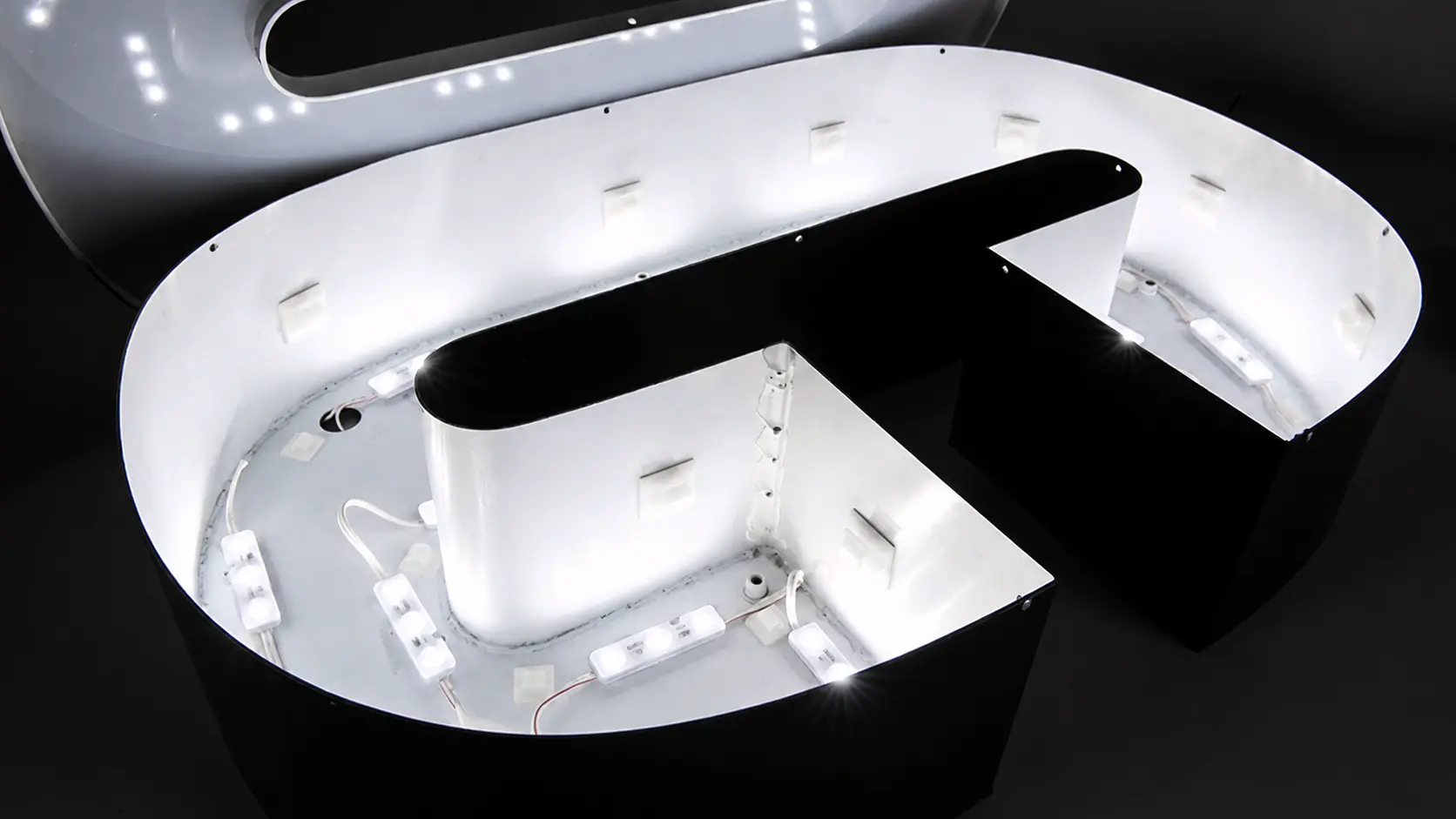
Светодиодные знаки Короткие платы с одним или несколькими светодиодами SMD (обычно SMD 2835, с SMD 5050 для цвета RGB), предварительно подключены к струнам и закреплены внутри буквы с помощью клеевой подложки или винтов. Они работают на 12 В постоянного тока для меньших букв и 24 В постоянного тока для крупномасштабных вывесок, где более длинные цепи сокращают время проводки и установки.
Несколько инженерных деталей отделяют вывеску, которая светится равномерно от того, что покрыто темными пятнами и горячими точками:
- Оптический линза/угол луча. В модули каналов с передней подсветкой используются широкая оптическая линза — около 160° — для равномерного распределяния света по лицу, поэтому каждый модуль покрывает большую площадь без горячей точки. Хорошо подобранная линза означает меньше модулей и более ровное лицо.
- шаг модуля (расстояние). Надежное правило с поля: держите зазор между модулями примерно равным расстоянием от модулей до вывески. Светодиоды, расположенные слишком далеко друг от друга, отображают яркие точки через акрил, слишком близко отходят в модули и мощность. В качестве грубой плановой цифры ожидайте около трех модулей на фут, причем буквы шире 4″, требующие более одной строки.
- Цветовая консистенция. Белые знаки мгновенно выявляют любые несоответствия цвета — некоторые патчи выглядят более синими, некоторые теплее. Качественные модули используют плотно бинированные чипы (3-ступенчатые MacAdam/SDCM), поэтому каждый модуль читает один и тот же белый цвет.
- Управление теплом. Модули с открытым алюминиевым печатной платой выбрасывают тепло на воздух намного лучше, чем модули, полностью герметизированные в оболочку ABS, которая защищает яркость и срок службы внутри прилагаемой буквы.
- даже яркость встык. При постоянном токе вождения первый и последний модуль в струне с одинаковой яркостью, даже когда питание подается только с одного конца.
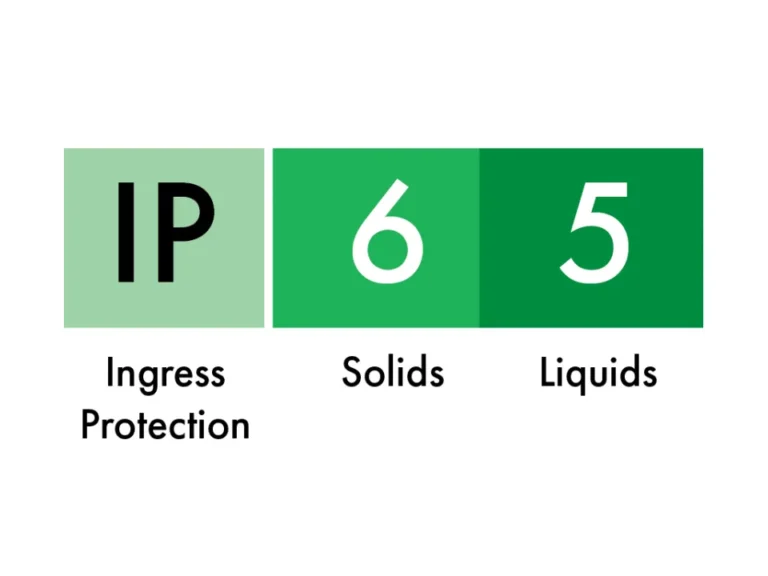
Для наружных букв модули должны быть оценены как IP65 (и до IP67 для прибрежных или высоких участков). Модули SignLiteled доступны для точного уровня IP67 для этих суровых погодных условий.
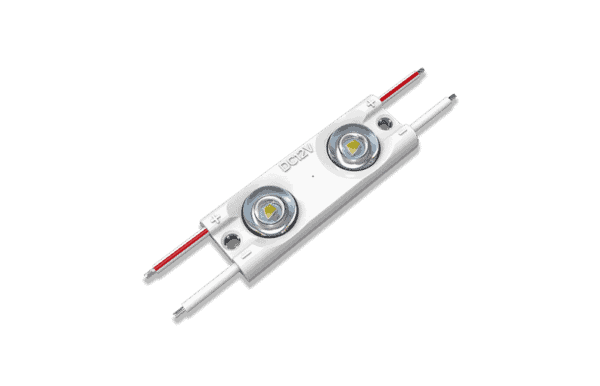
Свет модуля СИД одиночного цвета 2LED DC12V
- Открытая конструкция печатной платы для хорошего теплоотвода
- Сбой в условиях низкой освещенности для более длительного срока службы
- 9 В чипы высокой мощности светодиодные чипы для более яркой производительности и более высокой эффективности
- Конструкция постоянного тока для меньшего падения напряжения
- Подключить больше на цепочку
- 160° объектив для ровного освещения
- Подходит для тонких знаков
Светодиодные полосы и полоски типа S: для кривых, скрипта и неглубоких букв
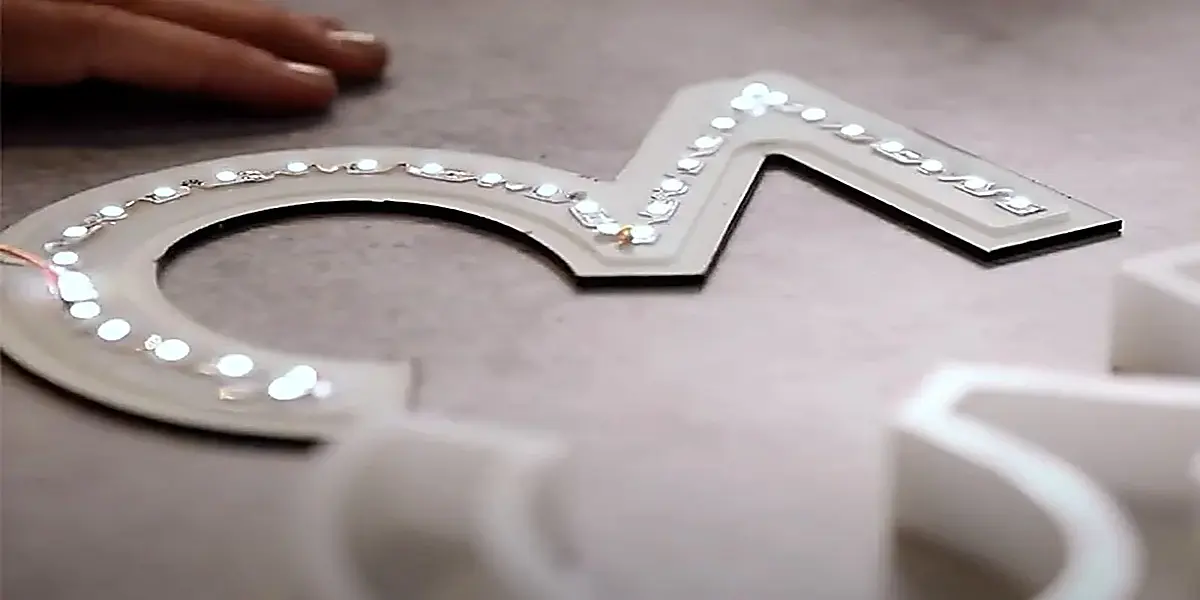
Там, где буква имеет тонкие изгибы, скрипт или рукописный шрифт, органическую форму логотипа или очень малую глубину, жесткая сетка модулей не может чисто сидеть у внутренней стены. Здесь гибкие светодиодные полосы берут верх — и S-типа специально для него создан.
В полосе S используется печатная плата S-образной формы (зигзаг) шириной всего 6 мм, которая изгибается в любом направлении, а не только вдоль одной плоскости, как стандартная полоса. Он обнимает внутренний периметр изогнутой буквы без перекручивания, следует за узкими радиусами и подходит для того, где модули не будут. Работая непрерывно, он также создает меньше соединений, чем размещение отдельных модулей вокруг сложной формы.
Используйте модули для стандартных печатных букв и полос (S-типа для кривых) для скрипта, логотипов и неглубоких или безграничных букв. Полная разбивка находится в руководстве Signliteled, Все, что вам нужно знать о светодиодных лентах S-типа.
Основные характеристики, которые нужно получить прямо перед заказом
Напряжение — 12 В или 24 В пост. 12 В подходит для меньших букв, 24 В более эффективна при больших буквах и длинных пробегах. Сопоставьте каждый компонент с одним и тем же напряжением системы.
IP-рейтинг — сопоставьте его с окружающей средой. Используйте IP65 в качестве базовой линии на открытом воздухе и IP67 для прибрежных, дождливых или высоких влажных мест. Никогда не ставьте светодиоды в помещении (IP20) в букву на открытом воздухе — влага и УФ-излучение быстро убьют их.
Сортировка чипов и биннинг. Чипы премиум-класса сохраняют свою яркость и цвет намного дольше, чем бюджетные чипы. Не менее важным является плотный цветовой биннинг — Sigleteled использует 3-ступенчатые чипы Macadam (SDCM), поэтому каждый модуль читает один и тот же белый цвет, вместо того, чтобы некоторые патчи выглядели более синей, а другие теплее на готовой букве.
Угол пучка и диффузия. Широкий угол луча плюс правильный шаг модуля — это то, что создает ровную поверхность без видимых точек. Рассеивание лица необходимо на мелководных буквах.
Блок питания (драйвер). Используйте водонепроницаемый драйвер с постоянным напряжением и не загружайте его выше примерно 80% от его номинальной мощности — именно этот запасной уровень не дает ему рано выйти из строя. Signliteled указывает Драйверы IP67 Mean Well (Вход AC100–305V, выход 12 В/24 В, 89–94% эффективность) для освещения знаков. Компоненты сертифицированы UL, ETL, CE и RoHS в соответствии с региональными стандартами.
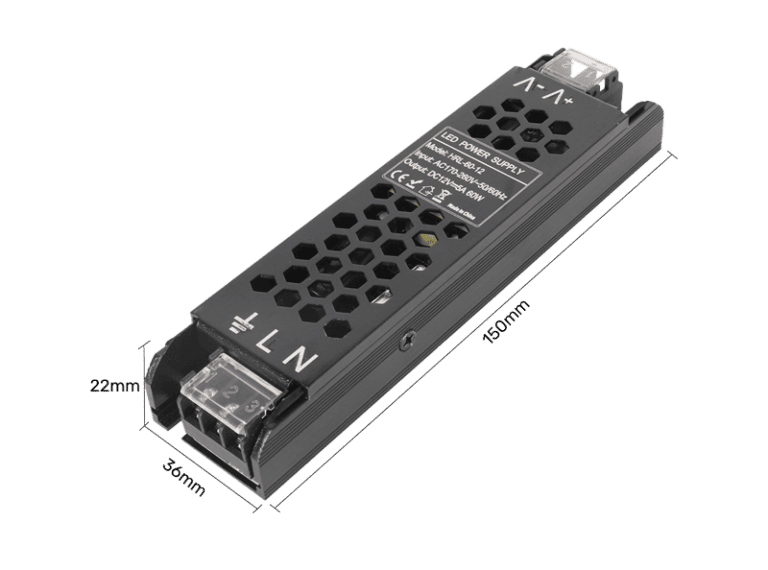
12V ультра тонкий драйвер для светодиодной ленты света
- Входное напряжение: AC110-260V
- Диапазон частот: 47-63 Гц
- Коэффициент мощности: 0,5-0,6
- Эффективность: >80%
- Номинальная мощность: 60 Вт
- Выходное напряжение: DC12V
- Номинальный ток: 5А
- Рейтинг IP: IP20
- Гарантия: 3 года
- Размер: L150 × W36 × H22 мм
Рабочая температура. Подтвердите, что источник имеет значение для полного климата установки, обычно около -20 °C до +50 °C для наружных букв.
Как долго длится светодиодное освещение внутри буквы?
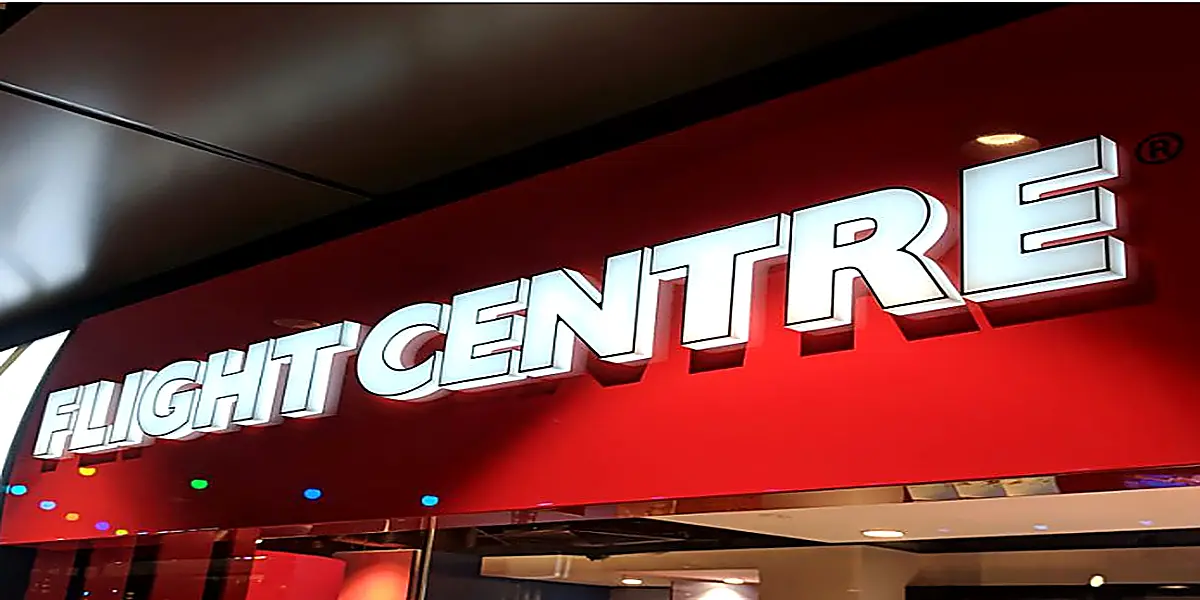
Здесь есть два разных числа, и их смущение — самая распространенная ошибка, которую делают покупатели. выше Номинальная продолжительность жизни качественных светодиодных лент и модулей около 50 000 часов, но это л70 Фигура, точка, при которой яркость погаснет до 70% оригинала, а не точка полного отказа. Срок службы в реальном мире обычно составляет от 3 до 10 лет, в зависимости от того, сколько часов в день работает вывеска и операционную среду. Примерно по 8 часов в день 50 000 часов работают примерно на 17 лет на бумаге, хотя на практике мало что из-за жары, погоды и энергетических условий.
Вот почему гарантия короче, чем номинальная продолжительность жизни — гарантия — это реальная гарантия, а не лабораторная цифра. На всех своих продуктах с гарантией минимум 3 года (до 5 лет на продукцию высокого класса) поддерживается гарантия на все продукты, на которых распространяется гарантия. Внутреннее освещение и экологическое испытание.
В реальных установках светодиодный чип редко выходит из строя, а блок питания (драйвер) — обычное слабое место, особенно если он недостенчивый или работает на полной нагрузке. Правильное решение драйвера имеет более длительное значение для долгосрочной надежности, чем любое отдельное число яркости.
Распространенные ошибки, которые производители знаков делают с источником светодиода
- Использование комнатных светодиодов (IP20) на открытом воздухе — они выходят из строя в течение нескольких месяцев из-за влаги и УФ-излучения.
- Дополнительное оборудование — запуск драйвера с нагрузкой 100% сокращает срок его службы и является наиболее распространенной точкой отказа.
- Расстояние между модулями слишком далеко друг от друга — зазоры шире, чем расстояние между гранями, создают на акриле видимые точки и темные полосы.
- Смешивание цветовых бинов чипов — незабиваемые чипы делают белый знак неоднородным, некоторые области более синими, некоторые теплее.
- Пропуская диффузию на мелководных буквах — без нее отдельные светодиоды показывают прямо сквозь лицо.
- Вынуждая прямую полоску вокруг изгиба — она перегибает и оставляет промежутки; для кривых изготавливается полоса типа S.
- Игнорирование тепла — модули без алюминиевой подкладки накапливают тепло внутри закрытой буквы и рано тускнеют.
Что определяет стоимость светодиодных компонентов для знаков?
Единой фиксированной цены не существует, потому что стоимость обусловлена проектом. Основными факторами являются:
- Размер и глубина буквы — более высокие буквы и более широкие штрихи требуют больше светодиодов и строк.
- Тип освещения — спереди освещение, ореол или комбинация. Каждый использует отдельную светодиодную компоновку.
- Общее количество светодиодов — количество модулей или метров полосы на символ.
- Бренд чипов и биннинг — премиум против отечественных чипов, плотный и свободный контроль цвета.
- IP-класс — IP65 против IP67.
- Сложность и сложность шрифта — плотные шрифты и специальные отделки требуют больше светодиодов.
- Количество заказа — оптовая и OEM-объем снижает стоимость единицы продукции.
Для точной цифры отправьте размер письма, тип освещения и количество и запросите прямую цитату, а не полагайтесь на общий прайс-лист.
A Производитель вывесок с 2011 года, Sigliteled сертифицирован UL, ETL, CE и RoHS и поддерживает каждый продукт с минимальной 3-летней гарантией. Ознакомьтесь с полным спектром светодиодных вывесок — модули светодиодных знаков и светодиодных лент S-типа — доступны Factory-Direct с кастомизацией OEM/ODM.

Заключение
Светодиодное освещение внутри подсвеченной буквы выдается с помощью двух источников: светодиодных знаков для подавляющего большинства букв и светодиодных лент (S-типа для кривых) для скрипта, логотипа и неглубоких форм. Сопоставьте источник с типом букв — модули за полупрозрачной гранью для букв, модулей или полос на задней панели для букв HALO — и получите три действительно важные характеристики: правильный рейтинг IP, чипы с плотно бинтованными качествами и водонепроницаемый драйвер правильного размера. Сделайте это, и знак будет светиться равномерно и длится годами, а не месяцами.
ЧАСТО ЗАДАВАЕМЫЕ ВОПРОСЫ
Похожие посты