标牌和 LED 灯带工厂,始于 2011 年

标牌和 LED 灯带工厂,始于 2011 年

发光的符号字母中使用了哪些 LED 照明?

The LED lighting used inside illuminated sign letters is, in almost every case, LED sign modules — small clusters of LEDs mounted on a board and spaced evenly inside the letter — supported by LED strips (including flexible S-type strips) for curved, script, or shallow letters. These low-voltage sources sit behind a translucent acrylic face and light the letter from the inside.

Most buyers judge a sign letter by its shape, finish, and color. What actually decides whether it glows evenly, survives the weather, and keeps working for years is the LED source chosen inside it. 

This article explains what illuminated sign letters are, which LED lighting goes inside each type, the specifications that matter most, how long the lighting really lasts, and what drives the cost when you source these components wholesale from China.

What Are Illuminated Sign Letters?

发光的标志字母

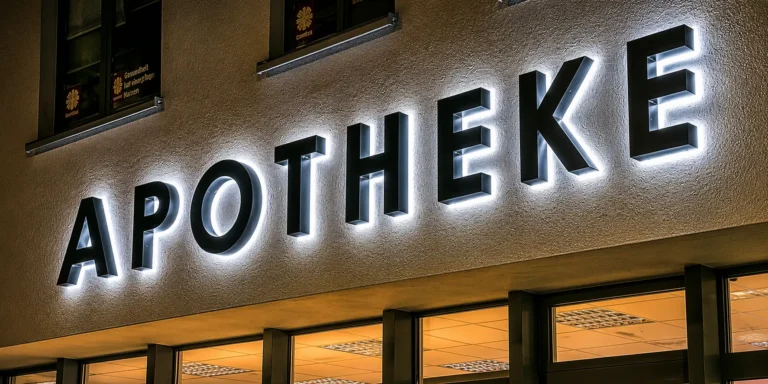
Illuminated sign letters — also called illuminated channel letters — are three-dimensional, individually fabricated letters, numbers, or logo shapes that are lit from the inside, typically with LEDs. Each character is built from a metal return (the side wall) and back, most often aluminium or stainless steel, with a translucent acrylic or polycarbonate face usually around 5 mm (3/16″) thick. A trim cap finishes the face edge, or the letter is built trimless for a cleaner look.

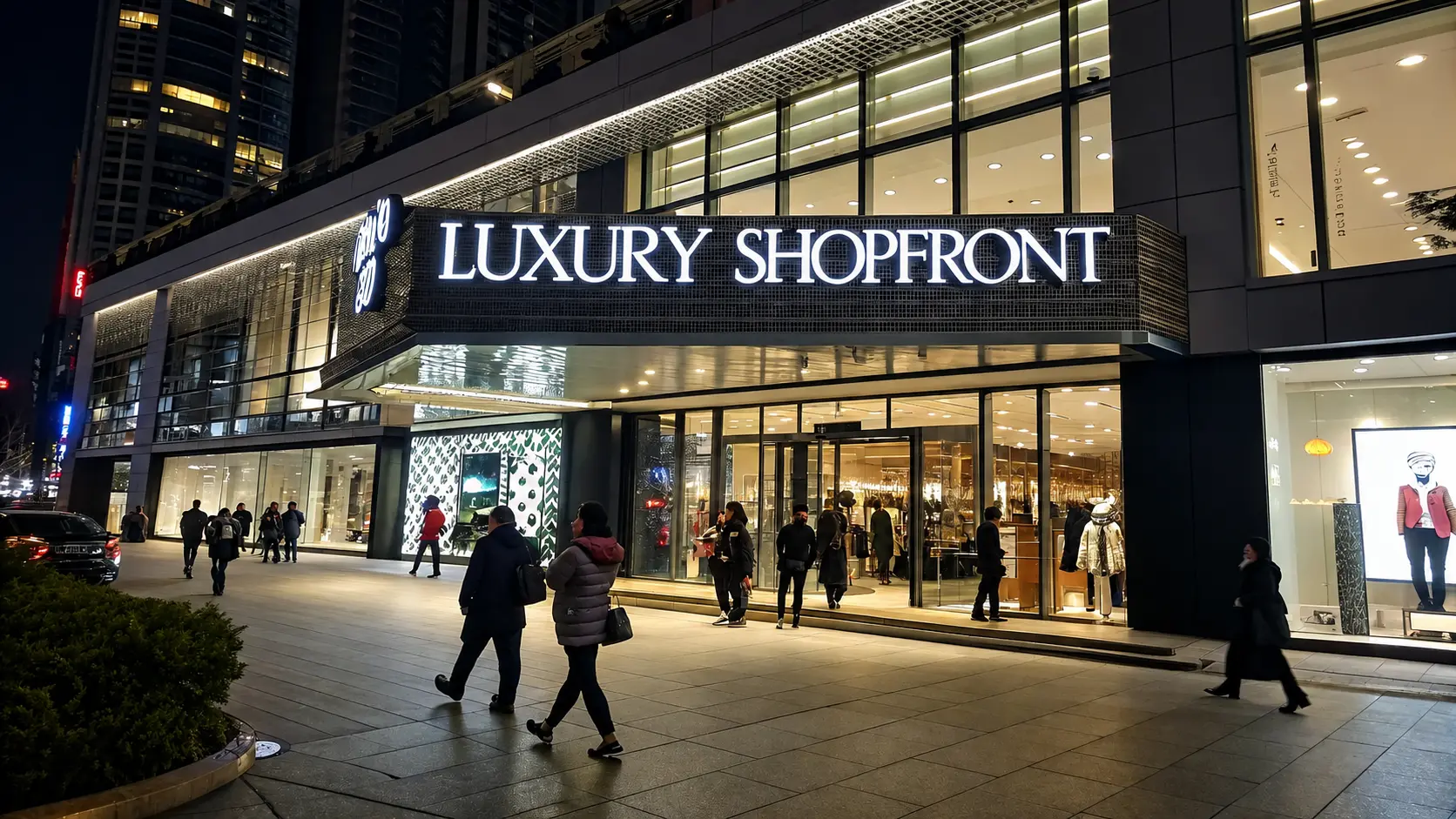
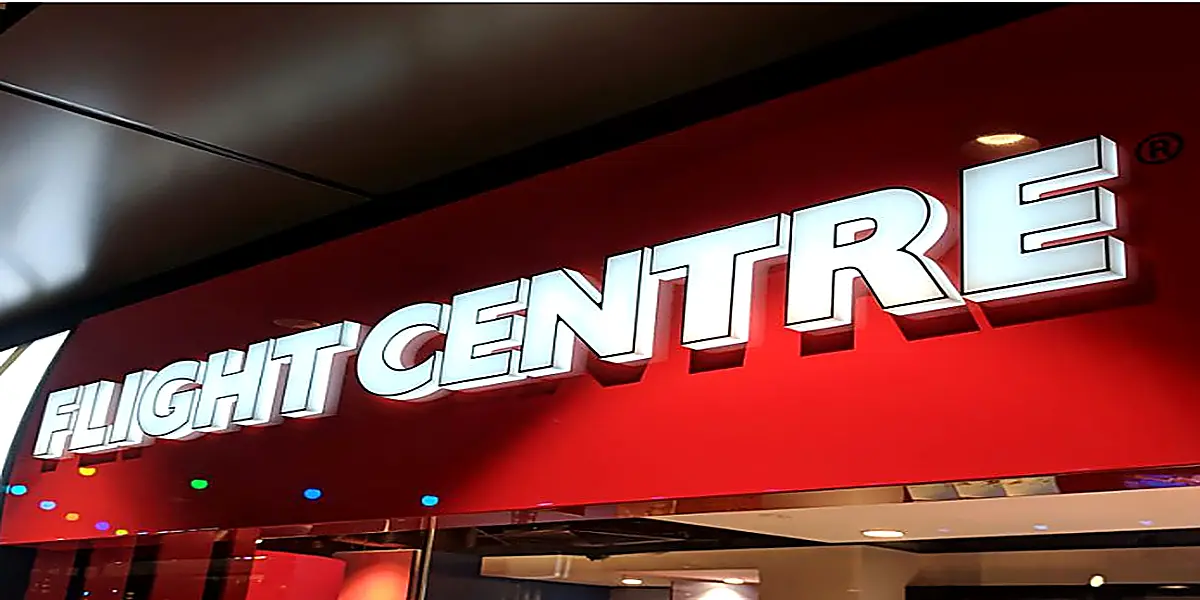
“Illuminated sign letters” is a broad category, and it includes 3D channel letters. The letters can be mounted on a building fascia, a raceway, or directly to a wall, and they are used on storefronts, shopping malls, restaurants, corporate lobbies, and reception walls. Because each character is lit individually, the result is sharp, high-contrast, and readable day or night.

It is worth separating two things that are often confused. An illuminated sign letter is a single dimensional character lit from within. A light box (sign cabinet) is a flat enclosed box lit from inside. They use different internal lighting hardware, so this article focuses only on what goes inside the letters themselves.

What LED Lighting Goes Inside an Illuminated Sign Letter

发光的标志字母

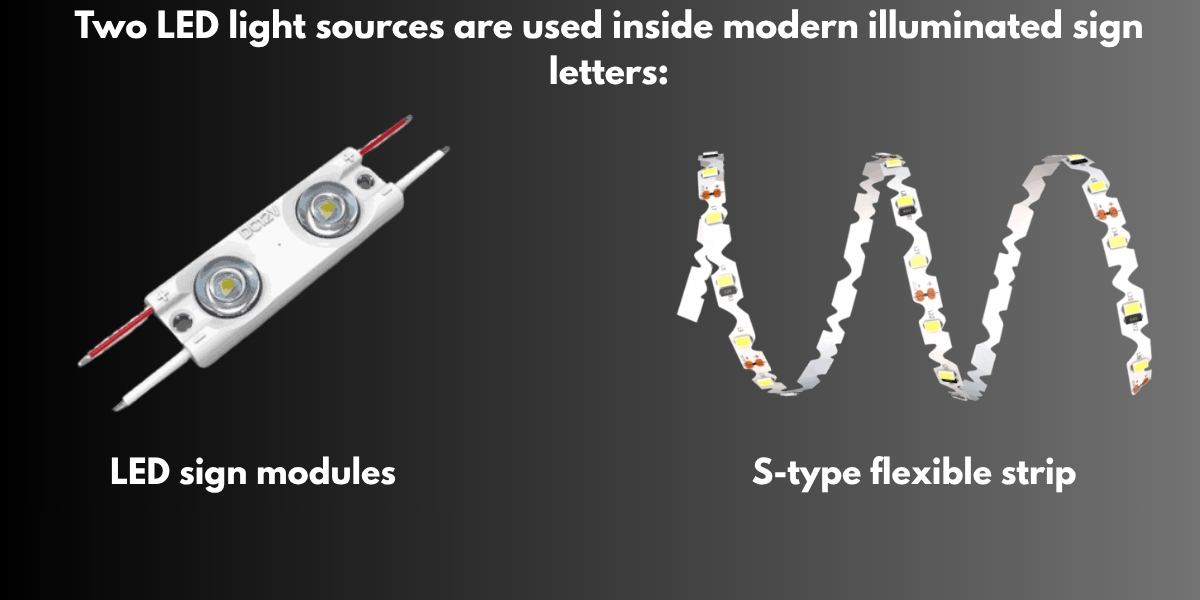
Two LED light sources are used inside modern illuminated sign letters:

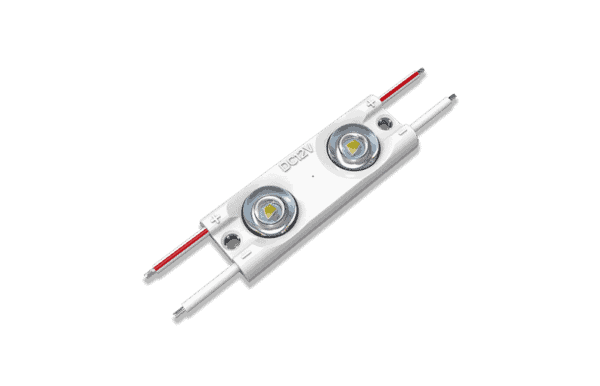
  1. LED sign modules — the primary, dominant source for the large majority of channel letters. Modern modules are now very compact, so they can light small text as well as standard and large letters.
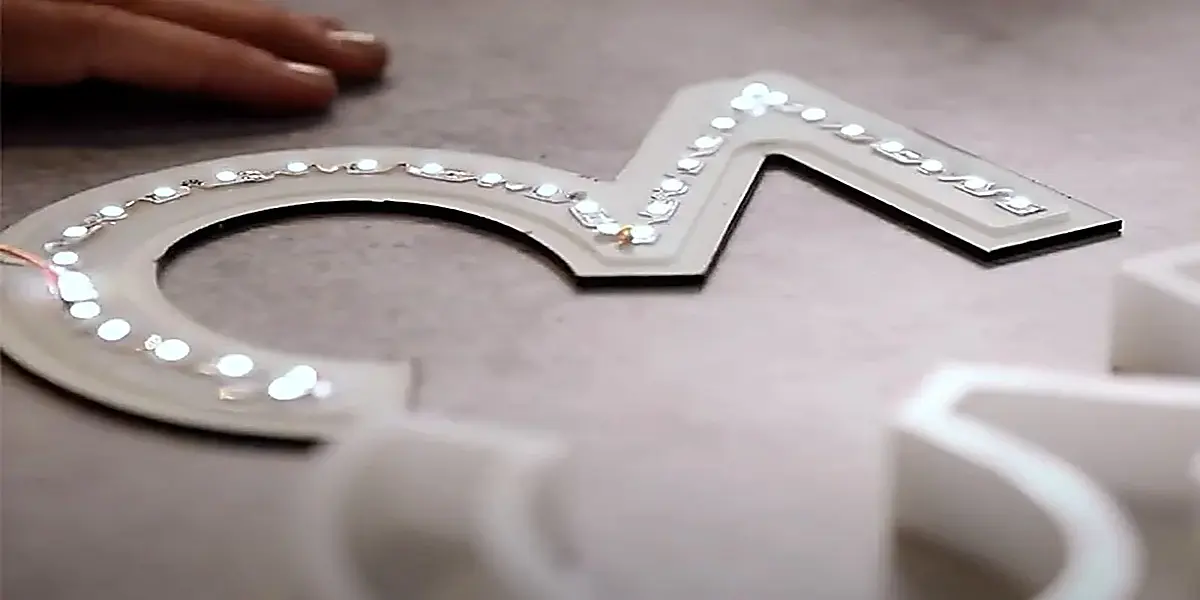
  2. LED strips (including S-type flexible strips) — used for tight curves, script fonts, and small or intricate letters where a grid of modules cannot sit cleanly.

LED modules dominate because they were designed specifically for signage: low-voltage 12 V or 24 V operation, simple wiring, even light output, and the flexibility to be placed anywhere inside a letter. They have effectively replaced the older neon tubes that channel letters once used. LED strips earn their place on the curved and ornamental letters where a rigid grid of modules cannot sit cleanly against the inner wall.

Note that COB strips, rigid LED lens boards, and LED sign tubes are not used inside individual channel letters — those products belong to light boxes, cabinets, and large fabricated signs. Inside the letters themselves, the answer is modules first, strips for curves.

The Main Types of Illuminated Sign Letters — and the LED Each One Uses

发光的标志字母

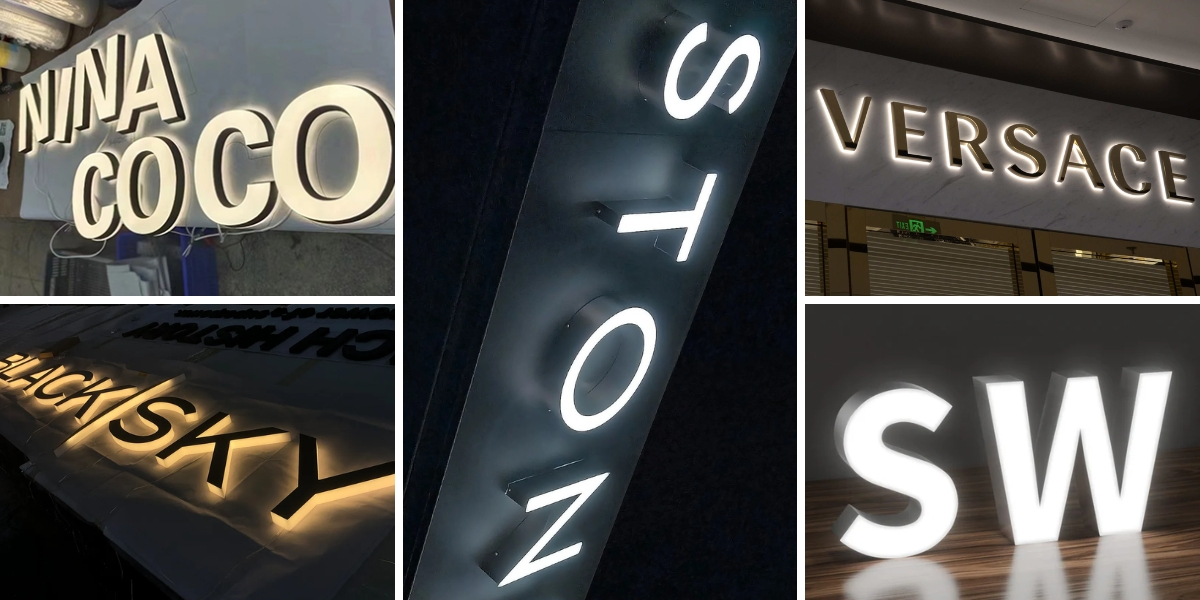
Illuminated sign letters are grouped by where the light escapes the letter. The lighting type changes the look, the mounting, and which LED layout you need inside.

Letter typeHow it lightsLED source inside最适合
Front-lit (face-lit)Light shines through the translucent faceLED modules in a grid behind the faceStorefronts, retail, the most common type
Back-lit / halo (reverse-lit)Opaque face; light spills out the back onto the wallLED modules or strips on the back, facing the wallPremium offices, lobbies, feature walls
Combination (front + back)Face glow plus a halo at onceTwo LED layouts, often two colorsHigh-impact brand signage
Side-litLight escapes through translucent returnsModules or strips along the inner returnsDecorative and accent letters
Trimless (rimless)Front-lit with no visible trim cap edgeLED modules with careful spacing/diffusingClean, modern, high-end fronts

Front-lit is the standard and the most affordable: white or colored LED modules sit in a grid inside the letter and push light through the acrylic face. Halo-lit letters keep a solid metal face and mount the LEDs on the open back, throwing a soft glow onto the wall behind — a premium, architectural look. Combination letters do both. Across all of them, the workhorse light source is the LED module; strips step in when the letter shape demands flexibility.

LED Modules: How They Actually Light a Sign Letter

发光的标志字母

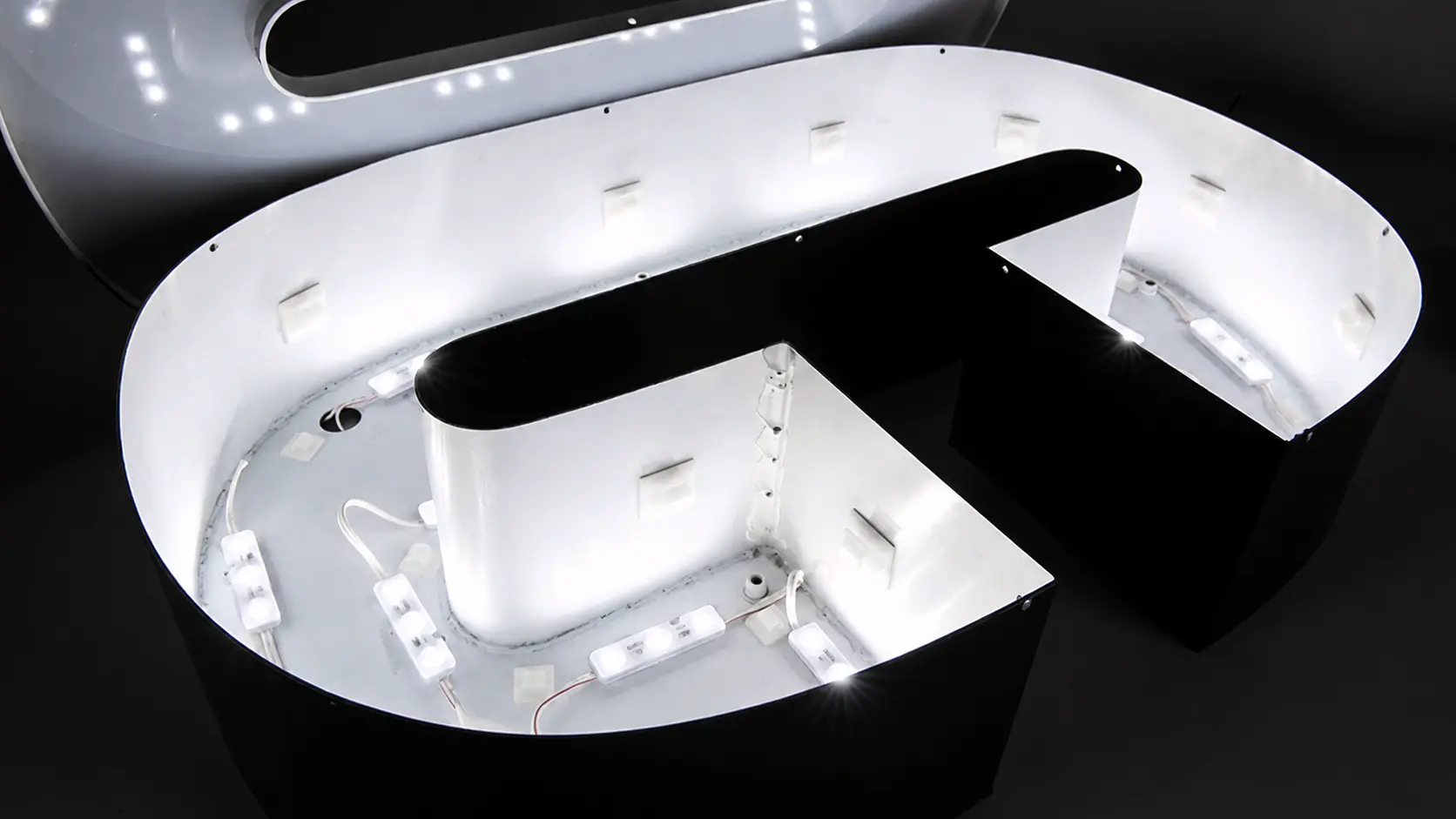
LED sign modules are short boards carrying one or more SMD LEDs (commonly SMD 2835, with SMD 5050 for RGB color), pre-wired into strings and fixed inside the letter with adhesive backing or screws. They run on 12 V DC for smaller letters and 24 V DC for large-scale signage where longer chains reduce wiring and installation time.

A few engineering details separate a sign that glows evenly from one covered in dark spots and hot spots:

  • Optical lens / beam angle. Front-lit channel-letter modules use a wide optical lens — around 160° — to spread light evenly across the face, so each module covers a larger area without a hot spot. A well-chosen lens means fewer modules and a more even face.
  • Module pitch (spacing). A reliable rule from the field: keep the gap between modules roughly equal to the distance from the modules to the sign face. Spaced too far apart, the LEDs show as bright dots through the acrylic; too close wastes modules and power. As a rough planning figure, expect around three modules per foot, with letters wider than a 4″ stroke needing more than one row.
  • Color consistency. White signs expose any color mismatch instantly — some patches look bluer, some warmer. Quality modules use tightly binned chips (3-step MacAdam / SDCM) so every module reads the same white.
  • Heat management. Modules with an exposed aluminium PCB shed heat to the air far better than modules fully sealed in an ABS shell, which protects brightness and lifespan inside an enclosed letter.
  • Even brightness end to end. Constant-current driving keeps the first and last module in a string at the same brightness, even when power feeds from one end only.

For outdoor letters, modules should be rated IP65 (and up to IP67 for coastal or high-humidity sites). SignliteLED’s sign modules are available up to an IP67 rating for exactly these harsh-weather conditions.

发光的标志字母

单色 2LED DC12V LED 模块灯

  • Exposed PCB design for good heat dissipation
  • Low light failure for a longer lifespan
  • 9V high-power LED chips for brighter output and higher efficiency
  • Constant current design for less voltage drop
  • Connect more per chain
  • 160° lens for even illumination
  • Suitable for thin signs


LED Strips and S-Type Strips: For Curves, Script, and Shallow Letters

发光的标志字母

Where a letter has tight curves, a script or handwritten font, an organic logo shape, or a very shallow depth, a rigid grid of modules cannot sit cleanly against the inner wall. This is where flexible LED strips take over — and the S-type strip is purpose-built for it.

An S-type strip uses an S-shaped (zigzag) PCB just 6 mm wide that bends in any direction, not only along a single plane like a standard strip. It hugs the inner perimeter of a curved letter without kinking, follows tight radii, and fits where modules will not. Run continuously, it also creates fewer wiring joints than placing individual modules around a complex shape.

Use modules for standard block letters and strips (S-type for curves) for script, logos, and shallow or borderless letters. The full breakdown is in SignliteLED’s guide, everything you need to know about S-type LED strip lights.

Key Specifications to Get Right Before You Order

Voltage — 12 V or 24 V DC. 12 V suits smaller letters; 24 V is more efficient on large letters and long runs. Match every component to the same system voltage.

IP rating — match it to the environment. Use IP65 as the outdoor baseline and IP67 for coastal, rainy, or high-humidity locations. Never put indoor-rated (IP20) LEDs inside an outdoor letter — moisture and UV will kill them quickly.

Chip grade and color binning. Premium-grade chips hold their brightness and color far longer than budget chips. Just as important is tight color binning — SignliteLED uses 3-step MacAdam (SDCM) chips so every module reads the same white, instead of some patches looking bluer and others warmer across a finished letter.

Beam angle and diffusion. A wide beam angle plus correct module pitch is what produces an even face with no visible dots. Diffusing the face is essential on shallow letters.

Power supply (driver). Use a waterproof, constant-voltage driver and do not load it beyond about 80% of its rated wattage — that headroom is what keeps it from failing early. SignliteLED specifies Mean Well XLG-series IP67 drivers (AC100–305V input, 12V/24V output, 89–94% efficiency) for sign lighting. Components are UL, ETL, CE, and RoHS certified to meet regional standards.

发光的标志字母

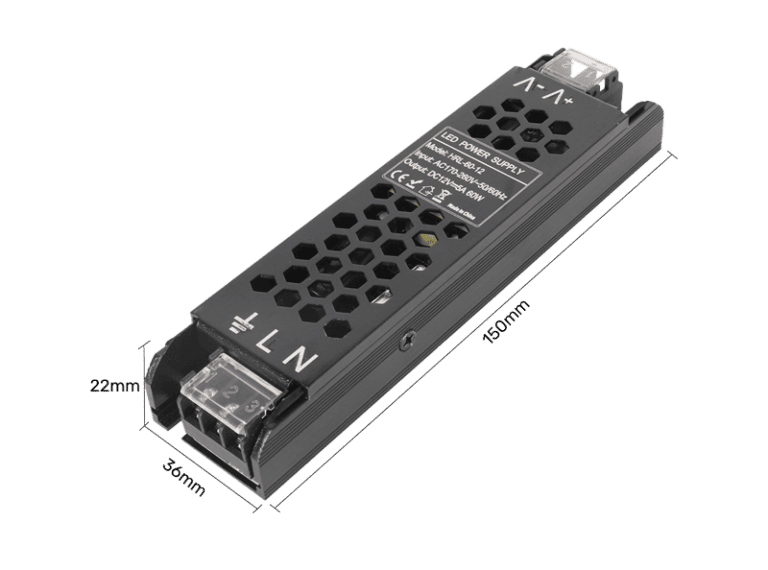
用于 LED 灯条的 12V 超薄驱动器

  • Input Voltage: AC110-260V
  • Frequency Range: 47-63Hz
  • Power Factor: 0.5-0.6
  • Efficiency: >80%
  • Rated Power: 60W
  • 输出电压DC12V
  • Rated Current: 5A
  • IP 等级:IP20
  • Warranty: 3 Years
  • Dimension: L150 × W36 × H22mm


Operating temperature. Confirm the source is rated for the full installation climate, typically around −20 °C to +50 °C for outdoor letters.

How Long Does the LED Lighting Inside a Sign Letter Last?

发光的标志字母

There are two different numbers here, and confusing them is the most common mistake buyers make. The rated lifespan of quality LED strips and modules is around 50,000 hours — but that is an L70 figure, the point at which brightness has faded to 70% of the original, not the point of total failure. The real-world service life is usually 3 to 10 years, depending on how many hours a day the sign runs and the operating environment. At about 8 hours a day, 50,000 hours works out to roughly 17 years on paper, though few signs reach that in practice because of heat, weather, and power conditions.

This is also why a warranty is shorter than the rated lifespan — a warranty is a real-world commitment, not a lab figure. SignliteLED backs all of its products with a minimum 3-year warranty (up to 5 years on high-end products), supported by in-house lighting and environmental testing.

In real installations the LED chip is rarely the first part to fail — the power supply (driver) is the usual weak point, especially if it is undersized or run at full load. Getting the driver right matters more for long-term reliability than any single brightness number.

Common Mistakes Sign Makers Make With the LED Source

  1. Using indoor (IP20) LEDs outdoors — they fail within months from moisture and UV.
  2. Undersizing the power supply — running a driver at 100% load shortens its life and is the most common failure point.
  3. Spacing modules too far apart — gaps wider than the face distance create visible dots and dark bands on the acrylic.
  4. Mixing chip color bins — non-binned chips make a white sign look patchy, some areas bluer, some warmer.
  5. Skipping diffusion on shallow letters — without it, individual LEDs show straight through the face.
  6. Forcing a straight strip around a curve — it kinks and leaves gaps; an S-type strip is made for curves.
  7. Ignoring heat — modules with no aluminium backing build up heat inside an enclosed letter and dim early.

What Determines the Cost of LED Components for Sign Letters?

There is no single fixed price, because the cost is driven by the project. The main factors are:

  • Letter size and depth — taller letters and wider strokes need more LEDs and rows.
  • Lighting type — front-lit, halo, or combination each use a different LED layout.
  • Total LED count — the number of modules or metres of strip per character.
  • Chip brand and binning — premium vs domestic chips, tight vs loose color control.
  • IP rating — IP65 vs IP67 weatherproofing.
  • Finish and font complexity — tight script fonts and special finishes need more LEDs.
  • Order quantity — wholesale and OEM volume lowers unit cost.

For an accurate figure, send the letter sizes, lighting type, and quantity and request a factory-direct quote rather than relying on a generic price list.

A signage manufacturer since 2011, SignliteLED is UL, ETL, CE, and RoHS certified and backs every product with a minimum 3-year warranty. Explore the full range of LED sign lighting — LED sign modules and S-type LED strips — available factory-direct with OEM/ODM customization.

YouTube 视频

结论

The LED lighting inside an illuminated sign letter comes down to two sources: LED sign modules for the large majority of letters, and LED strips (S-type for curves) for script, logo, and shallow shapes. Match the source to the letter type — modules behind a translucent face for front-lit letters, modules or strips on the back for halo letters — and get the three specifications that truly matter right: the correct IP rating, tightly binned quality chips, and a properly sized waterproof driver. Do that and the sign glows evenly and lasts for years rather than months.

常见问题

LED 灯条LED 灯条
如何在家中安装隐藏式 LED 灯条?
按照系统的5步过程,您可以在家中安装隐藏式LED灯带灯:规划灯光效果,选择正确的组件,准备和安装LED灯条通道,安装和连接LED灯条,最后添加扩散器和最后的润色,打造无缝的专业级隐藏式发光。 隐藏...
高密度LED灯条高密度LED灯条
高密度LED灯条和标准LED灯条之间的主要区别是什么?
高密度LED灯带和标准LED灯带的主要区别在于每米的LED数量、光均匀性、视觉质量、热管理要求和合适的应用,所有这些都直接影响了照明装置的专业可靠性。 了解这些差异对建筑师来说至关重要,...
防水LED灯条的终极指南防水LED灯条的终极指南
防水LED灯条的终极指南
在建筑照明、商业照明和住宅照明项目中,可靠性和耐用性通常与亮度和美学一样重要。 实际应用中LED灯条的最常见原因之一是防水、防尘或防风雨。 一个在陈列室里看起来很完美的地带可以...
为什么 lP67 防水型 LED 柔性霓虹灯是户外外墙照明项目的最佳选择?
在现代建筑照明中,室外立面照明在提升建筑物的视觉吸引力和形象方面发挥着至关重要的作用。无论是商业综合体、酒店还是公共地标,对耐用、节能、视觉冲击力强的照明解决方案的需求都在不断增长。在各种可供选择的照明方案中,IP67 防水柔性霓虹灯...
在木板墙上安装 LED 灯的分步指南在木板墙上安装 LED 灯的分步指南
在木条墙壁上安装 LED 灯的分步指南(无需专家指导)
在木板条墙上安装 LED 灯是提升空间氛围、增添现代时尚气息的绝佳方法。无论您是喜欢舒适温暖的灯光,还是鲜艳多彩的灯光,这个适合 DIY 的项目都能满足您的需求。下面是一个简单的分步指南,指导您...
led-strip-lights-led-strip-lights-
How to install LED strip light to avoid damage on the led lamp face?
Recently, several of our customers have come to us to report problems with incorrect cutting and lights that don't turn on throughout the installation process. I've written a special page to help you install the LED light strips and solve your issues. Why is it crucial to install LED strip lights...

分享:

Facebook
叽叽喳喳
Pinterest
LinkedIn
订阅评论
提醒
来宾
0 评论
最老的
最新 最多投票
内联反馈
查看所有评论

搜索 SignliteLED 博客

类别

滚动至顶部

立即获取报价