Italiano
  English
  简体中文
简体中文  Deutsch
  Español
  Français
  日本語
日本語  한국어
한국어  Polski
  Português
  Русский
  Türkçe
  Nederlands
  Tiếng Việt
  ไทย
ไทย 
Quando si acquista all'aperto Insegne al neon a LED Per le facciate degli edifici commerciali, i patii dei ristoranti o i progetti di illuminazione architettonica, una specifica tecnica diventa il punto focale di ogni discussione: la valutazione Ingress Protection (IP). Tuttavia, molti acquirenti credono erroneamente che le "insegne al neon impermeabili" aderiscano a un unico standard universale, ma non è così. La scelta del rating di protezione errato può comportare qualsiasi cosa, da un ridotto ritorno sull'investimento a un grave disastro di manutenzione nel giro di pochi mesi.
Per la stragrande maggioranza dei progetti di neon commerciali a LED per esterni, i prodotti estrusi in silicone solido IP67 sono la scelta ottimale. Offrono la stessa protezione dalla polvere di IP65 aggiungendo una protezione originale contro l'immersione breve. Inoltre, il loro costo è significativamente inferiore a quello dei prodotti IP68, che sono spesso sovraspecificati per applicazioni non sommergibili.
Questa guida fornisce un'analisi completa e basata sull'ingegneria di ciò che IP65, IP67 e IP68 significano veramente per l'illuminazione al neon a LED per esterni, concentrandosi sulla conoscenza di base che gli acquirenti commerciali e gli ingegneri di progetto devono comprendere. Esploreremo perché IP65 fallisce frequentemente in ambienti esterni reali; il processo di sigillatura in silicone che determina l'affidabilità a lungo termine di un prodotto; perché il driver è altrettanto critico quanto la striscia di luce stessa; e come prendere decisioni ottimali che bilanciano protezione e costi in base ai requisiti del progetto.
Dopo aver letto questo articolo, non solo saprai cosa rappresentano i numeri IP, ma capirai anche la logica ingegneristica dietro di loro, consentendoti di determinare con precisione il grado di protezione appropriato per il tuo prossimo progetto.
Cosa significa la valutazione IP?
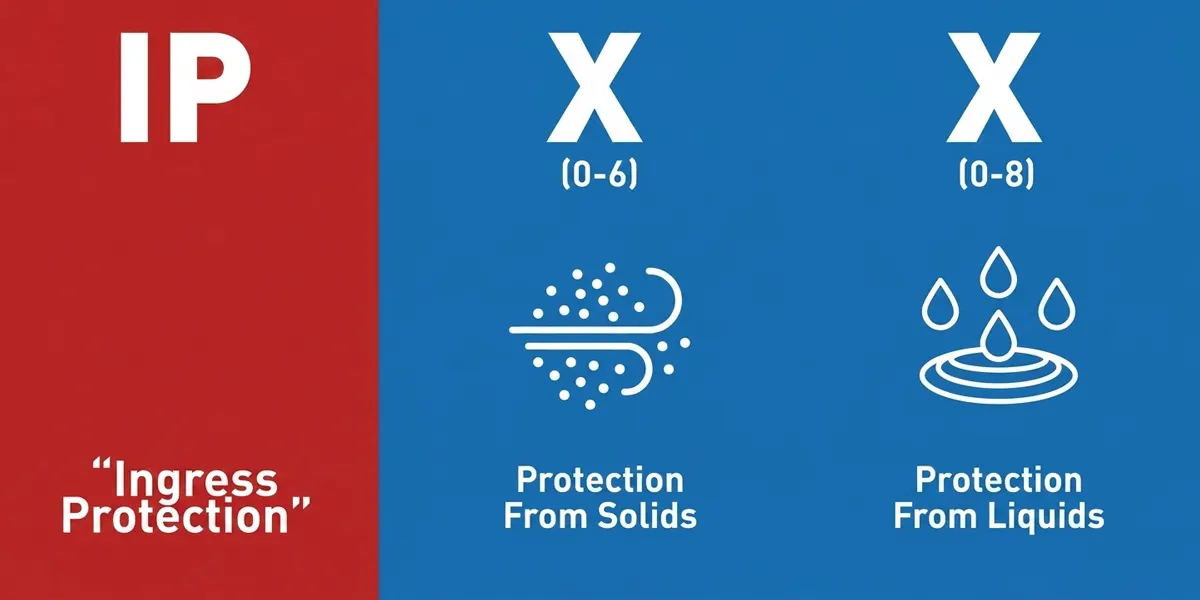
IP sta per protezione in ingresso. Come definito dalla norma internazionale IEC 60529, an Grado di protezione IP è composto da due cifre:
- Prima cifra (0–6): Protezione contro oggetti solidi (polvere, detriti, contatto accidentale)
- Seconda cifra (0–9K): Protezione contro i liquidi (pioggia, schizzi, getti, immersione)
Per le insegne a LED all'aperto, la prima cifra è quasi sempre 6: protezione completa dalla polvere, ovvero il massimo livello di protezione contro i solidi. Il vero obiettivo della decisione risiede nella seconda cifra: la valutazione di resistenza all'acqua.
Di seguito è riportato un chiaro confronto tecnico delle relative valutazioni di resistenza all'acqua:
| seconda cifra | Definizione | Metodo di prova | Significato del mondo reale |
| 5 (IP65) | getti d'acqua | 12,5 l/min dall'ugello (6,3 mm), 3 m di distanza, almeno 3 minuti | Resiste ai getti a bassa pressione, a forti piogge |
| 6 (IP66) | Jet potenti | 100 l/min dall'ugello (12,5 mm), distanza di 3 m | Resiste ai potenti getti d'acqua, forti piogge |
| 7 (IP67) | Immersione temporanea | Fino a 1 metro di profondità per 30 minuti | Sopravvive a tempeste estreme, inondazioni, lavaggi |
| 8 (IP68) | Immersione continua | Profondità e durata impostate dal produttore (nessun singolo standard) | Uso subacqueo a lungo termine |
nota chiave: Non esiste uno standard di test unificato a livello globale per IP68. I produttori e i clienti devono concordare esplicitamente su specifiche condizioni di immersione e profondità. Alcuni prodotti IP66 possono anche superare i test di base IP68, quindi, in assenza di specifiche esplicite, la stessa grado di IP68 ha un significato limitato.
IP65 vs IP67 vs IP68: un grafico di confronto completo
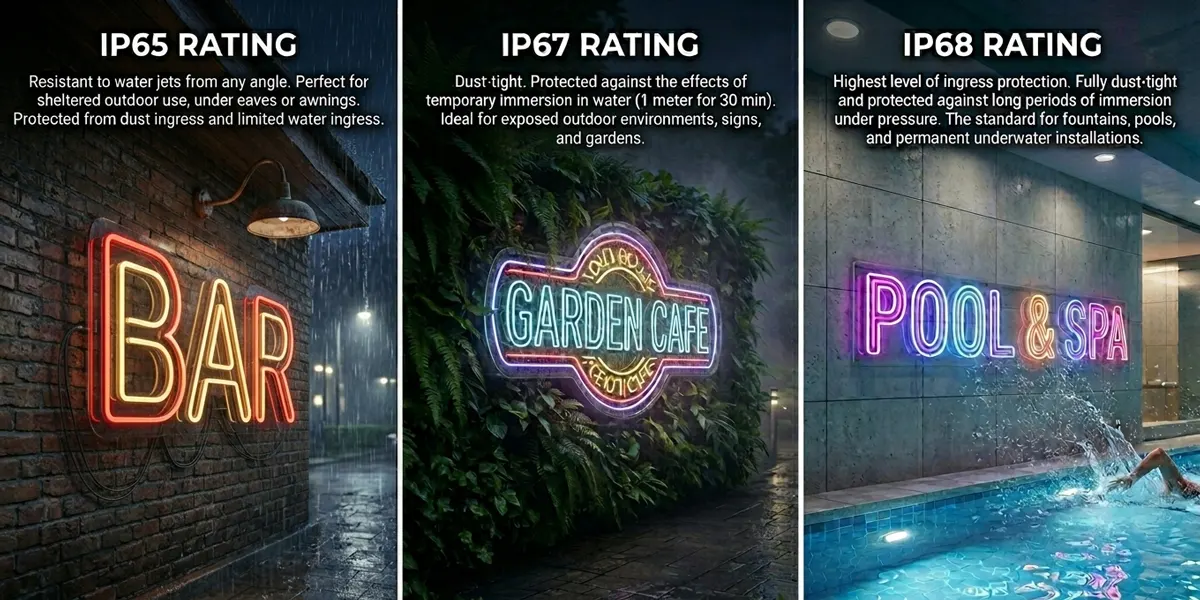
Per gli acquirenti commerciali di insegne a LED da esterno, è fondamentale comprendere le differenze tra queste tre valutazioni in termini di costruzione, durata e costi.
| Aspetto | IP65 | IP67 | IP68 |
| Protezione antipolvere | 6 (a tenuta di polvere) | 6 (a tenuta di polvere) | 6 (a tenuta di polvere) |
| Protezione dell'acqua | Solo getti a bassa pressione | Immersione temporanea (1m, 30 min) | Immersione continua (specificata dal produttore) |
| metodo di costruzione | Rivestimento superficiale o manicotto semisigillato | Estrusione completa in silicone / invasatura solida | Estrusione in silicone di alta qualità con guarnizioni rinforzate |
| può essere sommerso? | ❌ No | ✔️ Sì (breve termine) | ✔️ Sì (continuo) |
| Tipica durata della vita all'aperto | 8.000-15.000 ore (PVC) | 50.000+ ore (silicone) | 50.000+ ore (silicone) |
| costo relativo | preventivare | Moderato (15–30% superiore a IP65) | premio |
| Adatto per le zone costiere? | Limitato (corrosione a spruzzo di sale) | Sì (silicone stabilizzato UV) | ✔️ Sì |
| Il migliore per | Aree esterne riparate, sotto tendine | Esposizione completa all'aperto, facciate, cartelli, giardini | Fontane, piscine, installazioni subacquee permanenti |
| Aspetto | IP65 | IP67 | IP68 |
| Protezione antipolvere | 6 (a tenuta di polvere) | 6 (a tenuta di polvere) | 6 (a tenuta di polvere) |
Differenze chiave spiegate
- IP65 fornisce una protezione completa contro la polvere e resiste a getti d'acqua a bassa pressione da qualsiasi direzione. Tuttavia, non offre protezione contro l'immersione, una limitazione che si è rivelata fatale in molte installazioni all'aperto del mondo reale.
- IP67 si basa su IP65 aggiungendo la possibilità di resistere a una breve immersione (1 metro sott'acqua per 30 minuti). Questo livello di protezione si ottiene attraverso una costruzione in silicone completamente estruso: il circuito a LED è completamente incapsulato all'interno del silicone, senza lasciare spazi per l'umidità da penetrare.
- IP68 estende questa capacità all'immersione continua; tuttavia, a causa della mancanza di uno standard unificato, IP67 offre già una protezione molto maggiore di quella effettivamente richiesta per la stragrande maggioranza dei progetti commerciali di segnaletica esterna e facciata (dove le strisce luminose vengono installate verticalmente o appesi all'esterno degli edifici).
- Secondo le statistiche del settore, IP67 rappresenta l'equilibrio ottimale per circa 82% di progetti all'aperto: resiste a condizioni meteorologiche avverse stagionali senza incorrere in costi eccessivi.
Per la maggior parte delle applicazioni di illuminazione per esterni (segnavia, patii e giardini), IP67 offre l'equilibrio ideale: offre una protezione più affidabile contro la pioggia rispetto a IP65 pur rimanendo più conveniente rispetto a IP68.
Perché IP65 non riesce nelle impostazioni esterne: i rischi nascosti
Potresti essere tentato di scegliere IP65 per le insegne a LED all'aperto: dopotutto, viene spesso definito "impermeabile". Ma la realtà è tutt'altro.
Un'analisi dei big data dei guasti a LED per esterni (che copre 4.200 record di installazione in tre anni) ha rivelato che nelle regioni piovose, il tasso di guasto annuale per gli apparecchi IP65 ha raggiunto fino a 14,71 Tp3t, mentre le apparecchiature IP66 sono scese a 7,9%.
Molti acquirenti presumono che IP65 significhi che il prodotto possa resistere a tutti i rischi legati all'acqua. Questo non è corretto. IP65 protegge solo dai getti d'acqua a bassa pressione. Tuttavia, durante i gravi tifoni, gli uragani o le bufere di neve, la pioggia guidata dal vento può soffiare orizzontalmente o anche verso l'alto. Per le regioni soggette a condizioni meteorologiche estreme, solo una struttura completamente sigillata che soddisfa gli standard IP67 fornisce l'unica garanzia di ingegneria affidabile.
Tre motivi principali per cui IP65 fallisce in ambienti esterni
1. Solo protezione a livello di superficie: Molte strisce LED IP65 utilizzano solo un singolo strato di tubo in silicone o un rivestimento superficiale sottile. L'acqua può facilmente entrare attraverso le estremità tagliate, i punti di connessione o i tubi danneggiati.
2 Intrusione di umidità a lungo termine: L'umidità e la condensa filtrano attraverso lacune microscopiche che i trattamenti superficiali non possono sigillare, causando infine un guasto al circuito.
3. Resistenza all'immersione zero: se esposto ad acqua stagnante, riflusso dell'acqua piovana o anche getti d'acqua ad alta pressione vicino alla segnaletica, i prodotti IP65 cortocircuitano e si guastano non appena l'acqua entra in contatto brevemente con i circuiti interni.
Per qualsiasi insegna al neon impermeabile veramente esposta all'aperto, che si tratti di facciate di edifici, vetrine rivolte a strade o installazioni in giardino vicino a irrigatori o giochi d'acqua, IP65 è insufficiente. Il leggero risparmio sui costi non può compensare il rischio di guasti prematuri.
Il processo di tenuta in silicone che determina la vera capacità di protezione
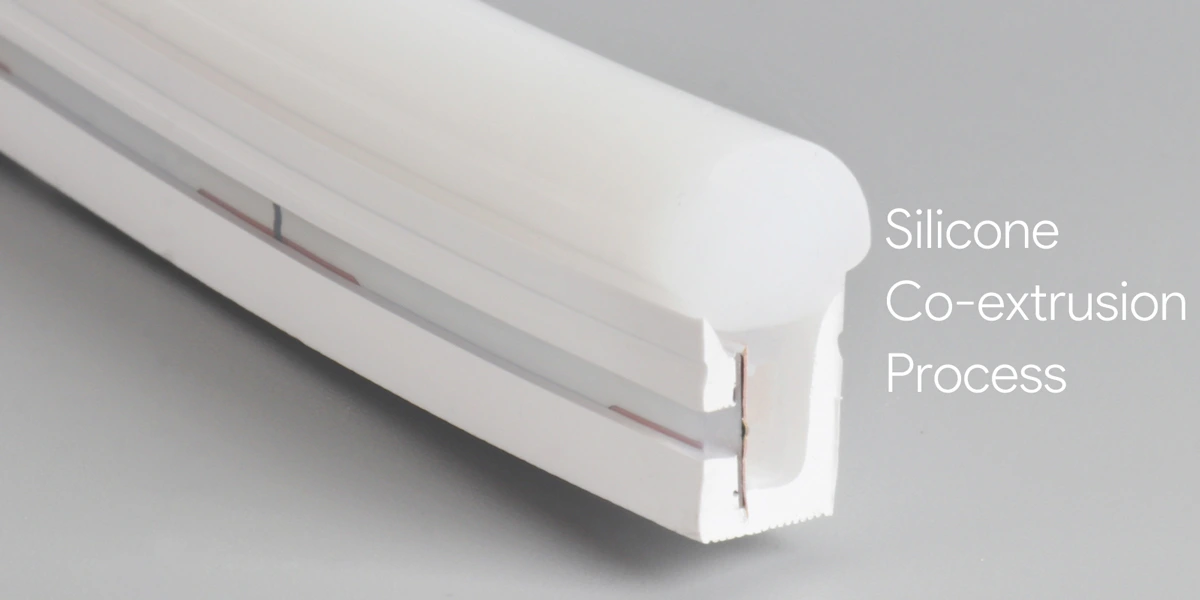
Non tutte le luci al neon impermeabili sono prodotte allo stesso modo. Il metodo utilizzato per sigillare il circuito a LED determina direttamente se il prodotto può raggiungere la sua potenza IP dichiarata.
Metodi comuni di impermeabilizzazione a
| metodo | IP realizzabile | Descrizione | mollezza |
| Manicotto in PVC + Tappi terminali | IP65 | Striscia LED inserita nel tubo in PVC cavo, tappi sigillati | L'acqua entra alle estremità; in giallo PVC all'aperto |
| Manicotto in silicone + tappi terminali | IP65–IP66 | Stesso design ma con manicotto in silicone | si basa ancora su guarnizioni del cappuccio terminale; non completamente in vaso |
| Rivestimento superficiale (colla a goccia) | IP65–IP66 | PCB LED rivestito solo sul lato superiore | Retro vulnerabile; nessun incapsulamento completo |
| Vasi per estrusione / silicone solido | IP67–IP68 | Circuito LED completamente racchiuso in silicone solido tramite estrusione | costo del materiale più elevato; durata premium |
Perché il silicone è fondamentale
La selezione del materiale è altrettanto critica. Tra i tre materiali al neon primari (PVC, PU, silicone), il silicone supera significativamente gli altri nelle prestazioni all'aperto:
| beni | PVC | PU | Silicone |
| Resistenza ai raggi UV | Scarso (degrada/giallo) | Moderato | Eccellente |
| gamma di temperature | –20°C a 60°C | –20°C a 80°C | –50°C a 200°C+ |
| Durata della vita all'aperto | 8.000–15.000 ore | Moderato | 50.000–100.000 ore |
| Flessibilità | Moderato | Moderato | Eccellente |
Il silicone solido e il PU possono ottenere elevate valutazioni impermeabili (IP67/IP68), mentre il PVC cavo ha una resistenza all'acqua limitata. La durata dei tubi al neon in silicone è in genere di circa 50.000 ore, mentre i prodotti in PVC durano solo circa 8.000-15.000 ore in condizioni esterne.
Il silicone offre anche un'eccellente resistenza ai raggi UV, evitando i problemi di ingiallimento e screpolatura che i prodotti in PVC sperimentano sotto un'esposizione prolungata al sole. Per gli acquirenti commerciali, specificare esplicitamente l'estrusione di silicone solido piuttosto che i tubi in PVC durante il processo di selezione è il passaggio più efficace per garantire l'affidabilità a lungo termine dei tubi al neon a LED per esterni.
SignLiteled IP67 LED Flex al neon Il tubo è realizzato in silicone di alta qualità che rimane flessibile anche a temperature estreme; utilizza materiali resistenti ai raggi UV che non si incrinano o non ingialliscono dopo anni di esposizione; sigilla completamente i circuiti a LED attraverso un processo di estrusione di silicio, prevenendo l'intrusione di umidità.
I driver LED impermeabili sono ugualmente cruci
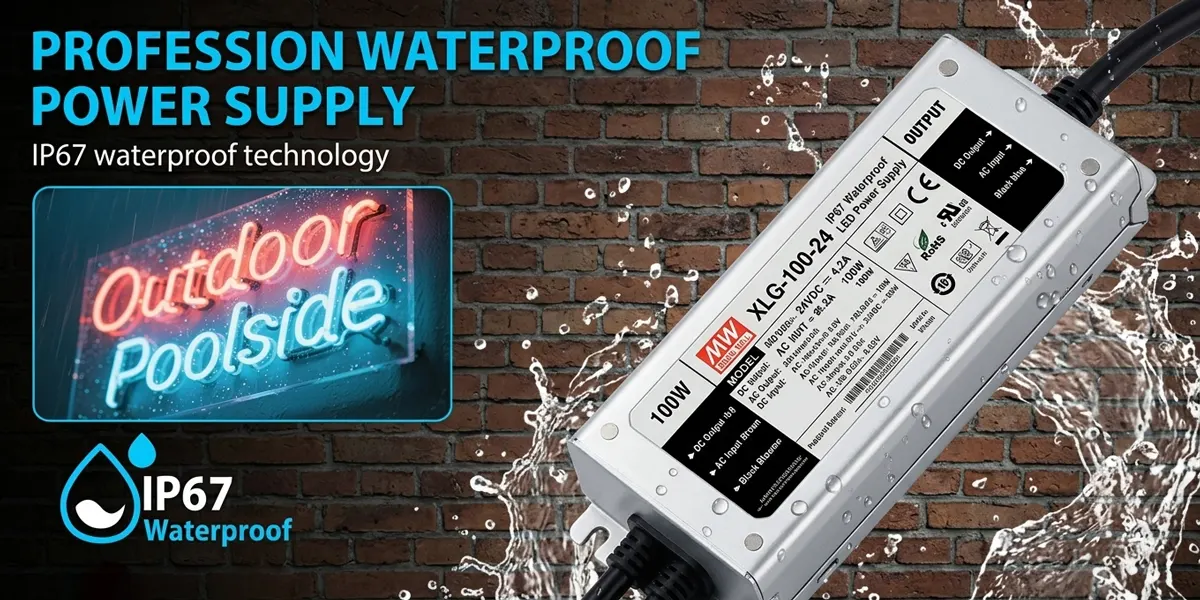
Ecco una verità che non troverai in molte specifiche di prodotto: una striscia LED impermeabile non ha valore se il driver LED si guasta dopo sei mesi.
l'autista (Alimentazione a LED) è responsabile della conversione dell'alimentazione di rete in alimentazione CC sicura a bassa tensione (tipicamente 12V o 24V), e deve essere impermeabile quanto la striscia stessa. Non utilizzare mai autisti interni e non impermeabili in progetti al neon a LED all'aperto.
Specifiche minime per i conducenti esterni commerciali
| requisito | Perché è importante |
| IP67 o superiore | Impedisce all'umidità di raggiungere i circuiti interni |
| Progettazione a corrente costante | Mantiene la luminosità costante del LED e previene la degradazione prematura |
| Protezione da sovracorrente/cortocircuito | Protegge da sovratensioni e guasti all'installazione |
| Certificato UL / CE / EN61347 | Garantisce la conformità agli standard di sicurezza internazionali |
| 5 anni di garanzia | Indicatore della fiducia del produttore nell'affidabilità |
Secondo le normative di sicurezza, in Nord America, solo gli infissi certificati UL 676 sono accettati da NEC/NFPA 70 per l'uso in piscine o ambienti simili: ciò sottolinea che la certificazione è importante quanto la classificazione IP.
Quando si valutano i fornitori per il progetto di illuminazione al neon IP67, assicurarsi di richiedere le specifiche del driver separatamente. Una striscia al neon di alta qualità con un driver LED di bassa qualità o non certificato diminuirà significativamente il valore complessivo del sistema.
La scelta migliore per i progetti commerciali
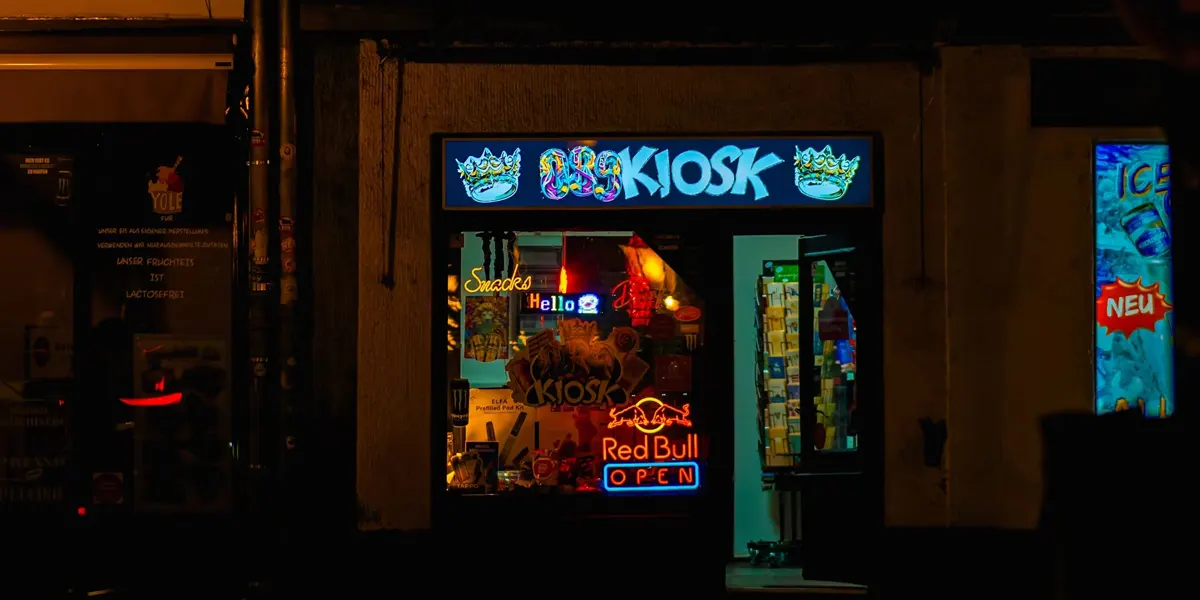
Matrice decisionale per tipo di progetto
| Progetto/Ambiente | Classificazione IP consigliata | Materiale | logica |
| Tenda da sole protetta / Terrazza coperta | IP65 | manica in silicone | Solo esposizione occasionale alla pioggia |
| Facciata dell'edificio (esposizione standard) | IP67 | Estrusione in silicone solido | Equilibrio ottimale: resistente alla pioggia, a tenuta di polvere, conveniente |
| Segnaletica al dettaglio fronte strada | IP67 | Estrusione in silicone solido + stabilizzato ai raggi UV | L'esposizione meteorologica costante richiede una sigillatura completa |
| Installazione costiera (entro 50 m da riva) | IP67 o IP68 | Estrusione in silicone con valutazione anticorrosione | La nebbia salina corrompe rapidamente i gradi inferiori |
| Aree con frequenti tempeste / inondazioni | IP67 | Estrusione in silicone solido | Può sopravvivere all'immersione temporanea |
| Terrazza ristorante / Bar all'aperto | IP67 | Estrusione in silicone solido | Gestisce fuoriuscite, pulizia e pioggia |
| Bordo della fontana / Giochi d'acqua vicino | IP67 | Estrusione in silicone solido | Protezione da spruzzi e breve immersione |
| Permanente sott'acqua (piscina / fontana) | IP68 | Estrusione in silicone rinforzato | L'immersione continua richiede IP68 |
| Segnaletica esterna temporanea per eventi | IP65 | ottimizzato per i costi | L'esposizione a breve termine può accettare un IP inferiore |
| Tenda da sole protetta / Terrazza coperta | IP65 | manica in silicone | Solo esposizione occasionale alla pioggia |
Raccomandazioni di
Per la stragrande maggioranza dei progetti commerciali a LED per esterni a LED - facciate degli edifici, segnaletica al dettaglio, patii per ristoranti, illuminazione da giardino e illuminazione d'accento architettonica - i prodotti estrusi in silicone solido IP67 sono la scelta ottimale.
Perché IP67? Offre la stessa protezione dalla polvere di IP65 aggiungendo una protezione originale contro l'immersione breve. La sua costruzione in silicone completamente riempita elimina il rischio di ingresso d'acqua che inevitabilmente si verifica nei prodotti IP65 dopo un uso a lungo termine. Inoltre, il suo costo è significativamente inferiore a quello dei prodotti IP68, che sono spesso sovraspecificati per applicazioni non sommergibili.
Per la maggior parte delle applicazioni di illuminazione per esterni (segnavia, patii e giardini), IP67 raggiunge l'equilibrio ideale: offre una protezione più affidabile contro la pioggia rispetto a IP65 ma è più conveniente rispetto a IP68.
Analisi approfondita: perché il silicone eccelle nelle applicazioni all'aperto?
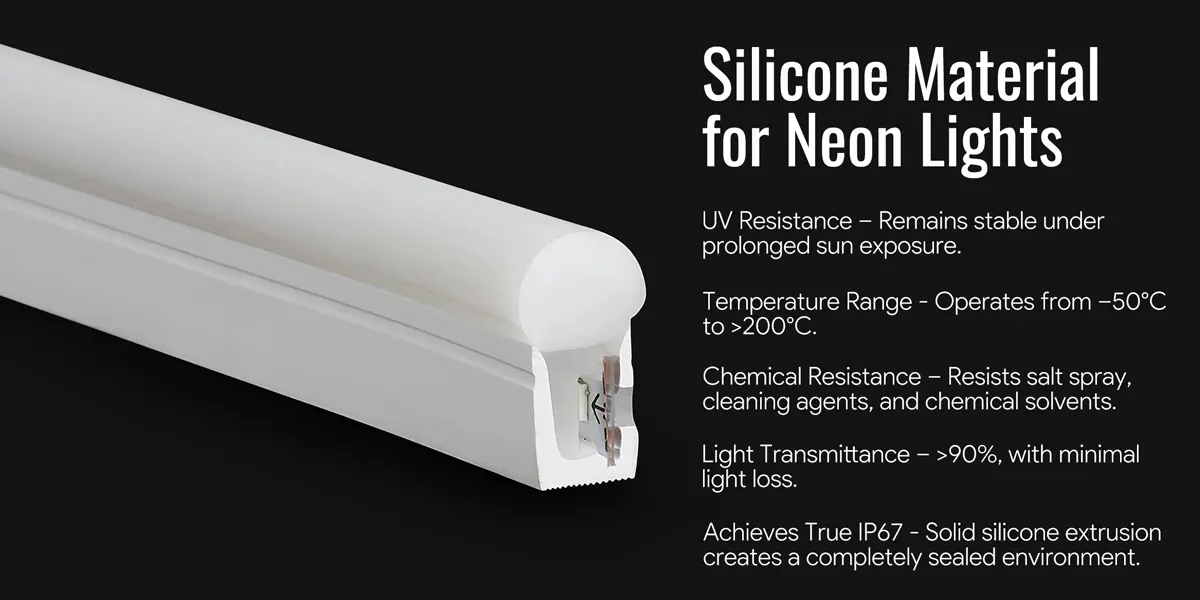
Quando si selezionano le luci al neon a LED per esterni, il dibattito tra silicone e PVC non è semplicemente una discussione accademica, ma influisce direttamente sulla durata del progetto e sul costo totale di proprietà.
Confronto completo dei materiali
| Materiale | Durabilità all'aperto | Flessibilità | Costo | Migliore applicazione |
| PVC | ❌ Povero | Moderato | Basso | Interno / Interno/Outdoor a breve termine |
| PU | Moderato | Moderato | Medio | Ambienti interni umidi |
| Silicone | ✅ Eccellente | Eccellente | Più alto (2–3× PVC) | Applicazioni all'aperto, estreme, di fascia alta |
Ragioni chiave per cui il silicone è un investimento utile per le applicazioni commerciali esterne:
- Resistenza ai raggi UV – rimane stabile sotto un'esposizione prolungata al sole, il PVC ingiallisce e diventa fragile.
- Intervallo di temperatura – Funziona da –50°C a >200°C; il PVC non si congela nel congelamento o nel calore estremo.
- resistenza chimica – Resistente alla nebbia salina, ai detergenti e ai solventi chimici.
- Trasmissione luminosa – >90%, con perdita di luce minima.
- Raggiunge il vero IP67/IP68 – L'estrusione in silicone solido crea un ambiente completamente sigillato.
Per un'insegna al neon impermeabile che funzionerà all'aperto per anni, il silicone non è solo un "materiale premium", ma la scelta ingegneristica più conveniente. Il costo iniziale del materiale più elevato è compensato da costi di sostituzione, manutenzione e tempi di fermo significativamente ridotti durante l'intero ciclo di vita.
Migliori pratiche per mantenere l'integrità IP durante l'installazione
Anche le luci a strisce a LED con le più alte classificazioni IP si basano fortemente sulla qualità dell'installazione per la loro efficacia protettiva. Le seguenti pratiche sono essenziali per mantenere l'integrità impermeabile delle luci al neon a LED per esterni:
1. Utilizzare una "piega a goccia" per i cavi di alimentazione: Quando i cavi di alimentazione entrano in una scatola di giunzione o in un alloggiamento del driver, creare una curva verso il basso appena prima del punto di ingresso. Ciò impedisce all'acqua piovana di "sifonare" lungo il filo nei componenti elettronici.
2 .mai rEly sOlely su wa prova di ater tscimmiottare: La maggior parte dei nastri impermeabili manca di certificazione IP e non può resistere alla pressione dell'acqua a lungo termine. In ambienti sepolti, sott'acqua o persistentemente umidi, il nastro non può mantenere l'integrità IP67/IP68.
3. Utilizzare contenitori IP67 o superiori per driver e scatole di controllo: Il driver fa parte del sistema e deve essere trattato di conseguenza. Se il conducente è collocato in una scatola con un grado di protezione inferiore, l'intero sistema IP67 viene compromesso.
4. Assicurarsi che si usi una tenuta terminale adeguata: Per i collegamenti alle estremità tagliate, utilizzare sempre i connettori impermeabili specificati dal produttore invece di improvvisare in loco.
5. Test prima dell'installazione: Eseguire un breve test di accensione sulla striscia luminosa prima dell'installazione. Se fallisce al primo accensione, questo indica un difetto che peggiorerà ulteriormente sul campo.
Conclusione
Quando si seleziona la classificazione IP appropriata per le insegne a LED all'aperto, l'obiettivo non è perseguire alla cieca il punteggio più alto, ma piuttosto abbinare il livello di protezione ai requisiti ambientali effettivi.
- IP65: Adatto solo per uso riparato o intermittente. Non consigliato per installazioni commerciali esterne completamente esposte.
- IP67: la scelta ideale per la maggior parte dei progetti di segnaletica esterna e facciata commerciale: a tenuta di polvere, in grado di immersione temporanea, conveniente e affidabile per oltre 50.000 ore se prodotto in silicone solido.
- IP68: Richiesto solo per applicazioni che coinvolgono l'esposizione continua subacquea (fontane, piscine, installazioni sommerse). Spesso sovraspecificato per la segnaletica esterna standard.
Per gli acquirenti commerciali e gli ingegneri di progetto, il quadro decisionale è semplice:
- Per qualsiasi segnaletica esterna, facciate, patii o installazioni in giardino che saranno esposte a pioggia, neve, umidità o pulizia, specificare i prodotti per estrusione di silicone IP67.
- Richiede una costruzione solida in silicone (piuttosto che la maglia in PVC) per garantire la resistenza ai raggi UV e la tolleranza alla temperatura.
- Assicurarsi che il driver sia anche classificato IP67 e di essere in possesso della certificazione UL/CE/EN61347.
- Chiedi ai fornitori le specifiche dei materiali, non solo la valutazione IP. L'IP67 ottenuto attraverso i tubi in PVC non è lo stesso di IP67 ottenuto attraverso l'estrusione di silicone solido.
- Assicurarsi che vengano seguite le migliori pratiche di installazione: anelli di gocciolamento, connettori sigillati e contenitori appropriati.
- Quando scegli un tubo al neon in silicone IP67 da un fornitore con esperienza sia nell'ingegneria dei materiali che nell'affidabilità ambientale, stai acquistando più di un semplice segno. Stai investendo in una risorsa di illuminazione affidabile a lungo termine.
per specifiche tecniche, Progetto personalizzato al neon Citazioni o valutazioni ambientali, contattare il team di ingegneri di SignLiteled per discutere le vostre esigenze specifiche, comprese le condizioni climatiche locali, il luogo di installazione e la durata prevista.
Domande frequenti (FAQ)
Post correlati