Deutsch
  English
  简体中文
简体中文  Español
  Français
  Italiano
  日本語
日本語  한국어
한국어  Polski
  Português
  Русский
  Türkçe
  Nederlands
  Tiếng Việt
  ไทย
ไทย 
LED-Neonschilder im Freien sind so konzipiert, dass sie verschiedenen Wetterbedingungen standhalten - jedoch nur, wenn sie korrekt installiert sind. Die Zeichen selbst scheitern selten zuerst. Die ersten Komponenten, die ausfallen, sind fast immer Punkte mit falschen Anschlüssen, Treibergehäuse ohne Dichtungen oder direkt an der Wand angebrachten Rückwänden (ohne Abflussspalt).
Dieser Artikel bietet eine umfassende Anleitung zur sicheren Installation von LED-Neonschilder im Freien, die alles von der Planung vor der Installation und Werkzeugvorbereitung bis hin zu Installationsmethoden, wasserdichten Verkabelung, Treiberaufstellung, Entwässerung und Belüftung sowie häufigen Fehlern, die zu frühen Ausfällen führen, abdeckt. Für Unternehmen und Installateure, die eine zuverlässige Beschilderung im Freien suchen, dient dieser Artikel als technisches Handbuch.
Planen Sie im Voraus, bevor Sie mit der Installation
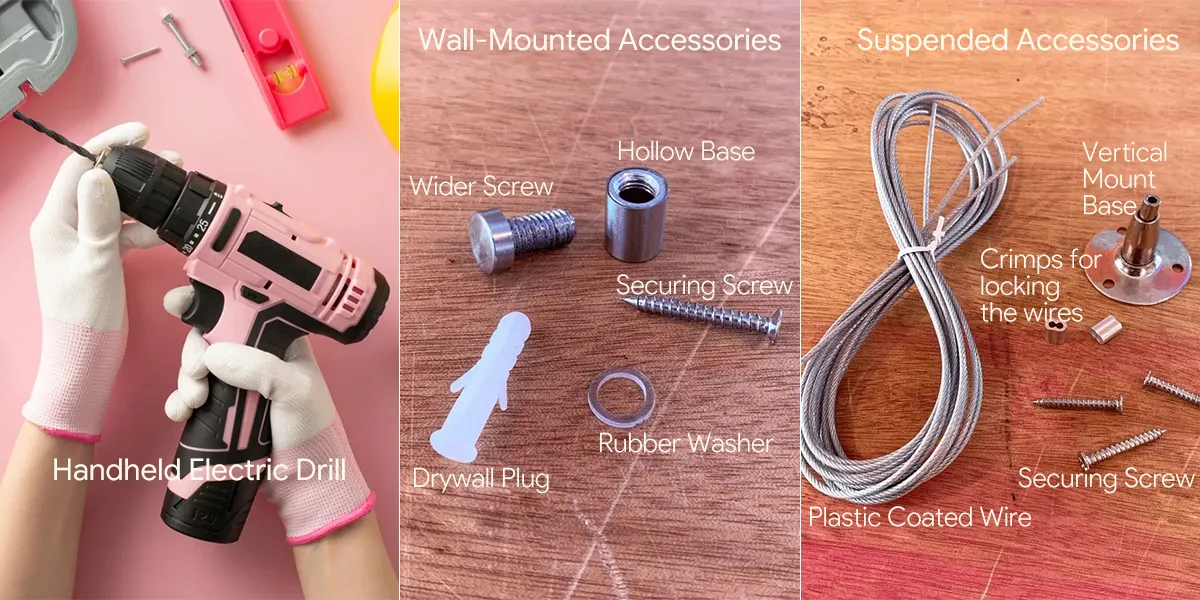
Bei der Vorinstallation vor dem Bohren 15 Minuten einplanen, kann stundenlange Nacharbeit einsparen. Stellen Sie vor dem Anbringen des Schildes an der Wand sicher, dass die Montagefläche, das Netzteil, das Gewicht des Schildes und seine IP-Schutzart überprüft werden. Die überwiegende Mehrheit der Installationsfehler beruht eher auf dem Überspringen der Vorinstallationsprüfung als auf Qualitätsproblemen mit dem Schild selbst.
Erforderliche Tools und Hardware
Außenanlagen haben strenge Spezifikationen für jede Komponente. Professionelle Installateure verwenden die folgende Konfiguration:
| Werkzeug / Gegenstand | Erforderliche Spezifikation oder Typ | Warum es wichtig ist |
| Bohrer + Mauerwerk | 6mm für M6 — 8mm für M8-Anker | Unterdimensionierte Löcher reduzieren die Auszugsfestigkeit des Ankers im Mauerwerk |
| RAWL-Schraubanker | M6 unter 10kg — M8 für 10–20kg | Falsche Grade lockert sich unter anhaltender Windvibration |
| Abstandhalter für Laufstandoff | 20–25mm Länge | Kein Abstand = kein Entwässerungsspalt = Kondenswasser hinter der Platte eingeschlossen |
| Wasserdichte IP68-Anschlüsse | Gel gefüllt oder Schrumpftyp | Jeder Außenspleißpunkt ohne IP68-Dichtung ist ein zukünftiger Fehler |
| UV-bewertete Wellrohr | Polypropylen – nicht Standard-PVC | Standard-Schwarz-PVC-Risse unter UV-Strahlung innerhalb von 2–3 Jahren |
| GFCI-geschützte Außensteckdose | Wetterbewertete Außensteckdose | Erforderlich für jeden Stromkreis im Nassbereich — nicht optional |
Zusätzlich benötigen Sie: eine Füllhöhe (600 mm oder länger), Abisolierzange (für 12–24 AWG), selbstschmelzendes Klebeband und ein klares Außen-Silikondichtmittel.
Checkliste vor der Installation
| Was zu überprüfen | WAS ZU SUCHEN | Übersprungsrisiko |
| IP-Bewertung von Neon Flex | Minimum IP67-Silikon-Jacket | Wasser erreicht interne Lötstellen — LED-Fehler |
| IP-Bewertung von Anschlüssen | IP68 an jeder Außenstelle | Niedrigere Stecker korrodieren innerhalb einer Regenzeit |
| Gesamtleistung | Streifen B/m × Gesamtmeter + 20% Kopffreiheit | Untergroßer Fahrer überhitzt und schlägt fehl, bevor das Schild tut |
| Montagefläche | Ziegel, Mauerwerk, Metallbolzen mit Unterlage, Bauholz | Falscher Ankertyp löst sich unter Last |
| Näherungsstelle für GFCI-Outle | Innerhalb der geplanten Kabelstrecke | Ungeschützte lange Läufe erzeugen Schockrisiko und Spannungsabfall |
| Anforderung der örtlichen Genehmigung | Schaufenster- oder kommerzielle Fassadenbeschilderung | Unzulässige Handelsschilder können nach unten bestellt werden |
| Vor dem Montieren unterschreiben | Laufen Sie 15–20 Minuten im Boden | Fehler nach der Montage bedeutet eine vollständige Neuinstallation |
Verstehen Sie Ihre Zeichenspezifikationen
Bitte bestätigen Sie vor der Verwendung einer elektrischen Bohrmaschine die folgenden vier Parameter: Sie bestimmen alle nachfolgenden Hardware- und Verdrahtungsentscheidungen.
- Minimale flexible Rohre für den Außenbereich: IP67-SMD2835 mit Silikonummantelung, 120 LEDs/Meter.
- Eingangsspannung: DC 12V oder DC 24V – Es ist strengstens verboten, die LED-Flexible Röhre direkt an die Netzstromversorgung anzuschließen.
- Stromverbrauch: ca. 10 W/Meter (8×16 mm Silikon-Neonröhrchen).
- rückwärts plazieren: Vorgebohrte Acrylplatte – Bohren Sie keine Löcher in der Nähe der LED-Kanäle.
Um die Qualität zu gewährleisten, ist der wasserdichte Neonstreifen mit IP67-Rating und dessen Werkstoffe Besitzen Sie die notwendigen Schutzeigenschaften, um den Anforderungen der langfristigen Außenanwendung in Regen, Schnee und feuchten Küstenumgebungen gerecht zu werden.
Wandmontiert vs. hängende Installation: Welche Option ist richtig für Ihre Außeninstallation?

Die Wahl zwischen Wand- und Hängemontage wirkt sich auf die baulichen Anforderungen, die Wetterbeständigkeit und die langfristige Zuverlässigkeit aus.
Die folgende Tabelle vergleicht die beiden Methoden:
| Faktor | Wandhalterung | Hängende / aufgehängte Halterung |
| Am besten für | Permanente Fassadenbeschilderung, Schaufenster, Mauerwerk/Mauermauer | Untertraufen, Markisen, überdachte Gehwege, innenliegende Außenräume |
| Strukturelle Anforderung | Massivwandfläche mit passendem Ankertyp | Deckenbalken, Balken oder verstärkte Überkopfstruktur |
| Wetterschutz | Schild, das direktem Regen und Sonne ausgesetzt ist – erfordert die volle IP67/IP68-Bewertung | Natürlicher Überhang bietet Abschirmung - aber die vollständige Bewertung im Freien ist noch erforderlich |
| Windlastwiderstand | Ausgezeichnet - Schild direkt an der Struktur befestigt | Moderate — Hängende Hardware muss für windinduziertes Schwanken bewertet werden |
| Entwässerungsanforderung | Critical – Muss Abstandhalter (20–25 mm) verwenden, um Luftspalt zu erzeugen | Die Schwerkraft unterstützt die Entwässerung, aber das Zeichen Körper braucht noch Weinlöcher |
| Komplexität der Installation | Moderate — Bohrer, Anker, Abstandshalter | Höher – Erfordert Overhead-Zugriff, Lastbewertungsprüfung |
| Ästhetische Wirkung | Sauberes, bündiges Aussehen mit dezenter Floating-Optik über Abstandshalter | „Schwebender“ Effekt – Schild erscheint im Raum ausgesetzt |
Wandmontage: Empfohlen für die meisten Außeneinstellungen
Die Wandmontage ist die bevorzugte Methode für dauerhafte Schilder an Ziegelwänden, Beton oder metallumrahmte Außenwände von Gewerbebauten. Es bietet eine überlegene Widerstandsfähigkeit gegen Windlasten, die für ungehinderte Orte von entscheidender Bedeutung ist. Verwenden Sie unbedingt tonnenförmige Abstandshalter (20–25 mm), um einen Luftspalt zwischen der Acrylrückplatte und der Wand zu schaffen. Ohne diesen Spalt wird die Kondensation eingeschlossen und sickert in die LED-Kanäle ein.
Hängemontage: Geeignet für geschützte Außenbereiche
Die aufgehängte Installation eignet sich für Standorte wie Vordächer, Veranden, vertiefte Eingangsveranden oder überdachte Balkone. Der Überkopfschutz reduziert das direkte Eindringen von Feuchtigkeit, aber das Schild selbst muss dennoch eine Schutzart haben, die für Feuchtigkeit und Spritzwasser geeignet ist. Bitte beachten Sie die Verwendung von Hochleistungsseilen mit ausreichender Tragfähigkeit (mindestens doppelt so schwer wie das Schild) und Edelstahlbeschläge.
Wenn Sie eine „schwebende“ Ästhetik unter einem Baldachin, einer Veranda oder einer überdachten Außenumgebung (z. B. einem Biergarten oder einem Hotelauffahrtsdach) erzielen möchten, kann eine abgehängte Installation den gewünschten Effekt erzielen, ohne die Haltbarkeit zu beeinträchtigen. Überprüfen Sie vor der Installation die Tragfähigkeit der Überkopfstruktur. Für Küstenumgebungen mit hoher Luftfeuchtigkeit geben Sie nicht galvanisierte Standardbeschläge an.
Wasserdichte Verkabelung: Dies ist der Schritt, den die meisten Menschen falsch machen
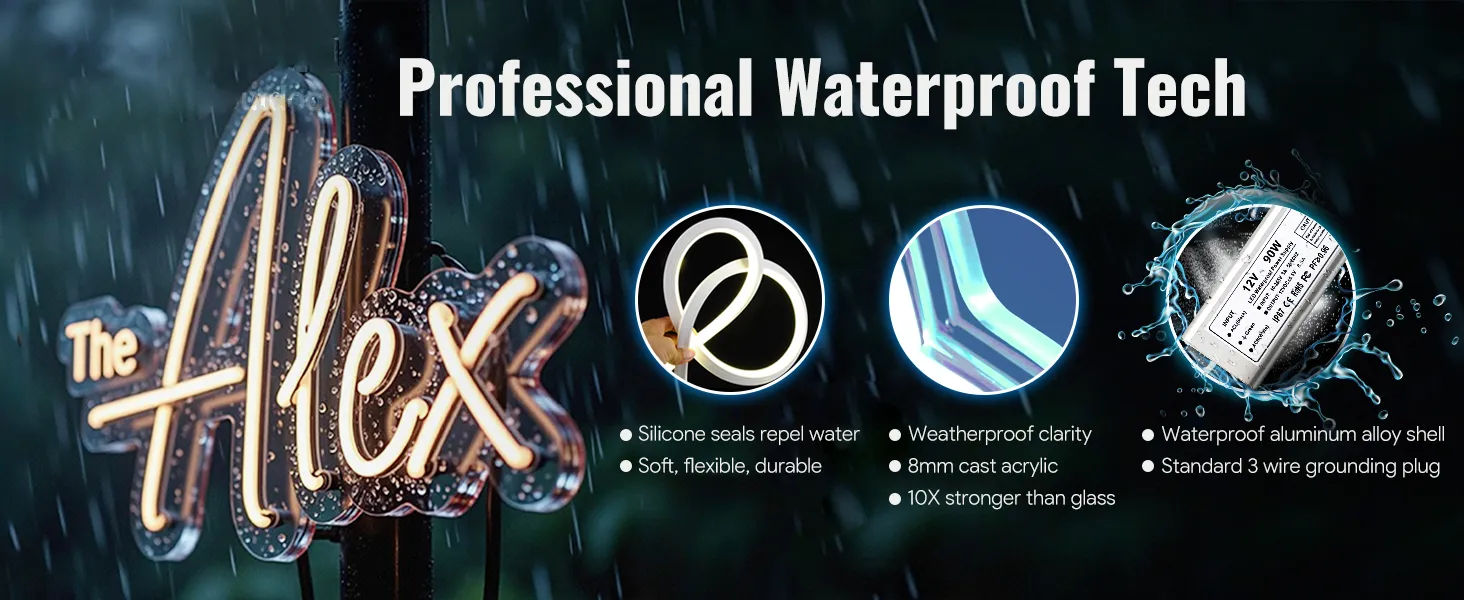
Dies ist der Schritt, den die meisten Menschen überspringen, und genau die Ursache von Kondensationsproblemen, die im ersten Jahr auftreten.
Warum Standard PVC-Leitung ausfällt
Standard-Schwarz-PVC-Leitung wird nicht mit UV-Stabilisatoren behandelt. Nach 2–3 Jahren direkter Sonneneinstrahlung wird es spröde und reißt, wobei die internen Kabel Feuchtigkeit ausgesetzt werden. Bitte verwenden Sie für alle externen Kabelführungen UV-beständige Polypropylen (PP)-Wellrohre.
Wasserdichte des Steckers: IP67 reicht für Außenanschlüsse nicht aus
IP67-Anschlüsse können einem vorübergehenden Untertauchen standhalten (1 Meter unter Wasser für 30 Minuten). Für dauerhafte Außenanschlüsse, die wiederholten Regenzyklen, Kondensation und Wärmeausdehnung und -kontraktion ausgesetzt sind, sind IP68-Steckverbinder jedoch der akzeptable Mindeststandard.
Zwei bewährte und zuverlässige Methoden:
| Methode | Anmeldung | Leistung |
| Gel gefüllte IP68-Anschlüsse | Vorab abgeschlossene Werksversammlungen | Höchste Zuverlässigkeit – Gel-Selbstheilungen um Leiter |
| Schrumpfen mit Klebefutter + Silikondichtmittel | Feldspleiße und Reparaturen | Erfordert Heißluftpistole und saubere Vorbereitung – Tragen Sie Silikon an beiden Enden des Schlauchs auf |
Der Fehler der Steckerdichtung macht ungefähr 701 tp3t elektrische Fehler bei der Außenbeschilderung aus. Verwenden Sie für jeden Außenanschlusspunkt selbstschmelzendes Klebeband + UV-beständiges Elektroband während der Installation oder eine wasserdichte Anschlussdose mit IP68 mit Kabelverschraubung.
Installation eines sicheren Stromkabels
Verwenden Sie UV-beständige Polypropylen-Wellrohre, um Stromkabel zu verlegen – ungeschützte und direkt an den Außenwänden freiliegende Kabel werden schnell alterungsfähig. Verwenden Sie Kabelverschraubungen an allen Einstiegspunkten in die Rückplatte oder das Fahrergehäuse des Schildes. Der Leitungsweg sollte leicht zum Ausgang hin abfallen, um Wasseransammlungen zu verhindern.
Wichtige elektrische Sicherheitsanforderungen: Alle Außenverkabelungen müssen durch eine GFCI-Steckdose oder einen Leistungsschalter geschützt werden. Dies ist eine Anforderung von Artikel 600 für Schilder an feuchten Stellen.
Fahrerplatzierung: Wo das Netzteil für eine längere Lebensdauer platziert werden soll
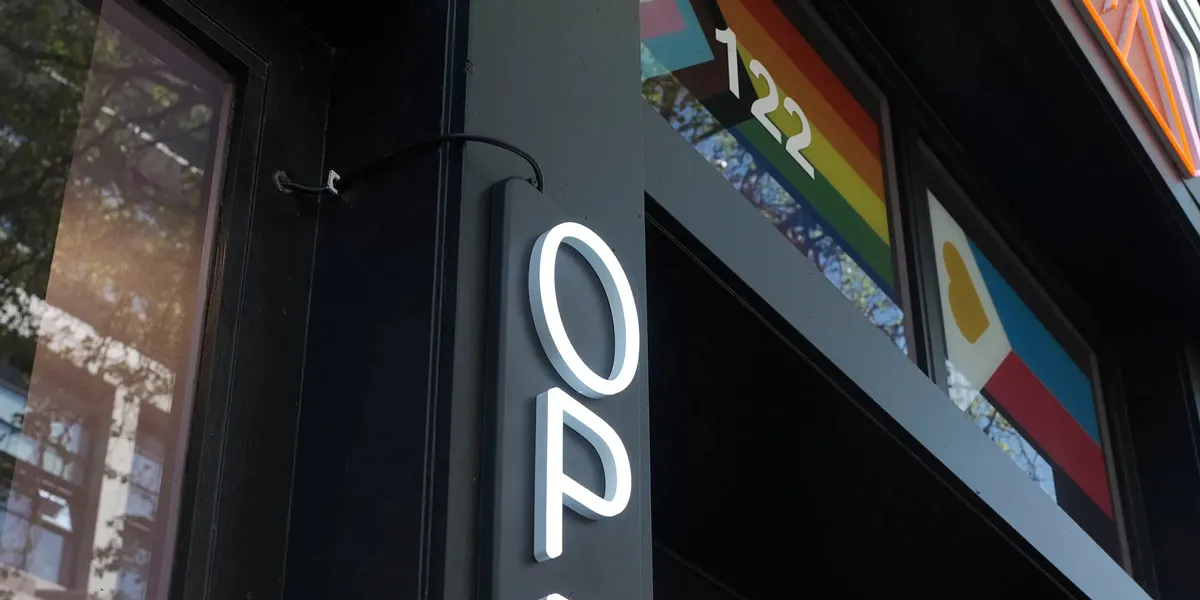
Der Fahrer (LED-Stromversorgung) ist die Komponente in Neonschildern, die am empfindlichsten wärmeempfindlich sind. Eine ordnungsgemäße Platzierung kann die Lebensdauer des gesamten Systems erheblich verlängern.
Goldene Regel
Bitte den Fahrer an einem gut belüfteten Ort aufstellen, direkten Kontakt mit rauen Wetterbedingungen vermeiden und direktes Sonnenlicht vermeiden.
Optionen für die Fahrerplatzierung – Vergleich
| Platzierungsort | Profis | Nachteile | am besten für |
| Innengebäude (durchgangswand) | Keine Wetterexposition, ausgezeichnete Wärmeableitung | Benötigt Wanddurchdringung und Leitung | Kommerzielle Schaufenster, jedes Klima |
| Belüftete Außeneinschließung (schattierte Wand) | Hält die AC / DC-Konvertierung in der Nähe des Zeichens | Gehäuse muss IP65/IP66 mit Lüftung ausgelegt sein | Moderates Klima |
| Innenschild (versiegelt) | sauberstes Aussehen, keine externe Box | Fallen wärmen – verkürzt die Lebensdauer des Fahrers erheblich | Nicht für den Außenbereich empfohlen |
Wärmeableitungsanforderungen
LED-Treiber erzeugen im Betrieb eine erhebliche Wärmemenge. Der Standardbetriebstemperaturbereich für Netzteile liegt bei -40°C bis +55°C, überschreitet die Betriebstemperatur jedoch den optimalen Bereich um 10°C, so wird die Lebensdauer des Fahrers um ca. 50% reduziert.
- Um eine ausreichende Lüftung zu gewährleisten: Installieren Sie die Stromversorgung, wann immer möglich, ohne zusätzliches Gehäuse.
- Installieren Sie den Treiber niemals in einem versiegelten Metallgehäuse, das an einer Wand montiert ist, die direktem Sonnenlicht ausgesetzt ist.
- Stellen Sie bei Verwendung eines lichtempfindlichen Schalters oder Timers sicher, dass die Stromversorgung bei Tageslicht unterbrochen wird. Höhere Tagestemperaturen und unnötiger Betrieb verkürzen die Lebensdauer des Fahrers.
Best Practices für das Thermomanagement
Wenn der Fahrer im Freien aufgestellt werden muss, verwenden Sie ein belüftetes IP65- oder IP66-Gehäuse und installieren Sie es an einem schattigen Ort (unter einem Baldachin, an einer nach Norden ausgerichteten Wand oder in einem abschließbaren Schaltschrank). Für Hochtemperaturumgebungen (Wüstenklima, Gebiete mit starker Westexposition) sollten Sie Gehäuse mit aktiver Kühlung oder thermoelektrische Kühlung verwenden.
Richtlinien zur Leistungskapazität
Wählen Sie einen Treiber mit einer Nennleistung, die mindestens 201 tp3t höher ist als die berechnete Gesamtleistung (LED-Röhrenleistung in W/m × Gesamtlänge in Meter × 1,2). Verwenden Sie bei Rohren mit mehr als 10 Metern zwei Enden oder parallele Stromversorgung, um Spannungsabfälle zu vermeiden. Spannungsabfälle über lange Gleichstromleitungen können am anderen Ende zu Dimmen führen.
Entwässerung und Belüftung: Zwei leicht übersehene Designanforderungen
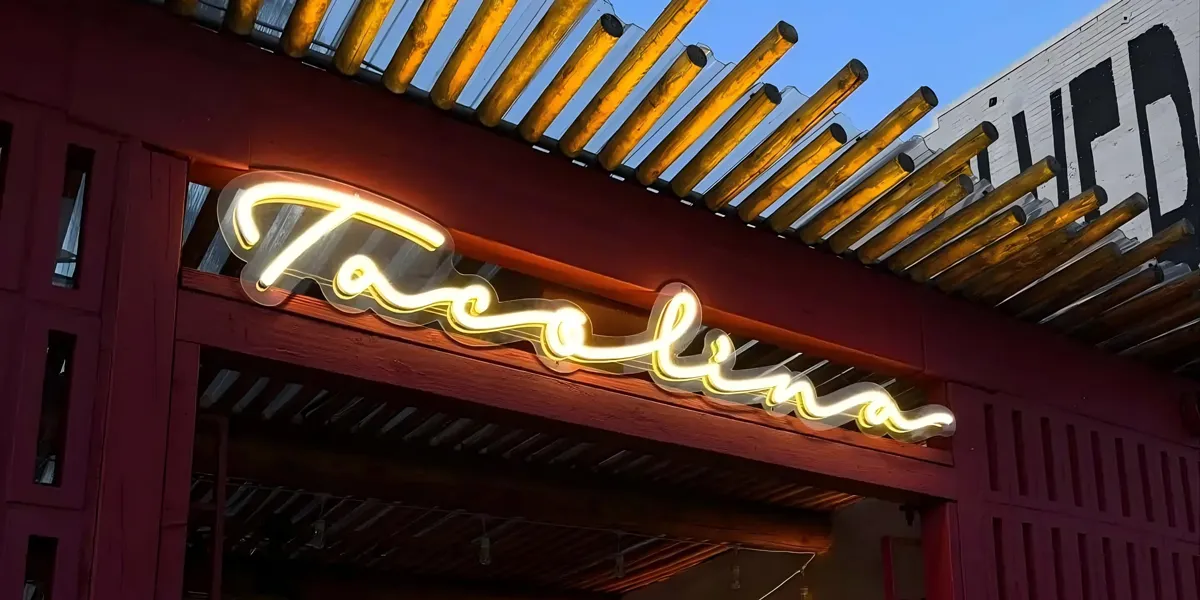
Kondensation ist der stille Killer von Outdoor-Schildern. Wenn ein warmes Zeichen nachts abkühlt, kondensiert jede in der Rückwand eingeschlossene Feuchtigkeit zu flüssigem Wasser. Ohne ordnungsgemäße Entwässerung und Belüftung sammelt sich dieses Wasser an, korrodiert Anschlüsse und gelangt durch Kapillarwirkung in den LED-Schlauch, was zu einem vorzeitigen Ausfall führt.
Entwässerung – die Notwendigkeit von Abstandhaltern
Der häufigste Entwässerungsfehler: Die Backplate bündig an der Wand anbringen. Mach das niemals. Verwenden Sie tonnenförmige Distanzständer mit einer Länge von mindestens 20–25 mm und montieren Sie sie zwischen der Rückplatte und der Montagefläche.
Entwässerungslöcher – Anforderungen an elektrische Codes
NEC Artikel 600.9 (d) sieht vor, dass Schilder und Umrissbeleuchtungssysteme, die an feuchten Orten installiert sind, wetterfest sein und Abflusslöcher haben müssen. Für alle im Freien installierten Schilder - auch unter einem Baldachin oder Dach - müssen Entwässerungslöcher mit einem Durchmesser von 6–12 mm (6–12 mm) an jedem tiefsten Punkt oder isolierten tief liegenden Bereich vorgesehen werden.
Checkliste für das Drainageloch:
- Lokalisieren Sie die Entwässerungslöcher an den untersten Punkten der Rückplatte.
- Stellen Sie sicher, dass keine externen Gegenstände (Montagebeschläge, Dichtmittel oder Verkleidung) den Entwässerungsweg blockieren.
- Schließen Sie mindestens 2 Entwässerungslöcher ein; erhöhen Sie die Anzahl für große Schilder oder solche mit mehreren tief liegenden Bereichen.
- Vermeiden Sie die Platzierung von Drainagelöchern direkt über den elektrischen Komponenten oder freiliegenden Leitern.
Belüftung – Verhindern von hitzebedingten Schäden
Wärme beschleunigt die Abwertung von LED-Lumen, Alterung der Silikonhülle und Schäden an den Treiberkondensatoren. Vermeiden Sie versiegelte Gehäuse, die Wärme abfangen, und sorgen Sie für ausreichende Belüftung. Bei Acryl-Rückplattendesigns ohne Lüftungsschlitze sollten Sie oben und unten (Mesh-bedeckte) Lüftungsschlitze einbauen, um die konvektive Kühlung zu fördern.
Best Practices für die Beatm
- Halten Sie einen Luftspalt hinter dem Schild (durch Distanzsäulen erreicht).
- Vermeiden Sie das Schild an wärmeabsorbierenden dunkel gefärbten Oberflächen (dunkle Ziegel und schwarze Metallplatten).
- Stellen Sie oben die Lüftungsschlitze ein, damit heiße Luft entweichen kann.
- Bei großen oder leistungsstarken Schildern (500 W oder mehr) sollten Sie eine Zwangslüftung berücksichtigen.
UV-Schutz und Wartung
Silikonhüllen sind mehr UV-beständig als PVC, aber alle Kunststoffe, die der Natur ausgesetzt sind, werden im Laufe der Zeit altern.
Jährliche Prüfliste:
- Überprüfen Sie die Silikonhülsen auf Oberflächenrisse oder Kreide.
- Überprüfen Sie die Wellrohre auf UV-induzierte Sprödigkeit - ersetzen Sie sie, wenn sie gerissen werden.
- Stellen Sie sicher, dass die Abstandssäulen sicher sind und dass die Entwässerungswege frei sind.
- Klare Trümmer und Insektennester aus Drainagelöchern.
Häufige Installationsfehler, die zu frühen Ausfällen führen
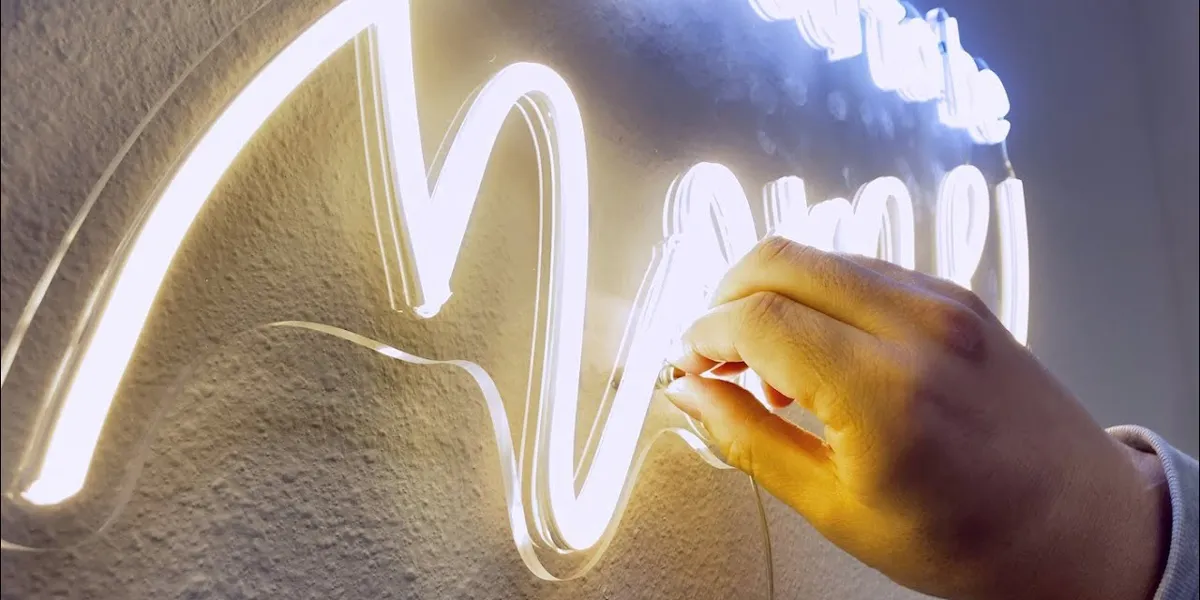
Professionelle Installateure stoßen wiederholt auf die gleichen Fehler. Die folgenden acht Fehler sind die Hauptursachen für Ausfälle bei Neon-Schildern im ersten Jahr:
| irren | Warum es fehlschlägt | Die Lösung |
| GFCI-Schutz überspringen | Außenstromkreis ohne GFCI schafft Stromschlaggefahr | Verwenden Sie GFCI-geschützte Steckdose oder Leistungsschalter — Code erforderlich |
| Unterputzmontage (keine Abstandshalter) | Kondenswasser hinter Schild → Wassereintritt → Korrosion | 20–25mm Laufdistanzen an allen Befestigungspunkten |
| Verwenden von Standard-PVC-Leitungen im Freien | Schwarzer PVC-Risse unter UV in 2–3 Jahren → Freiliegende Verkabelung | Nur UV-bewertete Polypropylen-Leitung |
| Untermaß Fahrer (keine Kopffreiheit) | Treiber läuft bei 100% kontinuierlich → Überhitzung → Vorzeitiger Ausfall | Fügen Sie der berechneten Leistung 20% Headroom hinzu |
| Keine Abflusslöcher im Rückwand | Angesammeltes Wasser hat keinen Austrittspfad → Pooling und Steckerausfall | Fügen Sie weinende Löcher an allen tiefen Punkten hinzu (1/4–1/2″) |
| Verwenden von Innen-Kupplungen im Freien | Nicht-IP68-Anschlüsse korrodieren innerhalb einer Regenzeit | IP68 gelgefüllte oder wärmeschrumpfende Steckverbinder an jedem Spleiß |
| Bohren neuer Löcher in Acryl-Backboard | Risse wachsen aus Bohrstellen → Strukturfehler → Schilder fällt | Verwenden Sie nur werkseitig vorgebohrte Befestigungslöcher |
| Hängende Schilder von LED-Schläuchen direkt | Schlauch nicht belastbar → Splitter bei Silikonmantel | Immer über Acryl-Backboard oder Chassis montieren |
Ergänzende Hinweise zu elektrischen Codes
Für Installationen in Nordamerika legt NEC Article 600 (Elektrische Schilder und Konturbeleuchtung) folgende wesentliche Anforderungen fest:
- Der Abzweigkreis, der das Vorzeichen mit Strom versorgt, darf einen Nennstrom von 30A nicht überschreiten.
- Alle Außenleitungen müssen wetterfest sein.
- Transformatoren und Netzteile müssen mit Überstromschutz ausgestattet sein.
- Alle elektrischen Außenanschlüsse müssen die aufgeführten wetterfesten Gehäuse verwenden.
Für Installationen in Europa folgen die entsprechenden Anforderungen nach IEC 60529 (IP-Schutzart) und den örtlichen Bauvorschriften – konsultieren Sie bitte Ihren Elektroinspektor, bevor Sie Ihren Installationsplan abschließen.
Leitfaden für Umweltschutzbewertungen im Freien
Bei der Auswahl, dem Kauf oder der Inspektion von Neonschildern im Freien ist es wichtig, dass Sie es vollständig verstehen IP-Schutzbewertungen:
| IP-Bewertung | Staubschutz | Gewässerschutz | geeignet für |
| IP44 | Geschützt > 1mm Feststoffe | Spritzwasser aus jeder Richtung | Überdachte Terrassen, nur in Innenräumen angrenzende Bereiche - nicht vollständig im Freien |
| IP65 | staubdicht | Niederdruckwasserstrahlen | Wandmontiert unter Traufe, begrenzte direkte Regenbelichtung |
| IP67 | staubdicht | Temporäres Eintauchen (1m für 30 min) | Die meisten Beschilderungen im Freien - Regen, Schnee, schlauchgesteuerte Reinigung |
| IP68 | staubdicht | Kontinuierliches Eintauchen (über 1m) | Extreme Belichtung – Brunnen, Küstenspritzzonen, Unterwasseranwendungen |
Für dauerhafte Schilder im Freien, die Regen, Schnee und erheblichen saisonalen Temperaturschwankungen ausgesetzt sind, sind flexible Neonlichtstreifen mit Silikonummantelung der Branche der Mindeststandard der Branche; wenn die Anwendung das Risiko einer Wasseransammlung besteht, eine direkte Reinigung mit einem Hochdruckwasserstrahl erfordert oder sich in der Küstenumgebung befindet, werden IP68-bewertete Produkte empfohlen.
Wartungsplan nach der Installation
Nach Abschluss der Installation folgen Sie bitte dem untenstehenden Wartungsplan, um die Lebensdauer des Produkts zu maximieren:
- Monatszeit: Sichtprüfung – Überprüfen Sie, ob Dimmen, Flackern oder tote LED-Abschnitte durchgeführt werden.
- Vierteljahres-: Reinigen Sie die Silikonhülle mit milder Seife und Wasser - entfernen Sie angesammelten Schmutz, der Wärme einfängt.
- alle zwei Jahre: Abflusslöcher inspizieren - Entfernen Sie Schmutz oder Insektennester. Kabel auf UV-Schäden prüfen.
- jährlich: Prüfen Sie das Drehmoment des Abstandshalters, überprüfen Sie das Dichtmittel um alle Eintrittspunkte; überprüfen Sie das Gehäuse des Fahrers auf Eindringen von Wasser.
Abschluss
Die sichere Installation von LED-Neonschildern im Freien ist nicht kompliziert - aber eine technische Aufgabe. Ob ein Schild nach sechs Monaten andauert oder nach sechs Monaten zusammenbricht: Die korrekte Schutzart (Mindestschutz IP67 für Neonrohre und IP68 für Anschlüsse), fassförmige Isolationssäulen, die einen Luftspalt bilden, UV-beständige Wellrohre, sorgfältige Platzierung der Treiber, um die Belüftung und den Schutz vor direkter Sonneneinstrahlung sicherzustellen, und die Installation von Abflusslöchern in jedem tiefliegenden Bereich.
Für Projektmanager, Einrichtungsfachleute und Geschäftsinhaber, die Neonschilder im Freien kaufen müssen, sollten diese technischen Anforderungen vor dem Kauf eindeutig bestätigt werden, anstatt Lösungen während der Installation zu improvisieren. Fragen Sie unbedingt Ihren Lieferanten:
- Was ist die IP-Bewertung des Neon-Schlauches selbst? Wie ist die Bewertung der vormontierten Steckverbinder?
- Wie hoch ist die empfohlene Leistungsspanne für den Fahrer, basierend auf der Gesamtlänge des Schildes?
- Enthält das Schild werkseitig vorgebohrte Befestigungslöcher und Bestimmungen für Isolationspfosten?
- Sind Drainagelöcher bereits in das Backplate-Design integriert?
Wenn Sie spezifische Antworten auf diese Fragen erhalten, die anstelle von allgemeinen mündlichen Zusicherungen gesichert sind, arbeiten Sie mit einem Lieferanten zusammen, der das Engineering von Signs im Freien wirklich versteht - und nicht nur mit einem Anbieter, der beleuchtete Schläuche verkauft.
Für Benutzerdefinierte Outdoor-LED-Neon-Schilder Die IP67/IP68-Standards erfüllen werkseitig getestete Treiberanpassung und beinhalten vorgefertigte Entwässerungsstrukturen. Signlited kann technische Dokumentation und direkte Projektberatung für kommerzielle Installationsprojekte weltweit liefern.
FAQ
Verwandte Artikel