Français
  English
  简体中文
简体中文  Deutsch
  Español
  Italiano
  日本語
日本語  한국어
한국어  Polski
  Português
  Русский
  Türkçe
  Nederlands
  Tiếng Việt
  ไทย
ไทย 
Vous avez investi dans une belle enseigne au néon LED pour votre devanture, votre fenêtre de restaurant ou votre projet de construction. Six mois plus tard, les couleurs d'un blanc ou d'un éclat pur, devenues ternes, obscures et sensiblement jaunies. Si ce scénario vous semble familier, vous avez rencontré l'un des problèmes les plus courants et les plus frustrants avec des enseignes au néon à LED extérieures : le jaunissement. La principale cause de jaunissement est la dégradation du matériau d'encapsulation de PVC en extérieur Enseignes lumineuses à LED Lorsqu'il est exposé à la lumière UV.
Pour les propriétaires d'entreprise, les entrepreneurs de l'enseigne et les concepteurs d'éclairage, le jaunissement est plus qu'un simple problème esthétique. Il endommage l'image de la marque, réduit la visibilité nocturne et conduit à des remplacements coûteux et inutiles. Pourtant, la grande majorité des acheteurs ne posent pas cette question critique avant qu'il ne soit trop tard : de quel matériau est réellement fait mon tube au néon ?
La réponse à cette question détermine si vos néons resteront lumineux et neufs pendant plus de cinq ans ou jaunissent et deviendront inutilisables en un seul été. Cet article explorera les causes du jaunissement, comparera les matériaux au néon en PVC et en silicone, et fournira les connaissances techniques dont vous avez besoin pour faire le bon choix et garantir que votre signalisation extérieure durera pendant des années.
La science derrière le jaunissement

Le jaunissement n'est pas seulement une question de malchance, c'est une réaction chimique. Comprendre la cause profonde peut vous aider à la prévenir efficacement.
1. Exposition UV : la lumière du soleil est le coupable
Les tubes néon à LED extérieurs sont constamment exposés au rayonnement ultraviolet (UV) à la lumière du soleil. Au fil du temps, les rayons UV décomposent la structure moléculaire de nombreux plastiques, déclenchant un processus connu sous le nom de photodégradation. Cela génère des radicaux libres qui attaquent les chaînes polymères, modifiant la structure physique et chimique du matériau.
Cette dégradation est particulièrement sévère pour les tubes au néon à base de PVC. Lorsque les molécules de PVC absorbent l'énergie UV, une réaction de déshydrochloration se produit : les chaînes polymères perdent du chlorure d'hydrogène. Cela forme une structure en polyène conjuguée qui absorbe la lumière visible, provoquant le passage de la couleur du matériau du jaune pâle au brun et finalement au noir.
2. Cycle thermique et thermique
Ce n'est pas que la lumière du soleil. Les installations extérieures connaissent des fluctuations quotidiennes de température, des après-midi chauds aux nuits fraîches. Les matériaux de mauvaise qualité ont des taux incohérents de dilatation et de contraction thermiques, ce qui affaiblit la matrice polymère. La chaleur accélère l'oxydation et, lorsqu'elle est combinée à une exposition aux UV, l'effet de dégradation est amplifié de manière exponentielle.
3. Polluants environnementaux
Les zones industrielles, le brouillard salin côtier, l'échappement des véhicules et même l'ozone peuvent accélérer le jaunissement. Le PVC est particulièrement sensible à l'érosion chimique, réagissant avec certains agents de nettoyage, huiles et polluants atmosphériques.
4. Matériaux et additifs de qualité inférieure
Tous les « tubes au néon » ne sont pas égaux. Les fabricants à bas prix utilisent souvent du plastique recyclé ou des stabilisateurs UV sous-dosés. Certaines formulations de PVC budgétaires contiennent même des additifs qui accélèrent le jaunissement, un coût caché qui ne devient apparent que des mois plus tard.
PVC vs silicone : une confrontation de matériaux
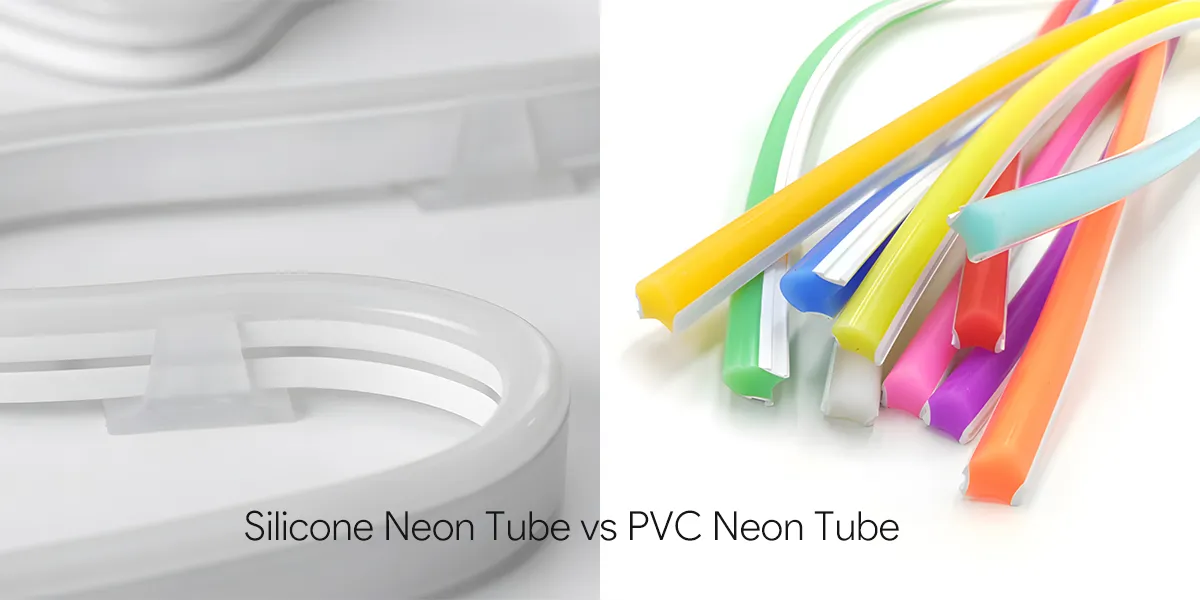
Le facteur le plus important pour déterminer si votre Enseignes néons LED extérieures Will Yellow est le matériau d'encapsulation. Il existe deux matériaux principaux sur le marché : le PVC et le silicone. Leurs caractéristiques de performance sont à l'écart des mondes.
Tubulure au néon en PVC : bon marché mais avec des coûts cachés
Le chlorure de polyvinyle (PVC) est largement utilisé car il est peu coûteux et simple à extruder. Cependant, sa structure moléculaire le rend intrinsèquement vulnérable dans les environnements extérieurs.
Les chaînes polymères PVC contiennent des atomes de chlore. Lorsqu'il est exposé à la lumière UV ou à la chaleur, une réaction de déshydrochloration se produit, créant des doubles liaisons conjuguées qui absorbent la lumière visible et provoquent le jaunissement. Une fois ce processus commencé, il est irréversible et auto-accélérant.
Tubulure néon en silicone : conçue pour une durabilité extérieure
Le silicone est fondamentalement différent : il est basé sur un squelette de silicium-oxygène (Si-O-Si), l'une des structures chimiques les plus stables connues. Cela offre une résistance naturelle aux UV que le PVC ne peut tout simplement pas égaler.
Tuyau néon en silicone de haute qualité de fabricants tels que Signiteled utilise du silicone durci au platine, offrant les avantages suivants :
- Excellente résistance aux UV et à la chaleur
- Assez flexible pour s'adapter à des formes architecturales complexes
- Clarté durable et couleurs vives pendant 5 à 10 ans ou plus
- Grande stabilité de température de -40°C à +60°C
Tableau de comparaison : PVC VS Silicone Neon Flex
| Fonctionnalité | Flex en PVC néon | Flex en silicone néon |
| Résistance aux UV | Mauvais—jaunes dans les 6 à 12 mois | Excellent : jaunissement minimal pendant plus de 5 ans |
| Plage de température | -15°C à +80°C (limité) | -40°C à +200°C (large gamme) |
| Indice d'imperméabilité | jusqu'à IP65 | Jusqu'à IP68 (submersible) |
| Durée de vie (extérieur) | 2 à 3 ans maximum | 5 à 8 ans |
| Flexibilité | Modéré, se raidit avec l'âge | Très flexible, retourne à la forme |
| Résistance chimique | Mauvais—réagit avec les huiles, les solvants | Excellent, inerte à la plupart des produits chimiques |
| Sécurité | Peut libérer des fumées toxiques lorsqu'il est brûlé | Non toxique, auto-extinguible |
| Conservation des couleurs | Jaunes et nuages au fil du temps | Maintient la clarté et la luminosité |
| Coût | plus bas à l'avant | Un coût de cycle de vie plus élevé et moins élevé |
Les effets de la lumière UV sur différents matériaux
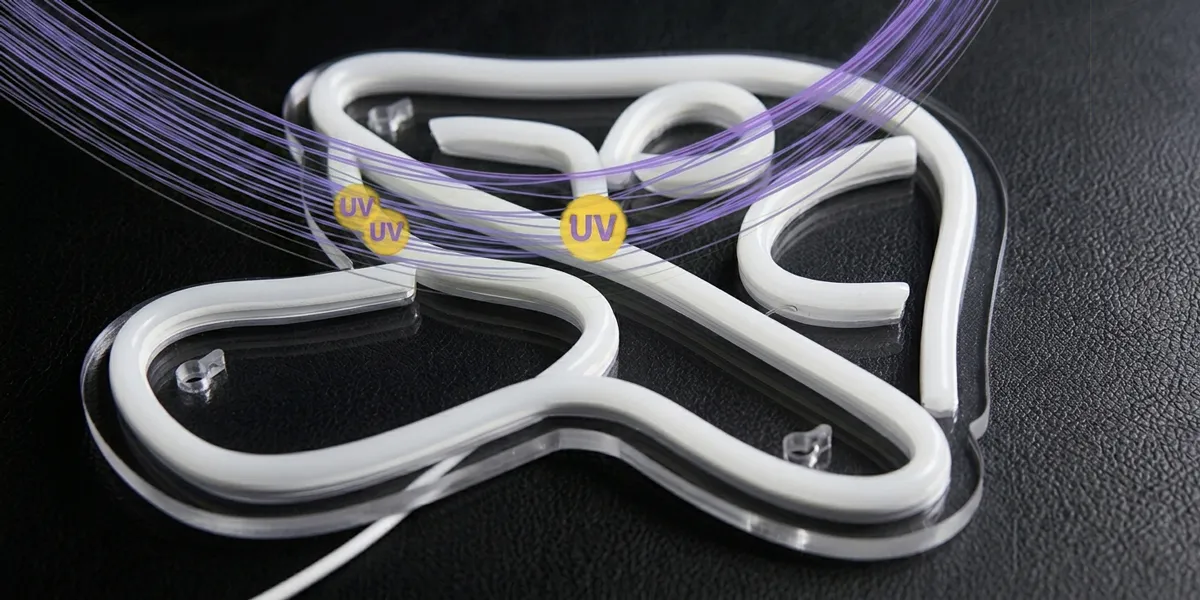
Tous les dommages causés par les UV ne se manifestent pas de la même manière. Vous trouverez ci-dessous le comportement attendu de différents matériaux après une exposition prolongée au soleil.
Comportement du PVC DANSUV Light :
- 3 à 6 mois: Légère jaunissement, la surface peut sembler légèrement collante.
- 6 à 12 mois: jaunissement notable qui affecte la transmission de la lumière; les marques blanches deviennent de couleur crème.
- 12 à 24 mois: Décoloration jaune/marron foncé ; la surface devient cassante ; les fissures commencent à se former aux points de contrainte.
- Plus de 24 mois: dégradation sévère ; perte totale de performances optiques ; remplacement requis.
Performances en silicone sous exposition aux UV :
- 2–3 ans: Aucun changement visible ; conserve la couleur et la clarté d'origine.
- 3 à 5 ans: un changement de couleur extrêmement léger (ΔE < 1,5) ; les performances optiques restent intactes.
- 5 à 8 ans: Des changements de surface mineurs peuvent se produire ; la transmission de la lumière reste > 90%.
- 8 ans et plus: Le silicone durci au platine continue de fonctionner sans jaunissement notable.
Norme de l'industrie : le tube au néon en silicone le plus fiable doit passer un test de vieillissement accéléré de 3 000 heures, ce qui équivaut à environ 9 ans d'exposition en plein air dans le monde réel, tout en maintenant un changement de couleur inférieur à 1,5, imperceptible à l'œil humain.
5 Signes d'avertissement de matériaux de mauvaise qualité
Avant d'acheter des tubes néon en plein air, vérifiez les signes suivants de matériaux de mauvaise qualité :
- Prix suspects: Si le prix semble trop beau pour être vrai, c'est généralement le cas. Le coût de production du silicone véritable est nettement supérieur à celui du PVC. Les remises extrêmes indiquent presque toujours des matériaux PVC ou recyclés.
- Forte odeur chimique: Le PVC émet une odeur de plastique distincte, surtout lorsqu'il est neuf ou chauffé. Le tube au néon en silicone de haute qualité est pratiquement inodore.
- Surface rigide ou collante: Le PVC est plus dur et moins flexible que le silicone. En vieillissant, il devient collant puis cassant. Le silicone conserve une texture lisse, semblable à du caoutchouc tout au long de sa durée de vie.
- Spécifications des matériaux vagues ou manquants: Les fournisseurs réputés indiquent clairement « 100% silicone » ou « silicone durci au platine » dans leurs fiches techniques. Si le matériau n'est pas spécifié, il peut généralement être supposé être du PVC.
- Manque de données de test UV: Les fabricants de haute qualité fournissent des résultats de tests de vieillissement accéléré par l'arc ou au xénon. L'absence de données de test est une forte indication de mauvaise résistance aux UV.
Comment le silicone de haute qualité empêche le vieillissement
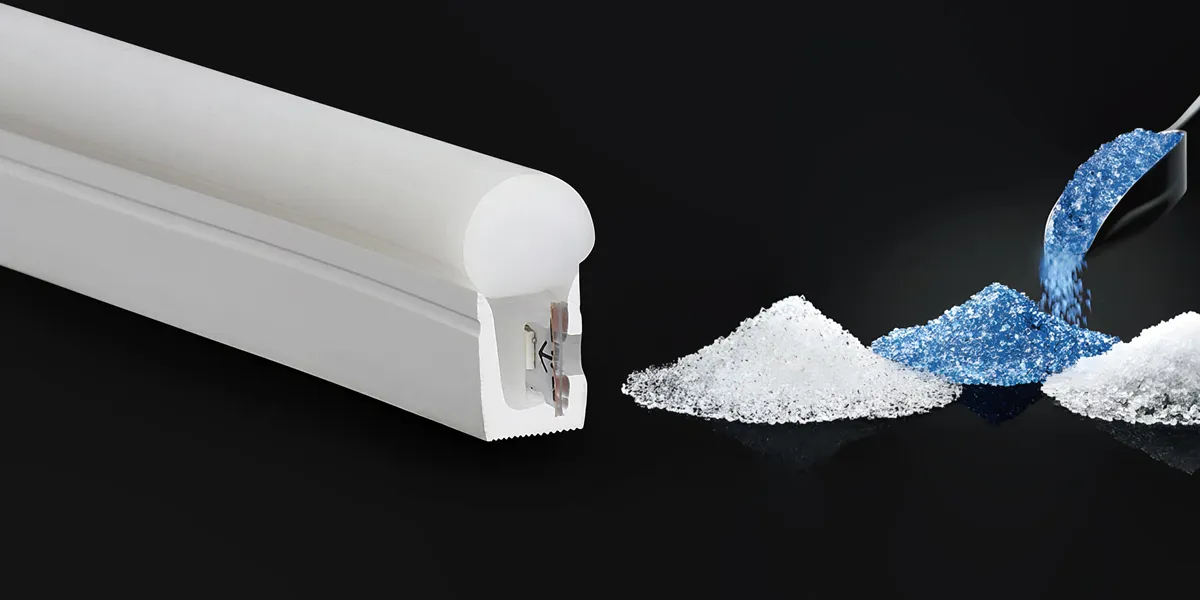
Qu'est-ce qui rend les tubes au néon en silicone de haute qualité résistants au jaunissement ? Tout se résume aux trois décisions d'ingénierie suivantes.
1. Formulation du platine
Contrairement au silicone durci au peroxyde (qui laisse des catalyseurs résiduels qui provoquent le jaunissement au fil du temps), le silicone durci au platine utilise un catalyseur de métal précieux pour réticuler complètement le polymère. Les caractéristiques du matériau résultantes :
- Aucun sous-produit résiduel qui pourrait provoquer une décoloration
- Excellente transparence et transmission de la lumière
- Résistance mécanique et résistance à la déchirure améliorées
2. Intégration des nanoparticules bloquant les UV
Les formulations de silicone de haute qualité incorporent uniformément des nanoparticules absorbant les UV (généralement à une concentration de 3%) au cours du processus d'extrusion. Cela crée une couche protectrice monolithique plutôt qu'un revêtement de surface qui peut s'user.
3. Technologie de co-extrusion résistante aux intempéries
Le meilleur tube néon extérieur utilise une technologie de co-extrusion à trois couches :
- couche intérieure: Diffuseur de qualité optique pour une distribution uniforme de la lumière
- couche intermédiaire: Silicone anti-UV contenant des nanoparticules
- Couche externe: Silicone résistant aux intempéries assurant une protection de
Cette structure en couches garantit que le chemin optique reste clair et précis en couleur même si la surface externe connaît un vieillissement mineur.
Les meilleurs matériaux pour une utilisation en extérieur : Comment choisir le bon type
Lors de la sélection de tubes à LED au néon pour les applications extérieures, tous les silicones ne sont pas créés égaux. Voici les points clés à considérer.
| Application | Matériau recommandé | Pourquoi |
| Façades architecturales | Silicone durci (IP67+) | Durée de vie de 5 à 8 ans, stabilité de température extrême |
| Signalisation et lettres de canal | Silicone de haute qualité avec additifs UV | Couleur cohérente, pas de jaunissement derrière les matériaux du visage |
| Environnements côtiers/marins | Silicone (IP68) avec résistance au sel-spray | Corrosion inerte à la saline; Excellente étanchéité |
| Piscines et fontaines | Silicone (IP68, entièrement submersible) | Imperméabilisation complète, résistance chimique |
| Affichages intérieurs temporaires | PVC ou PU (acceptable) | Rentable pour une utilisation à court terme |
| Applications de stockage/congélateur froids | Silicone à basse température | Reste flexible en dessous de -30 °C |
Conclusion: Si votre installation est permanente et située à l'extérieur, spécifiez des tubes au néon en silicone durci au platine. Le coût supplémentaire initial sera rentable plusieurs fois en économisant sur les coûts de remplacement et en conservant l'image de votre marque.
Signiteled : conçu pour la fiabilité en plein air
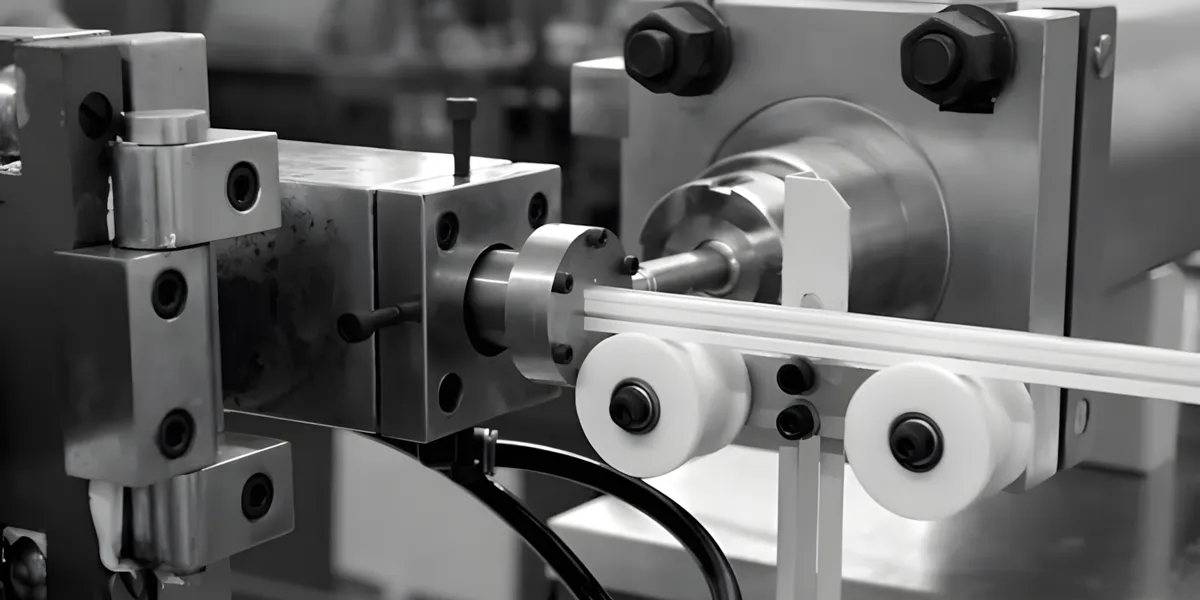
Chez Signiteled, nous comprenons que la signalisation extérieure est un investissement à long terme, et non un élément jetable. Notre série de tubes à LED au néon est fabriquée à partir de matériaux en silicone de haute qualité et est spécialement conçue pour résister au jaunissement, maintenir la luminosité et fonctionner de manière fiable pendant des années dans des environnements extérieurs difficiles.
Notre gamme de produits comprend :
- Série T1010 / T1212 / T1616 – Tuyau en silicone néon avec éclairage sans tache
- Série D15 – Angle de faisceau à 270°, construction flexible en silicone
- Série C22 – IP67 étanche, 24VDC, adapté à une installation extérieure permanente
- S0410 / S0612 / S0815 / S1220 – Configurations latérales pour s'adapter aux conceptions de signalisation personnalisées
Tous les tubes néons en silicone Signiteled subissent des tests de qualité rigoureux, notamment le vieillissement accéléré par les UV, le cyclage thermique et la vérification imperméable. Garantir que vos enseignes au néon personnalisées restent aussi dynamiques que le jour de leur installation, saison après saison.
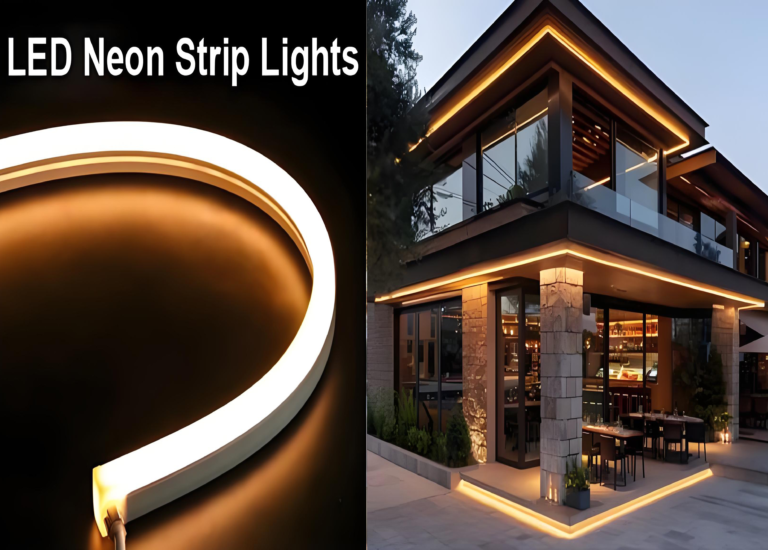
Explorez notre complet Catalogue de bandes néon LED Pour trouver la bonne solution pour votre projet.
Conclusion
La principale cause de jaunissement dans les tubes néons LED extérieurs est la dégradation de l'encapsulant en PVC sous exposition aux UV. Bien que le PVC soit peu coûteux, sa structure moléculaire entraîne inévitablement le jaunissement, la fragilité et la défaillance. Le silicone, en particulier les formulations à durcissement au platine, offre la stabilité chimique et la résistance aux UV nécessaires pour une utilisation à long terme en extérieur.
Points clés pour les spécificateurs et les acheteurs:
- Avant d'acheter des tubes néon en plein air, assurez-vous de vérifier le matériau. S'il n'est pas étiqueté comme "silicone", il s'agit presque certainement de PVC.
- Demandez des données de test UV : un test de vieillissement accéléré de 3 000 heures (équivalent à environ 9 ans d'utilisation réelle) est la référence de l'industrie.
- Calculez le coût total de possession, pas seulement le prix initial. Un panneau en PVC qui échoue dans les 12 à 24 mois est beaucoup plus cher qu'un panneau en silicone qui dure plus de 5 ans.
- Pour les installations extérieures permanentes, choisissez du silicone platine avec une cote IP67 ou IP68.
En comprenant la science derrière le jaunissement et les principales différences entre les matériaux, vous pouvez prendre des décisions éclairées pour protéger votre investissement et vous assurer que votre signalisation conserve son apparence exceptionnelle pour les années à venir.
Questions fréquemment posées
Articles Similaires