Español
  English
  简体中文
简体中文  Deutsch
  Français
  Italiano
  日本語
日本語  한국어
한국어  Polski
  Português
  Русский
  Türkçe
  Nederlands
  Tiếng Việt
  ไทย
ไทย 
Has invertido en un hermoso letrero de neón LED para tu tienda, ventana de restaurante o proyecto de construcción. Seis meses después, los colores que alguna vez fueron blancos o vibrantes se han vuelto opacos, turbios y notablemente amarillentos. Si este escenario le resulta familiar, se ha encontrado con uno de los problemas más comunes y frustrantes con los letreros de neón LED para exteriores: amarilleo. La causa principal de amarilleamiento es la degradación del material de encapsulación de PVC en exteriores Letreros de neón LED Cuando se expone a la luz UV.
Para los dueños de negocios, contratistas de letreros y diseñadores de iluminación, el amarilleo es más que un problema estético. Daña la imagen de marca, reduce la visibilidad nocturna y conduce a reemplazos costosos e innecesarios. Sin embargo, la gran mayoría de los compradores no hacen esta pregunta crítica hasta que es demasiado tarde: ¿De qué material está hecho realmente mi tubo de neón?
La respuesta a esta pregunta determina si sus luces de neón permanecerán brillantes y nuevas durante más de cinco años o se volverán amarillas y se volverán inutilizables en solo un verano. Este artículo explorará las causas del amarilleo, comparará los materiales de PVC y silicona de neón y proporcionará el conocimiento técnico que necesita para tomar la decisión correcta y asegurarse de que su señalización en exteriores dure años.
La ciencia detrás del amarillento
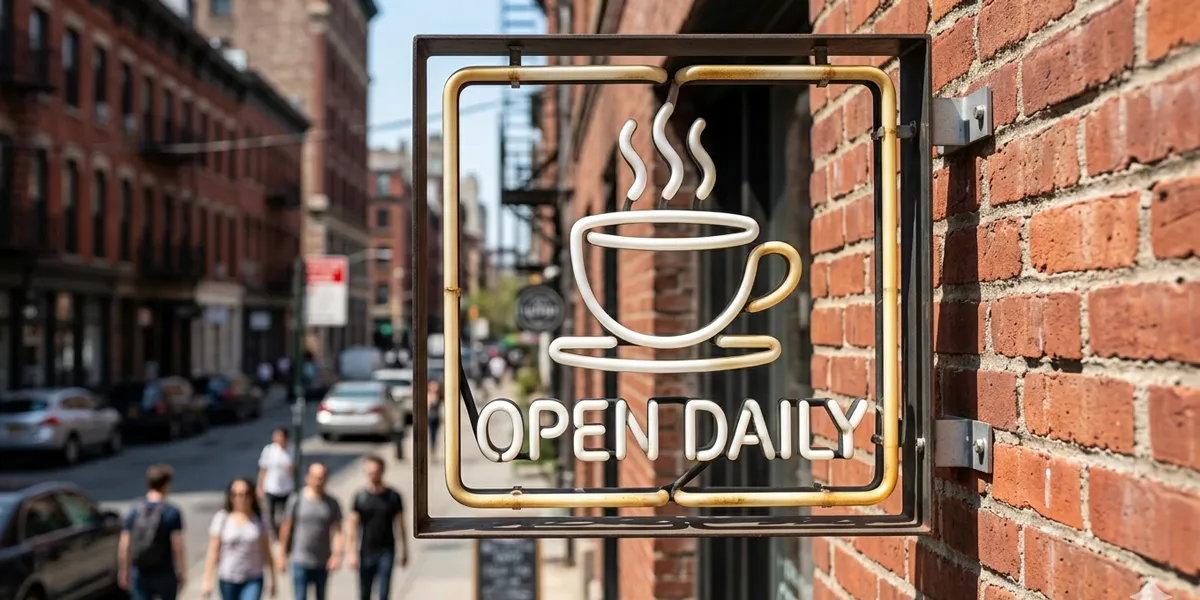
El amarilleo no es solo una cuestión de mala suerte, es una reacción química. Comprender la causa raíz puede ayudarte a prevenirlo de manera efectiva.
1. Exposición a los rayos UV: la luz del sol es la culpable
Los tubos de neón LED para exteriores se exponen constantemente a la radiación ultravioleta (UV) a la luz del sol. Con el tiempo, los rayos UV descomponen la estructura molecular de muchos plásticos, desencadenando un proceso conocido como fotodegradación. Esto genera radicales libres que atacan las cadenas de polímeros, alterando la estructura física y química del material.
Esta degradación es particularmente severa para los tubos de neón a base de PVC. Cuando las moléculas de PVC absorben la energía UV, se produce una reacción de deshidrocloración: las cadenas de polímeros pierden cloruro de hidrógeno. Esto forma una estructura de polieno conjugada que absorbe la luz visible, lo que hace que el color del material cambie de amarillo pálido a marrón y, finalmente, negro.
2. Ciclismo térmico y térmico
No es solo la luz del sol. Las instalaciones al aire libre experimentan fluctuaciones de temperatura diarias, desde las calurosas tardes de verano hasta las noches frescas. Los materiales de baja calidad tienen tasas inconsistentes de expansión y contracción térmica, lo que debilita la matriz polimérica. El calor acelera la oxidación y, cuando se combina con la exposición a los rayos UV, el efecto de degradación se amplifica exponencialmente.
3. Contaminantes ambientales
Las áreas industriales, la niebla salina costera, el escape del vehículo e incluso el ozono pueden acelerar el amarilleo. El PVC es particularmente susceptible a la erosión química, reaccionando con ciertos agentes de limpieza, aceites y contaminantes en el aire.
4. Materiales y aditivos de calidad inferior
No todos los "tubos de neón" son iguales. Los fabricantes de bajo costo a menudo utilizan plástico reciclado o estabilizadores UV de bajo dosificación. Algunas formulaciones de PVC de presupuesto incluso contienen aditivos que en realidad aceleran el amarilleo, un costo oculto que solo se hace meses después.
PVC vs. Silicona: un enfrentamiento de materiales
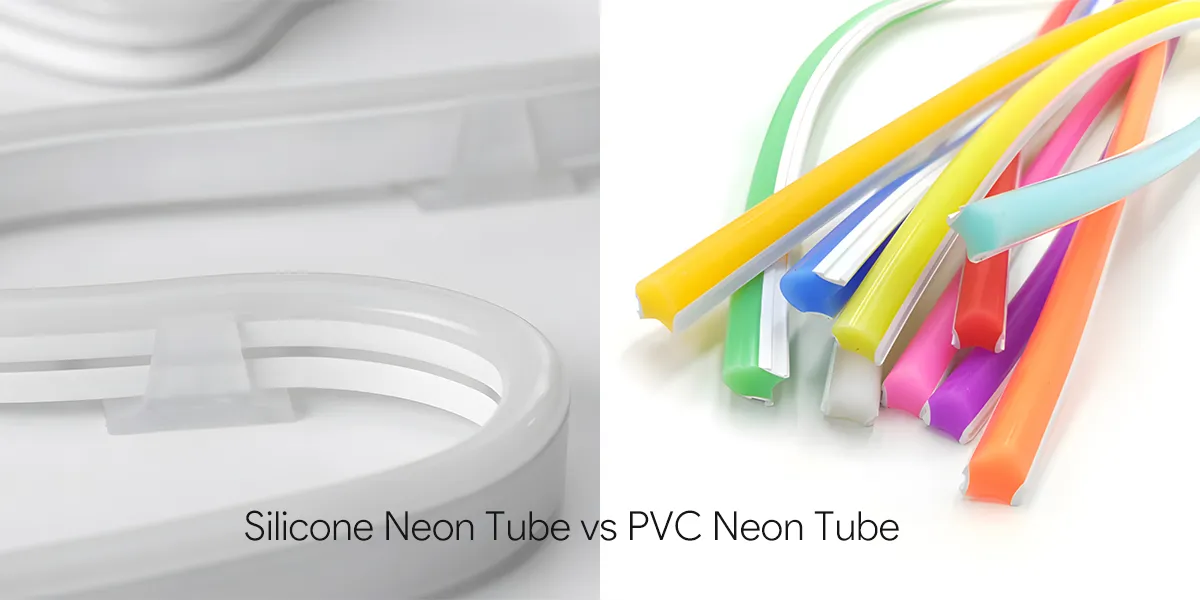
El factor más importante que determina si su Letreros de neón LED para exteriores Will Yellow es el material de encapsulación. Hay dos materiales principales en el mercado: PVC y Silicona. Sus características de rendimiento son mundos separados.
Tubos de neón de PVC: baratos pero con costos ocultos
El cloruro de polivinilo (PVC) es ampliamente utilizado porque es económico y fácil de extruir. Sin embargo, su estructura molecular lo hace inherentemente vulnerable en ambientes exteriores.
Las cadenas de polímeros de PVC contienen átomos de cloro. Cuando se expone a la luz o al calor de los rayos UV, se produce una reacción de deshidrocloración, creando dobles enlaces conjugados que absorben la luz visible y causan amarillentos. Una vez que comienza este proceso, es irreversible y autoacelerante.
Tubo de neón de silicona: diseñado para una durabilidad al aire libre
La silicona es fundamentalmente diferente: se basa en una columna vertebral de silicio-oxígeno (Si-O-Si), una de las estructuras químicas más estables conocidas. Esto proporciona una resistencia natural a los rayos UV que el PVC simplemente no puede igualar.
Tubos de neón de silicona de alta calidad de fabricantes como Signliteled utiliza silicona curada con platino, ofreciendo las siguientes ventajas:
- Excelente resistencia a los rayos UV y al calor
- Lo suficientemente flexible como para adaptarse a formas arquitectónicas complejas
- Claridad duradera y colores vibrantes durante 5 a 10 años o más
- Amplia estabilidad de temperatura de -40°C a +60°C
Tabla de comparación: PVC vs silicona Neon Flex
| Característica | Flex de neón de PVC | Flex de neón de silicona |
| Resistencia UV | Pobres: amarillos en 6 a 12 meses | Excelente: amarillo mínimo durante más de 5 años |
| Temperatura | -15°C a +80°C (limitado) | -40°C a +200°C (gran rango) |
| Grado de impermeabilidad | hasta IP65 | Hasta IP68 (sumergible) |
| Vida útil (al aire libre) | 2-3 años máximo | 5–8+ años |
| Flexibilidad | Moderado, se endurece con la edad | Altamente flexible, vuelve a la forma |
| Resistencia química | Pobre: reacciona con aceites, disolventes | Excelente—Inerte a la mayoría de los productos químicos |
| Seguridad | Puede liberar humos tóxicos cuando se quema | No tóxico, autoextinguible |
| Retención de colores | Amarillos y nubes en el tiempo | Mantiene la claridad y el brillo |
| Coste | inferior por adelantado | Mayor por adelantado, menor costo del ciclo de vida |
Los efectos de la luz UV en diferentes materiales
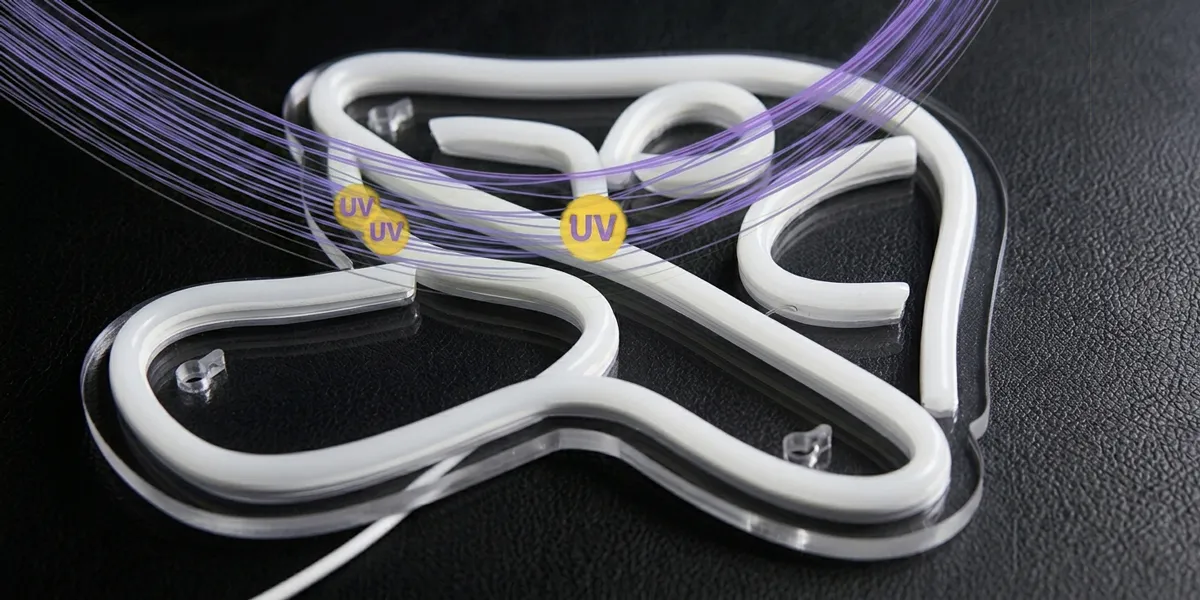
No todos los daños UV se manifiestan de la misma manera. A continuación se muestra el comportamiento esperado de diferentes materiales después de una exposición prolongada a la luz solar.
Comportamiento del PVC ENdebajo de la luz ultravioleta LIGHT:
- 3–6 meses: Ligera amarilleamiento; la superficie puede sentirse ligeramente pegajosa.
- 6-12 meses: Amarillo notable que afecta la transmisión de luz; las marcas blancas se vuelven de color crema.
- 12-24 meses: Decoloración amarilla/marrón profunda; la superficie se vuelve frágil; las grietas comienzan a formarse en los puntos de tensión.
- Más de 24 meses: Degradación severa; pérdida completa del rendimiento óptico; se requiere reemplazo.
Rendimiento de silicona bajo exposición UV:
- 2-3 edad: No hay cambios visibles; conserva el color y la claridad originales.
- 3–5 años: Cambio de color extremadamente leve (ΔE < 1,5); el rendimiento óptico permanece intacto.
- 5–8 años: Pueden ocurrir cambios menores en la superficie; la transmisión de luz permanece > 90%.
- 8+ años: La silicona curada con platino de alta calidad sigue funcionando sin que se perciba amarilleamiento.
Estándar de la industria: el tubo de neón de silicona más confiable debe pasar una prueba de envejecimiento acelerado por UV de 3000 horas, que equivale a aproximadamente 9 años de exposición al aire libre en el mundo real, mientras mantiene un cambio de color inferior a ΔE 1.5, imperceptible para el ojo humano.
5 señales de advertencia de materiales de mala calidad
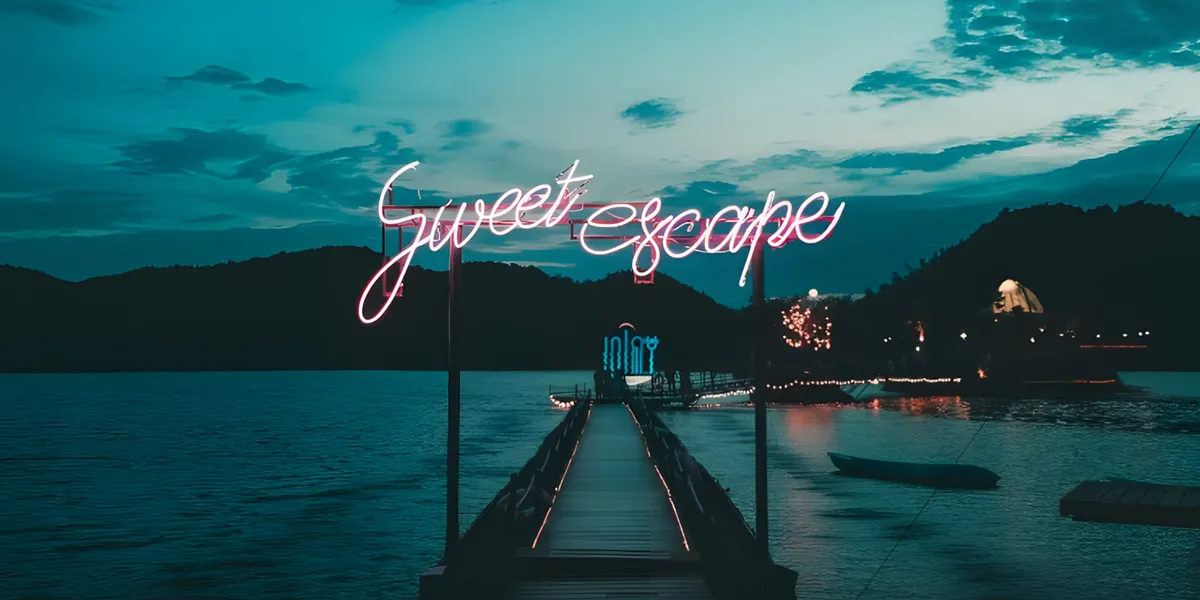
Antes de comprar tubos de neón para exteriores, verifique si hay signos de materiales de baja calidad:
- Precios sospechosamente bajos: Si el precio parece demasiado bueno para ser cierto, por lo general lo es. El costo de producción de la silicona genuina es significativamente mayor que el del PVC. Los descuentos extremos casi siempre indican PVC o materiales reciclados.
- Fuerte olor químico: El PVC emite un olor plástico distinto, especialmente cuando es nuevo o cuando se calienta. El tubo de neón de silicona de alta calidad es prácticamente inodoro.
- Superficie rígida o pegajosa: El PVC se siente más duro y menos flexible que la silicona. A medida que envejece, se vuelve pegajoso y luego frágil. La silicona conserva una textura suave y similar al caucho a lo largo de su vida útil.
- Especificaciones de material vagos o faltantes: Los proveedores de renombre indican claramente "silicona 100%" o "silicona curada con platino" en sus hojas de datos de productos. Si no se especifica el material, generalmente se puede suponer que es de PVC.
- Falta de datos de prueba UV: Los fabricantes de alta calidad proporcionan resultados de pruebas de envejecimiento acelerado QUV o Xenon Arc. La ausencia de datos de prueba es una fuerte indicación de una resistencia a los rayos UV deficiente.
Cómo la silicona de alta calidad previene el envejecimiento
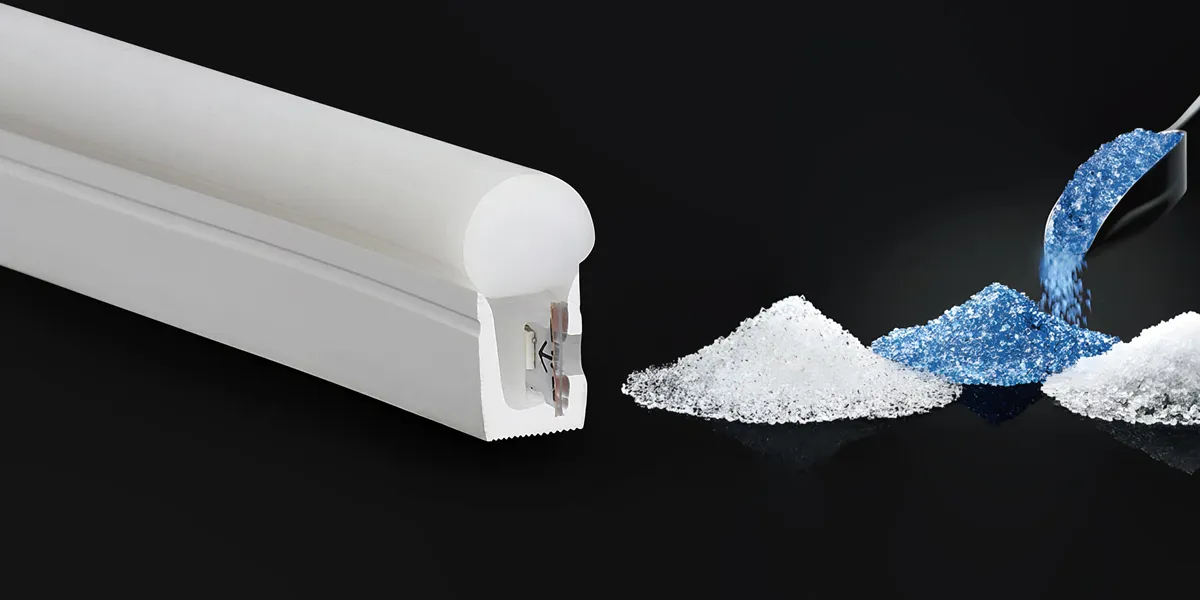
¿Qué hace que los tubos de neón de silicona de alta calidad sean tan resistentes al amarilleo? Todo se reduce a las siguientes tres decisiones de ingeniería.
1. Formulación curada con platino
A diferencia de la silicona curada con peróxido (que deja catalizadores residuales que causan coloración amarillenta con el tiempo), la silicona curada con platino utiliza un catalizador de metal precioso para unir completamente el polímero. Las características del material resultante:
- No hay subproductos residuales que puedan causar decoloración
- Excelente transparencia y transmisión de luz
- Resistencia mecánica mejorada y resistencia al desgarro
2. Integración de nanopartículas de bloqueo UV
Las formulaciones de silicona de alta calidad incorporan uniformemente nanopartículas absorbentes de UV (típicamente a una concentración de 3%) durante el proceso de extrusión. Esto crea una capa protectora monolítica en lugar de una capa superficial que puede desgastarse.
3. Tecnología de coextrusión resistente a la intemperie
El mejor tubo de neón para exteriores utiliza una tecnología de coextrusión de tres capas:
- capa interior: Difusor de grado óptico para una distribución de luz uniforme
- capa intermedia: Nanopartículas que contienen silicona protectora UV
- capa exterior: Silicona resistente a la intemperie que proporciona protección ambiental
Esta estructura en capas garantiza que la trayectoria óptica permanezca clara y precisa del color incluso si la superficie exterior experimenta un envejecimiento menor.
Los mejores materiales para uso en exteriores: cómo elegir el tipo correcto
Al seleccionar tubos de neón LED para aplicaciones en exteriores, no se crea toda silicona igual. Aquí están los puntos clave a considerar.
| Aplicación | Material recomendado | Por qué |
| Fachadas arquitectónicas | Silicona curada con platino (IP67+) | 5-8 años de vida útil; estabilidad extrema de la temperatura |
| Señalización y letras de canal | Silicona de alta calidad con aditivos UV | Color consistente; sin amarilleo detrás de los materiales de la cara |
| Entornos costeros/marinos | Silicona (IP68) con resistencia a salo-sal | Inerte a la corrosión salina; excelente sellado |
| Piscinas y fuentes | Silicona (IP68, totalmente sumergible) | Impermeabilización completa; resistencia química |
| Pantallas interiores temporales | PVC o PU (Aceptable) | Rentable para uso a corto plazo |
| Aplicaciones de almacenamiento en frío/congelador | Silicona de baja temperatura | Permanece flexible por debajo de -30°C |
Conclusión: Si su instalación es permanente y se encuentra en exteriores, especifique los tubos de neón de silicona curados con platino. El costo adicional inicial se pagará por sí mismo muchas veces al ahorrar en costos de reemplazo y mantener su imagen de marca.
Signliteled: diseñado para la confiabilidad al aire libre
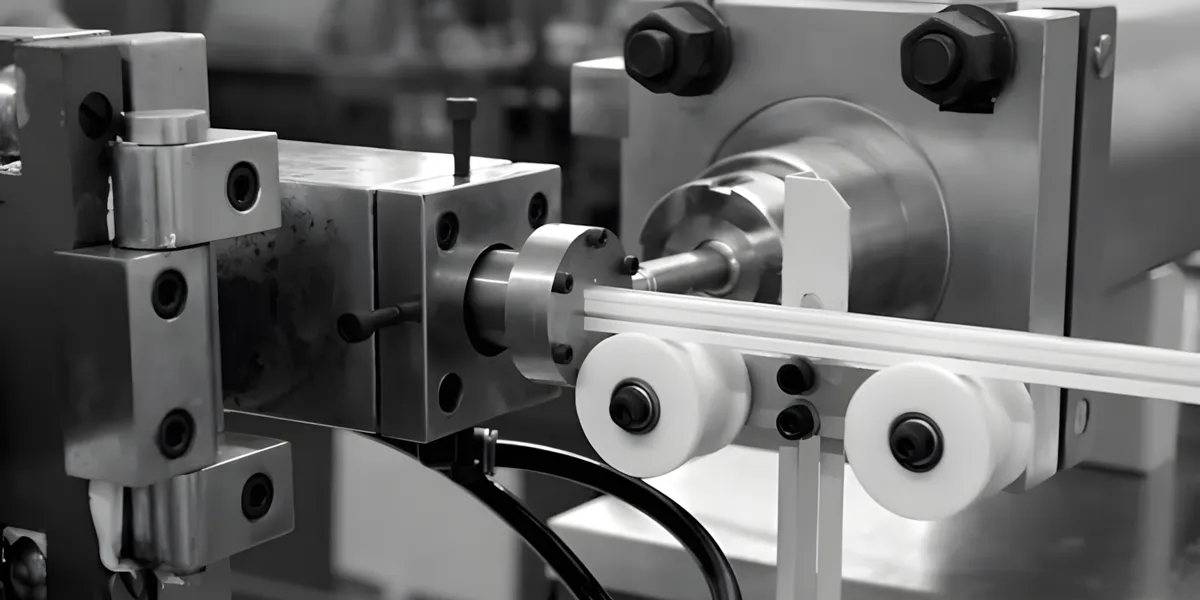
En SignLiteled, entendemos que la señalización exterior es una inversión a largo plazo, no un artículo desechable. Nuestra serie de tubos LED de neón está fabricado con materiales de silicona de alta calidad y está diseñado específicamente para resistir el color amarilleo, mantener el brillo y operar de manera confiable durante años en entornos duros al aire libre.
Nuestra línea de productos incluye:
- T1010 / T1212 / T1616 serie – Tubo de neón de silicona emisor de tapa con iluminación sin manchas
- Serie D15 – Ángulo de haz de 270°, construcción de silicona flexible
- Serie C22 – IP67 impermeable, 24VDC, adecuado para instalación permanente en exteriores
- S0410 / S0612 / S0815 / S1220 Serie – Configuraciones de plegado lateral para adaptarse a diseños de señalización personalizados
Todos los tubos de silicona de Signliteled se someten a pruebas de calidad rigurosas, que incluyen envejecimiento acelerado por UV, ciclos térmicos y verificación a prueba de agua, lo que garantiza que sus letreros de neón personalizados sigan siendo tan vibrantes como el día en que se instalaron, temporada tras temporada.
Explora nuestro completo Catálogo de tiras de neón LED Para encontrar la solución adecuada para su proyecto.
Conclusión
La causa principal de amarilleamiento en tubos de neón LED para exteriores es la degradación del encapsulante de PVC bajo exposición a los rayos UV. Aunque el PVC es económico, su estructura molecular inevitablemente conduce al color amarillento, fragilidad y falla. La silicona, en particular las formulaciones curadas con platino, proporciona la estabilidad química y la resistencia a los rayos UV necesarias para el uso a largo plazo en exteriores.
Puntos clave para especificadores y compradores:
- Antes de comprar tubos de neón para exteriores, asegúrese de verificar el material. Si no está etiquetado como "silicona", es casi seguro que es PVC.
- Solicite datos de prueba UV: una prueba de envejecimiento acelerado de 3000 horas (equivalente a aproximadamente 9 años de uso en el mundo real) es el punto de referencia de la industria.
- Calcule el costo total de propiedad, no solo el precio inicial. Un letrero de PVC que falla dentro de los 12 a 24 meses es mucho más caro que un signo de silicona que dura más de 5 años.
- Para instalaciones permanentes en exteriores, elija silicona curada con platino con una clasificación de impermeabilidad IP67 o IP68.
Al comprender la ciencia detrás del amarillo y las diferencias clave entre los materiales, puede tomar decisiones informadas para proteger su inversión y asegurarse de que su señalización mantenga su excelente apariencia en los años venideros.
Preguntas frecuentes
Publicaciones relacionadas