Español
  English
  简体中文
简体中文  Deutsch
  Français
  Italiano
  日本語
日本語  한국어
한국어  Polski
  Português
  Русский
  Türkçe
  Nederlands
  Tiếng Việt
  ไทย
ไทย 
Las luces de tiras LED cian normalmente funcionan dentro del rango de longitud de onda de 485 a 505 nm (nanómetro). En los últimos años, la iluminación LED cian ha ganado una atención cada vez mayor en la iluminación de acuarios, iluminación arquitectónica, iluminación médica, investigación científica y aplicaciones de iluminación comercial especializada.
En comparación con los LED azules o verdes tradicionales, los LED cian ocupan una región espectral única que ofrece una experiencia visual equilibrada y efectos biológicos especializados. Este rango de longitud de onda intermedia puede influir en la comodidad visual humana, la penetración de la luz submarina, la respuesta de fluorescencia de coral e incluso la precisión de la imagen en entornos científicos.
Este artículo explora todo, desde la longitud de onda de la tira de luz LED cian, las características espectrales, las aplicaciones de la industria, las tecnologías de chip, las especificaciones del producto y la guía de selección profesional.
¿Cuál es la longitud de onda de las luces de tira LED cian?
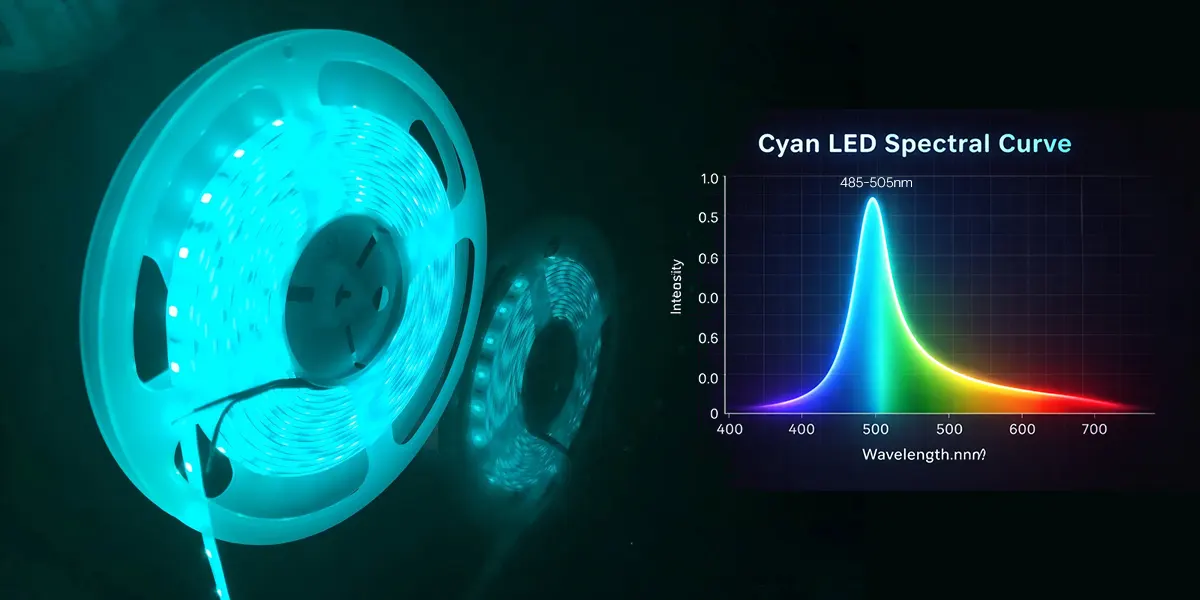
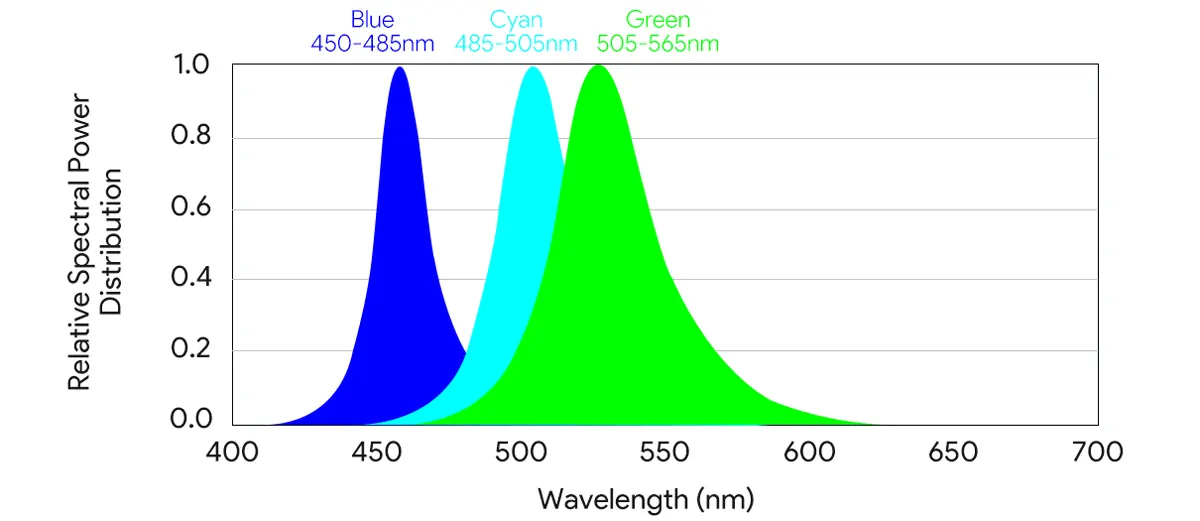
Los LED cian suelen emitir luz dentro del rango de 485 a 505 nm, colocados entre LED azules (450 a 485 nm) y LED verdes (505 a 565 nm). Este rango espectral crea un efecto de iluminación visualmente suave pero muy vívido que se considera más cómodo que la luz azul profundo y se mantiene con más energía que la luz verde.
Para muchos entornos de iluminación profesional, Cyan proporciona un excelente compromiso entre la percepción del brillo y la comodidad visual.
| Color | Longitud de onda (nm) |
| Azul | 450-485 |
| ciano | 485-505 |
| Verde | 505-565 |
La mayoría de los LED cian exhiben un pico espectral de alrededor de 495 nm, con un semimáximo de ancho completo típico (FWHM) de aproximadamente 20 nm. Una distribución espectral más estrecha generalmente proporciona una mejor consistencia de longitud de onda y una representación del color más precisa en aplicaciones especializadas.
El análisis de la curva espectral es particularmente importante para:
- Iluminación de coral para acuario
- Sistemas de imagen médica
- Iluminación de laboratorio
- Experimentos ópticos
- Iluminación arquitectónica centrada
En proyectos profesionales, incluso las pequeñas diferencias de longitud de onda pueden afectar significativamente la producción visual y la respuesta biológica.
Por qué la longitud de onda cian es única
El cian ocupa una región de transición en el espectro visible donde la sensibilidad del ojo humano comienza a aumentar en comparación con la luz azul profunda. Debido a esto, los LED cian a menudo parecen más brillantes para el ojo humano a niveles de potencia similares.
Esta característica ofrece varias ventajas:
- Percepción de deslumbramiento reducida
- Mayor comodidad visual
- Iluminación ambiental más suave
- Mejor visibilidad bajo el agua
- Respuesta fluorescente mejorada en corales y materiales
A diferencia de los LED azules puros que a veces pueden parecer demasiado duros o fatigosos, la iluminación cian proporciona una atmósfera visual más limpia y equilibrada.
En el diseño de iluminación comercial, el cian se asocia con frecuencia con:
- Estética moderna
- Ambitos futuristas
- Ambientes visuales tranquilos
- Acentos arquitectónicos de alta tecnología
- Iluminación marina
¿Cómo se diferencia el cian de los LED azules?
Los LED cian producen un tono más suave como el verde azulado, mientras que los LED azules parecen más profundos, más fríos y más intensos.
Características cian
- Percepción visual más suave
- Deslumbramiento aparente más bajo
- Mejor comodidad ocular en exposición de larga duración
- Aspecto submarino más natural
Características azules
- Contraste más fuerte
- Estimulación visual más alta
- Efecto de iluminación más dramático
- Aspecto más profundo al estilo oceánico
Para entornos en los que las personas permanecen bajo iluminación durante períodos prolongados, a menudo se prefiere el cian debido a su fatiga visual reducida.
Chips LED comunes utilizados para LEDs cian
La mayoría de las luces de tira LED cian utilizan:
- InGAN (Nitruro de galio de indio) Tecnología de semiconductores
- Soluciones LED convertidos en fósforo
- Paquetes SMD LED de alta eficiencia
- Tecnologías de luz continua COB
La calidad del chip afecta directamente a:
- Precisión de longitud de onda
- Consistencia de brillo
- estabilidad térmica
- Vida útil
- Eficiencia energética
- Uniformidad del color
Los chips LED de mayor calidad generalmente mantienen tolerancias de longitud de onda más estrictas, lo cual es especialmente importante para aplicaciones científicas, de acuario y médicas.
Los fabricantes profesionales también utilizan:
- PCB de cobre multicapa
- Sustratos de alta conductividad térmica
- Diseños IC de corriente constante
- Sistemas de binning de precisión
Estas características ayudan a mantener una producción cian estable durante largos períodos de funcionamiento.
Tira de luz LED cian vs tira de luz LED azul
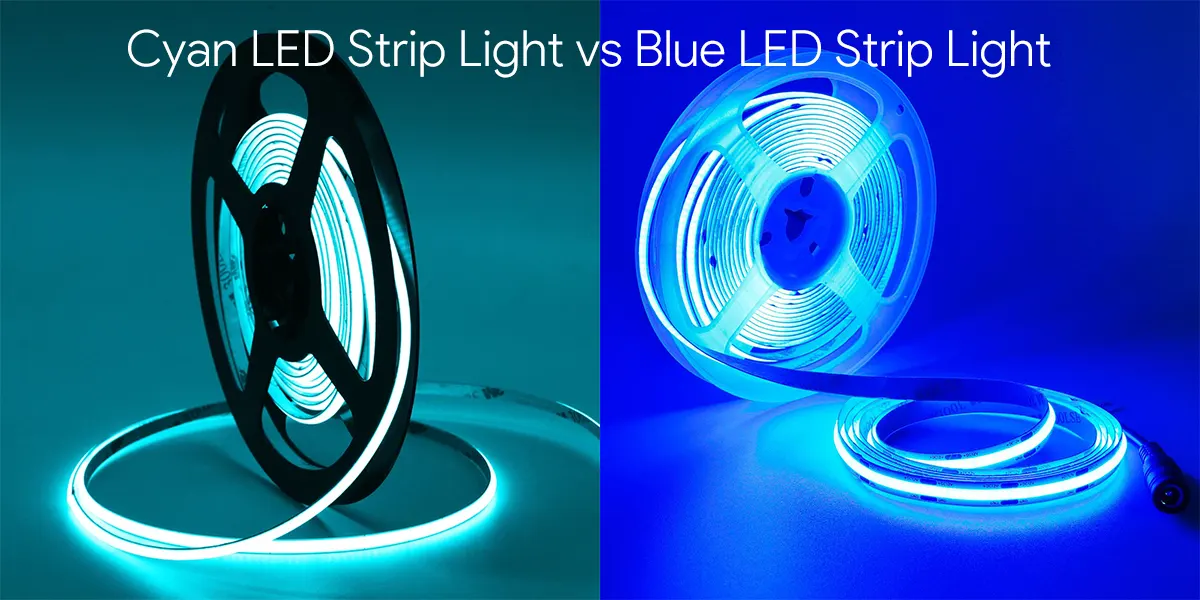
Comparación de longitud de onda
| Tipo LED | Longitud de onda (nm) | Aplicaciones típicas |
| Azul | 450-485 | Iluminación de arrecife, efectos visuales |
| ciano | 485-505 | Acuario, iluminación de oficina, acento arquitectónico |
diferencia visual
Los LED cian parecen más suaves y más cercanos a los tonos verde azulado, mientras que los LED azules parecen más profundos y más frescos.
En aplicaciones del mundo real:
- Cyan crea una atmósfera ambiental más limpia
- El azul crea un contraste más fuerte y efectos dramáticos
La diferencia se vuelve especialmente notable en ambientes interiores y superficies reflectantes.
Diferencia de aplicación
Aplicaciones LED cian
- Acuarios de arrecifes de coral
- Iluminación de acento
- Iluminación del museo
- Iluminación de oficina
- vitrinas
- Entornos de laboratorio
Aplicaciones LED azules
- Estimulación de la fotosíntesis
- Iluminación del escenario
- Iluminación de entretenimiento
- Efectos visuales adyacentes a los rayos UV
- Simulación de aguas profundas
Eficiencia energética
Los LED cian pueden ofrecer una eficiencia de percepción luminosa ligeramente mejorada porque el ojo humano es más sensible a las longitudes de onda cian en comparación con el azul profundo.
En algunas aplicaciones, la iluminación cian puede lograr un brillo visual similar con un deslumbramiento más bajo percibido.
Caso de aplicación: LED cian en iluminación de acuario
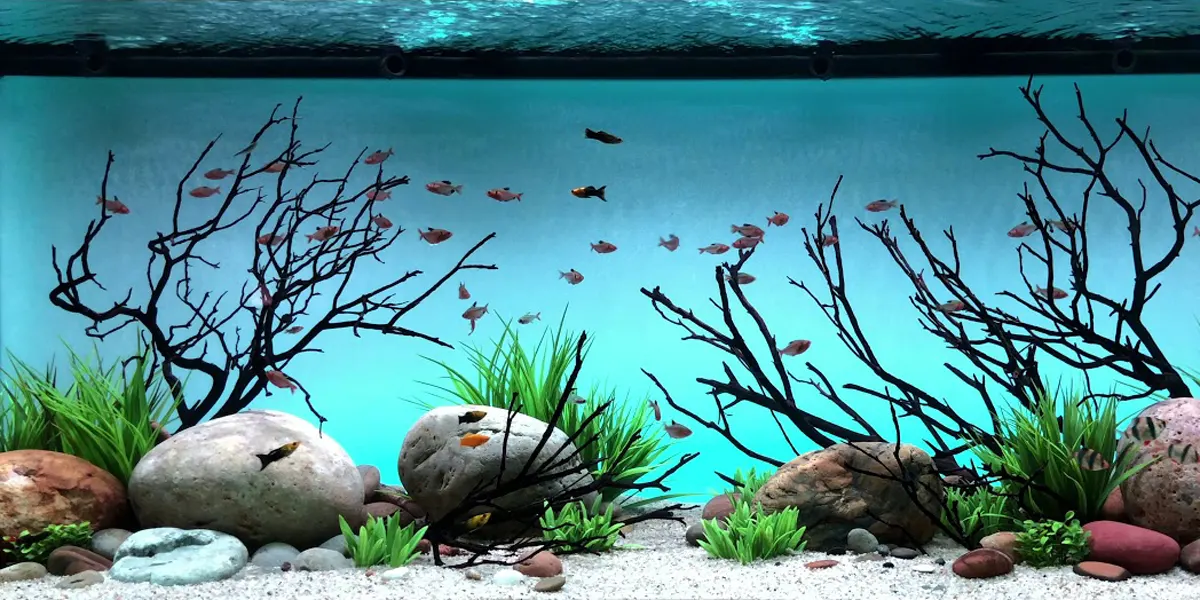
Por qué el cian es esencial para los tanques de arrecife
La investigación de biología marina muestra que las algas simbióticas coralinas (Zooxanthellae) responden fuertemente a las longitudes de onda alrededor de 490 a 500 nm.
Esta región de longitud de onda contribuye a:
- Mejora de la fluorescencia coralina
- Visibilidad mejorada del pig
- Penetración espectral equilibrada bajo el agua
- Reducción de la exposición azul excesiva
En los sistemas de acuario de arrecife, la luz cian se usa a menudo junto con los LED azules y blancos reales para simular condiciones de iluminación natural del océano.
Ejemplo de proyecto real
Tipo de proyecto: Acuario de arrecife comercial
Solución de iluminación: Sistema LED de espectro completo con canales cian integrados
resultados:
- Coloración coralina mejorada
- Pigmentos fluorescentes más vivos
- Reducción del riesgo de blanqueo en comparación con la iluminación azul excesiva
- Aspecto visual más natural para los visitantes
- Mejor percepción de profundidad dentro de tanques de acuario
Muchos diseñadores de acuarios profesionales ahora consideran que las longitudes de onda cian son un componente importante de los sistemas de iluminación de arrecifes equilibrados.
Diseño de espectro recomendado
Para un rendimiento óptimo de iluminación de arrecife:
- Azul: 450–485nm → Soporte de fotosíntesis primaria
- ciano: 485–505nm → Balance espectral y salud del coral
- Blanco: Mejora de espectro completo y apariencia natural
Esta combinación replica más de cerca la penetración natural de la luz solar a través del agua de mar.
En comparación con los sistemas de azul puro pesado, la integración cian equilibrada a menudo produce:
- Mejor realismo visual
- Fluorescencia coralina mejorada
- Menor fatiga visual para los espectadores
Escenarios de aplicación LED cian adicionales recomendados y emparejamientos de materiales
Debido a que las luces de tiras LED cian se ubican entre las longitudes de onda azules y verdes, crean un equilibrio único de calma, estética futurista y suavidad visual.
En el diseño de iluminación práctico, la iluminación cian se combina a menudo con materiales arquitectónicos, texturas y entornos espaciales específicos para maximizar su efecto visual. Diferentes aplicaciones pueden requerir diferentes objetivos de atmósfera, como mejorar la transparencia, reducir la fatiga visual o crear entornos inmersivos de estilo submarino.
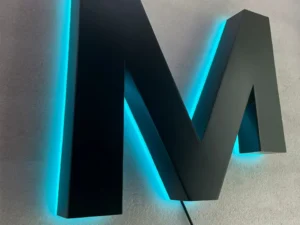
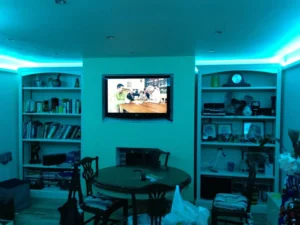
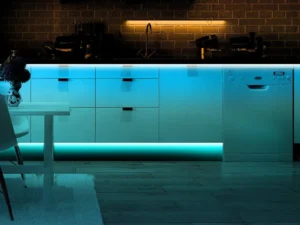
La siguiente tabla resume las aplicaciones de luces LED de cian-recomún, las combinaciones de materiales recomendadas y la atmósfera visual que se suele crear en cada entorno.
Guía de aplicación de tiras LED cian
| área de aplicación | Escenario típico | Efecto visual central / atmósfera | Materiales y elementos recomendados |
| Comercial y oficina | Showrooms tecnológicos, locales de deportes electrónicos, tiendas de teléfonos inteligentes | Ambiente futurista, de alta tecnología, tranquilo | Perfiles de aluminio, vidrio templado, texturas de fibra de carbono |
| Comercial y minorista | Mostradores de joyería, vitrinas de lujo | Transparencia mejorada, apariencia de tono frío premium | Espejo de acero inoxidable, vidrio ultra claro |
| Médico y Laboratorio | Clínicas dentales, espacios médicos, laboratorios | Presentación limpia, profesional e higiénica | Mármol blanco, acabados suaves minimalistas |
| decoración residencial | Acuarios, espacios temáticos bajo el agua | Atmósfera simulada del océano, mejora de color de la vitalidad | Decoración de coral, elementos marinos, acrílico |
| Entretenimiento residencial | Iluminación ambiental para el hogar, cine en casa | Alivio del estrés, atmósfera inmersiva | Paredes grises, superficies de proyección |
| Seguridad y navegación residencial | Escaleras, Iluminación de guía de pasillo | Orientación visual, seguridad nocturna | Difusores de acrílico esmerilado |
| Paisaje al aire libre | Piscinas, fuentes, paisajes acuáticos | Estética acuática limpia, tono visual fresco | Azulejos de mosaico, piedra natural |
| arquitectura exterior | Iluminación de contorno de fachada de edificio | Apariencia urbana moderna, estética futurista | Muros cortina de vidrio |
| Automotriz e Industrial | Interiores de vehículos, iluminación de bajos | Atmósfera ligera, deportiva y de tonos frescos | Cuero, adornos metálicos |
| Marina e Industrial | Interiores de barcos, iluminación de cubierta | Atmósfera de estilo polar, indicación de seguridad | Pisos de madera de teca, acero inoxidable |
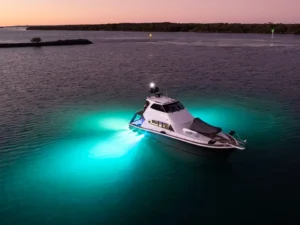

Por qué la iluminación cian funciona tan bien en los espacios modernos
Una de las razones por las que la iluminación LED cian se ha vuelto cada vez más popular es su capacidad para crear efectos visuales tanto tecnológicos como calmantes al mismo tiempo.
En comparación con los LED azules tradicionales, la iluminación cian se siente:
- más suave al ojo humano
- Más premium en entornos comerciales
- Más natural en simulaciones submarina
- Menos visualmente agresivo durante la exposición a largo plazo
En muchos proyectos de iluminación profesional, Cyan ahora se utiliza como un color ambiental de transición entre la iluminación funcional blanca y los efectos decorativos RGB.
Factores a tener en cuenta al elegir luces de tiras LED cian
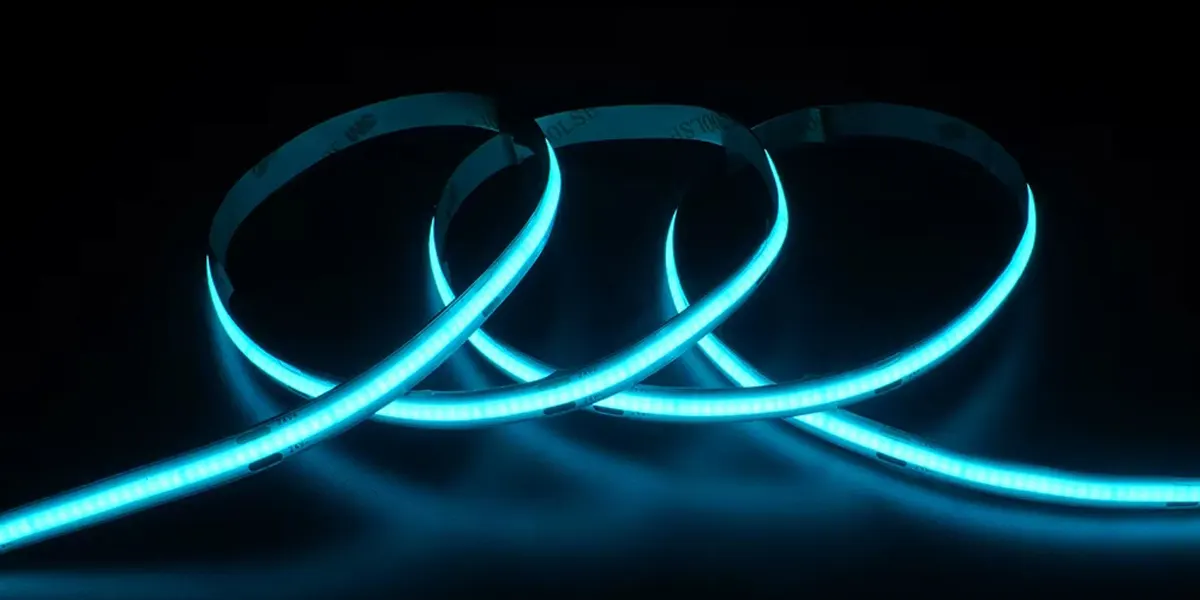
Seleccionar la tira de LED cian derecho implica más que elegir una longitud de onda. Los factores importantes incluyen:
1. Consistencia de longitud de onda
Las aplicaciones profesionales requieren una tolerancia de longitud de onda ajustada para garantizar la consistencia visual.
2 Calidad de PCB
Los PCB de cobre más gruesos mejoran:
- Disipación del calor
- Vida útil
- Estabilidad actual
3. Densidad de LED
La mayor densidad de LED crea:
- Iluminación más suave
- Visibilidad reducida del punto de acceso
- Mejores efectos de iluminación lineal
4. Gestión térmica
La disipación de calor eficiente es fundamental para mantener la estabilidad de la longitud de onda y la fiabilidad a largo plazo.
Fabricante de tiras de luz LED cian personalizada
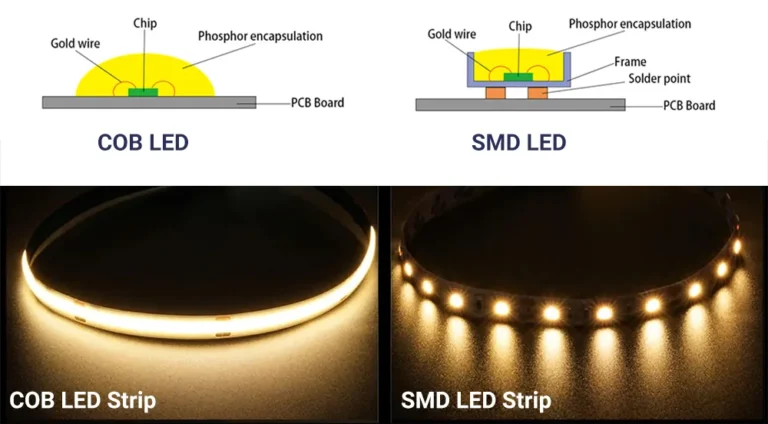
¿Busca un proveedor de tiras LED cian personalizadas confiable? SignLiteled se especializa en la entrega de soluciones de tira de LED COB de alta calidad y tiras de LED SMD con años de experiencia en diseño, desarrollo y producción. Ayudamos a los clientes a crear tiras de LED cian a medida que cumplan con los requisitos precisos del proyecto.
Nuestras tiras de LED cian personalizadas cuentan con:
- Opciones de longitud de onda: totalmente personalizable dentro de 485 a 505 nm para tonos cian precisos
- Opciones de ancho de PCB: 8–12 mm
- Protección impermeable: IP20 a IP68
- Servicios de OEM y ODM
- Soporte personalizado para embalaje y etiquetado
- Múltiples opciones de densidad de LED
- Soluciones de control y potencia personalizadas
Ya sea que requiera Tiras de LED COB Para una iluminación perfecta o Tiras de LED SMD Para instalaciones flexibles, SignLiteled puede proporcionar soluciones profesionales adaptadas a los requisitos de su proyecto.

Conclusión
Las luces de tiras LED cian ocupan una posición especializada pero cada vez más importante entre las longitudes de onda de luz azul y verde, generalmente dentro del rango de 485 a 505 nm. Sus características espectrales equilibradas los hacen muy valiosos en acuarios, laboratorios científicos, sistemas de imágenes médicas y entornos de iluminación arquitectónica.
La comprensión de las características de longitud de onda de las cian, las tecnologías de chips, la gestión térmica y los requisitos de la aplicación ayudan a garantizar un rendimiento de iluminación óptimo y una fiabilidad a largo plazo.
A medida que las aplicaciones profesionales de iluminación continúan evolucionando, se espera que la tecnología LED Cyan desempeñe un papel cada vez mayor en los sistemas de iluminación funcional y decorativo.
Preguntas frecuentes
Publicaciones relacionadas