ไทย
ไทย  English
  简体中文
简体中文  Deutsch
  Español
  Français
  Italiano
  日本語
日本語  한국어
한국어  Polski
  Português
  Русский
  Türkçe
  Nederlands
  Tiếng Việt
ไฟแถบ LED สีฟ้ามักจะทำงานภายในช่วงความยาวคลื่น 485–505nm (นาโนเมตร) ในช่วงไม่กี่ปีที่ผ่านมา ไฟ LED สีฟ้าได้รับความสนใจเพิ่มขึ้นในด้านแสงในพิพิธภัณฑ์สัตว์น้ำ แสงทางสถาปัตยกรรม ไฟส่องสว่างทางการแพทย์ การวิจัยทางวิทยาศาสตร์ และการใช้งานแสงเชิงพาณิชย์แบบพิเศษ
เมื่อเทียบกับ LED สีน้ำเงินหรือสีเขียวแบบดั้งเดิม ไฟ LED สีฟ้าใช้บริเวณสเปกตรัมที่ไม่เหมือนใครซึ่งให้ประสบการณ์การมองเห็นที่สมดุลและผลกระทบทางชีวภาพเฉพาะทาง ช่วงความยาวคลื่นระดับกลางนี้สามารถมีอิทธิพลต่อความสบายในการมองเห็นของมนุษย์ การแทรกซึมของแสงใต้น้ำ การตอบสนองการเรืองแสงของปะการัง และแม้กระทั่งความแม่นยำของการถ่ายภาพในสภาพแวดล้อมทางวิทยาศาสตร์
บทความนี้สำรวจทุกอย่างตั้งแต่ความยาวคลื่นแสงแถบ LED สีฟ้า ลักษณะสเปกตรัม การใช้งานในอุตสาหกรรม เทคโนโลยีชิป ข้อมูลจำเพาะของผลิตภัณฑ์ และคำแนะนำในการเลือกอย่างมืออาชีพ
ความยาวคลื่นของไฟแถบ LED สีฟ้าคืออะไร?
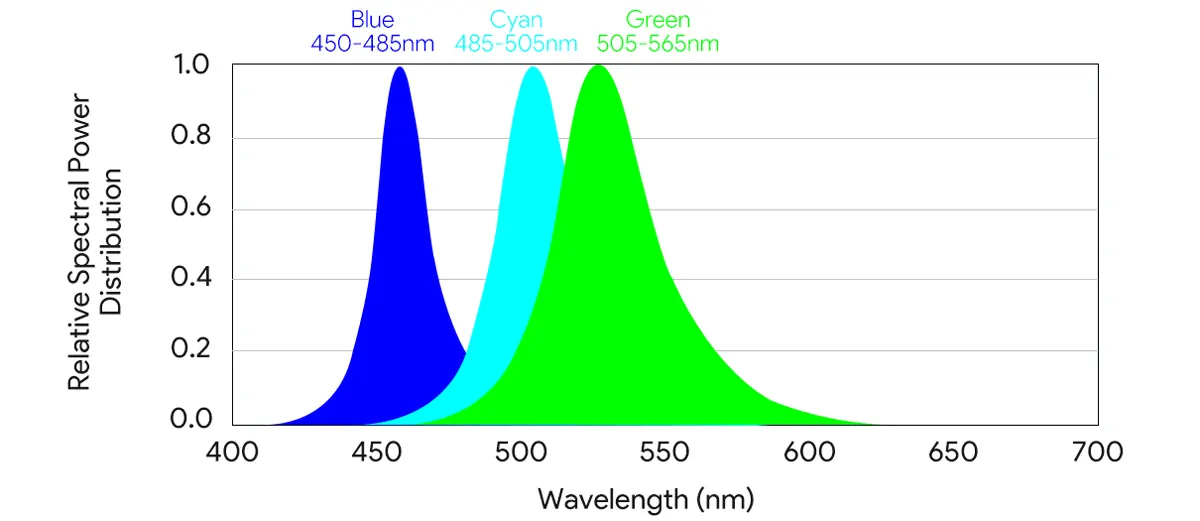
โดยทั่วไปแล้ว LED สีฟ้าจะปล่อยแสงออกมาภายในช่วง 485–505nm โดยวางตำแหน่งระหว่างไฟ LED สีน้ำเงิน (450–485 นาโนเมตร) และไฟ LED สีเขียว (505–565nm) ช่วงสเปกตรัมนี้สร้างเอฟเฟกต์แสงที่นุ่มนวลแต่มีความสดใสสูง ซึ่งถือว่าสบายกว่าแสงสีน้ำเงินเข้มในขณะที่ยังคงมีความกระฉับกระเฉงมากกว่าแสงสีเขียว
สำหรับสภาพแวดล้อมการจัดแสงแบบมืออาชีพจำนวนมาก Cyan ให้การประนีประนอมที่ยอดเยี่ยมระหว่างการรับรู้ความสว่างและความสบายทางสายตา
| ผิว | ความยาวคลื่น (นาโนเมตร) |
| สีน้ำเงิน | 450–485 |
| ดาว | 485–505 |
| เขียวชอ | 505–565 |
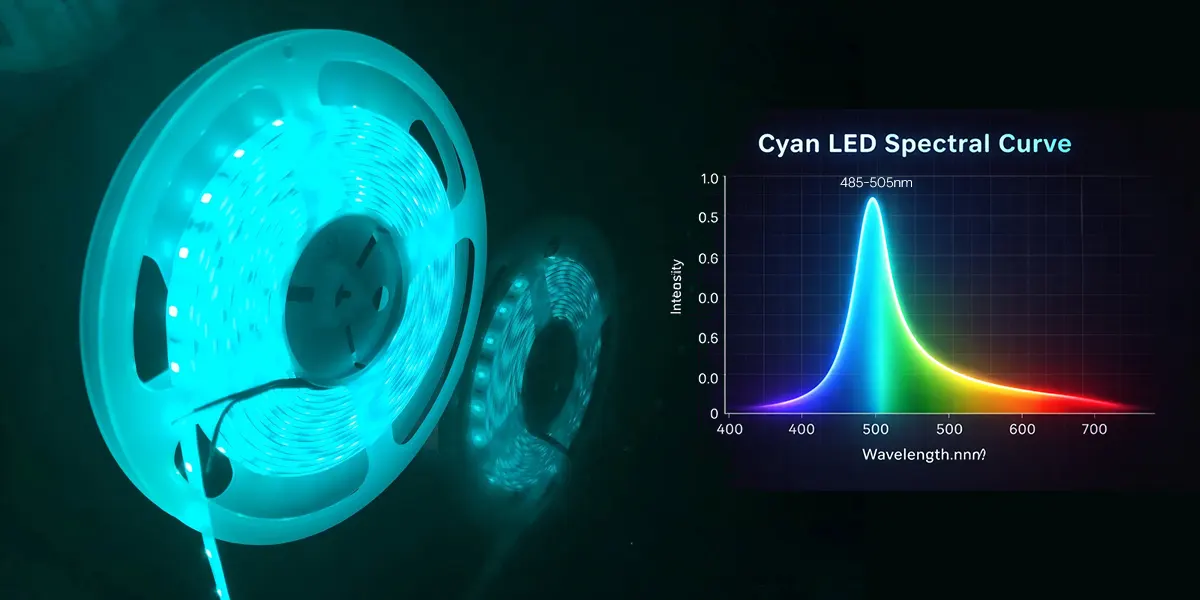
ไฟ LED สีฟ้าส่วนใหญ่แสดงค่าสูงสุดของสเปกตรัมประมาณ 495 นาโนเมตร โดยมีค่าสูงสุดครึ่งความกว้างเต็มความกว้าง (FWHM) ประมาณ 20 นาโนเมตร การกระจายสเปกตรัมที่แคบลงโดยทั่วไปจะให้ความสม่ำเสมอของความยาวคลื่นที่ดีขึ้นและการแสดงสีที่แม่นยำยิ่งขึ้นในการใช้งานเฉพาะทาง
การวิเคราะห์เส้นโค้งสเปกตรัมมีความสำคัญอย่างยิ่งสำหรับ:
- แสงปะการังพิพิธภัณฑ์สัตว์น้ำ
- ระบบภาพทางการแพทย์
- ไฟส่องสว่างในห้องปฏิบัติการ
- การทดลองทางแสง
- แสงสถาปัตยกรรมที่เน้นมนุษย์เป็นศูนย์กลาง
ในโครงการระดับมืออาชีพ แม้แต่ความแตกต่างของความยาวคลื่นเพียงเล็กน้อยก็อาจส่งผลต่อการแสดงผลที่มองเห็นได้และการตอบสนองทางชีวภาพอย่างมีนัยสำคัญ
ทำไมความยาวคลื่นสีฟ้าถึงไม่เหมือนใคร
สีฟ้าใช้พื้นที่ช่วงเปลี่ยนผ่านในสเปกตรัมที่มองเห็นได้ซึ่งความไวของดวงตาของมนุษย์เริ่มเพิ่มขึ้นเมื่อเทียบกับแสงสีน้ำเงินเข้ม ด้วยเหตุนี้ ไฟ LED สีฟ้าจึงมักจะสว่างขึ้นในสายตามนุษย์ในระดับพลังงานที่ใกล้เคียงกัน
ลักษณะนี้มีข้อดีหลายประการ:
- ลดการรับรู้แสงสะท้อน
- ปรับปรุงความสบายในการมองเห็น
- แสงรอบข้างที่นุ่มนวลขึ้น
- ทัศนวิสัยใต้น้ำดีกว่า
- การตอบสนองของฟลูออเรสเซนต์ที่เพิ่มขึ้นในปะการังและวัสดุ
ต่างจากไฟ LED สีน้ำเงินบริสุทธิ์ที่บางครั้งอาจดูรุนแรงหรือเมื่อยล้ามากเกินไป แสงสีฟ้าให้บรรยากาศที่สะอาดและสมดุลยิ่งขึ้น
ในการออกแบบแสงเชิงพาณิชย์ Cyan มักเกี่ยวข้องกับ:
- สุนทรียศาสตร์สมัยใหม่
- สภาพแวดล้อมแห่งอนาคต
- สภาพแวดล้อมที่สงบ
- สำเนียงสถาปัตยกรรมไฮเทค
- ไฟส่องสว่างในธีมทะเล
สีฟ้าแตกต่างจากไฟ LED สีน้ำเงินอย่างไร
ไฟ LED สีฟ้าให้โทนสีคล้ายนกเป็ดน้ำที่นุ่มนวลกว่า ในขณะที่ไฟ LED สีน้ำเงินจะดูลึกกว่า เย็นกว่า และเข้มข้นกว่า
ลักษณะของสีฟ้า
- การรับรู้ทางสายตาที่นุ่มนวลขึ้น
- แสงสะท้อนที่เห็นได้ชัดเจน
- สบายตาดีขึ้นเมื่อได้รับสารนาน
- ลักษณะใต้น้ำที่เป็นธรรมชาติมากขึ้น
ลักษณะสีน้ำเงิน
- ความคมชัดที่แรงกว่า
- การกระตุ้นด้วยภาพที่สูงขึ้น
- เอฟเฟกต์แสงที่น่าทึ่งมากขึ้น
- ลักษณะมหาสมุทรที่ลึกกว่า
สำหรับสภาพแวดล้อมที่ผู้คนยังคงอยู่ภายใต้แสงสว่างเป็นเวลานาน สีฟ้ามักเป็นที่ต้องการเนื่องจากความล้าของภาพลดลง
ชิป LED ทั่วไปที่ใช้สำหรับ LED สีฟ้า
ไฟแถบ LED สีฟ้าส่วนใหญ่ใช้:
- อินแกน (Indium gallium nitride) เทคโนโลยีเซมิคอนดักเตอร์
- โซลูชั่น LED ที่แปลงสารเรืองแสง
- แพ็คเกจ LED SMD ที่มีประสิทธิภาพสูง
- COB เทคโนโลยีแสงต่อเนื่อง
คุณภาพของชิปส่งผลโดยตรง:
- ความแม่นยำของความยาวคลื่น
- ความสม่ำเสมอของความสว่าง
- เสถียรภาพทางความร้อน
- อายุขัย
- ประสิทธิภาพการใช้พลังงาน
- ความสม่ำเสมอของสี
ชิป LED คุณภาพสูงมักจะรักษาความคลาดเคลื่อนความยาวคลื่นที่แน่นขึ้น ซึ่งมีความสำคัญอย่างยิ่งสำหรับการใช้งานทางวิทยาศาสตร์ พิพิธภัณฑ์สัตว์น้ำ และทางการแพทย์
ผู้ผลิตมืออาชีพยังใช้:
- PCB ทองแดงหลายชั้น
- สารตั้งต้นการนำความร้อนสูง
- การออกแบบ IC กระแสคงที่
- ระบบการเก็บสัมภาระที่มีความแม่นยำ
คุณสมบัติเหล่านี้ช่วยรักษาเอาต์พุตสีฟ้าที่เสถียรในช่วงเวลาการทำงานที่ยาวนาน
ไฟแถบ LED สีฟ้าเทียบกับไฟแถบ LED สีน้ำเงิน
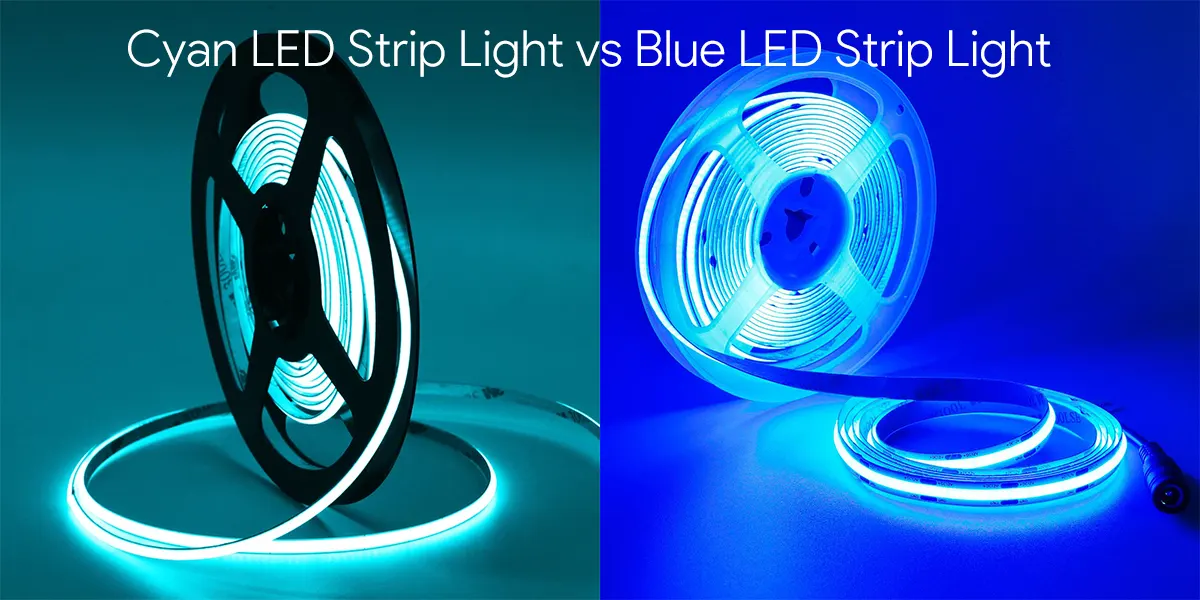
การเปรียบเทียบความยาวคลื่น
| ประเภท LED | ความยาวคลื่น (นาโนเมตร) | การใช้งานทั่วไป |
| สีน้ำเงิน | 450–485 | แสงแนวปะการัง, วิชวลเอฟเฟ็กต์ |
| ดาว | 485–505 | พิพิธภัณฑ์สัตว์น้ำ สำนักงาน แสง สำเนียงสถาปัตยกรรม |
ความแตกต่างทางสายตา
ไฟ LED สีฟ้าจะดูนุ่มนวลขึ้นและใกล้กับโทนสีน้าน ในขณะที่ไฟ LED สีน้ำเงินจะดูลึกและเย็นกว่า
ในการใช้งานจริง:
- สีฟ้าสร้างบรรยากาศที่สะอาดขึ้น
- สีน้ำเงินสร้างคอนทราสต์และเอฟเฟกต์ที่น่าทึ่ง
ความแตกต่างจะสังเกตเห็นได้ชัดเจนเป็นพิเศษในสภาพแวดล้อมในร่มและพื้นผิวสะท้อนแสง
ความแตกต่างของแอปพลิเคชัน
แอปพลิเคชั่นนำสีฟ้า
- พิพิธภัณฑ์สัตว์น้ำแนวปะการัง
- แสงสำเนียงสถาปัตยกรรม
- แสงพิพิธภัณฑ์
- แสงไฟสำนักงาน
- ตู้โชว์
- สภาพแวดล้อมในห้องปฏิบัติการ
แอพพลิเคชั่น LED
- การกระตุ้นการสังเคราะห์ด้วยแสง
- แสงเวที
- แสงสี
- เอฟเฟ็กต์ภาพติดกัน UV
- การจำลองน้ำลึก
ประสิทธิภาพการใช้พลังงาน
ไฟ LED สีฟ้าอาจให้ประสิทธิภาพการรับรู้การส่องสว่างที่ดีขึ้นเล็กน้อย เนื่องจากตามนุษย์มีความไวต่อความยาวคลื่นสีฟ้ามากกว่าเมื่อเปรียบเทียบกับสีน้ำเงินเข้ม
ในบางการใช้งาน แสงสีฟ้าสามารถให้ความสว่างของภาพที่คล้ายคลึงกันโดยมีแสงสะท้อนที่รับรู้ต่ำกว่า
กรณีการใช้งาน: สีฟ้า LED ในตู้ปลา
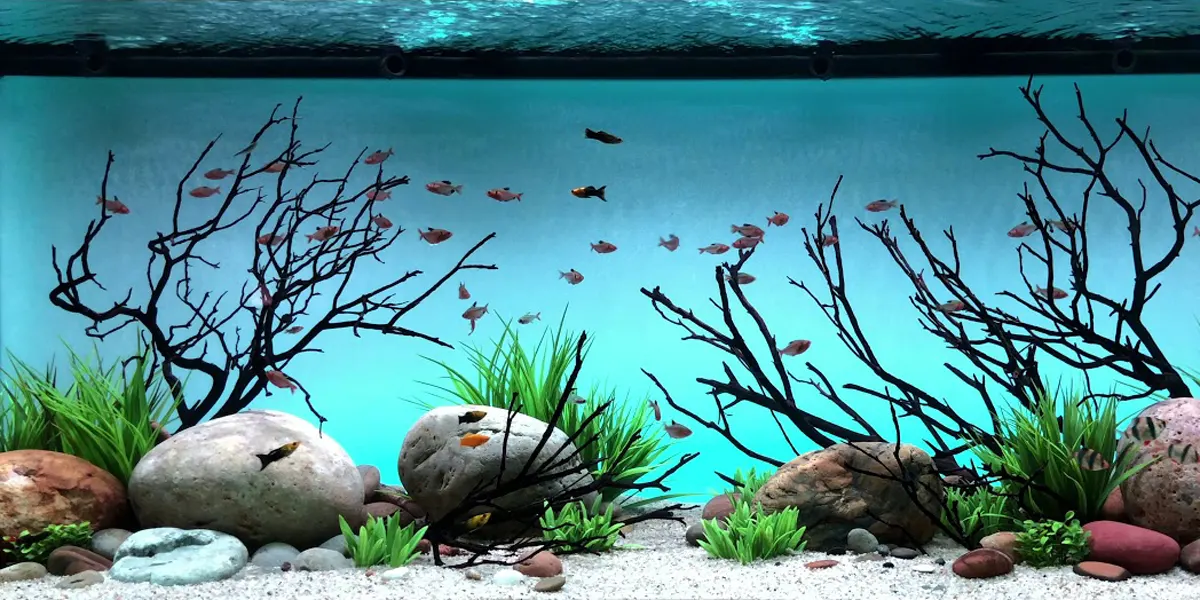
ทำไม Cyan ถึงจำเป็นสำหรับถังแนวปะการัง
การวิจัยทางชีววิทยาทางทะเลแสดงให้เห็นว่าสาหร่ายทางชีวภาพของปะการัง (Zooxanthellae) ตอบสนองต่อความยาวคลื่นได้อย่างมากประมาณ 490–500 นาโนเมตร
บริเวณความยาวคลื่นนี้มีส่วนช่วยใน:
- การเพิ่มประสิทธิภาพของปะการัง
- ปรับปรุงการมองเห็นเม็ดสี
- การเจาะสเปกตรัมใต้น้ำที่สมดุล
- ลดการสัมผัสสีน้ำเงินมากเกินไป
ในระบบพิพิธภัณฑ์สัตว์น้ำแนวปะการัง แสงสีฟ้ามักใช้ร่วมกับไฟ LED สีน้ำเงินและสีขาวเพื่อจำลองสภาพแสงในมหาสมุทรตามธรรมชาติ
ตัวอย่างโครงการจริง
ประเภทโครงการ: พิพิธภัณฑ์สัตว์น้ำแนวปะการังเชิงพาณิชย์
โซลูชันแสงสว่าง: ระบบ LED แบบเต็มสเปกตรัมพร้อมช่อง Cyan ในตัว
ผล:
- ปรับปรุงสีปะการัง
- เม็ดสีเรืองแสงที่สดใสมากขึ้น
- ลดความเสี่ยงในการฟอกสีเมื่อเทียบกับแสงสีฟ้าที่มากเกินไป
- รูปลักษณ์ที่เป็นธรรมชาติมากขึ้นสำหรับผู้เข้าชม
- การรับรู้ความลึกที่ดีขึ้นภายในถังพิพิธภัณฑ์สัตว์น้ำ
นักออกแบบพิพิธภัณฑ์สัตว์น้ำมืออาชีพหลายคนมองว่าความยาวคลื่นสีฟ้าเป็นองค์ประกอบสำคัญของระบบไฟแนวปะการังที่สมดุล
การออกแบบคลื่นความถี่ที่แนะนำ
เพื่อประสิทธิภาพแสงของแนวปะการังที่เหมาะสมที่สุด:
- สีน้ำเงิน: 450–485nm → การสนับสนุนการสังเคราะห์ด้วยแสงเบื้องต้น
- ดาว: 485–505nm → สมดุลสเปกตรัมและสุขภาพปะการัง
- หงอก: เสริมสเปกตรัมและรูปลักษณ์ที่เป็นธรรมชาติ
การรวมกันนี้จำลองการซึมผ่านของแสงแดดตามธรรมชาติผ่านน้ำทะเลอย่างใกล้ชิดยิ่งขึ้น
เมื่อเทียบกับระบบสีน้ำเงินที่หนักหน่วง การบูรณาการสีฟ้าที่สมดุลมักจะสร้าง:
- สมจริงภาพที่ดีขึ้น
- ปรับปรุงปะการังเรืองแสง
- ความเหนื่อยล้าของภาพที่ลดลงสำหรับผู้ชม
สถานการณ์การใช้งาน LED Cyan LED เพิ่มเติมและการจับคู่วัสดุ
เนื่องจากไฟแถบ LED สีฟ้าตั้งอยู่ระหว่างความยาวคลื่นสีน้ำเงินและสีเขียว พวกมันจึงสร้างสมดุลระหว่างความสงบ สุนทรียศาสตร์แห่งอนาคต และความนุ่มนวลของภาพ
ในการออกแบบแสงที่ใช้งานได้จริง แสงสีฟ้ามักจะถูกรวมเข้ากับวัสดุทางสถาปัตยกรรม พื้นผิว และสภาพแวดล้อมเชิงพื้นที่โดยเฉพาะเพื่อเพิ่มเอฟเฟกต์ภาพให้สูงสุด การใช้งานที่แตกต่างกันอาจต้องการเป้าหมายของบรรยากาศที่แตกต่างกัน เช่น เพิ่มความโปร่งใส ลดความล้าของภาพ หรือการสร้างสภาพแวดล้อมแบบใต้น้ำที่สมจริง
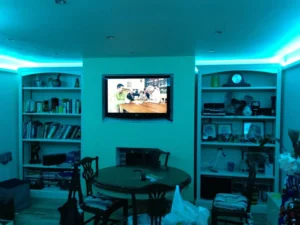
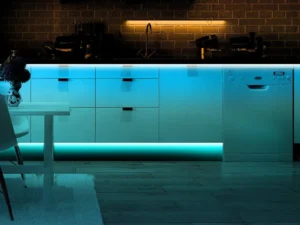
ตารางต่อไปนี้สรุปการใช้งานแถบไฟ LED สีฟ้าทั่วไป การผสมผสานวัสดุที่แนะนำ และบรรยากาศที่มองเห็นได้ซึ่งโดยทั่วไปแล้วสร้างขึ้นในแต่ละสภาพแวดล้อม
คู่มือการใช้งานไฟแถบ LED สีฟ้า
| พื้นที่ใช้งาน | สถานการณ์ทั่วไป | ผลภาพหลัก/บรรยากาศ | วัสดุและองค์ประกอบที่แนะนำ |
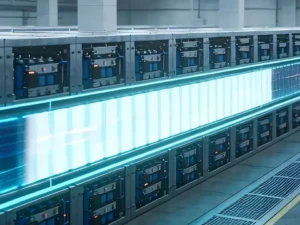
| เชิงพาณิชย์และสำนักงาน | โชว์รูมเทค อีสปอร์ต ร้านค้าสมาร์ทโฟน | ไฮเทค ไฮเทค บรรยากาศสงบ | โปรไฟล์อลูมิเนียม กระจกนิรภัย พื้นผิวคาร์บอนไฟเบอร์ |
| เชิงพาณิชย์และค้าปลีก | เคาน์เตอร์เครื่องประดับ ตู้โชว์สุดหรู | เพิ่มความโปร่งใส รูปลักษณ์โทนเย็นระดับพรีเมียม | กระจกสแตนเลส กระจกใสพิเศษ |
| การแพทย์และห้องปฏิบัติการ | คลินิกทันตกรรม พื้นที่ทางการแพทย์ ห้องทดลอง | การนำเสนอที่สะอาด มืออาชีพ ถูกสุขลักษณะ | หินอ่อนสีขาว ผิวเรียบ เรียบง่าย |
| การตกแต่งที่อยู่อาศัย | พิพิธภัณฑ์สัตว์น้ำ พื้นที่ใต้น้ำ | บรรยากาศมหาสมุทรจำลอง เพิ่มความสดใสของสี | การตกแต่งปะการัง องค์ประกอบทางทะเล อะคริลิค |
| สถานบันเทิง | บ้าน แสง , โฮมเธียเตอร์ | คลายเครียด บรรยากาศ ดื่มด่ำ | ผนังสีเทาพื้นผิวการฉายภาพ |
| ความปลอดภัยและการนำทาง | บันไดทางเดินไฟนำทาง | คำแนะนำภาพความปลอดภัยในเวลากลางคืน | อะคริลิคกระจายแสง |
| ภูมิทัศน์กลางแจ้ง | สระว่ายน้ำ น้ำพุ ทิวทัศน์ | ความสวยงามของน้ำสะอาด โทนสีภาพเย็น | กระเบื้องโมเสคหินธรรมชาติ |
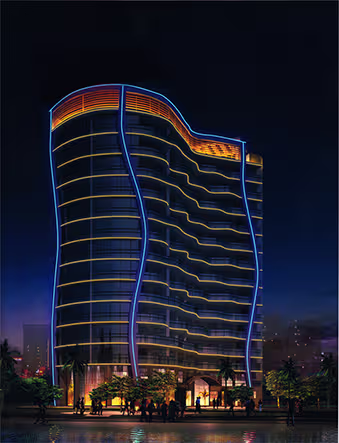
| สถาปัตยกรรมกลางแจ้ง | แสงโครงร่างอาคาร | รูปลักษณ์เมืองสมัยใหม่ สุนทรียศาสตร์แห่งอนาคต | ผนังม่านกระจก |
| ยานยนต์และอุตสาหกรรม | ภายในรถ, ไฟใต้ท้องรถ | บรรยากาศ สปอร์ต โทนเย็น เบา เท่ | หนัง, ขอบโลหะ |
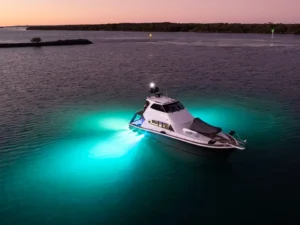
| ทางทะเลและอุตสาหกรรม | การตกแต่งภายในเรือ, แสงบนดาดฟ้า | บรรยากาศแบบขั้วโลกบ่งชี้ความปลอดภัย | พื้นไม้สักสแตนเลส |

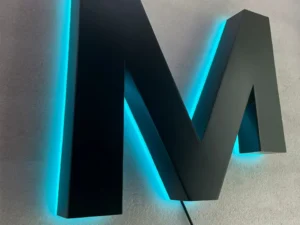
ทำไมแสงสีฟ้าจึงทำงานได้ดีในพื้นที่สมัยใหม่
เหตุผลหนึ่งที่แสง LED สีฟ้าได้รับความนิยมมากขึ้นคือความสามารถในการสร้างเอฟเฟกต์ภาพทั้งทางเทคโนโลยีและภาพที่สงบพร้อมกัน
เมื่อเทียบกับ LED สีน้ำเงินแบบดั้งเดิม แสงสีฟ้าให้ความรู้สึก:
- นุ่มนวลขึ้นสู่สายตามนุษย์
- พรีเมี่ยมมากขึ้นในสภาพแวดล้อมเชิงพาณิชย์
- เป็นธรรมชาติมากขึ้นในการจำลองใต้น้ำ
- สายตาที่ก้าวร้าวน้อยลงในช่วงที่สัมผัสระยะยาว
ในโครงการแสงระดับมืออาชีพหลายโครงการ ปัจจุบัน Cyan ถูกใช้เป็นสีรอบข้างในช่วงเปลี่ยนผ่านระหว่างแสงสีขาวและเอฟเฟกต์ RGB ที่ตกแต่ง
ปัจจัยที่ควรพิจารณาเมื่อเลือกไฟแถบ LED สีฟ้า
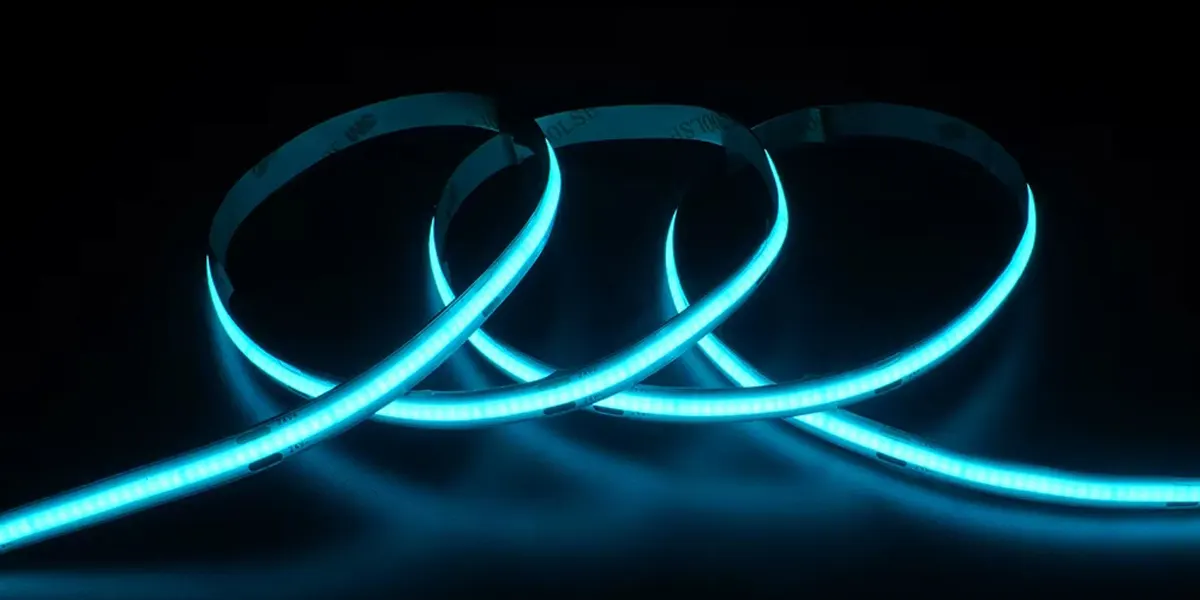
การเลือกแถบ LED สีฟ้าที่เหมาะสมนั้นเกี่ยวข้องมากกว่าการเลือกความยาวคลื่น ปัจจัยสำคัญ ได้แก่
1. ความสม่ำเสมอของความยาวคลื่น
การใช้งานระดับมืออาชีพต้องการความทนทานต่อความยาวคลื่นที่แน่นหนาเพื่อให้แน่ใจว่าภาพมีความสม่ำเสมอ
2 . คุณภาพ PCB
ทองแดงหนาขึ้น PCBs ปรับปรุง:
- การกระจายความร้อน
- อายุขัย
- ความมั่นคงในปัจจุบัน
3. ความหนาแน่นของ LED
ความหนาแน่นของ LED ที่สูงขึ้น:
- ไฟส่องสว่างได้เนียนขึ้น
- ลดการมองเห็นฮอตสปอต
- เอฟเฟกต์แสงเชิงเส้นที่ดีขึ้น
4. การจัดการความร้อน
การกระจายความร้อนอย่างมีประสิทธิภาพเป็นสิ่งสำคัญในการรักษาเสถียรภาพของความยาวคลื่นและความน่าเชื่อถือในระยะยาว
ผู้ผลิตไฟแถบ LED สีฟ้าแบบกำหนดเอง
กำลังมองหาซัพพลายเออร์แถบ LED Cyan Custom ที่เชื่อถือได้หรือไม่? Signliteled เชี่ยวชาญในการส่งมอบ COB LED Strip คุณภาพสูงและโซลูชันแถบ LED SMD ด้วยประสบการณ์หลายปีในการออกแบบ การพัฒนา และการผลิต เราช่วยลูกค้าสร้างแถบ LED สีฟ้าที่ปรับแต่งได้ซึ่งตรงตามข้อกำหนดของโครงการที่แม่นยำ
คุณสมบัติแถบ LED Cyan ที่กำหนดเองของเรา:
- ตัวเลือกความยาวคลื่น: ปรับแต่งได้อย่างเต็มที่ภายใน 485–505nm สำหรับโทนสีที่แม่นยำ
- ตัวเลือกความกว้าง PCB: 8–12 มม
- การป้องกันน้ำ: IP20 ถึง IP68
- บริการ OEM และ ODM
- การสนับสนุนบรรจุภัณฑ์และการติดฉลากแบบกำหนดเอง
- ตัวเลือกความหนาแน่นของ LED หลายแบบ
- โซลูชันด้านพลังงานและการควบคุมแบบกำหนดเอง
ไม่ว่าคุณจะต้องการ ซัง LED แถบ เพื่อการส่องสว่างอย่างราบรื่นหรือ แถบ LED SMD สำหรับการติดตั้งที่ยืดหยุ่น SignLiteled สามารถให้บริการโซลูชั่นระดับมืออาชีพที่เหมาะกับความต้องการของโครงการของคุณ

บทสรุป
ไฟแถบ LED สีฟ้ามีตำแหน่งเฉพาะที่พิเศษแต่มีความสำคัญมากขึ้นระหว่างความยาวคลื่นแสงสีน้ำเงินและสีเขียว โดยทั่วไปจะอยู่ในช่วง 485–505 นาโนเมตร ลักษณะสเปกตรัมที่สมดุลทำให้พวกมันมีค่าสูงในพิพิธภัณฑ์สัตว์น้ำ ห้องปฏิบัติการทางวิทยาศาสตร์ ระบบภาพทางการแพทย์ และสภาพแวดล้อมแสงทางสถาปัตยกรรม
การทำความเข้าใจลักษณะความยาวคลื่นของสีฟ้า เทคโนโลยีชิป การจัดการความร้อน และข้อกำหนดในการใช้งานช่วยให้มั่นใจถึงประสิทธิภาพของแสงที่เหมาะสมและความน่าเชื่อถือในระยะยาว
ในขณะที่การใช้งานระบบแสงสว่างแบบมืออาชีพยังคงพัฒนาต่อไป เทคโนโลยี LED สีฟ้าคาดว่าจะมีบทบาทเพิ่มขึ้นทั้งในระบบไฟส่องสว่างทั้งระบบการทำงานและการตกแต่ง
คำถามที่พบบ่อย
กระทู้ที่เกี่ยวข้อง