Italiano
  English
  简体中文
简体中文  Deutsch
  Español
  Français
  日本語
日本語  한국어
한국어  Polski
  Português
  Русский
  Türkçe
  Nederlands
  Tiếng Việt
  ไทย
ไทย 
Le luci a LED ciano funzionano tipicamente entro la gamma di lunghezze d'onda di 485–505 nm (nanometro). Negli ultimi anni, l'illuminazione a LED ciano ha acquisito una crescente attenzione tra l'illuminazione degli acquari, l'illuminazione architettonica, l'illuminazione medica, la ricerca scientifica e le applicazioni di illuminazione commerciale specializzate.
Rispetto ai tradizionali LED blu o verdi, i LED ciano occupano una regione spettrale unica che offre un'esperienza visiva equilibrata e effetti biologici specializzati. Questa gamma di lunghezze d'onda intermedie può influenzare il comfort visivo umano, la penetrazione della luce subacquea, la risposta alla fluorescenza del corallo e persino l'accuratezza dell'imaging in ambienti scientifici.
Questo articolo esplora di tutto, dalla lunghezza d'onda della striscia LED ciano, dalle caratteristiche spettrali, dalle applicazioni del settore, dalle tecnologie dei chip, dalle specifiche del prodotto e dalla guida alla selezione professionale.
Qual è la lunghezza d'onda delle luci a LED ciano?
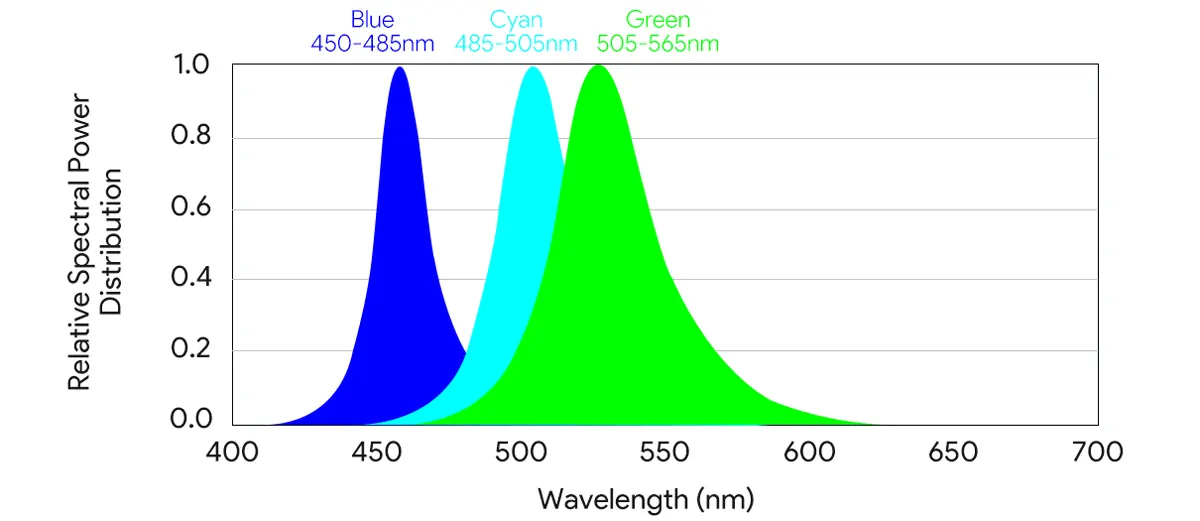
I LED ciano in genere emettono luce all'interno della gamma 485–505nm, posizionati tra LED blu (450–485 nm) e LED verdi (505–565 nm). Questa gamma spettrale crea un effetto di illuminazione visivamente morbido ma altamente vivido che è ampiamente considerato più comodo della luce blu profonda pur rimanendo più energico della luce verde.
Per molti ambienti di illuminazione professionale, il ciano offre un eccellente compromesso tra la percezione della luminosità e il comfort visivo.
| Colore | Lunghezza d'onda (nm) |
| Blu | 450–485 |
| ciano | 485–505 |
| Verde | 505–565 |
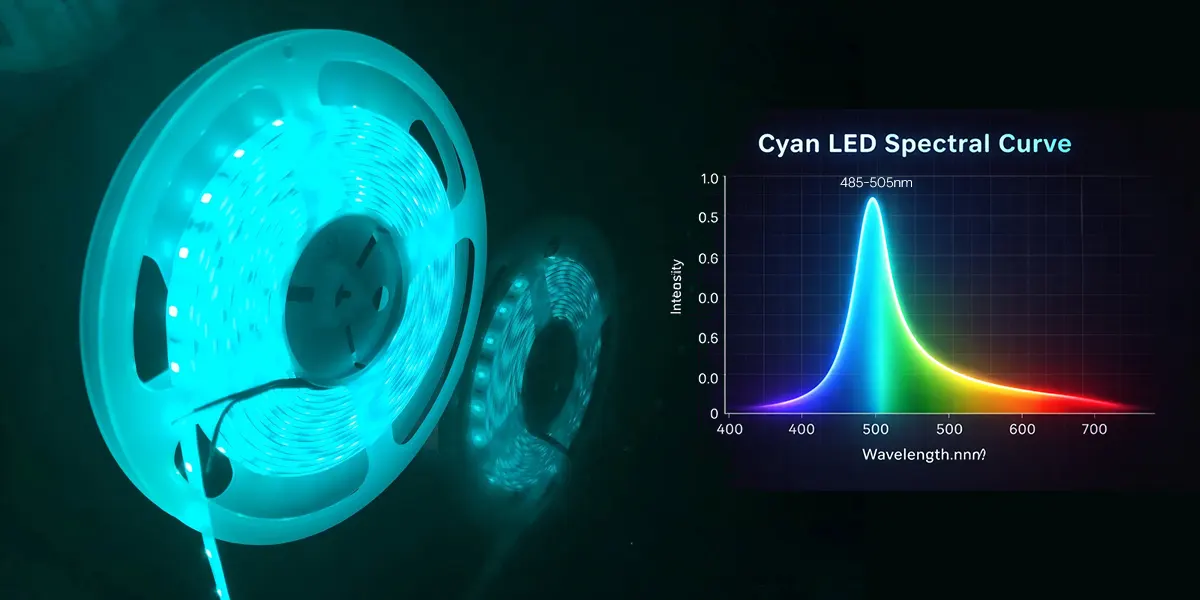
La maggior parte dei LED ciano presenta un picco spettrale intorno a 495 nm, con un tipico mezzo massimo (FWHM) a larghezza intera di circa 20 nm. Una distribuzione spettrale più stretta generalmente fornisce una migliore coerenza della lunghezza d'onda e una resa cromatica più accurata in applicazioni specializzate.
L'analisi della curva spettrale è particolarmente importante per:
- Illuminazione in corallo per acqua
- Sistemi di imaging medico
- illuminazione di laboratorio
- Esperimenti ottici
- Illuminazione architettonica incentrata sull'
Nei progetti professionali, anche piccole differenze di lunghezza d'onda possono influenzare in modo significativo l'output visivo e la risposta biologica.
Perché la lunghezza d'onda ciano è unica
Il ciano occupa una regione di transizione nello spettro visibile in cui la sensibilità dell'occhio umano inizia ad aumentare rispetto alla luce blu profonda. Per questo motivo, i LED ciano appaiono spesso più luminosi all'occhio umano a livelli di potenza simili.
Questa caratteristica offre diversi vantaggi:
- Percezione abbagliante ridotta
- Comfort visivo migliorato
- Illuminazione ambientale più morbida
- Migliore visibilità subacquea
- Risposta fluorescente migliorata in coralli e materiali
A differenza dei LED blu puro che a volte possono apparire eccessivamente aggressivi o faticosi, l'illuminazione ciano offre un'atmosfera visiva più pulita ed equilibrata.
Nella progettazione di illuminazione commerciale, il ciano è spesso associato a:
- Estetica moderna
- Ambienti futuristici
- Ambienti visivi calmi
- Accenti architettonici ad alta tecnologia
- Illuminazione a tema marino
Come il ciano differisce dai LED blu
I LED ciano producono un tono più morbido simile all'alzavola, mentre i LED blu appaiono più profondi, più freddi e più intensi.
Caratteristiche ciano
- Percezione visiva più morbida
- Abbagliamento apparente inferiore
- Migliore comfort per gli occhi in caso di esposizione di lunga durata
- Aspetto subacqueo più naturale
Caratteristiche blu
- contrasto più forte
- Stimolazione visiva più elevata
- Effetto di illuminazione più drammatico
- Aspetto più profondo in stile oceano
Per gli ambienti in cui le persone rimangono sotto illuminazione per lunghi periodi, il ciano è spesso preferito a causa della sua ridotta fatica visiva.
Chip LED comuni utilizzati per i LED ciano
La maggior parte delle luci a LED ciano usa:
- Tecnologia a semiconduttore Ingan (Nitruro di indio)
- Soluzioni a LED convertite al fosforo
- Pacchetti SMD ad alta efficienza
- Tecnologie a luce continua COB
La qualità del chip influisce direttamente:
- precisione della lunghezza d'onda
- consistenza luminosità
- Stabilità termica
- Durata della vita
- Efficienza energetica
- uniformità del colore
I chip LED di qualità superiore generalmente mantengono tolleranze di lunghezza d'onda più strette, che è particolarmente importante per applicazioni scientifiche, acquario e mediche.
I produttori professionisti utilizzano anche:
- PCB in rame multistrato
- Substrati ad alta conduttività termica
- Disegni IC a corrente costante
- Sistemi di binning di precisione
Queste caratteristiche aiutano a mantenere un'uscita ciano stabile per lunghi periodi di funzionamento.
Luce a strisce a LED ciano vs luce blu a LED
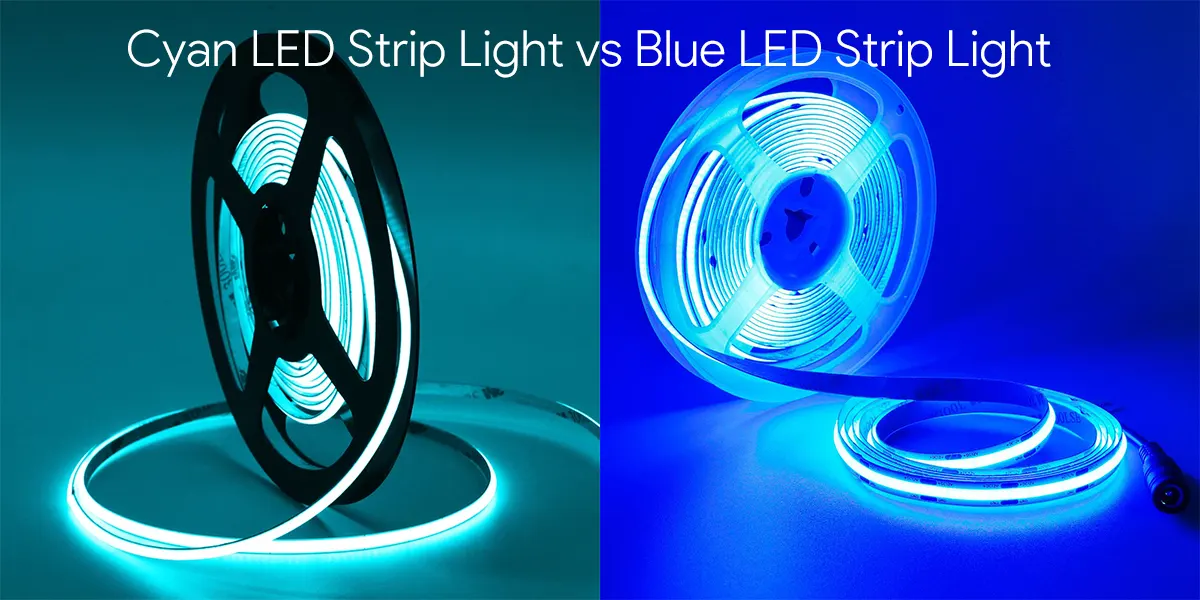
Confronto della lunghezza d'onda
| Tipo di LED | Lunghezza d'onda (nm) | Applicazioni tipiche |
| Blu | 450–485 | Illuminazione della barriera corallina, effetti visivi |
| ciano | 485–505 | Acquario, Illuminazione per ufficio, Accento architettonico |
Differenza visiva
I LED ciano appaiono più morbidi e più vicini ai toni dell'alzavola, mentre i LED blu appaiono più profondi e freddi.
Nelle applicazioni del mondo reale:
- Il ciano crea un'atmosfera ambientale più pulita
- Il blu crea un contrasto più forte e effetti drammatici
La differenza diventa particolarmente evidente negli ambienti interni e nelle superfici riflettenti.
Differenza applicativa
Applicazioni a LED ciano
- Acquari di barriera corallina
- Illuminazione d'accento
- Illuminazione muse
- Illuminazione per ufficio
- Vetrine
- Ambienti di laboratorio
Applicazioni LED blu
- Stimolazione della fotosintesi
- Illuminazione del palcoscenico
- Illuminazione del divertimento
- Effetti visivi adiacenti ai raggi UV
- Simulazione in acque profonde
Efficienza energetica
I LED ciano possono offrire un'efficienza di percezione luminosa leggermente migliorata perché l'occhio umano è più sensibile alle lunghezze d'onda ciano rispetto al blu intenso.
In alcune applicazioni, l'illuminazione ciano può ottenere una luminosità visiva simile con un'abbagliamento percepito inferiore.
Caso di applicazione: LED ciano nell'illuminazione dell'acquario
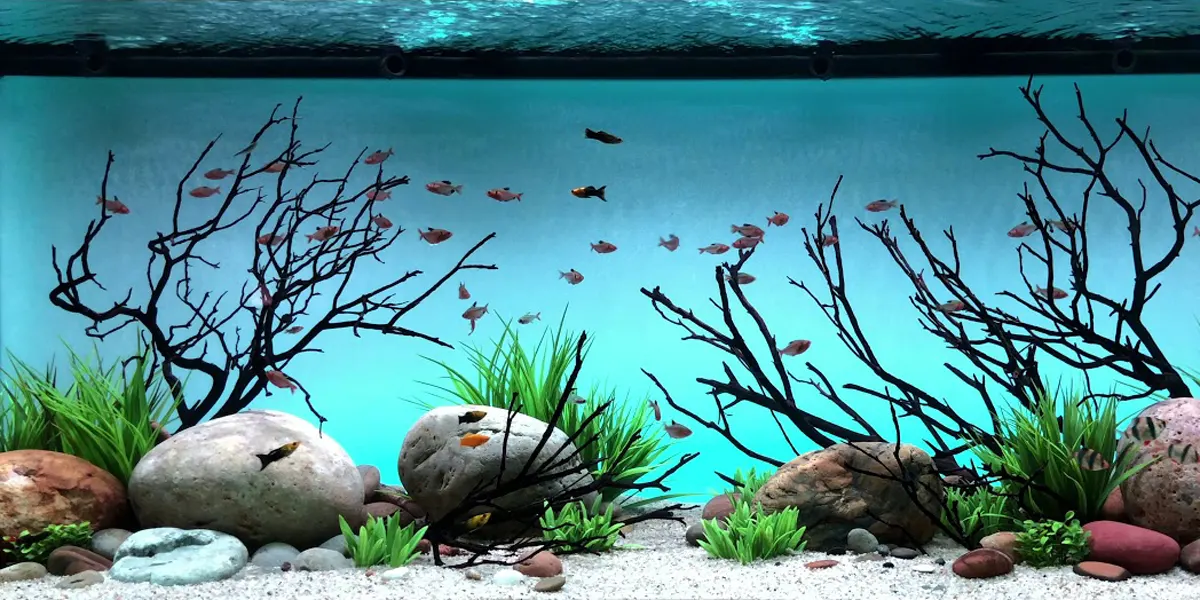
Perché il ciano è essenziale per i serbatoi di barriera corallina
La ricerca sulla biologia marina mostra che le alghe simbiotiche di corallo (zooxantelle) rispondono fortemente alle lunghezze d'onda intorno a 490–500 nm.
Questa regione di lunghezza d'onda contribuisce a:
- Miglioramento della fluorescenza del corallo
- Migliore visibilità del pigmento
- Penetrazione spettrale equilibrata sott'acqua
- Ridotta esposizione blu eccessiva
Nei sistemi di acquario di barriera, la luce ciano viene spesso utilizzata insieme a LED blu e bianchi reali per simulare le condizioni di illuminazione naturale degli oceani.
Esempio di progetto reale
Tipo di progetto: Acquario commerciale di barriera corallina
soluzione illuminante: Sistema LED a spettro completo con canali ciano integrati
risultato:
- Colorazione corallo migliorata
- Pigmenti fluorescenti più vividi
- Ridotto rischio di sbiancamento rispetto all'eccessiva illuminazione blu
- Aspetto visivo più naturale per i visitatori
- Migliore percezione della profondità all'interno dei serbatoi per acqua
Molti progettisti di acquari professionisti ora considerano le lunghezze d'onda ciano un componente importante dei sistemi di illuminazione bilanciati.
Progettazione di spettro consigliata
Per prestazioni di illuminazione ottimali della barriera corallina:
- Blu: 450–485nm → Supporto fotosintesi primario
- ciano: 485–505nm → Bilanciamento spettrale e salute del corallo
- Bianco: miglioramento a spettro completo e aspetto naturale
Questa combinazione replica più da vicino la penetrazione della luce solare naturale attraverso l'acqua di mare.
Rispetto ai sistemi puri blu-pesanti, l'integrazione bilanciata di ciano spesso produce:
- Migliore realismo visivo
- Fluorescenza corallo migliorata
- Minor fatica visiva per gli spettatori
Ulteriori scenari di applicazione LED ciano e abbinamenti di materiali consigliati
Poiché le luci a LED ciano si trovano tra le lunghezze d'onda blu e verdi, creano un equilibrio unico di calma, estetica futuristica e morbidezza visiva.
Nella progettazione luminose pratica, l'illuminazione ciano è spesso combinata con materiali architettonici specifici, trame e ambienti spaziali per massimizzare il suo effetto visivo. Applicazioni diverse possono richiedere diversi obiettivi dell'atmosfera, come migliorare la trasparenza, ridurre l'affaticamento visivo o creare ambienti immersivi in stile subacqueo.
La tabella seguente riassume le comuni applicazioni di luce a strisce a LED ciano, le combinazioni di materiali consigliati e l'atmosfera visiva tipicamente creata in ciascun ambiente.
Guida all'applicazione della luce a strisce a LED ciano
| area di applicazione | Scenario tipico | Effetto visivo di base / Atmosfera | Materiali ed elementi consigliati |
| Commerciale e ufficio | Showroom tecnologici, locali per eSport, negozi di smartphone | Atmosfera futuristica, high-tech, calma | Profili in alluminio, vetro temperato, texture in fibra di carbonio |
| commerciale e al dettaglio | Banchi di gioielli, vetrine di lusso | Trasparenza migliorata, aspetto di tono fresco di alta qualità | Specchio in acciaio inox, vetro ultra chiaro |
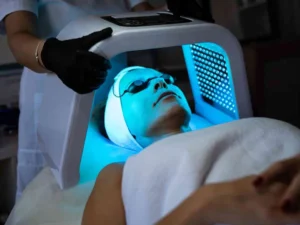
| Medico e Laboratorio | Cliniche dentali, spazi medici, laboratori | Presentazione pulita, professionale e igienica | Marmo bianco, finiture morbide minimaliste |
| Decorazione residenziale | Acquari, spazi a tema subacqueo | Atmosfera oceanica simulata, vivacità cromatica migliorata | Arredamento corallo, elementi marini, acrilico |
| Divertimento residenziale | Home Illuminazione Ambiente, Home Theater | Sollievo dallo stress, atmosfera immersiva | Pareti grigie, superfici di proiezione |
| Sicurezza e navigazione residenziali | Scale, illuminazione di guida del corridoio | Guida visiva, sicurezza notturna | Diffusori in acrilico smerigliato |
| Paesaggio all'aperto | Piscine, fontane, paesaggi acquatici | Estetica acquatica pulita, tono visivo fresco | Piastrelle a mosaico, pietra naturale |
| Architettura all'aperto | Illuminazione del contorno della facciata dell'edificio | Aspetto urbano moderno, estetica futuristica | Parete in vetro |
| Automotive e Industriale | Interni per veicoli, illuminazione sottoscocca | Atmosfera leggera, sportiva e fresca | Pelle, finiture metalliche |
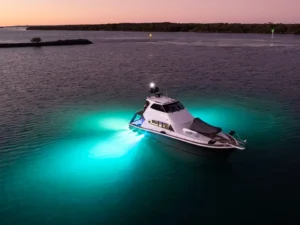
| Marina e Industriale | Interni per barche, illuminazione del ponte | Atmosfera polare, indicazione di sicurezza | Pavimento in legno di teak, acciaio inossidabile |
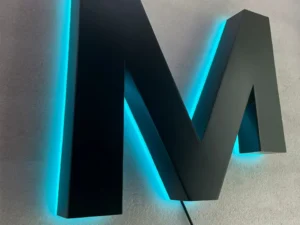
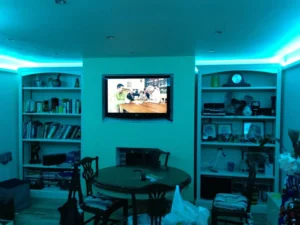

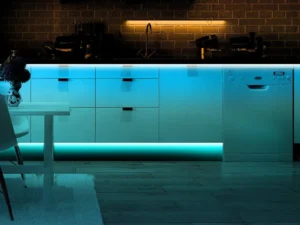
Perché l'illuminazione ciano funziona così bene negli spazi moderni
Uno dei motivi per cui l'illuminazione a LED ciano è diventata sempre più popolare è la sua capacità di creare contemporaneamente effetti visivi tecnologici e calmanti.
Rispetto ai tradizionali LED blu, l'illuminazione ciano si sente:
- più morbido all'occhio umano
- Più premium negli ambienti commerciali
- Più naturale nelle simulazioni subacquee
- Meno visivamente aggressivo durante l'esposizione a lungo termine
In molti progetti di illuminazione professionale, il ciano viene ora utilizzato come colore ambientale di transizione tra l'illuminazione funzionale bianca e gli effetti RGB decorativi.
Fattori da considerare quando si sceglie lampade a strisce a LED in ciano
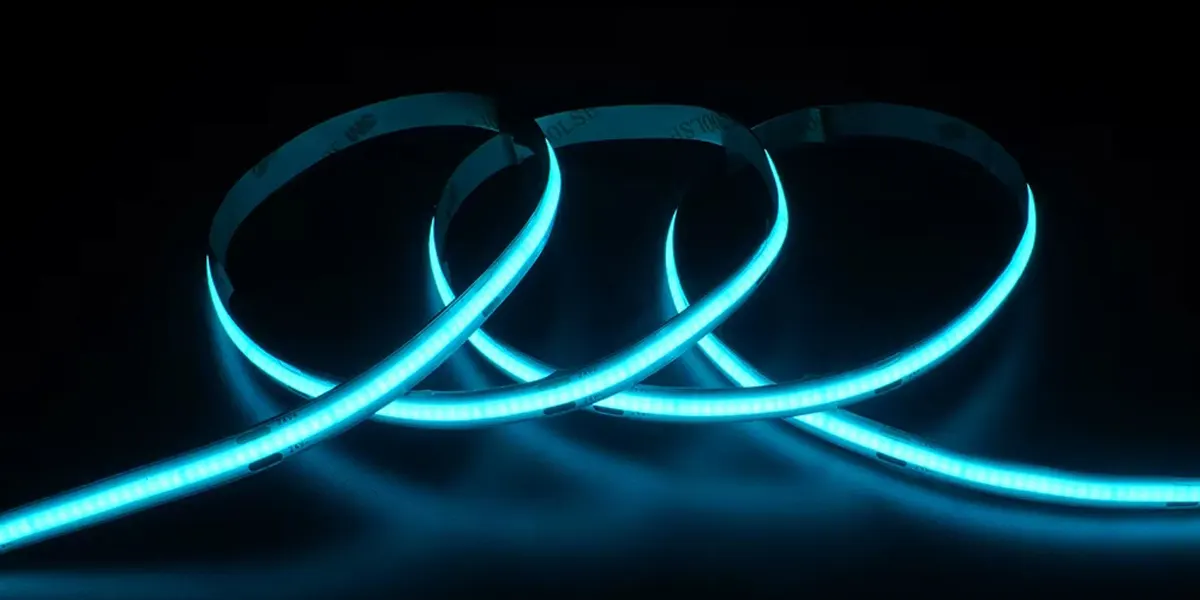
La selezione della striscia LED ciano destra comporta più della scelta di una lunghezza d'onda. I fattori importanti includono:
1. Consistenza della lunghezza d'onda
Le applicazioni professionali richiedono una stretta tolleranza alla lunghezza d'onda per garantire la coerenza visiva.
2 Qualità PCB
I PCB di rame più spessi migliorano:
- Dissipazione del calore
- Durata della vita
- Stabilità attuale
3. Densità LED
La densità LED più elevata crea:
- Illuminazione più liscia
- Visibilità ridotta degli hotspot
- Migliori effetti di luce lineare
4. Gestione termica
La dissipazione del calore efficiente è fondamentale per mantenere la stabilità della lunghezza d'onda e l'affidabilità a lungo termine.
Produttore di luci a strisce a LED in ciano personalizzate
Cerchi un fornitore affidabile di strisce LED ciano personalizzate? SignLiteled specializza nella fornitura di soluzioni LED COB di alta qualità e soluzioni SMD Strip LED con anni di esperienza nel design, sviluppo e produzione. Aiutiamo i clienti a creare strisce LED ciano su misura che soddisfino i requisiti precisi del progetto.
La nostra caratteristica di strisce LED ciano personalizzate:
- Opzioni di lunghezza d'onda: completamente personalizzabile entro 485–505 nm per toni precisi di ciano
- Opzioni larghezza PCB: 8–12 mm
- Protezione impermeabile: da IP20 a IP68
- Servizi OEM e ODM
- Supporto per imballaggio ed etichettatura personalizzato
- Opzioni di densità multipla a LED
- Soluzioni di alimentazione e controllo personalizzate
Sia che tu abbia bisogno Strisce LED COB Per un'illuminazione senza soluzione di continuità o Strisce LED SMD Per installazioni flessibili, SignLiteled può fornire soluzioni professionali su misura per i requisiti del tuo progetto.

Conclusione
Le luci a LED ciano occupano una posizione specializzata ma sempre più importante tra le lunghezze d'onda della luce blu e verde, tipicamente all'interno della gamma 485–505 nm. Le loro caratteristiche spettrali equilibrate le rendono molto preziose in acquari, laboratori scientifici, sistemi di imaging medico e ambienti di illuminazione architettonica.
Comprendere le caratteristiche delle lunghezze d'onda ciano, le tecnologie dei chip, la gestione termica e i requisiti applicativi aiutano a garantire prestazioni di illuminazione ottimali e affidabilità a lungo termine.
Mentre le applicazioni di illuminazione professionali continuano a evolversi, la tecnologia LED Cyan dovrebbe svolgere un ruolo crescente sia nei sistemi di illuminazione funzionali che decorativi.
Domande frequenti
Post correlati