Tiếng Việt
  English
  简体中文
简体中文  Deutsch
  Español
  Français
  Italiano
  日本語
日本語  한국어
한국어  Polski
  Português
  Русский
  Türkçe
  Nederlands
  ไทย
ไทย 
Đèn dải LED Cyan thường hoạt động trong phạm vi bước sóng 485–505nm (nanometer). Trong những năm gần đây, Cyan LED Lighting ngày càng được chú ý trên các ánh sáng hồ cá, chiếu sáng kiến trúc, chiếu sáng y tế, nghiên cứu khoa học và các ứng dụng chiếu sáng thương mại chuyên biệt.
So với đèn LED xanh dương hoặc xanh lá cây truyền thống, đèn LED lục lam chiếm một vùng quang phổ độc đáo mang đến trải nghiệm hình ảnh cân bằng và các hiệu ứng sinh học chuyên biệt. Phạm vi bước sóng trung gian này có thể ảnh hưởng đến sự thoải mái thị giác của con người, sự thâm nhập của ánh sáng dưới nước, phản ứng huỳnh quang của san hô và thậm chí cả độ chính xác của hình ảnh trong môi trường khoa học.
Bài viết này khám phá mọi thứ từ bước sóng dải LED Cyan, đặc tính quang phổ, ứng dụng công nghiệp, công nghệ chip, thông số kỹ thuật sản phẩm và hướng dẫn lựa chọn chuyên nghiệp.
Bước sóng của đèn dải LED lục lam là gì?
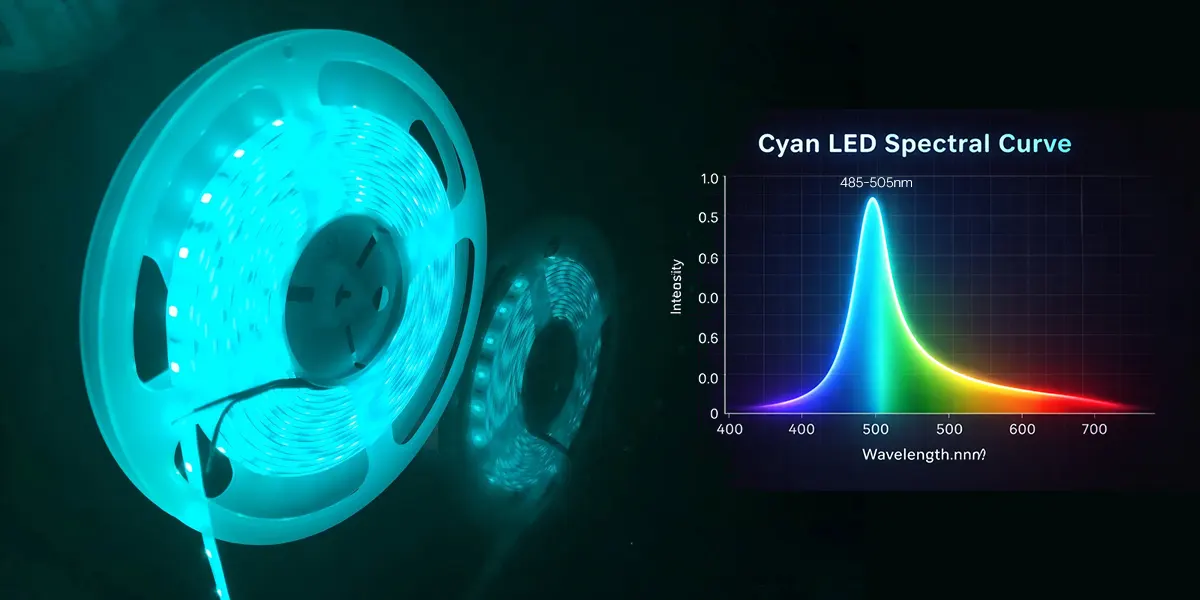
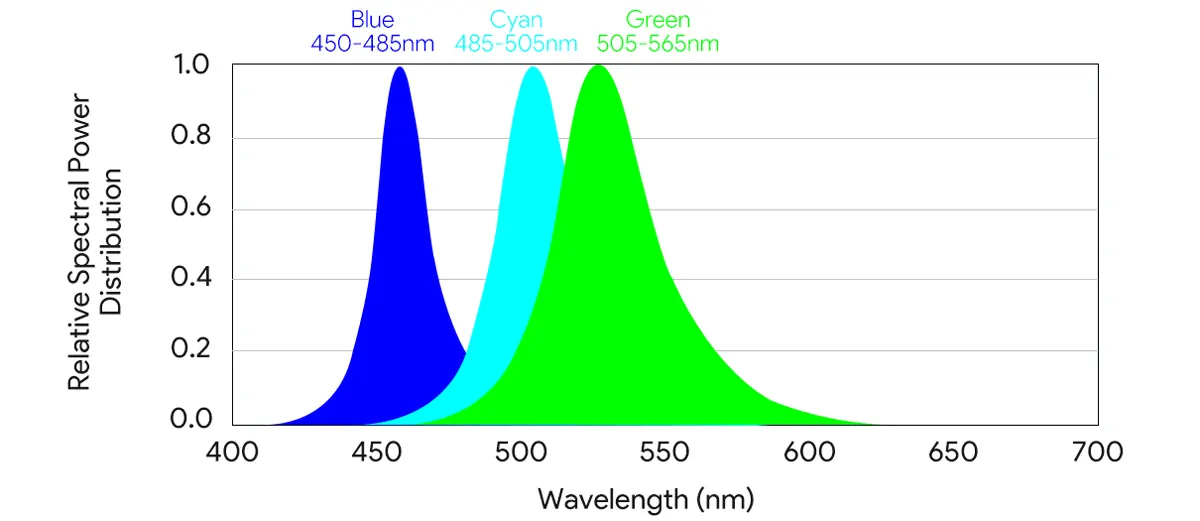
Đèn LED lục lam thường phát ra ánh sáng trong phạm vi 485–505nm, được đặt giữa đèn LED màu xanh lam (450–485nm) và đèn LED xanh lục (505–565nm). Phạm vi quang phổ này tạo ra hiệu ứng ánh sáng trực quan mềm mại nhưng có độ sống động cao, được coi là thoải mái hơn ánh sáng xanh lam trong khi vẫn còn năng lượng hơn ánh sáng xanh.
Đối với nhiều môi trường ánh sáng chuyên nghiệp, Cyan cung cấp sự thỏa hiệp tuyệt vời giữa nhận thức độ sáng và sự thoải mái về thị giác.
| màu da | bước sóng (nm) |
| sắc xanh | 450–485 |
| lục ngọc lục bảo | 485–505 |
| xanh | 505–565 |
Hầu hết các đèn LED màu lục lam thể hiện đỉnh quang phổ khoảng 495nm, với nửa cực đại điển hình (FWHM) khoảng 20nm. Phân bố quang phổ hẹp hơn thường cung cấp tính nhất quán bước sóng tốt hơn và hiển thị màu chính xác hơn trong các ứng dụng chuyên biệt.
Phân tích đường cong quang phổ đặc biệt quan trọng đối với:
- Chiếu sáng san hô hồ cá
- Hệ thống hình ảnh y tế
- chiếu sáng trong phòng thí nghiệm
- Thí nghiệm quang học
- Chiếu sáng kiến trúc lấy con người làm trung tâm
Trong các dự án chuyên nghiệp, ngay cả sự khác biệt về bước sóng nhỏ cũng có thể ảnh hưởng đáng kể đến đầu ra trực quan và phản ứng sinh học.
Tại sao bước sóng màu lục lam là duy nhất
Cyan chiếm một vùng chuyển tiếp trong quang phổ có thể nhìn thấy được nơi độ nhạy của mắt người bắt đầu tăng lên so với ánh sáng xanh lam đậm. Do đó, đèn LED lục lam thường sáng hơn mắt người ở mức công suất tương tự.
Đặc điểm này mang lại một số lợi thế:
- Giảm cảm nhận chói
- Cải thiện sự thoải mái thị giác
- ánh sáng xung quanh nhẹ nhàng hơn
- Tầm nhìn dưới nước tốt hơn
- Tăng cường phản ứng huỳnh quang trong san hô và vật liệu
Không giống như đèn LED màu xanh lam tinh khiết đôi khi có thể xuất hiện quá khắc nghiệt hoặc mệt mỏi, Cyan Lighting mang đến một bầu không khí thị giác sạch sẽ và cân bằng hơn.
Trong thiết kế chiếu sáng thương mại, Cyan thường được kết hợp với:
- Thẩm mỹ hiện đại
- môi trường tương lai
- Môi trường trực quan yên tĩnh
- Điểm nhấn kiến trúc công nghệ cao
- Chiếu sáng theo chủ đề biển
Cyan khác với đèn LED xanh như thế nào
Đèn LED lục lam tạo ra một tông màu giống như màu xanh mòng két, trong khi đèn LED màu xanh xuất hiện sâu hơn, lạnh hơn và mạnh hơn.
đặc điểm lục lam
- Nhận thức trực quan nhẹ nhàng hơn
- Hạ thấp ánh sáng rõ ràng
- Thoải mái cho mắt tốt hơn khi tiếp xúc lâu dài
- Hình dáng dưới nước tự nhiên hơn
Đặc điểm màu xanh
- Tương phản mạnh hơn
- Kích thích thị giác cao hơn
- Hiệu ứng ánh sáng ấn tượng hơn
- Hình dáng phong cách đại dương sâu hơn
Đối với môi trường mà mọi người vẫn ở dưới ánh sáng trong thời gian dài, màu lục lam thường được ưu tiên hơn do giảm mệt mỏi về thị giác.
Chip LED phổ biến được sử dụng cho đèn LED Cyan
Hầu hết các đèn LED Cyan sử dụng:
- Ingan (Indium gallium nitride) Công nghệ bán dẫn
- Giải pháp LED chuyển đổi phosphor
- Gói đèn LED SMD hiệu quả cao
- Công nghệ ánh sáng liên tục COB
Chất lượng chip ảnh hưởng trực tiếp:
- Độ chính xác của bước sóng
- Độ sáng nhất quán
- Ổn định nhiệt
- tính mạng
- Hiệu quả năng lượng
- màu sắc đồng nhất
Chip LED cấp cao hơn thường duy trì dung sai bước sóng chặt chẽ hơn, điều này đặc biệt quan trọng đối với các ứng dụng khoa học, bể cá và y tế.
Các nhà sản xuất chuyên nghiệp cũng sử dụng:
- PCB đồng nhiều lớp
- Chất nền dẫn nhiệt cao
- Thiết kế IC hiện tại không đổi
- Hệ thống đóng thùng chính xác
Các tính năng này giúp duy trì đầu ra màu lục lam ổn định trong thời gian dài hoạt động.
Đèn LED Cyan LED so với đèn LED màu xanh lam
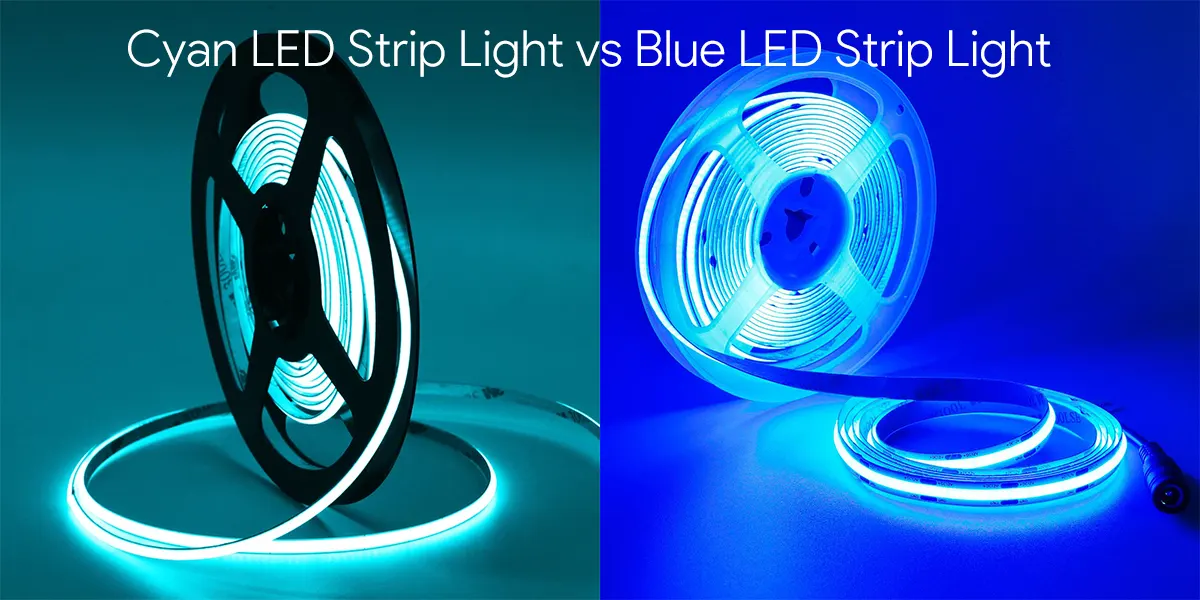
So sánh bước sóng
| Loại đèn LED | bước sóng (nm) | Ứng dụng điển hình |
| sắc xanh | 450–485 | Rạn san hô, hiệu ứng hình ảnh |
| lục ngọc lục bảo | 485–505 | Thủy cung, ánh sáng văn phòng, điểm nhấn kiến trúc |
Sự khác biệt trực quan
Đèn LED lục lam xuất hiện nhẹ nhàng hơn và gần hơn với tông màu xanh mòng két, trong khi đèn LED màu xanh lam xuất hiện sâu hơn và mát hơn.
Trong các ứng dụng thực tế:
- Cyan tạo ra một bầu không khí xung quanh sạch hơn
- Màu xanh lam tạo ra sự tương phản mạnh mẽ hơn và hiệu ứng ấn tượng
Sự khác biệt trở nên đặc biệt đáng chú ý trong môi trường trong nhà và bề mặt phản chiếu.
Sự khác biệt ứng dụng
Ứng dụng LED Cyan
- bể cá rạn san hô
- ánh sáng điểm nhấn kiến trúc
- Bảo tàng ánh sáng
- đèn chiếu sáng văn phòng
- tủ trưng bày
- Môi trường phòng thí nghiệm
Ứng dụng LED màu xanh
- Kích thích quang hợp
- sự chiếu sáng sân khấu
- Chiếu sáng giải trí
- Hiệu ứng hình ảnh liền kề UV
- Mô phỏng nước sâu
Hiệu quả năng lượng
Đèn LED lục lam có thể mang lại hiệu quả nhận thức sáng được cải thiện một chút vì mắt người nhạy cảm hơn với bước sóng màu lục lam so với màu xanh lam đậm.
Trong một số ứng dụng, ánh sáng màu lục lam có thể đạt được độ sáng trực quan tương tự với độ chói thấp hơn.
Trường hợp ứng dụng: Cyan LED trong ánh sáng hồ cá
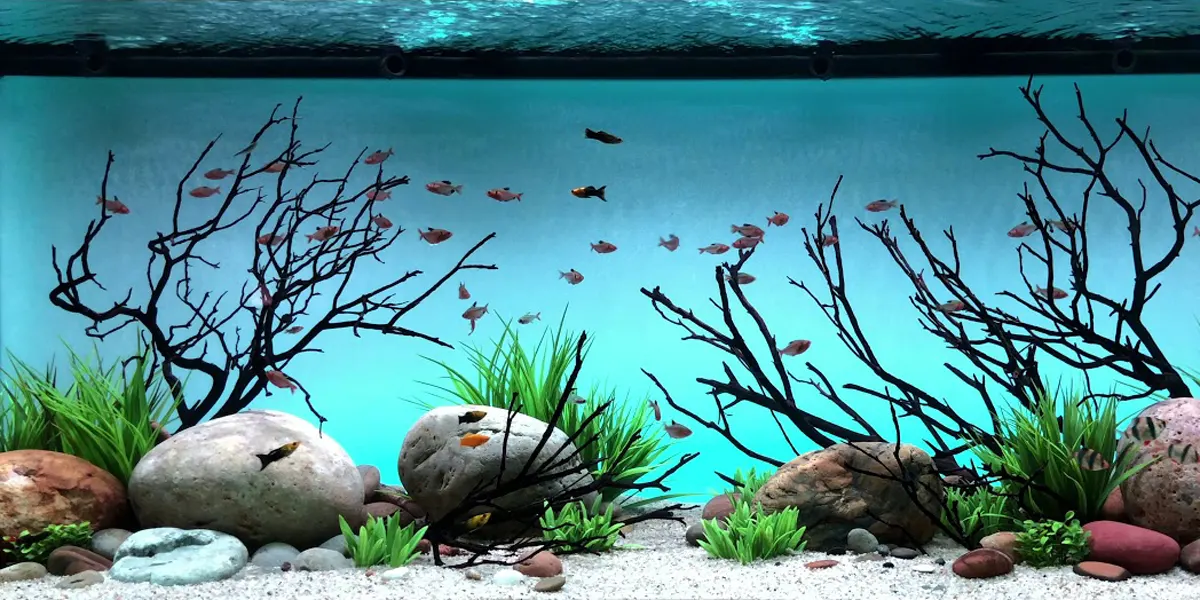
Tại sao Cyan rất cần thiết cho bể san hô
Nghiên cứu sinh học biển cho thấy tảo cộng sinh san hô (zooxanthellae) phản ứng mạnh với bước sóng khoảng 490–500nm.
Vùng bước sóng này góp phần:
- Tăng cường huỳnh quang san hô
- Cải thiện khả năng hiển thị sắc tố
- Thâm nhập phổ cân bằng dưới nước
- Giảm tiếp xúc quá mức màu xanh lam
Trong hệ thống bể cá REEF, Cyan Light thường được sử dụng cùng với đèn LED màu xanh và trắng hoàng gia để mô phỏng điều kiện ánh sáng đại dương tự nhiên.
Ví dụ dự án thực
Loại dự án: Thủy cung rạn san hô thương mại
giải pháp: Hệ thống LED toàn phổ với các kênh Cyan tích hợp
kết quả:
- Cải thiện màu san hô
- sắc tố huỳnh quang sống động hơn
- Giảm nguy cơ tẩy trắng so với ánh sáng xanh quá mức
- Hình ảnh trực quan tự nhiên hơn cho du khách
- Nhận thức độ sâu tốt hơn bên trong bể cá cảnh
Nhiều nhà thiết kế bể cá chuyên nghiệp hiện nay coi bước sóng màu lục lam là một thành phần quan trọng của hệ thống chiếu sáng rạn san hô cân bằng.
Thiết kế phổ khuyến nghị
Để có hiệu suất chiếu sáng rạn san hô tối ưu:
- sắc xanh: 450–485nm → Hỗ trợ quang hợp sơ cấp
- lục ngọc lục bảo: 485–505nm → Cân bằng quang phổ và sức khỏe san hô
- trong trắng: Tăng cường toàn phổ và vẻ ngoài tự nhiên
Sự kết hợp này tái tạo chặt chẽ hơn sự thâm nhập của ánh sáng mặt trời tự nhiên qua nước biển.
So với các hệ thống nặng màu xanh lam thuần túy, tích hợp màu xanh lam cân bằng thường tạo ra:
- Chủ nghĩa hiện thực trực quan tốt hơn
- Cải thiện huỳnh quang san hô
- Giảm mệt mỏi cho người xem
Các tình huống ứng dụng LED Cyan được đề xuất bổ sung và ghép nối vật liệu
Bởi vì đèn dải LED màu xanh nằm giữa các bước sóng màu xanh lam và xanh lá cây, chúng tạo ra sự cân bằng độc đáo của sự bình tĩnh, thẩm mỹ tương lai và sự mềm mại về thị giác.
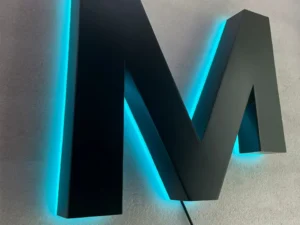
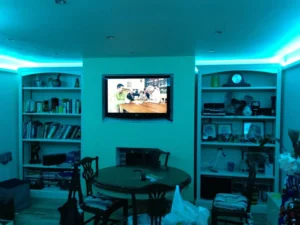
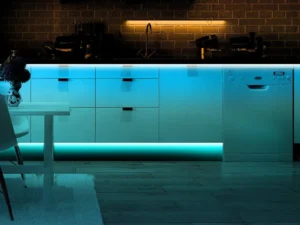
Trong thiết kế ánh sáng thực tế, Cyan Lighting thường được kết hợp với các vật liệu kiến trúc, kết cấu và môi trường không gian cụ thể để phát huy tối đa hiệu ứng thị giác của nó. Các ứng dụng khác nhau có thể yêu cầu các mục tiêu khác nhau của bầu không khí, chẳng hạn như tăng cường độ trong suốt, giảm sự mệt mỏi thị giác hoặc tạo ra môi trường sống dưới nước phong cách sống động.
Bảng sau đây tóm tắt các ứng dụng ánh sáng dải LED màu lục lam phổ biến, các kết hợp vật liệu được khuyến nghị và bầu không khí trực quan thường được tạo ra trong mỗi môi trường.
Hướng dẫn ứng dụng ánh sáng dải LED Cyan
| khu vực ứng dụng | Kịch bản điển hình | Hiệu ứng hình ảnh cốt lõi / bầu không khí | Vật liệu & yếu tố được đề xuất |
| Thương mại & Văn phòng | Phòng trưng bày công nghệ, địa điểm thể thao điện tử, cửa hàng điện thoại thông minh | Tương lai, công nghệ cao, bầu không khí yên tĩnh | Cấu hình nhôm, kính cường lực, kết cấu sợi carbon |
| Thương mại & Bán lẻ | quầy trang sức, trưng bày sang trọng | Tăng cường độ trong suốt, ngoại hình tông màu lạnh cao cấp | Gương thép không gỉ, kính siêu trong |
| Y tế & Phòng thí nghiệm | Phòng khám nha khoa, phòng khám, phòng thí nghiệm | Trình bày sạch sẽ, chuyên nghiệp, hợp vệ sinh | Đá cẩm thạch trắng, tối giản hoàn thiện mềm |
| trang trí dân cư | Thủy cung, không gian theo chủ đề dưới nước | mô phỏng bầu không khí đại dương, màu sắc sống động tăng cường | Trang trí san hô, các yếu tố biển, acrylic |
| Giải trí dân cư | ánh sáng xung quanh nhà, rạp hát gia đình | Giảm căng thẳng, không khí đắm chìm | Tường xám, bề mặt chiếu |
| An toàn & Điều hướng Khu dân cư | Cầu thang, chiếu sáng hành lang | Hướng dẫn trực quan, an toàn vào ban đêm | Máy khuếch tán acrylic mờ |
| Cảnh quan ngoài trời | Bể bơi, đài phun nước, cảnh quan | Làm sạch thẩm mỹ thủy sinh, tông màu mát mắt | Gạch mosaic, đá tự nhiên |
| Kiến trúc ngoài trời | ánh sáng đường viền mặt tiền tòa nhà | Ngoại hình hiện đại, thẩm mỹ tương lai | tường rèm kính |
| Ô tô & Công nghiệp | Nội thất xe, đèn chiếu sáng gầm xe | Không khí nhẹ nhàng, thể thao, mát mẻ | Da, kim loại trang trí |
| Hàng hải & công nghiệp | Nội thất thuyền, chiếu sáng boong | Bầu không khí kiểu cực, chỉ báo an toàn | Sàn gỗ teak, Inox |

Tại sao Cyan Lighting hoạt động tốt trong không gian hiện đại
Một lý do khiến ánh sáng LED Cyan ngày càng trở nên phổ biến là khả năng tạo ra cả hiệu ứng công nghệ và làm dịu hình ảnh đồng thời.
So với đèn LED màu xanh truyền thống, Cyan Lighting cảm thấy:
- mềm mại hơn đối với mắt người
- cao cấp hơn trong môi trường thương mại
- Tự nhiên hơn trong mô phỏng dưới nước
- Ít gây hấn trực quan khi tiếp xúc lâu dài
Trong nhiều dự án chiếu sáng chuyên nghiệp, Cyan hiện nay được sử dụng như một màu môi trường chuyển tiếp giữa ánh sáng chức năng trắng và hiệu ứng RGB trang trí.
Các yếu tố cần xem xét khi chọn đèn dải LED Cyan
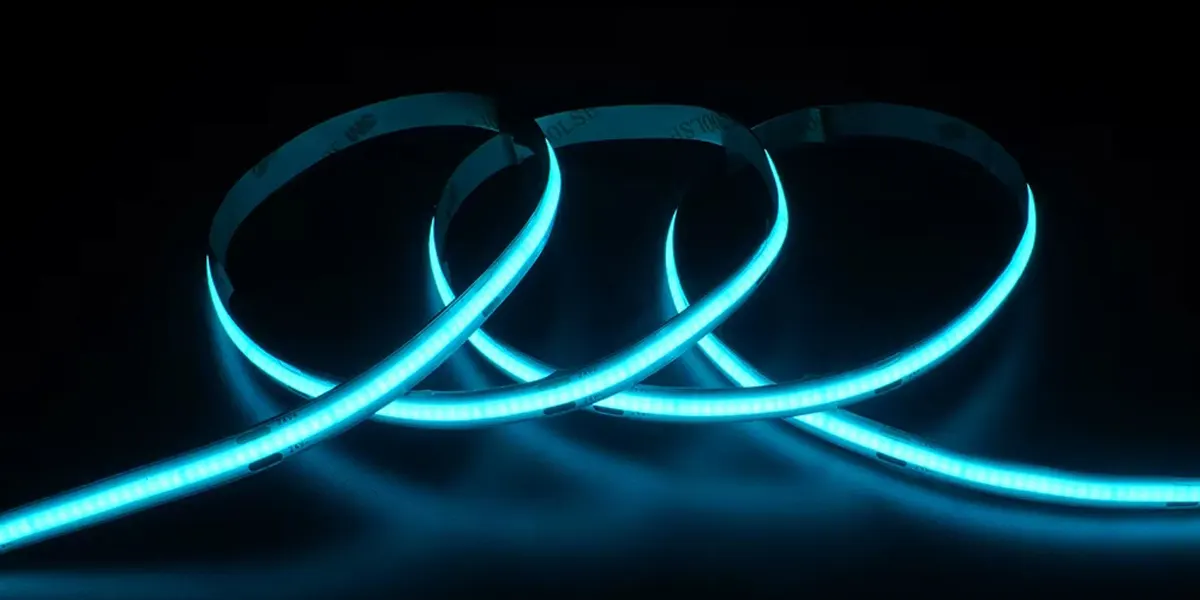
Việc chọn dải LED màu lục lam phù hợp liên quan đến nhiều hơn việc chọn bước sóng. Các yếu tố quan trọng bao gồm:
1. Độ nhất quán của bước sóng
Các ứng dụng chuyên nghiệp yêu cầu dung sai bước sóng chặt chẽ để đảm bảo tính nhất quán trực quan.
2 .Chất lượng PCB
PCB đồng dày hơn cải thiện:
- tản nhiệt
- tính mạng
- Ổn định hiện tại
3. Mật độ LED
Mật độ LED cao hơn tạo ra:
- Chiếu sáng mượt mà hơn
- Giảm khả năng hiển thị điểm phát sóng
- Hiệu ứng ánh sáng tuyến tính tốt hơn
4. Quản lý nhiệt
Tản nhiệt hiệu quả là rất quan trọng để duy trì độ ổn định của bước sóng và độ tin cậy lâu dài.
Nhà sản xuất đèn LED Cyan tùy chỉnh
Tìm kiếm một nhà cung cấp dải đèn LED Cyan tùy chỉnh đáng tin cậy? Signiteled chuyên cung cấp các giải pháp LED Dải COB và Dải LED SMD chất lượng cao với nhiều năm kinh nghiệm trong thiết kế, phát triển và sản xuất. Chúng tôi giúp khách hàng tạo ra các dải LED màu lục lam được thiết kế riêng, đáp ứng các yêu cầu chính xác của dự án.
Tính năng dải LED Cyan tùy chỉnh của chúng tôi:
- Tùy chọn bước sóng: Hoàn toàn có thể tùy chỉnh trong vòng 485–505nm cho âm lục lam chính xác
- Tùy chọn chiều rộng PCB: 8–12 mm
- Chống thấm nước: IP20 đến IP68
- Dịch vụ OEM và ODM
- Hỗ trợ đóng gói và dán nhãn tùy chỉnh
- Nhiều tùy chọn mật độ LED
- Giải pháp điều khiển và quyền lực tùy chỉnh
Cho dù bạn yêu cầu Dải LED COB để chiếu sáng liền mạch hoặc dải đèn LED SMD Đối với các cài đặt linh hoạt, Signelited có thể cung cấp các giải pháp chuyên nghiệp phù hợp với yêu cầu dự án của bạn.

Phần kết luận
Đèn dải LED Cyan chiếm vị trí chuyên biệt nhưng ngày càng quan trọng giữa bước sóng ánh sáng xanh lam và xanh lục, thường nằm trong phạm vi 485–505nm. Đặc điểm quang phổ cân bằng của chúng làm cho chúng có giá trị cao trong bể cá, phòng thí nghiệm khoa học, hệ thống hình ảnh y tế và môi trường chiếu sáng kiến trúc.
Hiểu được đặc tính bước sóng Cyan, công nghệ chip, quản lý nhiệt, và các yêu cầu ứng dụng giúp đảm bảo hiệu suất chiếu sáng tối ưu và độ tin cậy lâu dài.
Khi các ứng dụng chiếu sáng chuyên nghiệp tiếp tục phát triển, công nghệ LED Cyan được kỳ vọng sẽ đóng một vai trò ngày càng tăng trong cả hệ thống chiếu sáng chức năng và trang trí.
hỏi Ẩn
Bài viết liên quan