Tiếng Việt
  English
  简体中文
简体中文  Deutsch
  Español
  Français
  Italiano
  日本語
日本語  한국어
한국어  Polski
  Português
  Русский
  Türkçe
  Nederlands
  ไทย
ไทย 
Bạn đã đầu tư vào một bảng hiệu đèn LED neon tuyệt đẹp cho mặt tiền cửa hàng, cửa sổ nhà hàng hoặc dự án xây dựng của bạn. Sáu tháng sau, màu trắng tinh khiết hoặc màu sắc rực rỡ một thời đã trở nên xỉn màu, âm u và vàng úa. Nếu tình huống này nghe có vẻ quen thuộc, bạn đã gặp phải một trong những vấn đề phổ biến nhất — và khó chịu — với các biển báo đèn LED ngoài trời: ố vàng. Nguyên nhân chính của ố vàng là sự xuống cấp của vật liệu đóng gói PVC ngoài trời Biển báo đèn LED khi tiếp xúc với tia UV.
Đối với các chủ doanh nghiệp, nhà thầu ký tên và nhà thiết kế ánh sáng, việc ố vàng không chỉ là một vấn đề thẩm mỹ. Nó làm hỏng hình ảnh thương hiệu, giảm khả năng hiển thị vào ban đêm và dẫn đến việc thay thế tốn kém, không cần thiết. Tuy nhiên, đại đa số người mua không hỏi câu hỏi quan trọng này cho đến khi quá muộn: ống neon của tôi thực sự được làm bằng chất liệu gì?
Câu trả lời cho câu hỏi này quyết định liệu đèn neon của bạn sẽ sáng và mới trong hơn năm năm hay chuyển sang màu vàng và không sử dụng được chỉ trong một mùa hè. Bài viết này sẽ tìm hiểu nguyên nhân gây ố vàng, so sánh vật liệu PVC và silicone neon, đồng thời cung cấp kiến thức kỹ thuật cần thiết để đưa ra lựa chọn đúng đắn và đảm bảo biển báo ngoài trời của bạn kéo dài trong nhiều năm tới.
Khoa học đằng sau ố vàng

Vàng không chỉ là một vấn đề xui xẻo mà còn là một phản ứng hóa học. Hiểu được nguyên nhân gốc rễ có thể giúp bạn ngăn chặn nó một cách hiệu quả.
1. Tiếp xúc với tia cực tím: Ánh sáng mặt trời là thủ phạm
Ống neon LED ngoài trời thường xuyên tiếp xúc với bức xạ tia cực tím (UV) dưới ánh sáng mặt trời. Theo thời gian, tia UV phá vỡ cấu trúc phân tử của nhiều loại nhựa, kích hoạt một quá trình được gọi là phân hủy quang học. Điều này tạo ra các gốc tự do tấn công chuỗi polyme, làm thay đổi cấu trúc vật lý và hóa học của vật liệu.
Sự xuống cấp này đặc biệt nghiêm trọng đối với ống neon dựa trên PVC. Khi các phân tử PVC hấp thụ năng lượng UV, phản ứng khử hydro clo hóa xảy ra - các chuỗi polyme mất hydro clorua. Điều này tạo thành một cấu trúc polyene liên hợp hấp thụ ánh sáng nhìn thấy, làm cho màu của vật liệu chuyển từ màu vàng nhạt sang nâu và cuối cùng là màu đen.
2. Nhiệt và chạy xe hơi nhiệt
Nó không chỉ là ánh sáng mặt trời. Các công trình lắp đặt ngoài trời trải qua những biến động nhiệt độ hàng ngày — từ những buổi chiều mùa hè nóng nực đến những đêm mát mẻ. Vật liệu chất lượng thấp có tốc độ giãn nở và co lại không nhất quán, làm suy yếu ma trận polyme. Nhiệt làm tăng tốc độ oxy hóa, và khi kết hợp với tiếp xúc với tia cực tím, hiệu ứng phân hủy được khuếch đại theo cấp số nhân.
3. Chất ô nhiễm môi trường
Các khu công nghiệp, sương mù muối ven biển, khí thải xe cộ, thậm chí cả ôzôn có thể đẩy nhanh quá trình ố vàng. PVC đặc biệt dễ bị xói mòn hóa học, phản ứng với một số chất làm sạch, dầu và các chất ô nhiễm trong không khí.
4. Vật liệu không đạt tiêu chuẩn và phụ gia
Không phải tất cả các “ống neon” đều được tạo ra như nhau. Các nhà sản xuất giá rẻ thường sử dụng chất ổn định bằng nhựa tái chế hoặc UV. Một số công thức PVC ngân sách thậm chí còn chứa các chất phụ gia thực sự đẩy nhanh quá trình ố vàng - một chi phí ẩn chỉ trở nên rõ ràng vài tháng sau đó.
PVC vs. Silicone: một cuộc đấu tranh vật liệu
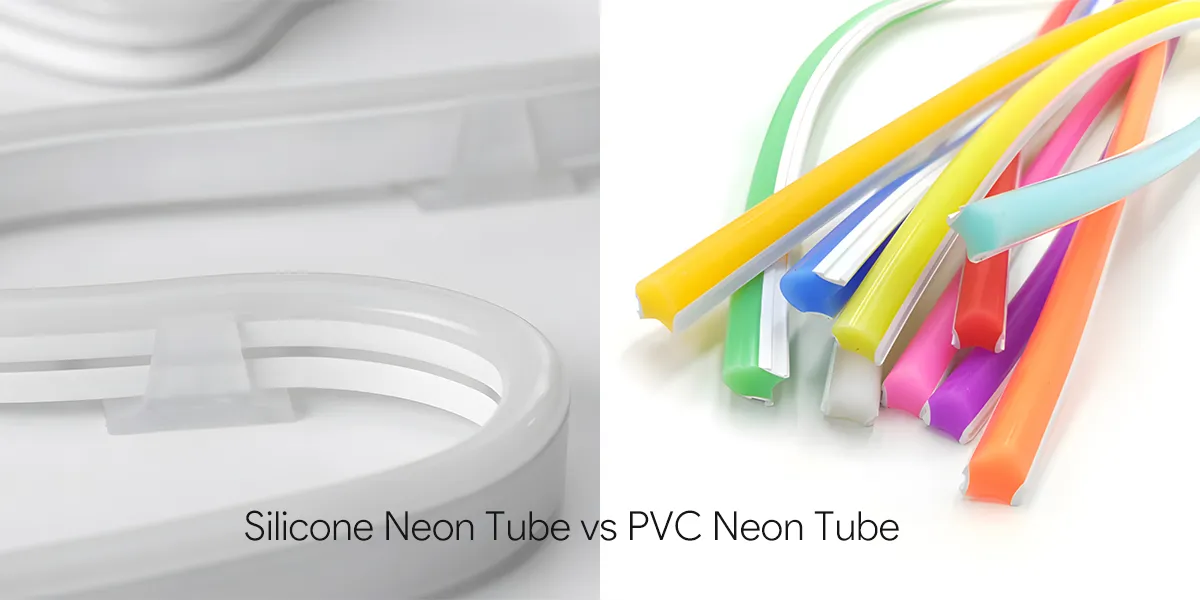
yếu tố quan trọng nhất quyết định liệu bạn Biển báo đèn LED ngoài trời Màu vàng sẽ là vật liệu đóng gói. Trên thị trường có hai chất liệu chính là PVC và silicone. Đặc điểm hiệu suất của chúng là thế giới khác nhau.
Ống PVC Neon: Rẻ nhưng với chi phí ẩn
Polyvinyl clorua (PVC) được sử dụng rộng rãi vì nó không tốn kém và đơn giản để ép đùn. Tuy nhiên, cấu trúc phân tử của nó làm cho nó vốn dĩ dễ bị tổn thương trong môi trường ngoài trời.
Chuỗi polymer PVC chứa nguyên tử clo. Khi tiếp xúc với tia UV hoặc nhiệt, phản ứng khử hydro clo hóa xảy ra, tạo ra các liên kết đôi liên hợp để hấp thụ ánh sáng nhìn thấy và gây ra vàng. Một khi quá trình này bắt đầu, nó không thể đảo ngược và tự tăng tốc.
Ống neon silicone: được thiết kế cho độ bền ngoài trời
Silicone về cơ bản là khác nhau: nó dựa trên xương sống silicon-oxy (Si-O-Si), một trong những cấu trúc hóa học ổn định nhất được biết đến. Điều này cung cấp khả năng chống tia cực tím tự nhiên mà PVC đơn giản không thể sánh được.
Ống neon silicon chất lượng cao từ các nhà sản xuất như Signited sử dụng silicone được bảo dưỡng bằng bạch kim, mang lại những ưu điểm sau:
- Khả năng chống tia cực tím và nhiệt tuyệt vời
- Đủ linh hoạt để thích ứng với các hình dạng kiến trúc phức tạp
- Độ trong suốt và màu sắc rực rỡ trong 5–10 năm trở lên
- Nhiệt độ ổn định từ -40 ° C đến +60 ° C
Bảng so sánh: PVC vs silicone flex
| làm nổi | PVC neon | silicone neon |
| Chống tia cực tím | nghèo - vàng trong vòng 6-12 tháng | Tuyệt vời — ố vàng tối thiểu trong hơn 5 năm |
| khoảng nhiệt độ | -15 °C đến +80 °C (giới hạn) | -40 °C đến +200 °C (phạm vi rộng) |
| Đánh giá không thấm nước | lên đến ip65 | Lên đến IP68 (bình chìm) |
| Tuổi thọ (ngoài trời) | Tối đa 2–3 năm | 5–8 + năm |
| mềm dẻo | Vừa phải, cứng dần theo tuổi | Rất linh hoạt, trở lại hình dạng |
| Kháng hóa chất | Kém — phản ứng với dầu, dung môi | Tuyệt vời — trơ đến hầu hết các hóa chất |
| sự an toàn | Có thể thải ra khói độc khi đốt cháy | Không độc hại, tự dập tắt |
| giữ màu | màu vàng và mây theo thời gian | Duy trì độ rõ và độ sáng |
| phí tổn | thấp hơn trả trước | trả trước cao hơn, chi phí vòng đời thấp hơn |
Ảnh hưởng của tia UV lên các vật liệu khác nhau
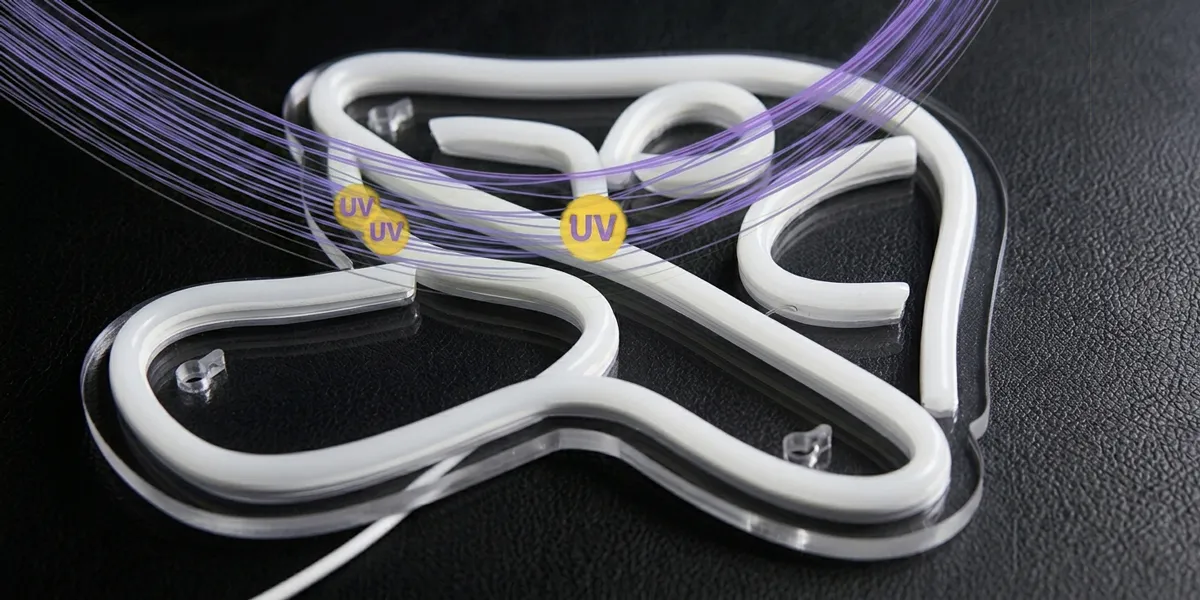
Không phải tất cả các tổn thương UV đều biểu hiện theo cùng một cách. Dưới đây là hành vi dự kiến của các vật liệu khác nhau sau khi tiếp xúc lâu dài với ánh sáng mặt trời.
Hành vi của PVC TRONGnder uv lớnight:
- 3–6 tháng: hơi vàng, bề mặt có thể hơi dính.
- 6–12 tháng: Màu vàng đáng chú ý ảnh hưởng đến sự truyền ánh sáng; các mảng màu trắng chuyển sang màu kem.
- 12–24 tháng: màu vàng đậm / nâu đổi màu; bề mặt trở nên giòn; các vết nứt bắt đầu hình thành tại các điểm căng thẳng.
- Trên 24 tháng: suy thoái nghiêm trọng; mất hoàn toàn hiệu suất quang học; cần thay thế.
Hiệu suất silicone khi tiếp xúc với tia cực tím:
- 2–3 năm: Không thay đổi rõ ràng, giữ nguyên màu sắc và độ rõ nét.
- 3–5 năm: Sự dịch chuyển màu cực kỳ nhẹ (ΔE <1,5); hiệu suất quang học vẫn còn nguyên vẹn.
- 5–8 năm: Có thể xảy ra những thay đổi nhỏ trên bề mặt; truyền ánh sáng vẫn còn > 90%.
- 8+ năm: Silicone được bảo dưỡng bằng bạch kim chất lượng cao tiếp tục hoạt động mà không bị ố vàng đáng kể.
Tiêu chuẩn công nghiệp: Ống neon silicon đáng tin cậy nhất phải vượt qua bài kiểm tra lão hóa tăng tốc 3.000 giờ, tương đương với khoảng 9 năm tiếp xúc ngoài trời trong thế giới thực, trong khi vẫn duy trì sự thay đổi màu sắc dưới ΔE 1,5 - không thể nhìn thấy được đối với mắt người.
5 Dấu hiệu cảnh báo vật liệu kém chất lượng

Trước khi mua ống neon ngoài trời, hãy kiểm tra các dấu hiệu sau đây của vật liệu chất lượng thấp:
- Giá thấp đáng ngờ: Nếu giá có vẻ quá tốt là đúng thì thường là vậy. Chi phí sản xuất silicone chính hãng cao hơn đáng kể so với PVC. Giảm giá cực kỳ hầu như luôn chỉ ra PVC hoặc vật liệu tái chế.
- Mùi hóa chất mạnh: PVC phát ra mùi nhựa riêng biệt, đặc biệt là khi mới hoặc khi được làm nóng. Ống neon silicon chất lượng cao hầu như không mùi.
- bề mặt cứng hoặc dính: PVC cảm thấy khó hơn và kém linh hoạt hơn silicone. Khi nó già đi, nó trở nên dính và sau đó giòn. Silicone giữ được kết cấu mịn như cao su trong suốt tuổi thọ của nó.
- Thông số kỹ thuật vật liệu mơ hồ hoặc thiếu: Các nhà cung cấp có uy tín ghi rõ “100% Silicone” hoặc “Silice được xử lý bằng bạch kim” trong bảng dữ liệu sản phẩm của họ. Nếu vật liệu không được chỉ định, nó thường được giả định là PVC.
- Thiếu dữ liệu kiểm tra UV: Các nhà sản xuất chất lượng cao cung cấp kết quả kiểm tra lão hóa tăng tốc ARC hoặc xenon. Sự vắng mặt của dữ liệu thử nghiệm là một dấu hiệu mạnh mẽ của khả năng chống tia cực tím kém.
Làm thế nào silicone chất lượng cao ngăn ngừa lão hóa
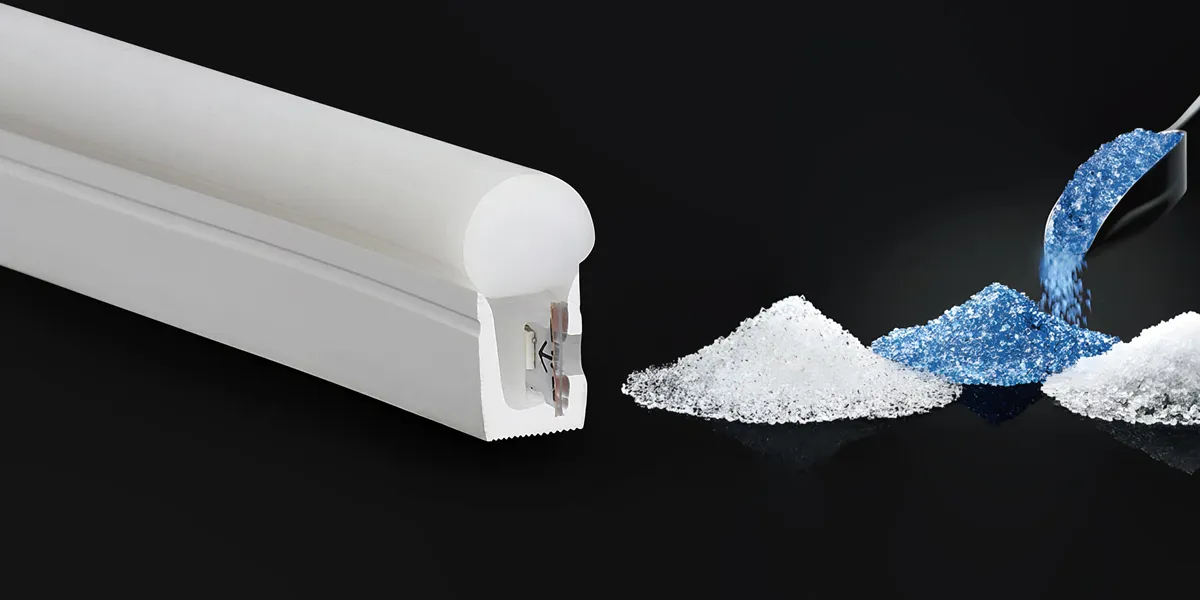
Điều gì làm cho ống neon silicon chất lượng cao có khả năng chống ố vàng? Tất cả đều phụ thuộc vào ba quyết định kỹ thuật sau đây.
1. Công thức xử lý bạch kim
Không giống như silicone được đóng rắn bằng peroxide (để lại các chất xúc tác còn sót lại gây ra vàng theo thời gian), silicone được xử lý bằng bạch kim sử dụng chất xúc tác kim loại quý để liên kết chéo hoàn toàn với polyme. Các tính năng vật liệu kết quả:
- Không có sản phẩm phụ còn sót lại có thể gây ra sự đổi màu
- Độ trong suốt tuyệt vời và truyền ánh sáng
- Tăng cường độ bền cơ học và khả năng chống rách
2. Tích hợp các hạt nano ngăn chặn tia cực tím
Các công thức silicone chất lượng cao kết hợp đồng nhất các hạt nano hấp thụ tia cực tím (thường ở nồng độ 3%) trong quá trình đùn. Điều này tạo ra một lớp bảo vệ nguyên khối thay vì một lớp phủ bề mặt có thể bị mòn.
3. Công nghệ đồng đùn chống chịu thời tiết
Ống neon ngoài trời tốt nhất sử dụng công nghệ đồng đùn ba lớp:
- lớp trong: Bộ khuếch tán quang học để phân phối ánh sáng đồng đều
- lớp giữa: Silicone chống tia cực tím có chứa hạt nano
- lớp ngoài: Silicone chịu được thời tiết bảo vệ môi trường
Cấu trúc phân lớp này đảm bảo rằng đường dẫn quang vẫn rõ ràng và chính xác màu sắc ngay cả khi bề mặt bên ngoài bị lão hóa nhỏ.
Vật liệu tốt nhất để sử dụng ngoài trời: Làm thế nào để chọn đúng loại
Khi chọn ống đèn LED cho các ứng dụng ngoài trời, không phải tất cả silicone đều được tạo ra như nhau. Dưới đây là những điểm chính cần xem xét.
| Ứng dụng | Vật liệu được đề xuất | tại sao |
| Mặt tiền kiến trúc | Silicone được bảo dưỡng bằng bạch kim (IP67 +) | Tuổi thọ 5–8 năm; độ ổn định nhiệt độ cao |
| bảng hiệu và thư kênh | Silicone cao cấp với phụ gia UV | Màu sắc nhất quán; không ố vàng phía sau vật liệu khuôn mặt |
| Môi trường ven biển/biển | Silicone (IP68) có khả năng chống phun muối | Trơn ăn mòn muối; niêm phong tuyệt vời |
| Hồ bơi và đài phun nước | Silicone (IP68, hoàn toàn chìm) | Chống thấm hoàn toàn; kháng hóa chất |
| Màn hình tạm thời trong nhà | PVC hoặc PU (chấp nhận) | Tiết kiệm chi phí cho việc sử dụng ngắn hạn |
| Ứng dụng kho lạnh / tủ đông | Silicone nhiệt độ thấp | vẫn linh hoạt dưới -30 ° C |
Phần kết luận: Nếu lắp đặt của bạn là vĩnh viễn và nằm ngoài trời, hãy chỉ định ống neon silicon được bảo dưỡng bằng bạch kim. Chi phí tăng thêm ban đầu sẽ tự trả nhiều lần bằng cách tiết kiệm chi phí thay thế và duy trì hình ảnh thương hiệu của bạn.
Signlited: Được thiết kế cho độ tin cậy ngoài trời
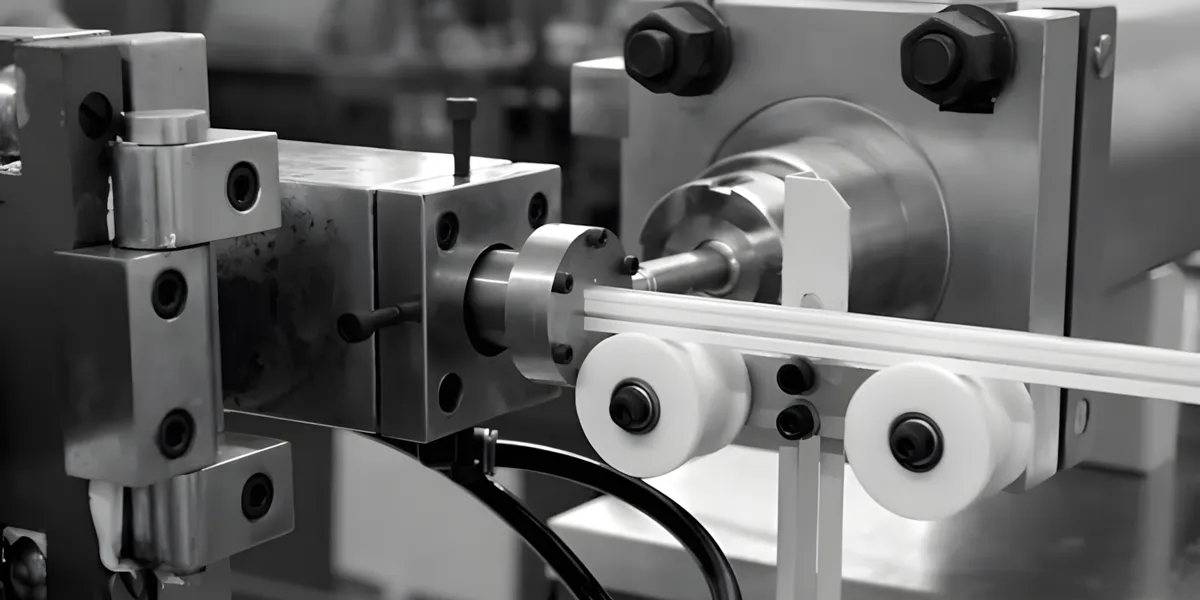
Tại Signitel, chúng tôi hiểu rằng biển báo ngoài trời là một khoản đầu tư dài hạn - không phải là một mặt hàng dùng một lần. Dòng đèn LED Neon của chúng tôi được sản xuất bằng vật liệu silicon chất lượng cao và được thiết kế đặc biệt để chống ố vàng, duy trì độ sáng và hoạt động đáng tin cậy trong nhiều năm trong môi trường ngoài trời khắc nghiệt.
Dòng sản phẩm của chúng tôi bao gồm:
- T1010/T1212/T1616 Series - Ống silicone silicone phát xạ hàng đầu với đèn chiếu sáng không có đốm
- D15 Series - Góc chùm 270 °, cấu trúc silicon linh hoạt
- Dòng C22 - IP67 không thấm nước, 24VDC, thích hợp cho lắp đặt ngoài trời vĩnh viễn
- S0410/S0612/S0815/S1220 Series - Cấu hình uốn cong để phù hợp với các thiết kế biển báo tùy chỉnh
Tất cả các ống neon silicone được thiết kế trải qua quá trình kiểm tra chất lượng nghiêm ngặt, bao gồm lão hóa được gia tốc bằng tia cực tím, chu kỳ nhiệt và xác minh không thấm nước — đảm bảo các biển báo neon tùy chỉnh của bạn vẫn rực rỡ như ngày chúng được lắp đặt, mùa này qua mùa khác.
khám phá hoàn chỉnh của chúng tôi LED霓虹灯带目录 Để tìm ra giải pháp phù hợp cho dự án của bạn.
Phần kết luận
Nguyên nhân chính của việc ố vàng trong ống neon ngoài trời là sự xuống cấp của chất bọc PVC khi tiếp xúc với tia cực tím. Mặc dù PVC không tốn kém, cấu trúc phân tử của nó chắc chắn dẫn đến vàng, giòn và hỏng. Silicone, đặc biệt là các công thức được xử lý bằng bạch kim, cung cấp sự ổn định hóa học và khả năng chống tia cực tím cần thiết cho việc sử dụng lâu dài ngoài trời.
Những điểm chính cho người chỉ định và người mua:
- Trước khi mua ống neon ngoài trời, hãy nhớ kiểm tra vật liệu. Nếu nó không được dán nhãn là "Silicone", nó gần như chắc chắn là PVC.
- Yêu cầu Dữ liệu Kiểm tra UV — Một bài kiểm tra lão hóa tăng tốc kéo dài 3.000 giờ (tương đương với khoảng 9 năm sử dụng trong thế giới thực) là tiêu chuẩn của ngành.
- Tính tổng chi phí sở hữu, không chỉ giá trả trước. Một dấu hiệu PVC không thành công trong vòng 12–24 tháng đắt hơn nhiều so với dấu hiệu silicon kéo dài hơn 5 năm.
- Đối với các lắp đặt ngoài trời vĩnh viễn, hãy chọn silicone được bảo dưỡng bằng bạch kim có xếp hạng chống nước IP67 hoặc IP68.
Bằng cách hiểu khoa học đằng sau sự ố vàng và sự khác biệt chính giữa các vật liệu, bạn có thể đưa ra quyết định sáng suốt để bảo vệ khoản đầu tư của mình và đảm bảo biển báo của bạn duy trì vẻ ngoài nổi bật trong nhiều năm tới.
Câu hỏi thường gặp
Bài viết liên quan