Русский
  English
  简体中文
简体中文  Deutsch
  Español
  Français
  Italiano
  日本語
日本語  한국어
한국어  Polski
  Português
  Türkçe
  Nederlands
  Tiếng Việt
  ไทย
ไทย 
Вы инвестировали в красивую светодиодную неоновую вывеску для своей витрины, витрины ресторана или строительного проекта. Шесть месяцев спустя некогда чистые белые или яркие цвета стали тусклыми, мутными и заметно пожелтевшими. Если этот сценарий звучит знакомо, вы столкнулись с одной из самых распространенных — и разочаровывающих — проблем с наружными светодиодными неоновыми вывесками: пожелтение. Основной причиной пожелтения является деградация материала инкапсуляции ПВХ на открытом воздухе. Светодиодные неоновые вывески При воздействии УФ-излучения.
Для владельцев бизнеса, подписчиков и дизайнеров освещения пожелтение — это больше, чем просто эстетическая проблема. Это повреждает имидж бренда, снижает видимость в ночное время и приводит к дорогостоящим ненужным заменам. Тем не менее, подавляющее большинство покупателей не задают этот критический вопрос, пока не станет слишком поздно: из какого материала на самом деле сделана моя неоновая трубка?
Ответ на этот вопрос определяет, будут ли ваши неоновые огни оставаться яркими и новыми более пяти лет или желтеют и станут непригодными для использования всего за одно лето. В этой статье будут рассмотрены причины пожелтения, сравнение ПВХ и силиконовых неоновых материалов, а также технические знания, необходимые для правильного выбора и обеспечения долговечности ваших вывесок на открытом воздухе.
Наука за желтизной

Пожелтение — это не просто неудача, а химическая реакция. Понимание первопричины может помочь вам эффективно предотвратить ее.
1. Воздействие ультрафиолета: виновник является солнечным излучением
Наружные светодиодные неоновые трубки постоянно подвергаются воздействию ультрафиолетового (УФ) излучения на солнце. Со временем УФ-лучи разрушают молекулярную структуру многих пластмасс, вызывая процесс, известный как фотодеградация. Это генерирует свободные радикалы, которые атакуют полимерные цепи, изменяя физическую и химическую структуру материала.
Эта деградация особенно серьезна для неоновых трубок на основе ПВХ. Когда молекулы ПВХ поглощают энергию УФ, возникает реакция дегидрохлорирования — полимерные цепи теряют хлороводород. Это формирует сопряженную полиеновую структуру, которая поглощает видимый свет, в результате чего цвет материала меняется со бледно-желтого на коричневый и в конечном итоге черный.
2. Тепло- и тепловой цикл
Это не просто солнечный свет. На открытом воздухе инсталляции случаются ежедневные колебания температуры — от жарких летних дневных до прохладных ночей. Некачественные материалы имеют несогласованные скорости теплового расширения и сжатия, что ослабляет полимерную матрицу. Тепло ускоряет окисление, а в сочетании с воздействием УФ-излучения эффект деградации усиливается экспоненциально.
3. Загрязнители окружающей среды
Промышленные зоны, прибрежный соляной туман, выхлоп автомобиля и даже озон могут ускорить пожелтение. ПВХ особенно чувствителен к химической эрозии, реагируя с определенными чистящими средствами, маслами и переносимыми по воздуху загрязняющими веществами.
4. Некачественные материалы и добавки
Не все «неоновые трубки» созданы равными. Недорогие производители часто используют переработанные пластиковые или низкодозированные УФ-стабилизаторы. Некоторые бюджетные составы ПВХ даже содержат добавки, которые на самом деле ускоряют пожелтение — скрытая стоимость, которая становится очевидной только через несколько месяцев.
ПВХ против силикона: материал Showdown
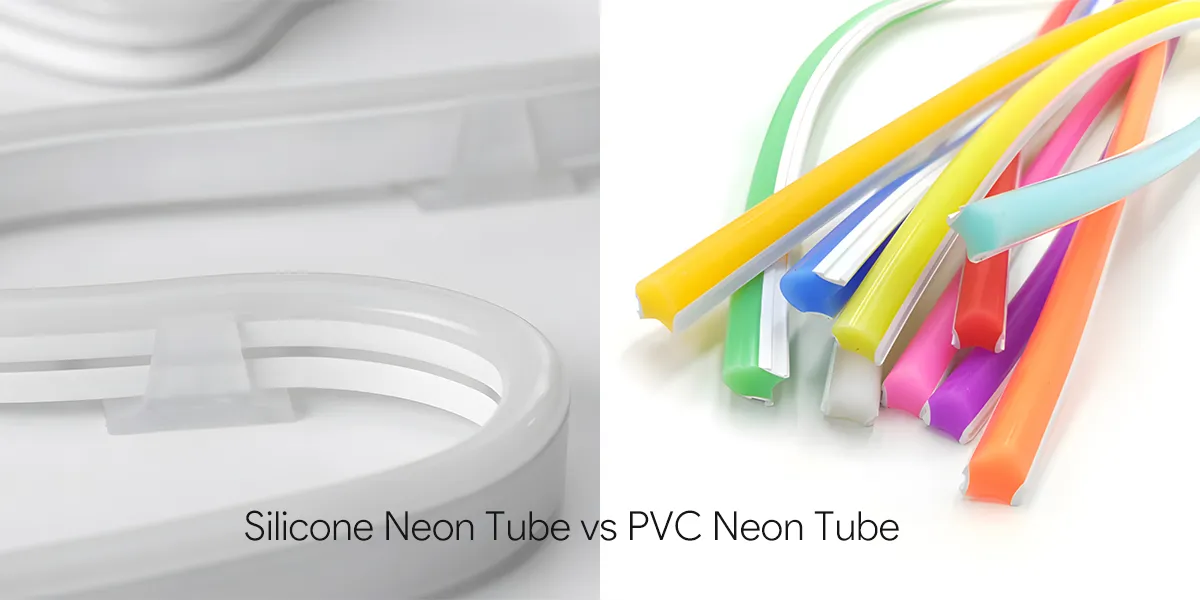
самый важный фактор, определяющий, является ли ваш Наружные светодиодные неоновые вывески Желтый - материал инкапсуляции. На рынке представлены два основных материала: ПВХ и силикон. Их эксплуатационные характеристики отличаются друг от друга.
Неоновые трубки из ПВХ: дешевые, но со скрытыми затратами
Поливинилхлорид (ПВХ) широко используется, потому что он недорог и прост в экструдировании. Однако его молекулярная структура делает его по своей природе уязвимым в наружной среде.
Цепи из полимера ПВХ содержат атомы хлора. При воздействии УФ-излучения или тепла происходит реакция дегидрохлорирования, создающая сопряженные двойные связи, которые поглощают видимый свет и вызывают пожелтение. Как только этот процесс начинается, он становится необратимым и самоускоряющимся.
Силиконовые неоновые трубки: предназначены для долговечности на открытом воздухе
Силикон принципиально отличается: он основан на кремнии-кислородном остове (Si-O-Si), одной из самых стабильных известных химических структур. Это обеспечивает естественную устойчивость к ультрафиолетовому излучению, с которой ПВХ просто не может сов
Высококачественные силиконовые неоновые трубки от таких производителей, как Signleteled, используют силикон, отвержденный платиной, обладающий следующими преимуществами:
- Отличная устойчивость к УФ и термостойкости
- Достаточно гибкая, чтобы адаптироваться к сложным архитектурным формам
- Долговременная четкость и яркие цвета в течение 5–10 и более лет
- Широкая температурная стабильность от -40°C до +60°C
Сравнительная таблица: ПВХ против силикона Neon Flex
| Характеристика | ПВХ неон гибкий | Силиконовый неоновый флекс |
| Устойчивость к ультрафиолетовому излучению | Плохо - желтые в течение 6-12 месяцев | Отлично — минимальное пожелтение в течение 5+ лет |
| Диапазон температур | -15°C до +80°C (ограничено) | -40°C до +200°C (широкий диапазон) |
| Рейтинг водонепроницаемости | до IP65 | До IP68 (погружной) |
| Срок жизни (на открытом воздухе) | 2–3 года не более | 5–8+ лет |
| Гибкость | Умеренный, с возрастом застывает | Очень гибкая, возвращается к форме |
| химическая стойкость | Плохо - реагирует с маслами, растворителями | Отлично — инертна до большинства химических веществ |
| Безопасность | Может выделять токсичные пары при сжигании | Нетоксичная, самозатухающая |
| цветопередача | Желтые и облака с течением времени | Сохраняет четкость и яркость |
| Стоимость | низкая | выше, ниже стоимость жизненного цикла |
Влияние УФ-света на различные материалы
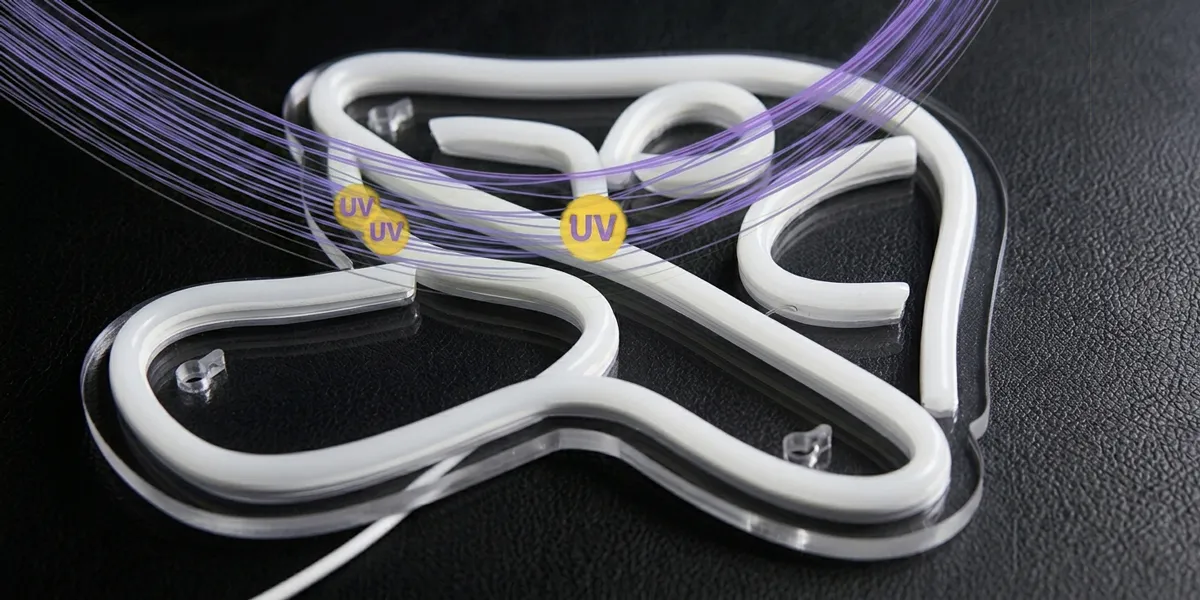
Не все УФ-патии проявляются одинаково. Ниже приведено ожидаемое поведение различных материалов после длительного воздействия солнечного света.
Поведение ПВХ ВУФ LОЧЕНЬ:
- 3–6 месяцев: Незначительное пожелтение; поверхность может ощущаться липкой.
- 6–12 месяцев: Заметное пожелтение, которое влияет на светопропускание; белые отметины становятся кремовыми.
- 12–24 месяца: глубокая желтая/коричневая окраска; поверхность становится хрупкой, трещины начинают формироваться в точках напряжения.
- Более 24 месяцев: сильная деградация, полная потеря оптических характеристик, требуется замена.
Силиконовые характеристики при УФ-экозиции:
- 2–3 лет: Без видимых изменений, сохраняет первоначальный цвет и четкость.
- 3–5 лет: Чрезвычайно незначительное изменение цвета (δE < 1,5), оптическая производительность остается нетронутой.
- 5–8 лет: могут произойти незначительные изменения поверхности, светопропускание остается > 90%.
- 8+ лет: Высококачественный силикон, выдержанный в платиновой стойкости, продолжает функционировать без заметного пожелтения.
Промышленные стандарты: Самая надежная силиконовая неоновая трубка должна пройти 3000-часовое тестирование старения УФ-ускорлителя, которое эквивалентно примерно 9 годам реального воздействия на открытом воздухе, сохраняя при этом смещение цвета менее ΔE 1,5, невосприимчивое к человеческому глазу.
5 предупреждающих знаков некачественных материалов
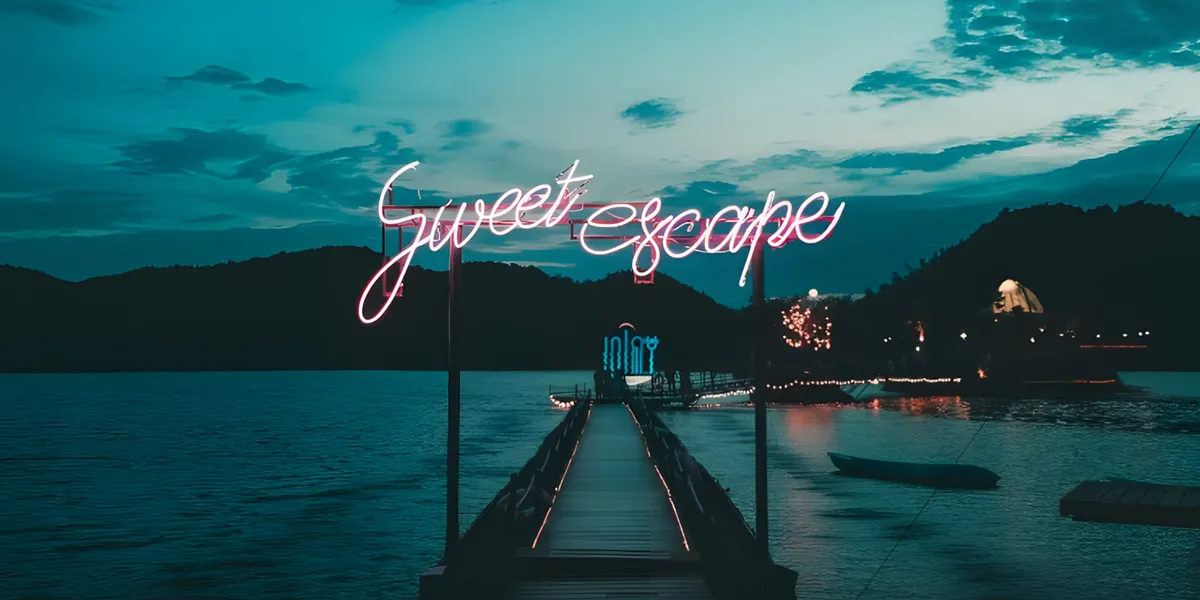
Перед покупкой наружной неоновой трубки проверьте наличие следующих признаков низкокачественных материалов:
- подозрительно низкие цены: Если цена кажется слишком хорошей, чтобы быть правдой, так это обычно. Стоимость производства настоящего силикона значительно выше, чем у ПВХ. Крайние скидки почти всегда указывают на ПВХ или переработанные материалы.
- Сильный химический запах: ПВХ излучает отчетливый запах из пластика, особенно при новом или нагревании. Высококачественная силиконовая неоновая трубка практически не имеет запаха.
- Жесткая или липкая поверхность: ПВХ ощущается более жесткой и менее гибкой, чем силикон. С возрастом он становится липким, а затем ломким. Силикон сохраняет гладкую резиновую текстуру на протяжении всего срока службы.
- Расплывчатые или отсутствующие спецификации материала: авторитетные поставщики четко указывают в паспортах своих продуктов «силикон 100%» или «силикон, отвержденный платиной». Если материал не указан, то обычно можно считать, что это ПВХ.
- Отсутствие данных по УФ-излучению: Высококачественные производители обеспечивают результаты испытаний на ускоренное старение Quv или Xenon ARC. Отсутствие данных тестирования является ярким признаком плохой устойчивости к УФ-излучению.
Как высококачественный силикон предотвращает старение
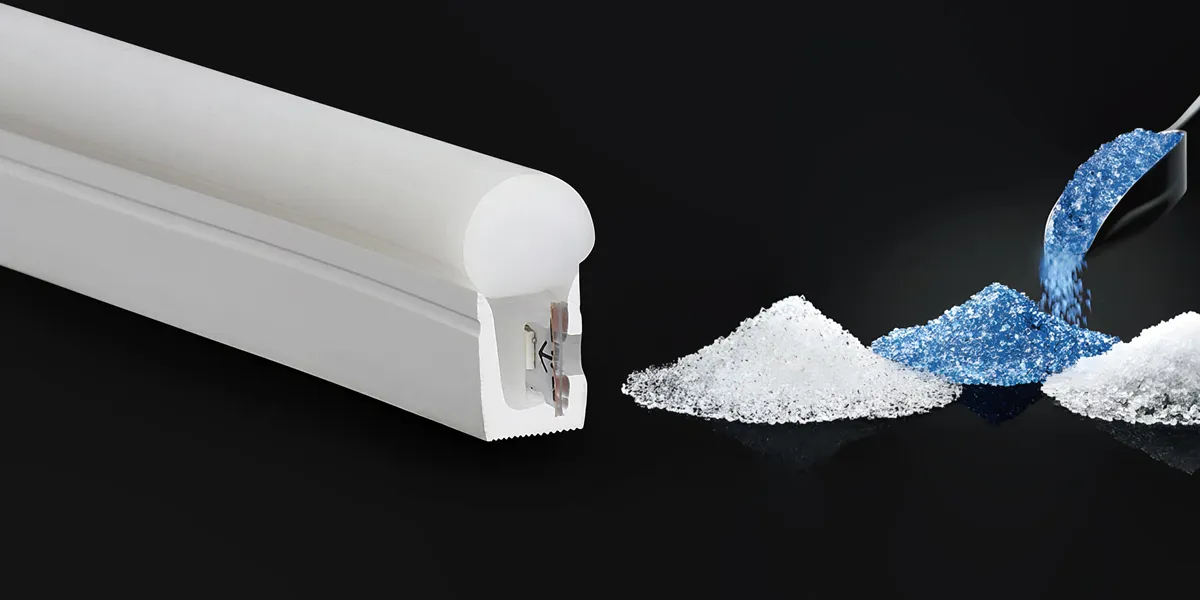
Что делает высококачественные силиконовые неоновые трубки столь устойчивыми к пожелтению? Все сводится к следующим трем инженерным решениям.
1. Форма вулканизации платины
В отличие от перекисного силикона (который оставляет остаточные катализаторы, которые со временем вызывают пожелтение), силикон, вялящий платину, использует катализатор из драгоценных металлов для полного сшивания полимера. Полученные характеристики материала:
- Отсутствие остаточных побочных продуктов, которые могут вызывать обесцвечивание
- Отличная прозрачность и светопропускание
- Повышенная механическая прочность и стойкость к
2. Интеграция УФ-блокирующих наночастиц
Высококачественные силиконовые составы равномерно включают наночастицы, поглощающие УФ-излучение (обычно в концентрации 3%) в процессе экструзии. Это создает монолитный защитный слой, а не поверхностное покрытие, которое может стираться.
3. Технология коэкструзионного воздействия погодных условий
Лучшая наружная неоновая трубка использует трехслойную технологию совместной экструзии:
- внутренний слой: оптический диффузор для равномерного распределения света
- средний слой: УФ-защитный силикон, содержащий наночастицы
- внешний слой: Погодостойкий силикон, обеспечивающий защиту окружающей среды
Эта многослойная структура гарантирует, что оптический путь остается четким и точным, даже если наружная поверхность незначительно стареет.
Лучшие материалы для наружного использования: как правильно выбрать тип
При выборе светодиодных неоновых трубок для наружного применения не все силиконы создаются равными. Вот ключевые моменты, которые следует учитывать.
| Приложение | Рекомендуемый материал | Почему |
| Архитектурные фасады | Платиновый силикон (IP67+) | 5–8 лет жизни, экстремальная температурная стабильность |
| Вывески и каналы | Высококачественный силикон с УФ-присадками | Постоянный цвет, отсутствие пожелтения за материалами для лица |
| Прибрежная/морская среда | Силикон (IP68) с устойчивостью к солевым распылению | инертная до соли коррозии; отличное уплотнение |
| Бассейны и фонтаны | Силикон (IP68, полностью погружной) | Полная гидроизоляция, химическая стойкость |
| Временные крытые дисплеи | ПВХ или ПУ (допустимо) | Экономично для краткосрочного использования |
| Применение холодного хранения/морозильника | Низкотемпературный силикон | Остается гибким при температуре ниже -30°C |
Заключение: Если ваша установка является постоянной и расположена на открытом воздухе, укажите силиконовую неоновую трубку с платиновым отверждением. Первоначальные дополнительные расходы окупятся много раз, сэкономив на замене и поддерживая имидж вашего бренда.
Signliteled: предназначен для надежности на открытом воздухе
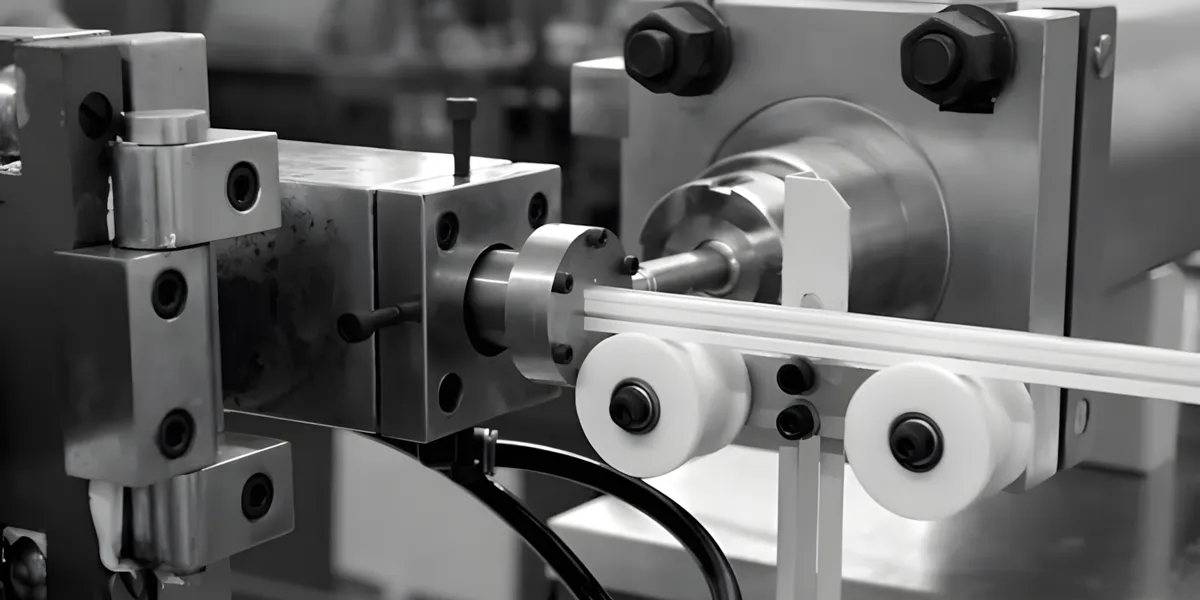
В Signliteled мы понимаем, что наружные вывески — это долгосрочная инвестиция, а не одноразовая вещь. Наша серия LED Neon Tube изготовлена из высококачественных силиконовых материалов и специально разработана для сопротивления пожелтению, поддержания яркости и надежной работы в течение многих лет в суровых условиях наружного воздуха.
В нашем ассортименте входят:
- T1010 / T1212 / T1616 - Верхняя эмитирующая силиконовая неоновая трубка с подсветкой без пятна
- Д15 серия - 270° угол луча, гибкая силиконовая конструкция
- С22 Серия - IP67 водонепроницаемый, 24В постоянного тока, подходит для постоянной установки на открытом воздухе
- S0410 / S0612 / S0815 / S1220 - Боковые конфигурации для размещения индивидуальных конструкций вывесок
Все неоновые трубки с силиконовыми неонами проходят строгие испытания качества, включая старение с УФ-ускорителем, тепловой цикл и водонепроницаемую проверку, гарантируя, что ваши неоновые вывески остаются такими же яркими, как и день их установки, сезон за сезоном.
Изучите наш полный Каталог светодиодных неоновых лент найти правильное решение для вашего проекта.
Заключение
Основной причиной пожелтения в наружных светодиодных неоновых трубках является деградация герметика ПВХ под воздействием УФ-излучения. Хотя ПВХ недорог, его молекулярная структура неизбежно приводит к пожелтению, хрупкости и разрушению. Силикон, в частности, отвержденные платиной, обеспечивает химическую стабильность и устойчивость к ультрафиолетовому излучению, необходимые для длительного использования на открытом воздухе.
Ключевые моменты для спецификаторов и покупателей:
- Перед покупкой наружной неоновой трубки обязательно проверьте материал. Если он не помечен как «силикон», это почти наверняка ПВХ.
- Запросите данные об УФ-излучение. Тест ускоренного старения на 3000 часов (что эквивалентно примерно 9 годам реального использования) является эталоном отрасли.
- Рассчитайте общую стоимость владения, а не только первоначальную цену. Знак ПВХ, который выходит из строя в течение 12–24 месяцев, намного дороже, чем силиконовый знак, который держится более 5 лет.
- Для постоянных наружных установок выбирайте силикон, отвержденный платиной, с IP67 или IP68 водонепроницаемым рейтингом.
Понимая науку, лежащую в основе пожелтения и ключевые различия между материалами, вы можете принимать обоснованные решения, чтобы защитить свои инвестиции и обеспечить сохранение своего вывески на долгие годы.
Часто задаваемые вопросы
Похожие посты