2011年からの看板とLEDストリップ照明工場

2011年からの看板とLEDストリップ照明工場

屋外 LED ネオンサインが時間の経過とともに黄色くなる理由

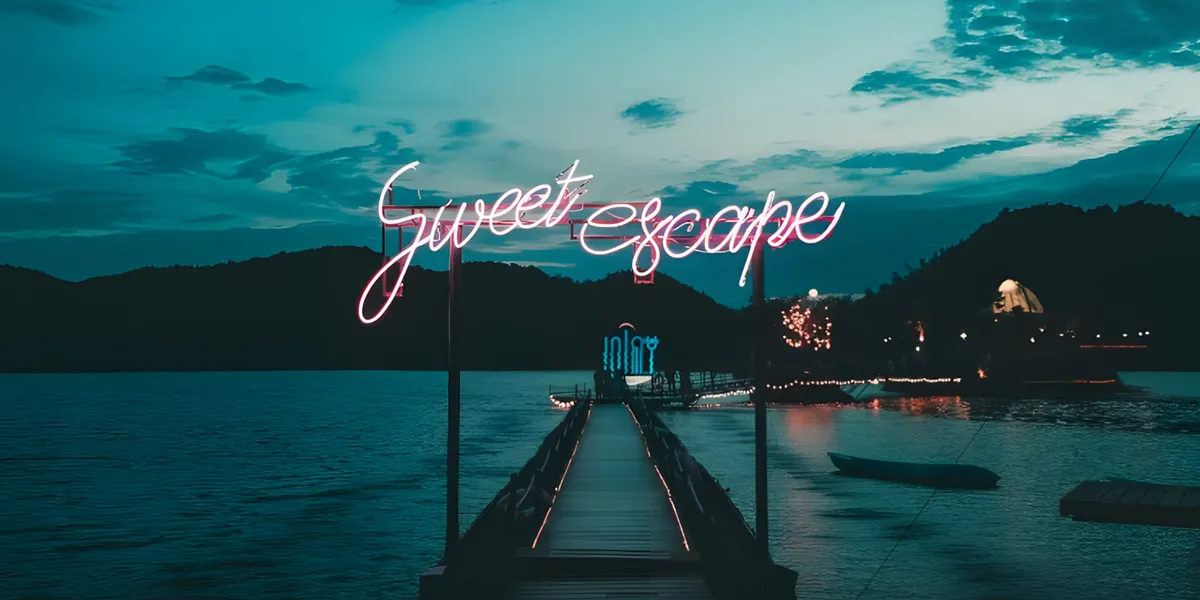
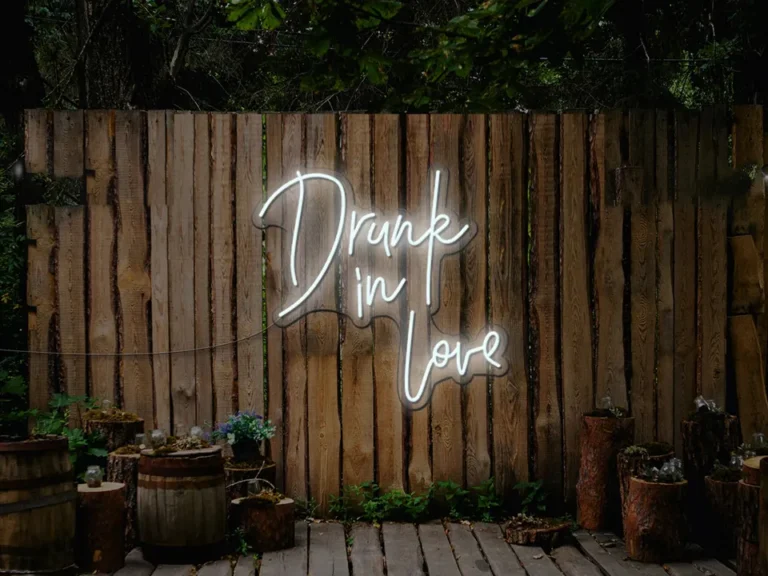
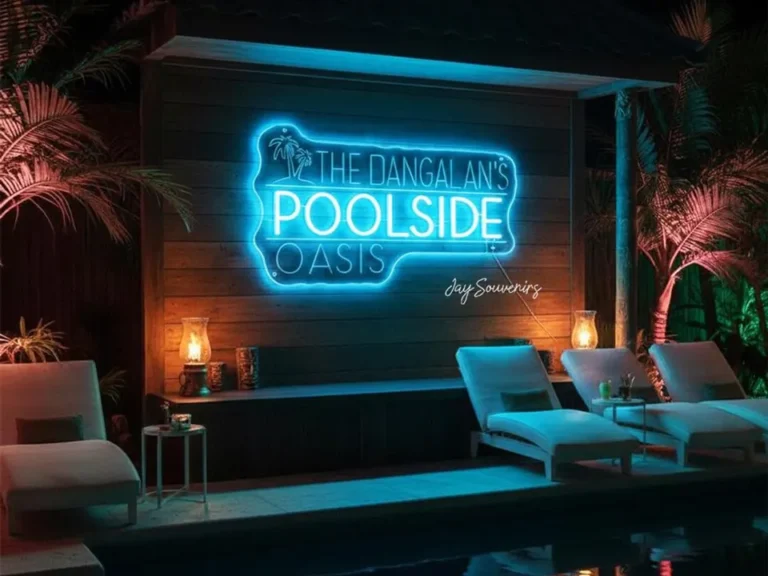
You’ve invested in a beautiful LED neon sign for your storefront, restaurant window, or construction project. Six months later, the once-pure white or vibrant colors have become dull, murky, and noticeably yellowed. If this scenario sounds familiar, you’ve encountered one of the most common—and frustrating—issues with outdoor LED neon signs: yellowing. The primary cause of yellowing is the degradation of the PVC encapsulation material in outdoor LEDネオンサイン when exposed to UV light.

For business owners, sign contractors, and lighting designers, yellowing is more than just an aesthetic issue. It damages brand image, reduces nighttime visibility, and leads to costly, unnecessary replacements. Yet the vast majority of buyers don’t ask this critical question until it’s too late: What material is my neon tubing actually made of?

The answer to this question determines whether your neon lights will stay bright and new for over five years or turn yellow and become unusable in just one summer. This article will explore the causes of yellowing, compare PVC and silicone neon materials, and provide the technical knowledge you need to make the right choice and ensure your outdoor signage lasts for years to come.

The Science Behind Yellowing

The Science Behind Outdoor LED Neon Signs Yellowing

Yellowing isn’t just a matter of bad luck—it’s a chemical reaction. Understanding the root cause can help you effectively prevent it.

1. UV Exposure: Sunlight Is the Culprit

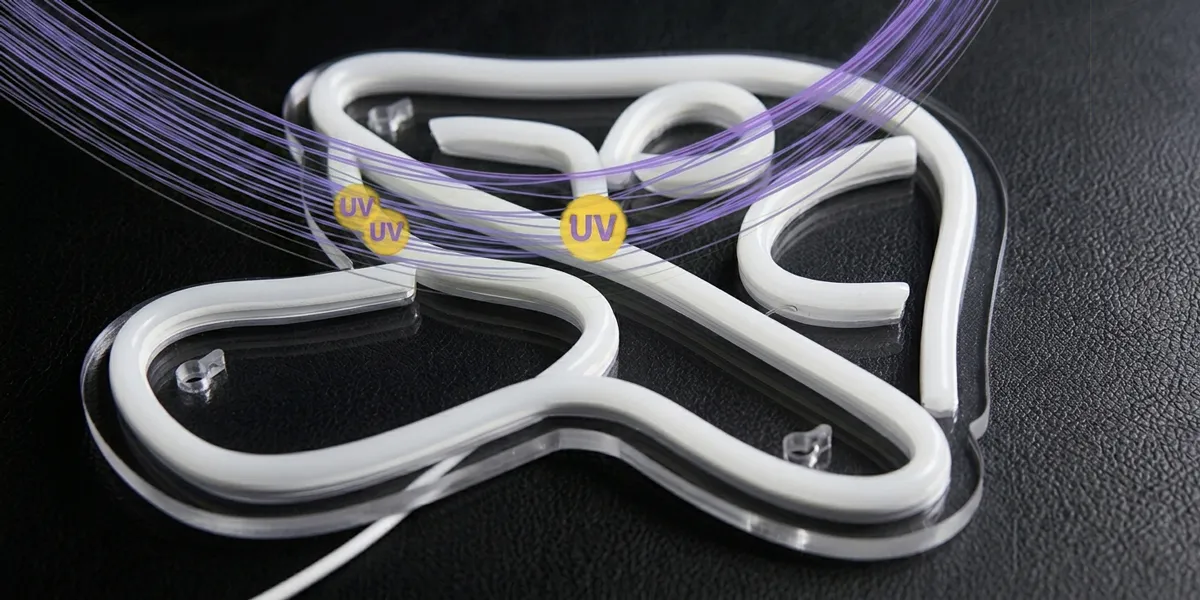
Outdoor LED neon tubes are constantly exposed to the ultraviolet (UV) radiation in sunlight. Over time, UV rays break down the molecular structure of many plastics, triggering a process known as photodegradation. This generates free radicals that attack polymer chains, altering the material’s physical and chemical structure.

This degradation is particularly severe for PVC-based neon tubing. When PVC molecules absorb UV energy, a dehydrochlorination reaction occurs—the polymer chains lose hydrogen chloride. This forms a conjugated polyene structure that absorbs visible light, causing the material’s color to change from pale yellow to brown and eventually black.

2. Heat and Thermal Cycling

It’s not just sunlight. Outdoor installations experience daily temperature fluctuations—from hot summer afternoons to cool nights. Low-quality materials have inconsistent rates of thermal expansion and contraction, which weakens the polymer matrix. Heat accelerates oxidation, and when combined with UV exposure, the degradation effect is amplified exponentially.

3. Environmental Pollutants

Industrial areas, coastal salt fog, vehicle exhaust, and even ozone can accelerate yellowing. PVC is particularly susceptible to chemical erosion, reacting with certain cleaning agents, oils, and airborne pollutants.

4. Substandard Materials and Additives

Not all “neon tubing” is created equal. Low-cost manufacturers often use recycled plastic or under-dosed UV stabilizers. Some budget PVC formulations even contain additives that actually accelerate yellowing—a hidden cost that only becomes apparent months later.

PVC vs. Silicone: A Material Showdown

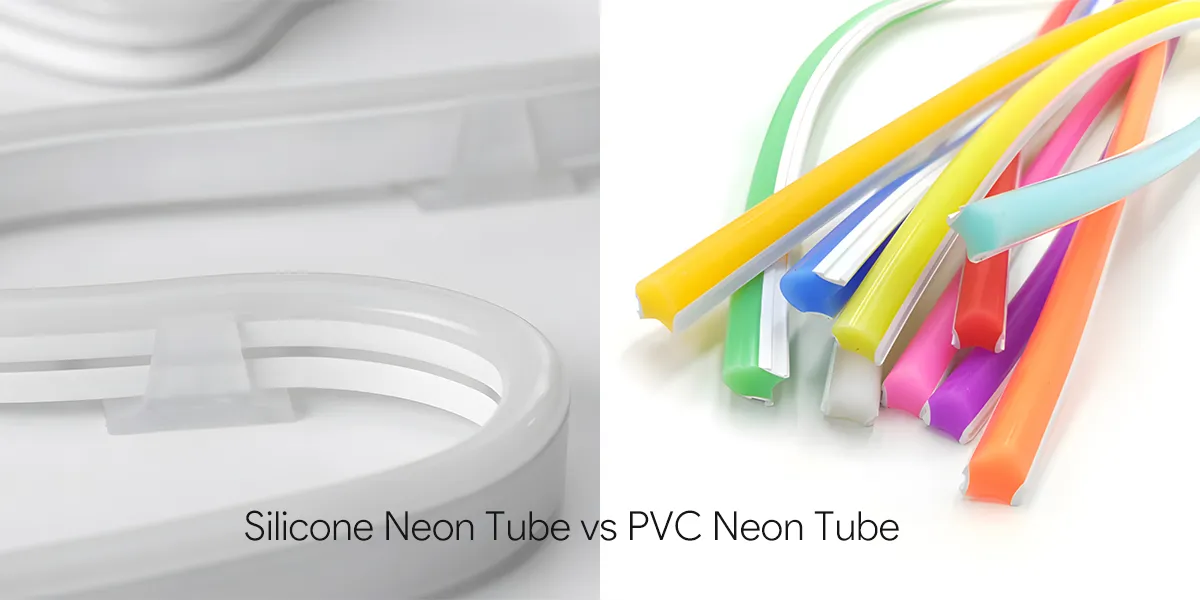
Silicone Neon Tube vs PVC Neon Tube

The most important factor determining whether your outdoor LED neon signs will yellow is the encapsulation material. There are two main materials on the market: PVC and silicone. Their performance characteristics are worlds apart.

PVC Neon Tubing: Cheap but with Hidden Costs

Polyvinyl chloride (PVC) is widely used because it is inexpensive and simple to extrude. However, its molecular structure makes it inherently vulnerable in outdoor environments.

PVC polymer chains contain chlorine atoms. When exposed to UV light or heat, a dehydrochlorination reaction occurs, creating conjugated double bonds that absorb visible light and cause yellowing. Once this process begins, it is irreversible and self-accelerating.

Silicone Neon Tubing: Designed for Outdoor Durability

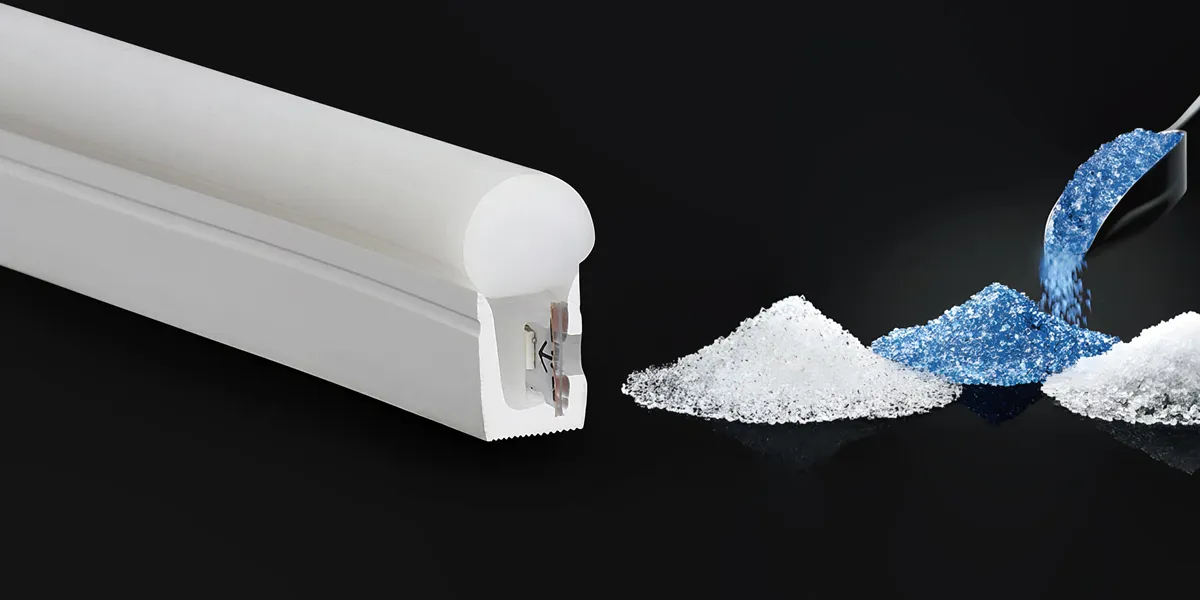
Silicone is fundamentally different: it is based on a silicon-oxygen backbone (Si-O-Si), one of the most stable chemical structures known. This provides natural UV resistance that PVC simply cannot match.

High-quality silicone neon tubing from manufacturers such as SignliteLED uses platinum-cured silicone, offering the following advantages:

  • Excellent UV and heat resistance
  • Flexible enough to adapt to complex architectural shapes
  • Long-lasting clarity and vibrant colors for 5–10 years or more
  • Wide temperature stability from -40°C to +60°C

Comparison Table: PVC vs Silicone Neon Flex

特徴PVC Neon FlexSilicone Neon Flex
耐紫外線性Poor—yellows within 6–12 monthsExcellent—minimal yellowing for 5+ years
温度範囲-15°C to +80°C (limited)-40°C to +200°C (wide range)
防水等級Up to IP65Up to IP68 (submersible)
Lifespan (Outdoor)2–3 years max5~8年以上
柔軟性Moderate, stiffens with ageHighly flexible, returns to shape
耐薬品性Poor—reacts with oils, solventsExcellent—inert to most chemicals
安全性Can release toxic fumes when burnedNon-toxic, self-extinguishing
Color RetentionYellows and clouds over timeMaintains clarity and brightness
コストLower upfrontHigher upfront, lower lifecycle cost

The Effects of UV Light on Different Materials

The Effects of UV Light on Neon Sign Different Materials

Not all UV damage manifests in the same way. Below is the expected behavior of different materials after prolonged exposure to sunlight.

Behavior of PVC nder UV Light:

  • 3–6 months: Slight yellowing; the surface may feel slightly sticky.
  • 6~12ヶ月: Noticeable yellowing that affects light transmission; white markings turn cream-colored.
  • 12–24 months: Deep yellow/brown discoloration; surface becomes brittle; cracks begin to form at stress points.
  • Over 24 months: Severe degradation; complete loss of optical performance; replacement required.

Silicone Performance Under UV Exposure:

  • 2–3 年端: No visible changes; retains original color and clarity.
  • 3~5年: Extremely slight color shift (ΔE < 1.5); optical performance remains intact.
  • 5~8年: Minor surface changes may occur; light transmission remains > 90%.
  • 8年以上: High-quality platinum-cured silicone continues to function without noticeable yellowing.

Industry Standard: The most reliable silicone neon tubing must pass a 3,000-hour UV accelerated aging test, which is equivalent to approximately 9 years of real-world outdoor exposure, while maintaining a color shift of less than ΔE 1.5—imperceptible to the human eye.

5 Warning Signs of Poor-Quality Materials

5 Warning Signs of Poor-Quality Materials in Outdoor Neon Signs

Before purchasing outdoor neon tubing, check for the following signs of low-quality materials:

  1. Suspiciously low prices: If the price seems too good to be true, it usually is. The production cost of genuine silicone is significantly higher than that of PVC. Extreme discounts almost always indicate PVC or recycled materials.
  2. Strong Chemical Odor: PVC emits a distinct plastic smell, especially when new or when heated. High-quality silicone neon tubing is virtually odorless.
  3. Stiff or Sticky Surface: PVC feels harder and less flexible than silicone. As it ages, it becomes sticky and then brittle. Silicone retains a smooth, rubber-like texture throughout its lifespan.
  4. Vague or missing material specifications: Reputable suppliers clearly state “100% silicone” or “platinum-cured silicone” in their product data sheets. If the material is not specified, it can generally be assumed to be PVC.
  5. Lack of UV test data: High-quality manufacturers provide QUV or xenon arc accelerated aging test results. The absence of test data is a strong indication of poor UV resistance.

How High-Quality Silicone Prevents Aging

How High-Quality Silicone Prevents Aging in Neon Signs

What makes high-quality silicone neon tubing so resistant to yellowing? It all comes down to the following three engineering decisions.

1. Platinum-cured formulation

Unlike peroxide-cured silicone (which leaves residual catalysts that cause yellowing over time), platinum-cured silicone uses a precious metal catalyst to fully cross-link the polymer. The resulting material features:

  • No residual byproducts that could cause discoloration
  • Excellent transparency and light transmission
  • Enhanced mechanical strength and tear resistance

2. Integration of UV-Blocking Nanoparticles

High-quality silicone formulations uniformly incorporate UV-absorbing nanoparticles (typically at a concentration of 3%) during the extrusion process. This creates a monolithic protective layer rather than a surface coating that can wear off.

3. Weather-Resistant Co-Extrusion Technology

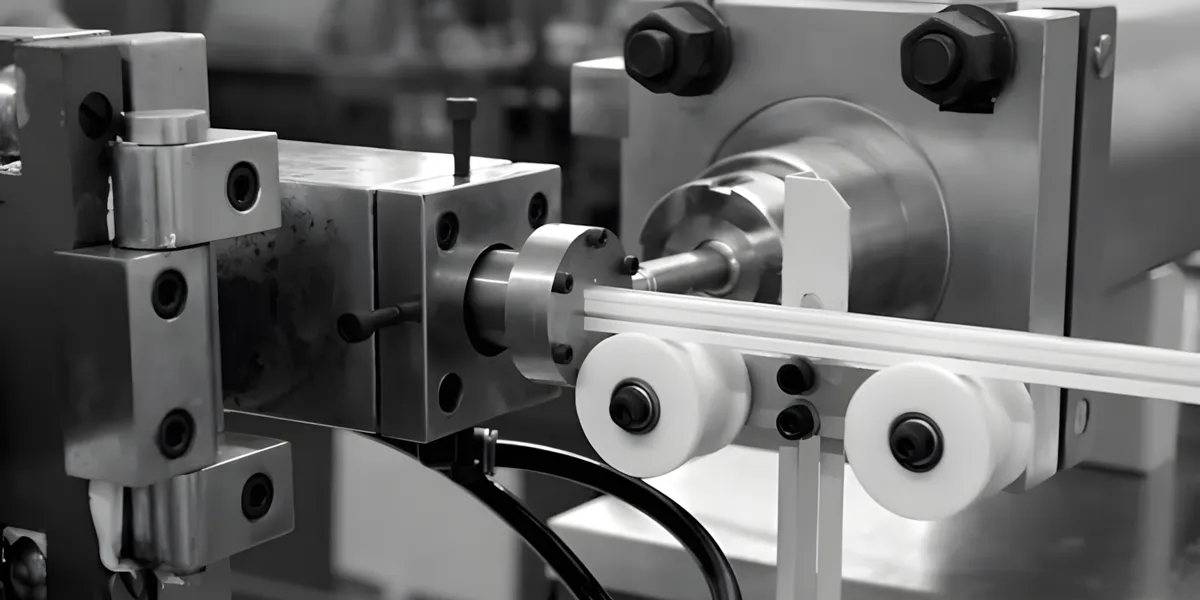
The best outdoor neon tubing utilizes a three-layer co-extrusion technology:

  • Inner layer: Optical-grade diffuser for uniform light distribution
  • Middle layer: UV-protective silicone containing nanoparticles
  • Outer layer: Weather-resistant silicone providing environmental protection

This layered structure ensures that the optical path remains clear and color-accurate even if the outer surface experiences minor aging.

The Best Materials for Outdoor Use: How to Choose the Right Type

When selecting LED neon tubing for outdoor applications, not all silicone is created equal. Here are the key points to consider.

申し込みおすすめ素材なぜ
Architectural façadesPlatinum-cured silicone (IP67+)5–8 year lifespan; extreme temperature stability
Signage and channel lettersHigh-grade silicone with UV additivesConsistent color; no yellowing behind face materials
Coastal/marine environmentsSilicone (IP68) with salt-spray resistanceInert to salt corrosion; excellent sealing
Swimming pools and fountainsSilicone (IP68, fully submersible)Complete waterproofing; chemical resistance
Temporary indoor displaysPVC or PU (acceptable)Cost-effective for short-term use
Cold storage/freezer applicationsLow-temperature siliconeRemains flexible below -30°C

結論: If your installation is permanent and located outdoors, specify platinum-cured silicone neon tubing. The initial extra cost will pay for itself many times over by saving on replacement costs and maintaining your brand image.

SignliteLED: Designed for Outdoor Reliability

SignliteLED Neon Signs - Designed for Outdoor Reliability

At SignliteLED, we understand that outdoor signage is a long-term investment—not a disposable item. Our LED neon tube series is manufactured using high-quality silicone materials and is specifically designed to resist yellowing, maintain brightness, and operate reliably for years in harsh outdoor environments.

Our product lineup includes:

  • T1010 / T1212 / T1616 Series – Top-emitting silicone neon tubing with spot-free illumination
  • D15 Series – 270° beam angle, flexible silicone construction
  • C22 Series – IP67 waterproof, 24VDC, suitable for permanent outdoor installation
  • S0410 / S0612 / S0815 / S1220 Series – Side-bend configurations to accommodate custom signage designs

All SignliteLED silicone neon tubes undergo rigorous quality testing, including UV-accelerated aging, thermal cycling, and waterproof verification—ensuring your custom neon signs remain as vibrant as the day they were installed, season after season.

Explore our complete LEDネオンストリップカタログ to find the right solution for your project.

結論

The primary cause of yellowing in outdoor LED neon tubes is the degradation of the PVC encapsulant under UV exposure. Although PVC is inexpensive, its molecular structure inevitably leads to yellowing, brittleness, and failure. Silicone, particularly platinum-cured formulations, provides the chemical stability and UV resistance necessary for long-term outdoor use.

Key Points for Specifiers and Buyers:

  1. Before purchasing outdoor neon tubing, be sure to verify the material. If it is not labeled as “silicone,” it is almost certainly PVC.
  2. Request UV test data—a 3,000-hour accelerated aging test (equivalent to approximately 9 years of real-world use) is the industry benchmark.
  3. Calculate the total cost of ownership, not just the upfront price. A PVC sign that fails within 12–24 months is far more expensive than a silicone sign that lasts over 5 years.
  4. For permanent outdoor installations, choose platinum-cured silicone with an IP67 or IP68 waterproof rating.

By understanding the science behind yellowing and the key differences between materials, you can make informed decisions to protect your investment and ensure your signage maintains its outstanding appearance for years to come.

よくある質問

屋外 LED ネオンサイン屋外 LED ネオンサイン
屋外 LED ネオンサインを安全に取り付ける方法
屋外 LED ネオン サインは、天候に対処するために作られていますが、その背後にある設置が正しく行われた場合に限ります。 通常、標識自体は、失敗する最後のものです。 問題が発生するのは、常に配線接続が間違ったコネクタで密閉されていることです。ドライバーは箱の中に座っています...
屋外 LED ネオンサイン - IP65 対 IP67 対 IP68屋外 LED ネオンサイン - IP65 対 IP67 対 IP68
屋外 LED ネオン サイン: IP65 対 IP67 対 IP68 — 商用バイヤー向けの完全な技術ガイド
商業ビルのファサード、レストラン パティオ、または建築照明プロジェクト用に屋外 LED ネオン サインを調達するとき、1 つの技術仕様がすべての議論の焦点となります: イングレス プロテクション (IP) の評価です。 しかし、多くの購入者は、「防水のネオンサイン」が単一のユニバーサル スタンダードに準拠していると誤って信じていますが、そうではありません....
建築照明用のデュアルカラー LED建築照明用のデュアルカラー LED
石のバックライト LED シート ケース スタディ: カビアン制御建築照明システム
はじめに 研究用の石のバックライト プロジェクトには、光源以上のものが必要です。設置のシンプルさと電気的安定性を維持しながら、大きな半透明の表面全体で均一な照明を実現できる、慎重に設計された照明システムが必要です。 このプロジェクトでは、オランダを拠点とする照明メーカーが一連の大型の石の壁パネルを開発していました....
LED ショップ ライトについて知っておくべきことすべて
LED ショップ ライトは、ワークショップ、倉庫、ガレージ、および産業用スペースで最も広く使用されている照明ソリューションの 1 つになりました。 企業が効率性を高め、メンテナンス コストを削減し、照明の信頼性を高めることを求めているため、LED 技術は、従来の蛍光灯店の照明に大きく取って代わりました。 ただし、「LED ショップ ライト」という用語は、異なる意味を持ちます。
LED集魚灯LED集魚灯
フィッシングボート フィッシュアトラクト スポットライト 購入ガイド 2025
- 深海の商業及び産業魚の捕獲のためのシアン、緑および青の高い発電穂軸によって導かれるライト /800/1000/1200 ワット 沖合および近海漁船用に設計された、当社の表面実装型COB LEDフィッシュライトは、イカ、イワシ、その他の光触性種を誘引するための強力な照明を提供します。800W、1000W、1200Wのオプションがあり、...
LEDストリップライトの演色評価数はどれほど重要か?
照明の分野において、LEDストリップライトは、省エネ、柔軟性、長寿命などの利点から、家庭、商業、工業など様々なシーンで広く使用されている。演色評価数(CRI)は、光源の色彩能力を測定するための重要な指標であり、LEDストリップライトの演色評価数(CRI)は、光源の色彩能力を測定するための重要な指標である。

共有:

フェイスブック
ツイッター
ピンタレスト
リンクトイン
購読する
通知する
ゲスト
0 コメント
最古
最新 最も投票された
インラインフィードバック
すべてのコメントを表示

SignliteLEDブログを検索

カテゴリー

トップへ

今すぐ見積もりを取る