Polski
  English
  简体中文
简体中文  Deutsch
  Español
  Français
  Italiano
  日本語
日本語  한국어
한국어  Português
  Русский
  Türkçe
  Nederlands
  Tiếng Việt
  ไทย
ไทย 
Zainwestowałeś w piękny neonowy znak LED do swojego sklepu, okna restauracji lub projektu budowlanego. Sześć miesięcy później czysta niegdyś biała lub żywa kolory stały się matowe, mętne i zauważalnie pożółkłe. Jeśli ten scenariusz brzmi znajomo, napotkałeś jeden z najczęstszych – i frustrujących – problemów z neonami LED na zewnątrz: żółknięcie. Główną przyczyną żółknięcia jest degradacja materiału kapsułkującego PVC na zewnątrz Neony LED pod wpływem światła UV.
Dla właścicieli firm, wykonawców podpisów i projektantów oświetlenia żółknięcie to coś więcej niż tylko kwestia estetyczna. Niszczy wizerunek marki, zmniejsza widoczność w nocy i prowadzi do kosztownych, niepotrzebnych zamienników. Jednak zdecydowana większość kupujących nie zadaje tego krytycznego pytania, dopóki nie jest za późno: z jakiego materiału faktycznie zrobione są moje neonowe rurki?
Odpowiedź na to pytanie określa, czy twoje neony pozostaną jasne i nowe przez ponad pięć lat, czy też żółkną i staną się bezużyteczne w ciągu zaledwie jednego lata. W tym artykule zbadamy przyczyny żółknięcia, porównasz materiały PVC i silikonowe neonowe oraz zapewnisz wiedzę techniczną, której potrzebujesz, aby dokonać właściwego wyboru i zapewnić, że oznakowanie zewnętrzne będzie trwało przez wiele lat.
Nauka kryjąca się za żółknięcie

Żółknięcie to nie tylko kwestia pecha, to reakcja chemiczna. Zrozumienie przyczyny może pomóc ci skutecznie zapobiec.
1. Ekspozycja na promieniowanie UV: Światło słoneczne jest winowajcą
Zewnętrzne rurki neonowe LED są stale wystawione na działanie promieniowania ultrafioletowego (UV) w świetle słonecznym. Z biegiem czasu promienie UV rozkładają strukturę molekularną wielu tworzyw sztucznych, wywołując proces znany jako fotodegradacja. Generuje to wolne rodniki, które atakują łańcuchy polimerowe, zmieniając strukturę fizyczną i chemiczną materiału.
Ta degradacja jest szczególnie dotkliwa w przypadku neonów na bazie PVC. Gdy cząsteczki PVC pochłaniają energię UV, następuje reakcja dechlorii-chlorowania - łańcuchy polimeru tracą chlorowodór. Tworzy to sprzężoną strukturę polienową, która pochłania światło widzialne, powodując zmianę koloru materiału z bladożółtego na brązowy i ostatecznie czarny.
2. Cykl cieplny i termiczny
To nie tylko światło słoneczne. Instalacje na zewnątrz doświadczają codziennych wahań temperatury — od gorących letnich popołudni do chłodnych nocy. Materiały niskiej jakości mają niespójne tempo rozszerzalności i skurczu cieplnego, co osłabia matrycę polimerową. Ciepło przyspiesza utlenianie, a w połączeniu z ekspozycją na promieniowanie UV efekt degradacji jest amplifikowany wykładniczo.
3. Zanieczyszczenia środowiskowe
Obszary przemysłowe, przybrzeżna mgła solna, spaliny pojazdu, a nawet ozon mogą przyspieszyć żółknięcie. PVC jest szczególnie podatny na erozję chemiczną, reagując z niektórymi środkami czyszczącymi, olejami i zanieczyszczeniami w powietrzu.
4. Materiały i dodatki niespełniające norm
Nie wszystkie „przewody neonowe” są sobie równe. Tani producenci często stosują plastikowe lub niedostatecznie przesunięte stabilizatory UV. Niektóre budżetowe preparaty PCV zawierają nawet dodatki, które faktycznie przyspieszają żółknięcie – ukryty koszt, który staje się widoczny dopiero kilka miesięcy później.
PVC vs. Silikon: materiałowy pojedynek
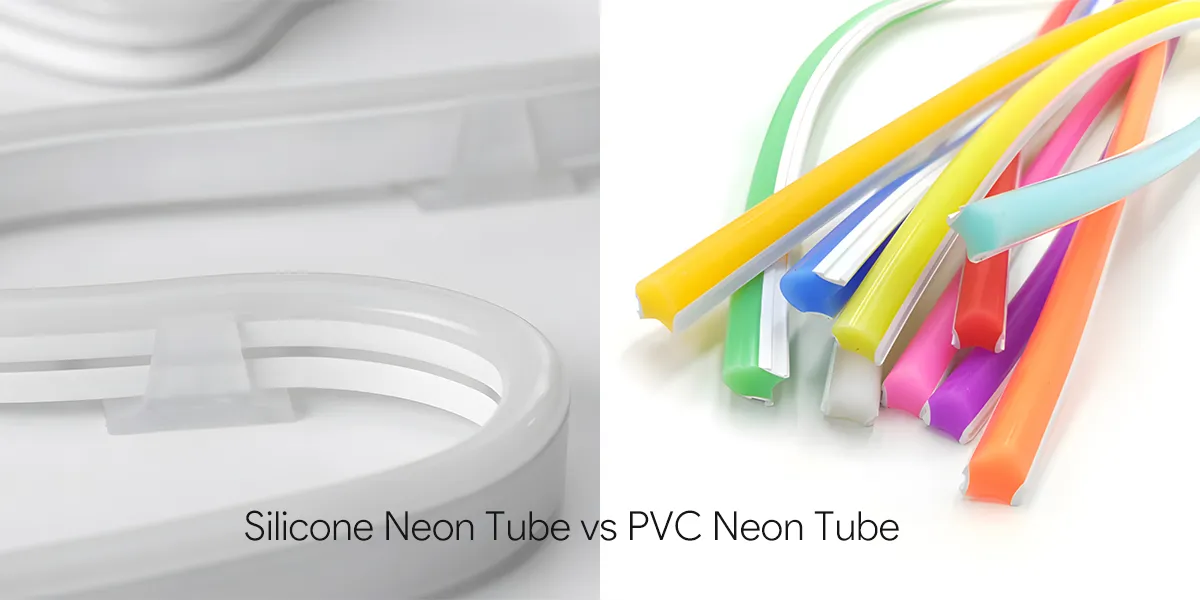
Najważniejszym czynnikiem decydującym o tym, czy Twój Znaki neonowe LED na zewnątrz Will żółty jest materiałem do enkapsulacji. Na rynku dostępne są dwa główne materiały: PVC i silikon. Ich charakterystyka wydajności jest odległa do świata.
Rury neonowe z PVC: tanie, ale z ukrytymi kosztami
Polichlorek winylu (PVC) jest szeroko stosowany, ponieważ jest niedrogi i łatwy do wytłaczania. Jednak jego struktura molekularna sprawia, że jest z natury wrażliwy w środowiskach zewnętrznych.
Łańcuchy polimerowe PVC zawierają atomy chloru. Po wystawieniu na działanie promieniowania UV lub ciepła następuje reakcja dechloringu, tworząc sprzężone wiązania podwójne, które pochłaniają światło widzialne i powodują zażółcenie. Gdy ten proces się rozpocznie, jest nieodwracalny i samoprzyspieszający.
Silikonowe rurki neonowe: zaprojektowane z myślą o trwałości na zewnątrz
Silikon jest zasadniczo inny: opiera się na szkielecie krzemowo-tlenowym (Si-O-Si), jednej z najbardziej stabilnych struktur chemicznych. Zapewnia to naturalną odporność na promieniowanie UV, z którą PVC po prostu nie może dorównać.
Wysokiej jakości silikonowe rurki neonowe od producentów takich jak Signliteled wykorzystują silikon utwardzony platynowo, oferujący następujące zalety:
- Doskonała odporność na promieniowanie UV i ciepło
- Wystarczająco elastyczny, aby dostosować się do złożonych kształtów architekt
- Długotrwała klarowność i żywe kolory przez 5-10 lat lub więcej
- Szeroka stabilność temperatury od -40°C do +60°C
Tabela porównawcza: PVC vs Silikon Neon Flex
| Cecha | neon pcv flex | neon silikonowy flex |
| Odporność na promieniowanie UV | Słabe - żółte w ciągu 6-12 miesięcy | Doskonałe – minimalne żółknięcie przez ponad 5 lat |
| Zakres temperatur | -15°C do +80°C (ograniczone) | -40°C do +200°C (szeroki zakres) |
| Wodoodporność | Do IP65 | Do IP68 (zanurzalny) |
| Żywotność (na zewnątrz) | Maks. 2–3 lata | 5-8+ lat |
| Elastyczność | Umiarkowane, sztywne z wiekiem | Wysoce elastyczny, powraca do kształtu |
| Odporność chemiczna | Słabe — reaguje z olejami, rozpuszczalnikami | Doskonały – niedbale do większości chemikaliów |
| Bezpieczeństwo | Może uwalniać toksyczne opary po spaleniu | Nietoksyczny, samogasnący |
| Zachowanie koloru | Żółć i chmury z czasem | Zachowuje przejrzystość i jasność |
| Koszt | Niższy z przodu | Wyższy z góry, niższy koszt cyklu życia |
Wpływ światła UV na różne materiały
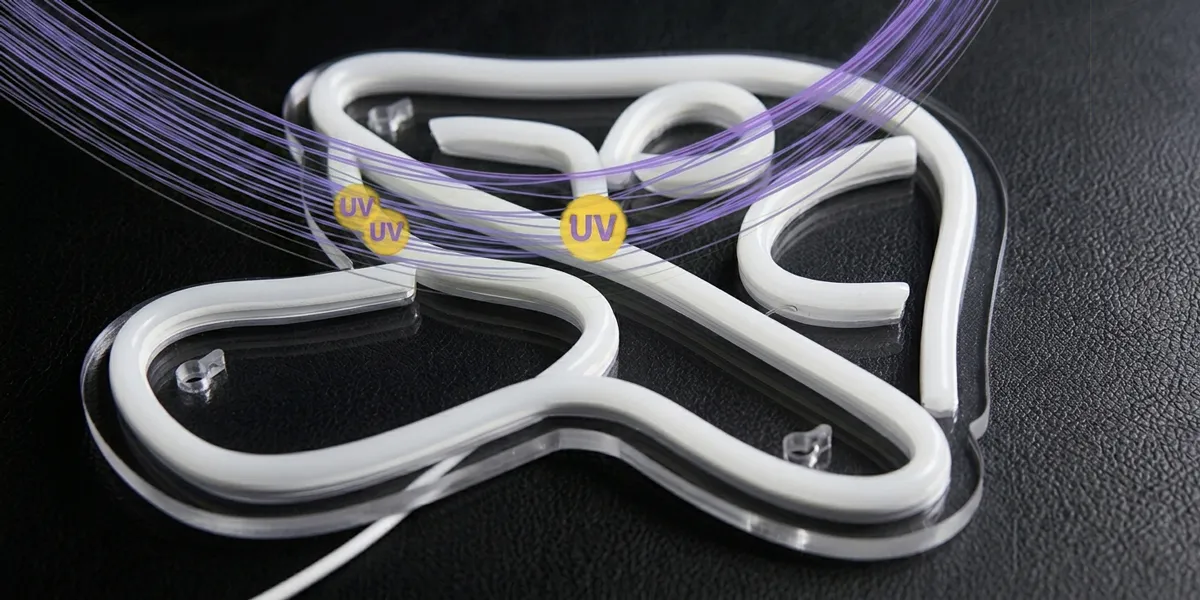
Nie wszystkie uszkodzenia UV objawiają się w ten sam sposób. Poniżej znajduje się oczekiwane zachowanie różnych materiałów po długotrwałej ekspozycji na światło słoneczne.
Zachowanie PVC WNDER UV LW porządku:
- 3-6 miesięcy: lekkie żółknięcie; powierzchnia może być lekko lepka.
- 6-12 miesięcy: zauważalne żółknięcie, które wpływa na przepuszczanie światła; białe znaczenia stają się kremowe.
- 12-24 miesiące: Głęboko żółte/brązowe przebarwienia; powierzchnia staje się łamliwa; pęknięcia zaczynają tworzyć się w punktach naprężeń.
- Ponad 24 miesiące: Poważna degradacja; całkowita utrata wydajności optycznej; wymagana wymiana.
Wydajność silikonowa pod wpływem promieniowania UV:
- 2–3 lata: brak widocznych zmian; zachowuje oryginalny kolor i przejrzystość.
- 3-5 lat: bardzo niewielkie przesunięcie koloru (ΔE < 1,5); wydajność optyczna pozostaje nienaruszona.
- 5-8 lat: Mogą wystąpić niewielkie zmiany powierzchni; przepuszczalność światła pozostaje > 90%.
- 8+ lat: Wysokiej jakości silikon utwardzany platyną nadal działa bez zauważalnego żółknięcia.
Standard branżowy: najbardziej niezawodny silikonowy neonowy rurka musi przejść test starzenia 3000 godzin przyspieszonego UV, co odpowiada około 9 lat rzeczywistej ekspozycji na zewnątrz, przy jednoczesnym zachowaniu przesunięcia koloru poniżej ΔE 1,5 - niedostrzegalnego dla ludzkiego oka.
5 znaków ostrzegawczych materiałów o niskiej jakości
Przed zakupem rurek neonowych na zewnątrz, sprawdź następujące oznaki materiałów niskiej jakości:
- Podejrzanie niskie ceny: Jeśli cena wydaje się zbyt dobra, aby była prawdziwa, zwykle tak jest. Koszt produkcji prawdziwego silikonu jest znacznie wyższy niż w przypadku PVC. Ekstremalne rabaty prawie zawsze wskazują na materiały PVC lub materiały pochodzące z recyklingu.
- Silny zapach chemiczny: PVC emituje wyraźny zapach plastiku, zwłaszcza gdy jest nowy lub po podgrzaniu. Wysokiej jakości silikonowe rurki neonowe są praktycznie bezwonne.
- Sztywna lub lepka powierzchnia: PVC wydaje się twardszy i mniej elastyczny niż silikon. Z wiekiem staje się lepki, a następnie kruchy. Silikon zachowuje gładką, gumową teksturę przez całą żywotność.
- Niejasne lub brakujące specyfikacje materiałowe: Renomowani dostawcy wyraźnie podają w swoich kartach danych produkt „silikon 100%” lub „silikon utwardzony platynowo”. Jeśli materiał nie jest określony, można ogólnie przyjąć, że jest to PVC.
- Brak danych z testów UV: Producenci wysokiej jakości dostarczają wyniki testów starzenia QuV lub Xenon Acced Acced Aging. Brak danych testowych jest silnym wskaźnikiem słabej odporności na promieniowanie UV.
Jak wysokiej jakości silikon zapobiega starzeniu
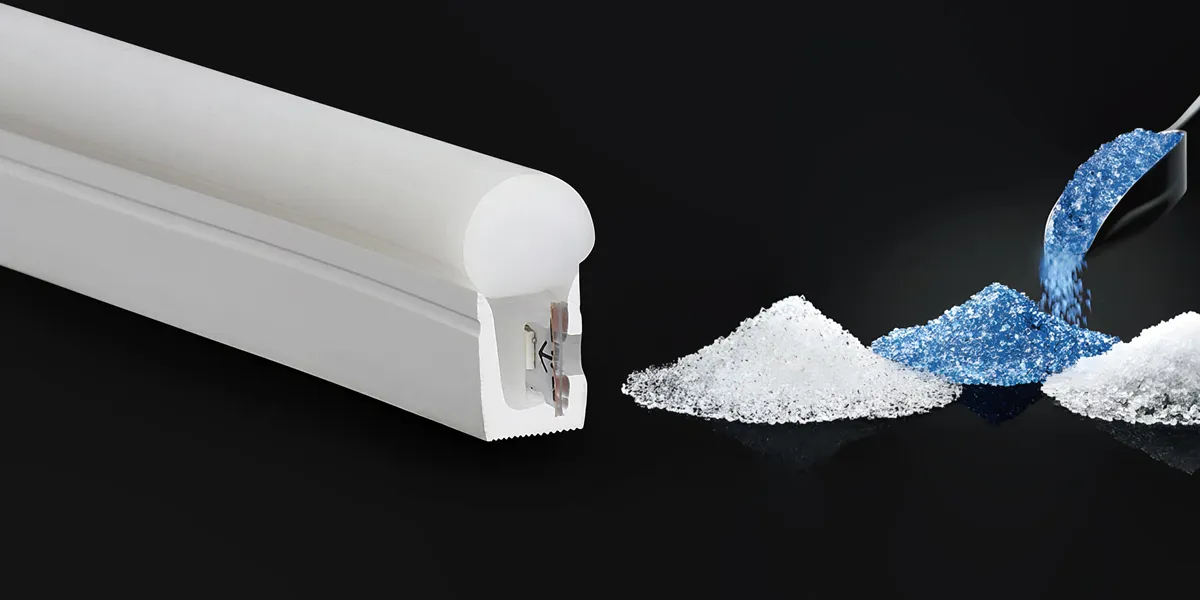
Co sprawia, że wysokiej jakości rurki silikonowe neonowe są tak odporne na żółknięcie? Wszystko sprowadza się do następujących trzech decyzji inżynieryjnych.
1. Preparat utwardzony platyną
W przeciwieństwie do silikonu utwardzonego nadtlenkiem (który pozostawia katalizatory resztkowe, które z czasem powodują żółknięcie), utwardzany platyną silikon wykorzystuje katalizator z metali szlachetnych do pełnego usieciowania polimeru. Wynikowe cechy materiału:
- Brak pozostałych produktów ubocznych, które mogą powodować odbarwienie
- Doskonała przezroczystość i przepuszcza
- Zwiększona wytrzymałość mechaniczna i odporność na rozdarcie
2. Integracja nanocząstek blokujących promieniowanie UV
Wysokiej jakości preparaty silikonowe jednolicie zawierają absorbujące promieniowanie UV nanocząstki (zazwyczaj w stężeniu 3%) podczas procesu wytłaczania. Tworzy to monolityczną warstwę ochronną, a nie powłokę powierzchniową, która może się zużyć.
3. Odporna na warunki atmosferyczne technologia ko-ekstruzji
Najlepszy neonowy rura na zewnątrz wykorzystuje trójwarstwową technologię ko-wytłaczania:
- Warstwa wewnętrzna: Optyczny dyfuzor dla równomiernego rozsyłu światła
- Warstwa środkowa: silikonowe nanocząstki zawierające silikonowe zabezpieczenie UV
- Warstwa zewnętrzna: Silikon odporny na warunki atmosferyczne zapewniający ochronę środowiska
Ta warstwowa struktura zapewnia, że ścieżka optyczna pozostaje czysta i dokładna kolor, nawet jeśli na powierzchni zewnętrznej doświadcza niewielkiego starzenia.
Najlepsze materiały do użytku na zewnątrz: jak wybrać odpowiedni typ
Przy wyborze rurek neonowych LED do zastosowań zewnętrznych nie wszystkie silikony są sobie równe. Oto kluczowe punkty, które należy wziąć pod uwagę.
| Zastosowanie | Zalecany materiał | Dlaczego |
| Fasady architektoniczne | Silikon utwardzony platyną (IP67+) | Żywotność 5-8 lat; ekstremalna stabilność temperatury |
| Oznakowanie i litery kanałów | Wysokiej jakości silikon z dodatkami UV | Spójny kolor; brak żółknięcia za materiałami na twarzy |
| Środowiska przybrzeżne/morskie | Silikon (IP68) z odpornością na rozpylanie soli | Obojętne do korozji soli; doskonałe uszczelnienie |
| Baseny i fontanny | Silikon (IP68, w pełni zanurzalny) | Kompletna hydroizolacja; odporność chemiczna |
| Tymczasowe wyświetlacze wewnętrzne | PVC lub PU (dopuszczalne) | Opłacalne przy krótkotrwałym użytkowaniu |
| Aplikacje do przechowywania w chłodni/zamrażarki | Silikon niskotemperaturowy | Pozostaje elastyczny poniżej -30°C |
Wniosek: Jeśli Twoja instalacja jest trwała i znajduje się na zewnątrz, określ silikonowe rurki z utwardzanym platynowym neonem. Początkowy dodatkowy koszt zwróci się wiele razy, oszczędzając na kosztach wymiany i utrzymując wizerunek marki.
SignLiteDed: Zaprojektowany z myślą o niezawodności na zewnątrz
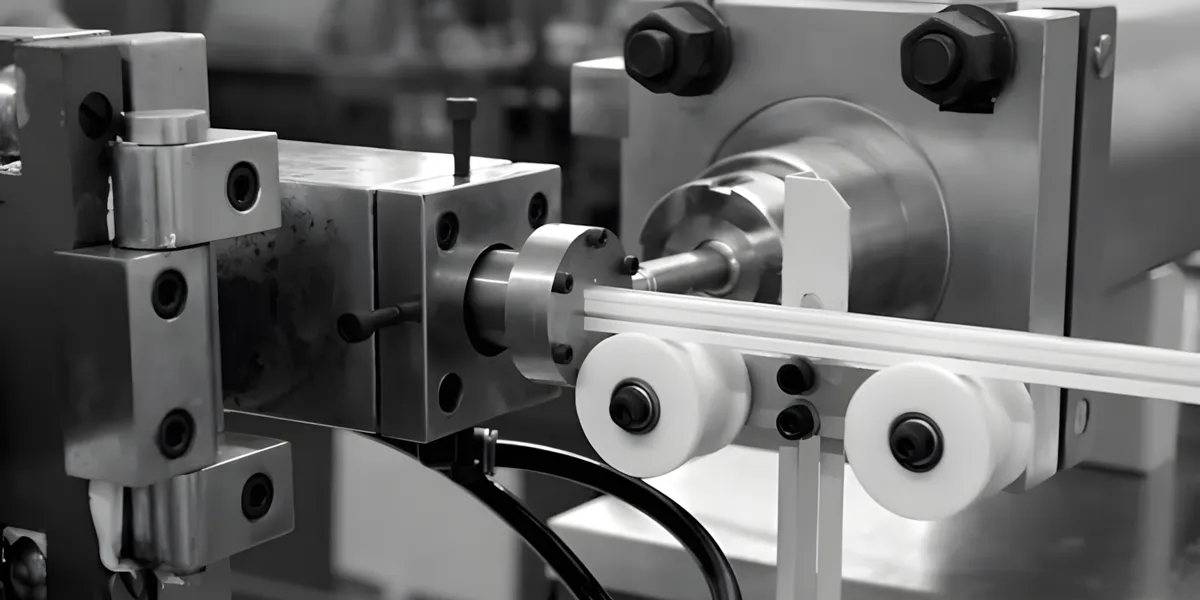
W Signlited rozumiemy, że oznakowanie zewnętrzne jest długoterminową inwestycją, a nie przedmiotem jednorazowym. Nasza seria rurek LED Neon jest produkowana z wysokiej jakości materiałów silikonowych i jest specjalnie zaprojektowana, aby odporna na żółknięcie, utrzymanie jasności i niezawodne działanie przez lata w trudnych warunkach zewnętrznych.
Nasza oferta produktów obejmuje:
- Seria T1010 / T1212 / T1616 - Silikonowe rurki neonowe z górną emitacją z bezkastrowym oświetleniem
- Seria D15 – kąt wiązki 270°, elastyczna konstrukcja silikonowa
- Seria C22 – IP67 Wodoodporny, 24VDC, odpowiedni do stałej instalacji na zewnątrz
- S0410 / S0612 / S0815 / SERII S1220 - Konfiguracje zgięć boczne, aby dostosować się do niestandardowych projektów oznakowań
Wszystkie SignLited Silikonowe Rury Neonowe podlegają rygorystycznym testom jakości, w tym starzeniem się przyspieszonym UV, cyklom termicznym i weryfikacji wodoodpornej - zapewniając, że niestandardowe neony pozostają tak żywe, jak w dniu ich zainstalowania, sezon po sezonie.
Poznaj nasze kompletne Katalog taśm neonowych LED Aby znaleźć odpowiednie rozwiązanie dla Twojego projektu.
Wniosek
Główną przyczyną żółknięcia w zewnętrznych rurach LED neonowych jest degradacja kapsułkowania PVC pod wpływem ekspozycji na promieniowanie UV. Chociaż PVC jest niedrogi, jego struktura molekularna nieuchronnie prowadzi do żółknięcia, kruchości i awarii. Silikon, w szczególności preparaty utwardzane platyną, zapewnia stabilność chemiczną i odporność na promieniowanie UV niezbędne do długotrwałego użytkowania na zewnątrz.
Kluczowe punkty dla specyfikatorów i kupujących:
- Przed zakupem rurek neonowych na zewnątrz, należy zweryfikować materiał. Jeśli nie jest oznaczony jako „silikonowy”, prawie na pewno jest to PVC.
- Żądanie danych z testu UV — test starzenia przyspieszonego o 3000 godzin (odpowiednik około 9 lat użytkowania w świecie rzeczywistym) jest punktem odniesienia dla branży.
- Oblicz całkowity koszt posiadania, a nie tylko cenę z góry. Znak PVC, który zawodzi w ciągu 12-24 miesięcy, jest znacznie droższy niż silikonowy znak, który trwa ponad 5 lat.
- W przypadku stałych instalacji zewnętrznych wybierz silikon utwardzany platynowo o wodoodporności IP67 lub IP68.
Rozumiejąc naukę stojącą za żółknięciem i kluczowe różnice między materiałami, możesz podejmować świadome decyzje, aby chronić swoją inwestycję i zapewnić, że Twoje oznakowanie zachowa swój wyjątkowy wygląd przez wiele lat.
Często zadawane pytania
Powiązane posty