Português
  English
  简体中文
简体中文  Deutsch
  Español
  Français
  Italiano
  日本語
日本語  한국어
한국어  Polski
  Русский
  Türkçe
  Nederlands
  Tiếng Việt
  ไทย
ไทย 
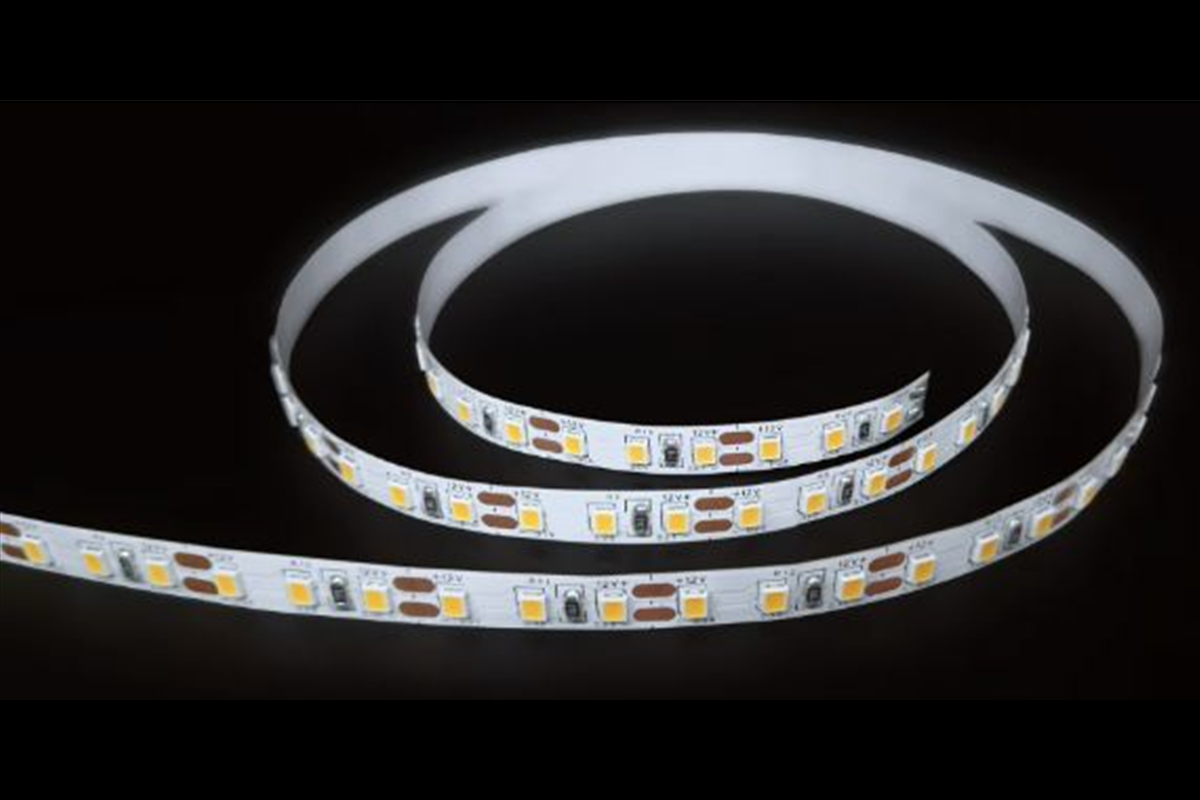
As luzes LED de espectro total são projetadas para produzir um espectro equilibrado de luz visível que se assemelha à luz natural do dia. Ao contrário das faixas de LED convencionais que enfatizam apenas certos comprimentos de onda, os LEDs de espectro total fornecem uma distribuição espectral mais completa e maior precisão de cores, tornando-as ideais para aplicações onde a reprodução fiel de cores e o conforto visual são essenciais.
À medida que a tecnologia de iluminação continua a evoluir, arquitetos, designers de iluminação, distribuidores e compradores comerciais estão enfatizando mais a qualidade da luz do que o brilho sozinho. Seja usado em expositores de varejo, museus, estúdios de fotografia, ambientes de saúde ou projetos residenciais premium, as luzes LED de espectro total ajudam a revelar as cores mais naturalmente e a criar uma experiência de iluminação mais confortável.
No entanto, nem todos os produtos rotulados como “Full Spectrum” oferecem o mesmo desempenho. Fatores como distribuição espectral, índice de renderização de cores (CRI), temperatura de cor (CCT), qualidade do chip LED e consistência de fabricação influenciam o efeito final da iluminação e a confiabilidade a longo prazo.
Neste guia, você aprenderá o que são as luzes LED de espectro total, como elas funcionam, suas principais vantagens, aplicativos comuns e as especificações mais importantes a serem consideradas antes de escolher um produto ou fabricante.
O que são luzes LED de espectro completo?
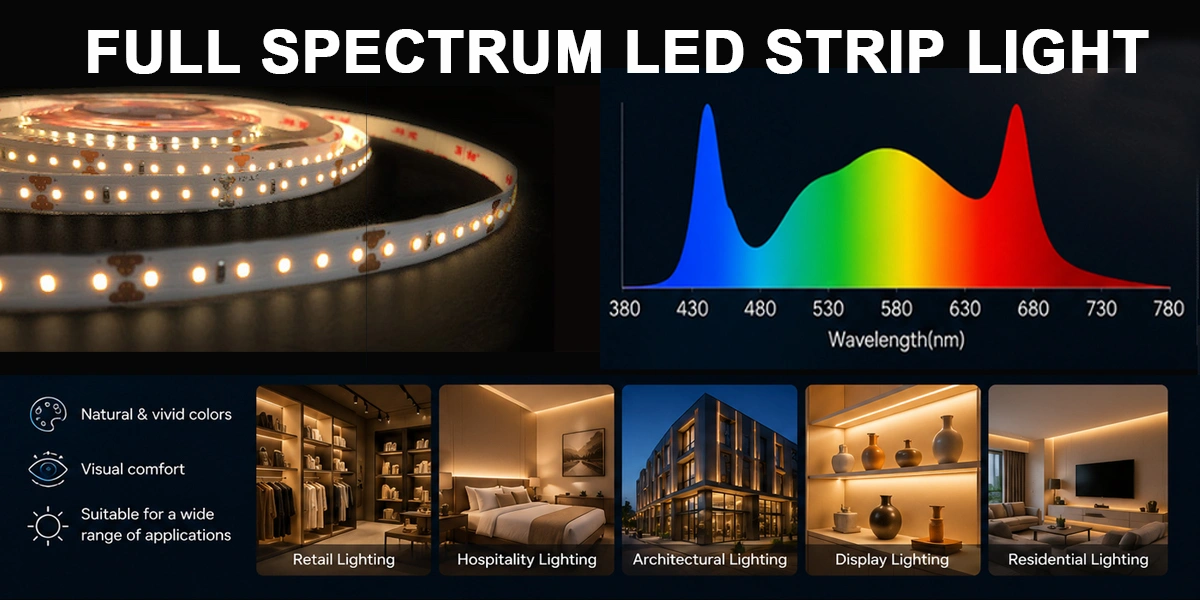
As luzes LED de espectro total são produtos de iluminação linear flexíveis, projetados para emitir uma ampla e equilibrada faixa de comprimentos de onda visíveis. Sua saída espectral destina-se a se assemelhar mais à luz natural do dia do que às tiras de LED convencionais, permitindo que objetos e ambientes iluminados pareçam mais naturais. Esta saída espectral equilibrada também contribui para Melhor renderização de cores, ajudando os objetos a aparecerem mais próximos de suas cores verdadeiras sob iluminação artificial.
O termo “espectro completo” descreve a distribuição geral da luz em todo o espectro visível, em vez de uma temperatura de cor específica, pacote de LED ou tecnologia de fabricação. No entanto, não existe um padrão universalmente aceito que defina exatamente quanta cobertura espectral um produto deve fornecer para se qualificar como espectro completo. Como resultado, o desempenho espectral das tiras de LED comercializadas sob este termo pode variar entre os fabricantes e os modelos de produtos.
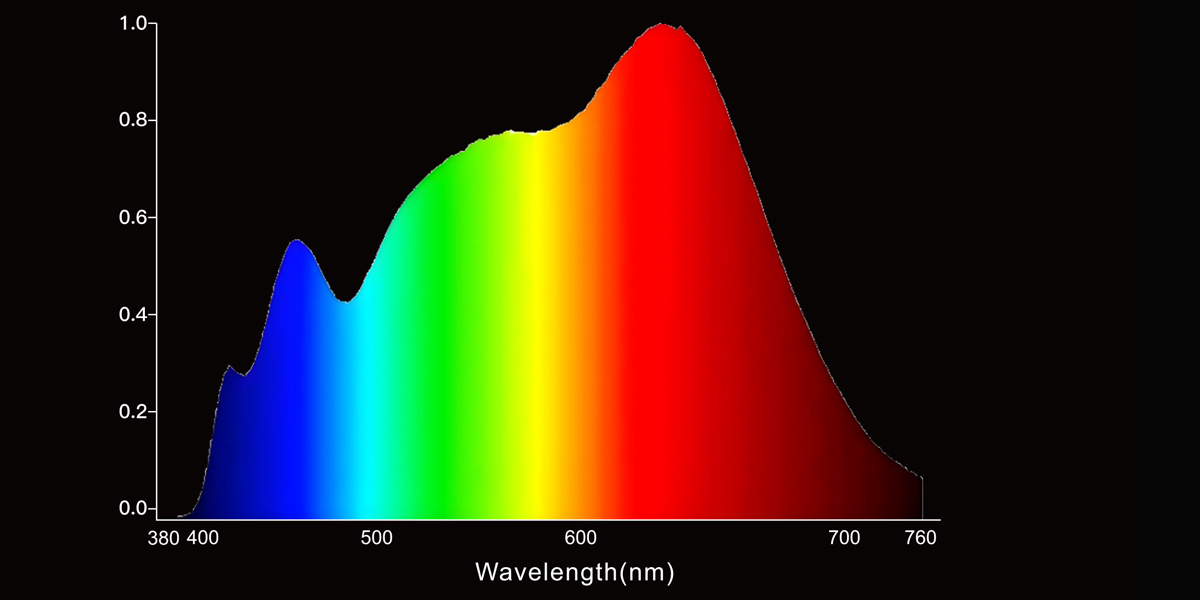
Legenda da Figura: Distribuição espectral típica de uma fonte de luz LED de espectro total em toda a faixa de comprimento de onda visível.
Como é alcançada a iluminação LED de espectro total?
Alcançar a iluminação LED de espectro total requer um controle cuidadoso do design da fonte de luz, incluindo seleção de chips de LED, tecnologia de fósforo e ajuste espectral. Ao contrário das tiras de LED convencionais, otimizadas principalmente para brilho e eficiência, as tiras LED de espectro total são projetadas para criar uma distribuição mais ampla e equilibrada de comprimentos de onda visíveis.
Uma abordagem comum é usar chips LED especialmente projetados, formulações avançadas de fósforo ou combinações de diferentes tecnologias de LED para melhorar a cobertura espectral. Por meio de um design óptico preciso e seleção de materiais, os fabricantes podem ajustar a saída de luz emitida para alcançar um espectro que se assemelha mais à luz natural do dia.
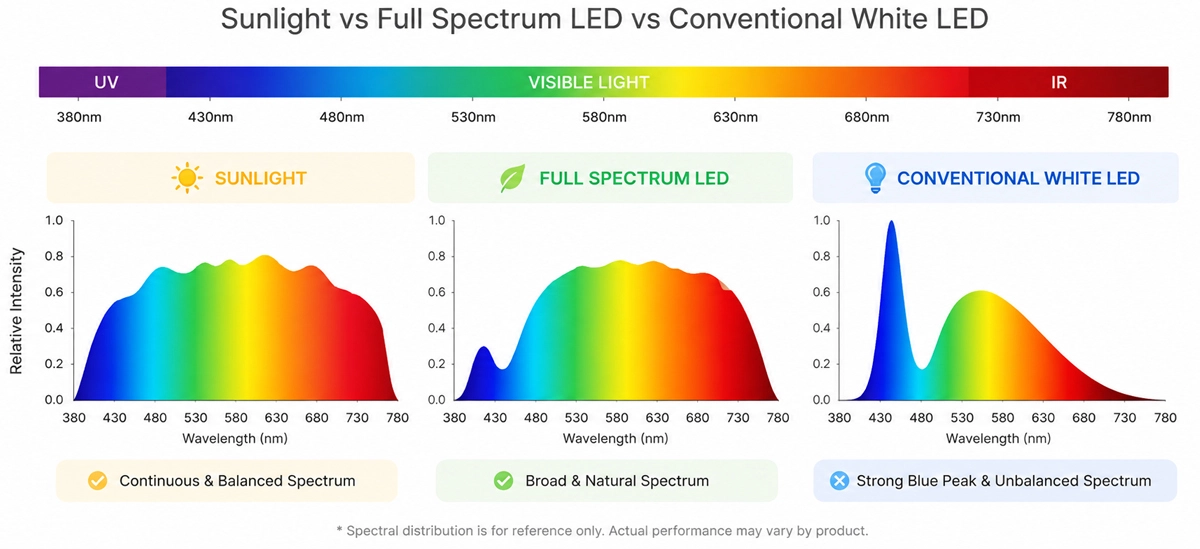
Figura: Comparação das distribuições espectrais típicas da luz solar, iluminação LED de espectro total e iluminação LED branca convencional.
A comparação de distribuição espectral acima ilustra a diferença entre um espectro de luz amplo e equilibrado e a saída de comprimento de onda limitada comumente encontrada em LEDs brancos convencionais. Ao melhorar o equilíbrio do comprimento de onda e reduzir as lacunas dentro do espectro visível, a tecnologia LED Full Spectrum pode proporcionar uma experiência de iluminação mais natural e confortável.
No entanto, alcançar um desempenho consistente de todo o espectro depende de mais do que apenas componentes de LED. Fatores como qualidade do chip LED, consistência do fósforo, estrutura óptica, gerenciamento térmico e controle de fabricação podem influenciar a saída espectral final. É por isso que as tiras de LED de espectro total de diferentes fabricantes podem fornecer resultados de iluminação diferentes, mesmo quando são usadas descrições de produtos semelhantes.
Compreender como a iluminação de espectro total é alcançada fornece a base para avaliar os principais fatores de desempenho, incluindo distribuição espectral, renderização de cores e temperatura de cor, que serão discutidos nas seções a seguir.
Espectro completo versus alta CRI versus LEDs de faixas padrão: qual é a diferença?
espectro completo, High CRI e luzes LED padrão de tiras são termos relacionados, mas não intercambiáveis. Eles descrevem diferentes aspectos do desempenho e design da iluminação LED. O espectro total se concentra principalmente na distribuição e equilíbrio dos comprimentos de onda produzidos pela fonte de luz, enquanto o CRI (Indexação de Renderização de Cores) avalia a precisão das cores. As luzes de tiras de LED padrão referem-se mais amplamente aos produtos de LED convencionais projetados para iluminação geral, onde as prioridades podem incluir brilho, eficiência, temperatura de cor e custo.
Luzes de tiras LED de espectro total versus alta CRI: entendendo a diferença
O espectro total e o alto CRI descrevem diferentes aspectos do desempenho da luz LED, mas ambos desempenham um papel importante na Qualidade da cor na iluminação LED. O espectro total refere-se principalmente à amplitude e distribuição dos comprimentos de onda produzidos por uma fonte de luz, enquanto o CRI (Índice de Renderização de Cores) mede a precisão com que a fonte de luz revela as cores em comparação com uma fonte de luz de referência.
Soluções de tiras de LED de alta qualidade Foi projetado para reproduzir cores com mais precisão, normalmente com um CRI de 90 ou mais para aplicações onde a boa qualidade da cor é importante. No entanto, uma classificação CRI elevada por si só não descreve a distribuição espectral completa do LED. Duas tiras de LED podem ter classificações CRI semelhantes, produzindo perfis espectrais visivelmente diferentes.
Uma faixa de LED de espectro completo, por outro lado, concentra-se mais amplamente na distribuição de comprimentos de onda visíveis. Quando o espectro está bem equilibrado e relativamente contínuo, a luz pode fornecer iluminação natural e forte renderização de cores. Por esse motivo, muitas tiras de LED de espectro total de alta qualidade também são projetadas com alto desempenho CRI e forte R9.
Comparação rápida: espectro total versus alto CRI
| Caraterística | Ffaixa de led de espectro ull | faixa de led de cris mais alto |
| foco principal | distribuição espectral | Precisão de renderização de cores |
| Medição principal | spd | CRI / RA |
| Cobertura de comprimento de onda visível | Ampla e equilibrada | não necessariamente amplo |
| IRC | pode ser alto | geralmente alto |
| Desempenho R9 | pode ser otimizado | Depende do design do LED |
| Continuidade do espectro | fator importante | não definido pelo CRI sozinho |
| relação | também pode ser alto | também pode ser de espectro total |
Os dois conceitos não são, portanto, mutuamente exclusivos. Uma faixa de LED de espectro completo também pode ser uma faixa de LED CRI com alto teor de CRI, e essa combinação pode ser particularmente valiosa para aplicações em que tanto a qualidade espectral quanto a reprodução precisa de cores são importantes.
O CRI não deve, portanto, ser considerado isoladamente ao avaliar a iluminação LED de espectro total. Observar a distribuição de potência espectral em conjunto com CRI, R9, CCT, eficácia luminosa e consistência de cor fornecem uma imagem mais completa do desempenho da fonte de luz.
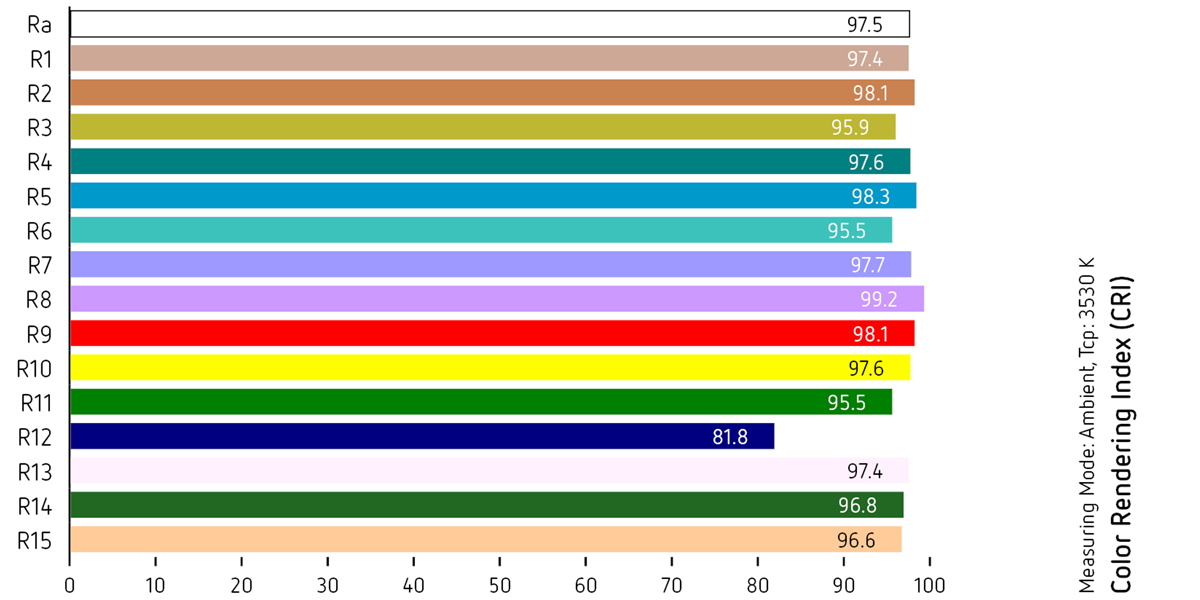
Exemplo da distribuição espectral e das características de renderização de cores de uma faixa de LED CRI.
Para uma melhor compreensão da renderização de cores e do CRI, o vídeo abaixo explica como o CRI é medido e por que isso importa ao avaliar a qualidade da iluminação LED.

Espectro completo versus luzes de tiras de LED padrão: entendendo a diferença
As luzes de tiras de LED padrão geralmente são projetadas em torno de requisitos práticos de iluminação, como brilho, eficiência energética, temperatura de cor, custo do produto e iluminação geral. Suas características espectrais podem variar significativamente dependendo do chip LED, formulação de fósforo e design geral do produto.
As luzes de tiras LED de espectro total enfatizam a qualidade espectral e a distribuição do comprimento de onda. Seu design espectral visa fornecer uma cobertura mais ampla e equilibrada em toda a faixa visível, o que pode contribuir para uma aparência de cores mais natural e uma percepção visual consistente.
Isso não significa que as tiras de LED padrão fornecem luz de baixa qualidade. Muitas luzes de LED convencionais podem oferecer uma excelente eficiência, desempenho confiável e boa renderização de cores. A principal diferença é a prioridade do design: uma faixa de LED padrão pode ser otimizada principalmente para iluminação geral, eficiência ou custo, enquanto uma faixa LED de espectro completo dá maior ênfase à qualidade e distribuição do espectro emitido.
Comparação rápida: espectro completo versus luzes de faixa de LED padrão
| Caraterística | Faixa LED de espectro completo | tira de led padrão |
| Prioridade de design | Qualidade espectral e distribuição de comprimento de onda | iluminação geral |
| distribuição espectral | Ampla e equilibrada | Depende do design do LED |
| IRC | Frequentemente disponível em versões de alta CRI | varia de acordo com o produto |
| aparência de cor | Projetado para iluminação natural | Depende do design de LED e de fósforo |
| Eficiência | pode ser alto | Muitas vezes, uma consideração importante do projeto |
| Custo | pode ser maior | Faixa de preços mais ampla |
| Aplicativos típicos | Iluminação de cores e premium | Iluminação comercial e residencial geral |
Nenhum tipo é universalmente melhor. Vale a pena considerar as luzes de tiras de LED de espectro total quando a qualidade espectral, a aparência da cor e a consistência visual são importantes, enquanto as tiras de LED padrão podem ser uma escolha prática quando a iluminação, eficiência e custo gerais são as prioridades principais.
Em última análise, a faixa de LED direita depende dos requisitos de iluminação específicos de cada projeto e não apenas do rótulo do produto. Para aplicações em que a precisão das cores, a qualidade visual e o desempenho espectral são essenciais, revisando dados técnicos, como SPD, CRI, R9, CCT, eficácia luminosa e consistência de cores, fornecendo uma base mais confiável para a seleção do produto.
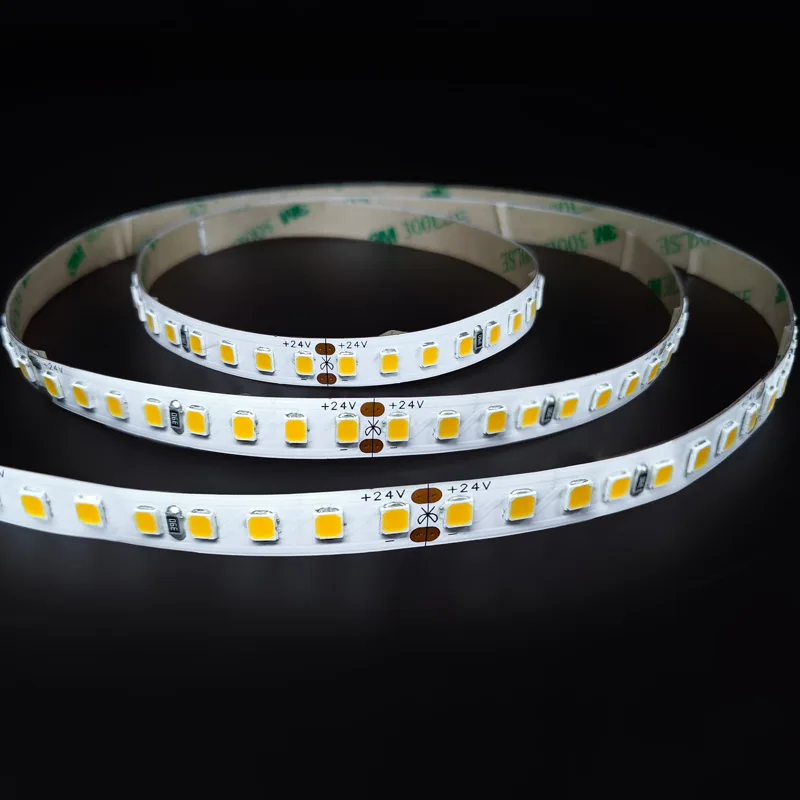
- 128 LEDs SMD2835 por metro
- 10 mm de largura de placa de circuito impresso
- CRI 80/90/98
- Alta eficiência até 200lm/W
- Totalmente regulável
- Fita adesiva forte de dupla face 3M
- Temperaturas de cor de 3000K, 4000K e 6500K opcionais
- BIN de uma só cor, SDCM de 3 passos disponível
- Pode ser OEM/ODM e personalizável
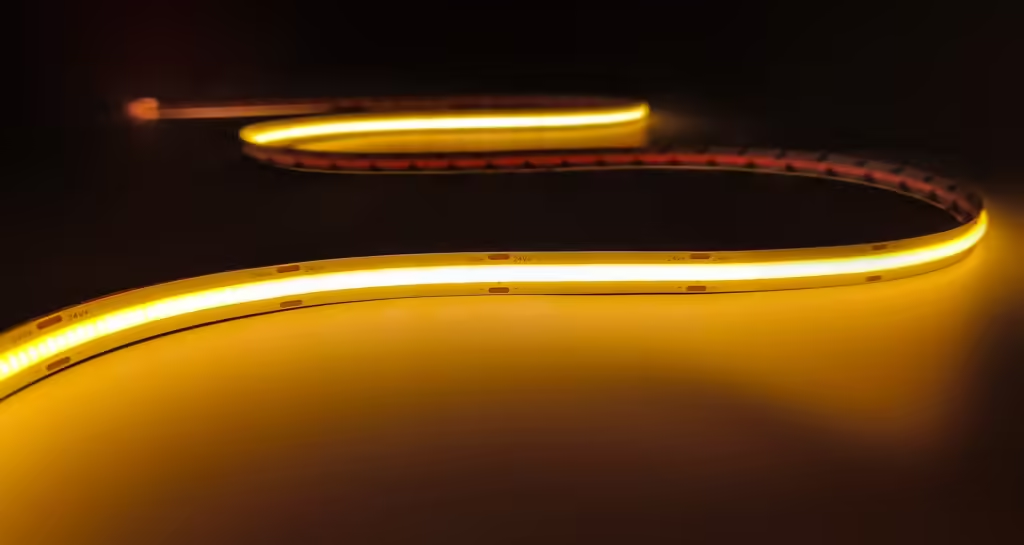
Fita LED COB com 480Chips para Iluminação Decorativa
- 480chips/m, 100lm/W, sem pontos
- Disponível na temperatura de cor de 2700K a 6500K
- Regulável
- Ângulo de feixe de 180 graus
- CRI 80/90/98
- Tecnologia sem solda, bobina a bobina
Especificações-chave das luzes de LED de espectro completo
Ao selecionar as luzes LED de espectro completo, os compradores devem olhar além do rótulo “Full Spectrum” e avaliar as especificações técnicas que determinam a qualidade da luz, confiabilidade e adequação para diferentes aplicações.
1. Distribuição de potência espectral (SPD)
Uma faixa de LED de espectro completo bem projetada deve fornecer uma cobertura ampla e relativamente equilibrada em toda a faixa de comprimento de onda visível. A curva de distribuição de energia espectral (SPD) fornece uma representação visual de como a energia da luz é distribuída em diferentes comprimentos de onda e é uma das referências mais úteis para avaliar a qualidade do espectro. Ao analisar a curva do SPD, os compradores podem entender melhor se uma faixa de LED fornece uma saída espectral equilibrada, em vez de depender apenas de termos de marketing, como “espectro completo” ou “semelhante à luz do sol”.
2. CRI (Índice de Renderização de Cores) e R9
CRI indica a renderização das cores com precisão, enquanto R9 fornece informações adicionais sobre renderização em vermelho saturado. Para aplicações comerciais e sensíveis à cor, o CRI 90+ é geralmente um ponto de partida prático, com maior desempenho CRI e forte R9, preferido para aplicações que requerem maior precisão de cor.

O vídeo fornece uma explicação simples do CRI, incluindo como ele difere do CCT e como o CRI afeta a qualidade percebida da cor.
3. CCT (temperatura de cor correlacionada)
O CCT determina se a luz parece quente, neutra ou fria. As tiras de LED de espectro total podem ser produzidas em diferentes opções de temperatura de cor, incluindo branco quente, branco neutro e branco à luz do dia. Diferentes aplicações podem exigir diferentes seleções de CCT, dependendo da atmosfera visual desejada e dos requisitos de iluminação. Saiba mais sobre como escolher o certo Temperatura de cor para iluminação LED.
4. Densidade LED e Uniformidade
A densidade do LED afeta a uniformidade da iluminação e o aparecimento de manchas escuras. As tiras de LED de alta densidade podem fornecer luz mais suave, principalmente em perfis rasos, vitrines e aplicações em que a tira é instalada perto da superfície iluminada.
5. Consumo de energia e eficácia luminosa
O consumo de energia é normalmente especificado em watts por metro (W/m) e deve ser considerado juntamente com a saída de luz e eficácia luminosa. O nível de potência adequado depende do brilho necessário, consumo de energia, condições térmicas e requisitos de aplicação.
6. voltagem
As luzes LED de espectro completo estão comumente disponíveis em 12v e 24v configurações. Para corridas mais longas, 24V é frequentemente preferido porque pode ajudar a reduzir a queda de tensão e manter uma iluminação mais consistente ao longo da tira.
7. Classificação IP
A classificação IP adequada depende do ambiente de instalação. O IP20 é geralmente adequado para aplicações internas secas, enquanto IP65, IP67 ou IP68 podem ser necessários para aplicações expostas à umidade, poeira ou condições externas.
| especificação | O que considerar |
| distribuição espectral | Procure uma cobertura ampla e equilibrada em todo o espectro visível. |
| CRI & R9 | CRI 90+ é comumente preferido para iluminação de qualidade; R9 mais alto pode melhorar a renderização de cor vermelha. |
| CCT | Selecione a temperatura de cor de acordo com a aplicação, como branco quente, branco neutro ou luz do dia. |
| Densidade do LED | A densidade de LED mais alta pode fornecer iluminação mais uniforme e reduzir os hotspots visíveis. |
| Poder e eficácia | Equilibre o brilho, o consumo de energia e o desempenho térmico. |
| Tensão | As configurações de 12 V e 24 V são comumente disponíveis; 24 V são frequentemente preferidos para corridas mais longas. |
| Classificação IP | Escolha o nível de proteção adequado para ambientes internos, úmidos ou externos. |
Para projetos com requisitos específicos de segurança fotobiológica, os compradores também devem considerar IEC 62471 Conformidade e classificação de risco de luz azul Ao avaliar a iluminação da tira de LED.
Para projetos comerciais e OEM, outras especificações, como largura de PCB, comprimento de corte, método de escurecimento, tipo de conector e comprimento do carretel, também podem precisar ser personalizadas de acordo com os requisitos de instalação.
Aplicações de luzes LED de espectro completo
A iluminação LED de espectro completo é particularmente adequada para aplicações em que a qualidade da cor, a consistência visual e a percepção visual precisa são importantes. Ao contrário das soluções de iluminação de uso geral que se concentram principalmente no brilho e na eficiência, as tiras LED de espectro total são frequentemente selecionadas quando a qualidade dos objetos e ambientes iluminados é uma consideração fundamental.
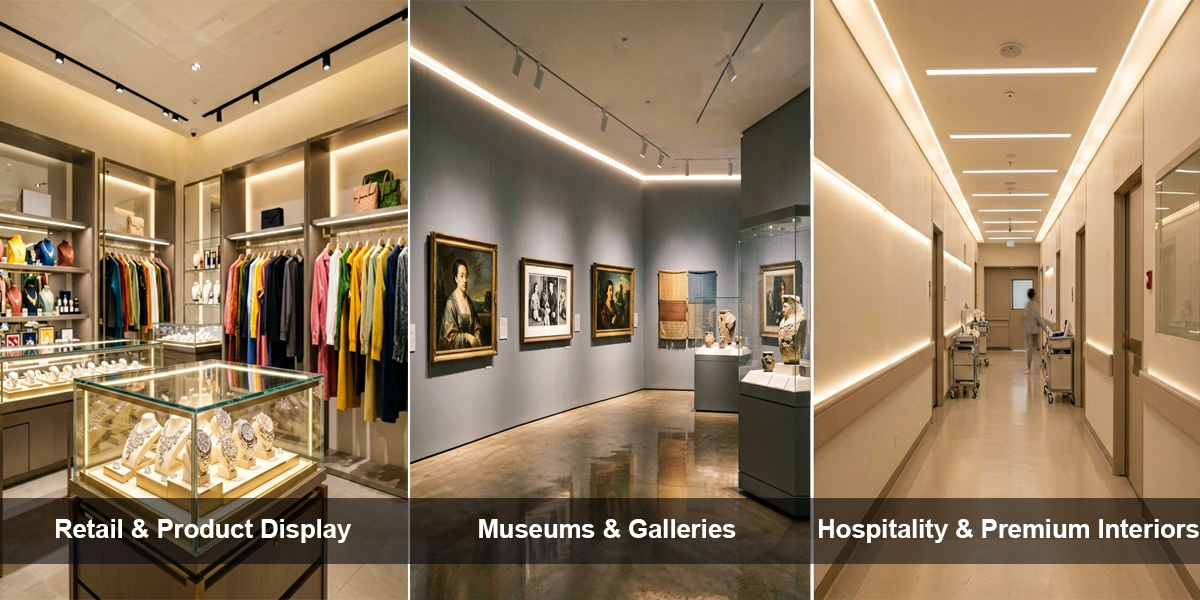
1. Iluminação de exibição de produtos e varejo
As luzes LED de espectro total são amplamente utilizadas em lojas de varejo, vitrines, prateleiras e vitrines de produtos onde a iluminação influencia diretamente a forma como a mercadoria é percebida. Ao fornecer iluminação mais natural e apoiar uma aparência de cores precisa, eles podem ajudar a destacar detalhes e cores de produtos como roupas, cosméticos, joias, alimentos e artigos de luxo.
Para aplicações de varejo, a qualidade espectral deve ser considerada juntamente com os requisitos de brilho, eficiência energética e instalação para alcançar a experiência desejada do cliente.
2 . Museus, galerias e exibição de arte
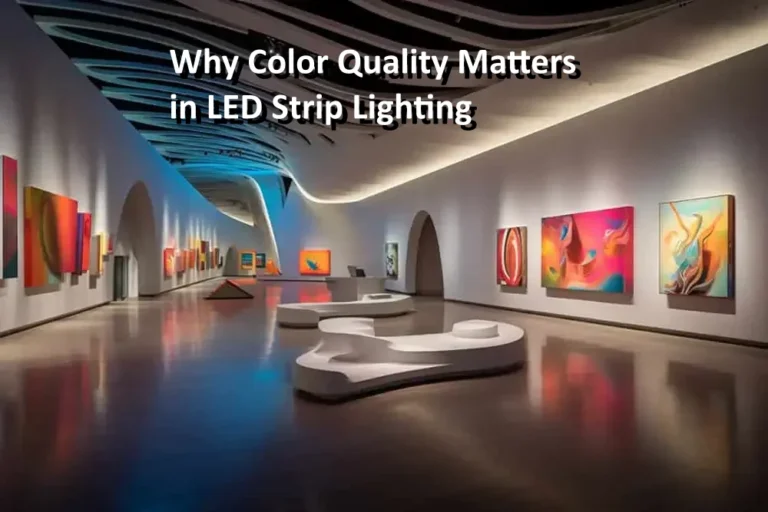
Museus, galerias e exposições exigem um controle cuidadoso da iluminação, porque pinturas, fotografias, têxteis e objetos históricos geralmente contêm cores sutis e detalhes superficiais. A iluminação de tiras LED de espectro total pode ajudar a criar uma experiência de visualização mais natural, mas as decisões de iluminação também devem considerar fatores como nível de iluminação, radiação UV/IR, geração de calor e requisitos de conservação.
3. Hospitalidade e iluminação interior premium
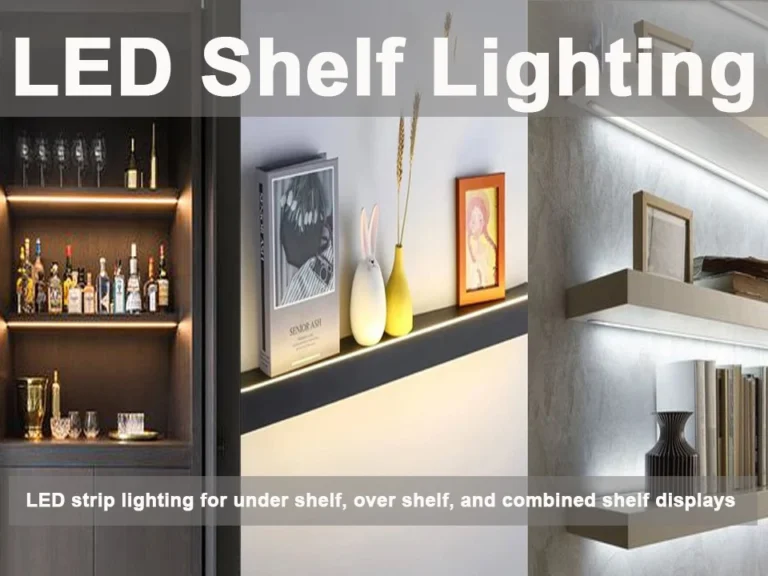
Hotéis, restaurantes, showrooms e interiores premium residenciais podem usar faixas LED de espectro total para aplicações como iluminação de enseada, iluminação de armários, prateleiras, detalhes de parede e iluminação indireta.
Quando combinado com um desempenho adequado de renderização de cores e renderizações de cores, a iluminação LED de espectro total pode melhorar a aparência dos móveis, tecidos, madeira, pedra e outros materiais internos, mantendo uma atmosfera visual consistente.
Escolhendo o aplicativo certo
As luzes de tiras LED de espectro total não são necessariamente a melhor escolha para todos os projetos. Eles fornecem o maior valor em aplicações onde a precisão das cores, a qualidade visual e o desempenho espectral são fatores importantes.
Para projetos em que o brilho, eficiência, requisitos de instalação e custo são as principais prioridades, as tiras de LED convencionais ou as tiras de LED CRI podem fornecer uma solução mais prática.
Quanto custam as luzes LED de espectro completo?
As luzes de LED de espectro total normalmente variam de $3 a $12 por metro para a maioria das aplicações comerciais e OEM, dependendo da tecnologia LED, desempenho espectral, requisitos CRI/R9, saída de energia, personalização e quantidade do pedido.
O preço real varia de acordo com fatores como pacote de LED, design espectral, qualidade do componente, densidade de LED, certificações e volume de produção. Como os produtos comercializados como “espectro total” podem ter especificações e níveis de desempenho diferentes, os compradores devem avaliar os preços juntamente com os requisitos técnicos e não apenas com o preço.
No entanto, não existe um preço padrão único para luzes LED de espectro completo, pois os produtos comercializados nessa categoria podem ter especificações espectrais e elétricas significativamente diferentes.
| Categoria do produto | Faixa de preços típica* | Aplicações comuns |
| Espectro padrão completo / faixa LED CRI | $3–$6/M | Iluminação comercial geral |
| High CRI 90+ Led Strip | $5–$8/M | Varejo, hotelaria, iluminação arquitetônica |
| Ultra-alto faixa de LED CRI 95+ | $8–$12/M | Visor, arte, interiores premium |
| Soluções personalizadas do Spectrum / OEM | $10–$15+/M | Aplicações e projetos especiais de cores críticas |
*Feriências indicativas de mercado apenas para referência. O preço real depende das especificações, quantidade, certificações, personalização e recursos do fornecedor.
O que determina o preço?
As principais diferenças de preços vêm do pacote LED, design espectral, qualidade do componente, requisitos de produção e nível de personalização.
Uma faixa de LED de espectro total projetada para alto desempenho de CRI e R9 forte pode exigir componentes de LED mais especializados e controle de produção mais rígido do que uma tira de LED padrão. Maior densidade de LED, maior potência de saída, PCB LED personalizado, certificados, e testes adicionais podem aumentar ainda mais o custo.
A quantidade de pedidos também tem um impacto significativo na precificação unitária. Pedidos de amostras pequenas geralmente têm um custo por metro mais alto porque a configuração de fabricação, testes, embalagem e custos de logística são distribuídos em menos unidades.
Preços personalizados de tiras de LED de espectro total
Para projetos de OEM e ODM, os compradores podem solicitar uma faixa LED de espectro total personalizado em vez de selecionar um produto pronto para uso. Requisitos personalizados, como desempenho espectral, CCT, CRI/R9, largura da placa, densidade do LED, tensão, comprimento de corte, classificação IP, conectores e embalagem podem afetar a cotação final.
Por esse motivo, os compradores devem comparar produtos com base nas mesmas especificações e quantidades, em vez de usar o preço por metro como único critério de compra.
Um fabricante pode oferecer um preço unitário mais baixo para um projeto de alto volume, enquanto um pedido personalizado pequeno pode ter um custo inicial mais alto, mas fornece a configuração espectral e mecânica exata exigida pelo aplicativo.
Perguntas frequentes sobre luzes de tiras de LED de espectro completo
Conclusão
As luzes de tiras LED de espectro total são uma solução adequada para projetos que exigem mais do que iluminação básica, principalmente quando a qualidade da cor, a luz natural e o desempenho visual consistente são importantes. A escolha do produto certo, no entanto, requer a correspondência de suas especificações e configurações com o aplicativo específico, em vez de depender apenas do rótulo “Full Spectrum”.
Para compradores que procuram um fabricante de faixas LED de espectro total na China, trabalhar diretamente com uma fábrica pode oferecer maior flexibilidade na personalização, planejamento da produção, controle de qualidade e suporte a OEM. Isso pode ser especialmente valioso para projetos de iluminação comercial, expositores de varejo, aplicações de arquitetura e outros projetos com requisitos específicos de produtos.
SignliteLED É um fabricante de tiras de LED baseada na China, que fornece soluções personalizadas de iluminação de tiras de LED para clientes globais B2B. Oferecemos suporte a tiras de LED de espectro total, tiras de LED de alto CRI, produção de OEM e ODM e soluções personalizadas para diferentes requisitos do projeto, ajudando os clientes a passar do desenvolvimento de produtos e amostragem para produção e entrega em massa.
Procurando um fabricante confiável de tiras LED de espectro total na China? Contato Signliteld para discutir os requisitos do seu aplicativo, especificações técnicas, quantidade e necessidades de OEM/ODM.
Escrito por: Elaine Zhu, gerente geral da SignliteLED
Revisão Técnica: Jason Chen, líder em P&D na Signliteld
E-mail: info@signliteled.com
Postagens relacionadas