ไทย
ไทย  English
  简体中文
简体中文  Deutsch
  Español
  Français
  Italiano
  日本語
日本語  한국어
한국어  Polski
  Português
  Русский
  Türkçe
  Nederlands
  Tiếng Việt
ไฟแถบ LED แบบเต็มสเปกตรัมได้รับการออกแบบมาเพื่อสร้างสเปกตรัมแสงที่มองเห็นได้ซึ่งคล้ายกับแสงธรรมชาติอย่างใกล้ชิด ไม่เหมือนกับแถบ LED ทั่วไปที่เน้นเฉพาะความยาวคลื่นบางช่วง ไฟ LED แบบเต็มสเปกตรัมให้การกระจายสเปกตรัมที่สมบูรณ์ยิ่งขึ้นและความแม่นยำของสีที่สูงขึ้น ทำให้เหมาะสำหรับการใช้งานที่การสร้างสีที่ซื่อสัตย์และความสบายทางสายตาเป็นสิ่งสำคัญ
ในขณะที่เทคโนโลยีแสงสว่างยังคงพัฒนาอย่างต่อเนื่อง สถาปนิก นักออกแบบแสง ผู้จัดจำหน่าย และผู้ซื้อเชิงพาณิชย์ให้ความสำคัญกับคุณภาพแสงมากกว่าความสว่างเพียงอย่างเดียว ไม่ว่าจะใช้ในร้านค้าปลีก พิพิธภัณฑ์ สตูดิโอถ่ายภาพ สภาพแวดล้อมด้านการดูแลสุขภาพ หรือโครงการที่อยู่อาศัยระดับพรีเมียม ไฟแถบ LED แบบเต็มสเปกตรัมช่วยเผยให้เห็นสีที่เป็นธรรมชาติมากขึ้น และสร้างประสบการณ์แสงที่สบายยิ่งขึ้น
อย่างไรก็ตาม ไม่ใช่ทุกผลิตภัณฑ์ที่มีป้ายกำกับว่า "Full Spectrum" จะมีประสิทธิภาพเหมือนกัน ปัจจัยต่างๆ เช่น การกระจายสเปกตรัม ดัชนีการเรนเดอร์สี (CRI) อุณหภูมิสี (CCT) คุณภาพของชิป LED และความสม่ำเสมอในการผลิต ล้วนส่งผลต่อเอฟเฟกต์แสงขั้นสุดท้ายและความน่าเชื่อถือในระยะยาว
ในคู่มือนี้ คุณจะได้เรียนรู้ว่าไฟแถบ LED แบบเต็มสเปกตรัมคืออะไร ทำงานอย่างไร ข้อดีหลัก การใช้งานทั่วไป และข้อกำหนดที่สำคัญที่สุดที่ควรพิจารณาก่อนเลือกผลิตภัณฑ์หรือผู้ผลิต
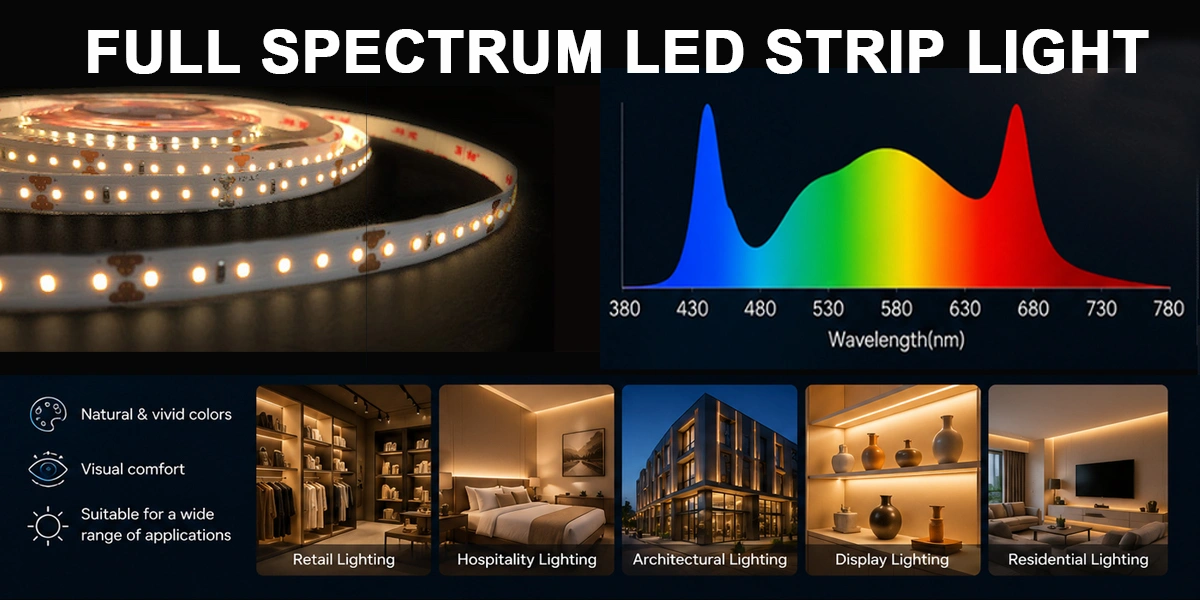
ไฟแถบ LED แบบเต็มสเปกตรัมคืออะไร?
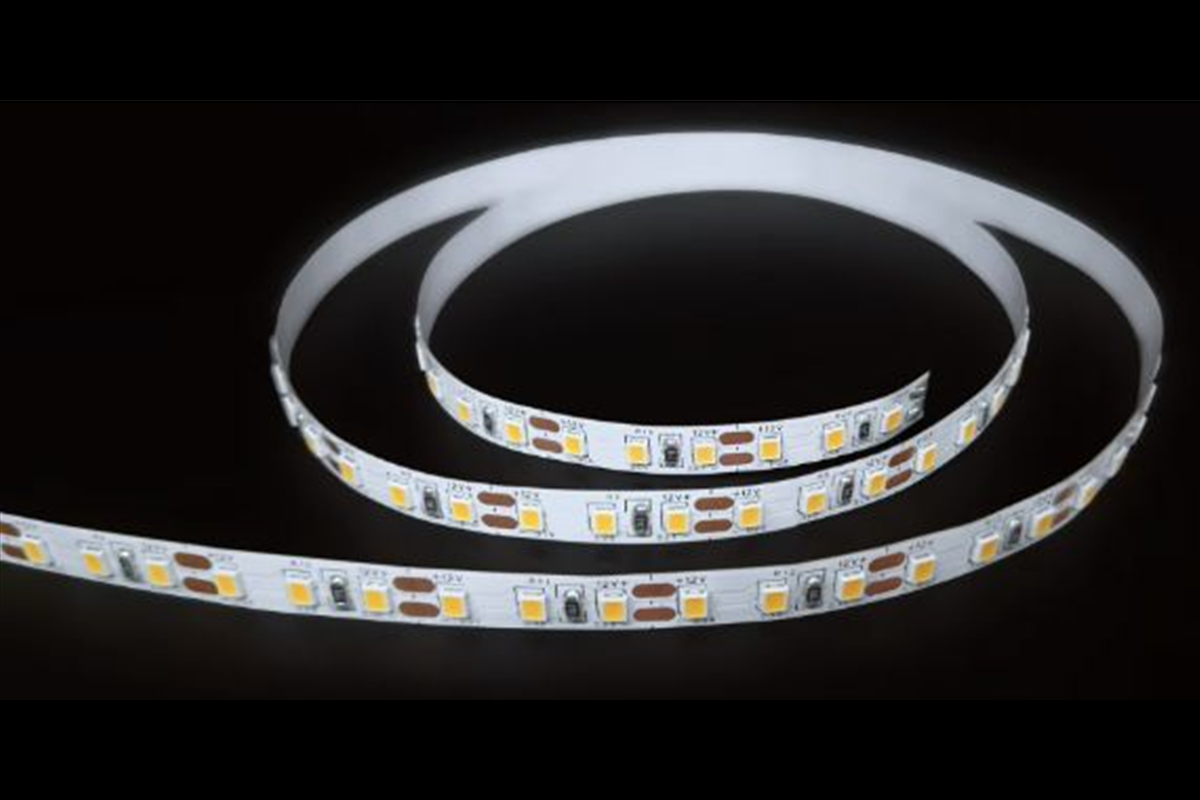
ไฟแถบ LED แบบเต็มสเปกตรัมเป็นผลิตภัณฑ์แสงเชิงเส้นที่ยืดหยุ่นได้ซึ่งออกแบบมาเพื่อปล่อยช่วงความยาวคลื่นที่มองเห็นได้กว้างและสมดุล เอาต์พุตสเปกตรัมมีจุดมุ่งหมายเพื่อให้มีลักษณะคล้ายกับแสงธรรมชาติอย่างใกล้ชิดมากกว่าแถบ LED ทั่วไป ทำให้วัตถุและสภาพแวดล้อมที่ส่องสว่างดูเป็นธรรมชาติมากขึ้น เอาต์พุตสเปกตรัมที่สมดุลนี้ยังมีส่วนช่วยในการ ปรับปรุงการแสดงผลสี, ช่วยให้วัตถุปรากฏใกล้กับสีจริงมากขึ้นภายใต้แสงประดิษฐ์
คำว่า "เต็มสเปกตรัม" อธิบายการกระจายโดยรวมของแสงในสเปกตรัมที่มองเห็นได้ มากกว่าอุณหภูมิสีเฉพาะ แพ็คเกจ LED หรือเทคโนโลยีการผลิต อย่างไรก็ตาม ไม่มีมาตรฐานที่ยอมรับกันในระดับสากลที่กำหนดว่าผลิตภัณฑ์ต้องให้ความครอบคลุมสเปกตรัมเท่าใดจึงจะมีคุณสมบัติเป็นสเปกตรัมเต็มรูปแบบ เป็นผลให้ประสิทธิภาพสเปกตรัมของแถบ LED ที่วางตลาดภายใต้คำนี้อาจแตกต่างกันไปตามผู้ผลิตและรุ่นผลิตภัณฑ์
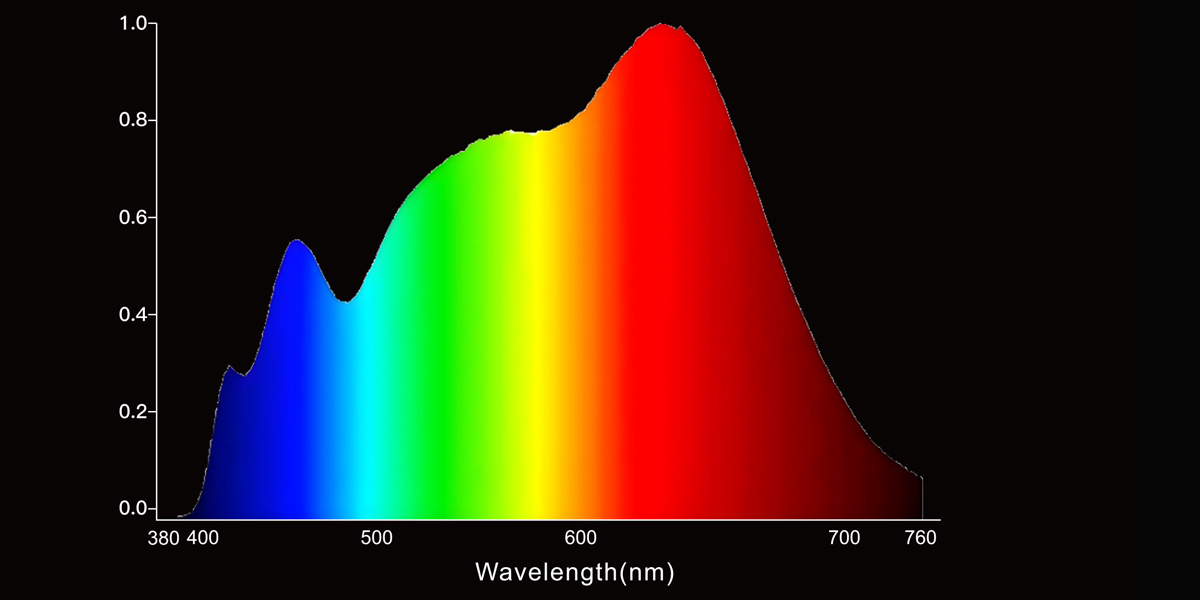
คำบรรยายภาพ: การกระจายสเปกตรัมทั่วไปของแหล่งกำเนิดแสง LED สเปกตรัมแบบเต็มตลอดช่วงความยาวคลื่นที่มองเห็นได้
ไฟ LED แบบเต็มสเปกตรัมทำได้อย่างไร?
การได้รับแสง LED แบบเต็มสเปกตรัมต้องมีการควบคุมการออกแบบแหล่งกำเนิดแสงอย่างระมัดระวัง รวมถึงการเลือกชิป LED เทคโนโลยีสารเรืองแสง และการปรับสเปกตรัม ต่างจากแถบ LED ทั่วไปที่ได้รับการปรับให้เหมาะสมที่สุดสำหรับความสว่างและประสิทธิภาพ แถบ LED แบบเต็มสเปกตรัมได้รับการออกแบบมาเพื่อสร้างการกระจายความยาวคลื่นที่มองเห็นได้กว้างและสมดุลยิ่งขึ้น
แนวทางทั่วไปวิธีหนึ่งคือการใช้ชิป LED ที่ออกแบบมาเป็นพิเศษ สูตรฟอสเฟอร์ขั้นสูง หรือการผสมผสานของเทคโนโลยี LED ต่างๆ เพื่อปรับปรุงการครอบคลุมสเปกตรัม ด้วยการออกแบบที่แม่นยำและการเลือกวัสดุ ผู้ผลิตสามารถปรับเอาต์พุตแสงที่ปล่อยออกมาเพื่อให้ได้สเปกตรัมที่ใกล้เคียงกับแสงธรรมชาติมากขึ้น
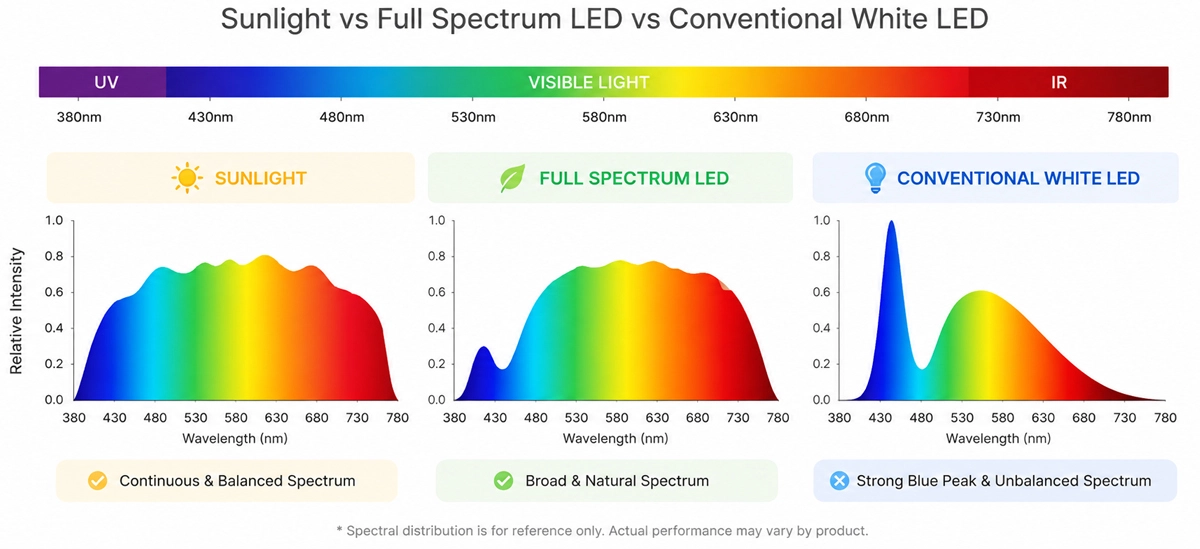
รูป: การเปรียบเทียบการกระจายสเปกตรัมทั่วไปของแสงแดด ไฟ LED แบบเต็มสเปกตรัม และไฟ LED สีขาวทั่วไป
การเปรียบเทียบการกระจายสเปกตรัมด้านบนแสดงให้เห็นถึงความแตกต่างระหว่างสเปกตรัมแสงที่สมดุลและสมดุลและเอาต์พุตความยาวคลื่นที่จำกัดซึ่งมักพบใน LED สีขาวทั่วไป ด้วยการปรับปรุงสมดุลความยาวคลื่นและลดช่องว่างภายในสเปกตรัมที่มองเห็นได้ เทคโนโลยี LED แบบเต็มสเปกตรัมสามารถให้ประสบการณ์แสงที่เป็นธรรมชาติและสะดวกสบายยิ่งขึ้น
อย่างไรก็ตาม การบรรลุประสิทธิภาพเต็มสเปกตรัมที่สม่ำเสมอนั้นขึ้นอยู่กับมากกว่าส่วนประกอบ LED ปัจจัยต่างๆ เช่น คุณภาพของชิป LED ความสม่ำเสมอของสารเรืองแสง โครงสร้างออปติคัล การจัดการความร้อน และการควบคุมการผลิต ล้วนส่งผลต่อผลลัพธ์ของสเปกตรัมขั้นสุดท้าย นี่คือเหตุผลที่แถบ LED แบบเต็มสเปกตรัมจากผู้ผลิตหลายรายอาจให้ผลลัพธ์ด้านแสงที่แตกต่างกัน แม้ว่าจะใช้คำอธิบายผลิตภัณฑ์ที่คล้ายคลึงกันก็ตาม
การทำความเข้าใจว่าแสงสเปกตรัมเต็มรูปแบบนั้นเกิดขึ้นได้อย่างไร เป็นรากฐานสำหรับการประเมินปัจจัยด้านประสิทธิภาพหลัก ซึ่งรวมถึงการกระจายสเปกตรัม การเรนเดอร์สี และอุณหภูมิของสี ซึ่งจะกล่าวถึงในส่วนต่อไปนี้
Full Spectrum กับ High CRI กับไฟ LED Strip มาตรฐาน: อะไรคือความแตกต่าง?
เต็มสเปกตรัม, CRI สูงและไฟ LED มาตรฐาน มีความเกี่ยวข้องกันแต่ใช้แทนกันไม่ได้ พวกเขาอธิบายแง่มุมต่างๆ ของประสิทธิภาพและการออกแบบของแสง LED สเปกตรัมเต็มรูปแบบมุ่งเน้นไปที่การกระจายและความสมดุลของความยาวคลื่นที่เกิดจากแหล่งกำเนิดแสงเป็นหลัก ในขณะที่ CRI (ดัชนีการเรนเดอร์สี) จะประเมินว่าสีถูกทำซ้ำได้อย่างแม่นยำเพียงใด ไฟแถบ LED มาตรฐานหมายถึงผลิตภัณฑ์ LED ทั่วไปที่ออกแบบมาสำหรับการส่องสว่างทั่วไปในวงกว้างมากขึ้น โดยที่ลำดับความสำคัญอาจรวมถึงความสว่าง ประสิทธิภาพ อุณหภูมิสี และต้นทุน
ไฟแถบ LED เต็มสเปกตรัมเทียบกับไฟ LED CRI สูง: ทำความเข้าใจความแตกต่าง
Full Spectrum และ High CRI อธิบายแง่มุมต่างๆ ของประสิทธิภาพของแสง LED แต่ทั้งคู่มีบทบาทสำคัญใน คุณภาพสีในแสง LED. สเปกตรัมทั้งหมดหมายถึงความกว้างและการกระจายของความยาวคลื่นที่เกิดจากแหล่งกำเนิดแสงเป็นหลัก ในขณะที่ CRI (ดัชนีการเรนเดอร์สี) จะวัดว่าแหล่งกำเนิดแสงแสดงสีได้อย่างแม่นยำเพียงใดเมื่อเปรียบเทียบกับแหล่งกำเนิดแสงอ้างอิง
โซลูชั่นแถบ LED คุณภาพสูง ได้รับการออกแบบมาเพื่อสร้างสีได้แม่นยำยิ่งขึ้น โดยทั่วไปแล้วจะมี CRI 90 หรือสูงกว่าสำหรับการใช้งานที่คุณภาพสีที่ดีเป็นสิ่งสำคัญ อย่างไรก็ตาม การให้คะแนน CRI สูงเพียงอย่างเดียวไม่ได้อธิบายการกระจายสเปกตรัมที่สมบูรณ์ของ LED แถบ LED สองแถบสามารถมีการจัดอันดับ CRI ที่คล้ายกันในขณะที่สร้างโปรไฟล์สเปกตรัมที่แตกต่างกันอย่างเห็นได้ชัด
ในทางกลับกัน แถบ LED แบบเต็มสเปกตรัมจะเน้นที่การกระจายความยาวคลื่นที่มองเห็นได้ในวงกว้างมากขึ้น เมื่อสเปกตรัมมีความสมดุลและค่อนข้างต่อเนื่อง แสงสามารถให้แสงสว่างที่ดูเป็นธรรมชาติและการเรนเดอร์สีที่เข้ม ด้วยเหตุนี้แถบ LED ฟูลสเปกตรัมคุณภาพสูงจำนวนมากจึงได้รับการออกแบบด้วย CRI สูงและประสิทธิภาพ R9 ที่แข็งแกร่ง
การเปรียบเทียบอย่างรวดเร็ว: Full Spectrum กับ High CRI
| ลักษณะ | ฟะแถบนำคลื่นความถี่ทั้งหมด | แถบ LED CRI สูง |
| ปฐมภูมิ | การกระจายสเปกตรัม | ความแม่นยำในการแสดงผลสี |
| การวัดหลัก | เอสดีเอ็น | CRI / RA |
| ความครอบคลุมความยาวคลื่นที่มองเห็นได้ | กว้างและสมดุล | ไม่จำเป็นต้องกว้าง |
| CRI | สูงได้ | มักจะสูง |
| ประสิทธิภาพ R9 | สามารถปรับให้เหมาะสมได้ | ขึ้นอยู่กับการออกแบบ LED |
| ความต่อเนื่องของสเปกตรัม | ปัจจัยสำคัญ | ไม่ได้กำหนดโดย CRI เพียงอย่างเดียว |
| ความสัมพันธ์ | ยังสามารถเป็น CRI สูงได้อีกด้วย | ได้เต็มสเปกตรัมด้วย |
แนวคิดทั้งสองจึงไม่แยกจากกัน แถบ LED แบบเต็มสเปกตรัมสามารถเป็นแถบ LED CRI สูงได้ และการรวมกันนี้อาจมีประโยชน์อย่างยิ่งสำหรับการใช้งานที่ทั้งคุณภาพสเปกตรัมและการสร้างสีที่แม่นยำมีความสำคัญ
ดังนั้น CRI จึงไม่ควรพิจารณาแยกกันเมื่อประเมินแสง LED แบบเต็มสเปกตรัม การดูการกระจายกำลังสเปกตรัมร่วมกับ CRI, R9, CCT, ประสิทธิภาพการส่องสว่าง และความสม่ำเสมอของสีทำให้เห็นภาพประสิทธิภาพของแหล่งกำเนิดแสงที่สมบูรณ์ยิ่งขึ้น
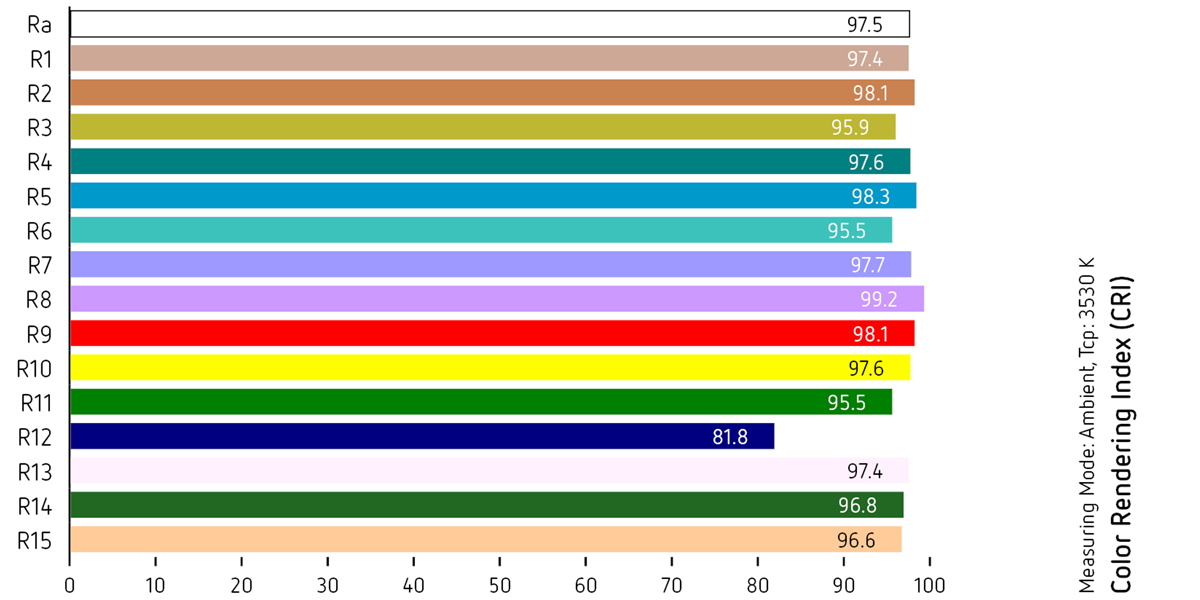
ตัวอย่างการกระจายสเปกตรัมและลักษณะการเรนเดอร์สีของแถบ LED CRI สูง
เพื่อความเข้าใจที่ดีขึ้นเกี่ยวกับการเรนเดอร์สีและ CRI วิดีโอด้านล่างจะอธิบายวิธีการวัด CRI และเหตุใดจึงสำคัญเมื่อประเมินคุณภาพแสง LED

ไฟแถบ LED แบบเต็มสเปกตรัมเทียบกับไฟ LED มาตรฐาน: ทำความเข้าใจความแตกต่าง
ไฟแถบ LED มาตรฐานได้รับการออกแบบโดยทั่วไปตามข้อกำหนดด้านแสงที่ใช้งานได้จริง เช่น ความสว่าง ประสิทธิภาพการใช้พลังงาน อุณหภูมิสี ต้นทุนผลิตภัณฑ์ และการส่องสว่างทั่วไป ลักษณะสเปกตรัมของพวกมันอาจแตกต่างกันอย่างมากขึ้นอยู่กับชิป LED สูตรสารเรืองแสง และการออกแบบผลิตภัณฑ์โดยรวม
ไฟแถบ LED แบบเต็มสเปกตรัมให้ความสำคัญกับคุณภาพสเปกตรัมและการกระจายความยาวคลื่นมากขึ้น การออกแบบสเปกตรัมของพวกเขามีจุดมุ่งหมายเพื่อให้ครอบคลุมที่กว้างขึ้นและสมดุลมากขึ้นในช่วงที่มองเห็นได้ ซึ่งสามารถช่วยให้รูปลักษณ์ของสีดูเป็นธรรมชาติและการรับรู้ภาพที่สม่ำเสมอมากขึ้น
นี่ไม่ได้หมายความว่าแถบ LED มาตรฐานให้แสงที่มีคุณภาพต่ำ ไฟ LED แบบธรรมดาหลายดวงสามารถให้ประสิทธิภาพที่ยอดเยี่ยม ประสิทธิภาพที่เชื่อถือได้ และการเรนเดอร์สีที่ดี ความแตกต่างที่สำคัญคือลำดับความสำคัญในการออกแบบ: แถบ LED มาตรฐานอาจได้รับการปรับให้เหมาะสมเป็นหลักสำหรับการส่องสว่าง ประสิทธิภาพ หรือต้นทุนทั่วไป ในขณะที่แถบ LED แบบเต็มสเปกตรัมให้ความสำคัญกับคุณภาพและการกระจายของสเปกตรัมที่ปล่อยออกมา
การเปรียบเทียบอย่างรวดเร็ว: ไฟเต็มสเปกตรัมกับไฟ LED มาตรฐาน
| ลักษณะ | แถบ LED เต็มสเปกตรัม | แถบ LED มาตรฐาน |
| ลำดับความสำคัญของการออกแบบ | คุณภาพสเปกตรัมและการกระจายความยาวคลื่น | แสงทั่วไป |
| การกระจายสเปกตรัม | กว้างและสมดุล | ขึ้นอยู่กับการออกแบบ LED |
| CRI | มักมีในรุ่น CRI สูง | แตกต่างกันไปตามผลิตภัณฑ์ |
| ลักษณะสี | ออกแบบมาให้แสงดูเป็นธรรมชาติ | ขึ้นอยู่กับการออกแบบ LED และสารเรืองแสง |
| สมรรถ | สูงได้ | มักจะเป็นการพิจารณาการออกแบบที่สำคัญ |
| มูลค่า | อาจสูงขึ้น | ช่วงราคาที่กว้างขึ้น |
| การใช้งานทั่วไป | แสงสีและแสงระดับพรีเมียม | ไฟส่องสว่างทั่วไปและที่อยู่อาศัย |
ไม่มีประเภทใดที่ดีกว่าในระดับสากล ไฟแถบ LED แบบเต็มสเปกตรัมควรค่าแก่การพิจารณาเมื่อคุณภาพสเปกตรัม ลักษณะสี และความสม่ำเสมอของภาพมีความสำคัญ ในขณะที่แถบ LED มาตรฐานสามารถเป็นทางเลือกที่ใช้งานได้จริงเมื่อการส่องสว่างทั่วไป ประสิทธิภาพ และต้นทุนเป็นสิ่งสำคัญอันดับแรก
ในท้ายที่สุด แถบ LED ที่เหมาะสมจะขึ้นอยู่กับข้อกำหนดด้านแสงสว่างเฉพาะของแต่ละโครงการ มากกว่าฉลากผลิตภัณฑ์เพียงอย่างเดียว สำหรับการใช้งานที่มีความแม่นยำของสี คุณภาพของภาพ และประสิทธิภาพสเปกตรัมเป็นสิ่งสำคัญ การทบทวนข้อมูลทางเทคนิค เช่น SPD, CRI, R9, CCT, ประสิทธิภาพการส่องสว่าง และความสม่ำเสมอของสีเป็นพื้นฐานที่เชื่อถือได้มากขึ้นสำหรับการเลือกผลิตภัณฑ์
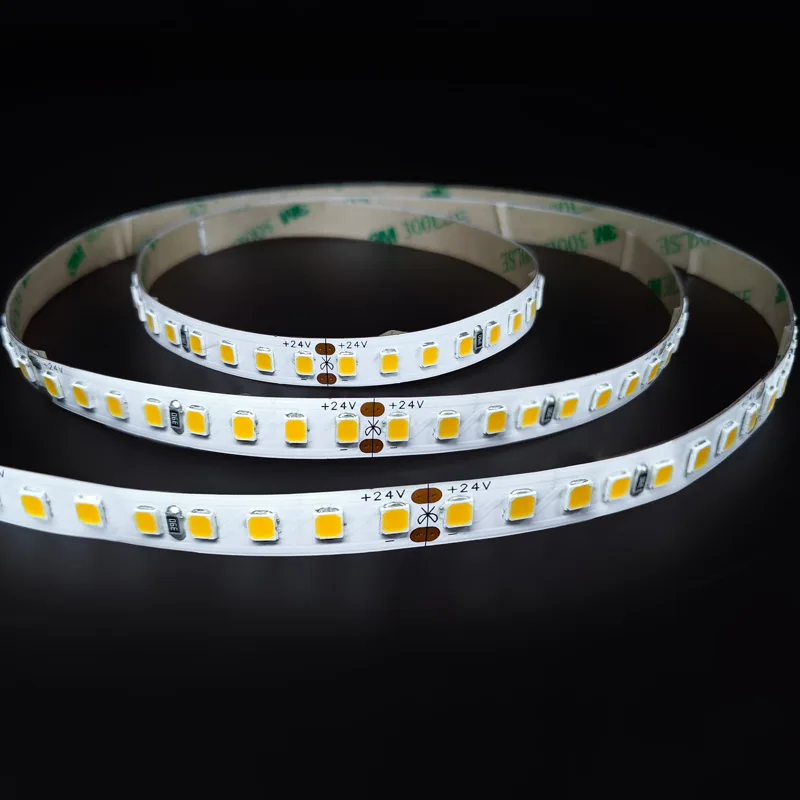
- 128 SMD2835 LEDs ต่อเมตร
- ความกว้าง PCB 10 มม.
- ซีอีอาร์ 80/90/98
- ประสิทธิภาพสูงถึง 200lm/w
- หรี่แสงได้เต็มที่
- เทปกาว 3M สองด้านที่แข็งแกร่ง
- 3000K, 4000K และ 6500K อุณหภูมิสีเสริม
- ถังเดียว 3 ขั้นตอน SDCM มีให้เลือก
- สามารถเป็น OEM/ODM และปรับแต่งได้
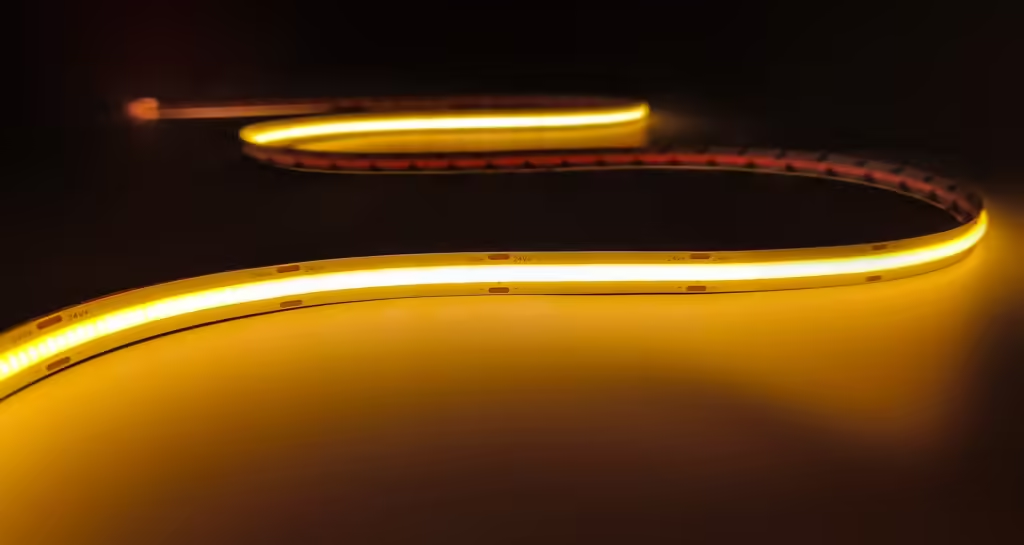
ไฟ LED ซัง 480 ชิปสำหรับตกแต่งไฟ
- 480 ชิป/ม., 100lm/w, dot-free
- มีสี อุณหภูมิ 2700K ถึง 6500K
- หรี่แสงได้
- มุมลำแสง 180 องศา
- ซีอีอาร์ 80/90/98
- ไร้ Solderless รีลเพื่อเทคโนโลยีรีล
ข้อมูลจำเพาะที่สำคัญของไฟแถบ LED แบบเต็มสเปกตรัม
เมื่อเลือกไฟแถบ LED แบบเต็มสเปกตรัม ผู้ซื้อควรมองข้ามป้ายกำกับ "Full Spectrum" และประเมินข้อกำหนดทางเทคนิคที่กำหนดคุณภาพแสง ความน่าเชื่อถือ และความเหมาะสมสำหรับการใช้งานที่แตกต่างกัน
1. การกระจายพลังงานสเปกตรัม (SPD)
แถบ LED แบบเต็มสเปกตรัมที่ออกแบบมาอย่างดีควรให้การครอบคลุมที่กว้างและค่อนข้างสมดุลตลอดช่วงความยาวคลื่นที่มองเห็นได้ เส้นโค้งการกระจายพลังงานสเปกตรัม (SPD) ให้ภาพแทนว่าพลังงานแสงกระจายไปตามความยาวคลื่นต่างๆ และเป็นหนึ่งในข้อมูลอ้างอิงที่มีประโยชน์มากที่สุดสำหรับการประเมินคุณภาพสเปกตรัม ด้วยการวิเคราะห์เส้นโค้ง SPD ผู้ซื้อสามารถเข้าใจได้ดีขึ้นว่าแถบ LED ให้เอาต์พุตสเปกตรัมที่สมดุลมากกว่าที่จะอาศัยเฉพาะเงื่อนไขทางการตลาดเช่น "เต็มสเปกตรัม" หรือ "เหมือนแสงแดด"
2. CRI (ดัชนีการเรนเดอร์สี) และ R9
CRI ระบุว่าสีแสดงความถูกต้องเพียงใด ในขณะที่ R9 ให้ข้อมูลเพิ่มเติมเกี่ยวกับการเรนเดอร์สีแดงอิ่มตัว สำหรับการใช้งานเชิงพาณิชย์และไวต่อสี CRI 90+ โดยทั่วไปจะเป็นจุดเริ่มต้นที่ใช้งานได้จริง โดยมี CRI ที่สูงกว่าและประสิทธิภาพ R9 ที่แข็งแกร่ง ต้องการสำหรับการใช้งานที่ต้องการความแม่นยำของสีที่มากกว่า

วิดีโอให้คำอธิบายง่ายๆ เกี่ยวกับ CRI รวมถึงความแตกต่างจาก CCT และวิธีที่ CRI ส่งผลต่อคุณภาพสีที่รับรู้
3. CCT (อุณหภูมิสีที่สัมพันธ์กัน)
CCT กำหนดว่าแสงจะดูอบอุ่น เป็นกลาง หรือเย็น แถบ LED แบบเต็มสเปกตรัมสามารถผลิตได้ในตัวเลือกอุณหภูมิสีต่างๆ รวมถึงสีขาวอบอุ่น สีขาวเป็นกลาง และสีขาวในเวลากลางวัน การใช้งานที่แตกต่างกันอาจต้องมีการเลือก CCT ที่แตกต่างกัน ขึ้นอยู่กับความต้องการด้านบรรยากาศและแสงที่ต้องการ เรียนรู้เพิ่มเติมเกี่ยวกับการเลือกสิ่งที่ถูกต้อง อุณหภูมิสีสำหรับไฟ LED.
4. ความหนาแน่นของ LED และความสม่ำเสมอ
ความหนาแน่นของ LED ส่งผลต่อความสม่ำเสมอของแสงและการปรากฏตัวของจุดด่างดำ แถบ LED ที่มีความหนาแน่นสูงสามารถให้แสงที่นุ่มนวลขึ้นได้ โดยเฉพาะอย่างยิ่งในโปรไฟล์ที่ตื้น ตู้แสดงผล และการใช้งานที่ติดตั้งแถบใกล้กับพื้นผิวที่สว่างไสว
5. การใช้พลังงานและประสิทธิภาพการส่องสว่าง
โดยทั่วไปจะใช้พลังงานเป็นวัตต์ต่อเมตร (w/m) และควรพิจารณาร่วมกับเอาต์พุตแสงและประสิทธิภาพการส่องสว่าง ระดับพลังงานที่เหมาะสมขึ้นอยู่กับความสว่างที่ต้องการ ปริมาณการใช้พลังงาน สภาวะความร้อน และข้อกำหนดในการใช้งาน
6. ความแก่
ไฟแถบ LED แบบเต็มสเปกตรัมมีจำหน่ายทั่วไปใน 12V และ 24V การกำหนดค่า สำหรับการวิ่งที่ยาวนานขึ้น มักนิยมใช้ 24V เพราะสามารถช่วยลดแรงดันตกและรักษาแสงสว่างสม่ำเสมอตามแถบ
7 . คะแนน IP
การจัดอันดับ IP ที่เหมาะสมขึ้นอยู่กับสภาพแวดล้อมการติดตั้ง โดยทั่วไป IP20 เหมาะสำหรับการใช้งานในร่มแบบแห้ง ในขณะที่อาจต้องใช้ IP65, IP67 หรือ IP68 สำหรับการใช้งานที่สัมผัสกับความชื้น ฝุ่น หรือสภาวะภายนอกอาคาร
| ข้อกำหนด | สิ่งที่ต้องพิจารณา |
| การกระจายสเปกตรัม | มองหาความครอบคลุมที่กว้างและสมดุลในสเปกตรัมที่มองเห็นได้ |
| CRI & R9 | CRI 90+ มักนิยมใช้สำหรับแสงที่มีคุณภาพ R9 ที่สูงขึ้นสามารถปรับปรุงการเรนเดอร์สีแดงได้ |
| ส.ป.ก | เลือกอุณหภูมิสีตามการใช้งาน เช่น สีขาวอบอุ่น สีขาวเป็นกลาง หรือกลางวัน |
| ความหนาแน่นของ LED | ความหนาแน่นของ LED ที่สูงขึ้นสามารถให้แสงสว่างที่สม่ำเสมอมากขึ้นและลดฮอตสปอตที่มองเห็นได้ |
| พลังและประสิทธิภาพ | ความสว่างสมดุล การใช้พลังงาน และประสิทธิภาพการระบายความร้อน |
| แรงดันไฟฟ้า | การกำหนดค่า 12V และ 24V มักใช้ได้ 24V มักเป็นที่ต้องการสำหรับการวิ่งระยะไกล |
| เรตติ้งไอพี | เลือกระดับการป้องกันที่เหมาะสมสำหรับสภาพแวดล้อมในร่ม ชื้น หรือกลางแจ้ง |
สำหรับโครงการที่มีข้อกำหนดด้านความปลอดภัยทางแสงเฉพาะทางผู้ซื้อควรพิจารณาด้วย การปฏิบัติตามข้อกำหนด IEC 62471 และการจำแนกประเภทอันตรายแสงสีน้ำเงิน เมื่อประเมินแสงแถบ LED
สำหรับโครงการเชิงพาณิชย์และ OEM ข้อกำหนดอื่น ๆ เช่นความกว้าง PCB ความยาวตัดวิธีการลดแสงประเภทตัวเชื่อมต่อและความยาวของรีลอาจต้องปรับแต่งตามข้อกำหนดในการติดตั้ง
การใช้งานของไฟแถบ LED แบบเต็มสเปกตรัม
แสงแถบ LED แบบเต็มสเปกตรัมเหมาะอย่างยิ่งสำหรับการใช้งานที่คุณภาพของสี ความสม่ำเสมอของภาพ และการรับรู้ภาพที่แม่นยำเป็นสิ่งสำคัญ ต่างจากโซลูชันแสงเอนกประสงค์ที่เน้นความสว่างและประสิทธิภาพเป็นหลัก แถบ LED แบบเต็มสเปกตรัมมักจะถูกเลือกเมื่อคุณภาพของวัตถุและสภาพแวดล้อมที่ส่องสว่างเป็นปัจจัยสำคัญ
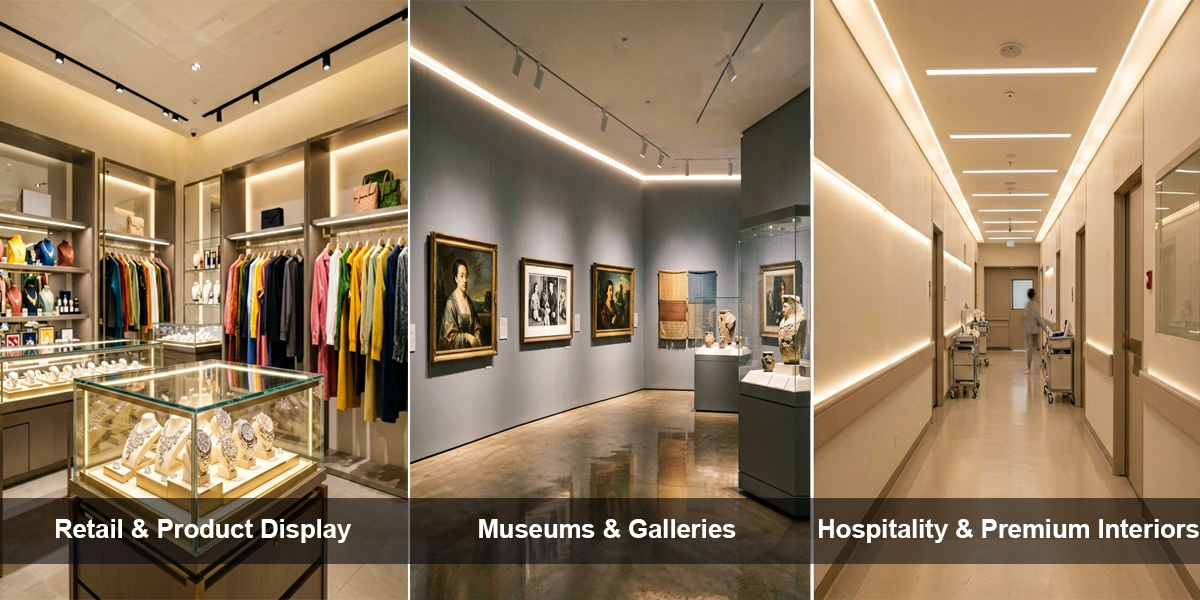
1. ไฟแสดงสินค้าและผลิตภัณฑ์
ไฟแถบ LED แบบเต็มสเปกตรัมมีการใช้กันอย่างแพร่หลายในร้านค้าปลีก ตู้โชว์ ชั้นวางของ และการแสดงผลิตภัณฑ์ ซึ่งแสงส่งผลโดยตรงต่อการรับรู้สินค้า ด้วยการให้แสงสว่างที่ดูเป็นธรรมชาติมากขึ้นและสนับสนุนรูปลักษณ์ของสีที่ถูกต้อง พวกเขาสามารถช่วยเน้นรายละเอียดและสีในผลิตภัณฑ์ เช่น เสื้อผ้า เครื่องสำอาง เครื่องประดับ อาหาร และสินค้าฟุ่มเฟือย
สำหรับการใช้งานค้าปลีก ควรพิจารณาคุณภาพสเปกตรัมร่วมกับความสว่าง ประสิทธิภาพการใช้พลังงาน และข้อกำหนดในการติดตั้งเพื่อให้ได้ประสบการณ์ของลูกค้าที่ต้องการ
2 . พิพิธภัณฑ์ แกลเลอรี่ และการแสดงงานศิลปะ
พิพิธภัณฑ์ แกลเลอรี่ และการแสดงงานศิลปะจำเป็นต้องมีการควบคุมแสงอย่างระมัดระวัง เนื่องจากภาพวาด ภาพถ่าย สิ่งทอ และวัตถุทางประวัติศาสตร์มักมีสีและรายละเอียดพื้นผิวที่ละเอียดอ่อน แสงแถบ LED แบบเต็มสเปกตรัมสามารถช่วยสร้างประสบการณ์การรับชมที่เป็นธรรมชาติมากขึ้น แต่การตัดสินใจด้านแสงควรพิจารณาปัจจัยต่างๆ เช่น ระดับความสว่าง การแผ่รังสี UV/IR การสร้างความร้อน และข้อกำหนดในการอนุรักษ์
3. การต้อนรับและแสงสว่างภายในระดับพรีเมียม
โรงแรม ร้านอาหาร โชว์รูม และการตกแต่งภายในแบบพรีเมียมสำหรับที่อยู่อาศัยสามารถใช้แถบ LED แบบเต็มสเปกตรัมสำหรับการใช้งาน เช่น ไฟส่องสว่างแบบ Cove ไฟตู้ ชั้นวางของ รายละเอียดผนัง และไฟส่องสว่างทางอ้อม
เมื่อรวมกับ CCT ที่เหมาะสมและประสิทธิภาพการเรนเดอร์สี ไฟ LED แบบเต็มสเปกตรัมสามารถปรับปรุงรูปลักษณ์ของเฟอร์นิเจอร์ ผ้า ไม้ หิน และวัสดุภายในอื่นๆ ในขณะที่ยังคงบรรยากาศที่สม่ำเสมอ
การเลือกแอปพลิเคชันที่เหมาะสม
ไฟแถบ LED แบบเต็มสเปกตรัมไม่จำเป็นต้องเป็นตัวเลือกที่ดีที่สุดสำหรับทุกโครงการ สิ่งเหล่านี้ให้คุณค่าสูงสุดในการใช้งานที่ความแม่นยำของสี คุณภาพของภาพ และประสิทธิภาพสเปกตรัมเป็นปัจจัยสำคัญ
สำหรับโครงการที่ความสว่าง ประสิทธิภาพ ข้อกำหนดในการติดตั้ง และต้นทุนเป็นลำดับความสำคัญหลัก แถบ LED แบบธรรมดาหรือแถบ LED ที่มี CRI สูงอาจเป็นวิธีแก้ปัญหาที่ใช้งานได้จริงมากขึ้น
ไฟแถบ LED แบบเต็มสเปกตรัมราคาเท่าไหร่?
ไฟแถบ LED แบบเต็มสเปกตรัมโดยทั่วไปมีตั้งแต่ประมาณ $3 ถึง $12 ต่อเมตรสำหรับการใช้งานเชิงพาณิชย์และ OEM ส่วนใหญ่ ขึ้นอยู่กับเทคโนโลยี LED ประสิทธิภาพสเปกตรัม ข้อกำหนด CRI/R9 กำลังขับ การปรับแต่ง และปริมาณการสั่งซื้อ
ราคาจริงแตกต่างกันไปตามปัจจัยต่างๆ เช่น แพ็คเกจ LED การออกแบบสเปกตรัม คุณภาพของส่วนประกอบ ความหนาแน่นของ LED การรับรอง และปริมาณการผลิต เนื่องจากผลิตภัณฑ์ที่วางตลาดเป็น "สเปกตรัมเต็มรูปแบบ" สามารถมีข้อกำหนดและระดับประสิทธิภาพที่แตกต่างกัน ผู้ซื้อควรประเมินราคาร่วมกับข้อกำหนดทางเทคนิคมากกว่าราคาเพียงอย่างเดียว
อย่างไรก็ตาม ไม่มีราคามาตรฐานเดียวสำหรับไฟแถบ LED แบบเต็มสเปกตรัม เนื่องจากผลิตภัณฑ์ที่วางตลาดในหมวดหมู่นี้สามารถมีข้อกำหนดสเปกตรัมและไฟฟ้าที่แตกต่างกันอย่างมาก
| หมวดสินค้า | ช่วงราคาปกติ* | การใช้งานทั่วไป |
| แถบ LED แบบเต็มสเปกตรัม / แถบ LED CRI สูง | $3–$6/M | แสงไฟเชิงพาณิชย์ทั่วไป |
| แถบ LED CRI สูง 90+ | $5–$8/ม. | ค้าปลีก, การบริการ, แสงสถาปัตยกรรม |
| แถบ LED CRI 95+ สูงพิเศษ | $8–$12/M | แสดงผล งานศิลปะ การตกแต่งภายในระดับพรีเมียม |
| โซลูชันคลื่นความถี่แบบกำหนดเอง / OEM | $10–$15+/ม. | แอพพลิเคชั่นสีที่สำคัญและโครงการพิเศษ |
* ช่วงตลาดบ่งชี้สำหรับการอ้างอิงเท่านั้น ราคาจริงขึ้นอยู่กับข้อกำหนด ปริมาณ การรับรอง การปรับแต่ง และความสามารถของซัพพลายเออร์
อะไรเป็นตัวกำหนดราคา?
ความแตกต่างของราคาหลักมาจากแพ็คเกจ LED การออกแบบสเปกตรัม คุณภาพของส่วนประกอบ ข้อกำหนดในการผลิต และระดับการปรับแต่ง
แถบ LED แบบเต็มสเปกตรัมที่ออกแบบมาสำหรับ CRI สูงและประสิทธิภาพ R9 ที่แข็งแกร่งอาจต้องใช้ส่วนประกอบ LED ที่เชี่ยวชาญเป็นพิเศษและการควบคุมการผลิตที่เข้มงวดกว่าแถบ LED มาตรฐาน ความหนาแน่นของ LED สูงขึ้น, กำลังขับที่มากขึ้น, PCB LED ที่กำหนดเอง, ใบรับรองและการทดสอบเพิ่มเติมสามารถเพิ่มต้นทุนได้อีก
ปริมาณการสั่งซื้อยังมีผลกระทบอย่างมากต่อการกำหนดราคาต่อหน่วย คำสั่งซื้อตัวอย่างขนาดเล็กมักจะมีต้นทุนต่อเมตรที่สูงกว่า เนื่องจากต้นทุนการตั้งค่าการผลิต การทดสอบ บรรจุภัณฑ์ และการขนส่งจะกระจายไปทั่วหน่วยที่น้อยลง
การกำหนดราคาแถบ LED แบบเต็มสเปกตรัมแบบกำหนดเอง
สำหรับโครงการ OEM และ ODM ผู้ซื้อสามารถขอแถบ LED แบบเต็มสเปกตรัมแบบกำหนดเองแทนการเลือกผลิตภัณฑ์นอกชั้นวาง .. ข้อกำหนดที่กำหนดเอง เช่น ประสิทธิภาพสเปกตรัม, CCT, เป้าหมาย CRI/R9, ความกว้างของ PCB, ความหนาแน่นของ LED, แรงดันไฟฟ้า, ความยาวตัด, การจัดอันดับ IP, ตัวเชื่อมต่อและบรรจุภัณฑ์ทั้งหมดอาจส่งผลต่อใบเสนอราคาสุดท้าย
ด้วยเหตุนี้ ผู้ซื้อจึงควรเปรียบเทียบผลิตภัณฑ์ตามข้อกำหนดและปริมาณเดียวกัน แทนที่จะใช้ราคาต่อมิเตอร์เป็นเกณฑ์การซื้อเพียงอย่างเดียว
ผู้ผลิตอาจเสนอราคาต่อหน่วยที่ต่ำกว่าสำหรับโครงการที่มีปริมาณมาก ในขณะที่คำสั่งซื้อแบบกำหนดเองขนาดเล็กอาจมีต้นทุนเริ่มต้นที่สูงกว่า แต่ให้การกำหนดค่าสเปกตรัมและกลไกที่แน่นอนตามแอปพลิเคชัน
คำถามที่พบบ่อย ไฟแถบ LED แบบเต็มสเปกตรัม
บทสรุป
ไฟแถบ LED แบบเต็มสเปกตรัมเป็นโซลูชันที่เหมาะสมสำหรับโครงการที่ต้องการมากกว่าการส่องสว่างพื้นฐาน โดยเฉพาะอย่างยิ่งเมื่อคุณภาพของสี แสงที่ดูเป็นธรรมชาติ และประสิทธิภาพการมองเห็นที่สม่ำเสมอเป็นสิ่งสำคัญ อย่างไรก็ตาม การเลือกผลิตภัณฑ์ที่เหมาะสมต้องจับคู่ข้อกำหนดและการกำหนดค่ากับแอปพลิเคชันเฉพาะ แทนที่จะอาศัยป้ายกำกับ "สเปกตรัมเต็ม" เพียงอย่างเดียว
สำหรับผู้ซื้อที่กำลังมองหาผู้ผลิตแถบ LED แบบเต็มสเปกตรัมในประเทศจีน การทำงานโดยตรงกับโรงงานสามารถให้ความยืดหยุ่นในการปรับแต่ง การวางแผนการผลิต การควบคุมคุณภาพ และการสนับสนุน OEM ได้มากขึ้น สิ่งนี้สามารถเป็นประโยชน์อย่างยิ่งสำหรับโครงการแสงสว่างเชิงพาณิชย์ จอแสดงผลขายปลีก การใช้งานทางสถาปัตยกรรม และโครงการอื่นๆ ที่มีข้อกำหนดเฉพาะของผลิตภัณฑ์
SignliteLED เป็นผู้ผลิตแถบ LED ในจีนที่ให้บริการโซลูชั่น LED Strip แบบกำหนดเองสำหรับลูกค้า B2B ทั่วโลก เราสนับสนุนแถบ LED แบบเต็มสเปกตรัม แถบ LED สูง การผลิต OEM และ ODM และโซลูชันที่ปรับแต่งได้สำหรับความต้องการของโครงการที่แตกต่างกัน ช่วยให้ลูกค้าย้ายจากการพัฒนาผลิตภัณฑ์และการสุ่มตัวอย่างไปจนถึงการผลิตและการส่งมอบจำนวนมาก
กำลังมองหาผู้ผลิตแถบ LED แบบเต็มสเปกตรัมที่เชื่อถือได้ในประเทศจีนหรือไม่? ติดต่อ SignLiteled เพื่อหารือเกี่ยวกับข้อกำหนดการใช้งานของคุณ ข้อกำหนดทางเทคนิค ปริมาณ และความต้องการ OEM/ODM
เขียนโดย: เอเลน จู้ ผู้จัดการทั่วไปที่ SignliteLED
การตรวจสอบทางเทคนิค: เจสัน เฉิน ผู้นำด้าน R&D ของ SignlitEd
อีเมล: info@signliteled.com
กระทู้ที่เกี่ยวข้อง