Tiếng Việt
  English
  简体中文
简体中文  Deutsch
  Español
  Français
  Italiano
  日本語
日本語  한국어
한국어  Polski
  Português
  Русский
  Türkçe
  Nederlands
  ไทย
ไทย 
Vào tháng 9 năm 2025, chúng tôi đã nhận được một cuộc điều tra WhatsApp với một dòng cuối cùng sẽ không khuyến khích hầu hết các nhà cung cấp. Khách hàng là một nhà thầu chuyên dụng ở Serbia với nhà máy và dây chuyền lắp ráp riêng của mình. Ông sản xuất thiết bị chiếu sáng tuyến tính cho các dự án lắp đặt địa phương ở Serbia. Anh ấy tự sản xuất đồ đạc và chỉ cung cấp Mô-đun LED từ các nhà cung cấp.
Yêu cầu chính là đơn giản: các mô-đun phải làm việc với các trình điều khiển đã được sử dụng trong nhà máy của anh ta. Ông không muốn thay thế trình điều khiển hoặc thay đổi thiết lập sản xuất hiện có trong nhà máy của mình.
Tôi ngay lập tức hiểu được thách thức đằng sau yêu cầu.
Anh ấy đã có hàng tồn kho trong kho. Thay đổi trình điều khiển có nghĩa là thay đổi tính toán chi phí trên dây chuyền sản xuất của anh ấy.
bảng thông số kỹ thuật anh ấy đã gửi và một dòng đã thay đổi mọi thứ
Nhà thầu này đã sản xuất các thiết bị chiếu sáng tuyến tính của riêng mình ở Serbia trước khi anh ta liên hệ với chúng tôi. Anh ấy không cần giới thiệu sản phẩm. Anh ấy cần một nhà cung cấp có thể xây dựng các mô-đun xung quanh các trình điều khiển và kích thước đã được sử dụng trong dây chuyền sản xuất của mình.
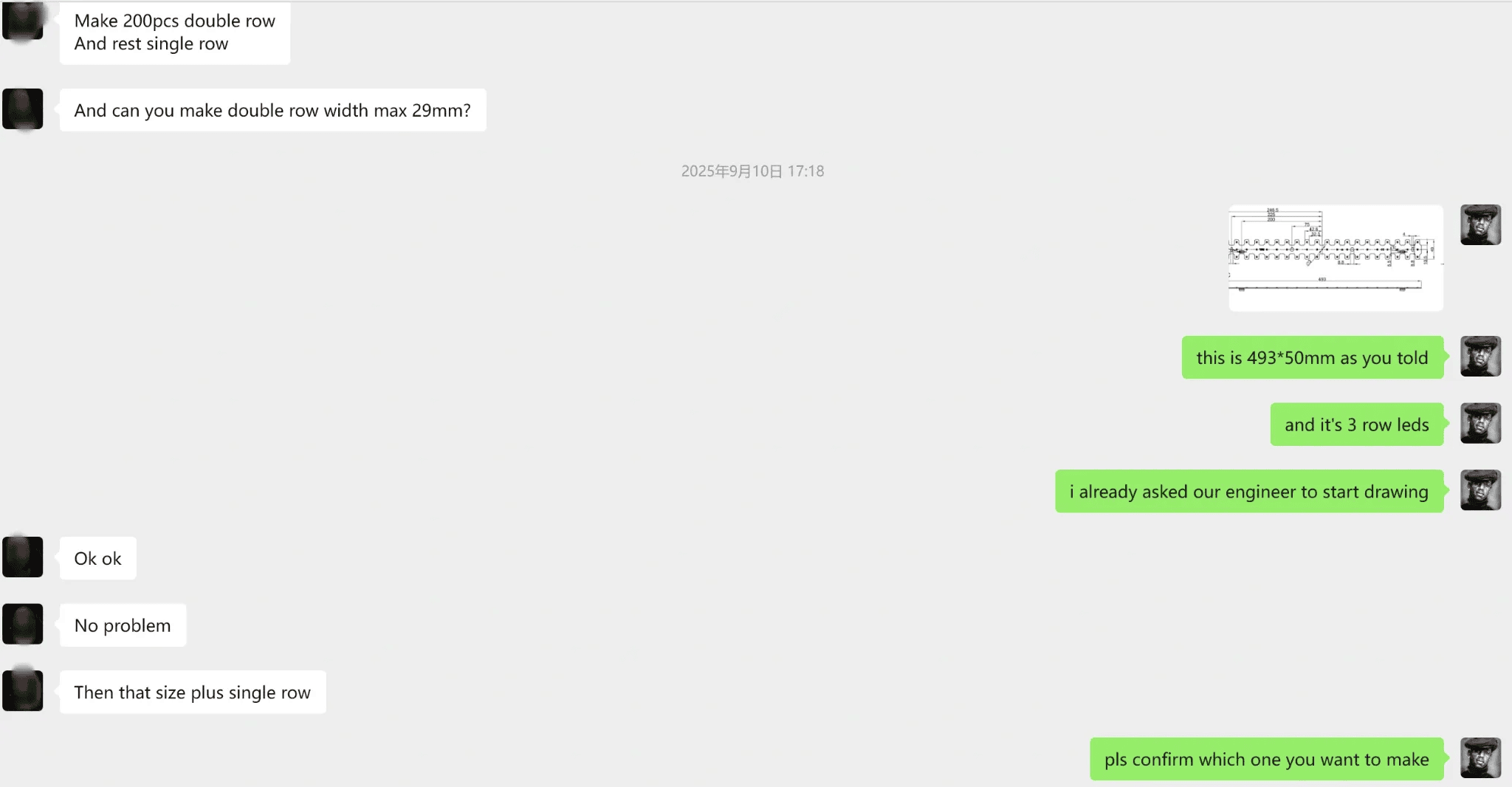
Các thông số kỹ thuật đã được quản lý. Vấn đề thực sự là điều kiện trình điều khiển: mọi thứ phải hoạt động với các trình điều khiển hiện có đang ngồi trong nhà máy của anh ấy.
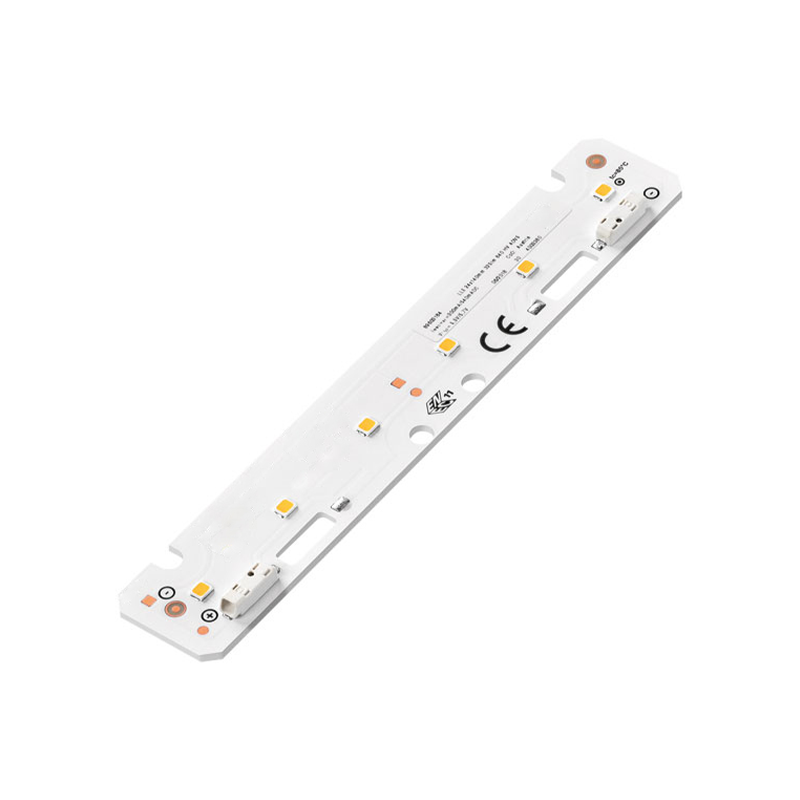
Mô-đun đèn LED mô-đun 140x24mm 550LM
- Người mẫu: ROX24T012E-140mm/RQX24T012E-140mm
- Điện áp đầu vào: 10.4-11.4VDC
- Đầu vào hiện tại: 275ma
- Đầu vào watt: 3W
- lumen: 549-621 LM
- Hiệu quả phát sáng: 183-205 Lm / W
- Các loại LED: SMD3030/SMD2835
- Chip LED: Samsung/Osram/Lumiled/Bridgelux/Seoul
- Số lượng LED: 12 chiếc
- Nhiệt độ màu: 2700k/3000k/4000k/5000k/6500k
- CRI: 80/90
- Kích thước: 139 × 23,6 × 1,6mm
- Vật liệu PCB: Nhôm / fr-4
- Chứng nhận: CE, Rohs
- Bảo hành: 5 năm
Tại sao tình trạng người lái xe là vấn đề thực sự và tại sao tôi không bỏ đi
Một trình điều khiển dòng điện không đổi xuất ra một dòng điện cố định. Trình điều khiển hiện tại của anh ấy chạy ở 350mA. Mô-đun hàng đơn có 120mA. Mô-đun ba hàng rút 360mA. Tôi đã thấy những xung đột trình điều khiển tương tự trước đó, và hầu hết chúng kết thúc với việc nhà cung cấp đề xuất phần cứng hoàn toàn mới. Các thông số kỹ thuật điện áp rất dễ khớp. Thách thức thực sự là làm cho cả hai cấu hình mô-đun hoạt động với cùng một trình điều khiển.
Câu trả lời dễ dàng là bảo anh ta mua một người lái xe thứ hai. Tôi đã không cho anh ta một câu trả lời dễ dàng.
Trước khi thảo luận về các giải pháp với kỹ thuật, tôi đã xem lại các thông số kỹ thuật ban đầu mà anh ấy đã gửi qua WhatsApp.
Đây là cấu hình chúng tôi đang cố gắng thực hiện với cùng một trình điều khiển hiện có:
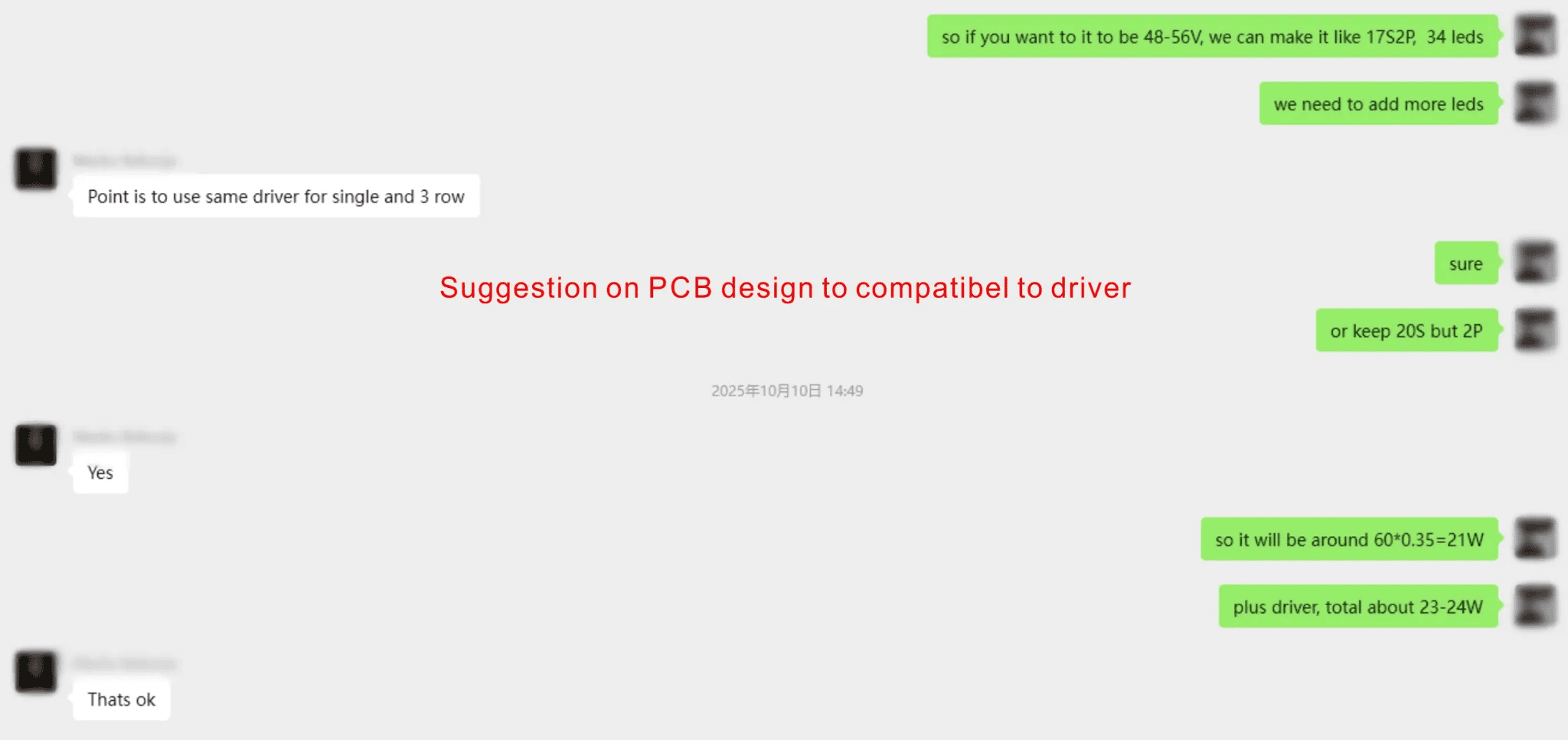
| thông số | Mô-đun hàng đơn | Mô-đun ba hàng |
| Kích thước PCB | 493 x 25mm | 493 x 50mm |
| cấu hình đèn LED | 20 dãy, 1 song song | 20 dãy, 3 song song |
| Tổng số đèn LED | 20 | 60 |
| điện áp hoạt động | 50 đến 60V | 50 đến 60V |
| Nhiệt độ màu | Trắng ấm | Trắng ấm |
| Công suất ước tính | Khoảng 7W | Mô-đun 21W, tổng cộng 23 đến 24W với trình điều khiển |
| vật liệu pcb | nhôm | nhôm |
| sự phát bằng cấp | CE Rohs | CE Rohs |
| người lái xe hàng | Cổ phiếu hiện có - không có trình điều khiển mới | Cùng một trình điều khiển hiện tại |
Trước khi trả lời, tôi đã thảo luận trực tiếp về các yêu cầu của trình điều khiển với nhóm kỹ sư của chúng tôi. Bởi vì tôi biết dự án sẽ tiến lên hoặc sụp đổ chỉ dựa trên một vấn đề đó. Khách hàng đã chờ đợi câu trả lời trước khi tiếp tục lập kế hoạch sản xuất. Tại thời điểm đó, dự án chỉ có thể tiến lên nếu cấu hình trình điều khiển hoạt động chính xác. Tôi vẫn chưa biết nó sẽ là gì.
Giải pháp giữ cho tài xế hiện tại và ngân sách của anh ấy vẫn còn nguyên
Ba mô-đun hàng đơn được kết nối song song mỗi mô-đun vẽ 120mA.
Kết hợp lại, ba mô-đun hoạt động trong phạm vi làm việc của cấu hình trình điều khiển 350mA hiện có của anh ấy.
điều đó có nghĩa là:
Không có trình điều khiển mới. Không có phần cứng bổ sung. Không có chi phí bổ sung trong dây chuyền sản xuất của mình.
Các mô-đun hàng đơn và hàng ba có thể thay thế cho nhau từ góc nhìn của trình điều khiển, miễn là các mô-đun hàng đơn được nối dây trong các nhóm song song gồm ba.
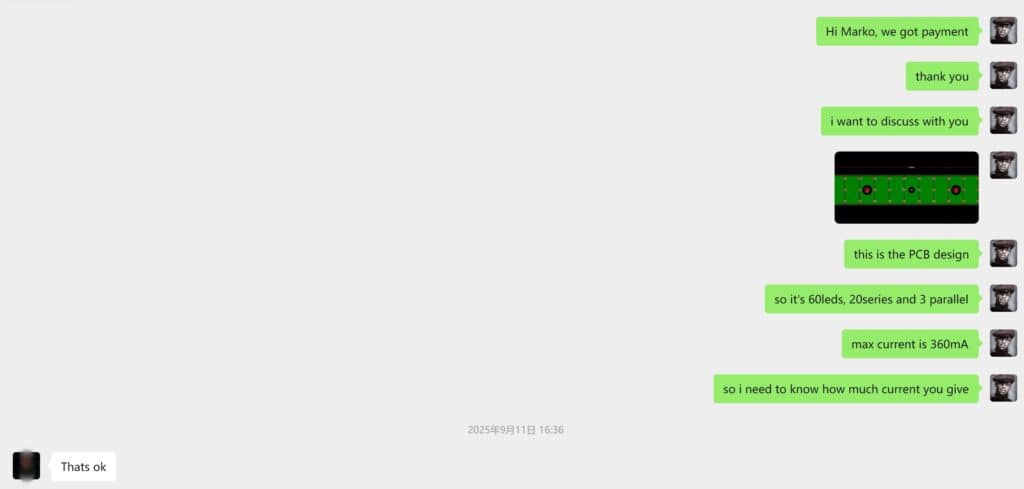
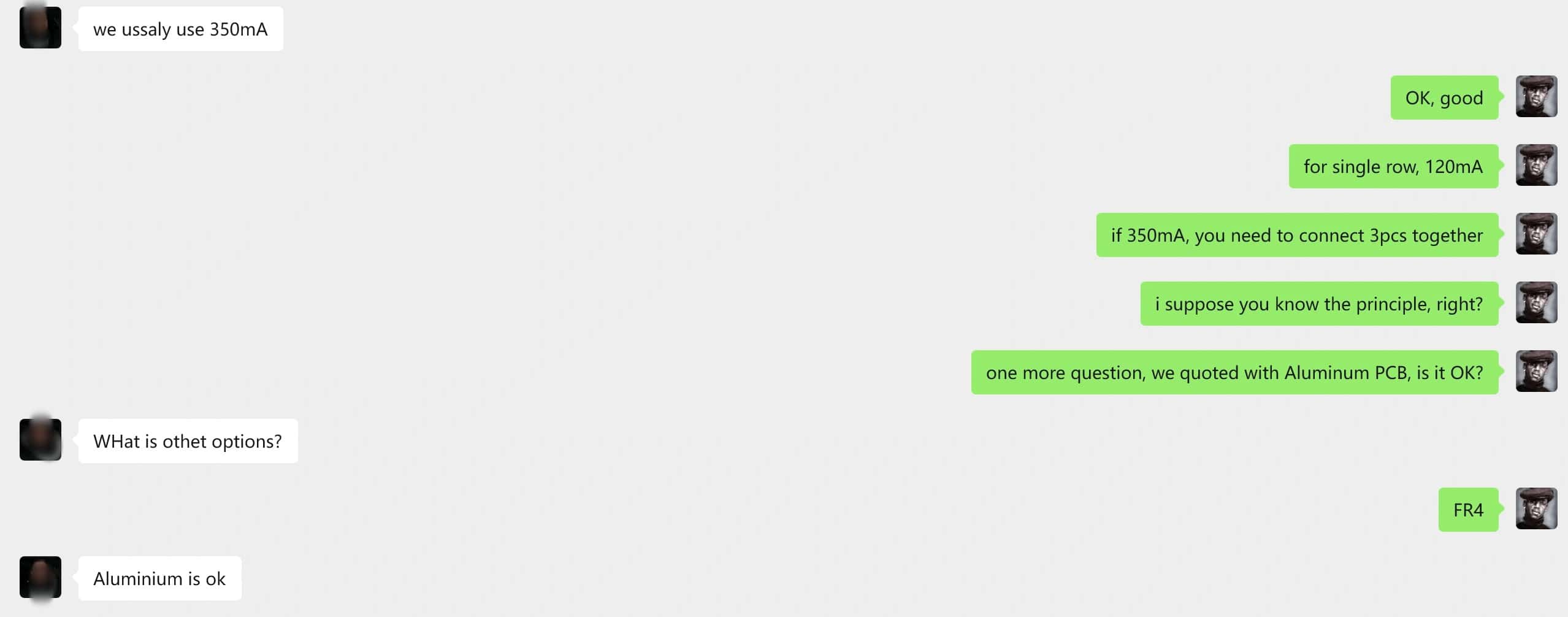
Cách kết nối song song giải quyết vấn đề trình điều khiển:
| cấu hình | Hiện tại trên một đơn vị | liên lạc | Tổng số hiện tại | Trình điều khiển thay đổi |
| 1x hàng đơn | 120ma | chỉ huy | 120ma | Có - Cần có trình điều khiển khác nhau |
| 1x hàng ba | 360mA | chỉ huy | 360mA | Không - Khớp với hiện có |
| 3x hàng đơn song song | 120mA mỗi | giống nhau | Tổng cộng 360mA | Không - Khớp với hiện có |
Sau khi xem xét các tính toán hiện tại và cấu hình dây, câu trả lời của anh ấy đã trở lại trong hai từ:
“Không sao đâu.”
Khách hàng đã xem xét cẩn thận mọi chi tiết kỹ thuật trong suốt cuộc thảo luận, đó là sự chấp thuận của anh ấy để tiến lên phía trước.
Anh ấy không yêu cầu một mẫu. Điều đó cho bạn biết tất cả mọi thứ.
Hầu hết người mua trong tình huống này yêu cầu một nguyên mẫu trước tiên. Đó là quy trình bình thường khi bạn đặt hàng các mô-đun LED tùy chỉnh từ một nhà máy mà bạn chưa bao giờ ghé thăm.
Anh ấy không bao giờ yêu cầu một cái.
- Không có thử nghiệm mẫu.
- Không có chuyến thăm nhà máy.
- Không kiểm tra bên thứ ba.
Anh ấy đặt thứ tự sản xuất hoàn toàn dựa trên cuộc thảo luận WhatsApp của chúng tôi, giải pháp kỹ thuật và bản vẽ PCB mà chúng tôi đã cùng nhau xác nhận.
Mức độ tin cậy đó được xây dựng thông qua giao tiếp kỹ thuật và theo dõi nhất quán trước khi bắt đầu sản xuất.
từ thanh toán được xác nhận vào bản vẽ PCB trước sáng hôm sau
Sau khi các thông số kỹ thuật được hoàn thiện, khách hàng đã xác nhận đơn đặt hàng và chúng tôi ngay lập tức chuyển bản vẽ PCB sang sản xuất. Tôi đã liên hệ với kỹ thuật vào buổi chiều cùng ngày và đã đánh dấu nó là ưu tiên.
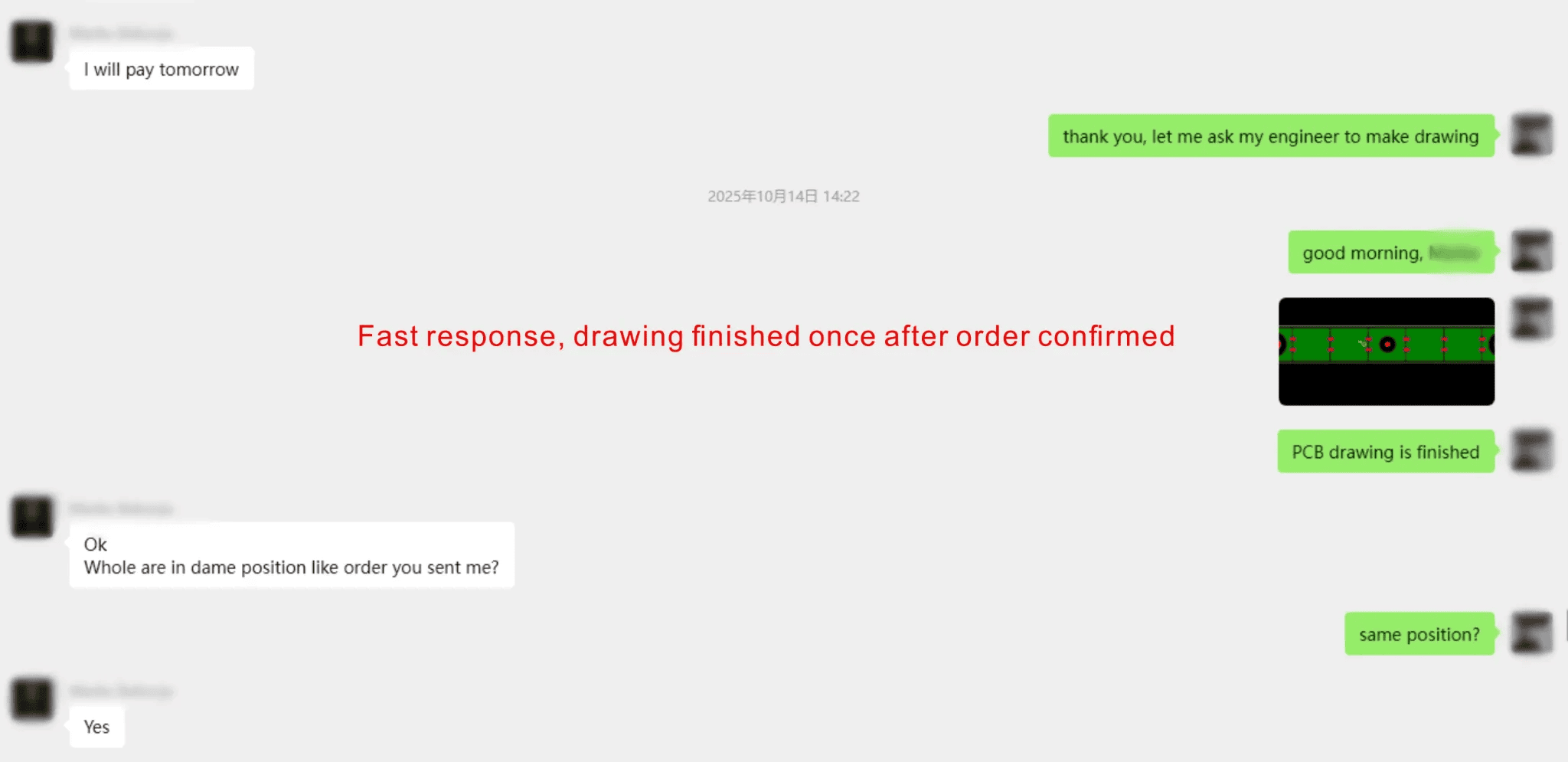
Sau một ngày thảo luận kỹ thuật, bản vẽ PCB đã được hoàn thành vào ngày hôm sau và gửi xác nhận. Tốc độ đó rất quan trọng bởi vì kế hoạch sản xuất của chính anh ấy đã chờ được xác nhận.
Vị trí lỗ, bố cục đèn LED và vị trí đầu nối đều được hoàn thiện trong một cuộc trao đổi thông điệp.
Ông xem xét bố cục, xác nhận các vị trí lỗ và phê duyệt bản vẽ để sản xuất.


Thông số kỹ thuật cuối cùng được khóa để sản xuất:
| thông số | Hàng đơn | Hàng Ba |
| Kích thước PCB | 493 x 25mm | 493 x 50mm |
| Đếm đèn LED | 20 | 60 |
| cấu hình | 20s 1p | 20s 3p |
| Hoạt động hiện tại | 120mA mỗi mô-đun | Tổng cộng 360mA |
| trình điều khiển đã sử dụng | 350mA hiện có | 350mA hiện có |
| Tổng công suất | Khoảng 7W | Khoảng 23 đến 24W |
| chất nền | nhôm | nhôm |
| sự phát bằng cấp | CE Rohs | CE Rohs |
Tại sao nhôm và không phải FR4
Anh ấy đã hỏi về FR4 trong cuộc thảo luận về thông số kỹ thuật. Tôi đề xuất nhôm ngay lập tức vì tôi đã thấy các mô-đun FR4 mật độ cao không thành công sớm do nhiệt trong các ứng dụng thương mại.
Nếu bạn đang so sánh chi phí vật liệu, tản nhiệt và sự cân bằng sản xuất, nó cũng giúp hiểu Cách các công ty đánh giá sản xuất và lắp ráp PCB giá trị trên các ứng dụng khác nhau.
Nhôm PCB làm giảm nhiệt độ tiếp giáp LED từ 15 đến 20 độ C so với FR4, giúp kéo dài tuổi thọ của mô-đun và cải thiện sự ổn định lâu dài.
Đối với một nhà thầu lắp đặt các đồ đạc này vào không gian thương mại dưới tên công ty của mình, độ tin cậy quan trọng hơn nhiều so với sự chênh lệch chi phí vật liệu nhỏ.
Sau khi các thông số kỹ thuật và bản vẽ PCB được xác nhận, việc sản xuất có thể bắt đầu.
Điều gì đã xảy ra từ dây chuyền sản xuất
Đây là những gì lô đầu tiên trông như thế nào trước khi nó được chuyển đến Serbia.
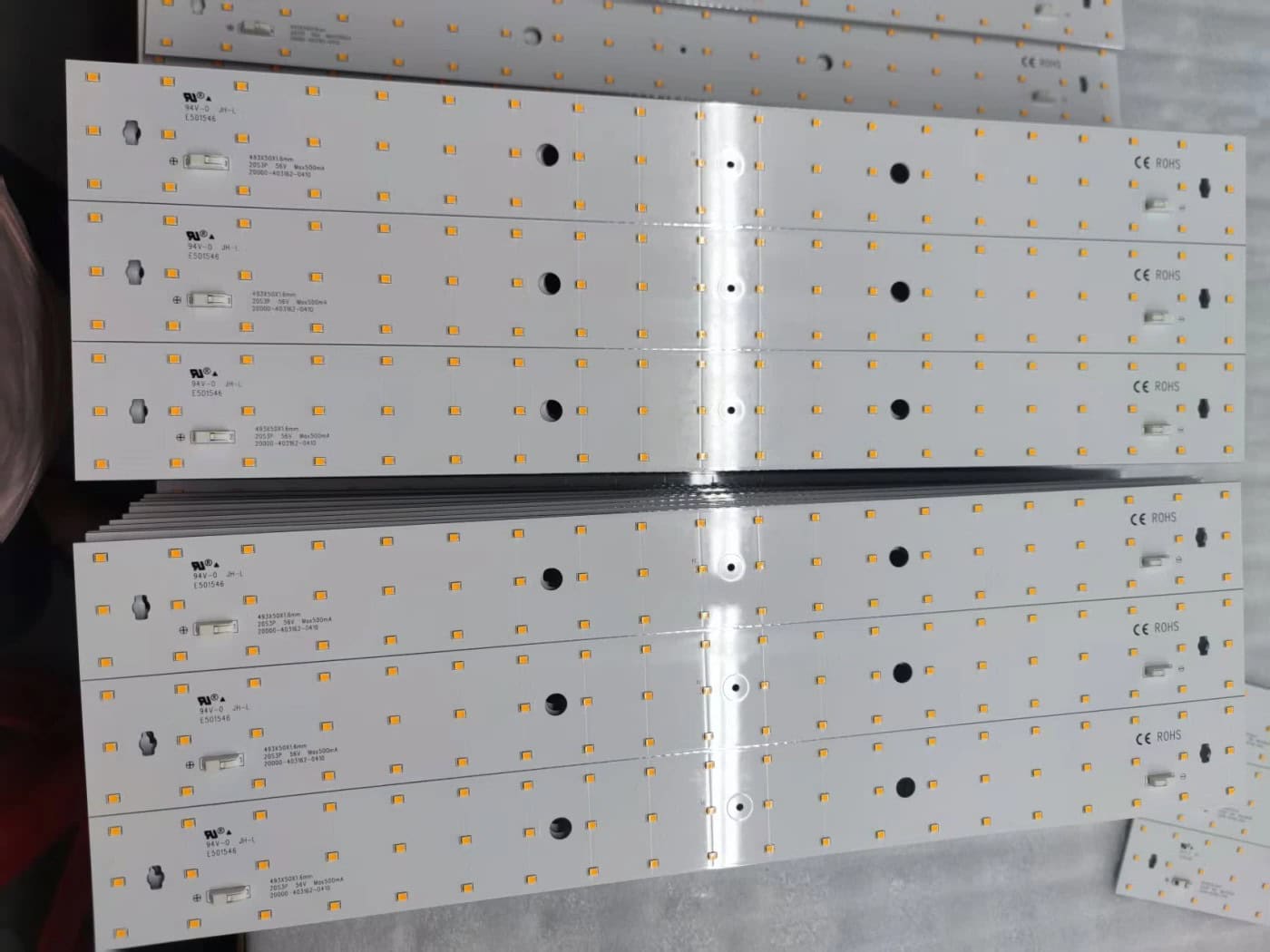
Anh ấy chưa bao giờ đến thăm nhà máy. Không bao giờ thấy những thứ này được thực hiện. Anh ấy tin tưởng một cuộc trò chuyện và một bức vẽ. mổi cuốn sách Trong lô đó phải chính xác những gì bảng thông số mô tả vì không có cơ hội thứ hai để tạo ấn tượng đầu tiên.
cửa hàng ở Serbia những mô-đun trông như thế nào đã được cài đặt
Sau khi các mô-đun đến, anh ta đã cài đặt chúng. Anh ấy đã gửi ảnh.
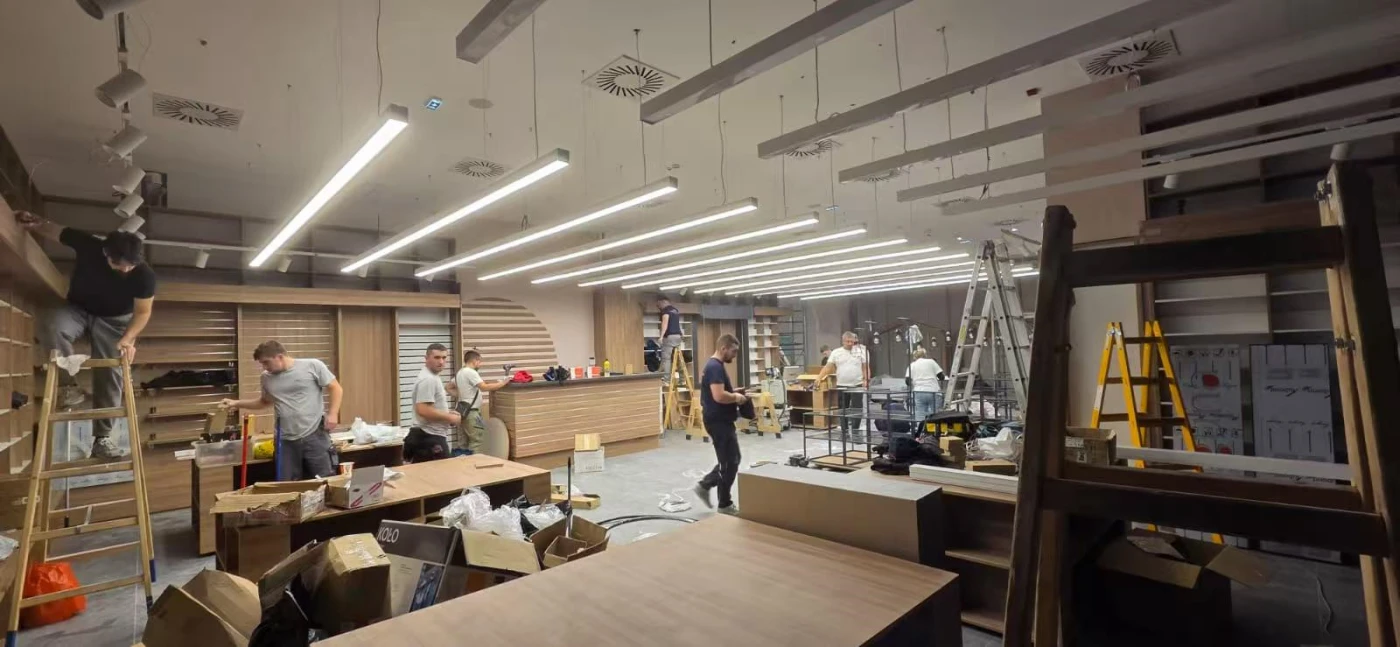
Việc lắp đặt hoàn thành khớp với các thông số kỹ thuật ban đầu mà chúng tôi đã thảo luận trong quá trình dự án.
Đoạn phim là từ một dự án riêng biệt, một văn phòng hiện đại lắp đặt nhà thầu đã hoàn thành bằng cách sử dụng các mô-đun tương tự. Anh ấy đã chia sẻ nó cùng với những bức ảnh của cửa hàng.
Năm phút sau khi lô đầu tiên đến
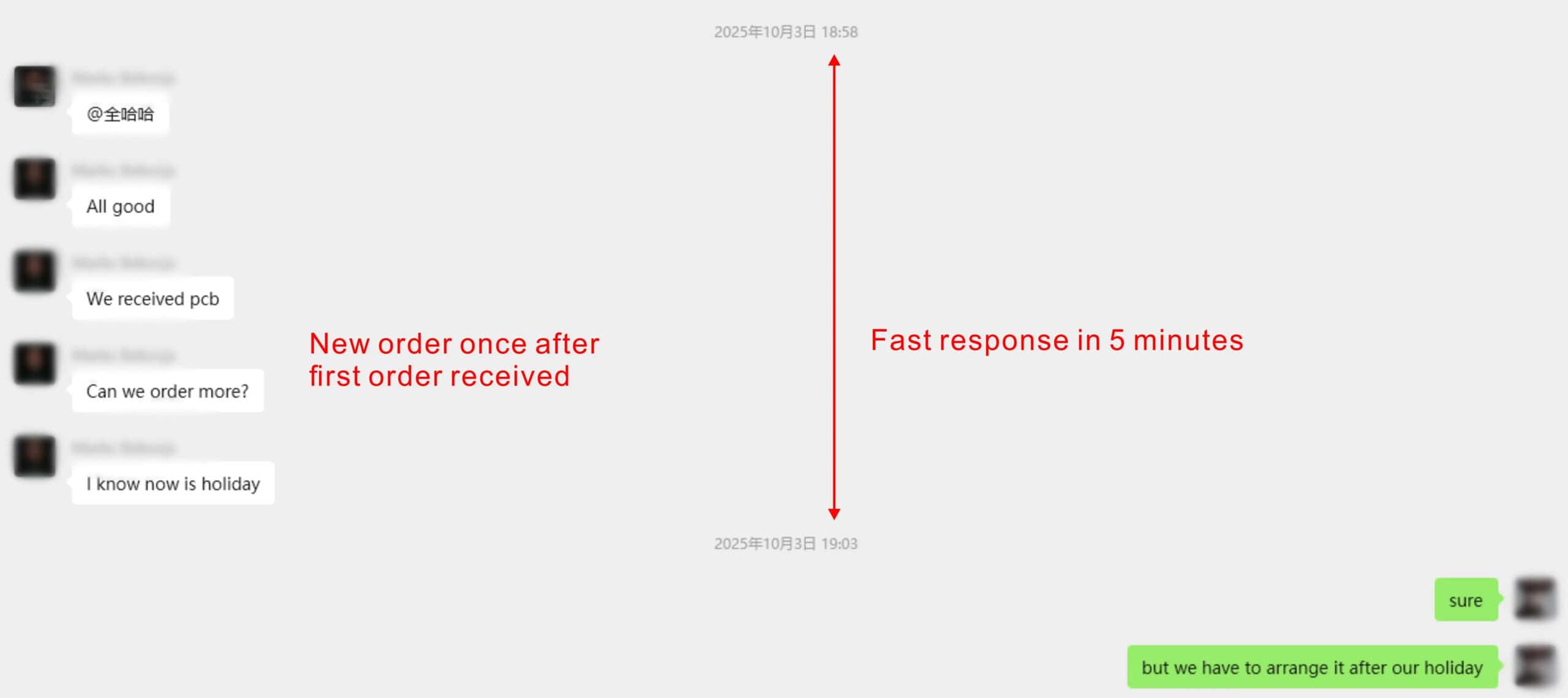
Nhà thầu này tự lắp ráp đồ đạc. Anh ta biết ngay lập tức một mô-đun có hoạt động kích thước, đầu ra, khả năng tương thích của trình điều khiển hay không. Khi anh ta nói "tất cả đều tốt" và yêu cầu thêm trong vòng năm phút kể từ khi giao hàng, đối với một nhà thầu tự lắp ráp các đồ đạc, phản hồi đó là đủ để xác nhận các mô-đun đáp ứng yêu cầu của anh ta.
Câu trả lời của tôi: “Chắc chắn rồi. Nhưng chúng tôi phải sắp xếp nó sau kỳ nghỉ của chúng tôi ”.
Đó là thứ tự thứ hai. Mô-đun hàng đôi mà anh ấy đã thêm theo thứ tự 493x50mm là một cấu hình mới mà anh ấy muốn cho một dự án khác. cùng chất lượng kỳ vọng. cùng một mức độ tin cậy.
Bốn đơn đặt hàng sau đó quan hệ đối tác thực sự có nghĩa là gì
Đơn hàng thứ hai đó không phải là lần cuối cùng.
Thời gian dự án đầy đủ:
| thời gian | chuyện gì đã xảy ra | kết quả |
| Tháng 9 năm 2025 | Yêu cầu Whatsapp - Bảng thông số kỹ thuật, tài liệu tham khảo trang web | Dự án đã bắt đầu - không có mẫu nào được yêu cầu |
| Tháng 9 năm 2025 | một ngày thảo luận - thông số kỹ thuật đã được xác nhận | Thông số kỹ thuật hàng ba và hàng đơn bị khóa |
| Tháng 9 năm 2025 | Thiết kế PCB được xác nhận vào ngày hôm sau | Kỹ thuật đăng xuất hoàn tất |
| Tháng 9 năm 2025 | Xác nhận đơn hàng và bản vẽ PCB đã hoàn thành | Bắt đầu đánh giá sản xuất |
| Tháng 10 năm 2025 | Đợt đầu tiên nhận được ở Serbia | “Tất cả đều tốt” - Không có vấn đề gì |
| Tháng 10 năm 2025 - 5 phút sau | "Chúng ta có thể đặt hàng thêm không?" | Đơn hàng thứ hai - Đã thêm hàng đôi |
| cuối năm 2025 | Đơn hàng thứ ba và thứ tư được đặt | quan hệ đối tác đang hoạt động tích |
Điều gì đã tạo nên sự khác biệt:
| tình hình | Những gì Signlited đã làm | những gì nó sản xuất |
| Không có mẫu - Chỉ thông số kỹ thuật | Được thiết kế từ cuộc trò chuyện WhatsApp và bảng thông số kỹ thuật | Sản xuất phù hợp với thông số kỹ thuật chính xác |
| Xung đột tương thích trình điều khiển | Giải pháp kết nối song song - không có trình điều khiển mới | Không thêm chi phí cho nhà thầu |
| Hai loại mô-đun cần thiết | Cả hai được thiết kế trong một phiên | Hoàn thành phạm vi từ một nhà cung cấp |
| Cần quay vòng nhanh | Bản vẽ PCB đã sẵn sàng trước sáng hôm sau | Không chậm trễ sản xuất |
| Đơn hàng đầu tiên không có mẫu | CE RoHS được chứng nhận PCB nhôm được giao | "Tất cả tốt" khi đến |
| Bốn đơn đặt hàng theo thời gian | Thông số kỹ thuật và chất lượng phù hợp mỗi lô | Trạng thái nhà cung cấp mô-đun chính |
Anh ta đến với một điều kiện mà hầu hết các nhà cung cấp sử dụng như một lối thoát. Chúng tôi đã sử dụng nó như một điểm khởi đầu. Đó là lý do đã có bốn đơn đặt hàng.
Nếu bạn sản xuất thiết bị chiếu sáng của riêng bạn
Nếu bạn sản xuất thiết bị chiếu sáng của riêng mình và đã có giới hạn trình điều khiển hoặc tiêu chuẩn sản xuất hiện có, hãy gửi thông số kỹ thuật trước khi bắt đầu lập kế hoạch sản xuất.
Hầu hết các vấn đề trong các dự án mô-đun LED tùy chỉnh bắt đầu khi những chi tiết này được thảo luận quá muộn.
lúc SignliteLED, chúng tôi thích xác nhận khả năng tương thích trước khi bắt đầu sản xuất hơn là khắc phục sự cố sau khi cài đặt.
- Tác giả: Steven Quan
- người quản lý bán hàng
- E-mail: sales@signlite.com.cn
- Mobile / WhatsApp: +86 15814478470

Câu hỏi thường gặp
Bài viết liên quan