By Steven Quan:
With over 10 years of experience at SignliteLED, Sales and Product Manager Steven successfully managed this custom LED module project.
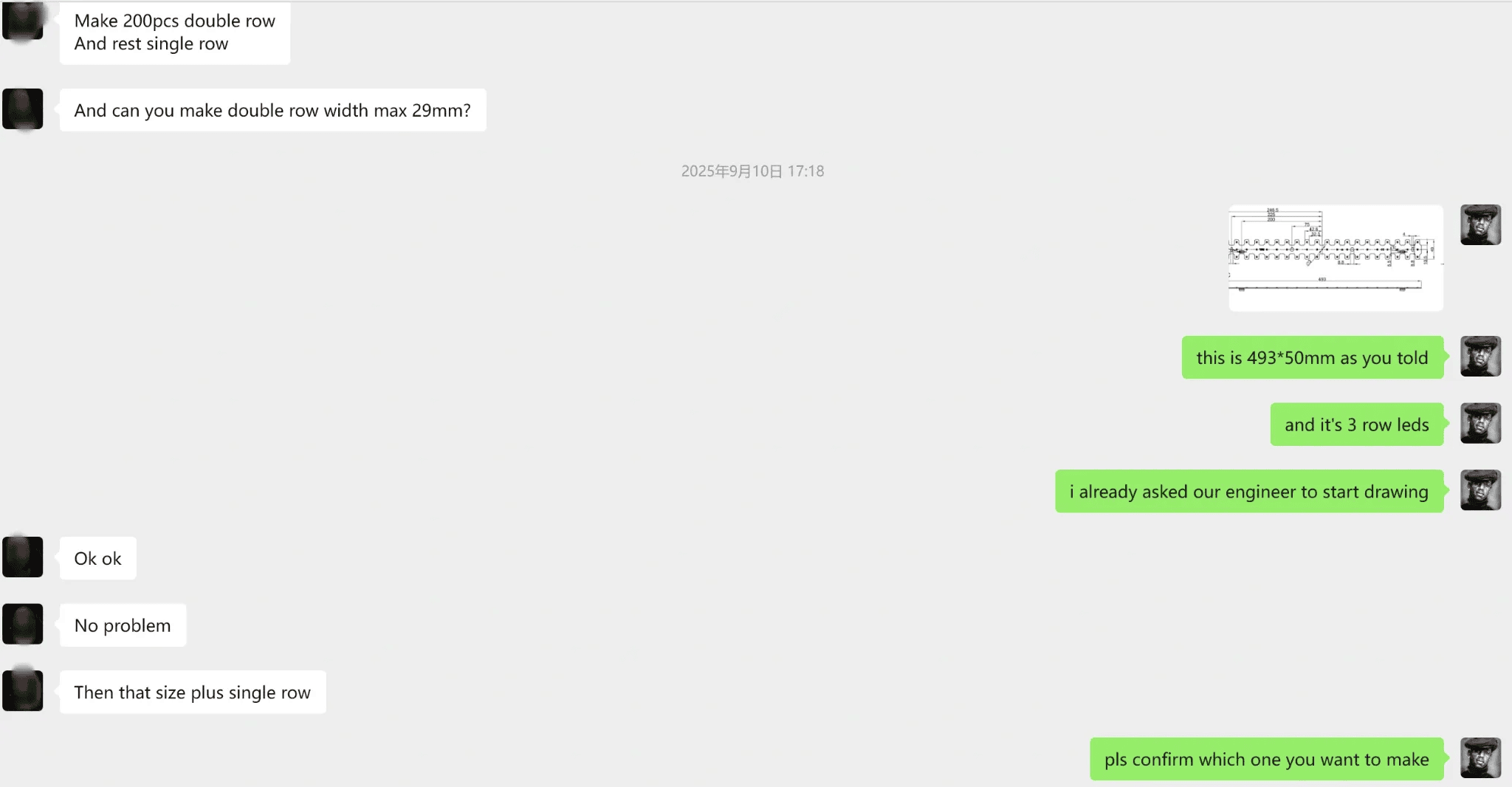
In September 2025, we received a WhatsApp inquiry with a final line that would have discouraged most suppliers.The client was a specialized contractor in Serbia with his own factory and assembly lines. He manufactures linear lighting fixtures for local installation projects in Serbia. He manufactures the fixtures himself and sources only the LED modules from suppliers.
The main requirement was straightforward: the modules had to work with the drivers already used in his factory. He did not want to replace drivers or change the existing production setup in his factory.
I immediately understood the challenge behind the request.
He already had inventory in stock. Changing drivers meant changing cost calculations across his production line.
The Spec Sheet He Sent and the One Line That Changed Everything
This contractor was already manufacturing his own linear lighting fixtures in Serbia before he contacted us. He did not need product recommendations. He needed a supplier who could build modules around the drivers and dimensions already used in his production line.

The specifications themselves were manageable. The real problem was the driver condition: everything had to work with the existing drivers already sitting in his factory.
Why the Driver Condition Was the Real Problem and Why I Did Not Walk Away
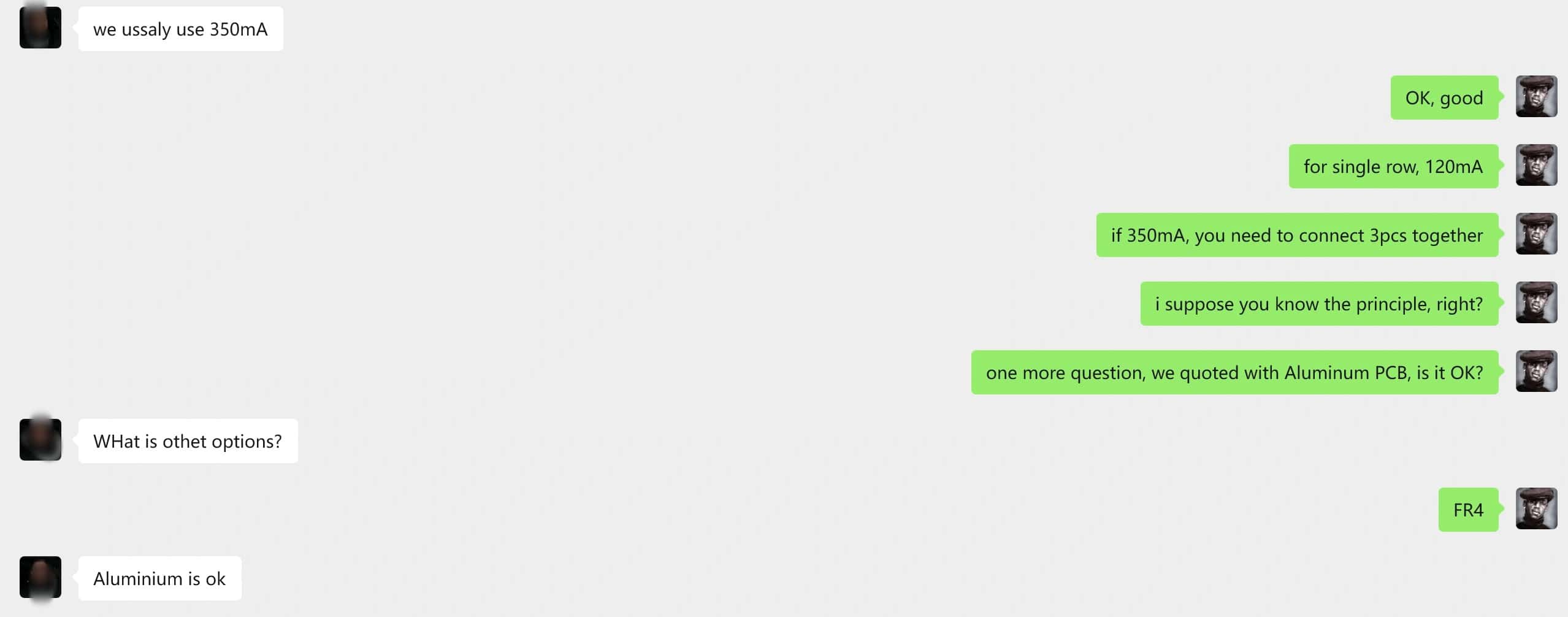
A constant current driver outputs a fixed current. His existing driver ran at 350mA. The single row module draws 120mA. The triple row module draws 360mA. I had seen similar driver conflicts before, and most of them ended with the supplier recommending completely new hardware. The voltage specifications were easy to match. The real challenge was making both module configurations work with the same driver.
The easy answer was to tell him to buy a second driver. I did not give him an easy answer.
Before discussing solutions with engineering, I went back through the original specifications he had sent over WhatsApp.
This was the configuration we were trying to make work with the same existing driver:

| 参数 | Single Row Module | Triple Row Module |
| PCB尺寸 | 493 x 25mm | 493 x 50mm |
| LED Configuration | 20 series, 1 parallel | 20 series, 3 parallel |
| Total LEDs | 20 | 60 |
| 工作电压 | 50 to 60V | 50 to 60V |
| 色温 | 暖白色 | 暖白色 |
| Estimated Power | Approximately 7W | 21W module, 23 to 24W total with driver |
| PCB 材料 | 铝质 | 铝质 |
| 认证 | CE ROHS | CE ROHS |
| 司机 | Existing stock — no new driver | Same existing driver |
Before replying, I discussed the driver requirements directly with our engineering team. because I knew the project would move forward or collapse based on that one issue alone. The client was waiting for an answer before moving forward with production planning. At that point, the project could only move forward if the driver configuration worked correctly. I did not know yet which it was going to be.
The Solution That Kept His Existing Driver and His Budget Intact
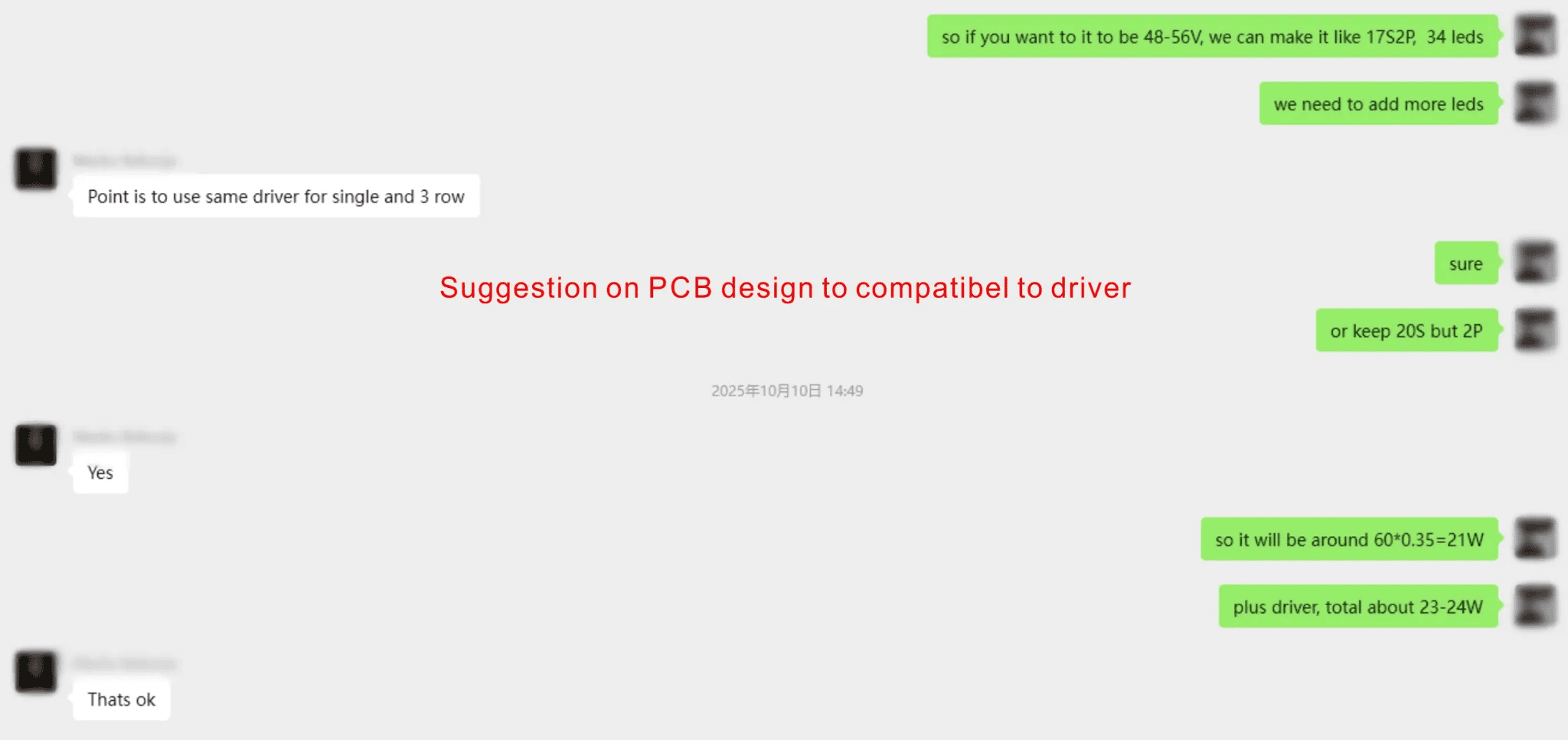
Three single row modules connected in parallel each draw 120mA.
Combined, the three modules operate within the working range of his existing 350mA driver configuration.
That meant:
No new driver. No additional hardware. No extra cost in his production line.
The single row and triple row modules become interchangeable from the driver’s perspective, as long as the single row modules are wired in parallel groups of three.


How Parallel Connection Solved the Driver Problem:
| 组态 | Current per Unit | 相连 | Total Current | Driver Change |
| 1x Single row | 120mA | Direct | 120mA | Yes — different driver needed |
| 1x Triple row | 360mA | Direct | 360mA | No — matches existing |
| 3x Single row parallel | 120mA each | Parallel | 360mA total | No — matches existing |
After reviewing the current calculations and wiring configuration, his reply came back in two words:
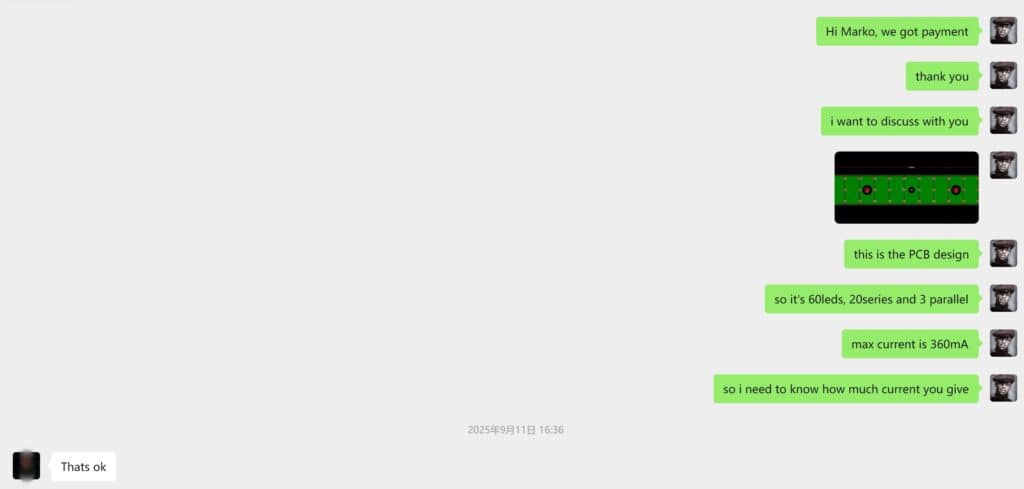
“That’s ok.”
The client had carefully reviewed every technical detail throughout the discussion, that was effectively his approval to move forward.
He Did Not Ask for a Sample. That Tells You Everything.
Most buyers in this situation ask for a prototype first. That is the normal process when you are ordering custom LED modules from a factory you have never visited.
He never asked for one.
- No sample testing.
- No factory visit.
- No third-party inspection.
He placed the production order based entirely on our WhatsApp discussion, the engineering solution, and the PCB drawing we confirmed together.
That level of trust is built through technical communication and consistent follow-up before production begins.
From Payment Confirmed to PCB Drawing Before the Next Morning
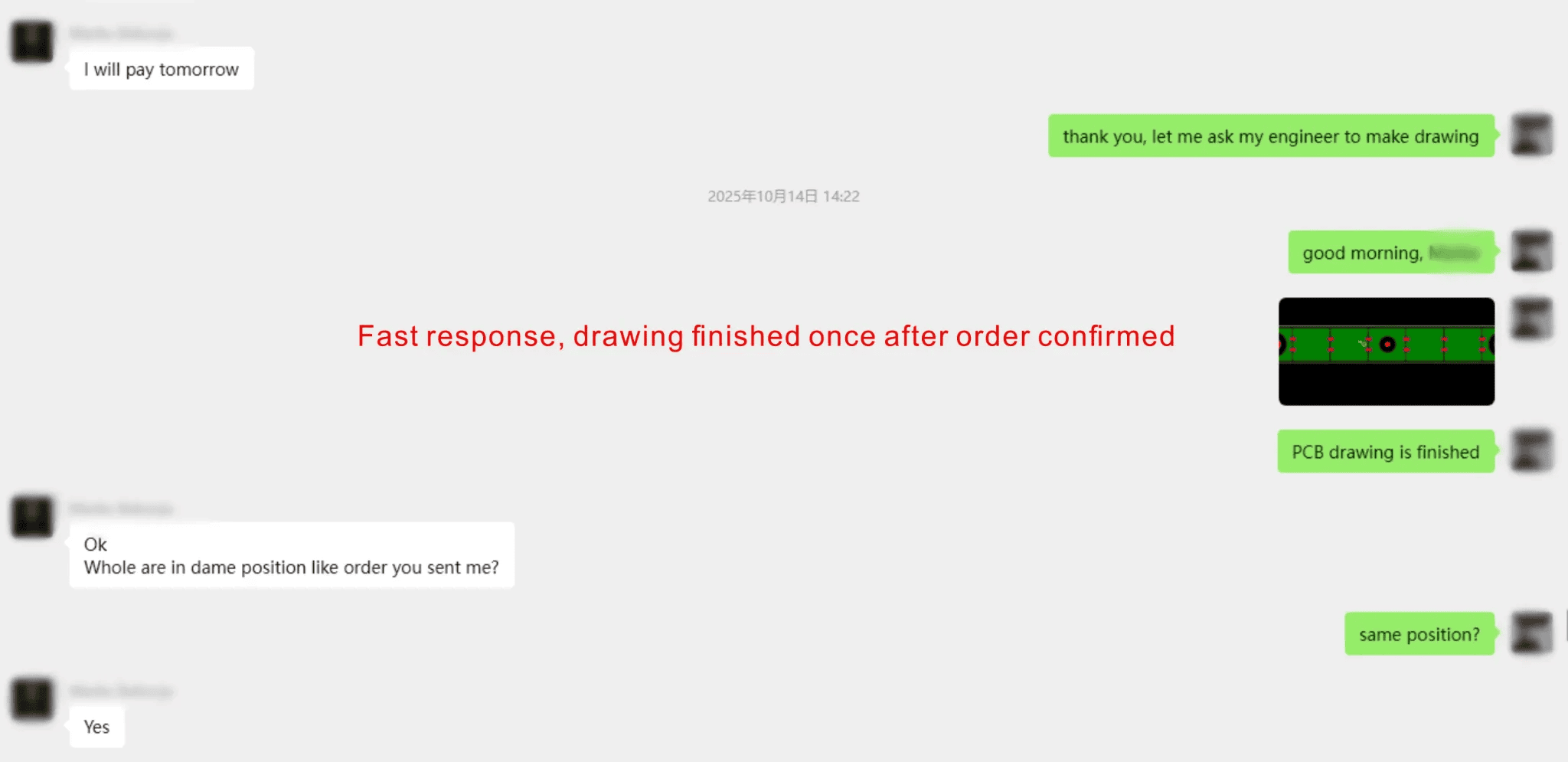
After the specifications were finalized, the client confirmed the order and we immediately moved the PCB drawing into production review. I contacted engineering that same afternoon and flagged it as priority.

After one day of technical discussion, the PCB drawing was completed the following day and sent for confirmation. That speed mattered because his own production planning was already waiting on confirmation.
Hole positions, LED layout, and connector locations were all finalized in a single message exchange.
He reviewed the layout, confirmed the hole positions, and approved the drawing for production.


Final Specifications Locked for Production:
| 参数 | 单排 | 三排 |
| PCB尺寸 | 493 x 25mm | 493 x 50mm |
| LED Count | 20 | 60 |
| 组态 | 20S 1P | 20S 3P |
| 工作电流 | 120mA per module | 360mA total |
| Driver Used | 350mA existing | 350mA existing |
| Total Power | Approximately 7W | Approximately 23 to 24W |
| 客 | 铝质 | 铝质 |
| 认证 | CE ROHS | CE ROHS |
Why Aluminum and Not FR4
He asked about FR4 during the spec discussion. I recommended aluminum immediately because I have seen high-density FR4 modules fail early from heat buildup in commercial applications.
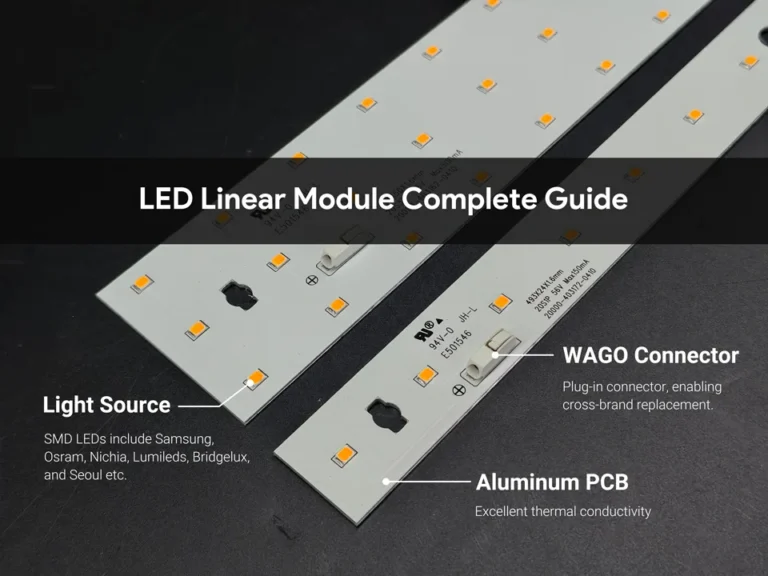
Aluminum PCB reduces LED junction temperature by 15 to 20 degrees Celsius compared to FR4, which directly extends module lifespan and improves long-term stability.
For a contractor installing these fixtures into commercial spaces under his own company name, reliability mattered far more than the small material cost difference.
Once the specifications and PCB drawing were confirmed, production could begin.
What Came Off the Production Line
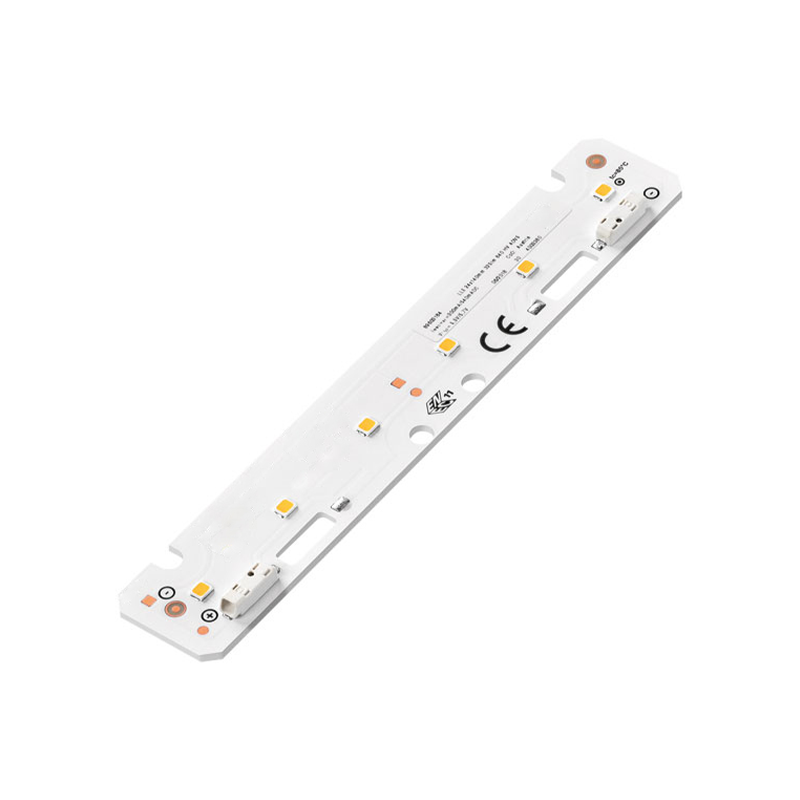
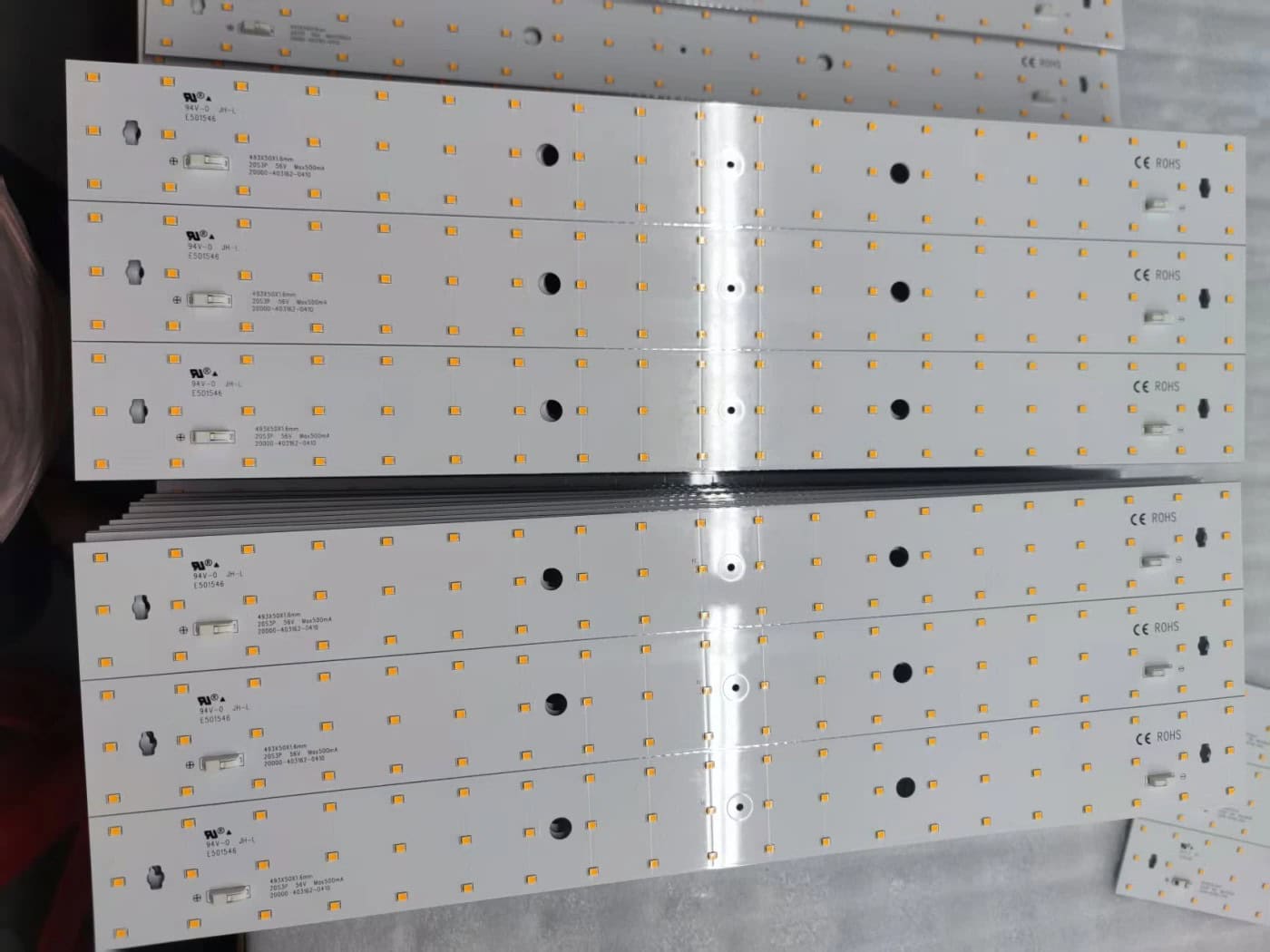
This is what the first batch looked like before it shipped to Serbia.

He never visited the factory. Never saw these being made. He trusted a conversation and a drawing. Every module in that batch had to be exactly what the spec sheet described because there was no second chance to make a first impression.
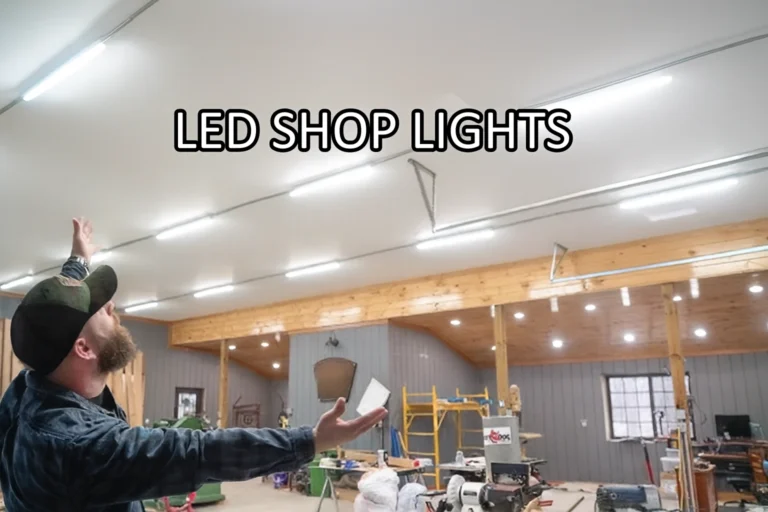
The Shop in Serbia What the Modules Looked Like Installed
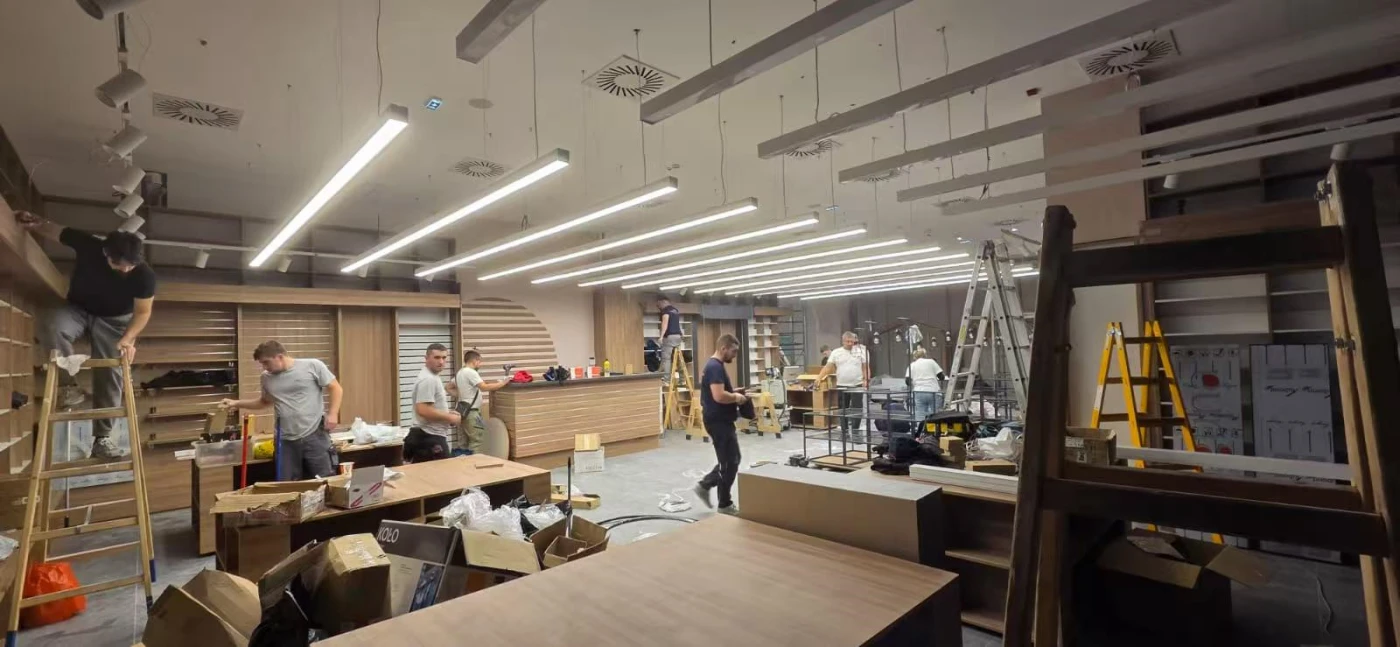
After the modules arrived, he installed them. He sent photos.

The finished installation matched the original specifications we discussed during the project.
The video footage is from a separate project a modern office installation the contractor completed using the same modules. He shared it alongside the shop photos.
Five Minutes After the First Batch Arrived

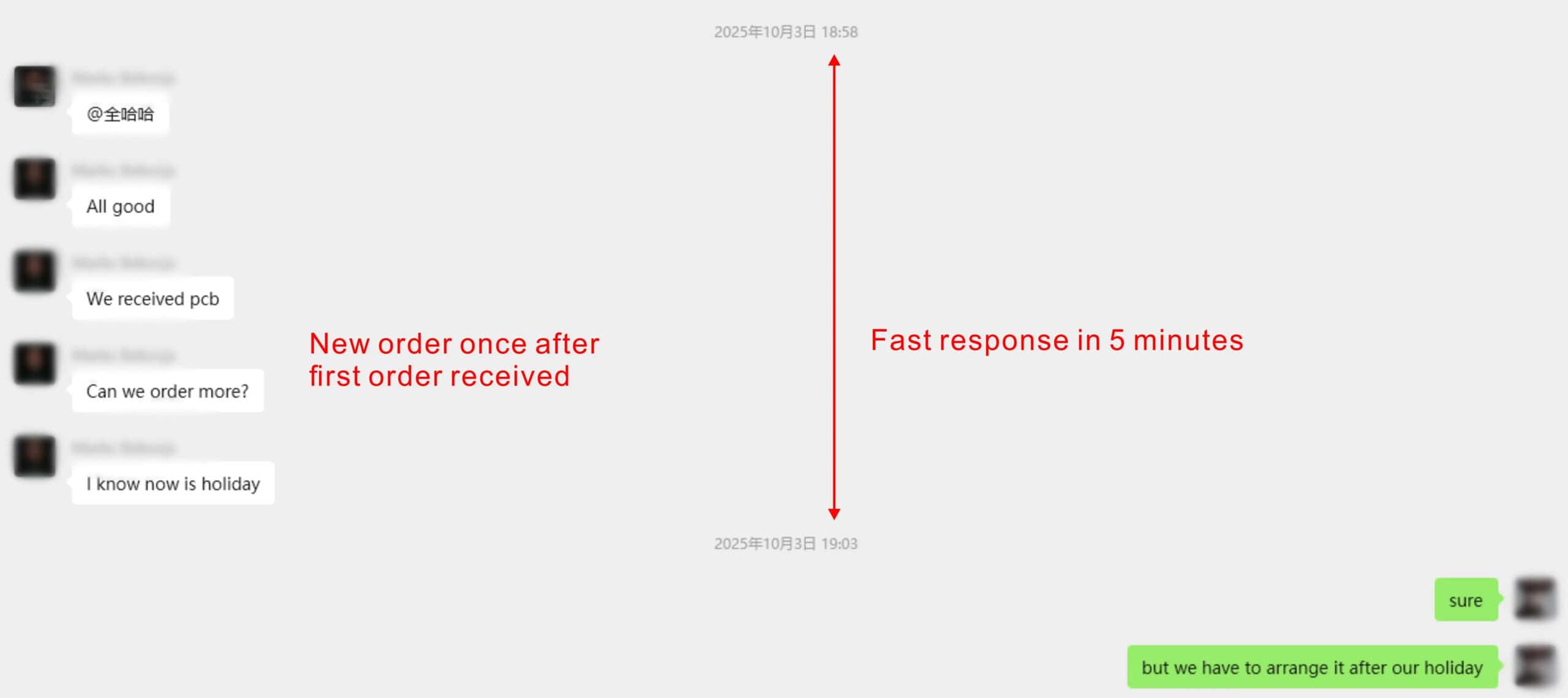
This contractor assembles fixtures himself. He knows immediately whether a module works dimensions, output, driver compatibility. When he says “All good” and asks for more within five minutes of delivery, For a contractor who assembles the fixtures himself, that response was enough to confirm the modules met his requirements.
My reply: “Sure. But we have to arrange it after our holiday.”
That was the second order. The double row module he added in that order 493x50mm was a new configuration he wanted for a different project. Same quality expectation. Same trust level.
Four Orders Later What This Partnership Actually Means
That second order was not the last.
Full Project Timeline:
| 枣 | What Happened | 致使 |
| September 2025 | WhatsApp inquiry — spec sheet, website reference | Project started — no sample requested |
| September 2025 | One day of discussion — specs confirmed | Triple row and single row specs locked |
| September 2025 | PCB design confirmed next day | Engineering sign-off complete |
| September 2025 | Order confirmed and PCB drawing completed | Production review started |
| October 2025 | First batch received in Serbia | “All good” — zero issues |
| October 2025 — 5 minutes later | “Can we order more?” | Second order — double row added |
| Late 2025 | Third and fourth orders placed | Active ongoing partnership |
What Made the Difference:
| The Situation | What SignliteLED Did | What It Produced |
| No sample — specs only | Engineered from WhatsApp conversation and spec sheet | Production matched specs exactly |
| Driver compatibility conflict | Parallel connection solution — no new driver | Zero extra cost for contractor |
| Two module types needed | Both engineered in one session | Complete range from one supplier |
| Fast turnaround needed | PCB drawing ready before next morning | No production delay |
| First order with no sample | CE ROHS certified aluminum PCB delivered | “All good” on arrival |
| Four orders over time | Consistent specs and quality every batch | Primary module supplier status |
He came with a condition that most suppliers use as an exit. We used it as a starting point. That is the reason there have been four orders.
If You Manufacture Your Own Lighting Fixtures
If you manufacture your own lighting fixtures and already have driver limitations or existing production standards, send the specifications before production planning begins.
Most problems in custom LED module projects start when these details are discussed too late.
在 信号灯, we prefer confirming compatibility before production starts rather than correcting problems after installation.
常见问题解答
是的。 这个项目是一个直接的例子。 承包商完全根据规格表和 WhatsApp 对话下了生产订单——没有请求或发送样品。 使这成为可能的是精确的规格表、清晰的电气需求通信以及在生产开始前确认的 PCB 图纸。 当所有三个都到位时,物理样本会增加时间而不增加确定性。
The process starts with knowing the driver’s output current. Once that figure is confirmed, we design the LED string configuration — series count, parallel count, and total draw — to match it. If a single module configuration cannot match the driver directly, parallel wiring of multiple modules is the standard solution. We work through this during the spec phase, before any drawing is produced.
不是直接来自标准配置中的单个输出 - 电流消耗是不同的。 然而,并行连接的三个单排模块与一列三排模块的总电流相同。 如果驱动程序输出与三行绘图匹配,并行连接的单行模块将从同一驱动程序运行,无需修改。 这正是我们为这个承包商解决的方式。
Parallel connection means multiple modules share the same driver output, with each module drawing its individual current simultaneously. The driver sees the combined draw. It applies when you need to run lower-current modules from a higher-current driver, or when you want to expand a lighting run without adding a second driver. The key requirement is that the driver’s total output current matches the combined draw of all parallel modules.
铝比 FR4 玻璃纤维更快地散发来自 LED 结的热量。 铝板与高密度应用中的FR4相比,铝PCB将LED结温降低了15至20摄氏度,而较低的结温则直接延长了LED的使用寿命。 对于将模块安装到将在商业环境中运行数千小时的固定装置中的承包商来说,这种热差异会转化为更少的故障和更强的产品声誉。
在本项目中,PCB 绘图完成并在规范最终确定后的第二天发送确认。
本项目中的模块通过了 CE 和 RoHS 认证。 CE 认证确认符合欧洲安全和电磁兼容性要求。 RoHS 认证确认产品中不存在受限的有害物质。 两者都是欧洲市场的商业照明应用所必需的,并且两者都是由该承包商从第一条消息中指定的。
It describes how the LEDs are electrically arranged on the PCB. “20 series” means 20 LEDs are connected end-to-end in a single chain — the voltage adds up across all 20. “3 parallel” means three of those chains run side by side, sharing the same current driver. The triple row module in this project had 60 total LEDs arranged as 20 series, 3 parallel — giving it three times the current draw of the single row 20 series, 1 parallel module.
定制 LED 线性模块的最小订购量取决于 PCB 配置和工具要求。 对于涉及新 PCB 布局的项目(如本例中),通常会降低较小的运行成本,从而降低运行成本。 正确的起点是发送您的规格表:我们将根据您的实际配置而不是通用的价格表确认数量和成本。
When no sample is available, the spec sheet does the work a sample would otherwise do. We confirm every parameter in writing before engineering begins — PCB dimensions, LED count, series and parallel configuration, operating voltage, current draw, substrate material, and certification requirements. The PCB drawing goes back to the client for sign-off before production starts. That drawing is the checkpoint. If anything is wrong, it is corrected before a single LED is placed.